Ultrasonic Extraction vs Maceration: Which Method Wins?
Sep 16, 2026
Ultrasonic extraction and maceration can both recover valuable compounds from herbs, but they perform very differently when production speed, temperature control, solvent use, and batch consistency matter. Bioland Instrument’sultrasonic herbal extraction equipmentcombines cavitation-assisted extraction with configurable heating, filtration, vacuum concentration, condensation, and solvent-recovery functions, helping processors move beyond a single extraction vessel toward an integrated production solution.
Cell breakdown and mass transfer under controlled conditions are accelerated by ultrasonic herbal extraction equipment compared to prolonged soaking. According to Bioland instrument's process data, the best herbal extraction can usually be done in 24 to 40 minutes at 40 to 60°C. However, the actual performance will depend on the plant material, particle size, solvent, and target compound. This makes the method very appealing for tannins, flavonoids, colours, polysaccharides, flavour compounds, and other plant-based ingredients that are sensitive to heat.
Bioland Instrument offers ultrasonic herbal extraction equipment for lab, test, and commercial use. Their solutions include OEM/ODM engineering, CE and ISO quality assurance, GMP-oriented design, and possible PLC automation. The engineering team doesn't just give you a machine; they also look at the raw materials, extraction goals, solvent compatibility, capacity, concentration needs, cleaning methods, and purification further down the line to make a process line that works.
Key Differences Between Ultrasonic Extraction and Maceration
Extraction Mechanism and Cell Disruption
Passive diffusion is what makes maceration work. Plant matter stays in water, ethanol, or another fluid, while soluble chemicals move slowly from cells that are whole or partly destroyed. The process is easy, but dense plant fibres, thick cell walls, and not enough stirring can stop diffusion and leave useful chemicals inside the biomass.
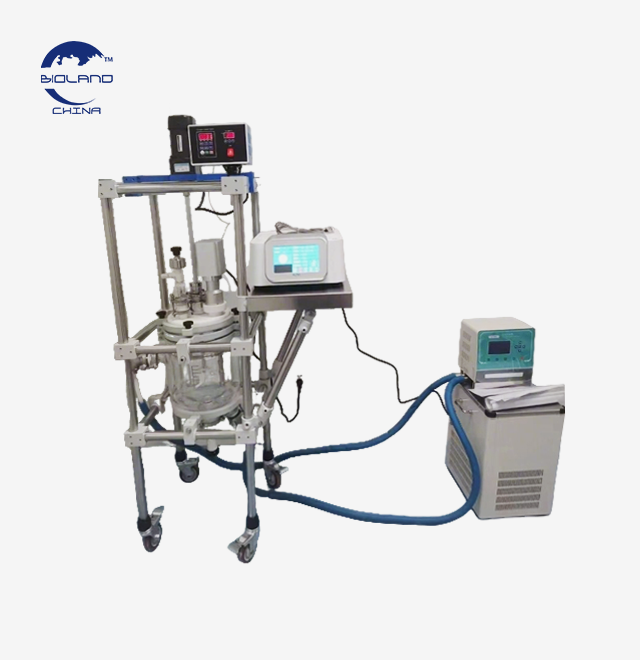
Ultrasonic herbal extraction equipment, on the other hand, adds sound waves to the liquid and solid mixture. When microscopic bubbles repeatedly form and burst, shear, turbulence, and microjets are created in certain areas. These physical effects can bend or break plant structures, let more solvents in, and reveal more of the inside surface area without needing to soak for a long time.
Processing Time and Temperature Control
Traditional maceration may require several hours or even days, especially when extracting dense roots, bark, mushrooms, or materials with low solvent permeability. Increasing the temperature can shorten the process, but excessive heat may affect volatile oils, anthocyanins, polyphenols, and oxidation-sensitive ingredients.
Bioland instrument’s ultrasonic herbal extraction equipment is designed for controlled low-temperature processing, commonly within an optimized range of 40–60°C for many herbal applications. Shorter residence time can reduce heat exposure while supporting faster production turnover. Temperature, ultrasonic duration, solvent ratio, circulation, and vacuum concentration can be adjusted for the specific botanical and required extract profile.
Equipment Integration and Production Flexibility
A maceration tank generally performs soaking and agitation, leaving filtration, solvent recovery, and concentration to separate equipment. This creates additional transfers, longer handling time, and more opportunities for process variation. It may remain suitable for artisanal tinctures or low-volume products where capital expenditure is the primary concern.
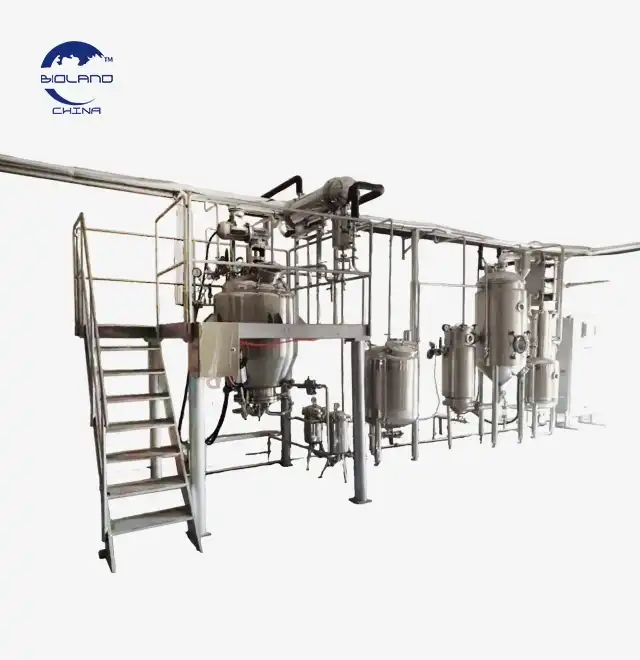
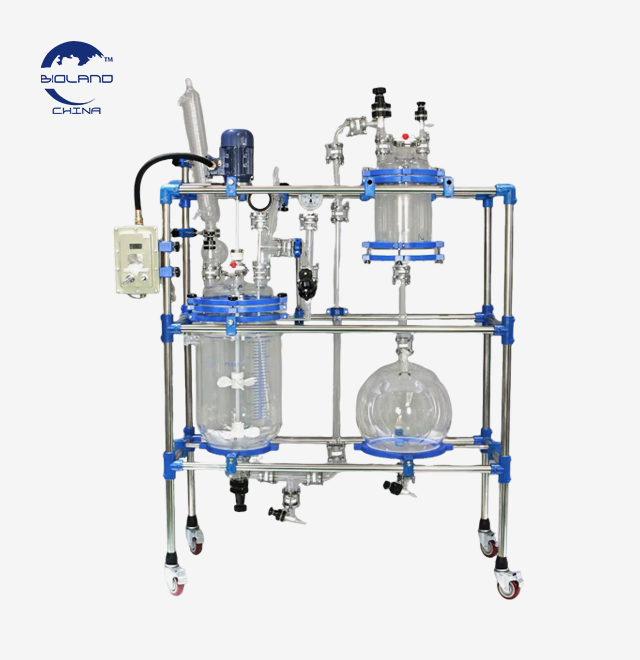
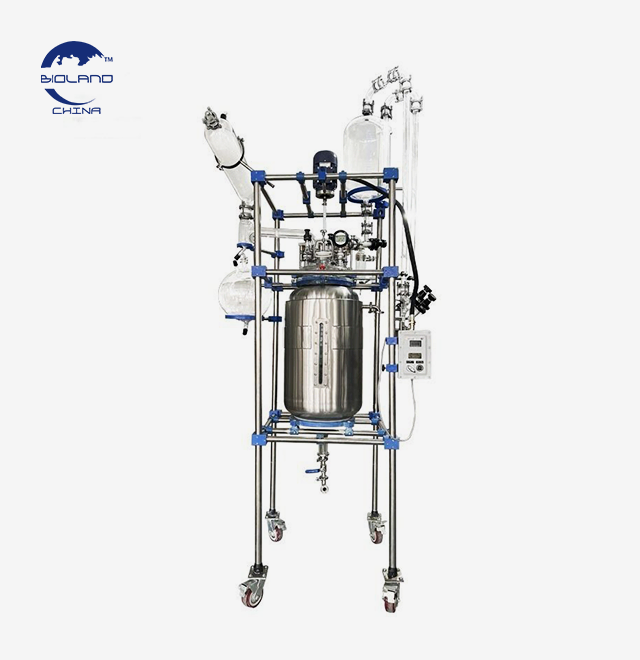
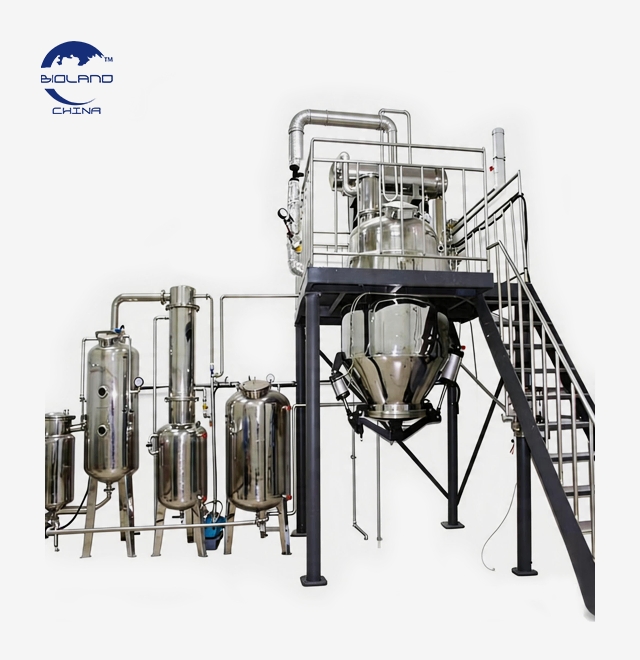
Bioland instrument’s ultrasonic herbal extraction equipment can be configured with an extraction tank, tubular heater, evaporator, condenser, oil separator, receiver, liquid pump, metering vessel, storage tank, filter, vacuum pump, and electrical control cabinet. It can support ultrasonic extraction, hot reflux, dynamic percolation, water or alcohol precipitation, conventional extraction, and vacuum concentration.
Selecting the Right Method for the Product
The choice should start with the raw material and commercial objective. Maceration can win for simple formulations, very small batches, or applications where time and extraction variability are not critical. Ultrasound usually has a stronger advantage when manufacturers need higher throughput, moderate temperatures, repeatable recipes, and better integration with downstream operations.
For processors making standardized botanical ingredients, ultrasonic herbal extraction equipment offers a broader operating window. Bioland can customize SUS304 or SUS316L contact parts, vessel volume, ultrasonic power, heating method, filtration accuracy, explosion-protection requirements, and CIP cleaning. The result is a system selected around the process rather than a generic tank forced into an unsuitable application.
Comparing Extraction Time, Yield, and Process Efficiency
Shorter Cycles and Higher Daily Throughput
Extraction time directly affects vessel utilization and production cost. A tank occupied by overnight maceration cannot start another batch, while long cycles also increase labor, scheduling complexity, and inventory held in processing. Ultrasound-assisted extraction compresses the mass-transfer stage, allowing more batches to be completed with the same nominal vessel capacity.
Bioland reports that properly optimized ultrasonic herbal extraction equipment can reach a favorable extraction endpoint in approximately 24–40 minutes for certain herbal processes, reducing extraction time by more than two-thirds compared with traditional methods. These figures are application-dependent and should be confirmed through material testing, but they demonstrate why pilot trials are valuable before scale-up.
Yield Improvement Must Be Evaluated Correctly
Yield should not be judged only by total dissolved solids. A high mass yield may include unwanted waxes, proteins, fibers, or pigments that increase downstream purification costs. The more meaningful indicators are target-compound recovery, extract purity, solvent consumption, filtration behavior, and product stability.
Supplier application data indicates that ultrasonic herbal extraction equipment may improve extraction yield by approximately 50–500% over some conventional processes. Results vary substantially by material and baseline method. Bioland therefore recommends defining analytical targets—such as steviosides, capsaicinoids, polysaccharides, flavonoids, quercetin, or phenolic acids—before selecting ultrasonic intensity and extraction conditions.
Stevia and Chili Processing Scenarios
A stevia processor may struggle with lengthy soaking and inconsistent recovery from leaves, stems, and roots. A tailored stevia extraction machine based on ultrasonic herbal extraction equipment can combine controlled water or ethanol extraction, circulation, filtration, and vacuum concentration. The practical benefit is faster release of steviol glycosides and a more repeatable feed stream for later clarification and purification.
In a Chilli Oleoresin Extraction Plant, the challenge is recovering capsaicinoids and chili oleoresin while controlling solvent handling and concentrated product quality. Bioland instrument can configure ultrasonic herbal extraction equipment with compatible seals, closed transfer, condensation, and solvent recovery, helping the customer reduce manual movement and connect extraction directly with concentration.
Mushroom Polysaccharide Production
Mushroom tissues can be difficult to process because intracellular polysaccharides are not always released efficiently through passive soaking. For ultrasonic extraction mushrooms applications, Bioland evaluates milling size, water ratio, temperature, ultrasonic duration, filtration, and vacuum concentration as one coordinated process.
The same ultrasonic herbal extraction equipmentconcept can support extraction of polysaccharides from Ganoderma lucidum, shiitake, enoki mushrooms, tremella, sweet potatoes, jujube, and goji berries. Customers gain a configurable line rather than an isolated extractor, with options for precipitation, filtration, concentration, and hygienic cleaning based on the final ingredient specification.
How Cavitation Improves Mass Transfer from Plant Materials
Bubble Collapse and Solvent Penetration
When ultrasonic waves travel through a liquid, pressure cycles generate and collapse microscopic cavities. Bubble collapse near a plant particle creates turbulence and localized liquid jets that help solvent enter pores and channels. This repeatedly renews the solvent layer around the material and reduces the diffusion boundary that slows maceration.
In ultrasonic herbal extraction equipment, cavitation works together with agitation, circulation, temperature control, and solvent selection. Ultrasound does not replace process development; it intensifies a properly designed extraction. Particle size, solid-to-liquid ratio, viscosity, frequency, power density, and treatment time must be balanced to prevent unnecessary energy use or excessive co-extraction.
Protecting Heat-Sensitive Botanical Compounds
Many botanical ingredients are vulnerable to prolonged heating. Anthocyanins may discolor, volatile oils may be lost, and some flavonoids or aromatic compounds may degrade when exposed to high temperature for extended periods. Faster mass transfer allows extraction to proceed at moderate bulk temperatures.
Bioland instrument’s ultrasonic herbal extraction equipment is commonly designed around low-temperature operation for sensitive materials. Vacuum concentration can then remove water or solvent at a lower boiling point. A typical system maintains concentration vacuum according to the process, with supplied specifications indicating system vacuum around -0.085 MPa for BL-TN-C series models.
Flavonoids, Quercetin, and Propolis
A botanical producer extracting flavonoids from ginkgo leaves, bamboo leaves, chrysanthemum, ginger, lotus leaves, onion skins, or Sophora japonica may face slow diffusion and variable potency. Ultrasonic herbal extraction equipment can intensify ethanol or water extraction while maintaining recipe-based temperature and time control, creating a more stable intermediate for purification.
For ultrasound assisted extraction of quercetin, the raw material may be larch, celery, mulberry leaves, Vaccinium bracteatum, or rutin-rich Sophora buds. Bioland adjusts solvent concentration and energy input around the selected marker compound, rather than applying one universal setting.
Propolis presents another problem: active flavonoids and phenolic acids must be separated from waxy raw material. A propolis extraction machine using ultrasonic herbal extraction equipment with ethanol extraction can improve contact between solvent and fragmented propolis. Closed transfer, filtration, concentration, and solvent recovery can then be integrated to simplify handling.
Pigments, Tea, and Coffee Ingredients
Natural pigments require careful temperature and oxygen management. For pigment extraction from plants, including citrus-peel pigments, anthocyanins, betalains, carotenoids, chlorophyll, and capsanthin, Bioland instrument configures the process around pigment stability, solvent compatibility, and downstream concentration.
A tea extraction machine based on ultrasonic herbal extraction equipment can recover tea polyphenols, flavonoids, amino acids, aromatic oils, and selected volatile components. A Coffee Extraction Machine can be configured for caffeine and other alkaloids. In both cases, controlled extraction reduces dependence on prolonged high-temperature treatment and supports reproducible beverage or functional-food ingredients.
Evaluating Solvent Consumption and Operating Conditions
Solvent Ratio and Recovery Strategy
Maceration often compensates for weak mass transfer by increasing solvent volume or repeating extraction cycles. More solvent requires larger vessels, additional storage, longer evaporation, and higher recovery costs. The best process is not necessarily the one using the least solvent in the extraction tank; it is the one achieving target recovery with efficient total solvent management.
Bioland instrument’sultrasonic herbal extraction equipment can operate with water, ethanol, and other process-approved solvents selected by the customer’s formulation and safety assessment. Condensed secondary vapor may be returned to the extraction loop, while recovered solvent can be reused where product regulations permit. This reduces waste and connects extraction economics with concentration economics.
Operating Under Vacuum, Atmospheric, or Positive Pressure
Process pressure influences boiling behavior, solvent recovery, and equipment specification. The Bioland instrument system can be engineered for negative-pressure, atmospheric, or approved positive-pressure operation according to the application. Vacuum concentration is especially useful when a heat-sensitive extract must be thickened without prolonged exposure to high bulk temperatures.
Available ultrasonic herbal extraction equipment models include nominal volumes of 50, 100, 200, 300, and 500 liters. Listed evaporation capacities range from 20 to 200 kg/h, with motor powers from 2.7 to 3.5 kW. Jacket-pressure specifications are 0.09–0.3 MPa, compressed-air requirements are 0.5–0.6 MPa, and listed evaporation temperatures are 60–100°C.
Process Flow from Loading to Concentration
Production begins by loading prepared herbal material into the extraction tank and adding a validated proportion of water, ethanol, or another suitable solvent. Operators set temperature, ultrasonic duration, circulation, and agitation through the control system. After extraction, valves are opened in the specified sequence and the liquid is pumped through filtration toward the concentration section.
Within integrated ultrasonic herbal extraction equipment, vapor generated during vacuum concentration passes through the condenser and cooler. The condensate can return as fresh solvent through the botanical bed, supporting continued dissolution. Concentration proceeds until the required solids content or density is reached. Demisters at vapor outlets help control entrainment, while collection and storage vessels support closed, orderly material transfer.
Safe Operation, Cleaning, and Maintenance
Safe production requires solvent compatibility checks, grounding, pressure and vacuum inspection, correct valve sequencing, validated cleaning, and operator training. Ethanol processes may require an explosion-protected electrical design based on local regulations. Ultrasound should not operate below the required liquid level, and seals, filters, pumps, condensers, and instrumentation should be inspected at scheduled intervals.
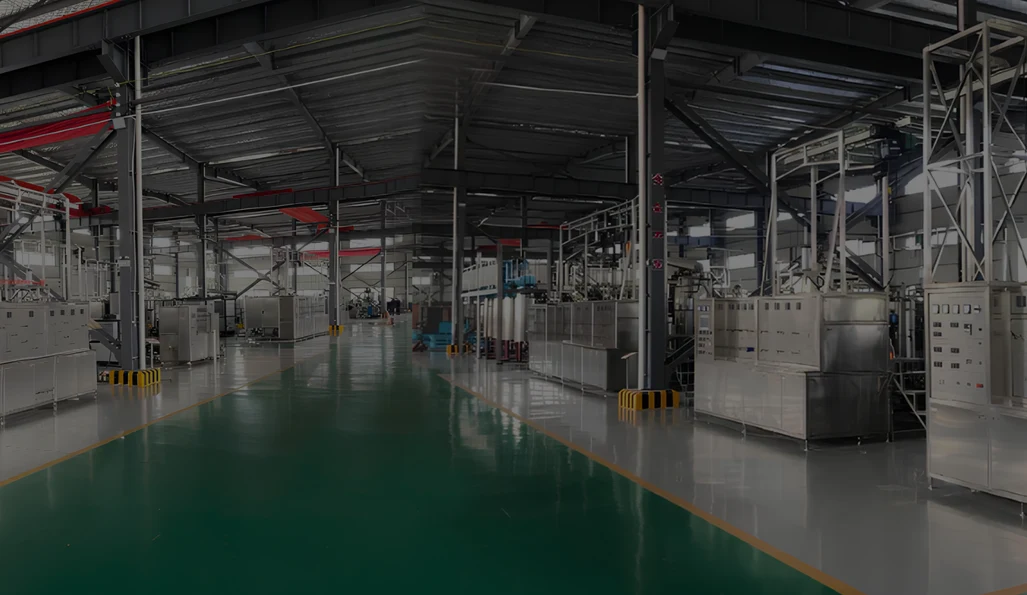
Bioland’s ultrasonic herbal extraction equipment is generally manufactured from SUS304 or SUS316L stainless steel with three-layer insulation, GMP-oriented construction, and optional CIP online cleaning. PLC control, online concentration monitoring, automatic discharge, and automated cleaning can reduce manual intervention. Bioland also provides operating guidance, maintenance support, and a one-year quality warranty with lifetime maintenance service.
Which Method Is Better for Consistent Industrial Production?
Industrial buyers need repeatable extraction more than an impressive one-time laboratory result. Maceration is sensitive to soaking duration, room temperature, manual mixing, raw-material density, and operator judgment. These variables can produce differences in color, concentration, filtration speed, and marker-compound recovery.
Recipe-controlled ultrasonic herbal extraction equipment provides defined settings for temperature, time, ultrasound, circulation, discharge, and concentration. Optional online monitoring and PLC control help operators reproduce the approved process. For pharmaceutical, food, beverage, nutraceutical, and cosmetic production, this traceability is a decisive advantage over loosely controlled soaking.
From Laboratory Trials to a Complete Production Line
Scale-up should not simply multiply a laboratory beaker recipe. Vessel geometry, ultrasonic distribution, mixing power, heat transfer, filtration area, evaporation capacity, and cleaning access all change with production size. Bioland’s engineering team evaluates these interactions before recommending a configuration.
The company’s ultrasonic herbal extraction equipment can be supplied for university laboratories, research institutes, pilot plants, and small-to-medium industrial lines. A 50-liter unit may support process verification, while 100–500-liter models can address larger throughput requirements. Customized capacities and connected production lines are also available through OEM/ODM engineering.
Solution-Based Project Cases
A tea-polyphenol producer facing variable extract concentration required better control between extraction and evaporation. Bioland connected the extractor, filtration stage, vacuum concentrator, condenser, and collection vessels. The ultrasonic herbal extraction equipment reduced dependence on operator-controlled soaking and gave the customer a repeatable process framework for quality testing and future capacity expansion.
A goji-polysaccharide project encountered slow release and difficult downstream handling. Bioland optimized material preparation, water extraction, ultrasonic treatment, filtration, concentration, and optional alcohol precipitation. The customer received a coordinated line with CIP considerations rather than purchasing separate machines and solving connection problems after installation.
A natural-pigment customer needed to limit prolonged thermal exposure while recovering anthocyanin-rich extract. The proposed ultrasonic herbal extraction equipment used controlled low-temperature extraction and vacuum concentration. Material-contact components, seals, pipeline layout, and cleaning procedures were customized around pigment stability and hygienic production.
Why Bioland Instrument Is a Long-Term Partner
Xi’an Bioland Instrument Co., Ltd. has more than 15 years of experience in extraction, concentration, distillation, reaction, separation, filtration, purification, crystallization, emulsification, mixing, and drying equipment. Its portfolio supports the complete route from raw botanical extraction to concentrated or purified intermediate products.
Bioland’s ultrasonic herbal extraction equipment is supported by an in-house R&D team, trained engineers, CE and ISO certification, and GMP/FDA-oriented equipment design. Customized products typically require about 30 business days, while standard products are generally prepared in 5–7 days. Final timing depends on technical scope and production scheduling.
During manufacturing, a dedicated specialist can provide weekly photos or videos. Detailed inspection materials are supplied before shipment, and customers may arrange a Factory Acceptance Test at Bioland’s facility. Sea, rail, and air freight options are available, followed by installation guidance, troubleshooting, warranty service, and lifetime maintenance support.
Conclusion
Maceration remains useful for simple, low-volume products where low initial investment matters more than speed or automation. For processors seeking shorter cycles, moderate temperatures, stronger mass transfer, solvent recovery, and reproducible industrial output, ultrasonic herbal extraction equipment is usually the more competitive choice. Bioland Instrument strengthens that advantage by integrating extraction, filtration, vacuum concentration, condensation, cleaning, and process control into one customized solution.
Its systems can support stevia glycosides, chili oleoresin, mushroom polysaccharides, tea polyphenols, caffeine, flavonoids, quercetin, propolis compounds, natural pigments, plant proteins, and essential oils. Pilot testing and engineering evaluation remain essential because actual yield depends on the material and recipe. With OEM/ODM service, certified manufacturing, FAT inspection, and lifetime maintenance, Bioland helps customers turn difficult extraction requirements into scalable production processes.
FAQs
Is ultrasound always better than maceration?
No. Maceration may suit small, simple batches. Ultrasound is preferable when speed, temperature control, yield, and consistency are priorities.
Which solvents can the system use?
Water and ethanol are common. Other compatible solvents may be used after process, material, and safety evaluation.
What capacities are available?
Standard listed models range from 50 to 500 liters, with customized capacities and complete production lines available.
Can the equipment extract heat-sensitive compounds?
Yes. Ultrasonic herbal extraction equipment can operate at controlled moderate temperatures and connect with vacuum concentration to reduce thermal exposure.
Turn Your Extraction Challenge into a Scalable Bioland Solution
Do not choose an extractor solely by tank volume or purchase price. Send Bioland Instrument your botanical material, target compound, daily throughput, preferred solvent, required concentration, and quality standard. Our engineers will evaluate whether ultrasound, reflux, percolation, precipitation, filtration, vacuum concentration, or a combined process is most appropriate. Bioland’s ultrasonic herbal extraction equipment offers competitive pricing, SUS304/316L construction, CE and ISO assurance, GMP-oriented design, PLC automation, CIP options, and flexible OEM/ODM customization. Customers receive weekly production updates, photo or video inspection, optional FAT, global freight support, a one-year quality warranty, and lifetime maintenance. Whether you are planning a stevia, tea polyphenol, chili oleoresin, mushroom polysaccharide, propolis, or natural-pigment line, contact Bioland Instrument for a process-focused proposal atinfo@biolandequip.com.
References
1. Chemat, F., Rombaut, N., Sicaire, A. G., Meullemiestre, A., Fabiano-Tixier, A. S., and Abert-Vian, M. “Ultrasound Assisted Extraction of Food and Natural Products: Mechanisms, Techniques, Combinations, Protocols and Applications.” Ultrasonics Sonochemistry, 2017, 34: 540–560.
2. Vinatoru, M. “An Overview of the Ultrasonically Assisted Extraction of Bioactive Principles from Herbs.” Ultrasonics Sonochemistry, 2001, 8(3): 303–313.
3. Azmir, J., Zaidul, I. S. M., Rahman, M. M., et al. “Techniques for Extraction of Bioactive Compounds from Plant Materials: A Review.” Journal of Food Engineering, 2013, 117(4): 426–436.
4. Vilkhu, K., Mawson, R., Simons, L., and Bates, D. “Applications and Opportunities for Ultrasound Assisted Extraction in the Food Industry—A Review.” Innovative Food Science & Emerging Technologies, 2008, 9(2): 161–169.
5. Mason, T. J., Chemat, F., and Vinatoru, M. “The Extraction of Natural Products Using Ultrasound or Microwaves.” Current Organic Chemistry, 2011, 15(2): 237–247.
6. Shirsath, S. R., Sonawane, S. H., and Gogate, P. R. “Intensification of Extraction of Natural Products Using Ultrasonic Irradiations—A Review of Current Status.” Chemical Engineering and Processing: Process Intensification, 2012, 53: 10–23.
The reactor is beautifully mirror-polished and fully complies with GMP requirements for the pharmaceutical industry. The performance is excellent! Overall, we are very satisfied! We also provided with some feedback on our process improvements, which we hope will be helpful.
2024-04-09
Laboratory
Excellent and professional service. Always reply our questions very fast. All reactors and chiller we received are good too.
2024-02-15
Research Institute
Quality is beyond our expectation actually. After we got the extraction equipment and started using it, the performance was beyond our expectation. Very easy to use and very efficient to run. Service always respond us very quickly. Was also very helpful to help us. Thanks Bioland team. Very happy to work with you.
2023-11-20
Biotech Company
We are happy about the new purchase as always. Equipment and services are both good.
2023-08-05
Instrument Lab
This is the second order with Bioland instrument and everything is good as the first dateText.
2023-05-12
Global Trading Partner
Bioland instrument team is very helpful and professional. The sales helped us select the right equipment for our application, and their logistics people handled the transportation and customs declaration for our shipment. All that saved us a lot of work.