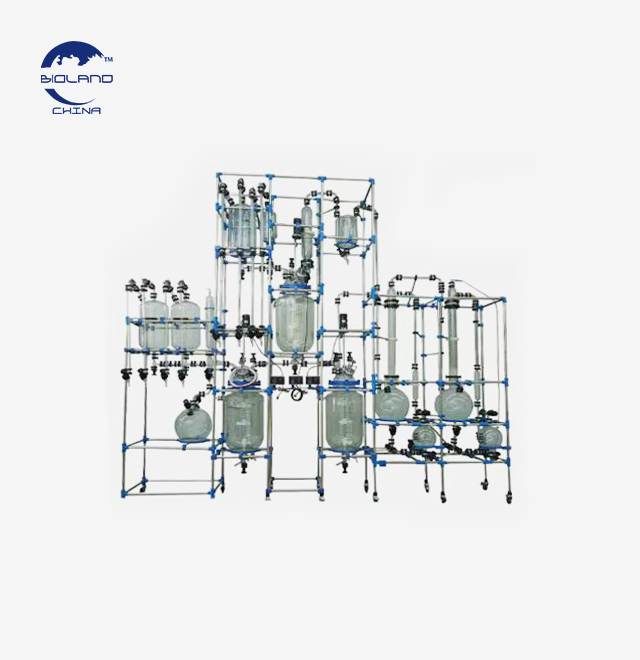
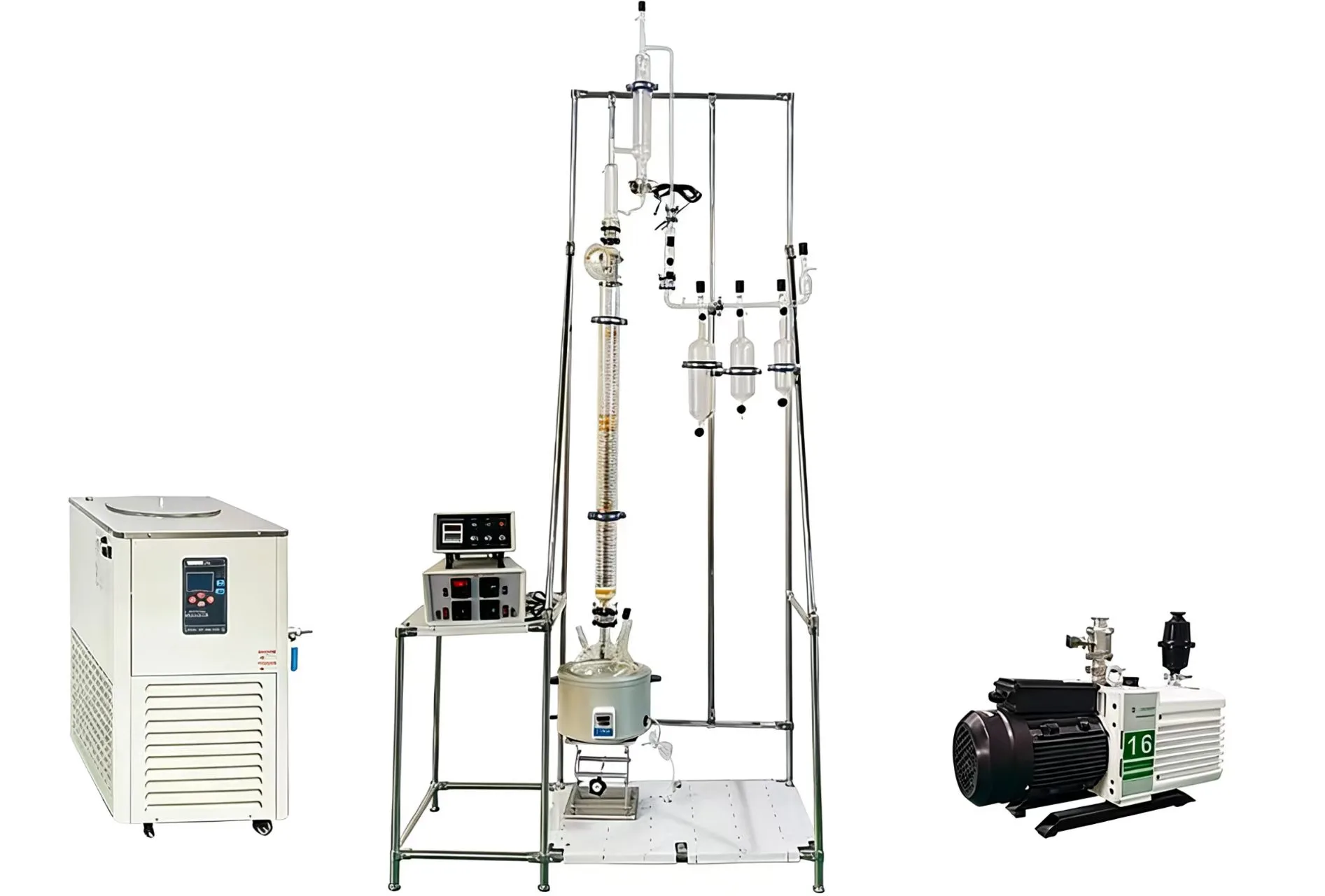
Lab Scale Distillation Column - Professional Thermal Separation Equipment
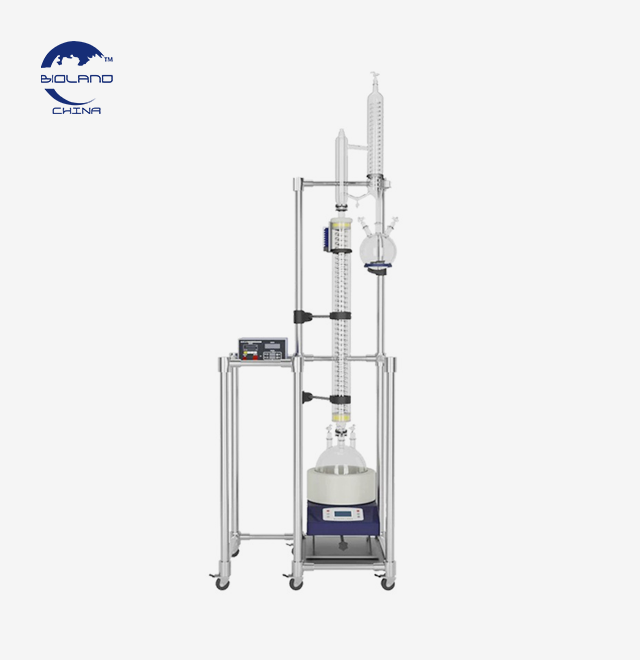
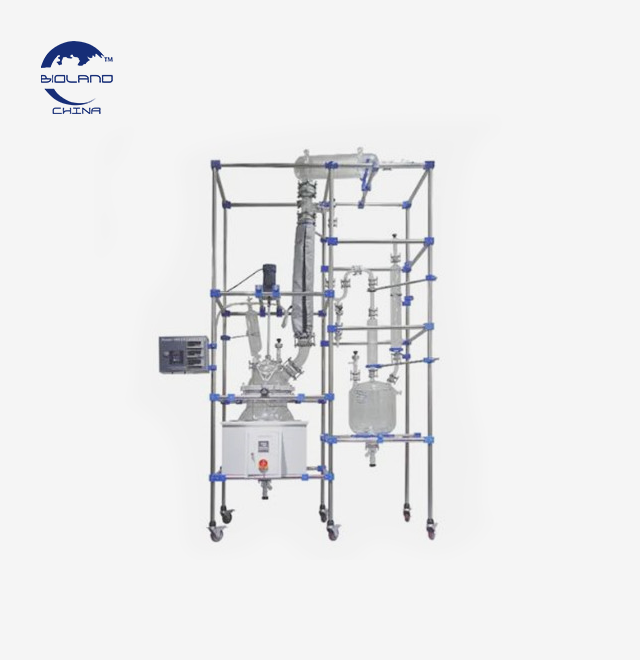
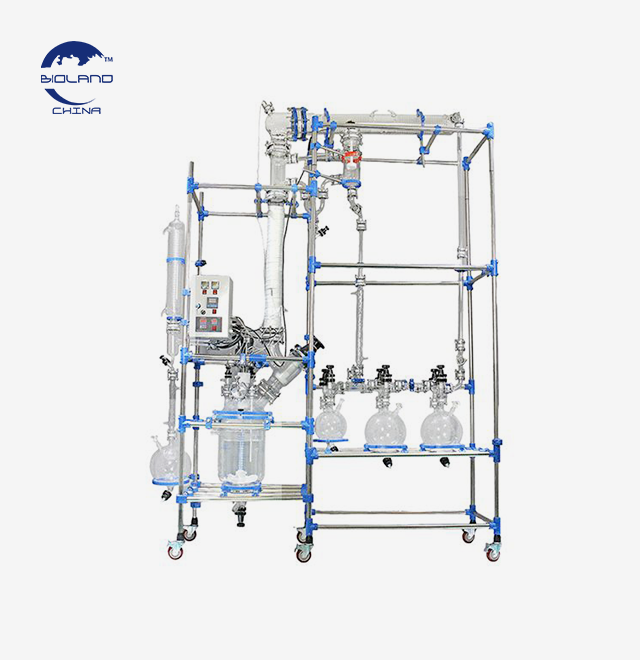
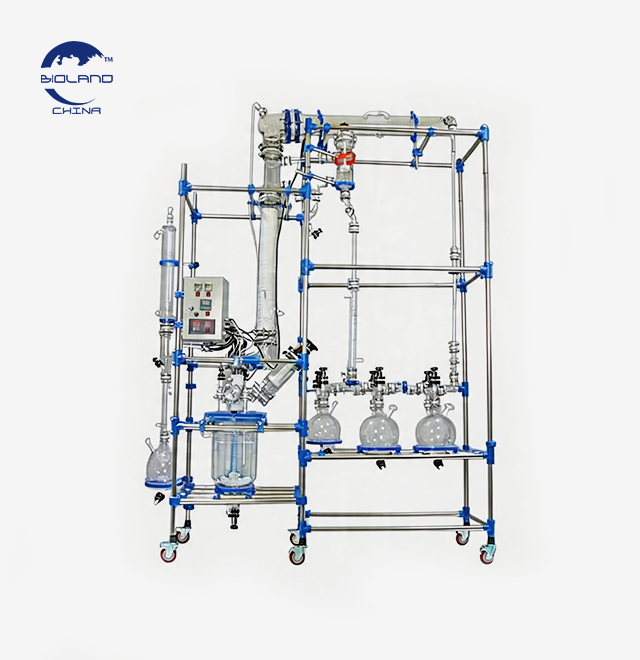
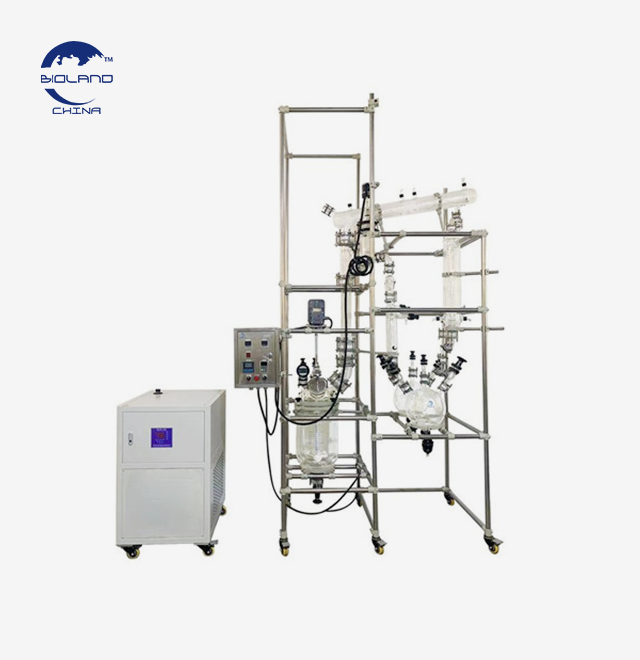
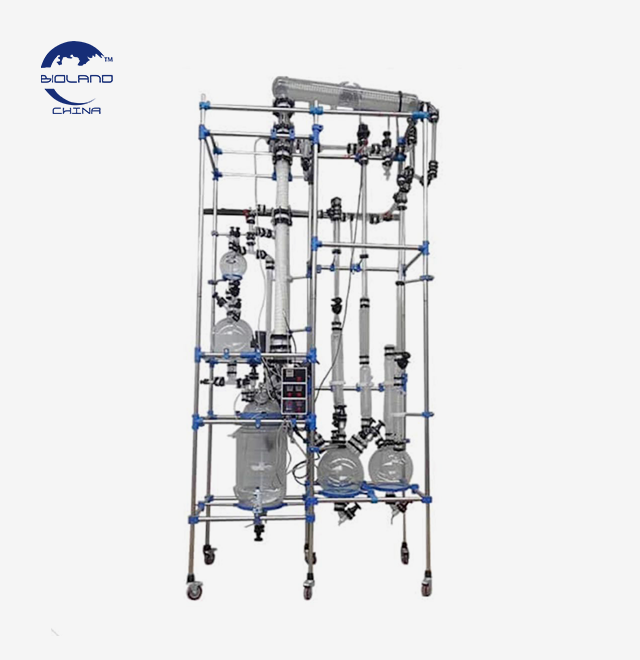
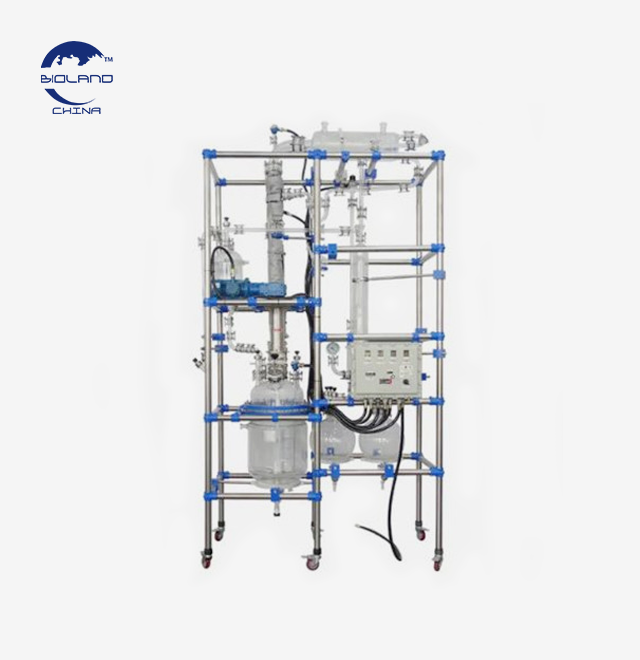
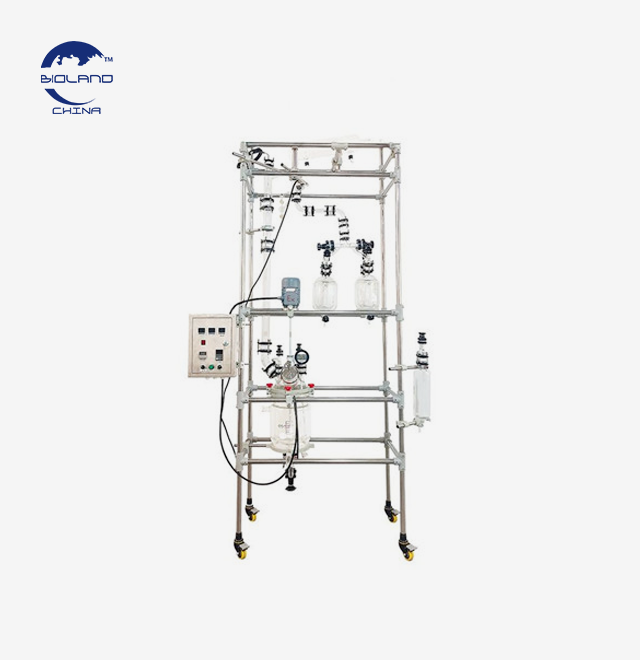
The lab scale distillation column from Xi'an Bioland provides high-quality fractional separation for study and pilot-scale output. With 30 to 50 potential plates and HETP optimization, our system can handle 5L to 100L batch sizes and can separate things well even when the boiling point changes are as little as 1°C. It can work at temperatures ranging from -80°C to +300°C and can handle vacuums as low as 0.1mbar. It is made of high borosilicate glass 3.3 or SUS304/316L stainless steel. PLC automation makes it possible to precisely control the reflux ratio (1:100 to 100:1), and GMP/FDA compliance makes sure that the system is reliable enough for medicinal use. We offer customizable setups for your unique process needs based on our more than 15 years of experience in manufacturing.
Why Choose Xi'an Bioland for Your Distillation Needs?
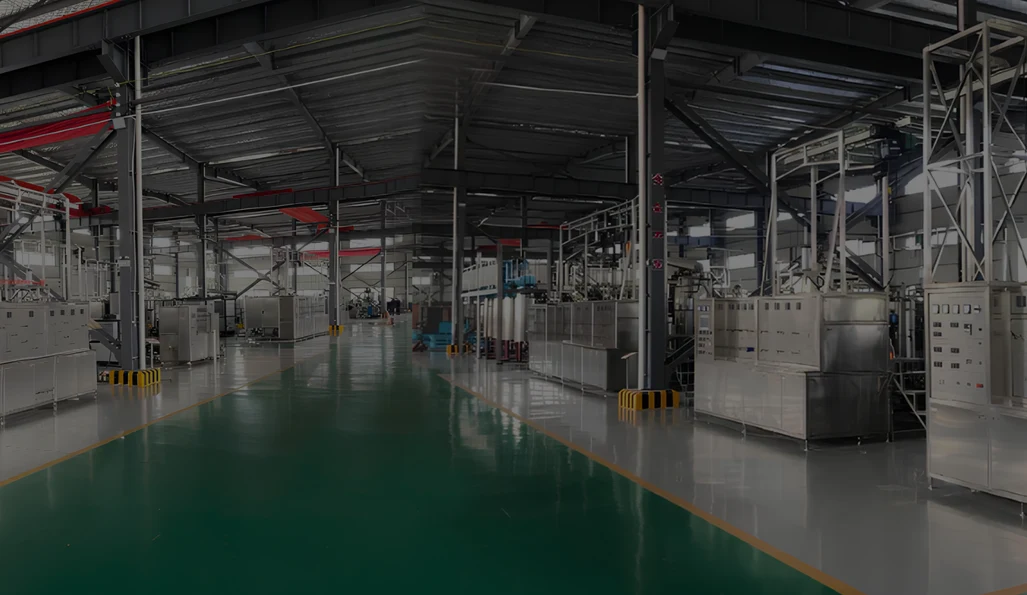
Proven Manufacturing Excellence
We've specialized in thermal separation equipment for over 15 years. Our CE, ISO, UL, and SGS certifications guarantee quality you can trust.
Full Customization Capability
Every project is unique. You get tailored solutions for tower height, diameter, heating methods, and packing types. Our R&D team engineers systems matching your exact material properties and separation goals.
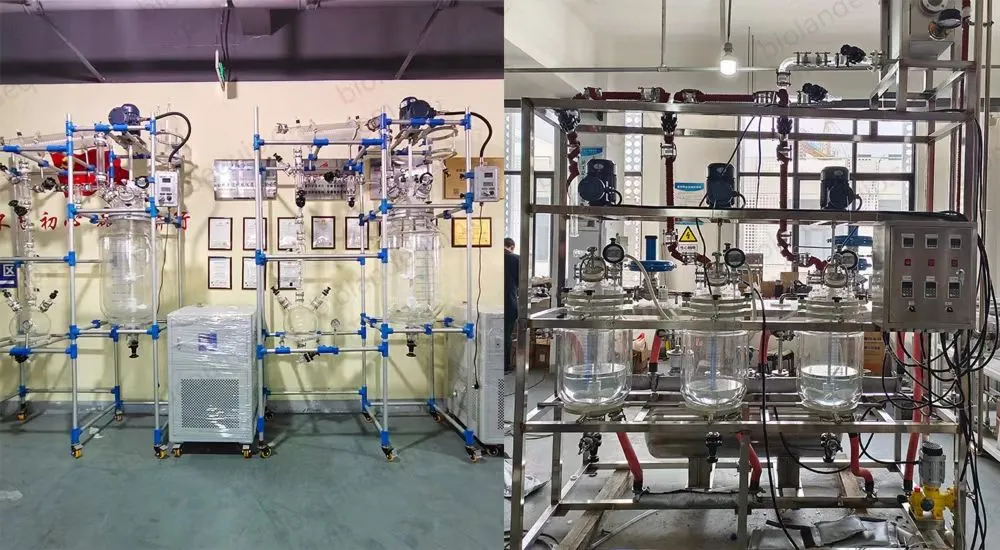
Transparency Throughout Production
You'll receive weekly progress updates with photos or videos. Before shipment, we provide complete documentation for your approval. You can also schedule a Factory Acceptance Test at our facility.
Fast Turnaround Times
Non-customized product units ship in 5-7 days. Custom configurations are ready within 30 business days.
Complete After-Sales Support
You receive a one-year warranty with lifetime maintenance. Our technical team provides installation, commissioning, and operational training. We stock genuine spare parts for immediate availability.
Technical Parameters
|
Model
|
JLF-5S
|
JLF-10S
|
JLF-20S
|
JLF-50S
|
JLF-100S
|
JLF-150S
|
JLF-200S
|
|
Distillation Tank Volume
|
5L
|
10L
|
20L
|
50L
|
100L
|
150L
|
200L
|
|
Collection Tank Volume
|
1L
|
2L
|
5L
|
10L
|
30L
|
50L
|
50L
|
|
Number of Collection Tanks
|
1-4 sets (Customizable based on the number of fractions to be collected)
|
|
Stainless Steel Material
|
304 Stainless Steel (Optional: 316 Stainless Steel)
|
|
Heating Tank
|
Oil bath heater or jacket with heating liquid circulation
|
|
Distillation Tower Height
|
Height can be customized according to the required number of theoretical plates
|
|
Distillation Tower Diameter
|
40mm, 50mm, 80mm, 100mm or other customizable sizes
|
|
Distillation Tower Heating (Optional)
|
Heating jacket or heating belt
|
|
Stirring Mode
|
Magnetic stirrer, magnetic rotating stirrer or top/head stirrer (magnetic seal or mechanical seal)
|
|
Operating Temperature Range
|
Room temperature to 300°C
|
|
Control System
|
Digital display stirring speed controller, timer for reflux receiver/distributor, heating jacket or heating temperature controller. For oil bath heating, an additional heating temperature controller is required.
|
|
Accessories (Optional)
|
Cooling circulator for condenser; Heater for jacketed distillation tank; Vacuum pump
|
|
Power Supply
|
220V or 380V, 50/60HZ
|
Working Principle
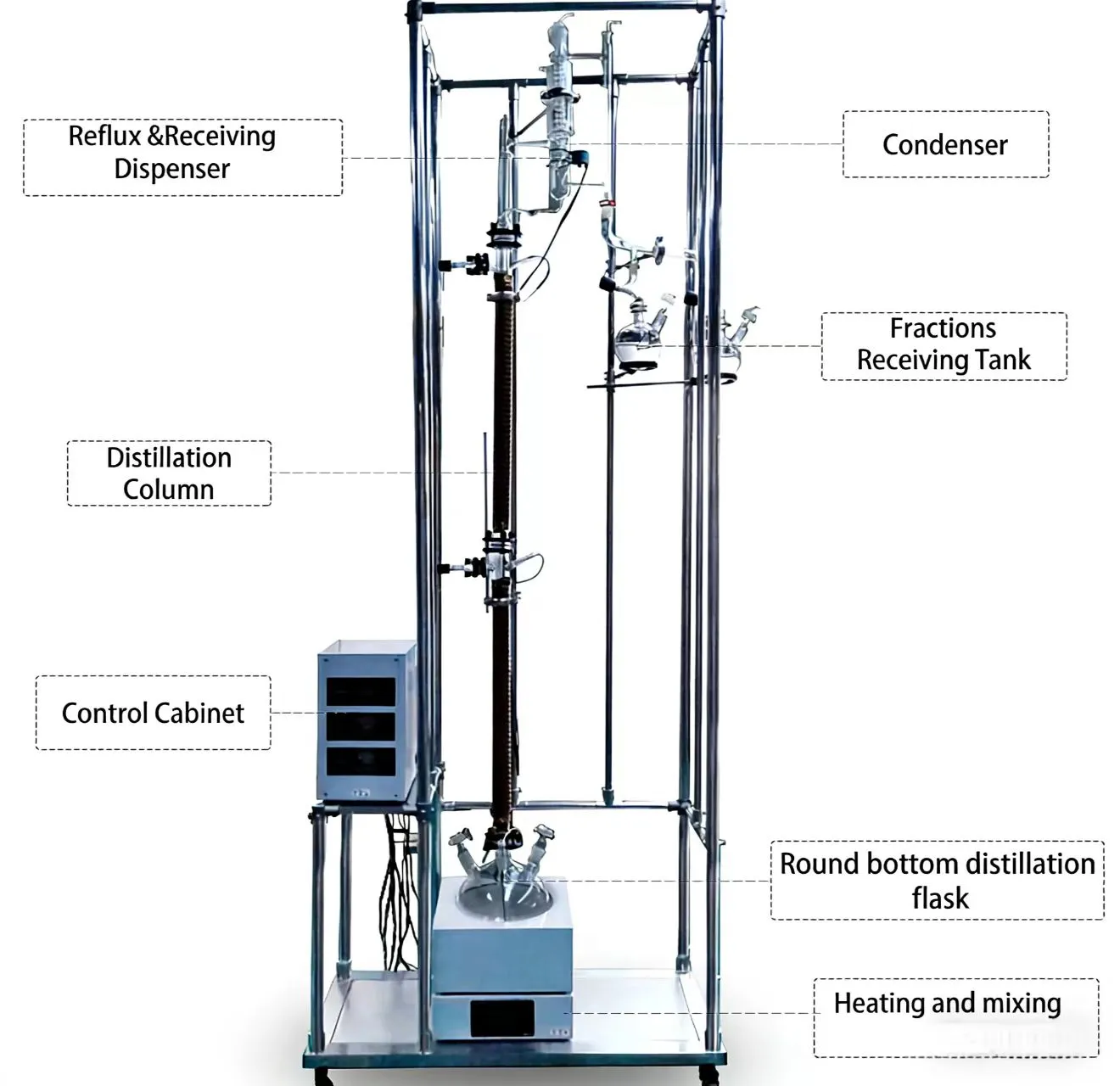
Your lab scale distillation column operates on the principle of fractional distillation through multiple vapor-liquid equilibrium stages.
Here's how it works:
- Vaporization: The reboiler heats up the mixture of liquids. Parts that are volatile evaporate and rise up the column.
- Contact with a countercurrent: Vapour moves up while reflux liquid moves down. They touch each other over and over again on packing items or boxes.
- Mass Transfer: The vapour gets more light components at each stage. The heavy parts of the liquid become more concentrated.
- Separation Improvement: Structured packing with high efficiency provides many equilibrium steps. This lets you separate parts whose boiling points are close to each other.
- Precise Control: PID temperature controls keep things running at their best. The automatic reflux divider changes the amount of liquid that comes back and the amount of product that is taken out.
- Product Collection: Overhead product that has been cleaned condenses and collects. Heavy parts stay in the reboiler or gather as side streams.

The transparent glass construction lets you monitor flooding, foaming, and liquid distribution in real-time. This visual feedback helps you optimize operating conditions immediately.
Process Flow
Stage 1: Feed Preparation
Load your liquid mixture into the reboiler. Set target temperatures and vacuum levels through the control panel.
Stage 2: System Stabilization
Begin heating gradually. The column reaches thermal equilibrium. Vapor starts rising through the packing material.
Stage 3: Reflux Establishment
Condensed vapor returns to the column. You adjust the reflux ratio based on your separation requirements.
Stage 4: Steady-State Operation
Monitor temperatures at multiple column heights. The system maintains stable vapor-liquid traffic. Light components concentrate at the top.
Stage 5: Product Withdrawal
Collect distillate fractions sequentially. The automated system can switch collection vessels based on temperature or time intervals.
Stage 6: Process Completion
Recover residual bottoms product. The system cools under controlled conditions. You can document all process parameters for scale-up data.

Application Fields
Pharmaceutical Industry
Purify Active Pharmaceutical Ingredients with minimal thermal degradation. Separate constitutional isomers requiring high theoretical plate counts. Meet GMP standards for process validation.
Petrochemical Analysis
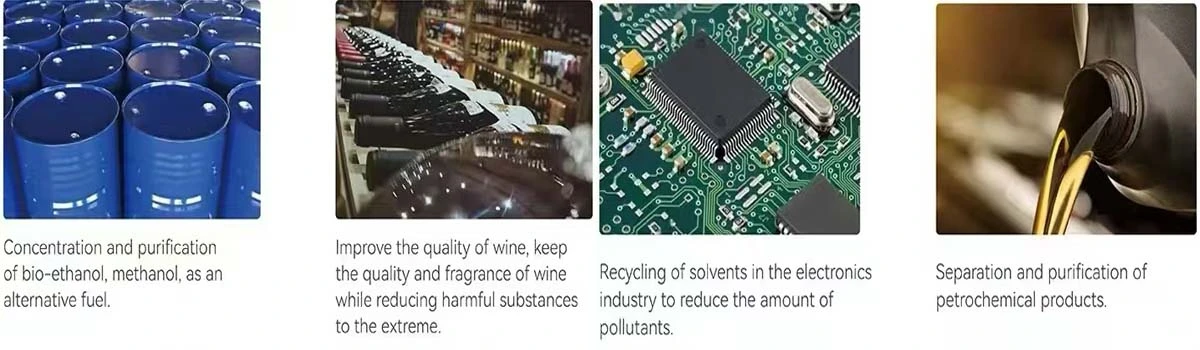
Generate True Boiling Point curves following ASTM D2892 standards. Test crude oil assays under vacuum conditions. Predict refinery yield structures.
Fine Chemical Synthesis
Recover expensive solvents with high purity. Separate reaction products from by-products. Process polysilicon applications like TCS/DCS distillation.
Food & Flavor Industry
Fractionate essential oils while preserving delicate compounds. Separate terpenes from oxygenated components. Achieve food-grade purity with minimal residence time.
Research & Development
Bridge the gap between benchtop chemistry and pilot production. Validate vapor-liquid equilibrium data. Determine optimal parameters before capital investment in production equipment.
Cosmetics Manufacturing
Purify active ingredients for skincare formulations. Remove impurities affecting product stability. Process heat-sensitive botanical extracts.
Quality Certification
Our manufacturing facility holds comprehensive certifications ensuring your equipment meets international standards:
- CE Certification: European safety and quality compliance
- ISO Certification: Quality management system verification
- UL Certification: Product safety standards
- SGS Certification: Independent quality inspection verification
- GMP Compliance: Good Manufacturing Practice for pharmaceutical applications
- FDA Standards: Food and Drug Administration compatibility
All products undergo rigorous factory testing including helium leak detection, glass stress analysis, and hydrodynamic validation. You receive complete documentation with calibration certificates for temperature sensors and vacuum gauges traceable to international standards.
FAQ
Q: Can your system handle azeotropic mixtures?
A: Yes. We configure the column for azeotropic distillation with entrainer addition or extractive distillation setups. Phase separators can be integrated for hetero-azeotropic processes.
Q: What's the difference between DN25 and DN50 columns?
A: DN25 columns process 0.2-1.0 L/hr, ideal for small batches. DN50 handles 2-5 L/hr for larger volumes. We help you select the right size based on your throughput needs and batch time constraints.
Q: How do you prevent material solidification in the column?
A: For high-melting-point products like waxes, we install trace-heated heads, condensers, and outlet lines. These maintain temperatures above the melting point throughout the distillate path.
Q: Is the equipment suitable for corrosive materials?
A: Standard borosilicate glass resists most acids. For highly corrosive applications, we specify ceramic or PTFE internals with FFKM gaskets instead of standard materials.
Q: What vacuum level can the system achieve?
A: Standard configuration reaches below 0.1 mbar. For thermally sensitive compounds requiring deeper vacuum, we can design systems achieving 0.001 mbar with appropriate vacuum pumps and sealing systems.
Q: How long does customization take?
A: Custom product systems typically require 30 business days. We provide weekly updates throughout production so you stay informed.
Contact Us
Ready to enhance your separation capabilities with lab scale distillation column? Contact our technical team at info@biolandequip.com for customized solutions tailored to your process requirements.