Distillation Column Chemical Engineering - Professional Separation Solutions
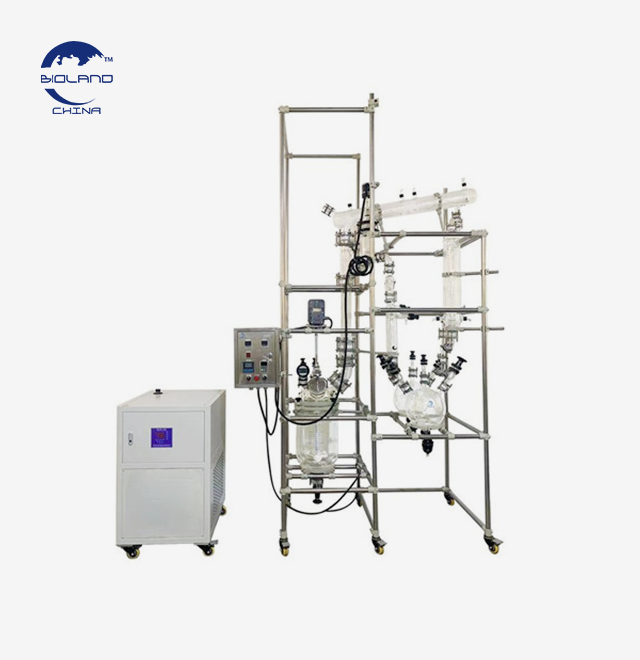
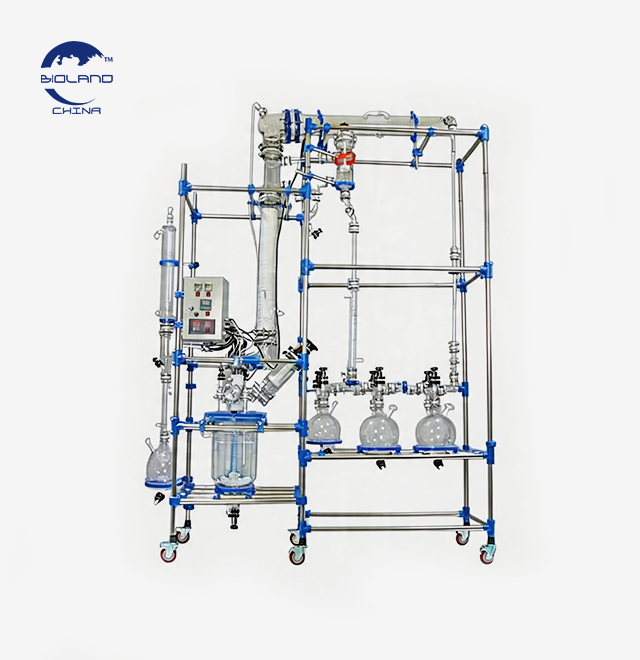
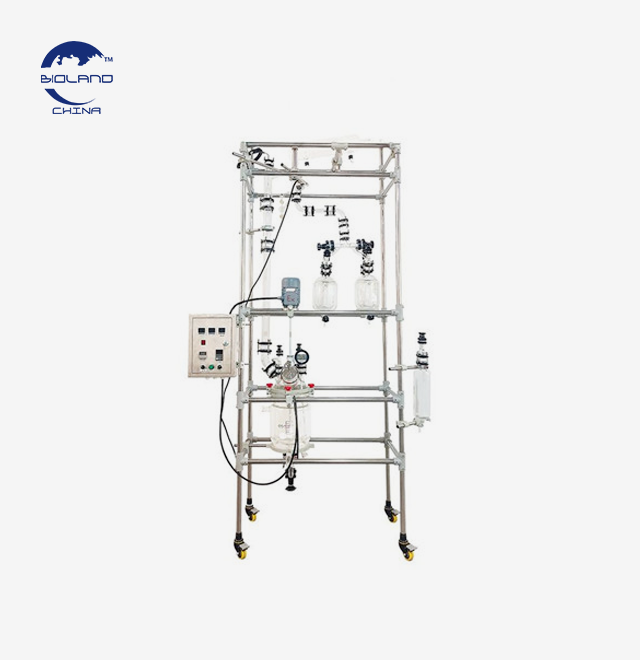
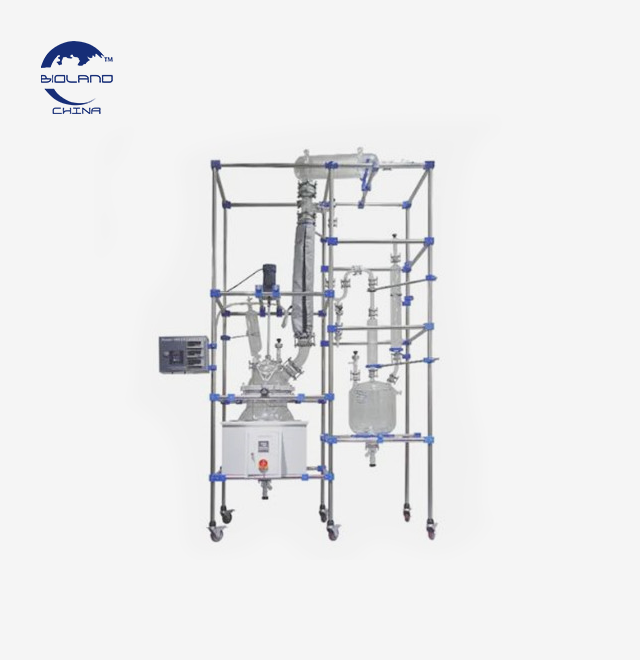
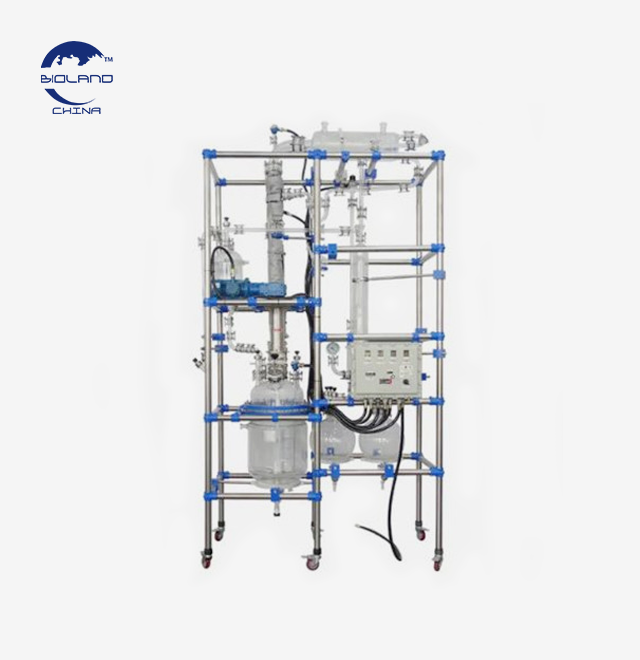
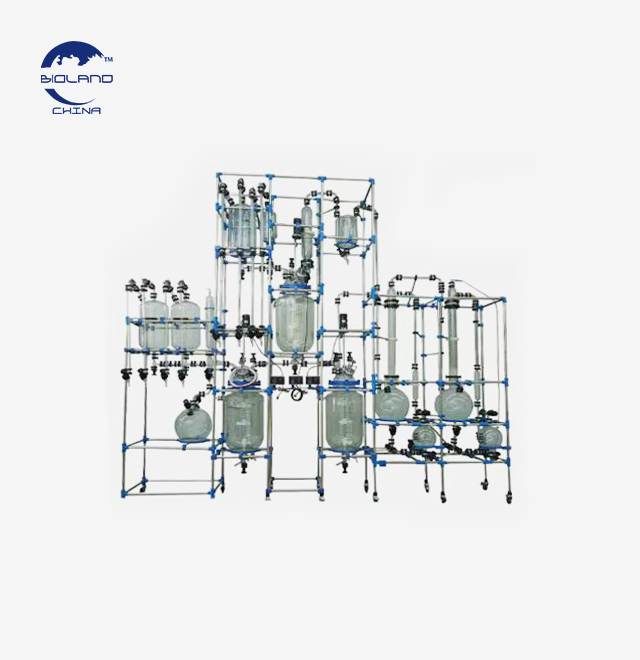
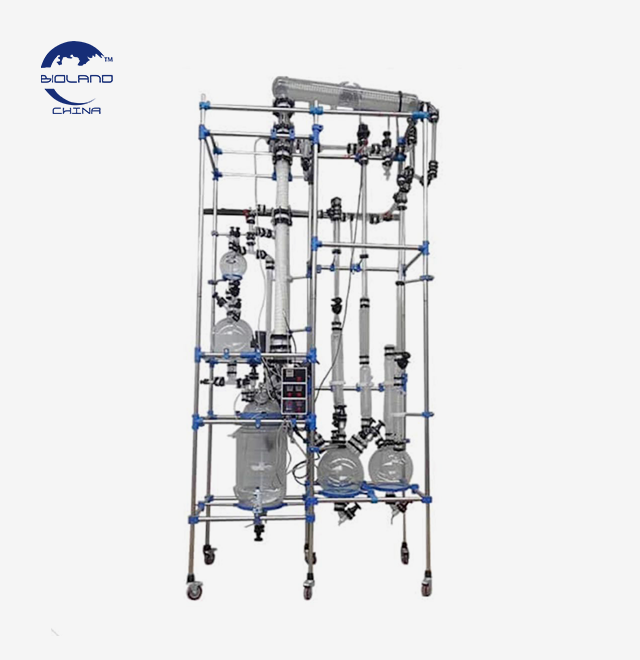
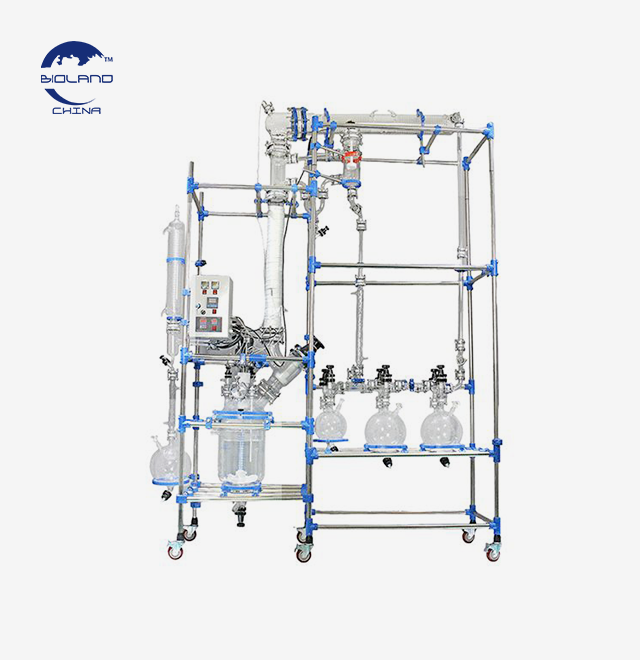
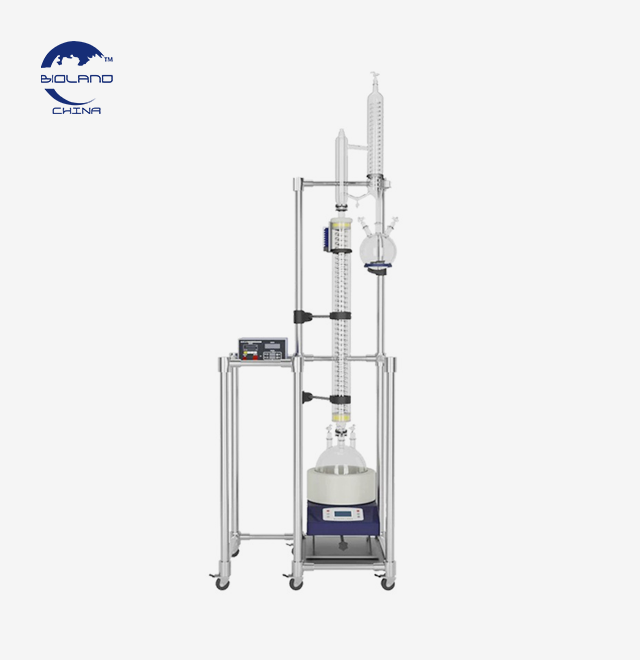
The advanced distillation column chemical engineering systems that Xi'an Bioland Instrument Co., Ltd. makes are used for exact thermal separation in the medicinal, petroleum, and fine chemical industries. With more than 15 years of experience, our fractional distillation columns can separate substances that are more than 99.5% pure thanks to their improved vapor-liquid equilibrium design. Our systems have sizes that can be changed from 5L to 100L+, can work in temperatures ranging from −80°C to 300°C, and can create vacuums below 0.1mbar. Our products meet the standards of CE, ISO, UL, and SGS, and they are built with GMP-compliant materials, PLC control, and luxury materials like borosilicate glass and titanium. Our columns work reliably for liquid recovery, essential oil extraction, and multi-component separation, whether you need batch or continuous operation.
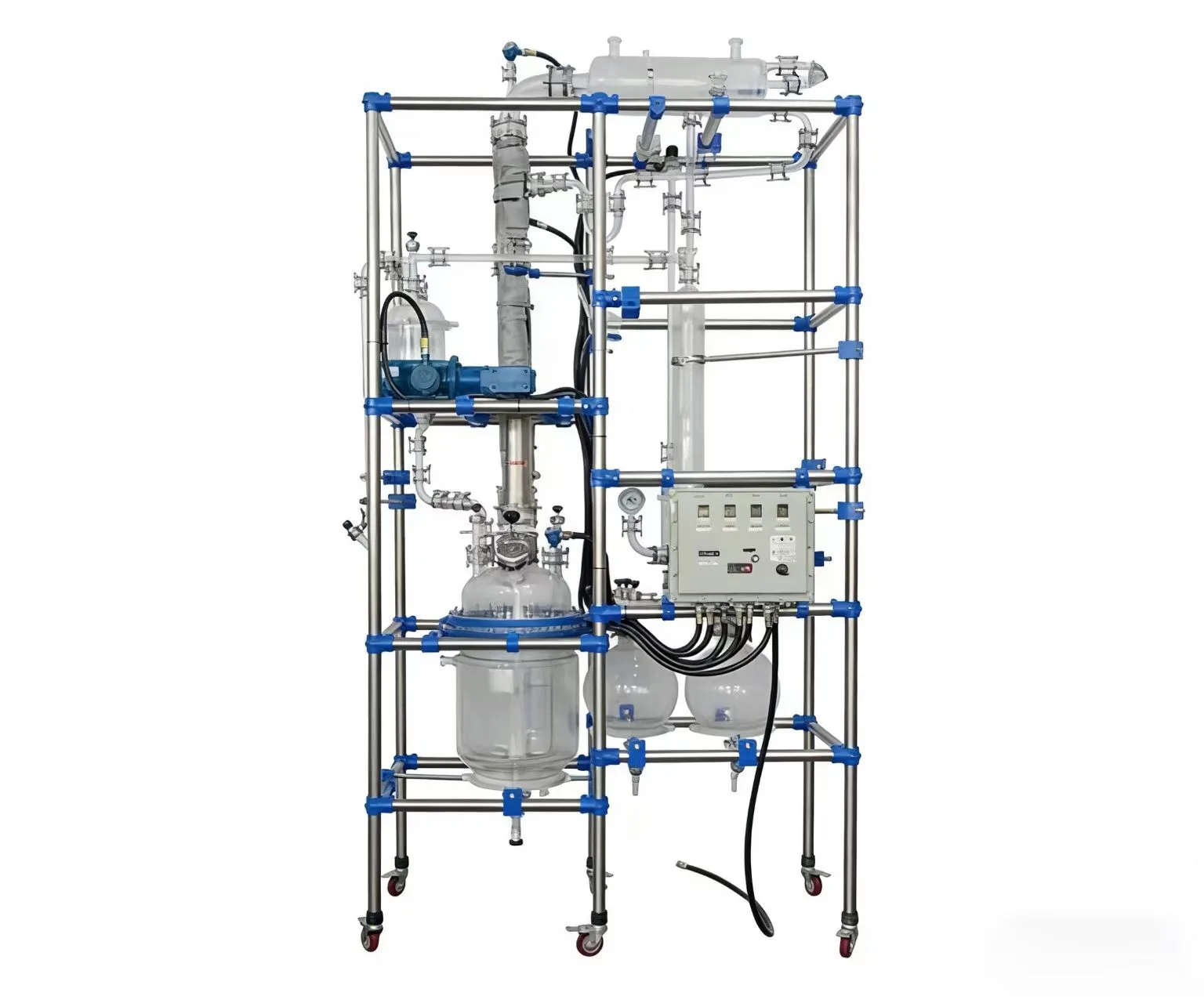
Advantages of distillation column chemical engineering
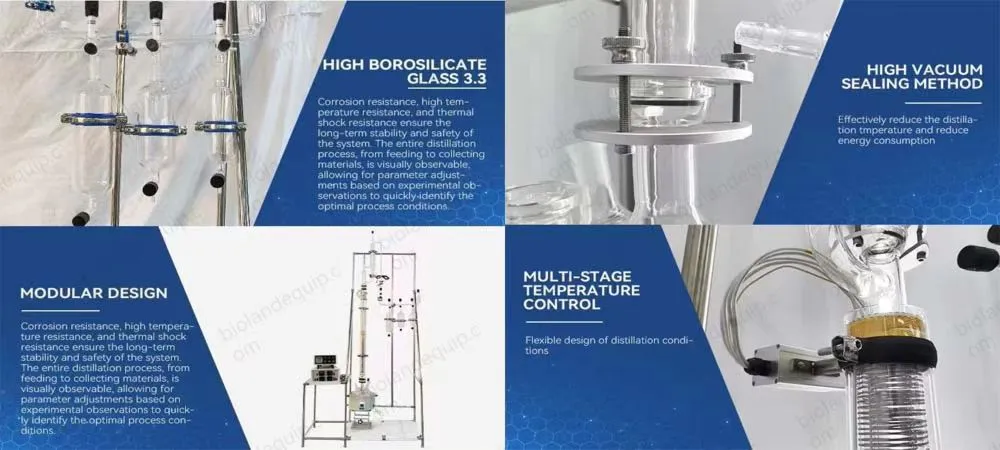
1. Corrosion Resistance: Stainless steel is highly resistant to corrosion, which is crucial in distillation processes that often involve aggressive chemicals and high temperatures. This resistance helps maintain the integrity of the equipment over time.
2. Durability: Stainless steel is a strong and durable material, capable of withstanding the mechanical stresses and pressures involved in distillation processes. This durability leads to a longer lifespan for the equipment.
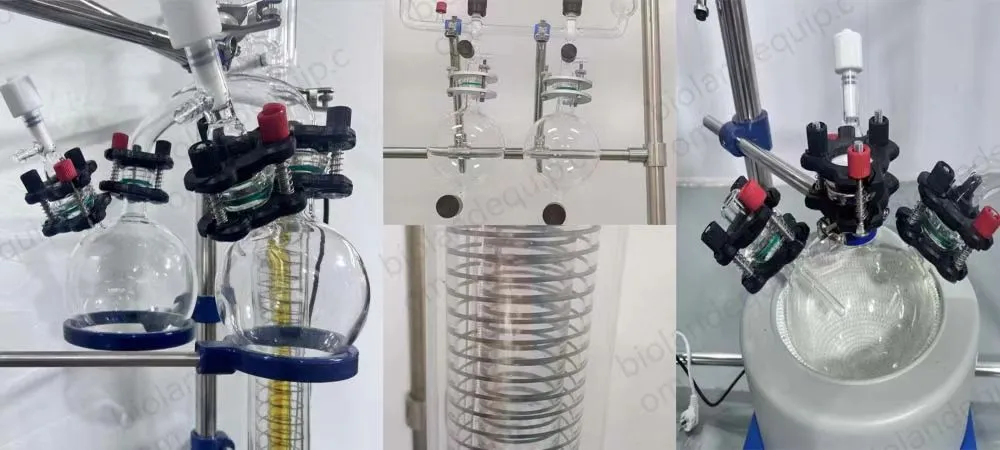
3. Ease of Cleaning: The smooth surface of stainless steel makes it easy to clean and sanitize, which is important in industries like food and pharmaceuticals where hygiene is critical.
4. Temperature Resistance: Stainless steel can handle a wide range of temperatures, making it suitable for both high-temperature and low-temperature distillation processes.
5. Aesthetic Appeal: Stainless steel has a modern and professional appearance, which can be important in settings where equipment is visible to clients or customers.
6. Fabrication Flexibility: Stainless steel can be easily fabricated into various shapes and sizes, allowing for custom designs that meet specific distillation needs.
7. Thermal Conductivity: Stainless steel has good thermal conductivity, which can enhance the efficiency of heat transfer during the distillation process.
8. Recyclability: Stainless steel is recyclable, making it an environmentally friendly choice for distillation equipment.
Why Choose Us?
Proven Engineering Expertise
You gain from the hard work of our research and development team, which knows a lot about heat separation technology. We do more than just sell tools; we also help you with your division problems.
Certification You Can Trust
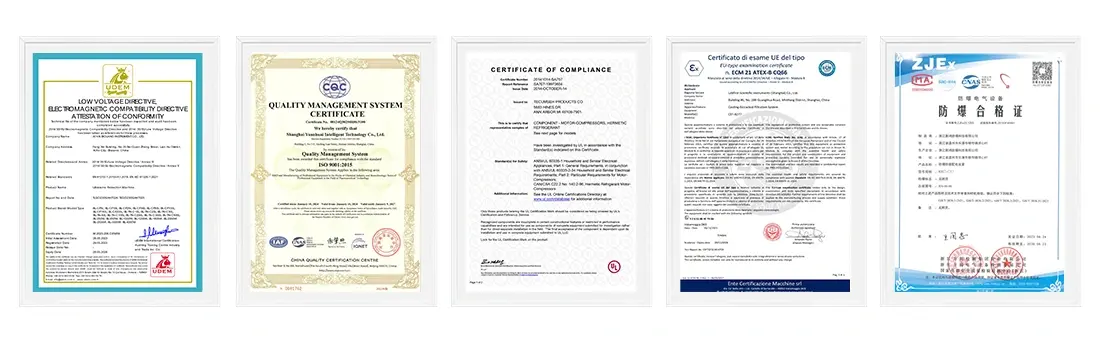
Our goods are approved by CE, ISO, UL, and SGS. Each unit is made to GMP/FDA standards so it can be used in pharmaceutical-grade settings.
True Customization Capability
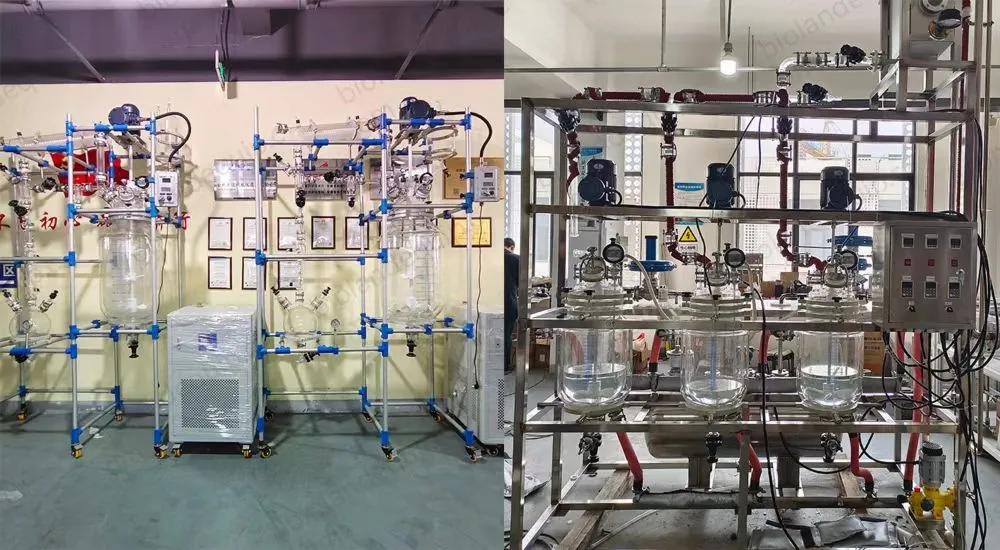
Your method is different. We can change the height, diameter, heating method, pressure grade, and reflux systems of the towers to fit your specific needs. Inside of 30 business days, customized solutions are sent out.
Transparent Production Tracking
During creation, you get weekly picture and video updates that keep you up to date. Set up Factory Acceptance Tests (FAT) before the shipment to make sure everything is up to your standards.
Comprehensive After-Sales Support
We help with installation, teach you how to use it, and do upkeep for life. Original extra parts are kept on hand to keep downtime to a minimum.
Flexible Logistics Options
Based on your price and time frame, pick sea, train, or air freight. It takes 5–7 days to ship standard items.
Technical Parameters
|
Model
|
JLF-5S
|
JLF-10S
|
JLF-20S
|
JLF-50S
|
JLF-100S
|
JLF-150S
|
JLF-200S
|
|
Distillation Tank Volume
|
5L
|
10L
|
20L
|
50L
|
100L
|
150L
|
200L
|
|
Collection Tank Volume
|
1L
|
2L
|
5L
|
10L
|
30L
|
50L
|
50L
|
|
Number of Collection Tanks
|
1-4 sets (Customizable based on the number of fractions to be collected)
|
|
Stainless Steel Material
|
304 Stainless Steel (Optional: 316 Stainless Steel)
|
|
Heating Tank
|
Oil bath heater or jacket with heating liquid circulation
|
|
Distillation Tower Height
|
Height can be customized according to the required number of theoretical plates
|
|
Distillation Tower Diameter
|
40mm, 50mm, 80mm, 100mm or other customizable sizes
|
|
Distillation Tower Heating (Optional)
|
Heating jacket or heating belt
|
|
Stirring Mode
|
Magnetic stirrer, magnetic rotating stirrer or top/head stirrer (magnetic seal or mechanical seal)
|
|
Operating Temperature Range
|
Room temperature to 300°C
|
|
Control System
|
Digital display stirring speed controller, timer for reflux receiver/distributor, heating jacket or heating temperature controller. For oil bath heating, an additional heating temperature controller is required.
|
|
Accessories (Optional)
|
Cooling circulator for condenser; Heater for jacketed distillation tank; Vacuum pump
|
|
Power Supply
|
220V or 380V, 50/60HZ
|
Working Principle
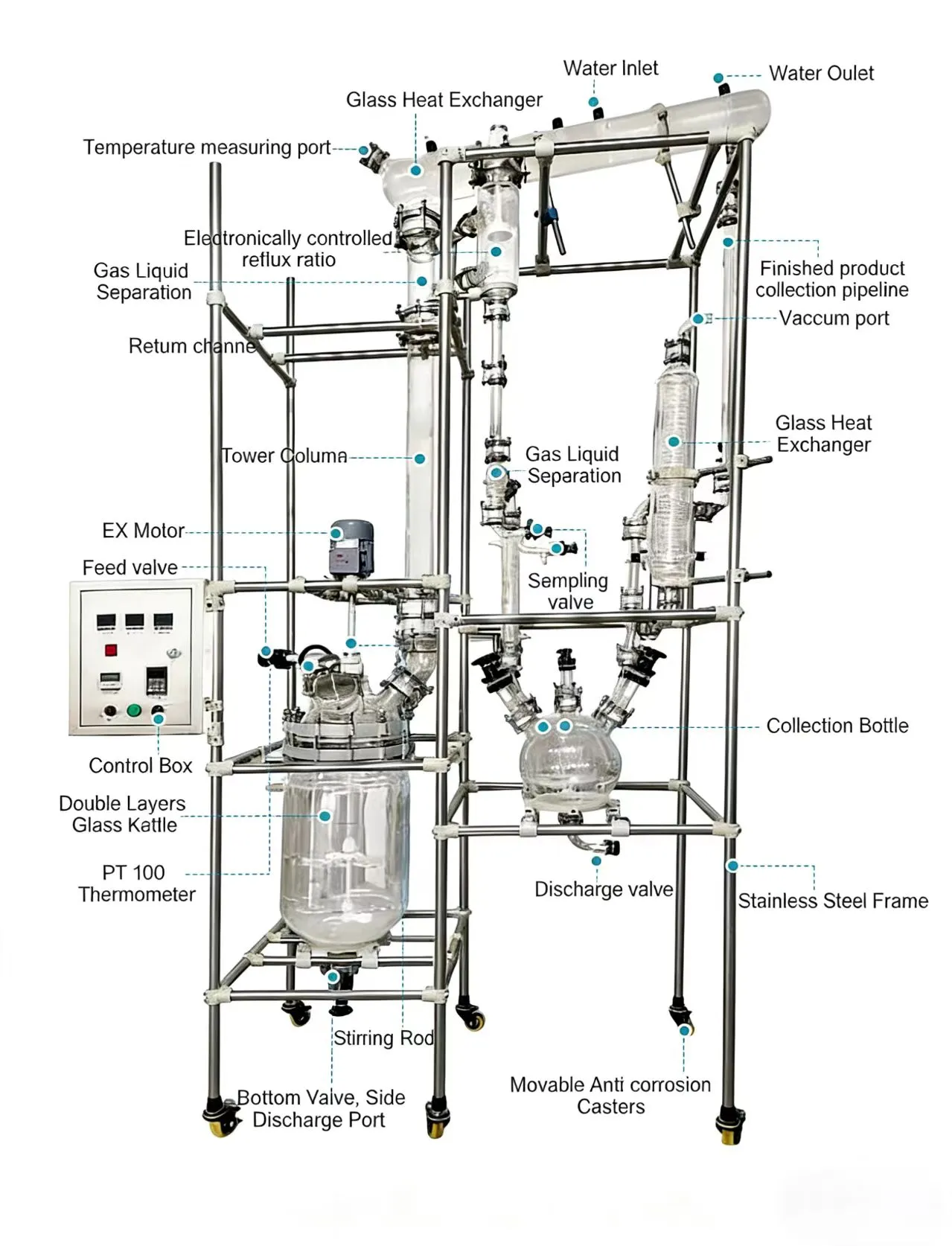
Vapor-liquid equilibrium (VLE) separation is what our fractional distillation columns work on. This is how the process works:
Vapor Generation
Your feed blend goes into the reactor, which heats it up under controlled conditions to make vapour. Temperature sensors are always keeping an eye on the boiling point.
Multi-Stage Contact
As vapour rises, it comes into touch with liquid that is falling through precise packing or boxes. Parts that are more likely to change form quickly gather in the vapour phase.
Reflux Control
Some of the condensed vapour at the top of the column comes back as backflow. With PID control, you can change the flow ratio to get the best balance between separation efficiency and energy use.
Component Collection
The condenser lets out highly pure liquid. The heavier parts settle to the bottom and can be taken out constantly or in batches.
Dealing with Pressure
Integrated vacuum devices lower the temperature at which heat-sensitive materials can work. Controlling the pressure stops situations from spilling or crying.
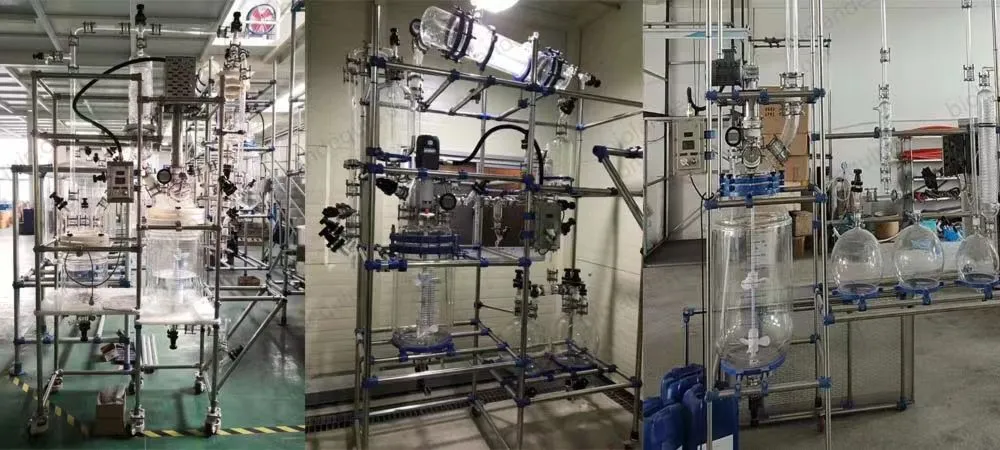
Because it is made of clear glass, you can see the boiling process going on right in front of you and make changes right away.
Process Flow
- Feed Preparation: Load your mixture into the jacketed reactor vessel.
- Heating Initiation: Select electric, steam, or oil heating based on your material properties.
- Vapor Ascent: Rising vapor enters the packed or tray section for mass transfer.
- Condensation: Overhead condenser converts vapor to liquid using cooling circulation.
- Reflux Distribution: Controlled portion returns to the column; remainder collects as product.
- Bottom Discharge: Residue exits through the reactor outlet for further processing or disposal.
- System Monitoring: PLC displays temperature, pressure, and flow parameters continuously.
This closed-loop system ensures consistent product quality while minimizing solvent loss and environmental impact.
Application Fields
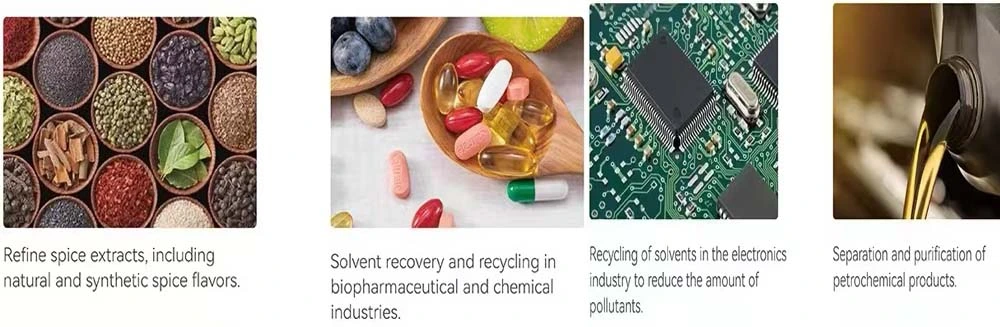
Pharmaceutical Industry
Solvent recovery in API synthesis, essential oil distillation, and intermediate purification. GMP-compliant design ensures product safety.
Petrochemical Processing
Separation of hydrocarbon fractions, catalyst recovery, and specialty chemical purification at varying pressure conditions.
Fine Chemical Production
Polysilicon TCS/DCS purification, high-purity reagent manufacturing, and azeotrope separation using extractive distillation techniques.
Food & Beverage
Alcohol concentration, flavor extraction, and natural essence purification meeting food safety standards.
Research & Development
Laboratory-scale units for process development, new material synthesis, and academic research requiring flexible operation modes.
Cosmetics Manufacturing
Fragrance compound separation, carrier oil purification, and botanical extract concentration.
Our distillation column chemical engineering systems adapt to viscosity variations, corrosive environments, and strict purity requirements across these industries.
Quality Certification
We maintain rigorous quality standards throughout design, fabrication, and testing:
- CE Certification: European safety and health requirements compliance
- ISO 9001: Quality management system certification
- UL Approval: Electrical safety standards for North American markets
- SGS Verification: Third-party inspection for material and construction quality
- GMP Compliance: Pharmaceutical manufacturing standards adherence
Every column undergoes hydrostatic pressure testing at 1.3-1.5× design pressure. Weld seams receive radiographic and ultrasonic non-destructive testing. Positive Material Identification (PMI) confirms alloy specifications before assembly.
FAQ
Q1: What capacity should I choose for my application?
Consider your batch size and production frequency. For laboratory development, 5L–20L suits most needs. Pilot-scale production typically requires 50L–100L. We offer capacity calculations based on your throughput requirements.
Q2: Can your columns handle corrosive solvents?
Yes. We offer SS316L stainless steel and titanium alloy construction for aggressive chemicals. Material selection depends on your specific solvent properties and operating conditions.
Q3: How do you prevent flooding in your columns?
Our designs incorporate properly sized downcomers, optimized tray spacing, and vapor velocity calculations. The PLC system monitors pressure differential to alert operators before flooding occurs.
Q4: What is your typical reflux ratio range?
Most applications operate between 1.2–3.0 times the minimum reflux ratio. Your optimal setting depends on separation difficulty and energy cost considerations. We provide process calculations during the design phase.
Q5: Do you provide installation support?
Absolutely. We supply detailed installation manuals, remote video guidance, and on-site commissioning services upon request. Operation training ensures your team achieves optimal performance.
Q6: How is maintenance performed on packed columns?
Packing sections are removable for cleaning or replacement. We recommend annual inspection for fouling services. Genuine replacement packing maintains original separation efficiency.
Q7: Can I integrate your column with existing equipment?
Yes. Our engineering team designs interface connections compatible with your current reactors, condensers, and collection systems. Provide specifications during the inquiry phase.
Contact Us
Ready to optimize your separation process with professional distillation column chemical engineering solutions? Reach us at info@biolandequip.com for technical consultation and customized quotations today.