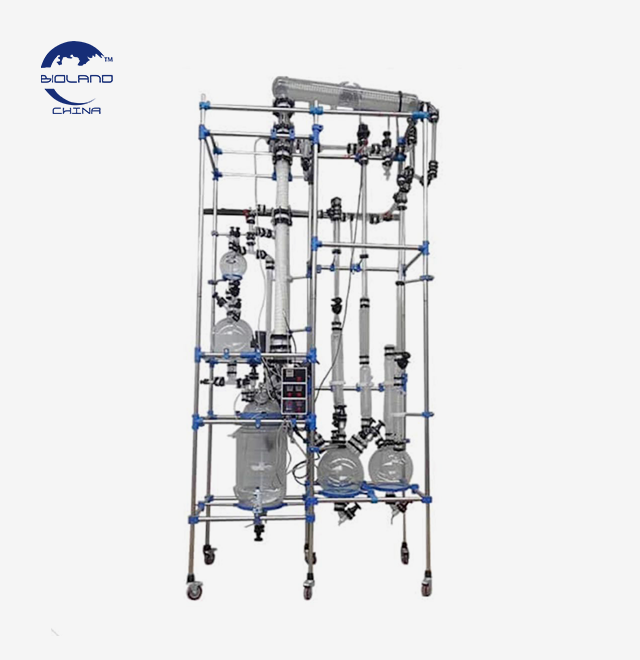
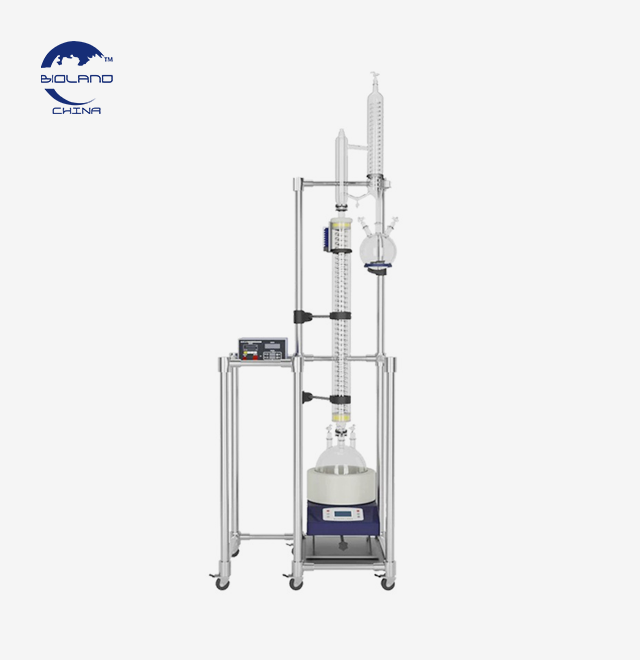
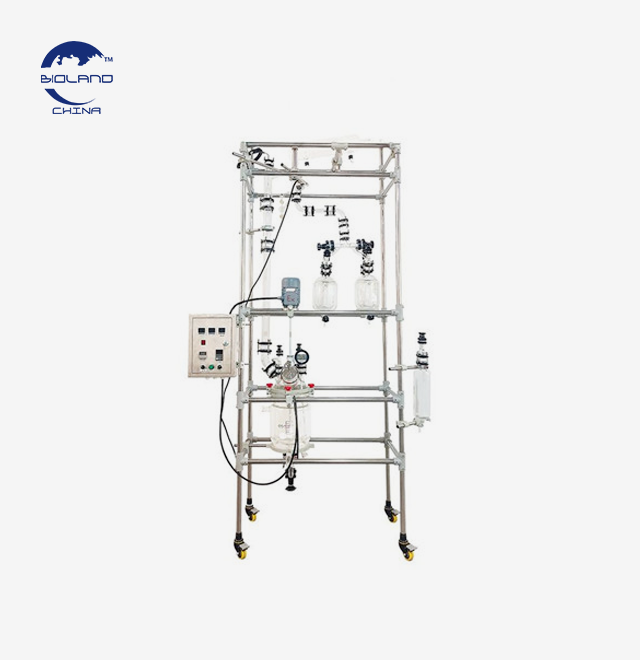
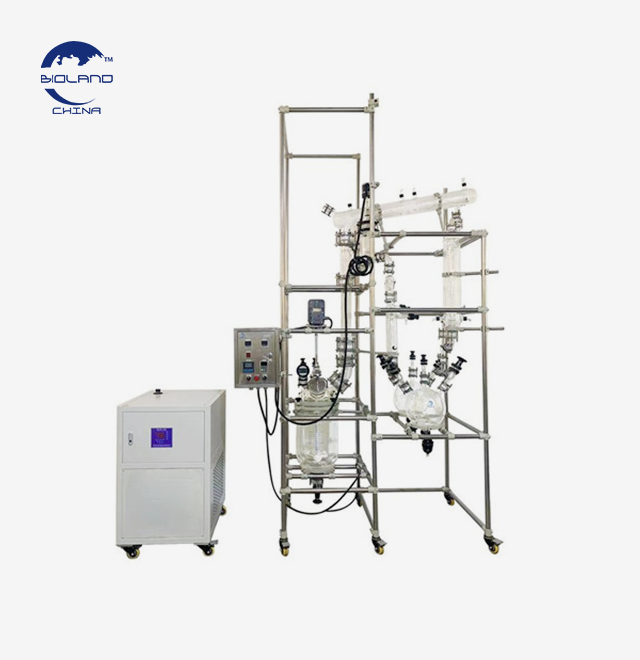
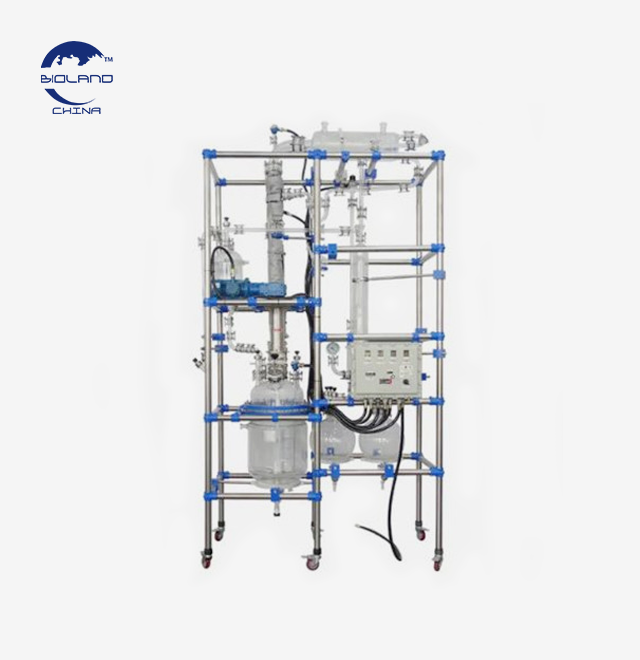
Glass Distillation Column for High-Purity Separation | Borosilicate Precision Equipment
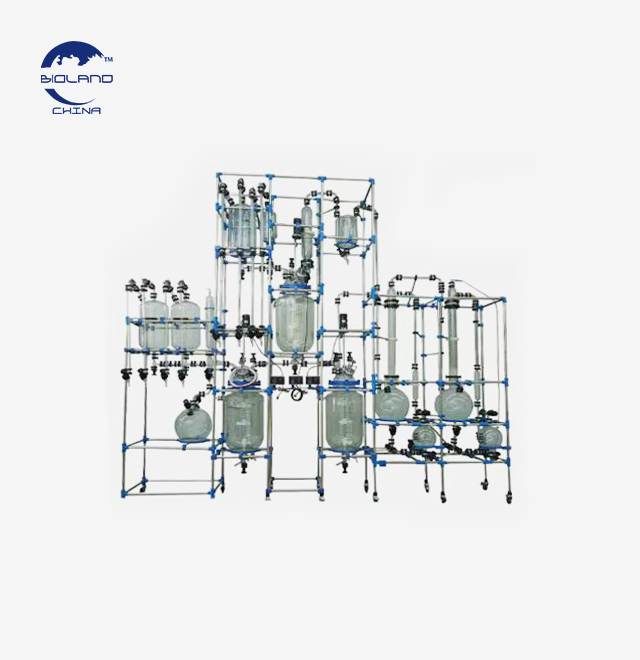
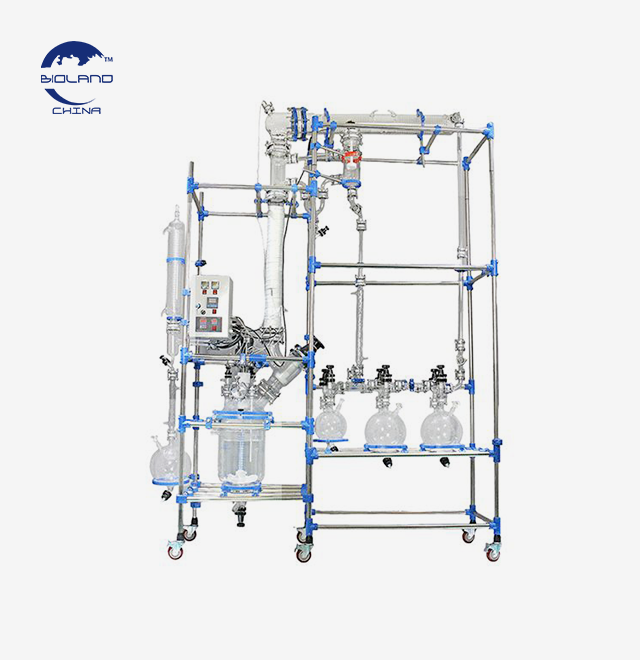
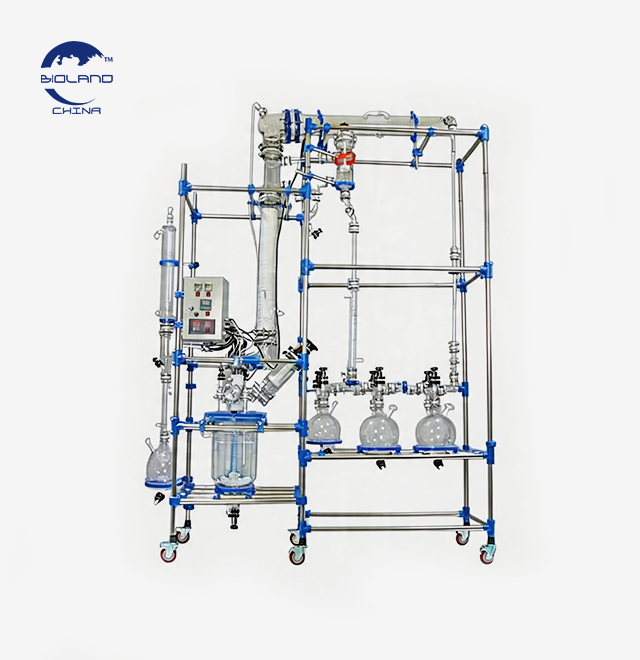
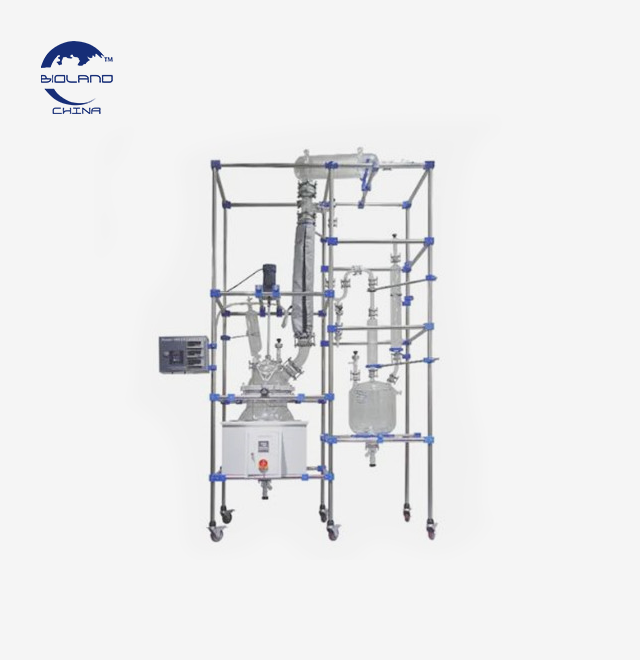
Xi'an Bioland Instrument Co., Ltd. specializes in borosilicate glass distillation columns engineered for high-purity separation. Our columns operate from −80°C to 250°C under full vacuum to slight overpressure, combining transparent process visibility with zero metallic contamination. Backed by CE, ISO, and GMP/FDA compliance, they serve pharmaceutical, chemical, and electronic-grade applications demanding the highest product integrity. Standard units ship within 5–7 days; custom configurations are delivered in 30 business days.
Key Features & Benefits
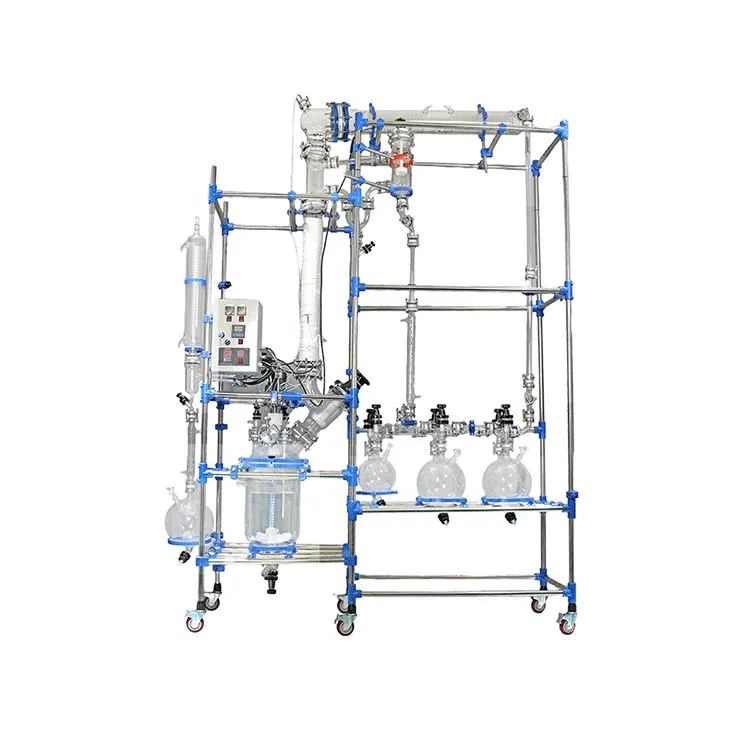
Full process visibility sets glass columns apart from opaque metallic alternatives. You can directly observe liquid flow, foaming, flooding, or entrainment through the transparent body — enabling real-time troubleshooting without shutting down or opening the system.
No metallic contamination path exists through the chemically inert borosilicate surface. For API manufacturing, electronic-grade solvents, and food-grade processing, this eliminates the risk of heavy-metal leaching that stainless steel surfaces can introduce over time.
Proven corrosion resistance allows the column to handle nitric acid (HNO₃), hydrochloric acid (HCl), and chlorinated solvents — media that cause progressive pitting in stainless steel and require costly Hastelloy upgrades.
The non-porous glass surface supports CIP and SIP procedures, reducing batch-to-batch cross-contamination downtime in multi-product facilities.
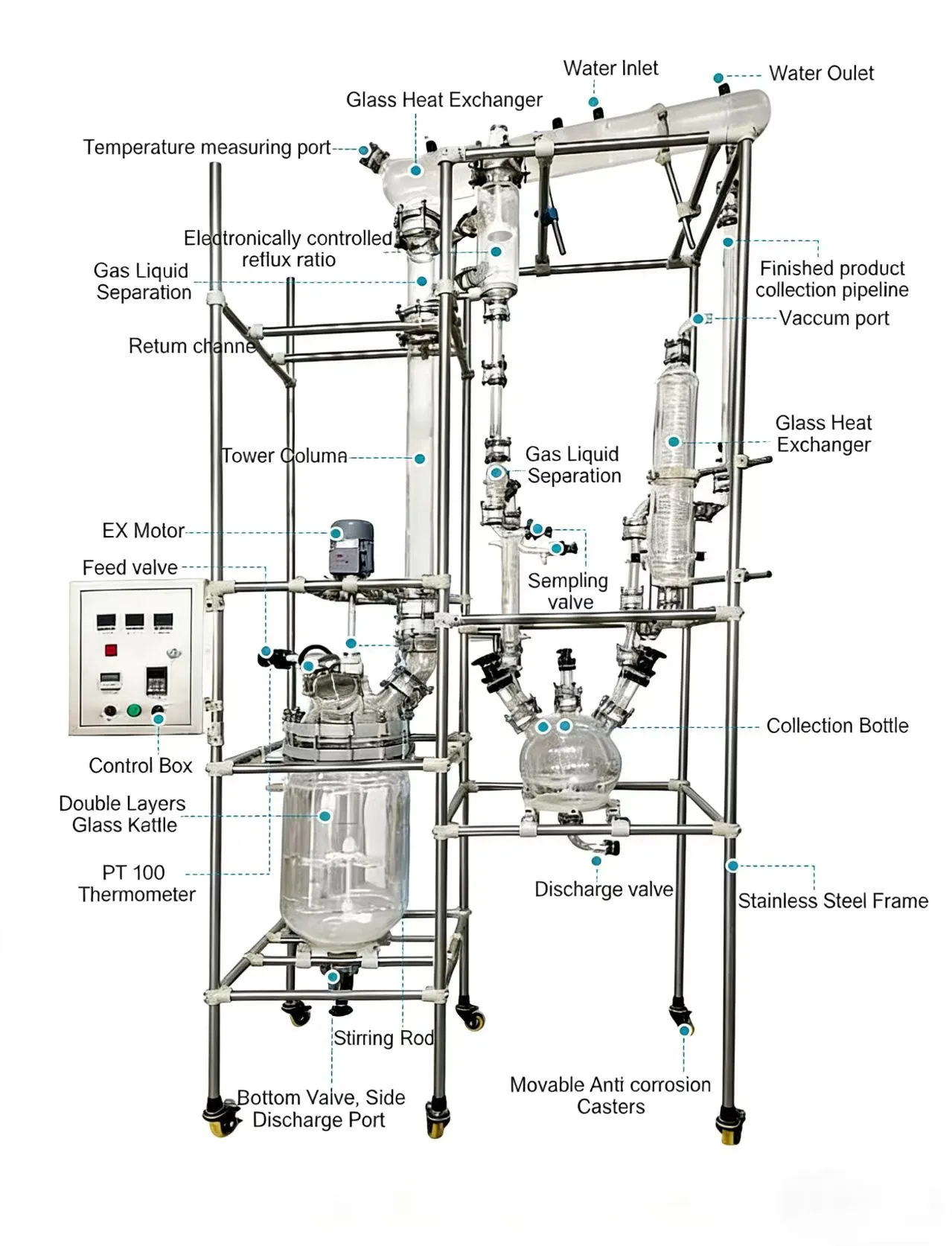
Modular flange connections let you adjust tower height, swap packing types, or replace distributors and support grids independently — without replacing the entire column assembly.
Technical Parameters
|
Model
|
JLF-5S
|
JLF-10S
|
JLF-20S
|
JLF-50S
|
JLF-100S
|
JLF-150S
|
JLF-200S
|
|
Distillation Tank Volume
|
5L
|
10L
|
20L
|
50L
|
100L
|
150L
|
200L
|
|
Collection Tank Volume
|
1L
|
2L
|
5L
|
10L
|
30L
|
50L
|
50L
|
|
Number of Collection Tanks
|
1-4 sets (Customizable based on the number of fractions to be collected)
|
|
Stainless Steel Material
|
304 Stainless Steel (Optional: 316 Stainless Steel)
|
|
Heating Tank
|
Oil bath heater or jacket with heating liquid circulation
|
|
Distillation Tower Height
|
Height can be customized according to the required number of theoretical plates
|
|
Distillation Tower Diameter
|
40mm, 50mm, 80mm, 100mm or other customizable sizes
|
|
Distillation Tower Heating (Optional)
|
Heating jacket or heating belt
|
|
Stirring Mode
|
Magnetic stirrer, magnetic rotating stirrer or top/head stirrer (magnetic seal or mechanical seal)
|
|
Operating Temperature Range
|
Room temperature to 300°C
|
|
Control System
|
Digital display stirring speed controller, timer for reflux receiver/distributor, heating jacket or heating temperature controller. For oil bath heating, an additional heating temperature controller is required.
|
|
Accessories (Optional)
|
Cooling circulator for condenser; Heater for jacketed distillation tank; Vacuum pump
|
|
Power Supply
|
220V or 380V, 50/60HZ
|
How It Works?
The glass distillation column separates mixtures using vapor-liquid equilibrium (VLE): the principle that components with different boiling points concentrate differently between vapor and liquid phases at each stage of contact.
Heated liquid at the column bottom vaporizes and rises through the packed bed. Cooler liquid descends, and repeated vapor-liquid contact across the packing surface progressively enriches the vapor in lower-boiling components. Separation efficiency is measured by HETP (Height Equivalent to a Theoretical Plate) — the smaller the HETP value, the more efficient the packing.
The smooth glass wall minimizes wall channeling, making HETP performance highly predictable with both Raschig rings and structured θ ring packing.
For heat-sensitive compounds — terpenes, essential oil fractions, or thermally labile APIs — deep vacuum operation lowers boiling points significantly, protecting product quality throughout rectification.
Construction & Materials
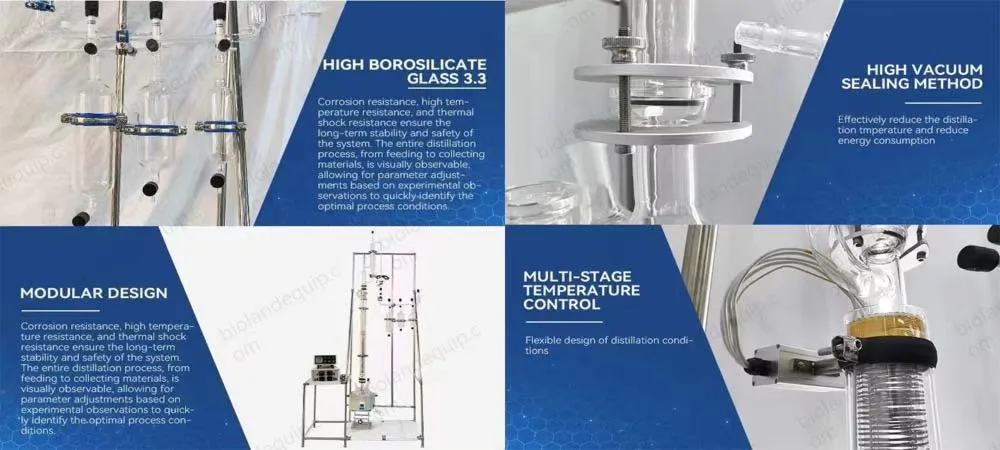
The column body is manufactured from borosilicate glass 3.3 to DIN ISO 3585 standards — the same material grade used in pharmaceutical reactors and precision analytical equipment.
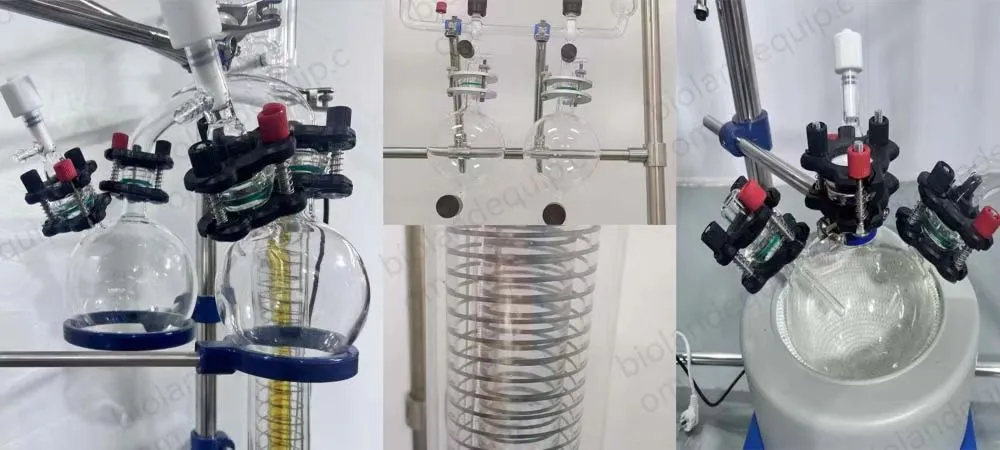
Flanged sections are sealed with PTFE envelope gaskets backed by stainless steel compression flanges. This design compensates for the different thermal expansion rates of glass and metal, which is critical for stable sealing under high-vacuum conditions below 1 mbar.
Structural support components are available in SUS304, SUS316L, or titanium, selected based on process chemistry and temperature requirements.
Quality control steps on every unit:
· Helium leak detection confirms tightness at rates below 10⁻⁴ mbar·L/s
· Polariscope residual stress inspection detects poor annealing in flange necks and welded nozzles
· Flange sealing surface planarity verified within 0.1 mm tolerance
· Hydrostatic pressure test at 1.5× operating pressure
Services & After-Sales Support
· Stocked spare parts for immediate replacement
· One-year warranty on all equipment
· Lifetime maintenance service (scheduled and emergency)
· OEM/ODM engineering support with documentation
· Sea, rail, and air freight options with full export packaging
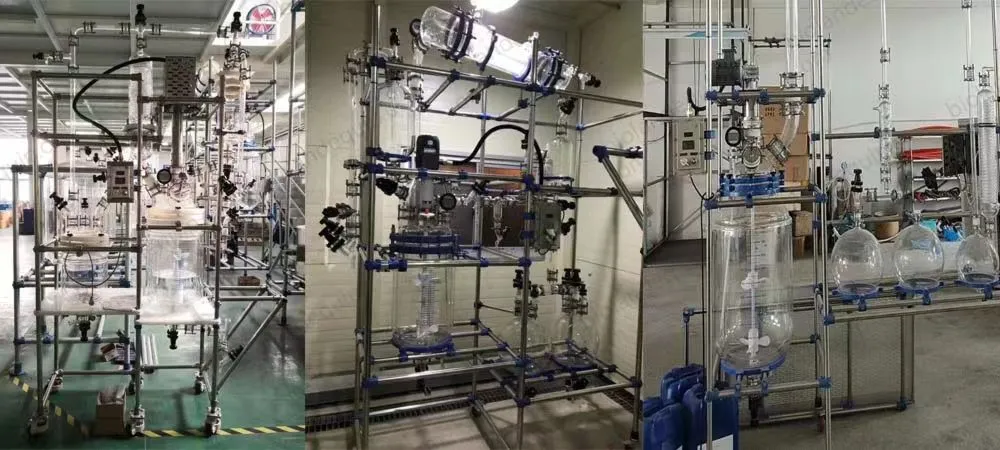
· Weekly production updates with photos or videos
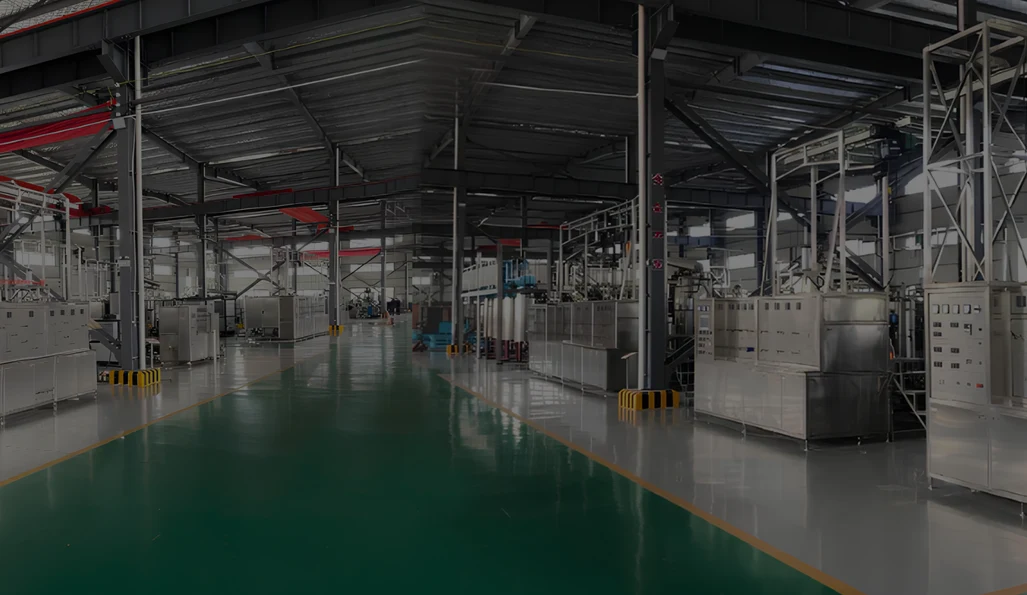
· FAT inspection available at our Xi'an facility
Application Fields
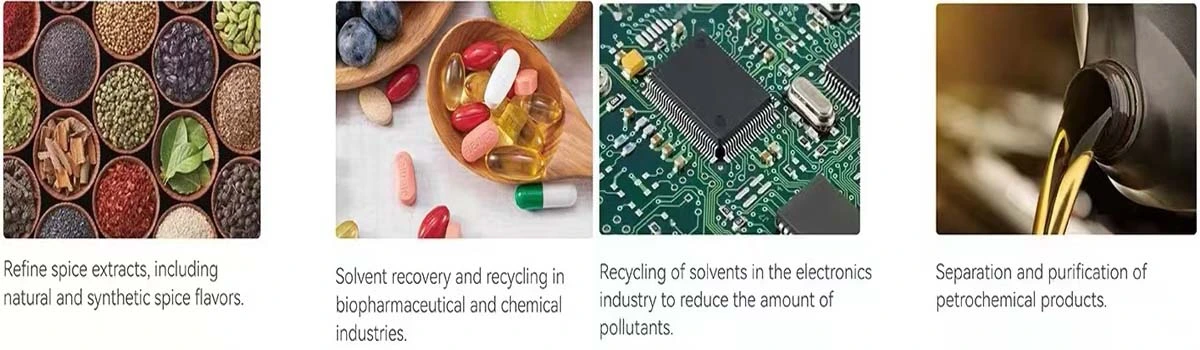
Pharmaceutical solvent recovery
Recovers DCM, ethyl acetate, and acetone from API mother liquors. Recovered solvents remain free of metallic ions, satisfying FDA/GMP reuse standards without additional purification steps.
Corrosive acid concentration
Concentrates dilute HNO₃ and HCl directly — applications where metallic columns suffer progressive pitting corrosion over extended operation cycles.
Essential oil and flavor fractionation
Vacuum rectification of heat-sensitive terpenes and aromatic compounds proceeds without catalytic degradation from hot metal contact, preserving yield and aroma profile.
Electronic chemicals and specialty solvents
Processes requiring traceable zero heavy-metal contamination and full in-line product visibility rely on glass construction as the material-of-choice.
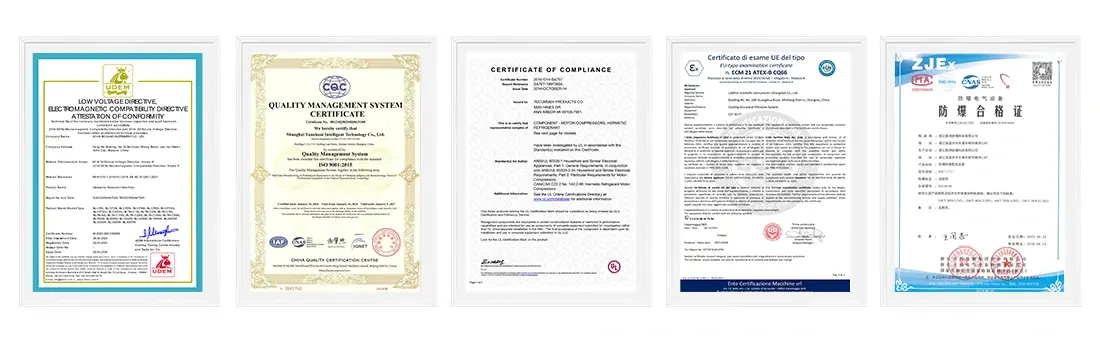
Quality Certifications & Compliance
|
Certification / Standard
|
Scope
|
|
CE
|
European safety and EMC compliance
|
|
ISO
|
Quality management system
|
|
UL
|
North American electrical safety
|
|
SGS
|
Third-party materials and performance testing
|
|
GMP / FDA
|
Pharmaceutical and food-grade manufacturing
|
|
AD 2000-Merkblatt N4
|
Visual defect inspection standard for pressure equipment
|
Why Choose Bioland?
15+ years of focused manufacturing experience in distillation and chemical processing equipment — not general lab glassware, but full process-scale separation systems.
Dedicated production specialist assigned to your order, providing weekly photo or video updates throughout manufacturing. You maintain visibility into your build schedule from day one.
Shipment released only after your approval of final inspection media. Factory Acceptance Testing (FAT) at our Xi'an facility is available upon request.
OEM and ODM engineering support for custom configurations, with complete documentation packages for regulatory submissions.
One-year quality warranty with lifetime maintenance service and stocked spare parts for immediate replacement needs.
FAQ
Q: Can borosilicate glass safely handle full vacuum without imploding?
A: Thick-walled borosilicate glass 3.3 is rated for full vacuum (−1.0 bar) in standard operation. Each unit is hydrostatically tested at 1.5× operating pressure before shipment. Overpressure relief valves are required in the system design, and safety encapsulation coatings are available to contain fragments in the unlikely event of mechanical failure.
Q: How do I select the right packing for viscous feeds?
A: For viscous fluids, packing selection must account for increased liquid hold-up and elevated pressure drop. Our engineers will recommend packing geometry and sizing based on your viscosity data and target throughput. Heating mantles can be integrated to maintain operability.
Q: What is the largest standard column diameter, and when should I use parallel columns instead?
A: Standard production reaches DN600. DN800 is available for higher-capacity single-column needs. For throughputs beyond DN800 capacity, parallel column arrangements are more cost-effective and easier to maintain than a single oversized unit.
Q: How is vacuum integrity maintained below 1 mbar?
A: PTFE-enveloped gaskets with stainless steel backing flanges and compression springs seal each flange connection. Helium leak detection confirms system tightness at rates below 10⁻⁴ mbar·L/s before the unit ships.
Q: How does packing choice affect separation efficiency?
A: HETP depends primarily on packing type, geometry, and wetting behavior — not the column wall material. The smooth glass surface reduces wall channeling, which improves HETP predictability compared to rough metal surfaces. We can provide HETP data for specific packing types on request.
Q: What information do I need to provide for a custom quotation?
A: Useful inputs include: feed composition and flow rate, target purity, operating pressure and temperature range, available footprint, and any material compatibility requirements. The more detail you provide, the faster we can size and quote accurately.
Request a Quote
Contact us: info@biolandequip.com — share your glass distillation column process parameters and receive a detailed proposal within 24 hours.