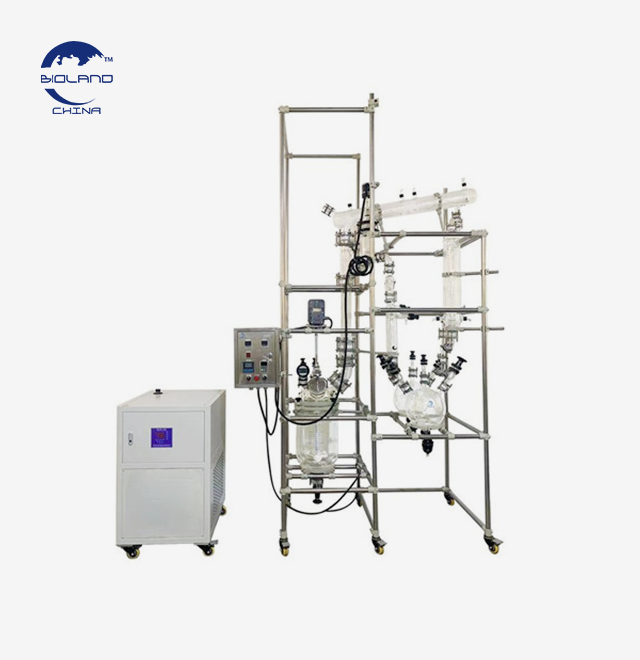
Fractionating Column for Crude Oil - Professional Separation Solutions
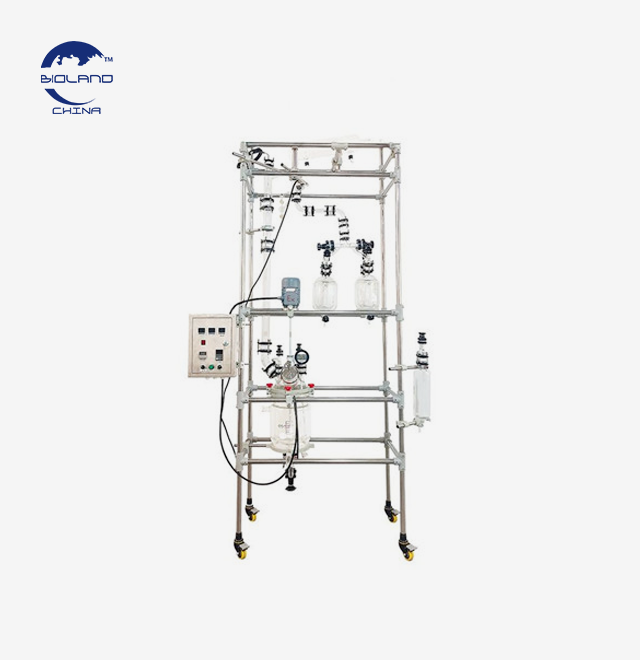
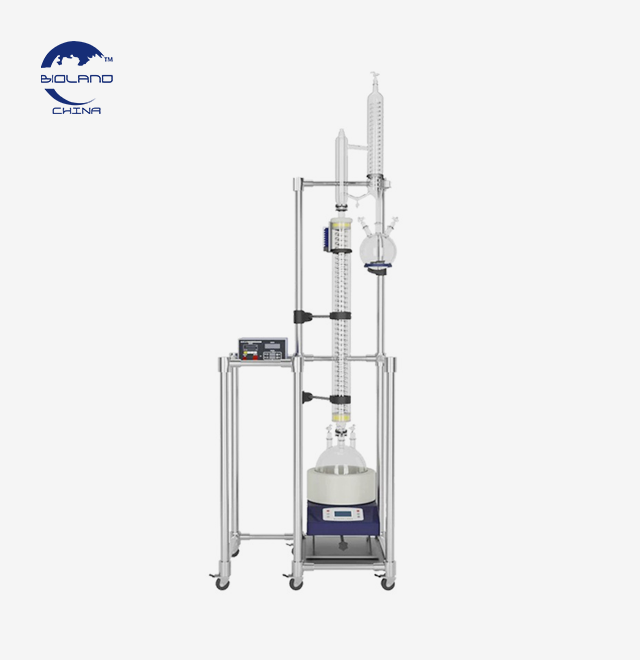
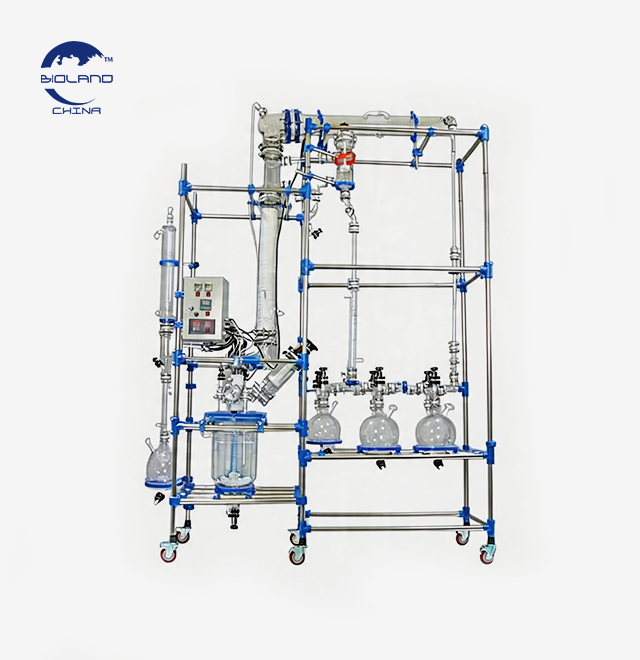
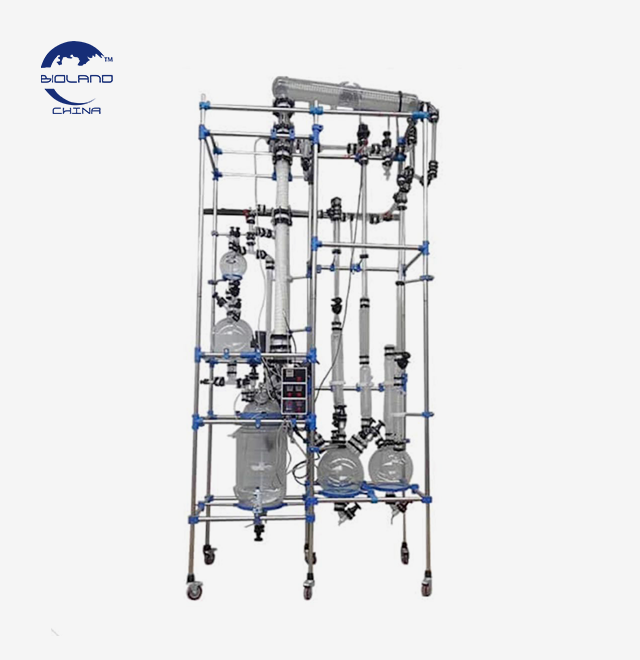
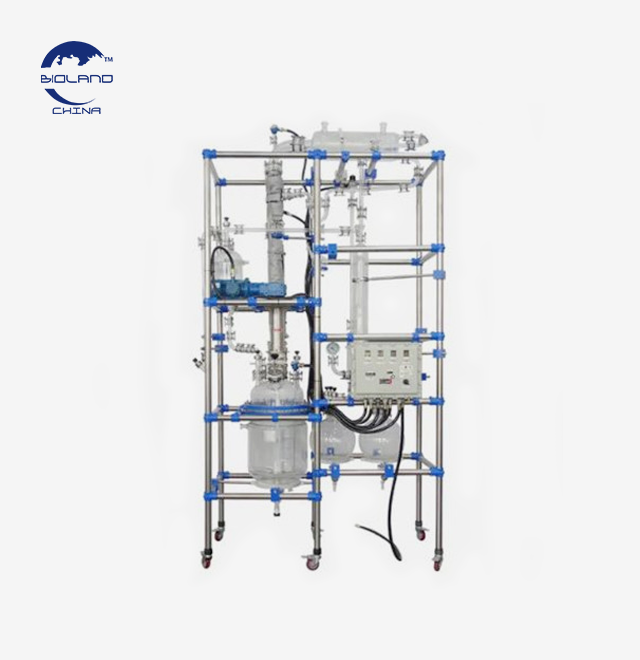
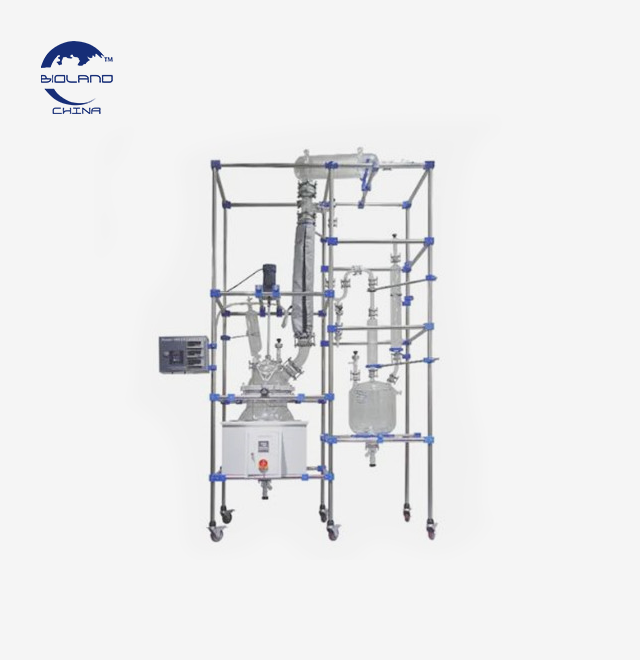
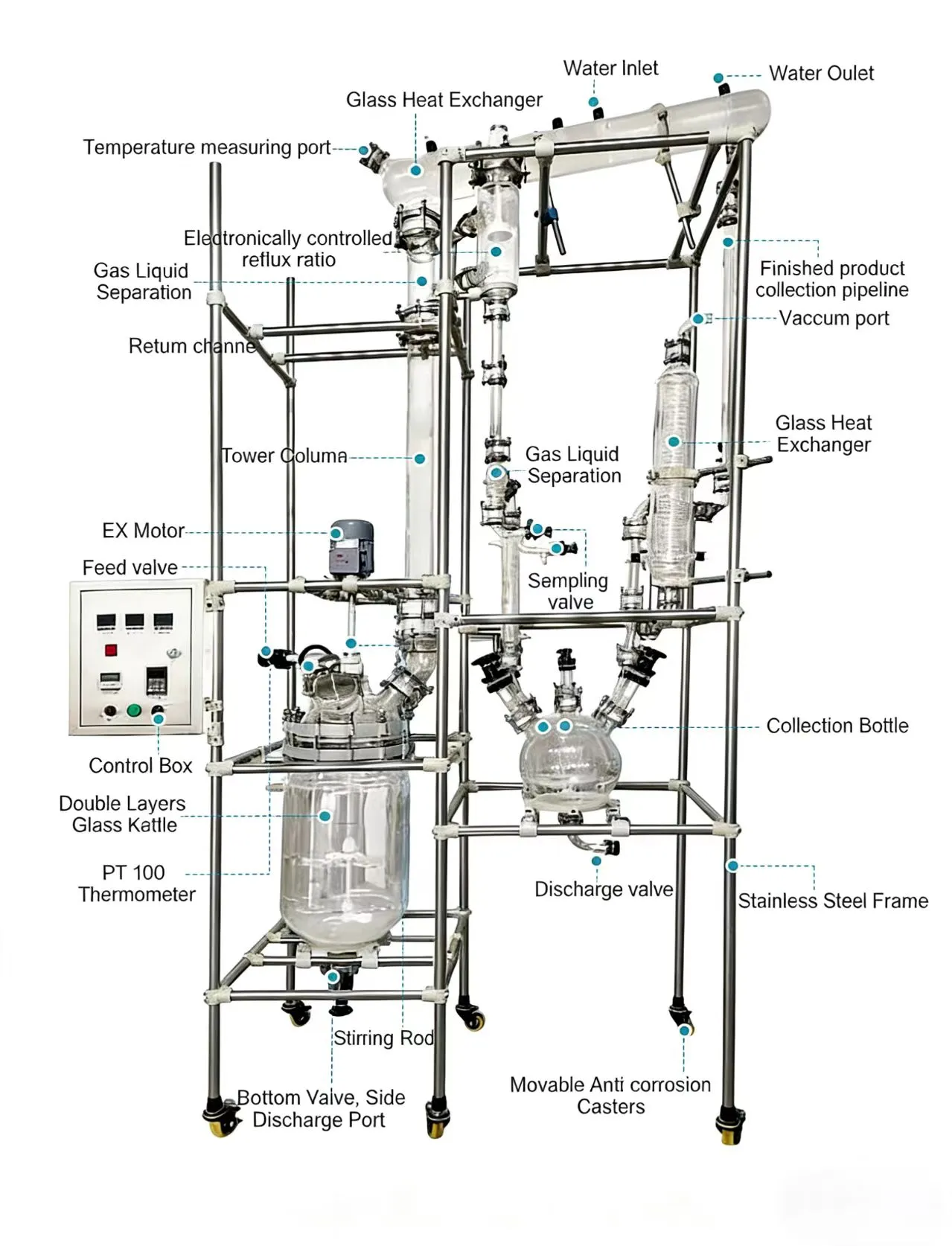
Advanced fractionating column for crude oil systems are what XI'AN BIOLAND INSTRUMENT CO., LTD does best. They make them for chemical processing plants and oil companies. Our columns are very good at separating things, and they can handle up to 99.5% purity rates, 5L to 10,000L+ sizes, and temperatures from -80°C to 300°C. Our product is made of high borosilicate glass or SUS316L stainless steel, and it can reach pressure levels below 0.1mbar. It also has control systems that are built into the PLC. With more than 15 years of experience making things, we offer GMP-compliant distillation towers that are certified by CE, ISO, UL, and SGS to separate crude oil fractions in the best way possible.
Why Choose Us?
Choosing XI'AN BIOLAND INSTRUMENT means partnering with a manufacturer committed to your success.
In terms of engineering, our in-house research and development team has decades of experience in distilling technology. We make unique solutions that are made to fit your exact needs, including the tower's height, width, pressure ratings, and heating methods.
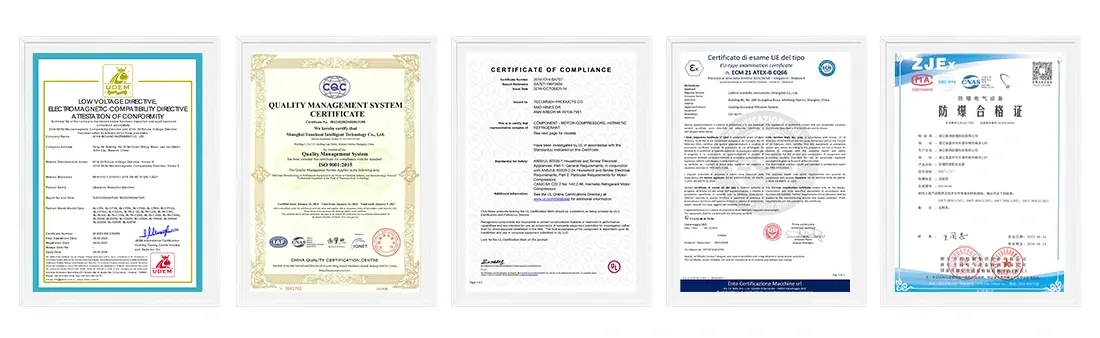
You can trust the quality: each unit goes through strict tests. We are licensed by CE, ISO, UL, and SGS. All of our goods meet GMP and FDA standards, so you can be sure that the equipment you buy is ready for use in both medicinal and food settings.
Customization options: Do you need particular tower sizes? Pressures that don't make sense? Special fit with materials? We offer options that aren't normal. You can build it out of high borosilicate glass, SUS304/316L stainless steel, or titanium metal. You can choose oil, steam, or electricity. Which type of packing do you want? A glass spring, a stainless steel ring, or a Raschig ring?
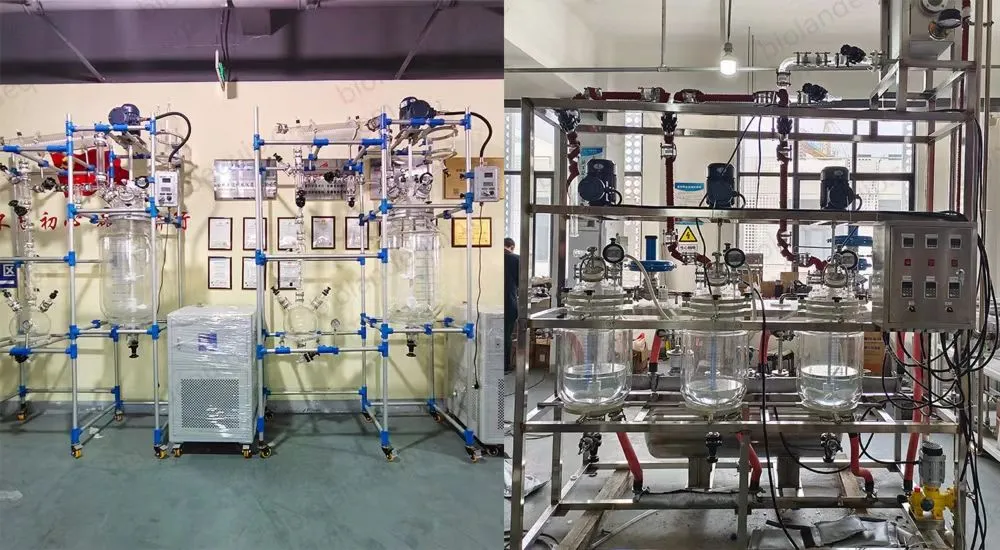
Quick Shipping: Most items are sent out within 5 to 7 days. Usually, custom-engineered systems are finished in 30 business days. We support freight choices by sea, train, and air around the world.
Clear Production Tracking: You know what's going on during production. Our specialized project expert sends updates every week in the form of photos or videos. You get full review paperwork before the shipment. If you'd like, you can set up a Factory Acceptance Test at our Xi'an facility.
Full Support: Installation help, teaching on how to use it, and upkeep for life are all included. All parts are covered by our one-year quality guarantee. Original extra parts are still in stock and can be sent out right away.
Technical Parameters
|
Model
|
JLF-5S
|
JLF-10S
|
JLF-20S
|
JLF-50S
|
JLF-100S
|
JLF-150S
|
JLF-200S
|
|
Distillation Tank Volume
|
5L
|
10L
|
20L
|
50L
|
100L
|
150L
|
200L
|
|
Collection Tank Volume
|
1L
|
2L
|
5L
|
10L
|
30L
|
50L
|
50L
|
|
Number of Collection Tanks
|
1-4 sets (Customizable based on the number of fractions to be collected)
|
|
Stainless Steel Material
|
304 Stainless Steel (Optional: 316 Stainless Steel)
|
|
Heating Tank
|
Oil bath heater or jacket with heating liquid circulation
|
|
Distillation Tower Height
|
Height can be customized according to the required number of theoretical plates
|
|
Distillation Tower Diameter
|
40mm, 50mm, 80mm, 100mm or other customizable sizes
|
|
Distillation Tower Heating (Optional)
|
Heating jacket or heating belt
|
|
Stirring Mode
|
Magnetic stirrer, magnetic rotating stirrer or top/head stirrer (magnetic seal or mechanical seal)
|
|
Operating Temperature Range
|
Room temperature to 300°C
|
|
Control System
|
Digital display stirring speed controller, timer for reflux receiver/distributor, heating jacket or heating temperature controller. For oil bath heating, an additional heating temperature controller is required.
|
|
Accessories (Optional)
|
Cooling circulator for condenser; Heater for jacketed distillation tank; Vacuum pump
|
|
Power Supply
|
220V or 380V, 50/60HZ
|
Working Principle
Continuous vapor-liquid balance steps are used by your fractionating column for crude oil. How it works:
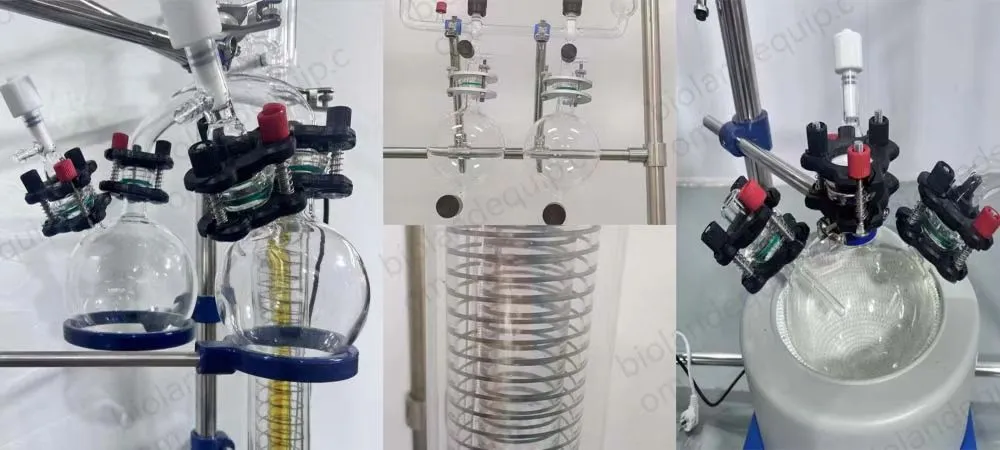
Introduction to the feed: At the flash zone, hot crude oil enters the column. When the temperature and pressure are right, partial evaporation happens right away.
As lighter parts evaporate and rise, they fall back to the bottom of the mixture. The heavier parts compress and fall through trays or packing materials inside the machine.
Multi-Stage touch: As vapours rise through each layer of a tray or box, they come into touch with liquids that are falling. This repeated touch sets up stages of balance where parts separate based on their different boiling points.
Controlling Reflux: At the top of the column, some of the collected vapours come back as reflux liquid. This flow against the current improves separation clarity. Our PID-controlled reflux ratio change makes the best quality fractions in real time.
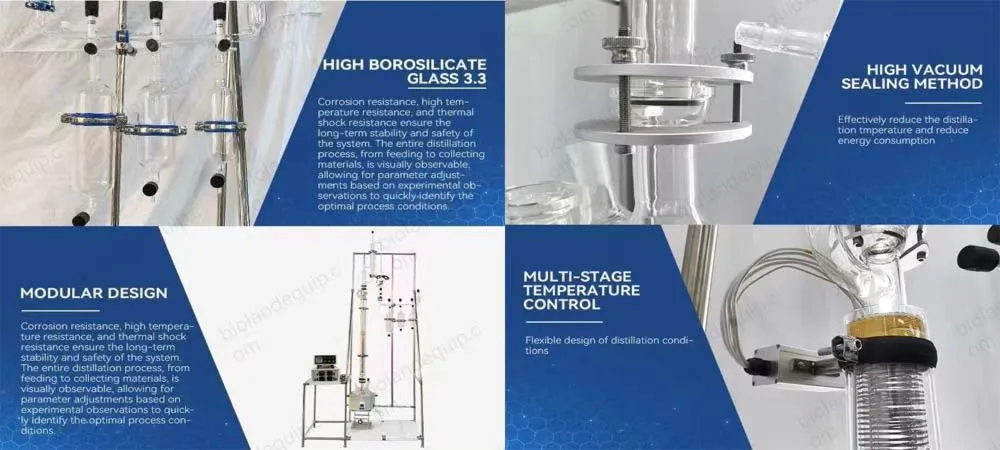
Fraction Collection: At different column heights, different sets of boiling points are collected. Side draws get the middle parts out, like naphtha, kerosene, and diesel. The heaviest residue leaves at the bottom, and the smallest part leaves at the top.
Temperature Difference: The column keeps an exact temperature difference. The bottom is the hottest (up to 370°C for air units), and the top is the coolest. The separation mechanics are driven by this difference.
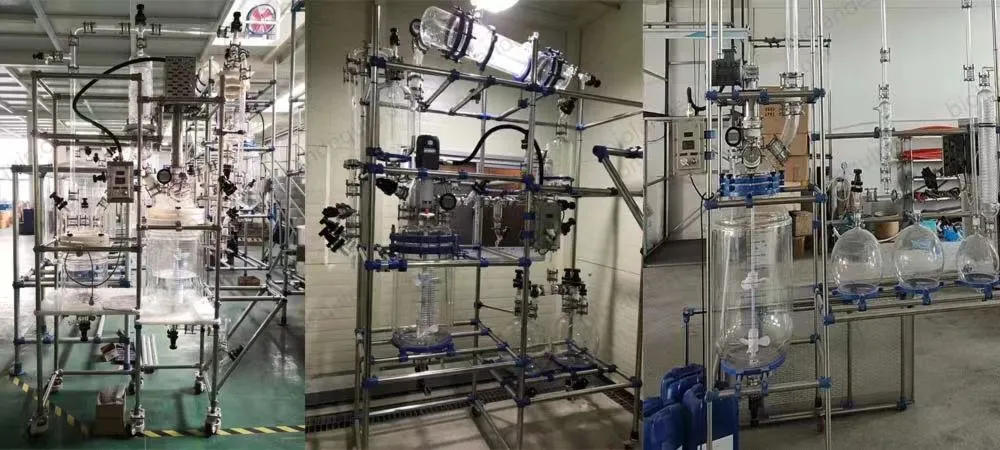
Application Fields
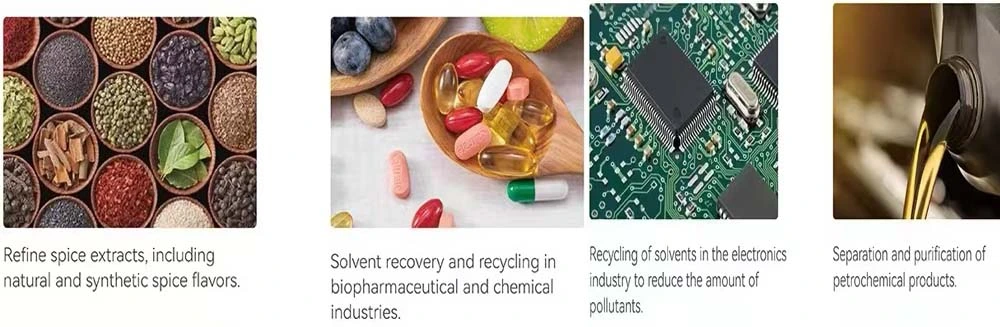
Our distillation columns are used in many fields that need accurate separation, such as:
Petroleum Refining: This is the main use for air and vacuum distillation of crude oil. Makes base stocks for gasoline, jet fuel, diesel, and lube oil.
Benzene, toluene, and xylene are examples of aromatics that are separated from reformate streams in petrochemical processing. Getting olefins and chemical intermediates clean.
Pharmaceutical Manufacturing: Cleaning up solvents and making APIs pure in a way that follows GMP guidelines. Especially good for getting heat-sensitive chemicals out of solids under pressure conditions.
Cleaning up specialty chemicals, like polysilicon TCS/DCS for use in semiconductors, is part of fine chemical production. Manufacturing of high-purity reagents.
In the essential oil business, useful aromatic molecules are separated from plant extracts. Low-temperature vacuum distillation keeps the purity of the flavour.
Food and Drink: Distilling alcohol and getting flavours out of plants. Separation of fatty acids. All of the tools is made of materials that are safe for food.
Lab R&D: Smaller units (5L to 50L) help with developing processes, making new substances, and tests for quality control.
Quality Certification
Throughout the production process, we stick to strict quality standards:
Certifications from other countries: Our building has both ISO 9001 quality management certification and ISO 14001 environmental management certification. The CE mark shows that the product is safe for use in Europe.
Safety Standards: ASME Section VIII pressure vessel rules are used to build equipment. UL and IEC norms are met by the electrical systems. For uses that need to be safe around explosives, ATEX certification is offered.
Material Traceability: Positive Material Identification (PMI) approval is built into every metal part. High-quality metals and stainless steel come with mill test papers that show what chemicals are in them.
Testing Procedures: At 1.3 times the original pressure, each shaft is tested for hydrostatic pressure. All weld joints are checked with x-rays or ultrasound waves. Dimensional tolerances must be within ±3 mm of the specs.
GMP Compliance: Units made for pharmaceutical use have clean connections, electropolished surfaces (Ra ≤0.4μm), and full paperwork sets that meet validation standards.
FAQ
Q: What capacity range do you recommend for pilot-scale crude oil fractionation testing?
A: For pilot operations, our 50L to 100L systems work excellently. They provide sufficient volume for representative testing while maintaining operational flexibility. These sizes allow accurate scale-up data collection for full production planning.
Q: How do you handle high-viscosity feedstocks in your columns?
A: We design reactors and heating systems specifically for viscous materials. Options include jacket heating with high-temperature heat transfer oil, enhanced agitation systems, and modified internal configurations that prevent fouling and ensure consistent flow patterns.
Q: Can your columns operate under vacuum conditions for heat-sensitive materials?
A: Absolutely. Our systems achieve vacuum levels below 0.1mbar. This dramatically lowers boiling points, protecting thermally sensitive compounds from degradation. Vacuum operation is standard for processing atmospheric residue and pharmaceutical intermediates.
Q: What's included in your after-sales support?
A: You receive comprehensive installation guidance, operational training for your team, and lifetime technical support. The one-year warranty covers all components. We maintain spare parts inventory for immediate shipping when needed.
Q: How long does custom engineering typically take?
A: Custom-designed systems generally complete within 30 business days after specification approval. This timeline includes engineering, fabrication, testing, and documentation. Complex projects requiring special materials or certifications may need additional time.
Q: Do you provide process optimization assistance after installation?
A: Yes. Our technical team offers remote troubleshooting and process optimization consultation. For major process adjustments, we can arrange on-site service visits to fine-tune operating parameters and maximize your separation efficiency.
Contact Us
Ready to enhance your separation processes with fractionating column for crude oil? Reach out to our technical team at info@biolandequip.com for customized solutions and competitive quotations today.