ultrasonic Protein Extraction Machine vs Conventional Protein Extraction
Sep 17, 2026
Choosing between a traditional extraction setup and an advanced protein extraction machine is important for bioprocessing, food science, and pharmaceutical manufacturing today. It affects not only the quality of the product but also the revenue of the business. A lot of people still use conventional maceration, Soxhlet extraction, and heat-assisted stirring, but they often have low yield stability, long batch processes, and trouble scaling up. A custom-made protein extraction machine, especially one with ultrasonic cavitation and combined vacuum concentration, on the other hand, has faster rates, better temperature control, and better recovery of proteins that are sensitive to heat. Xi'an Bioland Instrument Co.,Ltd. has been making these kinds of systems for more than 15 years for customers who need consistent outcomes in the production of plant proteins, fungal polysaccharides, marine proteins, and pharmaceutical active ingredients. This study uses real production cases to compare both methods in terms of growth, efficiency, temperature control, equipment cost, and ability to grow.
How Do Modern and Conventional Extraction Methods Differ?
Working Principle: Diffusion-Limited Maceration versus Ultrasonic Cavitation-Assisted Mass Transfer
Passive diffusion is what makes conventional extraction work. Biomass from plants or microbes is mixed with a solvent, heated, and stirred for hours. Soluble proteins can only breakdown when the concentration gradient lets them. This means that the solvent has to slowly break through the cell walls. A protein extraction machine that uses ultrasonic technology, on the other hand, makes acoustic cavitation. Micro-implosions close to the surface of the biomass break down cell walls physically. This creates micro-jets and local pressure differences that push solvent into the tissue and quickly release proteins inside cells. This main difference means that the protein extraction machine can do in minutes what might take hours of soaking would normally take.
Process Configuration and Engineering Philosophy
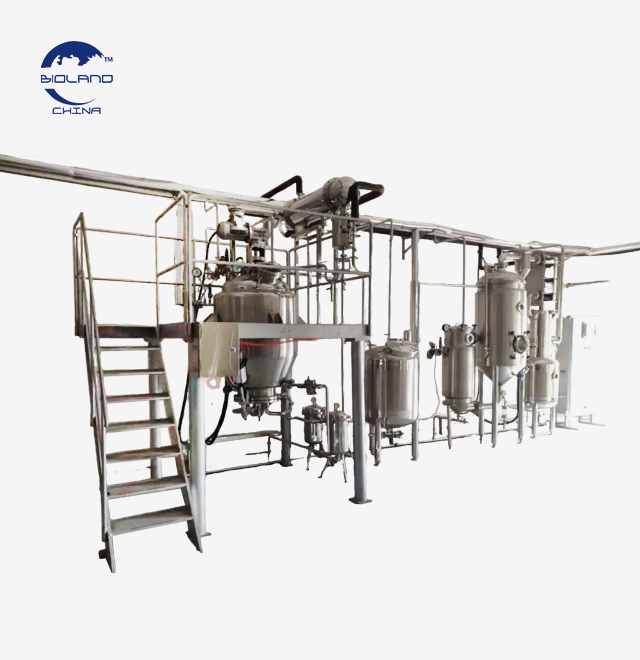
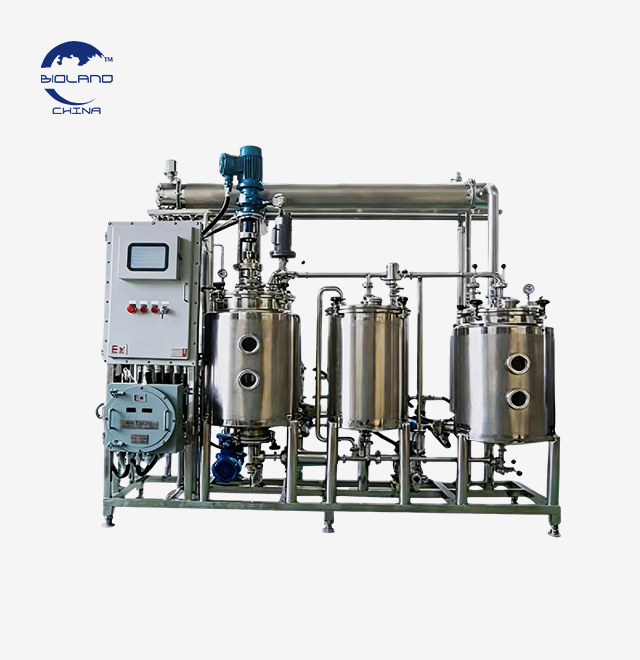
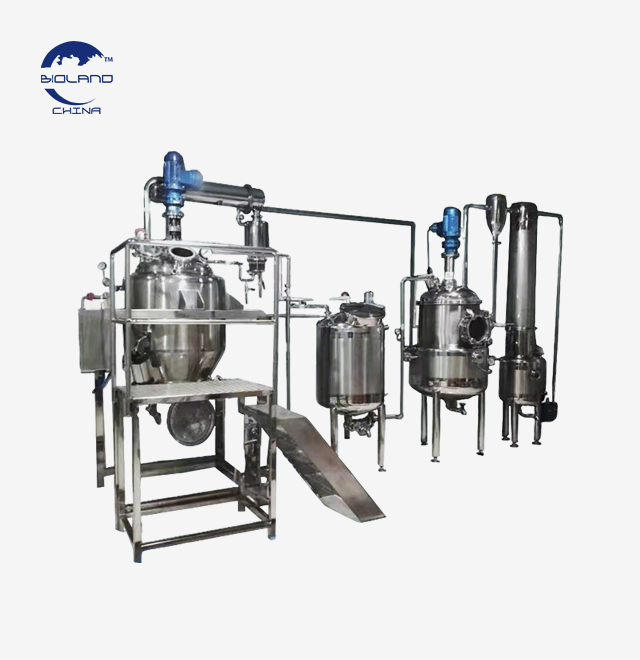
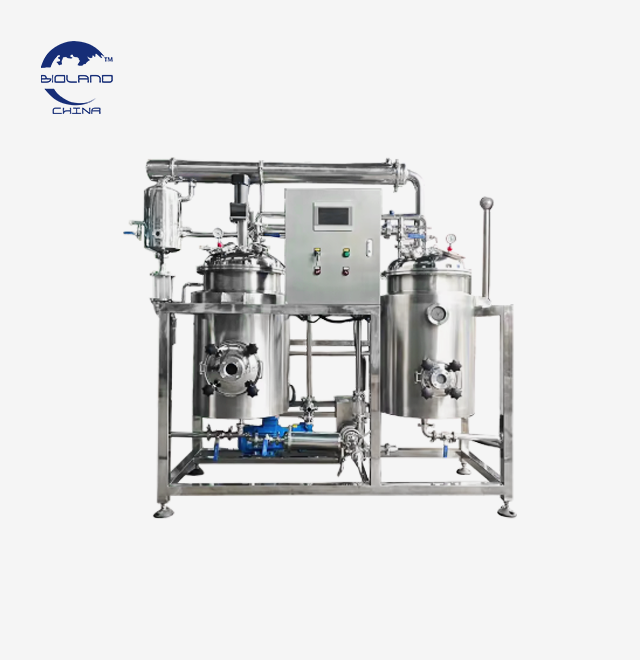
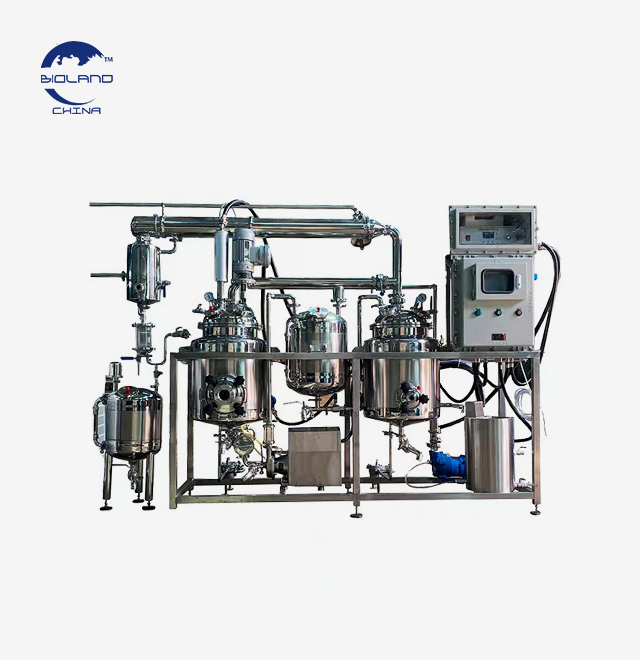
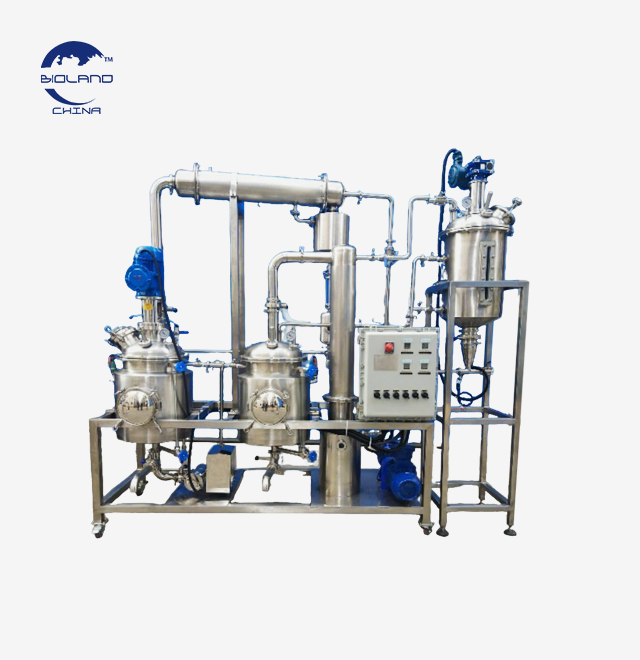
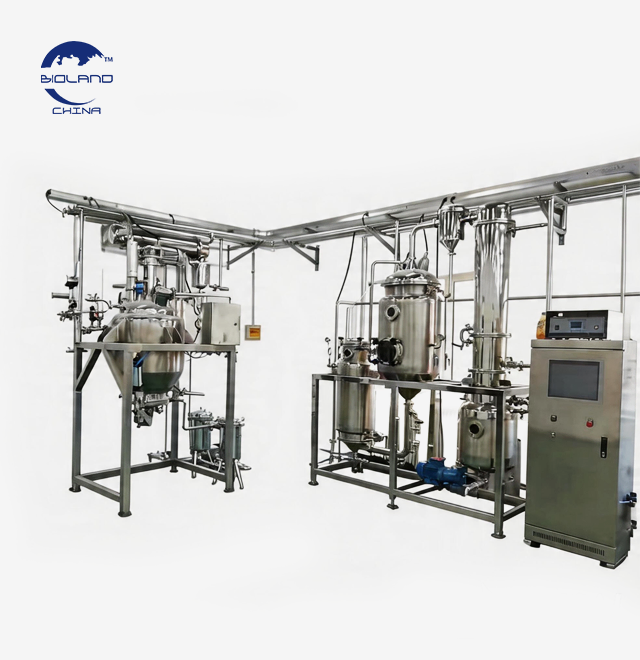
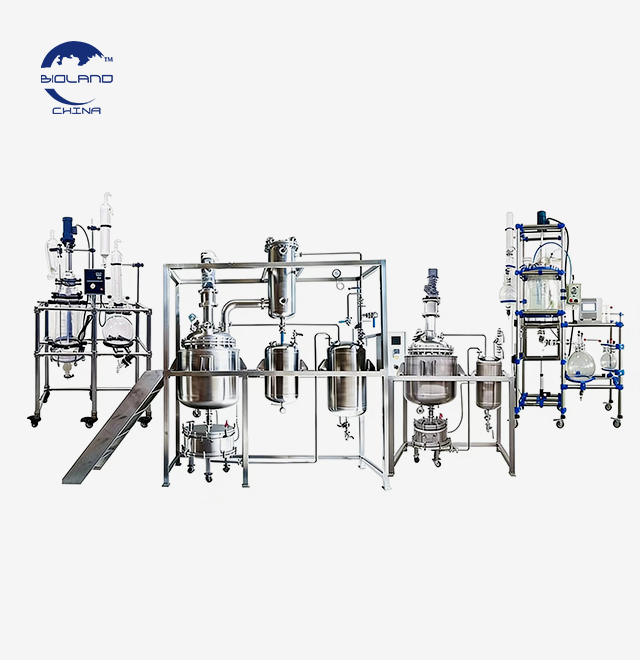
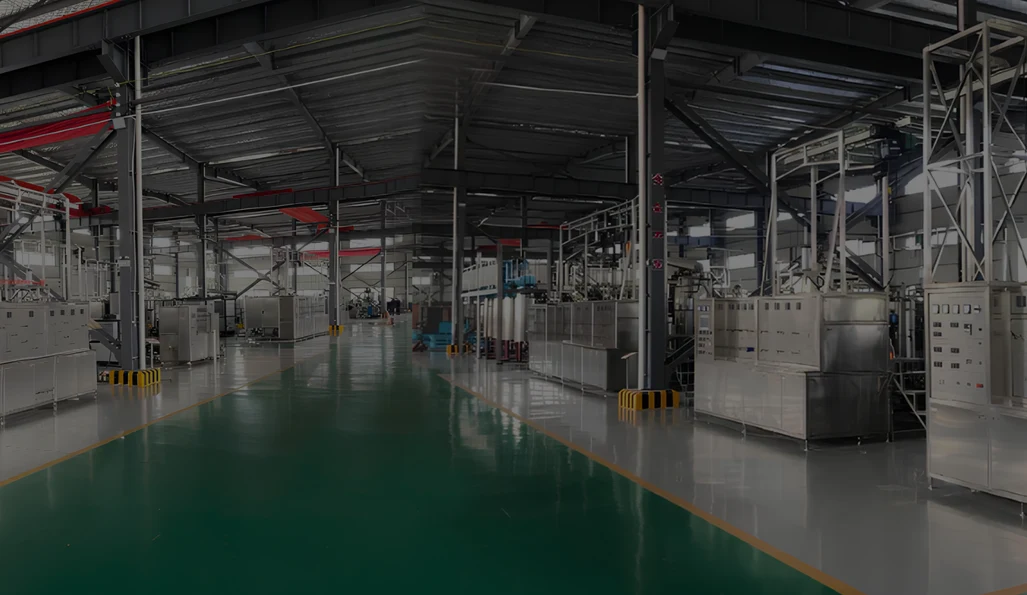
Tanks, heaters, filters, and evaporators are often put together on conventional production lines from different parts. The broken design makes it more likely for contamination and transfer losses to happen. A modern protein extraction machine has a skid-mounted system that does all three steps: extraction, filtration, and vacuum concentration. An ultrasonic transducer array, a condenser, an oil separator, a collection tank, a vacuum pump, and a PLC control cabinet are some of the things that are usually part of the equipment. The protein extraction machine cuts down on human work and allows for GMP-compliant group recording by working under negative pressure or air conditions with continuous feeding and unloading. This integrated architecture is a direct improvement over traditional open-tank processing for companies that want to make botanical proteins, fungal polysaccharides, or marine peptides.
Solvent Adaptability and Target Selectivity
Most of the time, strong chemicals and liquids with a high reactivity work best for conventional extraction. Low-abundance active parts and proteins that are sensitive to heat may break down before they can be isolated. It is possible to use water, ethanol, methanol, acetone, or a mix of these solvents with a protein extraction machine. The ultrasonic field works well between 40°C and 60°C, which protects proteins that are easily damaged by heat while still improving mass transfer. The protein extraction machine can work with different matrix qualities without needing to be completely redesigned. It can remove soy protein, tea polyphenol, mushroom polysaccharide, or quercetin from plant matter.
Automation and Process Reproducibility
Because stirring, cooking, and measuring are done by hand, each batch is different because the user is responsible for them. A protein extraction machine with PLC control, live concentration tracking, automatic discharge, and CIP cleaning makes sure that the vacuum level, cavitation strength, and temperature profile are all the same from batch to batch. This level of automation is very important for companies that make food, cosmetics, and medicines because they need to keep track of all the important process parameters. Companies lower the number of rejected products and speed up the transfer of technology from pilot to production scale when they switch from manual operation to control based on recipes.
Which Method Provides Higher Protein Recovery and Yield?
Cell Wall Disruption and Intracellular Protein Release
Most proteins in plants and fungi are found inside cells. Normal stirring only washes away surface-bound parts, leaving proteins inside cell walls that aren't fully extracted. Ultrasonic waves are used by a protein extraction machine to break down cell walls and reshape plant tissue. This frees up cytoplasmic and organelle-associated protein fractions. According to scientific data that has been made public, ultrasonic extraction systems can increase yields by 50–500% compared to traditional maceration when the same solvent and temperature are used. This is especially important for marine fish protein, mushroom polysaccharide-protein complexes, and soybean protein, where intracellular retention is a major factor that limits yield.
Recovery of Heat-Sensitive Protein Fractions
When proteins are heated to high temperatures, they lose some of their useful features, like their ability to dissolve and do things like emulsify, gel, and foam. Usually, heat-assisted extraction takes place at 80–100°C for several hours, which can damage these parts in a way that can't be fixed. A protein extraction machine usually works between 40°C and 60°C, which keeps the protein's structure while still allowing for quick extraction. This temperature edge means that plant-based protein isolates used in functional foods and sports nutrition dissolve better, taste better, and keep more of their beneficial peptide structures.
Extraction Selectivity and Product Purity
A protein extraction machine doesn't just get rid of more total solids; it also gets rid of more starch, fibre, and oxidised lipids while leaving more target proteins behind. Controlled temperature and ultrasonic cavitation stop the breakdown of polysaccharides and phenolic impurities at high temperatures. This makes the extract cleaner and easier to clear and filter. Filtration, chromatography, and membrane separation steps work better when there are fewer impurities in the process. This higher level of purity lowers the cost of making one kilogram of finished protein.
Real Production Case: Mushroom Polysaccharide-Protein Extraction
One manufacturer producing lentinan and Ganoderma polysaccharide-protein conjugates faced conventional hot-water extraction lasting 5–7 hours per batch. Protein recovery was inconsistent, and polysaccharide molecular weight decreased due to prolonged heating. By adopting a protein extraction machine with ultrasonic extraction and vacuum concentration, the client shortened extraction to 40 minutes at 50°C. Recovered polysaccharide-protein content increased by 38%, and the molecular weight distribution remained stable. The system’s integrated concentration module also reduced transfer steps, cutting total batch time by more than 70%. This case demonstrates how the protein extraction machine addresses both yield and product quality in the same unit operation.
How Do Extraction Time and Processing Efficiency Compare?
Conventional Batch Cycles Are Time-Intensive
Traditional extraction may require 3–12 hours per batch depending on raw material hardness, solvent ratio, and target components. This long residence time increases energy consumption, labor costs, and the risk of microbial contamination, particularly in protein-containing broths. Extended heating also promotes Maillard reactions and off-flavor development, which is undesirable in plant protein and tea polyphenol production. For companies producing multiple lots per day, conventional batch extraction becomes a production bottleneck.
Ultrasonic Extraction Cuts Extraction Time by More Than Two-Thirds
A protein extraction machine employing ultrasonic intensification commonly reaches optimal recovery within 24–40 minutes. For soy protein extraction, ultrasonic cavitation accelerates protein dissolution and hydration, reducing extraction time from 4–6 hours to under 1 hour. For tea polyphenol and aroma oil extraction, the time savings are even more pronounced. Shorter cycles allow the same equipment to process more lots per shift, improving factory throughput without additional floor space. The integration of extraction and vacuum concentration in the protein extraction machine eliminates intermediate storage and reheating, further compressing total cycle time.
Continuous and Semi-Continuous Operation Reduces Downtime
Unlike simple extraction tanks, advanced protein extraction machinesystems support continuous feeding and continuous discharge. The PLC system controls feed rate, ultrasonic power, temperature, and vacuum level in real time. Automatic discharge and online cleaning reduce manual cleaning time between batches. For high-volume products such as natural pigments, pepper oleoresin, and stevia glycosides, this semi-continuous operation improves asset utilization and stabilizes product quality across shifts.
Real Production Case: Stevia Extraction Line
A company that makes stevia had trouble getting steviol glycosides from the leaves, stems, and roots using normal hot water extraction. Each batch needed about six hours at 85°C, which used a lot of energy and made the sweetness and clarity vary. The time it took to separate proteins dropped to 35–45 minutes at 50–60°C after a protein extraction machine with ultrasonic extraction, filter, and pressure concentration was put in place. Recovery of glycosides went up by 42%, and it became easier to clean up afterward because fewer products of heat breakdown were made. The client went from test to full production with the same technology provider, which cut down on both the cost of capital and the time needed for confirmation.
Which Process Better Controls Temperature and Shear Stress?
Low-Temperature Ultrasonic Extraction Protects Protein Functionality
In conventional extraction, mass transfer is often sped up by cooking for a long time. But this also breaks down proteins, makes them less soluble, and hurts functional peptides. A protein extraction machine is made to work at low temperatures, usually between 40°C and 60°C. Ultrasonic cavitation gives the mass transfer moving power that is needed without using a lot of heat. Because of this, protein isolates keep their better emulsifying and foaming properties, which makes them better for plant-based dairy, meat alternatives, and clinical nutrition products.
High-shear homogenizers and aggressive mechanical stirring can fragment high-molecular-weight polysaccharides and shear-sensitive proteins. The protein extraction machine uses focused ultrasound energy to damage cell structures without putting the whole stream through constant high stress. This is especially important for extracting mushroom polysaccharides, since molecular weight has a direct effect on how well they work to modulate the immune system. The protein extraction machine breaks up cells at a lower bulk shear by adjusting the ultrasonic amplitude and duty cycle. This keeps the integrity of the bioactive polymer.
When there is negative pressure, the integrated vacuum concentration in a protein extraction machine works at lower evaporation temperatures, usually between 60°C and 100°C, based on the amount of vacuum. Compared to evaporation in the air, this slows down the breakdown of extracted proteins and active compounds by heat. The design has a defoaming device, a condenser, an oil separator, and a collection vessel. This lets the solvent be recovered and used again. Vacuum operation also makes solvent recovery faster and the factory safer for processes like tincture extraction and ethanol-based protein precipitation.
Real Production Case: Chilli Oleoresin Extraction Plant
A spice manufacturer extracting capsaicin and oleoresin from chilli reported that conventional solvent extraction produced dark, thermally degraded extracts with inconsistent pungency. After switching to a protein extraction machine with ultrasonic cavitation and integrated vacuum concentration, extraction temperature was maintained below 55°C. The resulting oleoresin showed brighter color, higher capsaicin retention, and fewer oxidative byproducts. The production line allowed solvent recycling under vacuum, reducing ethanol consumption by 30% and cutting waste solvent handling costs.
How Do Equipment Costs and Scalability Affect Production?
Initial Investment versus Lifecycle Operating Cost
A conventional extraction line may appear cheaper initially because it consists of basic tanks and agitators. However, hidden costs include longer labor hours, higher energy use, more solvent loss, and inconsistent yield. A protein extraction machine has a higher initial engineering cost but delivers lower cost per kilogram of extracted protein due to faster cycles, higher recovery, and reduced downstream purification load. Over a 12–24 month period, many manufacturers find the protein extraction machine achieves a positive return on investment through labor and utility savings alone.
Scalability from Pilot to Commercial Production
The modular design of a protein extraction machine supports scaling from 50 L pilot units to 500 L production systems with consistent ultrasonic exposure parameters. This is important for companies developing multiple products, from tincture extraction to tea polyphenol and natural pigment recovery. Xi’an Bioland Instrument Co.,Ltd. provides customized production lines, OEM/ODM support, and engineering assistance for capacity expansion. Customized products typically have a lead time of 30 business days, while non-customized products are generally ready in 5–7 days.
GMP Compliance and Total Cost of Validation
For pharmaceutical and food producers, GMP compliance is not optional. Conventional self-assembled equipment often lacks documentation, material traceability, and cleanability validation. A protein extraction machine from Bioland Instrument is manufactured with SUS304/316L stainless steel, CIP cleaning, three-layer insulation, and GMP-compliant design. The company is CE and ISO certified, with an in-house R&D team offering design qualification, installation qualification, and operational qualification support. This validation package reduces regulatory risk and speeds market entry for protein-based products.
Real Production Case: Flavonoid Extraction from Multiple Botanical Sources
A functional ingredient manufacturer needed to extract flavonoids from ginkgo leaves, bamboo leaves, chrysanthemum, lotus leaf, and onion peel using one flexible production platform. Conventional methods required different solvent systems, temperatures, and stirrer configurations for each raw material, causing frequent changeover losses. The company adopted a protein extraction machine with configurable ultrasonic parameters, solvent recycling, and integrated concentration. By adjusting temperature, ultrasonic power, and solvent ratio, the same system processed all raw materials with 30–45-minute extraction cycles. Flavonoid recovery increased by 35% compared with the previous heat-reflux process, and changeover time was reduced by 60%.
Conclusion
The comparison between conventional protein extraction and a modern protein extraction machine is ultimately a comparison between passive diffusion and active, controlled mass transfer. Ultrasonic-assisted extraction improves cell disruption, reduces extraction time by more than two-thirds, protects heat-sensitive proteins, and integrates vacuum concentration for higher throughput. With GMP-compliant engineering, modular scalability, and proven applications in stevia, chilli oleoresin, mushroom polysaccharide, tea polyphenol, and flavonoid extraction, the protein extraction machine is a long-term process solution rather than a simple hardware purchase. For manufacturers seeking higher yield, better purity, and lower lifecycle cost, upgrading to an advanced protein extraction machine is a practical and profitable decision.
FAQ
1. Can a protein extraction machine handle both water and ethanol extraction?
Yes. The protein extraction machine supports water, ethanol, methanol, acetone, and mixed solvents, allowing flexible extraction of proteins, polysaccharides, flavonoids, and alkaloids.
2. How much can ultrasonic extraction improve protein yield?
Compared with conventional maceration, a protein extraction machine can improve recovery by 50–500% depending on the raw material and target protein fraction.
3. Is the protein extraction machine suitable for GMP production?
Yes. Bioland Instrument designs the protein extraction machine with SUS304/316L stainless steel, CIP cleaning, and GMP-compliant documentation, making it suitable for pharmaceutical and food production.
4. What capacity range is available?
Standard models range from 50 L to 500 L, with customized capacities available through OEM/ODM services for larger pilot or commercial production lines.
5. How long does a typical ultrasonic protein extraction cycle take?
Most materials reach optimal recovery within 24–40 minutes at 40–60°C, significantly shorter than conventional extraction cycles of several hours.
Partner with Bioland Instrument for Your Protein Extraction Solution
At Bioland Instrument, we do not simply sell equipment — we solve process bottlenecks. From a single protein extraction machine to a complete production line for stevia, tea polyphenols, mushroom polysaccharides, or chilli oleoresin, our engineering team delivers customized extraction, concentration, and purification systems that meet CE, ISO, and GMP standards. With more than 15 years of experience, OEM/ODM support, real-time production tracking, and one-year warranty with lifetime maintenance, we help clients scale confidently from pilot to full commercial operation. Our equipment is exported to Europe, Southeast Asia, and beyond, supported by competitive pricing and responsive pre-sales and after-sales service. Contact our team today at info@biolandequip.com to discuss your process goals and receive a tailored solution proposal.
References
1. Vinatoru, M. (2001). An overview of the ultrasonically assisted extraction of bioactive principles from herbs. Ultrasonics Sonochemistry, 8(3), 303–313.
2. Chemat, F., Rombaut, N., Sicaire, A. G., et al. (2017). Ultrasound assisted extraction of food and natural products. Ultrasonics Sonochemistry, 34, 540–560.
3. Mason, T. J., & Lorimer, J. P. (2002). Applied Sonochemistry: Uses of Power Ultrasound in Chemistry and Processing. Wiley-VCH.
4. Vilkhu, K., Mawson, R., Simons, L., & Bates, D. (2008). Applications and opportunities for ultrasound assisted extraction in food industry. Innovative Food Science and Emerging Technologies, 9(2), 161–169.
5. Tiwari, B. K. (2015). Ultrasound: A clean, green extraction technology. TrAC Trends in Analytical Chemistry, 71, 100–109.
6. Patist, A., & Bates, D. (2008). Ultrasonic innovations in the food industry: From the laboratory to commercial production. Innovative Food Science and Emerging Technologies, 9(2), 147–154.
The reactor is beautifully mirror-polished and fully complies with GMP requirements for the pharmaceutical industry. The performance is excellent! Overall, we are very satisfied! We also provided with some feedback on our process improvements, which we hope will be helpful.
2024-04-09
Laboratory
Excellent and professional service. Always reply our questions very fast. All reactors and chiller we received are good too.
2024-02-15
Research Institute
Quality is beyond our expectation actually. After we got the extraction equipment and started using it, the performance was beyond our expectation. Very easy to use and very efficient to run. Service always respond us very quickly. Was also very helpful to help us. Thanks Bioland team. Very happy to work with you.
2023-11-20
Biotech Company
We are happy about the new purchase as always. Equipment and services are both good.
2023-08-05
Instrument Lab
This is the second order with Bioland instrument and everything is good as the first dateText.
2023-05-12
Global Trading Partner
Bioland instrument team is very helpful and professional. The sales helped us select the right equipment for our application, and their logistics people handled the transportation and customs declaration for our shipment. All that saved us a lot of work.