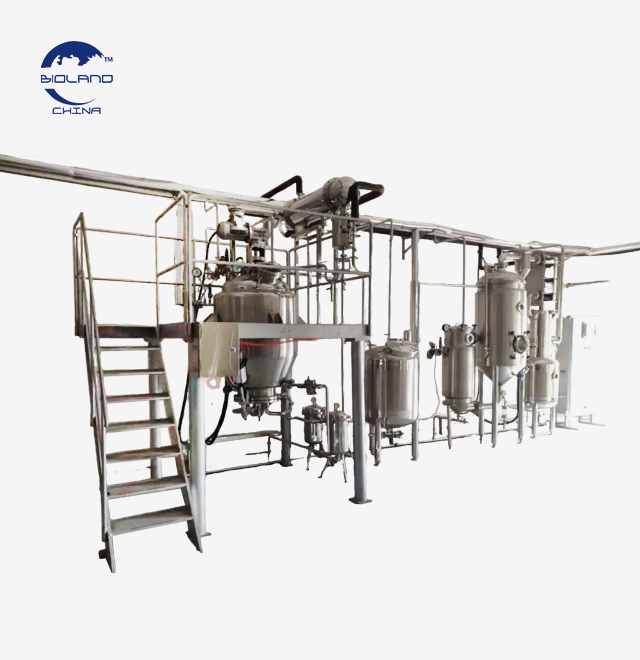
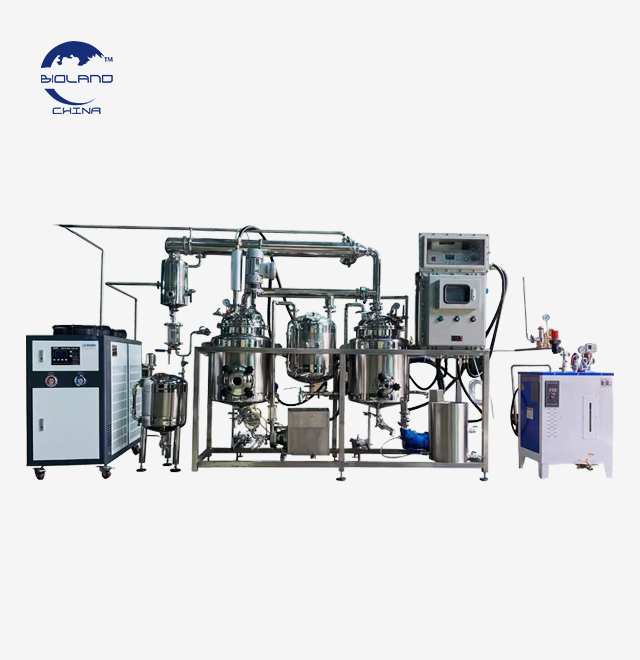
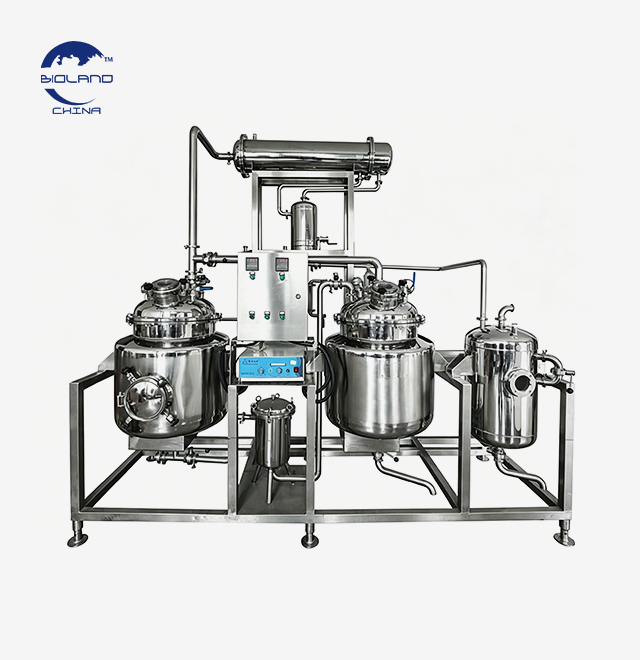
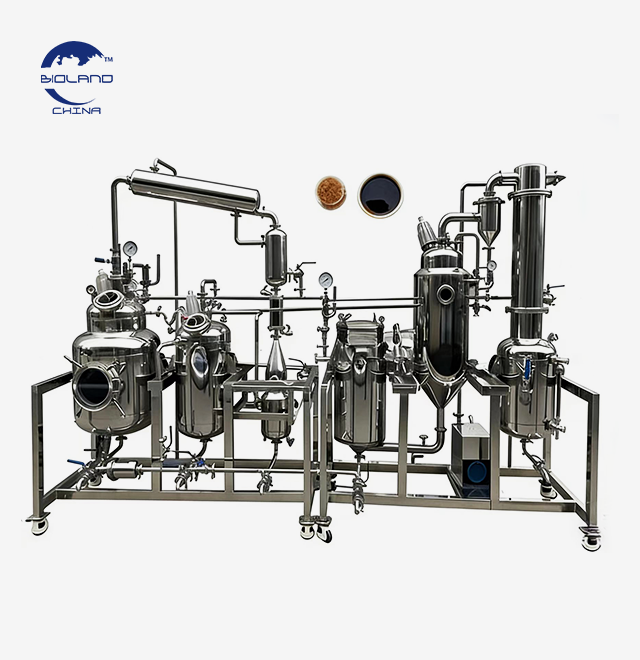
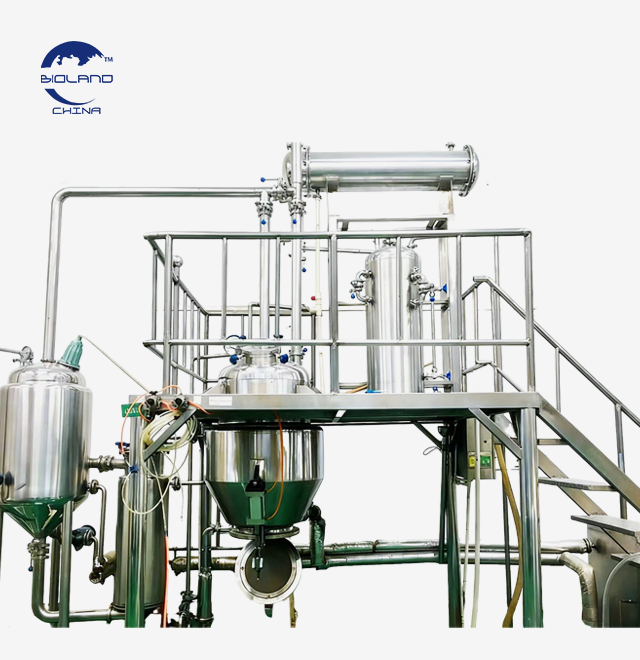
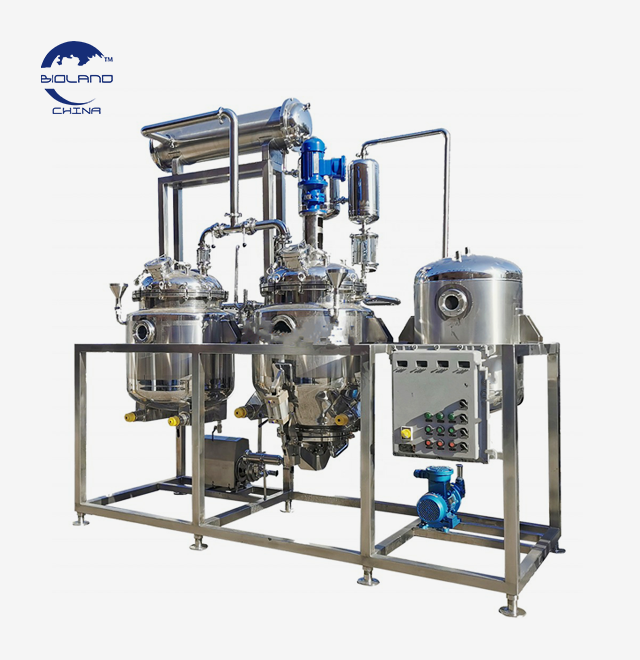
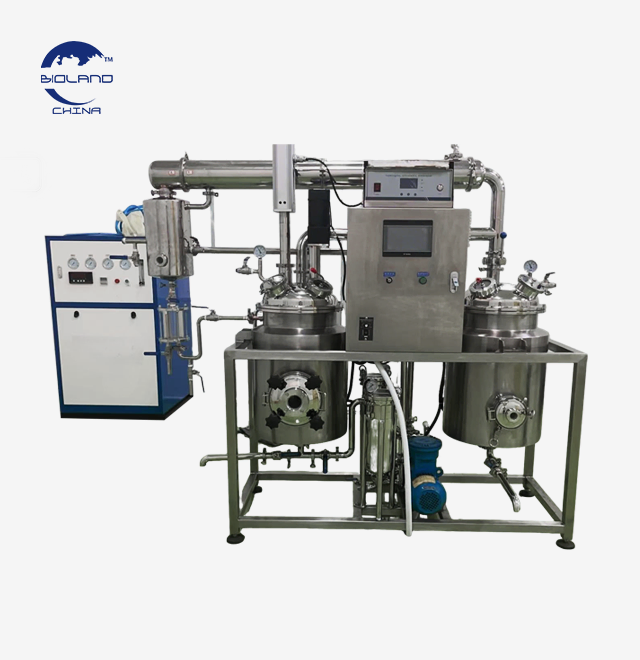
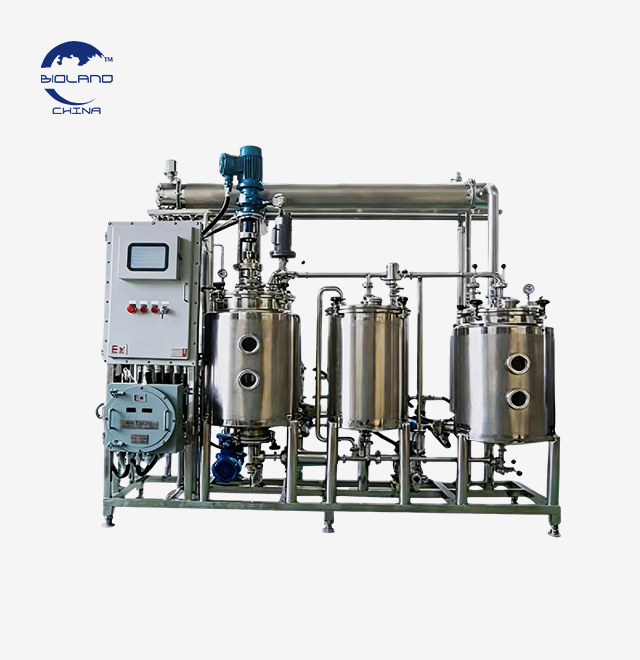
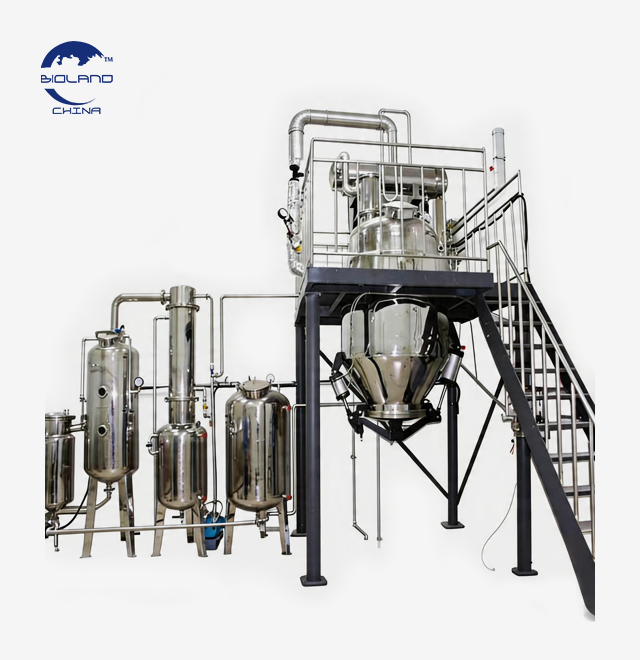
Medicinal Plant Extraction Machine - Advanced Botanical Processing Solutions
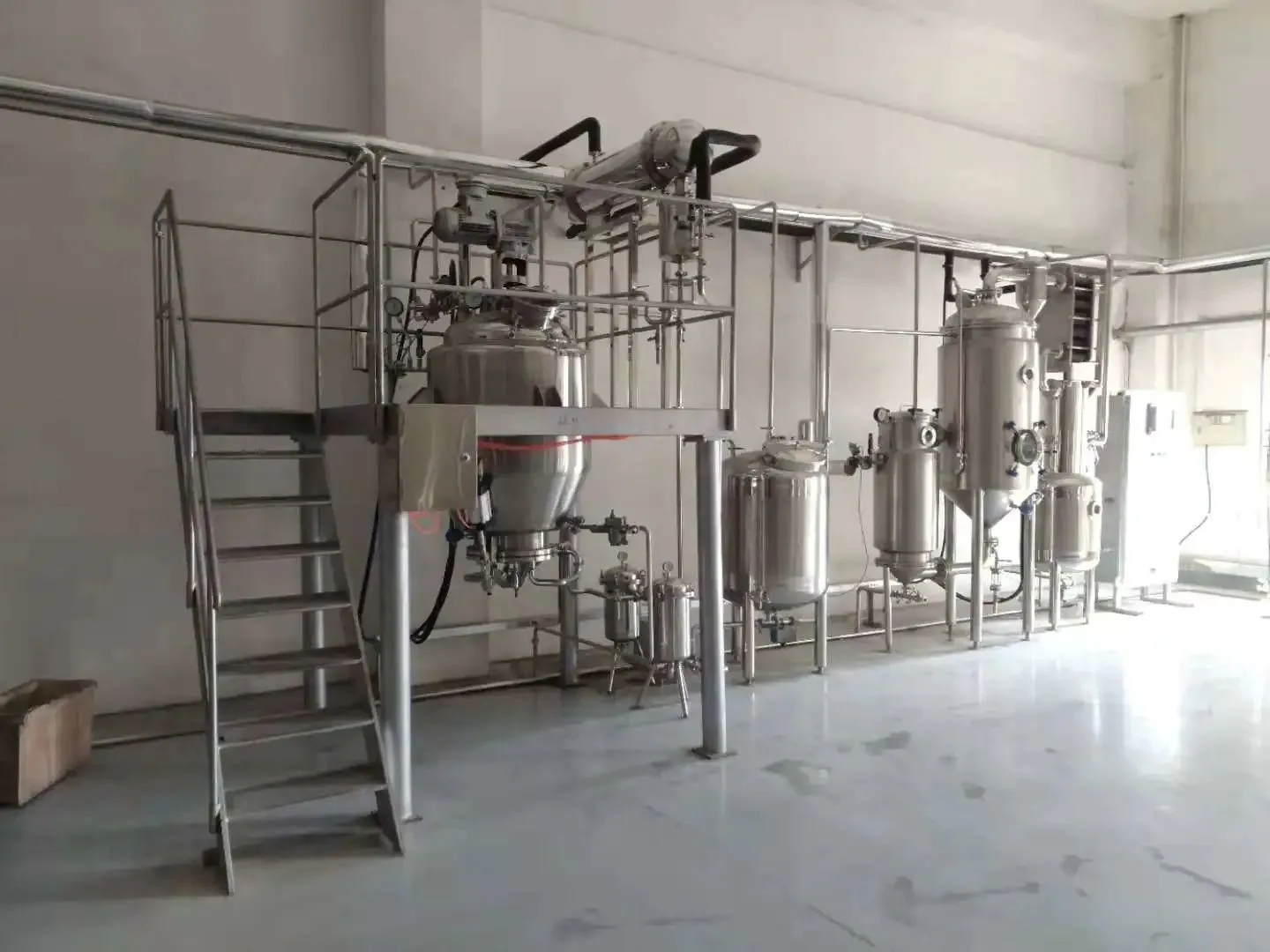
The yields from our extraction systems are 50–500% higher than those from standard methods, and the rounds only take 24–40 minutes, which cuts processing time by more than two-thirds. Each medicinal plant extraction machine has full PLC control, a design that meets GMP standards, and an optional 316 stainless steel construction for long-lasting performance. We offer complete engineering services with more than 15 years of experience. These include UAE (ultrasonic-assisted extraction), hot reflux, aromatic oil distillation, and organic solvent extraction. Our systems keep working at low temperatures (40–60°C) to protect biological chemicals that are sensitive to heat while still meeting FDA standards for materials.
Our closed-loop combined liquid recovery systems can get back 90–95% of the ethanol, which will save you a lot of money and help the environment.
Why Choose Us?
Certified Quality & Compliance
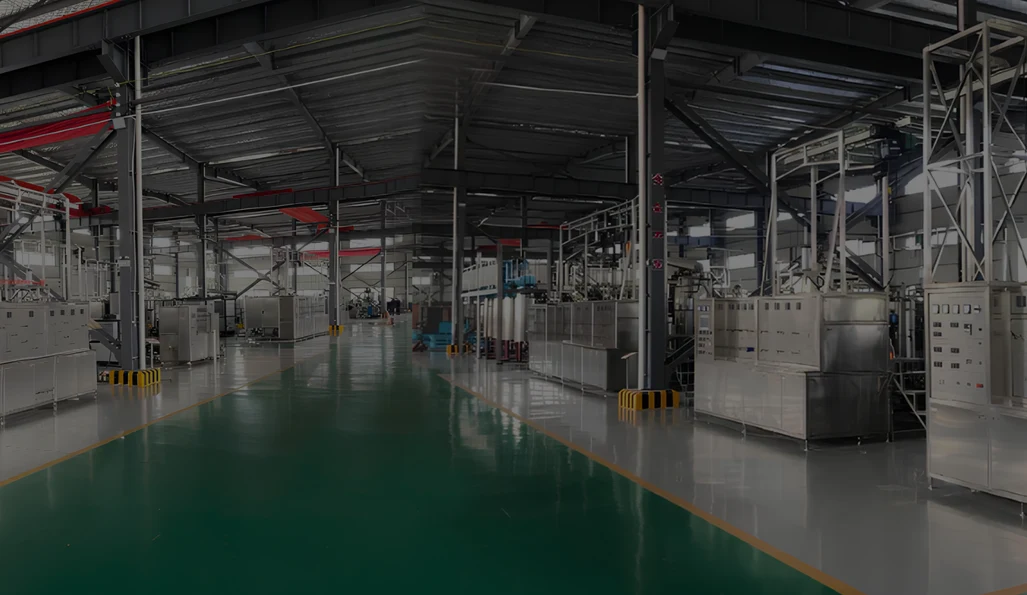
We are certified by CE and ISO, and all of our equipment is made to meet GMP and FDA guidelines. Before it is sent out, every system goes through strict Factory Acceptance Testing.
In-House R&D Team
Our top engineers have worked with plants for decades and know how to treat them. We make extraction lines that are exactly what you need for your production needs, from small scale in the lab to large scale in factories.
Rapid Delivery
It takes 5–7 business days to ship standard setups. Custom solutions are ready in 30 business days, and full photo and video proof is provided during the whole process.
Comprehensive Support
Enjoy a quality guarantee for one year and servicing for life. Our technical experts offer advice before the sale, help with installation, training for operators, and quick service after the sale.
OEM/ODM Flexibility
We customize full processing solutions that include planning the workshop, choosing the right tools, setting it up, and providing ongoing technical support.
Proven Track Record
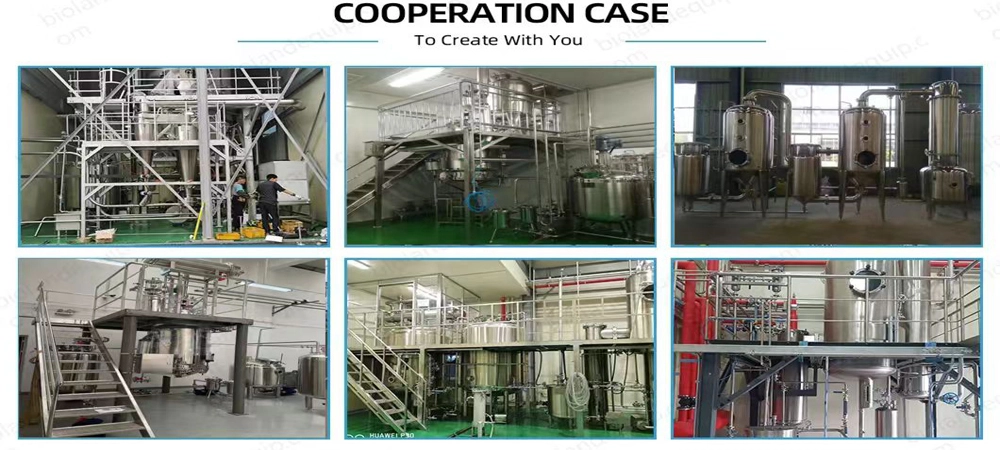
For clients in Europe and Southeast Asia, our methods can process stevia, propolis, capsaicin, curcumin, and mushroom products well.
Technical Parameters
|
Technology parameter
|
|
Model
|
BL-TN-C50L
|
BL-TN -C100L
|
BL-TN -C200L
|
BL-TN -C300L
|
BL-TN -C500L
|
|
Volume (L)
|
50
|
100
|
200
|
300
|
500
|
|
Evaporation capacity (kg/h)
|
20
|
50
|
70
|
100
|
200
|
|
Motor power(KW)
|
2.7
|
2.7
|
2.7
|
3.5
|
3.5
|
|
Steam consumption(kg/h)
|
25
|
60
|
90
|
120
|
250
|
|
System vacuum (MPa)
|
-0.085
|
-0.085
|
-0.085
|
-0.085
|
-0.085
|
|
Pressure of jacket(MPa)
|
0.09~0.3
|
0.09~0.3
|
0.09~0.3
|
0.09~0.3
|
0.09~0.3
|
|
Compressed air (MPa)
|
0.5~0.6
|
0.5~0.6
|
0.5~0.6
|
0.5~0.6
|
0.5~0.6
|
|
Evaporation temperature(°C)
|
60~100
|
60~100
|
60~100
|
60~100
|
60~100
|
Working Principle
Our medicinal plant extraction machine uses cutting edge mass transfer technology to separate bioactive chemicals from plant materials quickly and effectively.
Ultrasonic-Assisted Extraction (UAE)
Cavitation bubbles are formed in the medium by sound waves with a frequency of 20 to 40 kHz. Tiny jets go through plant cell walls when these bubbles pop, letting alkaloids, flavonoids, and terpenes into the medium used for extraction.
Optimized Heat Transfer
The temperature of jacketed vessels stays exact (within 0.5°C of the goal) because thermal fluid flows through them. Chemicals that break down in heat don't break down in this controlled environment, and solubility is at its highest.
Efficient Separation
Once the oil is extracted, the mixture goes through precise filter systems that separate the used waste from the liquid that is full of extract. The clean extract then goes into units that concentrate vacuums.
Closed-Loop Recovery
Falling film evaporators collect solvents, compress them, and then return them back into the process. This cuts down on waste and costs.
The whole system is controlled by a PLC, which makes sure that the results are the same from batch to batch.
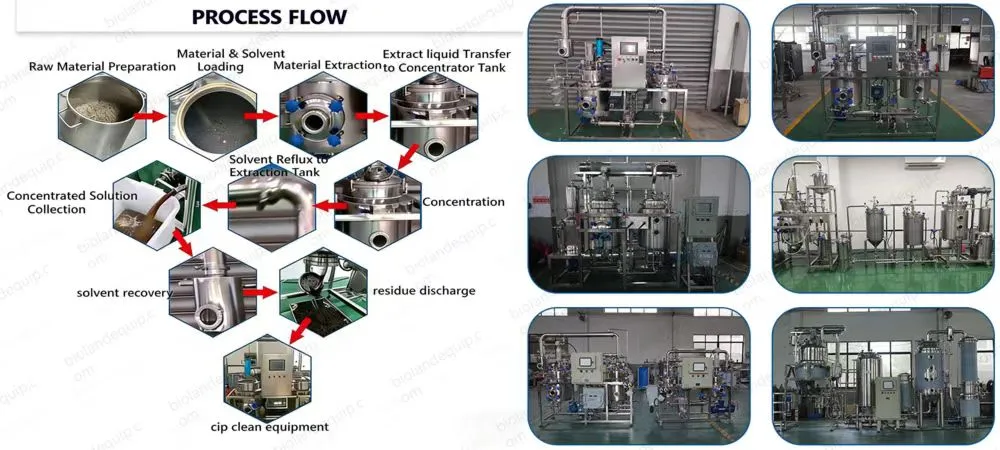
Process Flow
Step 1: Material Preparation
Put the ground up and dried plants into the extraction jar. Different particle sizes and amounts of wetness can be fed into the device.
Step 2: Add the solvent
Based on your recipe settings, automated dosing devices add the exact amount of solvent (water, ethanol, or mixes) you need.
Step 3: The extraction process
The ultrasonic sensors work while the goal temperature is kept steady. Constant movement makes sure that the solvent gets into all parts of the material equally.
Step 4: Filtration
During the extraction process, the juice goes through several stages of screens that remove solids so that it is clear enough for further processing.
Step 5: Concentration
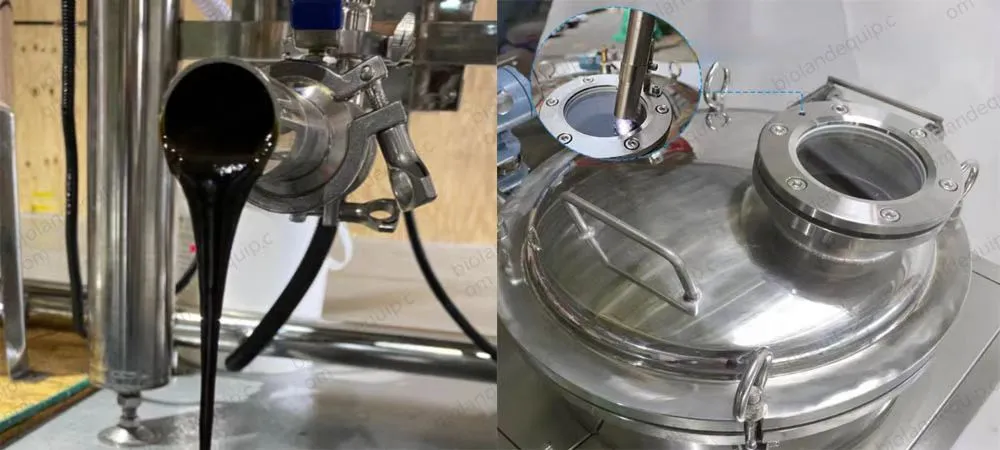
Low-temperature vacuum evaporators get rid of extra solvent, which concentrates bioactive substances while keeping their effectiveness.
Step 6: Solvent Recovery
In dual-condenser systems, vapours are collected and condensed. The clean solvent is then returned to holding bins so it can be used again.
Step 7: CIP Cleaning
Cross-contamination is avoided because Clean-in-Place systems clean all wet surfaces automatically between runs.
Application Fields
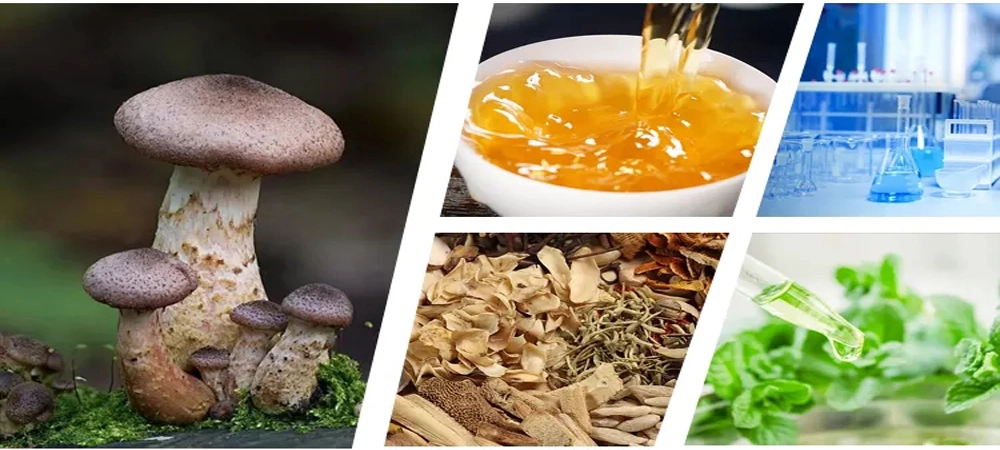
Pharmaceutical Manufacturing
Get pure APIs from plants like Artemisia annua or Taxus species, such as artemisinin or paclitaxel. When crystallization units are added to our systems, they get more than 99% pure.
Nutraceutical Production
Daily processing of huge amounts of raw materials is needed to make standardized extracts with stable marker chemical percentages. For example, curcumin from turmeric, CBD from hemp, or resveratrol from Japanese knotweed.
Food & Beverage Industry
For clean-label goods, use veggies, herbs, and spices to get their natural colours, flavours, and useful ingredients.
Cosmetics Manufacturing
Get gentle essential oils and plant-based actives for skin care products. Processing at low temperatures keeps the flavour profiles and good qualities.
Traditional Medicine
Bring plant medicine production up to date by using scalable extraction methods that keep the medicine's healing value while still meeting government standards.
Research & Development
Before moving to large-scale production, method creation and process improvement can be done in lab-scale units.
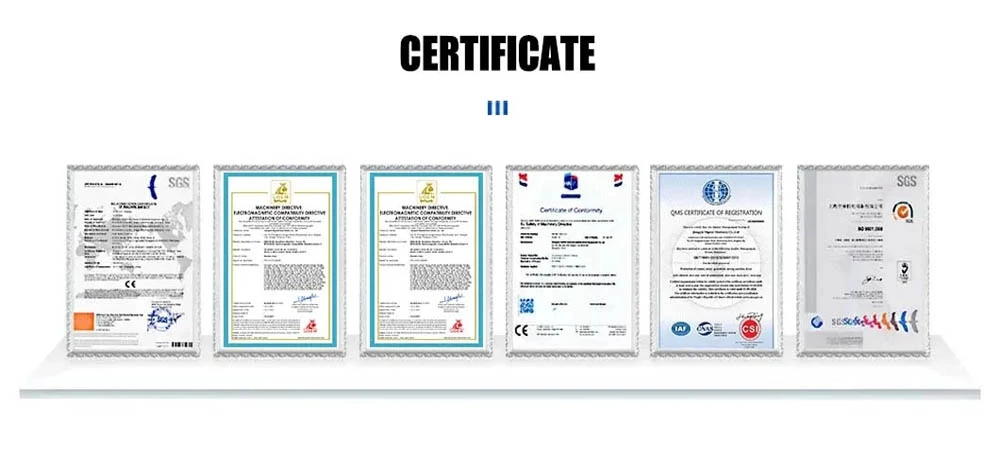
Quality Certification
Xi'an Bioland Instrument maintains rigorous quality standards throughout manufacturing:
- Certifying compliance with European health and safety standards, CE certification
- ISO Certification: Adherence to the International System for Quality Management
- Design, materials, and operation all adhere to Good Manufacturing Practices (GMP) for the manufacturing of pharmaceuticals.
- Material Testing: All SS316L components undergo Positive Material Identification (PMI) verification.
- Certification for safe operation under high pressure according to ASME Section VIII standards for pressure vessels
- Conformity with ATEX and IECEx standards for use in locations where solvents are handled
Hydrostatic pressure tests, helium leak detection, and full FAT documentation are just a few of the many tests that every machine goes through before it is sent.
FAQ
Q: What's the difference between ultrasonic and supercritical CO2 extraction?
Ultrasonic systems use solvents like ethanol or water with sound waves to boost efficiency and speed—ideal for most botanical supplements. Supercritical CO2 creates solvent-free extracts and selectively targets specific compound classes, preferred for premium products.
Q: Can one machine process different plant species?
Yes. Our product includes robust CIP systems that thoroughly clean between batches, preventing cross-contamination. You'll need validated cleaning procedures for regulated industries.
Q: What installation requirements apply?
Solvent-based systems require explosion-proof environments (Class I Division 1 or ATEX Zone 1) with proper ventilation, spark-free equipment, and purged electrical panels.
Q: How much solvent can be recovered?
Our integrated dual-effect falling film evaporators typically recover 90–95% of ethanol, making operations economically viable and environmentally responsible.
Q: What maintenance is required?
Vessels last 15–20 years with proper care. Annual tasks include gasket replacement, passivation, and seal inspection. Our team provides detailed maintenance schedules and lifetime technical support.
Q: Do you offer customization?
Absolutely. We specialize in OEM/ODM services, designing complete extraction lines tailored to your specific botanicals, throughput requirements, and facility constraints.
Contact Us
Ready to upgrade your botanical processing with medicinal plant extraction machine? Our engineering team is standing by to discuss your extraction needs and design the perfect solution.
Email: info@biolandequip.com