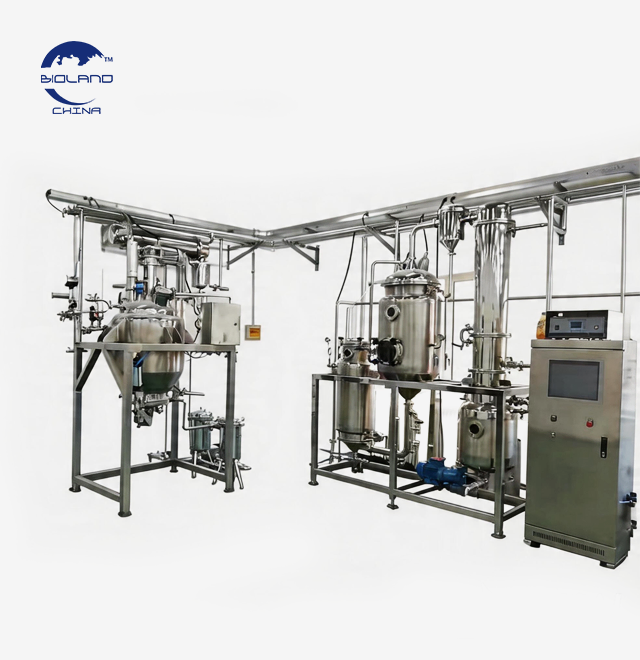
Professional Tea Extraction Equipment Manufacturer | XI'AN BIOLAND INSTRUMENT
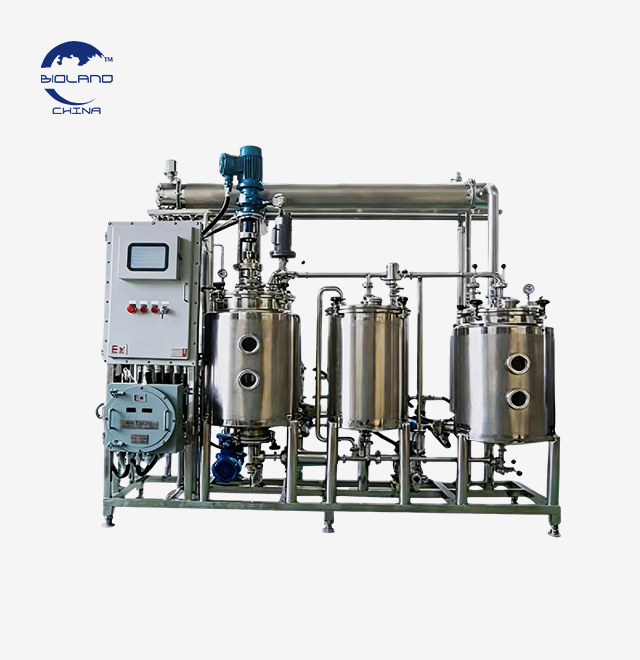
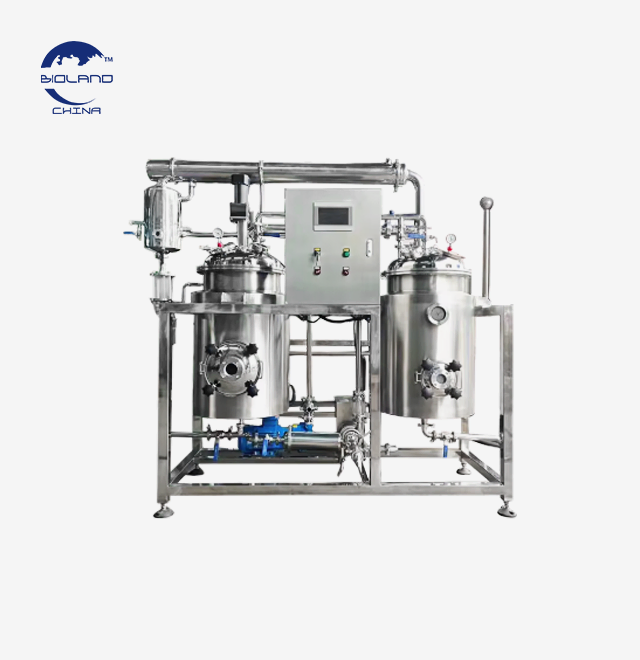
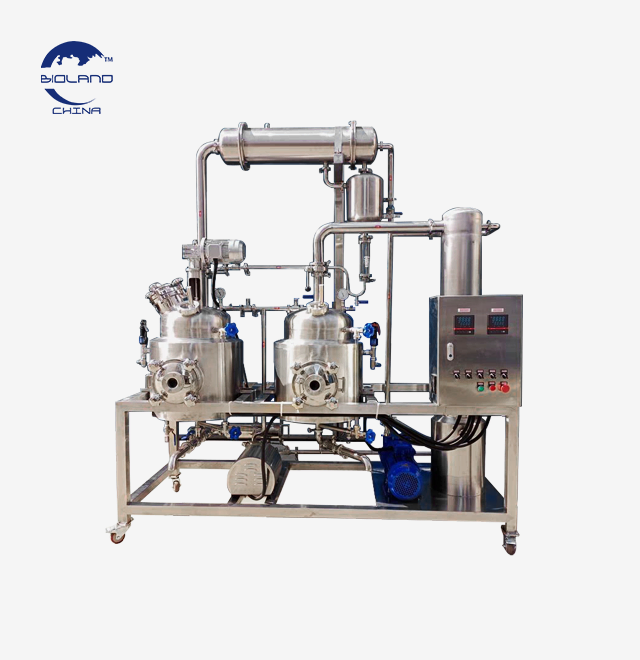
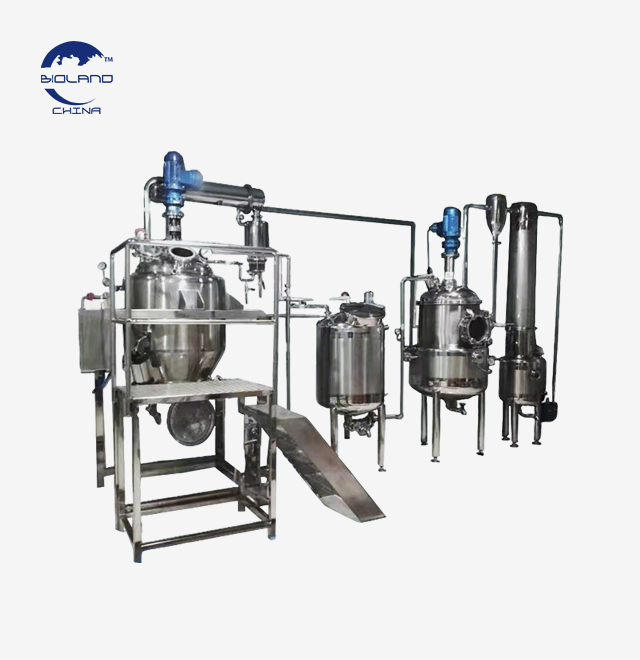
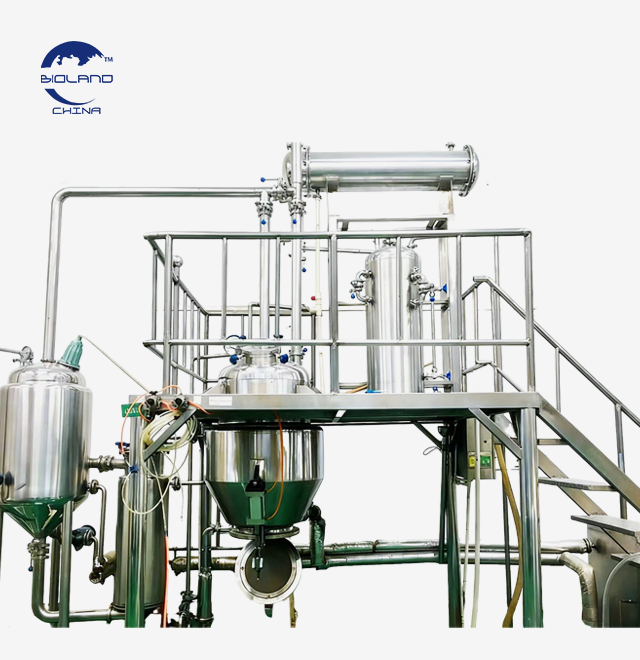
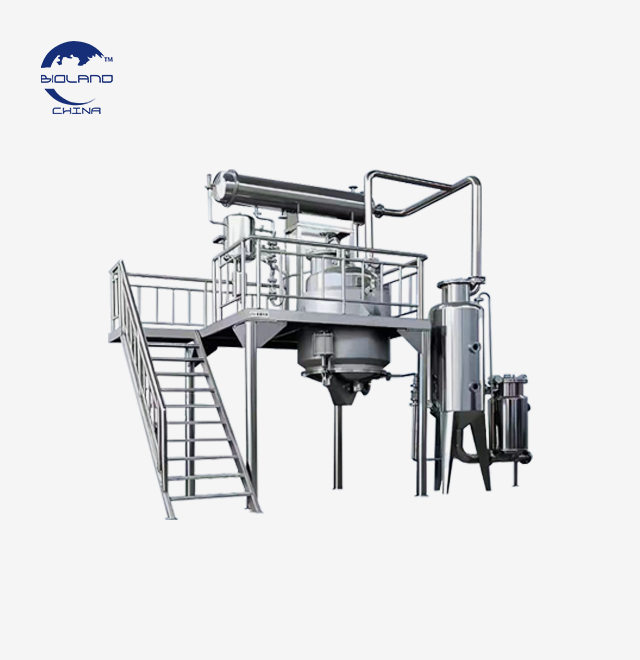
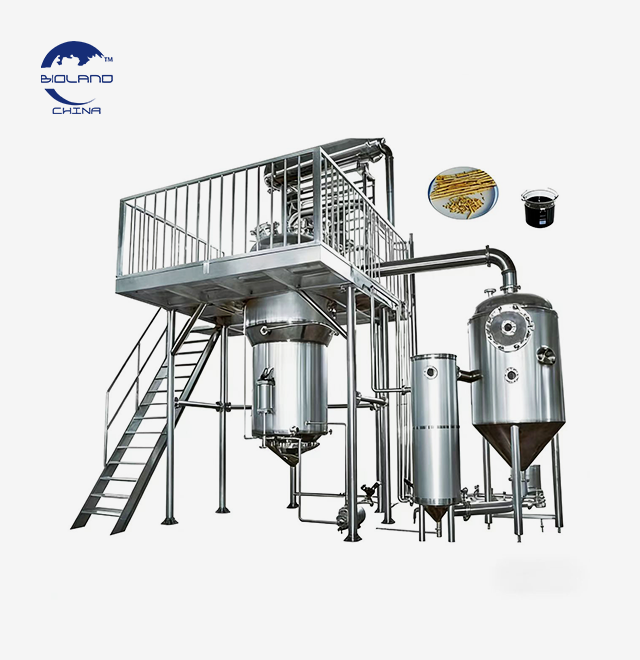
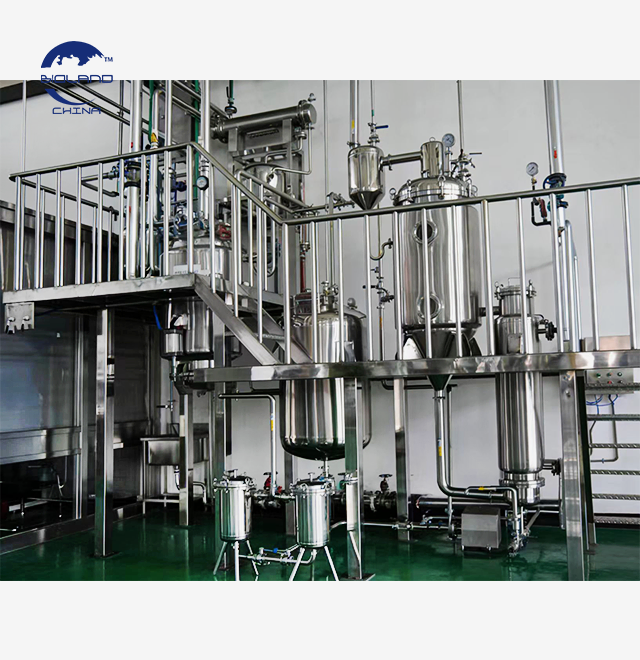
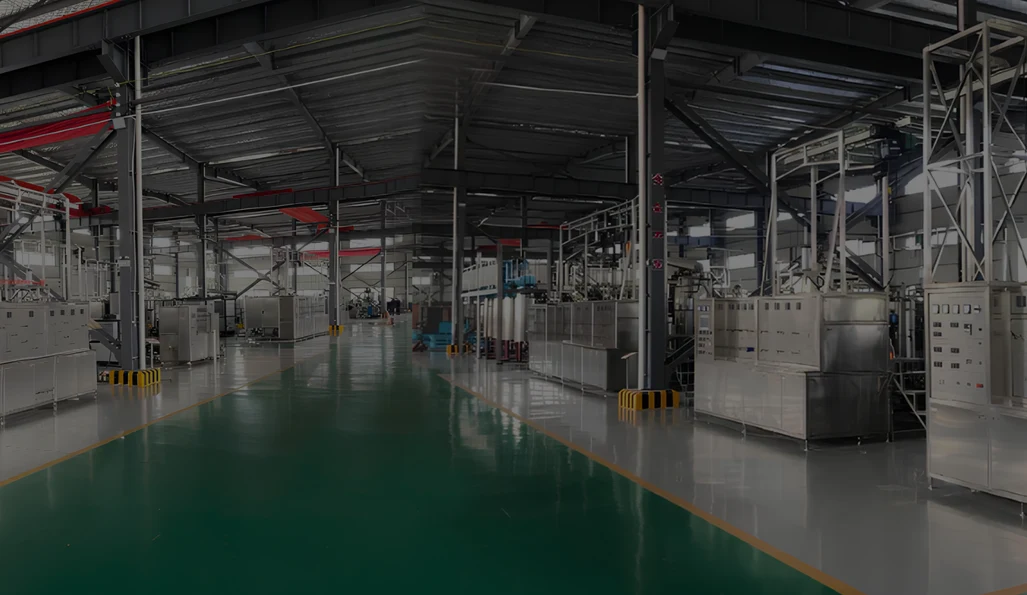
Xi'an Bioland Instrument makes industrial-grade tea extraction equipment that is designed to get the most beneficial compounds out of Camellia sinensis leaves. The yields from our systems are 50–500% higher than those from standard ways, and full extraction processes only take 24–40 minutes. Our product keeps heat-sensitive polyphenols, catechins, and flavour chemicals from breaking down while working at controlled low temperatures (40–60°C). Each unit is made of high-quality 316 stainless steel and has a sanitary design that meets GMP standards. It also has full PLC automation, two ultrasonic setups, and built-in liquid recovery modules. With CE and ISO standards and more than 15 years of engineering experience, we offer complete solutions for everything from small-scale R&D in the lab to large-scale production lines that serve RTD beverage makers, nutraceutical makers, and instant tea powder plants around the world.

Why Choose Our Tea Extraction Systems?
Certified Excellence & Compliance
We follow strict CE, ISO, and GMP/FDA rules when we make things. Each part goes through strict checks to make sure the materials can be tracked and is certified as a pressure tank. You get tools that meet international cleanliness standards for pharmaceuticals.
Unmatched Extraction Performance
The old ways of doing things waste time and materials. What our technology does:
- Ultrasonic-assisted extraction in 24–40 minute rounds doubles the yield by 50–500%, which is two thirds faster than traditional methods.
- Working at low temperatures (40–60°C) protects EGCG and L-theanine, which are fragile.
- Higher clarity with fewer impurities makes it easier to purify further down the line
Intelligent Automation
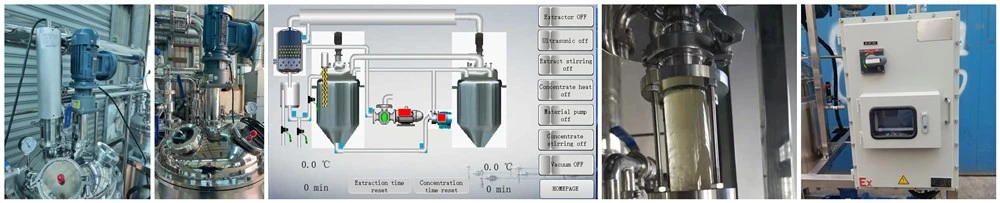
Full PLC control gets rid of mistakes made by hand. You just tell the system what temperature, liquid ratios, and dwell time are right for each type of tea (green, black, or oolong), and it does the rest. HMI touchscreens let you watch in real time and capture information so you can track the quality of your work.
Modular Versatility
Our tools can harvest in a number of different ways:
As extra sections, you can get dual-condenser solvent recovery, explosion-proof designs, automatic CIP cleaning, and automated release. You set up the exact answer that your process needs.
Complete Customization & Support
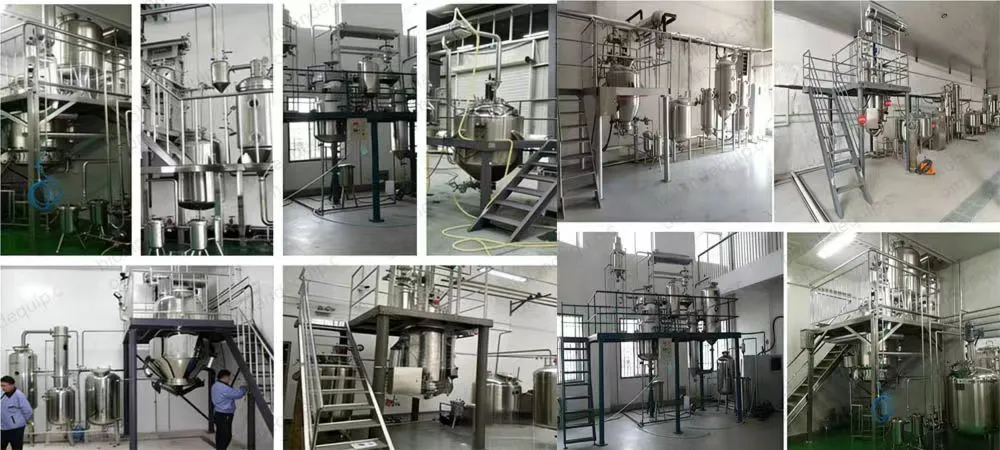
Whether you need lab-scale development or industrial production lines, our R&D team customizes equipment to your specifications. We provide:
- Plan the layout of the workshop
- Help with choosing equipment
- Installation and start-up on-site
- Training in technical skills for workers
- Tracking the process once a week with photo and video updates
- Our factory does FAT (Factory Acceptance Testing).
- One-year guarantee and care for life
Technical Parameters
|
Technology parameter
|
|
Model
|
BL-TN-C50L
|
BL-TN -C100L
|
BL-TN -C200L
|
BL-TN -C300L
|
BL-TN -C500L
|
|
Volume (L)
|
50
|
100
|
200
|
300
|
500
|
|
Evaporation capacity (kg/h)
|
20
|
50
|
70
|
100
|
200
|
|
Motor power(KW)
|
2.7
|
2.7
|
2.7
|
3.5
|
3.5
|
|
Steam consumption(kg/h)
|
25
|
60
|
90
|
120
|
250
|
|
System vacuum (MPa)
|
-0.085
|
-0.085
|
-0.085
|
-0.085
|
-0.085
|
|
Pressure of jacket(MPa)
|
0.09~0.3
|
0.09~0.3
|
0.09~0.3
|
0.09~0.3
|
0.09~0.3
|
|
Compressed air (MPa)
|
0.5~0.6
|
0.5~0.6
|
0.5~0.6
|
0.5~0.6
|
0.5~0.6
|
|
Evaporation temperature(°C)
|
60~100
|
60~100
|
60~100
|
60~100
|
60~100
|
Working Principle
Our extraction methods use complex thermodynamics and fluid dynamics. This is how they do it:
Step 1: Material Loading
Through clean feed holes, tea leaves that have already been processed enter the extraction tank. The method keeps a nitrogen layer over the polyphenols to keep them from oxidizing.
Step 2: Solvent Introduction
In exact amounts, water, ethanol, or a mix of the two run into the tank. Real-time temperature sensors keep an eye on and change the heaters as needed.
Step 3: Ultrasonic Cavitation
Ultrasound waves with a high frequency make tiny bubbles. When these break apart, they damage plant cell walls and release beneficial chemicals three to five times faster than normal shaking.
Step 4: Temperature-Controlled Extraction
Optimal extraction temperatures are kept by the jacketed tank. To keep green tea from being bitter, this means 70–80°C. For a full-bodied extraction, black tea needs to be heated to 90–95°C.
Step 5: Filtration & Clarification
The liquid that is extracted goes through fine screens that get rid of the particles. Tannins cause tea cream to settle at low temperatures, but optional spinning units get rid of them.
Step 6: Concentration & Recovery
The extract is concentrated by vacuum evaporation, and solvents are recovered for use in dual-condenser devices. Modules for aroma recovery catch volatile chemicals before they are concentrated, which keeps flavour profiles.

Process Flow
Raw Material Preparation → Pre-Treatment (Washing/Cutting) →
Material Loading → Solvent Addition → Ultrasonic Extraction (24-40min) →
Temperature Control (40-60°C) → Primary Filtration →
Secondary Clarification → Vacuum Concentration →
Solvent Recovery → Aroma Re-injection → Final Product Collection →
CIP Cleaning Cycle → Next Batch
The closed-loop design minimizes contamination risk and maximizes resource efficiency. Automated discharge valves transfer liquids between stages without manual handling.
Application Fields

RTD Beverage Manufacturing
Huge factories that make a lot of things handle tons of leaves every day. Our counter-current extraction method keeps the flavour the same across huge amounts. The clarity units make clear tea bases that can be stored for a long time and don't have any turbidity problems.
Instant Tea Powder Production
For upstream integration with spray dryers to work, the extracts must be highly concentrated and have the highest solid content possible (Brix optimization). Our systems use SCC columns to catch volatile aromatics before concentrating them. This makes sure that rehydrated powder keeps its fresh-brewed taste.
Nutraceutical Ingredient Extraction
To make highly pure EGCG or decaffeinated extracts using tea extraction equipment, you need to be very careful. Our equipment works in neutral atmospheres and can separate chemicals into smaller groups while still keeping their bioactivity.
Cosmetic & Functional Food Industries
Tea polyphenols are naturally occurring vitamins that are used in beauty and health goods. For products that need stable active ingredients, our low-temperature extraction keeps the molecular structure.
R&D Laboratories
Researchers can try extraction factors in small amounts (50L–100L) before committing to mass production, which cuts down on development costs and time-to-market.
Quality Certification
Xi'an Bioland Instrument follows strict rules for quality control:
- CE certification means that the product meets European safety standards.
- ISO 9001: Checking the quality control system
- GMP Standards: The design and production meet the standards for good manufacturing practice
- Material Traceability: Mill Test Reports show that the material is made of SS316L and SS304 according to ASTM A240 standards.
- For safe function, pressure vessels must meet the requirements of ASME Section VIII and PED.
- Weld Integrity Testing: X-rays and endoscope inspections make sure there are no places where microbes can hide.
Before a unit is approved for shipment, it goes through Factory Acceptance Testing (FAT), where we model full extraction cycles, make sure that the CIP spray balls cover the area properly using riboflavin tracing, and check the heat performance.

FAQ
Q: How does your equipment prevent aroma loss during hot extraction?
A: We integrate vacuum condensation units and Spinning Cone Columns (SCC) that capture volatile aromatic compounds released during initial heating. These aromatics are stored and re-injected into the final concentrate, preserving the fresh-brewed scent profile.
Q: Can one system handle different tea varieties?
A: Absolutely. Our PLC systems store multiple recipe profiles. Green tea extraction uses lower temperatures (70–80°C) and shorter times, while black tea requires 90–95°C. You simply select the appropriate program on the HMI touchscreen.
Q: What's the efficiency difference between batch and continuous systems?
A: Batch systems offer flexibility for small premium runs. Continuous counter-current extraction provides 15–20% higher yields and consistent quality for industrial volumes by maintaining optimal concentration gradients throughout the process.
Q: How do you handle "tea cream" sedimentation in cold beverages?
A: Our clarification modules include disc stack centrifuges that remove high-molecular-weight tannins causing cloudiness when cooled. Enzymatic treatment options further break down sediment-forming compounds.
Q: What are your CIP cleaning requirements?
A: The equipment features high-impact spray balls delivering caustic wash cycles followed by acid neutralization. We validate cleaning effectiveness using ATP swab testing to ensure complete removal of tea tannin residues between batches.
Q: Do you provide installation and training?
A: Yes. Our service package includes on-site installation, commissioning, operator training, and ongoing technical support. We also offer remote assistance and regular maintenance scheduling.
Q: What's the typical return on investment timeline?
A: Most clients see ROI within 12–18 months due to dramatically reduced extraction times, higher yields lowering raw material costs, and solvent recovery systems cutting operational expenses by 30–40%.
Contact Us
Ready to upgrade your tea processing capabilities with tea extraction equipment? Reach out to our technical team at info@biolandequip.com for customized solutions and detailed quotations.