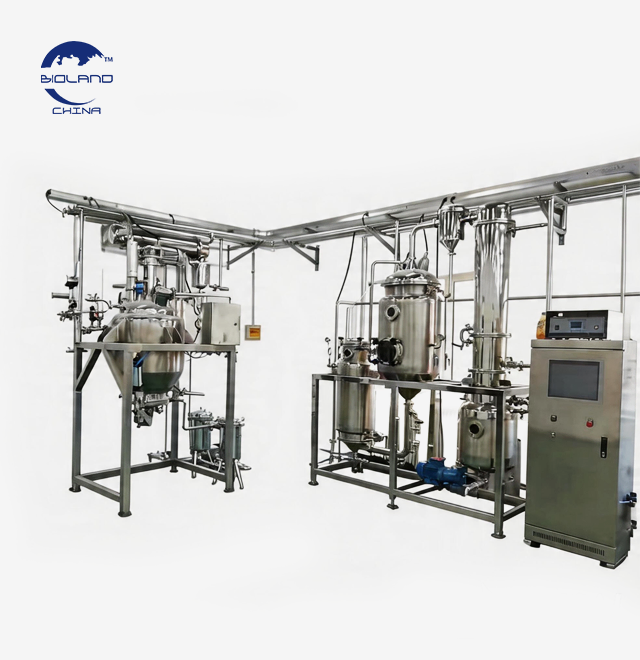
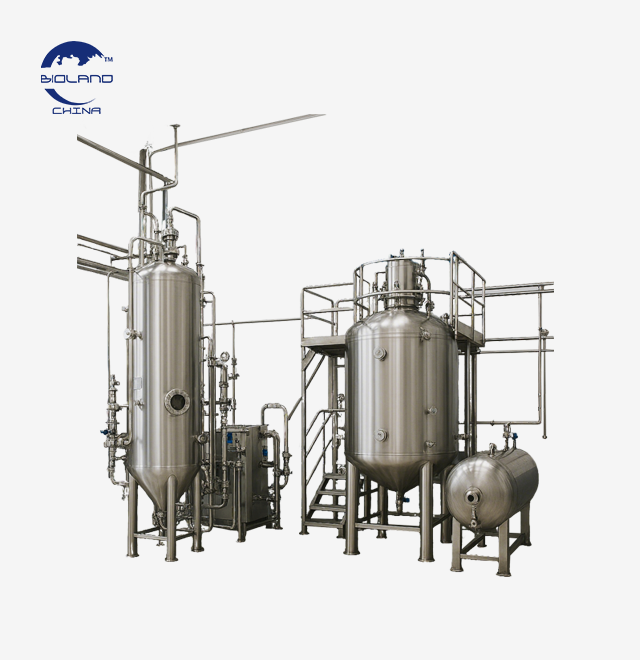
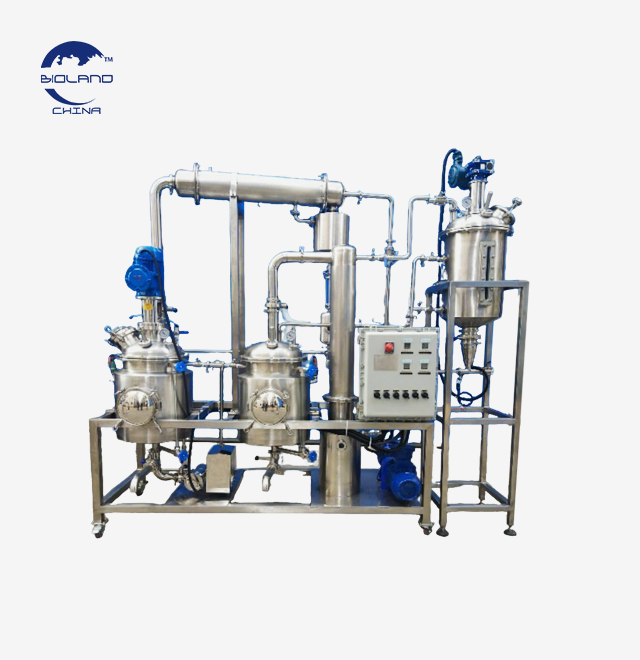
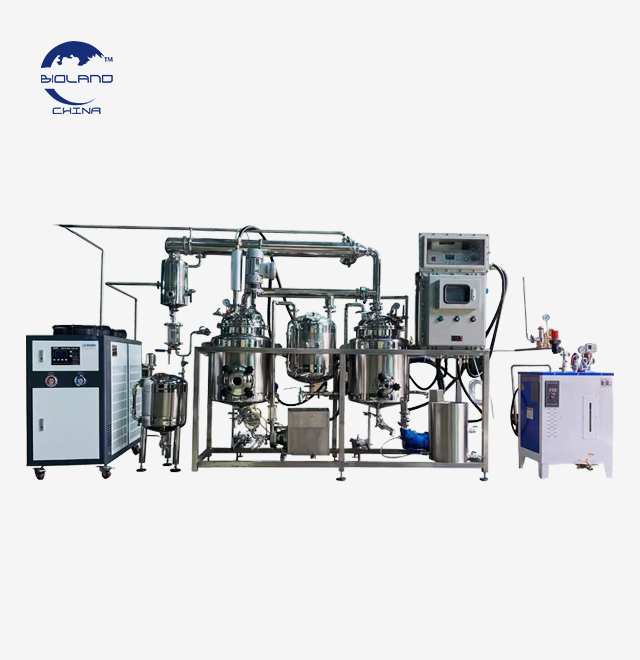
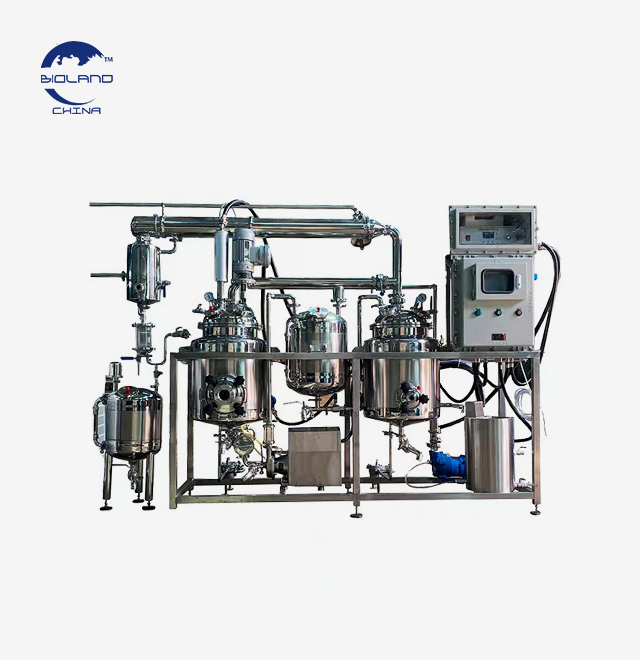
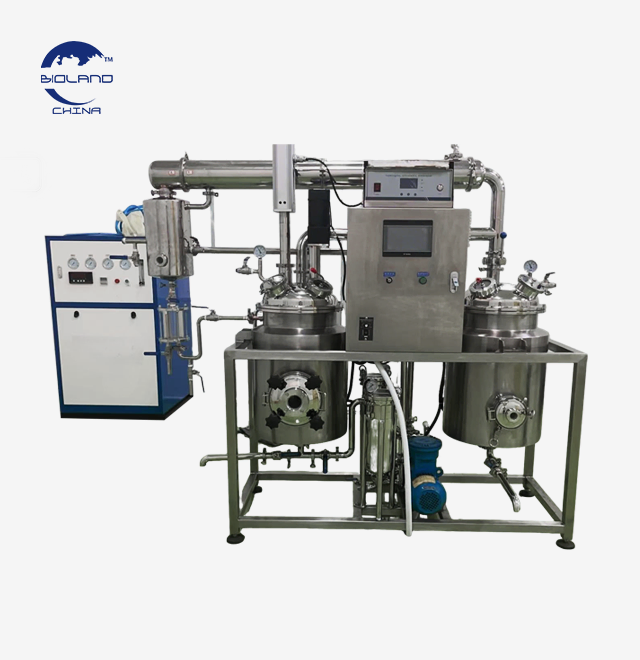
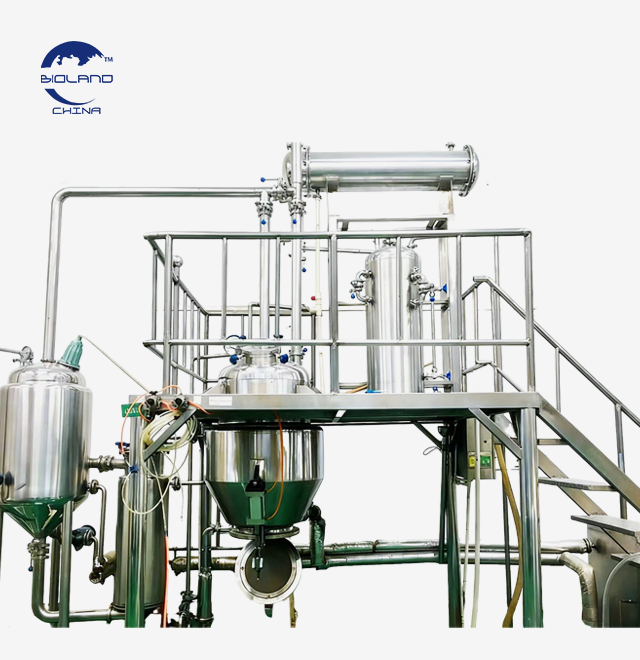
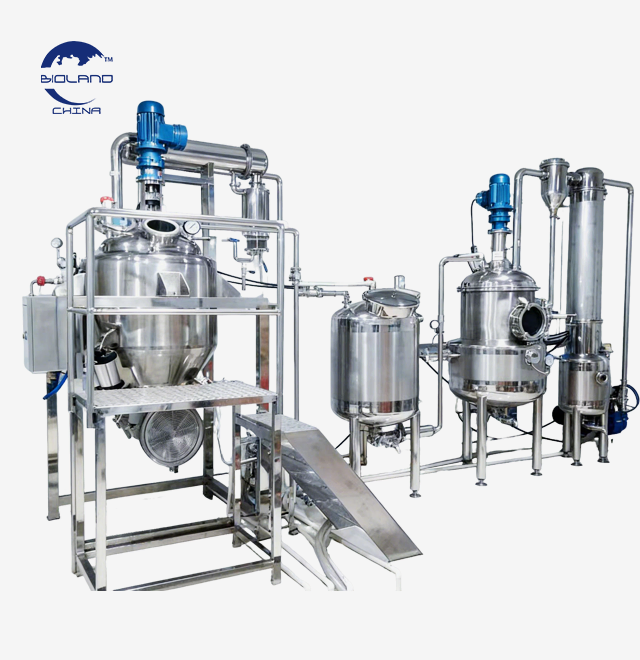
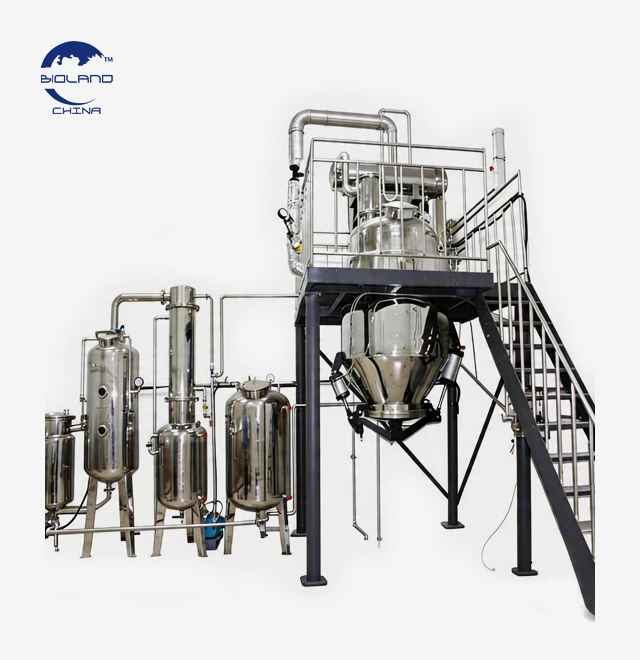
Natural Pigment Extraction Equipment
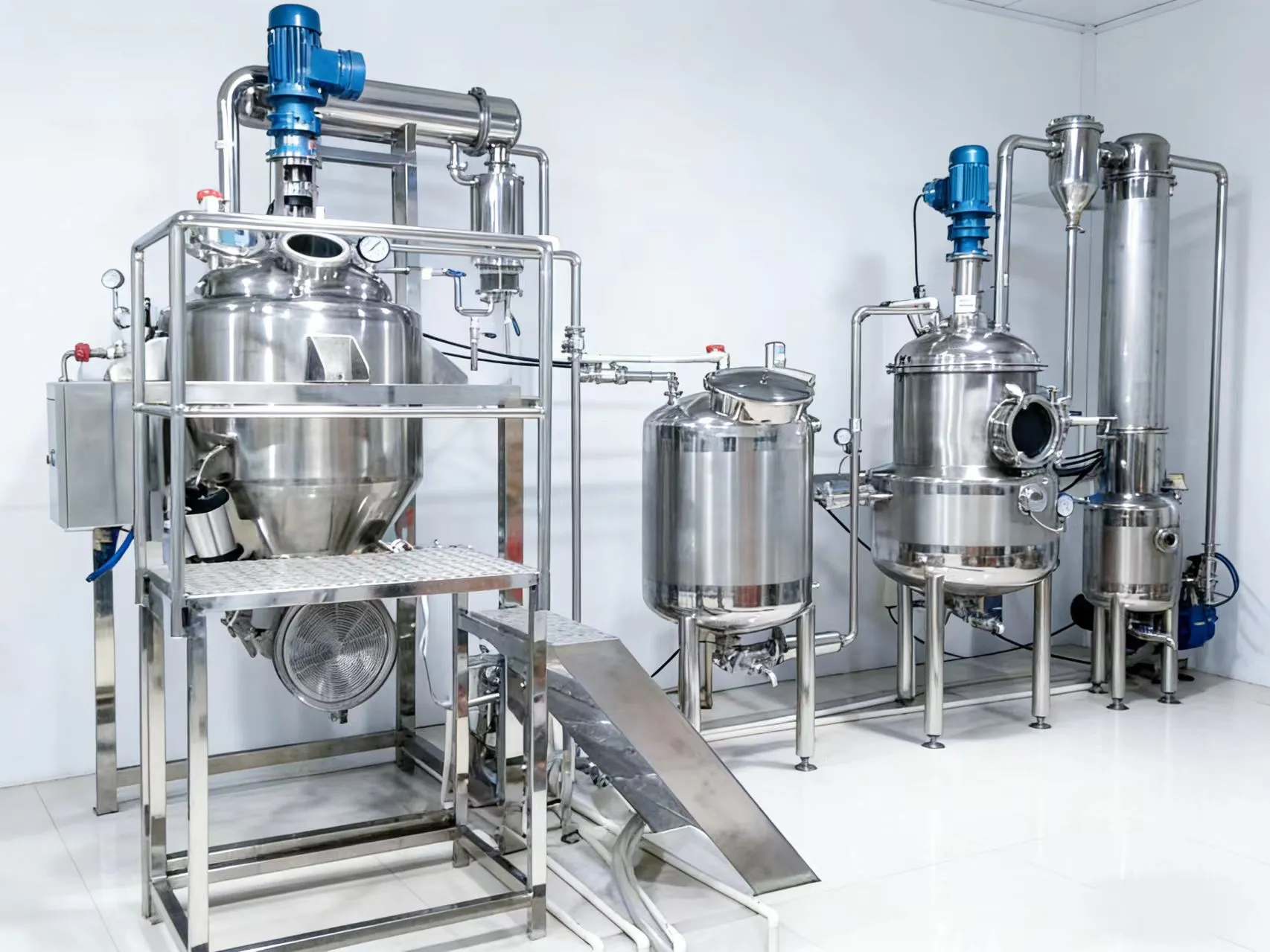
The natural pigment extraction equipment made by Xi'an Bioland Instrument is a big step forward in the technology used to separate plant colourants. Our systems are up to 500% more efficient at extraction than standard methods, and they can finish full rounds in just 24 to 40 minutes. This industrial-grade solution allows multiple extraction methods, such as ultrasonic-assisted extraction (UAE), hot reflux, and organic solvent extraction (OSE). It is made with 316 stainless steel contact surfaces and PLC computer control. Our equipment keeps heat-sensitive bioactive pigments safe while still meeting GMP and pharmaceutical-grade standards when it works at low temperatures between 40°C and 60°C. You can be sure of a reliable performance because it is fully explosion-proof and comes with complete installation support. It is also certified by CE and ISO.
Why Choose Us?
If you choose Xi'an Bioland, you'll be working with a company that has been doing great work for over 15 years. What makes us different:
Proven Extraction Performance
How efficiently you make things matters. Our methods cut the time it takes to extract by more than 66% while greatly increasing output. It will take less time and you won't have to sacrifice quality to process more stuff.
Advanced Safety Standards
Every unit is safe because we make it that way. Full explosion-proof designs, pressure release systems, and automatic shutdown procedures keep your workers and your money safe. All of the tools are safe and meet international standards for the workplace.

Complete GMP Compliance
We'll take care of your legal needs. Everything is done according to standards for pharmaceutical making, from choosing the materials to the way they are welded. FDA-compliant design makes sure that you are ready for an audit.
Flexible Customization
Not every work line is the same. Our in-house research and development team comes up with custom solutions that fit your raw materials, capacity goals, and building limitations. OEM/ODM services meet the specific needs of each process.
Rapid Delivery & Support
When making things, time is money. Customized systems take 30 business days to deliver, while standard setups ship in 5–7 days. Our expert team gives you weekly updates on the project's progress along with visual proof, and they also offer forever maintenance support.
Quality Materials Throughout
The gear you need should last. All of the parts that come into touch with the product are made of SS316L stainless steel and have sanitary treatments on the outside. This keeps things from getting dirty and makes sure they last a long time in tough settings.

Technical Parameters
|
Technology parameter
|
|
Model
|
BL-TN-C50L
|
BL-TN -C100L
|
BL-TN -C200L
|
BL-TN -C300L
|
BL-TN -C500L
|
|
Volume (L)
|
50
|
100
|
200
|
300
|
500
|
|
Evaporation capacity (kg/h)
|
20
|
50
|
70
|
100
|
200
|
|
Motor power(KW)
|
2.7
|
2.7
|
2.7
|
3.5
|
3.5
|
|
Steam consumption(kg/h)
|
25
|
60
|
90
|
120
|
250
|
|
System vacuum (MPa)
|
-0.085
|
-0.085
|
-0.085
|
-0.085
|
-0.085
|
|
Pressure of jacket(MPa)
|
0.09~0.3
|
0.09~0.3
|
0.09~0.3
|
0.09~0.3
|
0.09~0.3
|
|
Compressed air (MPa)
|
0.5~0.6
|
0.5~0.6
|
0.5~0.6
|
0.5~0.6
|
0.5~0.6
|
|
Evaporation temperature(°C)
|
60~100
|
60~100
|
60~100
|
60~100
|
60~100
|
Working Principle
To get the most colourants from plant materials, our natural pigment extraction equipment uses improved mass transfer ideas.
Ultrasonic Cavitation Mechanism
Twenty to forty thousand hertz sound waves make little bubbles in the liquid. Popping these bubbles close to plant cell walls sends shock waves that damage the cells' structures. So, the colours inside the cells can come out quickly without getting damaged by heat.
Temperature-Controlled Extraction
The best temperatures for extraction are kept stable by precision jacketed heaters. The method works between 40°C and 60°C for anthocyanins or carotenoids that are sensitive to heat. By controlling the amount of heat energy used, this keeps the structure of the molecules while speeding up the diffusion rates.
Selective Solvent Contact
The machine moves the liquid through the material bed at a rate that has been estimated. Circulation driven by a pump keeps the solvent-to-material ratios constant, which stops channelling and gets the same extraction results across the whole batch.
Integrated Separation
After extraction, the device uses filtration units to sort the solid residue. After the pigment-rich liquid goes through concentration stages, the solvent is removed under pressure, leaving a concentrated colourant extract that is ready for the next step in the process.

Process Flow
Step 1: Material Preparation & Loading
The raw plant materials are ground into the right particle size range, which is usually between 2 and 5 mm, and then put into the extraction tank through the top hatch.
Step 2: Solvent Addition & Sealing
Food-grade ethanol or other solvents that have been approved are put into the jar. The system is sealed and put under pressure to make sure there are no leaks.
Step 3: Extraction Cycle
The PLC turns on the ultrasonic sensors and keeps the goal temperature steady. For 24 to 40 minutes, the solvent moves through the material bed. Monitoring in real time keeps track of the extraction factors.
Step 4: Solid-Liquid Separation
When the cycle is over, the mixture is sent to filtering units. Nutsche filters or centrifuges get rid of waste and catch the clear colour extract.
Step 5: Concentration & Solvent Recovery
The extract goes to evaporators that are running in vacuum. At low temperatures, the solvent turns into vapour, which goes into condensers to be recovered. Receiving tanks are used to receive the concentrated colour solution.
Step 6: Final Purification (Optional)
For very pure uses, membrane filtration or chromatography units get rid of any remaining impurities and give colourants that are safe for use in medicine.
Application Fields
Food & Beverage Industry
For clean-label goods, get the natural colourants from berries (anthocyanins), turmeric (curcumin), and paprika (capsanthin). Our systems can handle oleoresins with a high viscosity and standardize colour values to meet the needs of food additives.
Cosmetic Manufacturing
For anti-aging skin care products, use astaxanthin from microalgae, carrot carotenoids, or hibiscus oils. Low-temperature handling keeps antioxidant activity, which is important for the effectiveness of cosmetics.
Pharmaceutical Production
Separate pharmaceutically pure medical colours such as saffron crocin or chlorophyll derivatives. The GMP-compliant design makes sure that the traceability and batch uniformity that are needed for drug uses are met.
Nutraceutical Supplements
For softgel packaging, make lutein from marigold flowers or lycopene from tomatoes that is highly concentrated. Solvent recovery methods meet the safety standards for food supplements.
Textile & Natural Dyes
For eco-friendly fabric colouring, get the colours from indigo, madder root, or annatto. Commercial dyeing processes can use industrial-scale capability.

Quality Certification
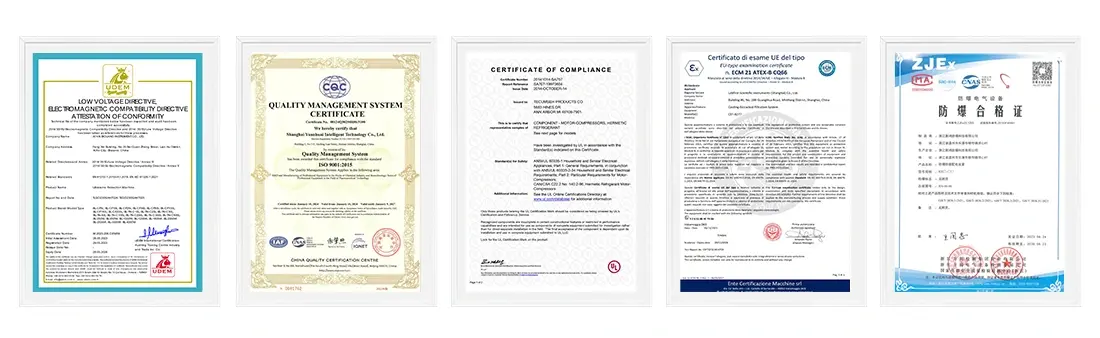
Xi'an Bioland has strict quality control methods in place to make sure that their equipment works well:
- CE certification means that the product meets European safety standards for machinery.
- ISO 9001: Standards for quality control around the world
- GMP Design Standards: Making sure that equipment is built to meet GMP standards for pharmaceutical making
- Getting certified for a pressure vessel: All parts that are under a lot of pressure meet international safety standards.
Before it is sent out, each unit goes through Factory Acceptance Testing (FAT). We give you all the paperwork you need, like material certificates, weld inspection records, and data that proves the performance of the work.
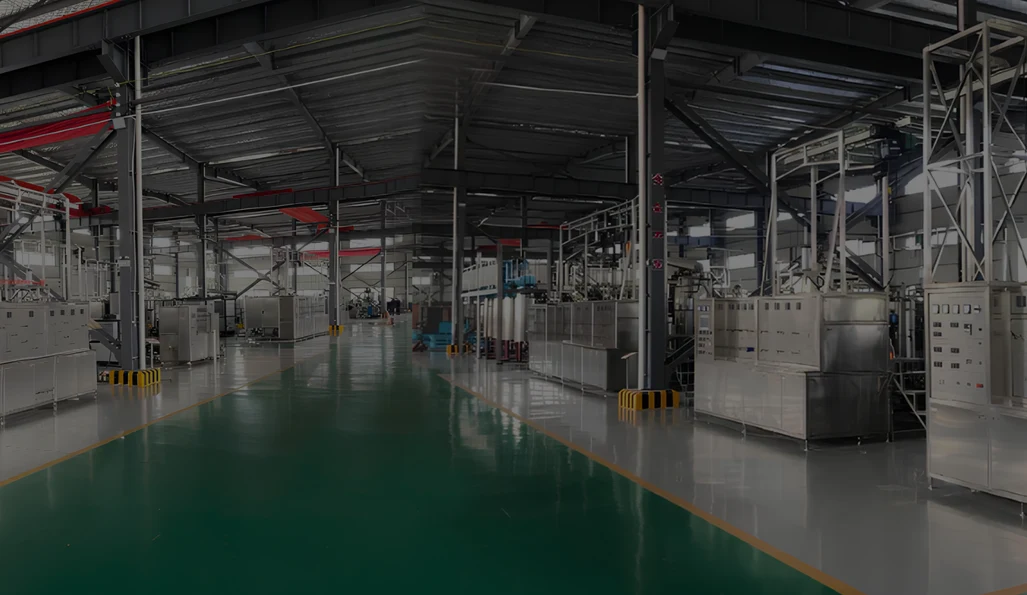
Factory Strength
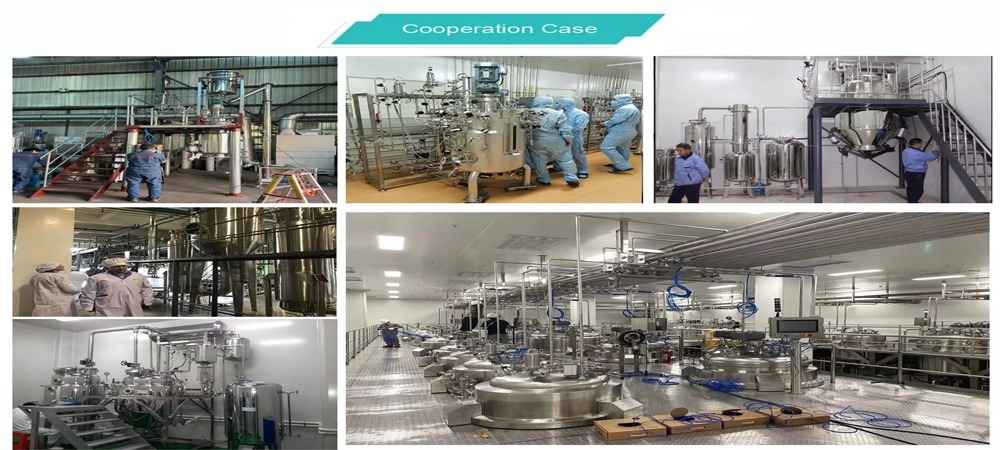
FAQ
Q: Can your equipment extract both water-soluble and oil-soluble pigments?
A: Our systems can be configured for different solvent polarities. While a single batch typically targets one pigment type, we offer dual-system configurations or co-solvent capabilities for facilities processing varied raw materials.
Q: How do you prevent thermal degradation of sensitive pigments?
A: Jacketed cooling systems dissipate heat generated during ultrasonic cavitation. Vacuum concentration operates at reduced temperatures. These combined features keep process temperatures below degradation thresholds for most natural colorants.
Q: What's the typical lifespan of the equipment?
A: With proper maintenance, expect 10–15 years of operational life. Critical components like ultrasonic transducers and pump seals have defined replacement intervals, typically 2000+ operating hours.
Q: Do you provide operator training?
A: Yes. Turnkey solutions include on-site installation, commissioning, and hands-on training for your technical staff. We also supply detailed operation manuals and remote technical support.
Q: How do you ensure solvent residue meets safety limits?
A: Our multi-stage vacuum stripping and recovery systems reduce residual solvents to below 50 ppm. Final product testing protocols can be customized to meet specific regulatory requirements in your market.
Q: Can the system scale from R&D to production?
A: Absolutely. We manufacture laboratory units (10–50L) through industrial systems (5000L+). Pilot data from smaller units informs the design of scaled equipment, maintaining consistent extraction kinetics.
Contact Us
Want natural pigment extraction equipment to improve your process? Our technical staff is ready to discuss your needs. Contact us now for bespoke solutions and affordable quotes.
Email: info@biolandequip.com