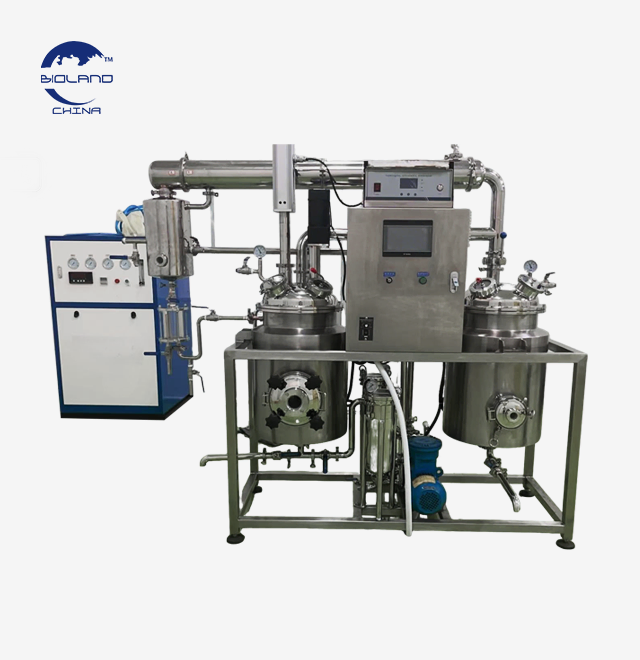
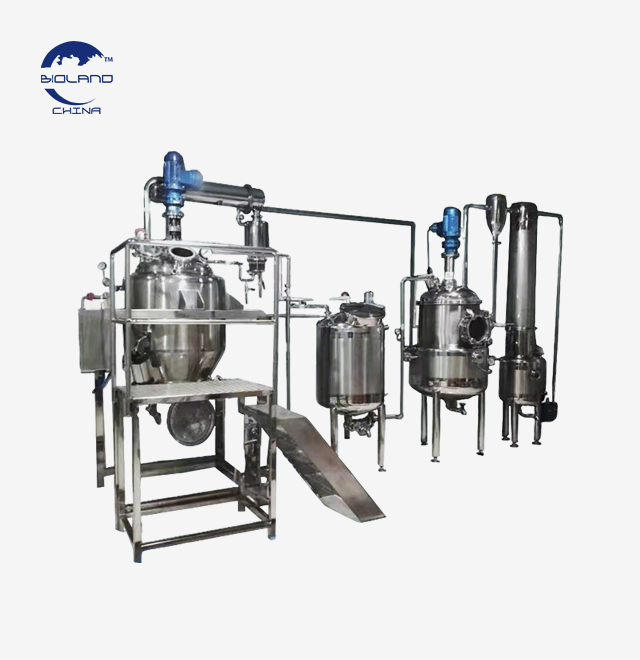
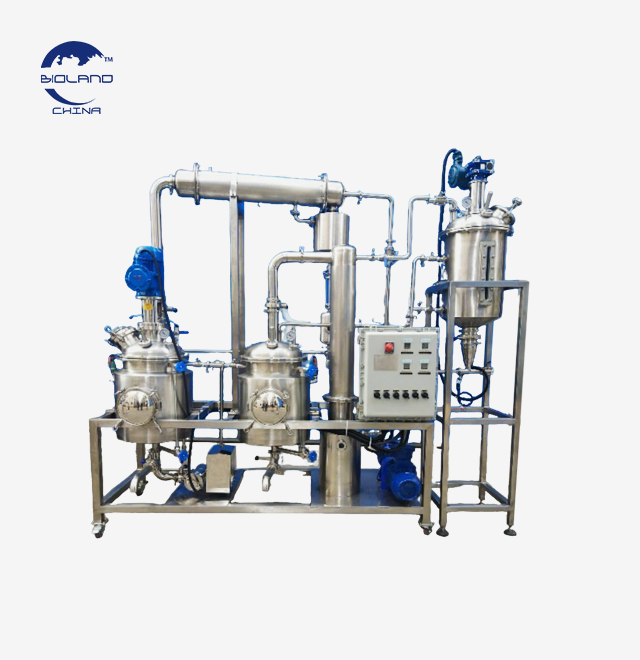
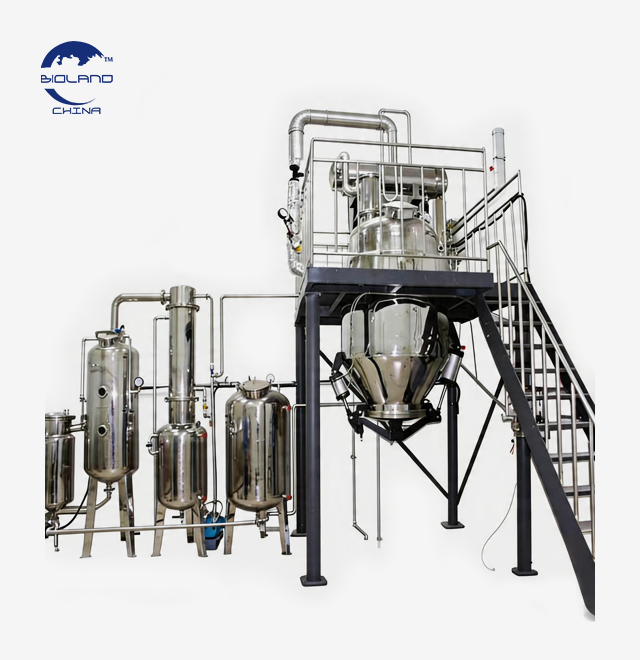
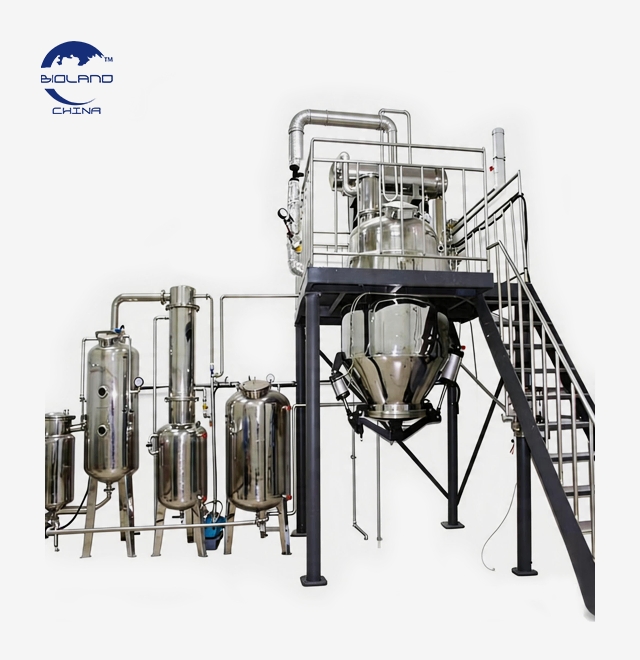
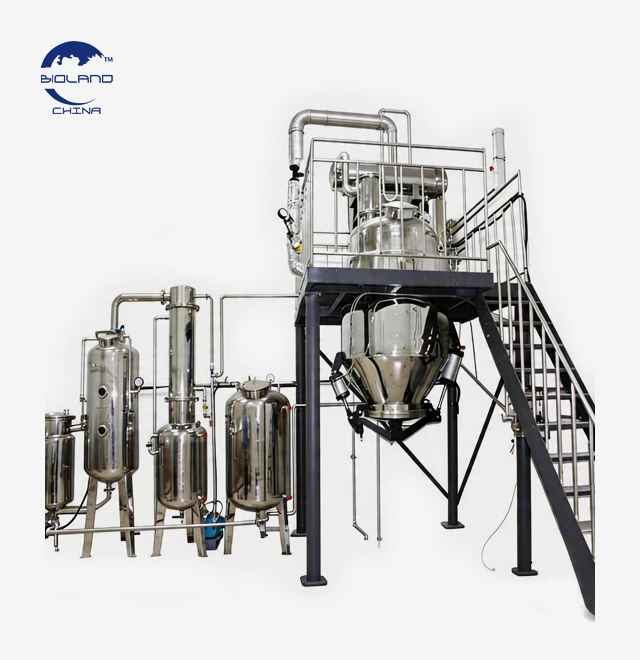
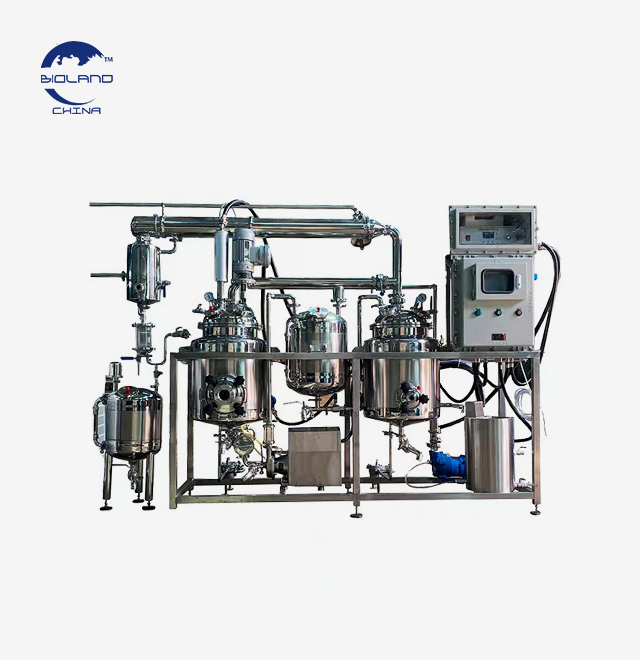
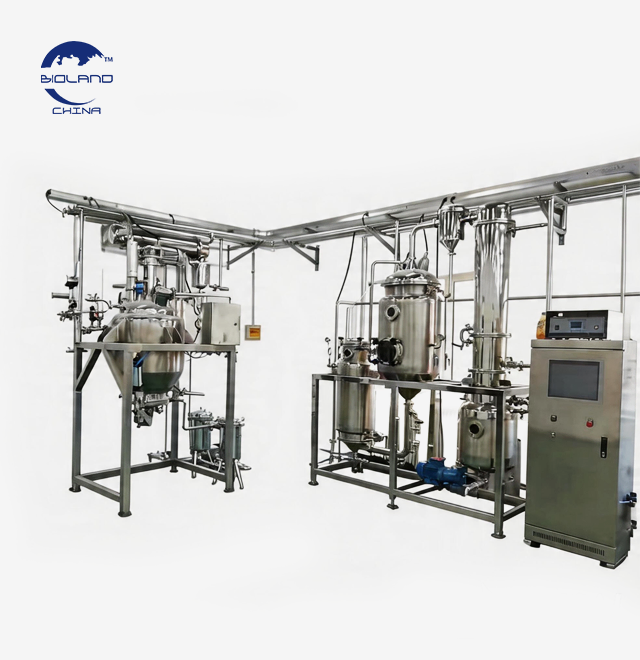
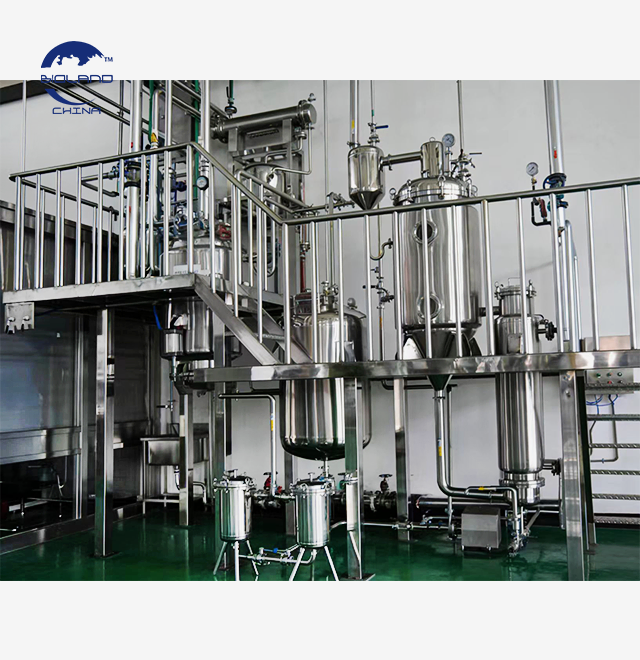
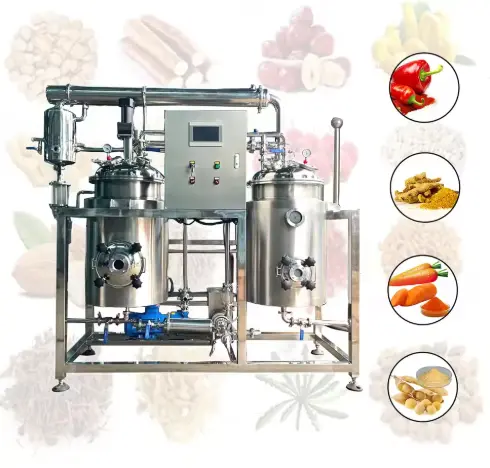
Soxhlet Extraction Equipment – Professional Laboratory Solution
Xi'an Bioland Instrument Co., Ltd. sells high-quality soxhlet extraction equipment that is designed to remove all lipid-soluble chemicals from solid materials in a constant, thorough process. Our systems are 50–500% more efficient at extraction than traditional methods, and rounds can be finished in 24–40 minutes, which cuts processing time by more than two thirds. Our equipment is made from 316SS stainless steel and meets GMP and FDA standards. It can be automated with a PLC, has a dual-ultrasonic setup, and has solvent recovery built in (>92% efficiency). Each unit goes through strict quality control and has certificates from CE, ISO, UL, and ATEX. We offer custom solutions with a one-year warranty and professional help for life thanks to our more than 15 years of experience in production.
Why Choose Us?
Proven Expertise Across Industries
We have been experts in extraction, distilling, and reaction tools for more than 15 years. Biopharmaceutical, food safety, and environmental labs around the world trust the systems that our engineering team builds.
Certified Quality You Can Trust
Each unit is certified by CE, ISO, UL, SGS, ATEX, and IEC. We make our products according to GMP guidelines, which means that your processes will always pass regulatory checks.
Customization That Fits Your Process
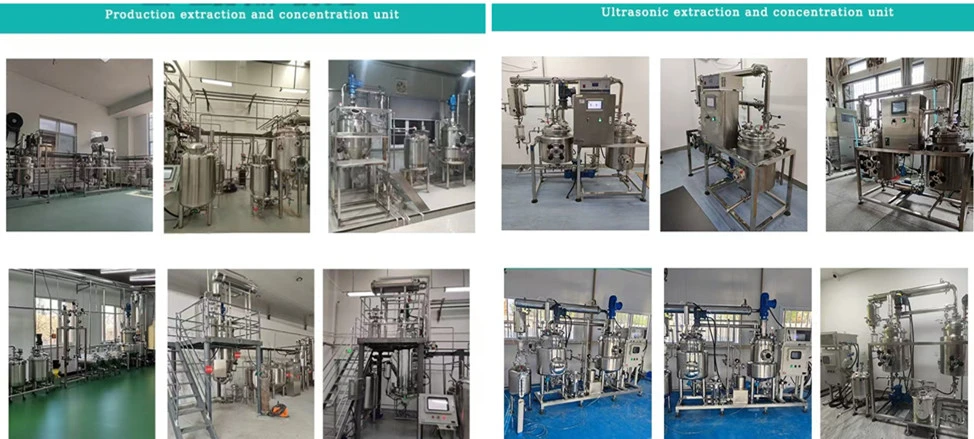
Need a place to store flammable fluids that won't explode? Need two condensers for complicated matrices? We make tools that fits your needs. Workshop planning, installation, and testing are all part of OEM/ODM services.
Fast Turnaround, Flexible Delivery
It takes 5 to 7 business days to ship standard units. Changes to the settings? Only 30 working days. We can send freight to your place by sea, train, or air.
Transparent Production Tracking
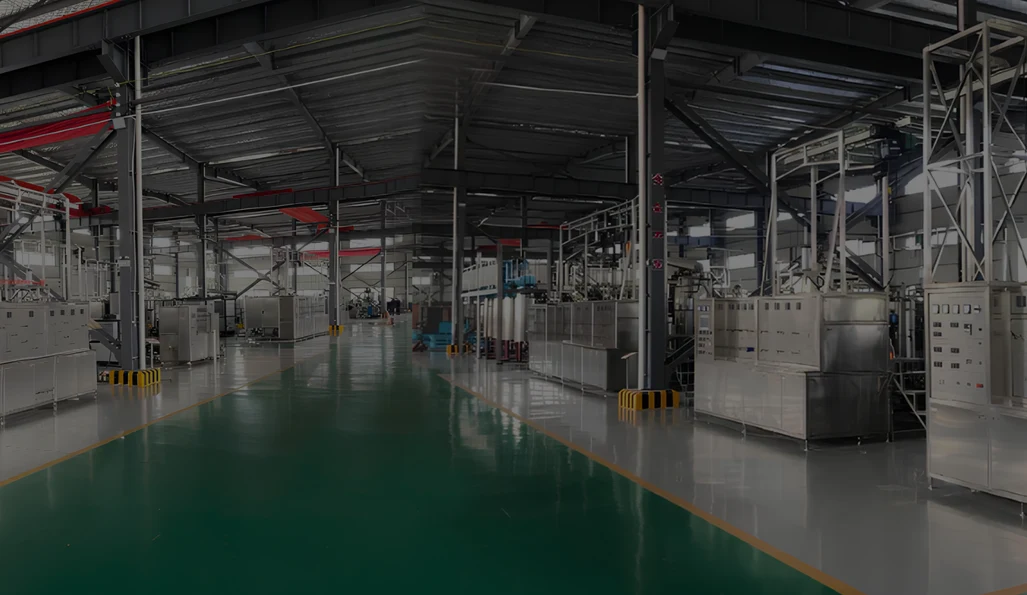
Your dedicated expert gives you progress reports every week with photos or videos. Before it ships, you'll get full inspection materials, or you can come to our workshop to do a FAT test in person.
Lifetime Support, Not Just a Sale
Our professional team helps with installation, trains operators, and fixes problems as they happen. There is a one-year warranty, and upkeep help will continue for as long as the equipment lasts.
Technical Parameters
|
Technology parameter
|
|
Model
|
BL-TN-C50L
|
BL-TN -C100L
|
BL-TN -C200L
|
BL-TN -C300L
|
BL-TN -C500L
|
|
Volume (L)
|
50
|
100
|
200
|
300
|
500
|
|
Evaporation capacity (kg/h)
|
20
|
50
|
70
|
100
|
200
|
|
Motor power(KW)
|
2.7
|
2.7
|
2.7
|
3.5
|
3.5
|
|
Steam consumption(kg/h)
|
25
|
60
|
90
|
120
|
250
|
|
System vacuum (MPa)
|
-0.085
|
-0.085
|
-0.085
|
-0.085
|
-0.085
|
|
Pressure of jacket(MPa)
|
0.09~0.3
|
0.09~0.3
|
0.09~0.3
|
0.09~0.3
|
0.09~0.3
|
|
Compressed air (MPa)
|
0.5~0.6
|
0.5~0.6
|
0.5~0.6
|
0.5~0.6
|
0.5~0.6
|
|
Evaporation temperature(°C)
|
60~100
|
60~100
|
60~100
|
60~100
|
60~100
|
Working Principle
The main process depends on the constant flow of solvents through three stages:
1. Evaporation
The solvent in the jar that is boiling turns into vapour. The side arm lets the vapour rise into the condenser.
2. Condensation
Vapour turns back into liquid when water in the condenser jacket cools it down. Droplets land in the extraction thimble that has your sample in it.
3. Siphoning
Target chemicals are broken down as liquid builds up around the thimble. When the chamber is full to the bend in the siphon tube, the whole amount goes back to the boiling flask, taking the extracted analytes with it.
It does this loop a lot of times during a session using soxhlet extraction equipment. With each pass, a new liquid is added to the sample, which makes sure that it is completely extracted without any help from a person.
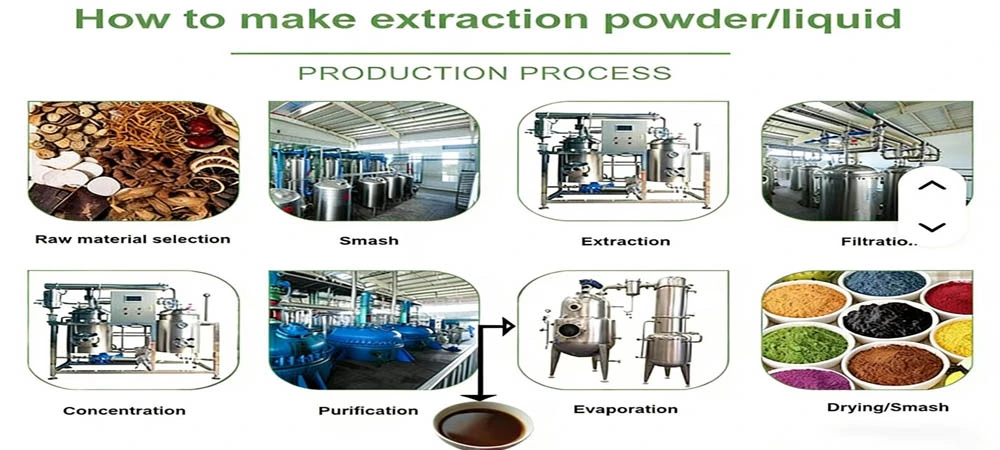
Process Flow
Step 1: Sample Preparation
Dry your material at 105°C to remove moisture. Grind to uniform particle size. Mix with Celite if needed to prevent channeling.
Step 2: Loading
Place sample in a cellulose or glass thimble. Position thimble in the extraction chamber. Add solvent to the boiling flask.
Step 3: Extraction
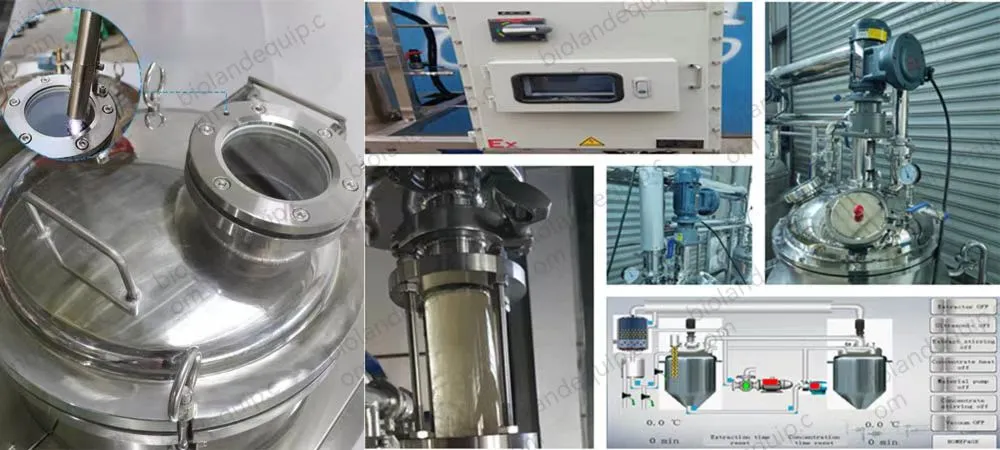
Set temperature and start heating. Automated systems monitor siphon cycles and adjust power. Manual setups require periodic checks.
Step 4: Recovery
After extraction completes, activate solvent recovery mode. Reclaimed solvent collects in a separate container. Extract remains in the boiling flask for analysis.
Step 5: Cleaning
Optional CIP (Clean-In-Place) systems flush all contact surfaces with fresh solvent, preparing the unit for the next batch.
Application Fields
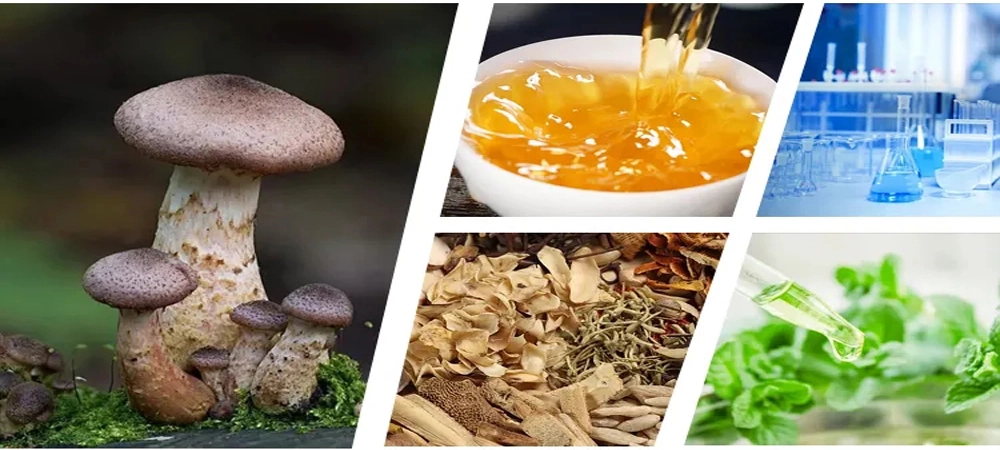
Food Safety & Nutritional Analysis
Find out how much basic fat is in meat, cheese, grains, and animal feed. Follow the rules set by the FDA for food labelling and the AOAC 991.36 standard. Take care of materials that have been treated with hydrolysis.
Environmental Monitoring
Get PCBs, pesticides, and PAHs out of solid trash, sludge, and dirt. Follow the rules set out in EPA Method 3540C for approved labs that are keeping track of toxins.
Pharmaceutical & Natural Products
Find the active ingredients in healing plants and separate them. Check the extractables in plastics and packing. Make sure that high-value production is pure from batch to batch.
Cosmetics & Essential Oils
To make skin care products, extract lipophilic chemicals. Take care of plant materials while keeping their delicate scents.
Academic & R&D Labs
Help with the creation of new methods, teaching students, and study projects. Using our modular tools, you can take your results from the lab bench to test production.
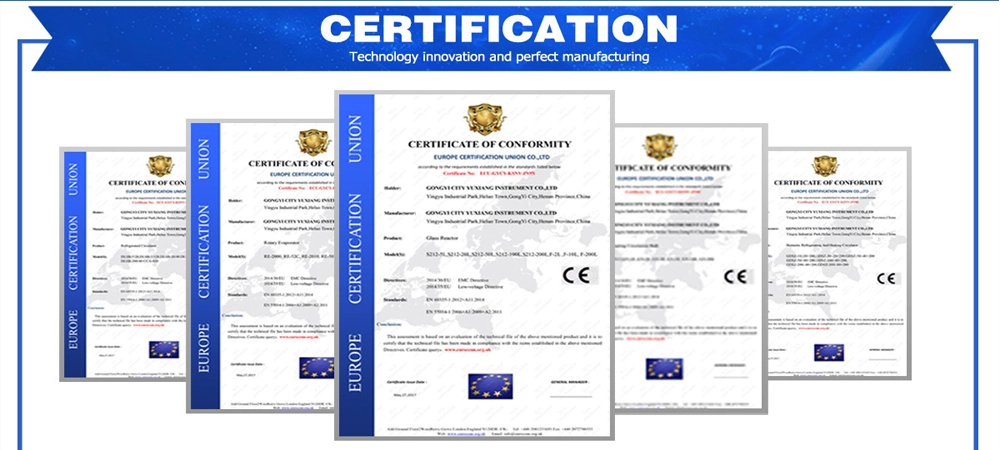
Quality Certification
We hold the following verified certifications:
- CE: European safety and health compliance
- ISO 9001: Quality management system
- UL: North American electrical safety
- SGS: Independent third-party testing
- ATEX: Explosion-proof equipment directive
- IEC: International electrotechnical standards
All manufacturing processes align with GMP (Good Manufacturing Practice) and FDA 21 CFR Part 11 guidelines, ensuring traceability and documentation integrity.
FAQ
Q1: What prevents the 'channeling' effect in my samples?
Grind your material to uniform particle size. Mix with sand or Celite to avoid caking. This ensures solvent flows evenly through the thimble.
Q2: How does automation improve safety over manual glass setups?
Enclosed housing, separate electronics, and vapor monitors provide real-time protection. The system auto-shuts down if leaks or over-temperature occur.
Q3: Can I extract high-moisture samples directly?
No. Dry samples at 105°C first. Moisture blocks organic solvents and skews results. Pair with hydrolysis units if your protocol requires wet processing.
Q4: Why are my extraction yields lower than expected?
Check extraction time, siphon cycle frequency, and thimble porosity. Ensure vigorous reflux by calibrating heater power. Temperature fluctuations reduce efficiency.
Q5: What maintenance schedule should I follow?
Replace O-rings and seals every 6–12 months. Clean condenser coils to prevent scale buildup. Validate temperature sensors quarterly against an external thermometer.
Q6: Do you provide training for operators?
Yes. We offer on-site commissioning and comprehensive training. Your team will learn setup, calibration, troubleshooting, and routine maintenance procedures.
Contact Us
Ready to upgrade your extraction workflow with soxhlet extraction equipment? Email us at info@biolandequip.com for a customized quote, technical consultation, or factory tour scheduling.