Lab Scale Pyrolysis Reactor vs Industrial Reactor Comparison
Aug 27, 2026
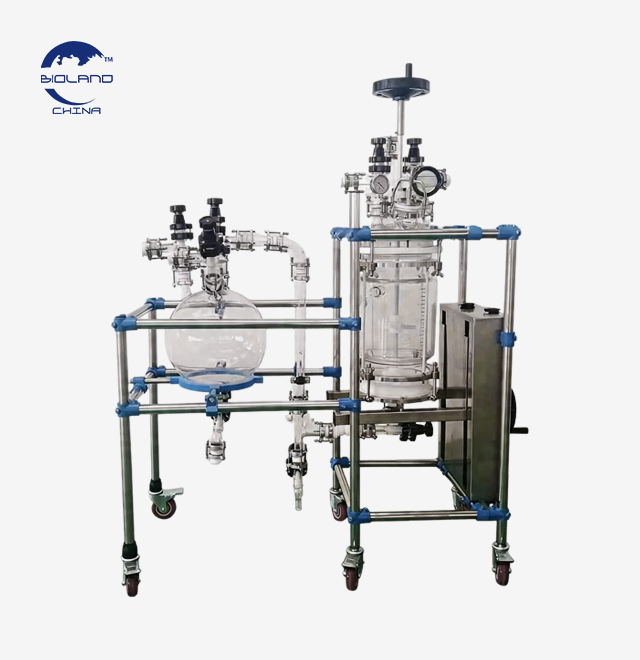
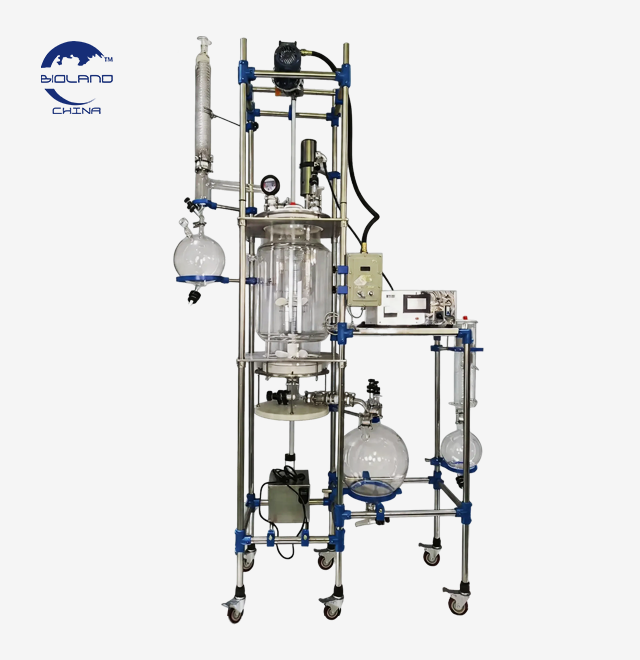
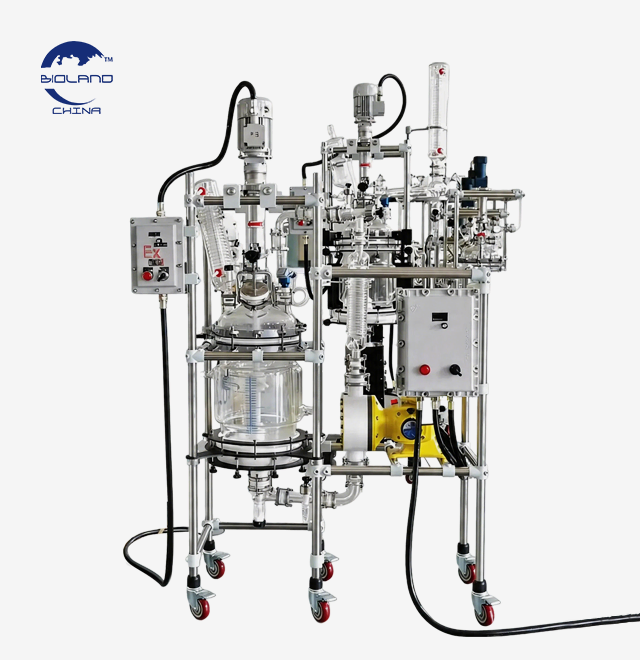
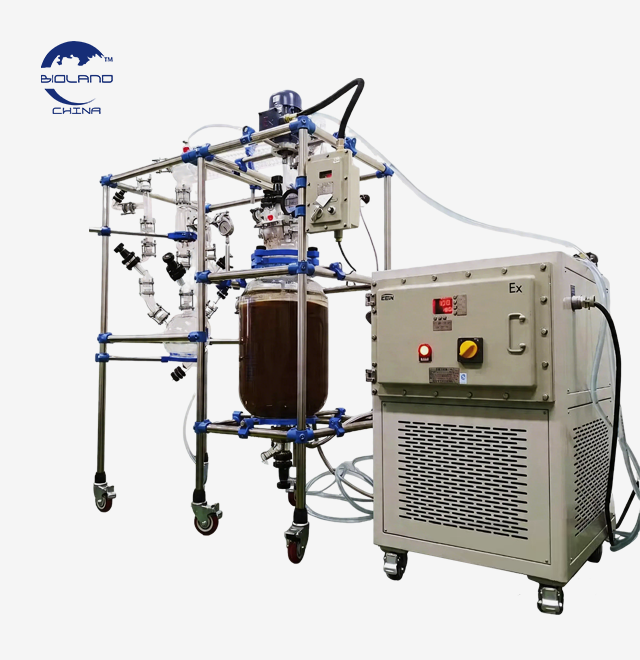
It's not as simple as picking a smaller or bigger tank to tell the difference between a lab scale pyrolysis reactor and an industrial pyrolysis reactor. The right choice relies on the properties of the material, the reaction temperature, the dwell time, how the vapour is handled, how the gas is collected, how the products are separated, safety standards, and plans for future scaling up. Bioland Instrument makes glass reactors for labs and pilot plants that are clear, don't rust, can be precisely controlled in temperature, have modular ports, can work with vacuums, and can be customised by OEMs and ODMs. These benefits help researchers learn more about how pyrolysis works before they spend money on a commercial or continuous production line.
The main purpose of a laboratory system is to find and confirm process conditions. The goal of an industrial reactor is to provide steady output, continuous operation, heat recovery, automated control, and consistent product quality. By knowing how these two scales relate to each other, users can choose technology that solves current study problems and makes it possible to make things in the future.
Key Differences in Design and Operating Principles Between Two Reactor Scales
Batch Research Versus Continuous Production
Batch studies are frequently carried out in a lab scale pyrolysis reactor. Operators put in a measured amount of waste, plastic, sludge, rubber, or another source, heat it in a place with no air, collect the vapours, and then look at the gas, liquid, and solid parts that come out of it. By setting up the variables in this way, it is easier to change one at a time, like temperature, heating rate, catalyst loading, or residence time.
An industrial reactor usually runs all the time or almost all the time. A controlled feeding system brings in the feedstock, and different paths let the char, condensable vapour, and non-condensable gas escape. The industrial design has to keep the flow of heat and materials stable for hours or days at a time. Because of this, it needs stronger mechanical structures, bigger heat-transfer surfaces, automatic systems for feeding and dumping, and better ways to keep an eye on the whole process.
Transparent Glass and Industrial Metal Construction
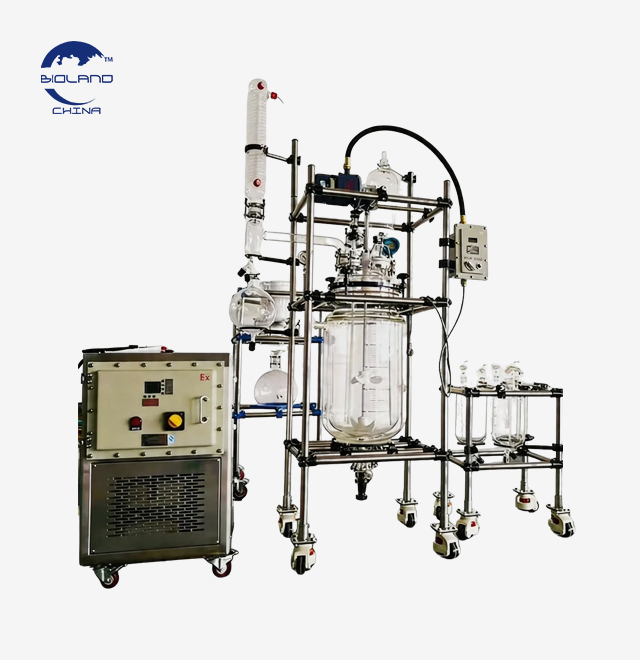
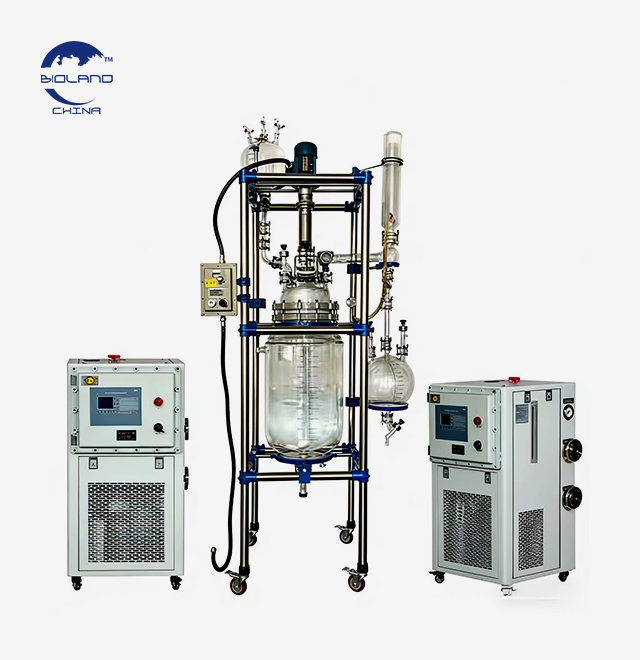
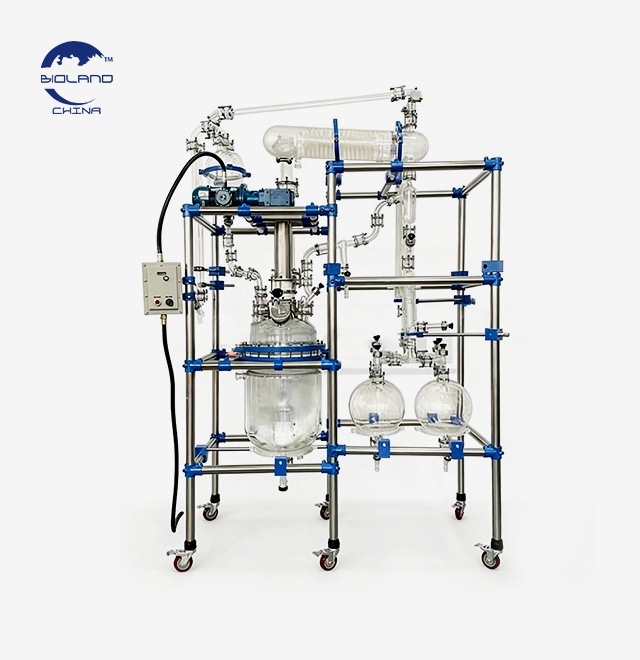
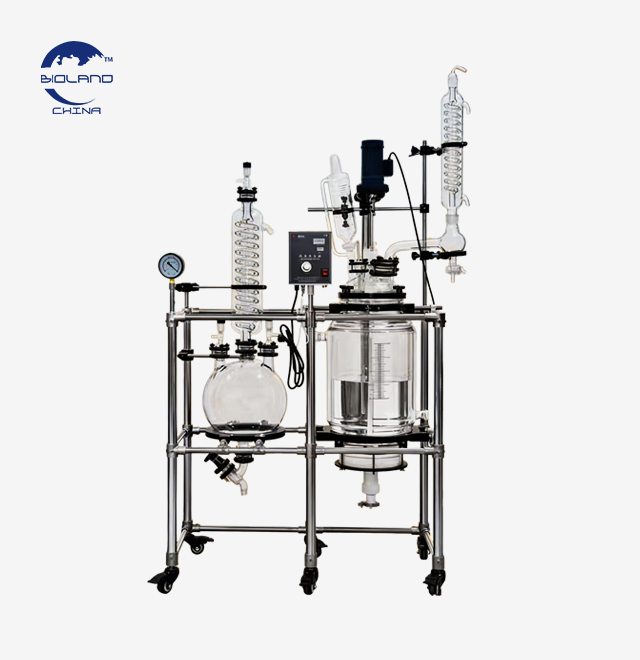
The chemistry, temperature, pressure, and mechanical conditions of an experiment can be set up in a lab scale pyrolysis reactor so that high-borosilicate glass parts can be used. Researchers can see colour changes, condensation, solid formation, foaming, and phase separation through clear GG17 glass. In addition, it is resistant to many acids, bases, and organic solvents, and it helps keep metal ions from getting into the sample during analytical work.
Most industrial pyrolysis units are made of carbon steel, stainless steel, nickel alloys, or other designed materials that are strong at high temperatures and last a long time. Often, they are sealed to keep heat in and may have refractory linings or special surfaces on the inside. Metal construction is better for handling high temperatures and mechanical stresses, but it's not as easy to see through as a clear laboratory platform.
Controlled Atmosphere and Vapor Management
At the lab scale pyrolysis reactor, oxygen can be kept out by purging with nitrogen, using a sealed lid, running the reactor in vacuum, or a mix of these methods. Thermocouples, gas inlets, condensers, pressure gauges, sampling devices and vacuum lines can all fit into standard flange ports. Because the setup is flexible, researchers can change it to do studies on fast pyrolysis, slow pyrolysis, catalytic cracking, heat breakdown, or solvent-assisted pyrolysis.
A much more advanced vapor-management design is needed for industrial systems. It's important that hot vapours can move through heated transfer lines, cyclones, filters, condensers, scrubbers, or fractional separation units without getting too wet or getting stuck. Gases that don't condense can be reused as process fuel, but they may need to be handled safely with flare systems or gas treatment units. So, the industrial reactor is not a separate vessel, but rather a part of a whole process train.
Case: Developing a New Feedstock Route
A group of researchers studying materials wanted to compare how farming waste broke down at high temperatures, but they couldn't find a reliable way to watch the vapours form or collect the parts reliably. The hardest thing for them wasn't having enough space; it was getting consistent data from small samples.
With a clear reaction section, controlled heating, inert gas lines, a condenser, collection jars, and temperature measurement, Bioland suggested a custom lab scale pyrolysis reactor. Before thinking about a bigger test system, the team could compare feedstocks in conditions that could be repeated and find temperature ranges that looked good.
Comparing Processing Capacity, Efficiency, and Application Requirements
Capacity and Throughput
The processing capacity of a lab scale pyrolysis reactor is the most noticeable distinction between the two. Lab tools can handle a few grams or a few kilograms at a time, while pilot and industrial systems can handle tens, hundreds, or even thousands of kilograms an hour. Not only does capacity change the amount of the tank, but it also changes the feeding, heater, condenser, gas-treatment unit, char output, control system, and utilities.
A bigger reactor doesn't always mean better process speed. If the feedstock isn't mixed well enough, heat transfer is too slow, or vapours stay in the hot zone for too long, secondary cracking may lower the liquid yield. When designing for industry, it's important to find a balance between throughput, heating rate, vapour residence time, solids removal, and product recovery. When creating, these scale-dependent factors must be taken into account in order for lab results to be useful.
Energy Use and Heat-Transfer Efficiency
As a lab scale pyrolysis reactor, you can find out how much energy a process needs and compare different ways to cook it. Because it has less thermal mass, the temperature can change quickly, and it can be used to test staged heating, preheating, external heating, or catalytic temperature windows. A structure with a jacket may also be able to handle controlled heating and cooling for tasks like condensation or separation.
A broader energy plan is needed for industrial plants. They might get heat back from hot char, reuse flammable product gas, warm up new material, and put protection around the reactor and vapour lines. The goal for industry is to lower the amount of energy used per unit of output while keeping the process settings fixed. So, a good pilot study should keep track of more than just the product yield. It should also keep track of the heating job, heat losses, gas composition, and condensation efficiency.
Feedstock Preparation and Process Compatibility
Feedstocks with various moisture contents, particle sizes, ash levels, volatile fractions, and contamination profiles can all be evaluated using a lab scale pyrolysis reactor. The material might need to be dried, ground, sieved, mixed, or pelletised before it can be loaded. Taking these steps before cooking can change how the bio-oil, syngas, or char behaves and how good they are.
Industrial equipment needs reliable preparation of feedstock at a much higher throughput. Large pieces can make it hard to feed, and a lot of moisture can make the reactor use more energy and cool down. Minerals and ash can make things nasty, wear down, or react quickly. Because of this, the industrial system shouldn't be chosen until acceptable feedstock specifications have been set in the lab and on a pilot scale.
Application Requirements Across Industries
A lab scale pyrolysis reactor can be used to convert waste, break down plastic, recycle tires, clean up sludge, study medicinal materials, test catalysts, and create new substances. In chemistry and pharmaceutical labs, clear parts can help researchers see how things break down at high temperatures and collect condensates without adding metal contamination that they don't want.
Industrial pyrolysis is used to make renewable fuels, turn waste into energy, recover chemicals, make carbon materials, process petroleum, and do other things in the metals or environment. It's important to find the right mix of temperature, dwell time, environment, feed preparation, vapour cooling, pollution control, and product requirements for each project.
Case: Pharmaceutical and Biomass Screening
Before choosing a way to make something, a pharmaceutical research group had to figure out how a sensitive organic material would react to heat. Traditional metal test tools made people worry about pollution and didn't give them a lot of sight.
With temperature monitoring, controlled atmosphere operation, condensation accessories, and corrosion-resistant glass, Bioland set up a lab scale pyrolysis reactor. The method was used to compare breakdown patterns and get parts to study. This helped get rid of working windows that weren't right before the pilot-scale spending.
How Reactor Scale Affects Pyrolysis Performance and Process Optimization
Temperature Uniformity and Heating Rate
Heating rate and temperature consistency have a significant impact on the efficiency of a lab scale pyrolysis reactor. Though small particles heat up quickly, the wall of the reactor, the sample bed, and the path of the vapour can all be at different temperatures. Instead of just using heater settings, researchers should put monitors in useful places and record the real temperature of the sample.
To maintain temperature differences at an industrial scale, the feed bed has to be lower and the heat transfer distance has to be longer. It may be necessary to use multiple heating zones, internal movement, stirring, hot gas flow, or indirect heating. When doing work on a larger scale, it's important to compare more than just final temperatures. This is because two reactors working at the same set point may make different products.
Vapor Residence Time and Secondary Reactions
The effects of vapour retention time on liquid output and makeup can be studied using a lab scale pyrolysis reactor. You can get more gas or coke if vapours stay in a hot reaction zone for too long. This is called secondary cracking. More condensable goods may be restored if they are quickly taken away and cooled down.
Vapour travel distance, line temperature, cyclone performance, condenser duty, and gas velocity must all be controlled by industrial equipment. Longer transfer paths and more chances for condensation or re-reaction can happen in a bigger system. So, vapour retention time should be measured in sample tests, and it should be checked to see if the suggested industrial setup can make the product spread that is wanted.
Catalyst Loading and Solid Handling
For catalytic pyrolysis to work, the fuel, catalyst, heat, and vapour must be able to reliably touch each other. Catalyst type, catalyst-to-feed ratio, regeneration behaviour, and reaction temperature can all be compared using a lab scale pyrolysis reactor. Researchers can add sample tools, catalyst baskets, gas lines, or downstream condensers to modular ports.
Industrial catalytic systems need to deal with catalyst wear out, renewal, deactivation, pressure drop, and materials moving all the time. Over time, the quality of the product may change if the catalyst gets covered in coke or ash. Instead of relying only on short, perfect tests, lab experiments should include repeated cycles and feedstock impurities that are true to life.
Measurement, Data Collection, and Optimization
A lab scale pyrolysis reactor becomes much more valuable when it is connected to accurate measurement tools. Temperature, pressure, gas flow, liquid collection mass, char yield, and operating time should be recorded systematically. Gas chromatography, thermogravimetric analysis, elemental analysis, and calorific-value testing can then be used to evaluate the process.
Bioland’s technical team can help coordinate reactor configuration with temperature-control equipment, vacuum devices, condensers, filtration components, and other process accessories. The purpose is to create useful engineering data rather than isolated experimental results. Researchers can then compare operating conditions and identify a scale-up window based on measurable performance.
Case: Improving Condensation and Product Recovery
A chemical company had acceptable thermal conversion results but recovered too little liquid product because vapors condensed irregularly in the outlet line. The team suspected unstable cooling and insufficient separation control.
Bioland supplied a customized lab scale pyrolysis reactor with improved vapor routing, a controlled condenser, temperature monitoring, and collection vessels. By adjusting the condensation stages and monitoring the vapor path, the company improved recovery consistency and obtained more representative liquid samples for analysis.
Cost, Maintenance, and Flexibility Considerations for Different Reactor Sizes
Initial Investment and Total Process Cost
The purchase price of a lab scale pyrolysis reactor is usually lower than that of an industrial system, making it attractive for universities, laboratories, pilot projects, and early-stage technology developers. A compact system also requires less floor space and may use smaller utilities. However, buyers should consider the complete package, including heating, gas supply, condenser, vacuum pump, control unit, safety devices, and analytical accessories.
Industrial reactors involve higher capital costs because they include feeding, heating, insulation, vapor treatment, gas handling, char discharge, automation, and environmental-control equipment. The correct comparison should focus on cost per unit of useful product, operating hours, maintenance requirements, energy recovery, and expected service life rather than vessel price alone.
Maintenance and Safe Operation
A lab scale pyrolysis reactorshould be inspected before every experiment. Operators need to check glass surfaces, clamps, seals, thermocouples, valves, hoses, collection vessels, and gas connections. The system should never be operated outside its rated temperature, pressure, or vacuum range. Feedstock should be loaded carefully to avoid impact damage, and condensates should be handled according to their chemical properties.
Industrial systems require scheduled inspection of feeders, bearings, seals, heaters, insulation, refractory materials, condensers, filters, gas-treatment units, and control instruments. Safety procedures may include inert-gas monitoring, pressure relief, fire protection, emergency shutdown, explosion-proof electrical design, and documented operating permits.
Flexibility and Customization
A lab scale pyrolysis reactor offers flexibility because researchers can change feedstock, catalyst, atmosphere, heating profile, and downstream separation equipment. Bioland can customize vessel dimensions, port numbers, materials, lifting structures, condensation systems, vacuum connections, PLC controls, and other components according to application requirements.
The same engineering philosophy applies to pilot and industrial systems. Customers may request explosion-proof configurations, automatic control, integrated temperature control, filtration, crystallization, ultrasonic crystallization, tail-gas absorption, rectification, purification, or concentration modules. Customization is especially valuable when the process involves corrosive chemicals, sensitive products, unusual installation conditions, or GMP pilot validation.
Service, Delivery, and Quality Assurance
Bioland Instrument provides more than equipment manufacturing. Xi’an Bioland Instrument Co., Ltd. is a professional manufacturer and solution provider for distillation, concentration, reaction, extraction, separation, filtration, purification, crystallization, emulsification, mixing, drying, heating, cooling, and vacuum equipment. With more than 15 years of industry experience, the company serves laboratory R&D, biopharmaceutical, chemical, food, precious-metal, new-material, cosmetic, and pharmaceutical applications.
The company supports OEM/ODM projects, CE and ISO-certified quality management, customized production lines, and GMP/FDA-oriented equipment requirements. Customized products typically require about 30 business days, while standard products may be available within 5–7 days. Customers receive weekly production updates, inspection photographs or videos, shipment after approval, and the option to conduct a Factory Acceptance Test.
Case: Corrosion-Resistant Custom Production Equipment
A chemical-intermediate producer needed a reactor for nitric-acid and acidified-glycerol processing. The original equipment offered limited corrosion resistance and made it difficult to observe the reaction.
Bioland designed a customized lab scale pyrolysis reactor-style glass process platform for development and process verification, with a transparent vessel, controlled heating and cooling, suitable seals, and modular connections. The customer could study the reaction safely at development scale before finalizing the larger production line.
Choosing the Right Pyrolysis Reactor Scale for Research and Industrial Development
When a Laboratory Reactor Is the Better Choice
A lab scale pyrolysis reactor is the appropriate starting point when feedstock behavior is still uncertain, product quality has not been defined, or researchers need to compare multiple temperatures and catalysts. It is also suitable when the available sample quantity is limited or when the project requires frequent changes to the reactor configuration.
Laboratory systems are particularly valuable for screening biomass, plastics, tires, sludge, pharmaceutical materials, agricultural residues, and new catalysts. Their transparent components and modular ports make it easier to understand the process before committing to expensive industrial infrastructure.
When Pilot Equipment Is Necessary
A lab scale pyrolysis reactor cannot fully represent industrial heat transfer, feeding, solids discharge, gas recycling, or long-duration operation. Pilot equipment becomes necessary when the process has demonstrated technical feasibility and the team needs realistic data on throughput, energy consumption, vapor residence time, fouling, product recovery, and operating stability.
A pilot campaign should operate with representative feedstock for long enough to expose practical problems. It should also produce data that can guide equipment sizing, utility selection, control strategy, emissions management, and economic evaluation.
When an Industrial Reactor Is Justified
An industrial reactor is justified when the feedstock supply is stable, the product market is defined, the process window is known, and the business case supports continuous operation. Industrial systems should include automated feeding, heat management, vapor condensation, gas treatment, char handling, monitoring, and maintenance access.
Bioland’s engineering team can help customers move from a lab scale pyrolysis reactor to a customized pilot or production line by reviewing experimental data and process objectives. The design may include reaction, distillation, extraction, condensation, vacuum, filtration, crystallization, or concentration equipment when the product route requires additional unit operations.
A Practical Selection Workflow
The best way to select a lab scale pyrolysis reactor or industrial reactor is to follow a structured workflow. First, define feedstock composition, moisture, particle size, ash content, and target products. Second, establish temperature, atmosphere, heating rate, residence time, and pressure requirements. Third, select the reaction configuration and downstream collection system. Fourth, conduct repeatable tests and analyze gas, liquid, and solid products.
After the laboratory stage, compare mass balance, heat duty, product quality, maintenance observations, and operating stability. Then prepare a pilot design that addresses scale-dependent issues. Finally, evaluate industrial capacity, safety, utilities, automation, environmental controls, and return on investment. This process prevents premature equipment selection and turns experimental results into a practical manufacturing strategy.
Case: From Laboratory Screening to Production Planning
An overseas developer wanted to commercialize a waste-conversion process but lacked reliable data for equipment sizing. Early trials showed promising product formation, yet the team had not evaluated vapor handling or long-duration operation.
Bioland recommended starting with a configurable lab scale pyrolysis reactor, followed by pilot testing after the most promising conditions were identified. This staged approach reduced early capital risk, provided better process data, and created a clear path toward a customized industrial solution.
Conclusion
The comparison between a lab scale pyrolysis reactor and an industrial reactor shows that scale affects much more than capacity. It changes heat transfer, vapor residence time, feeding, solids handling, energy use, automation, safety, maintenance, and product recovery. A laboratory system is ideal for discovering process conditions, comparing feedstocks, evaluating catalysts, and collecting reliable experimental data. Industrial equipment is designed for continuous throughput, stable operation, energy integration, and commercial production. Bioland Instrument helps customers connect these stages through transparent and corrosion-resistant glass systems, modular configurations, customized engineering, pilot validation support, and complete process solutions.
FAQ
1. What is the main purpose of a lab scale pyrolysis reactor?
It is used to test feedstocks, temperature profiles, catalysts, residence times, and product yields before pilot or industrial investment.
2. Can a glass reactor be used for pyrolysis?
It can be used when the temperature, pressure, chemistry, and mechanical conditions are compatible with borosilicate glass. Final suitability requires technical review.
3. What is the main industrial scale-up challenge?
Maintaining uniform heating, stable vapor residence time, continuous feeding, reliable condensation, and safe solids discharge.
4. Can Bioland customize the reactor system?
Yes. Bioland supports OEM/ODM designs, PLC automation, explosion-proof configurations, condensers, vacuum systems, gas treatment, and other modules.
5. Does Bioland provide after-sales support?
Yes. The company provides production tracking, inspection videos, FAT arrangements, a one-year warranty, and lifetime maintenance support.
Turn Pyrolysis Research into a Scalable Production Solution
Selecting a reactor is only one part of a successful pyrolysis project. The more important question is whether the equipment can help you solve feedstock variability, temperature control, vapor recovery, product separation, and scale-up challenges. Bioland Instrument combines more than 15 years of engineering experience with laboratory, pilot, and production equipment for reaction, extraction, distillation, concentration, filtration, drying, crystallization, and vacuum processing.
Our lab scale pyrolysis reactor solutions can be configured with transparent borosilicate glass, precise heating, inert-gas protection, condensers, vacuum systems, collection vessels, sensors, and customized control modules. When your process advances, our team can support pilot validation and industrial equipment planning instead of requiring you to start again with a completely different supplier. Tell us your feedstock, target products, operating temperature, expected capacity, and current process difficulties. Contact Bioland Instrument at info@biolandequip.comto discuss a practical route from laboratory discovery to reliable industrial production.
References
1. Bridgwater, Anthony V. Principles and Practice of Biomass Fast Pyrolysis Processes.
2. Czernik, Stefan, and Bridgwater, Anthony V. “Overview of Applications of Biomass Fast Pyrolysis Oil.”
3. Mohan, Dinesh, Pittman, Charles U., and Steele, Philip H. “Pyrolysis of Wood/Biomass for Bio-Oil: A Critical Review.”
4. Basu, Prabir. Biomass Gasification, Pyrolysis and Torrefaction: Practical Design and Theory.
5. Williams, Paul T. Waste Treatment and Disposal.
6. Di Blasi, Colomba. “Modeling Chemical and Physical Processes of Wood and Biomass Pyrolysis.”
The reactor is beautifully mirror-polished and fully complies with GMP requirements for the pharmaceutical industry. The performance is excellent! Overall, we are very satisfied! We also provided with some feedback on our process improvements, which we hope will be helpful.
2024-04-09
Laboratory
Excellent and professional service. Always reply our questions very fast. All reactors and chiller we received are good too.
2024-02-15
Research Institute
Quality is beyond our expectation actually. After we got the extraction equipment and started using it, the performance was beyond our expectation. Very easy to use and very efficient to run. Service always respond us very quickly. Was also very helpful to help us. Thanks Bioland team. Very happy to work with you.
2023-11-20
Biotech Company
We are happy about the new purchase as always. Equipment and services are both good.
2023-08-05
Instrument Lab
This is the second order with Bioland instrument and everything is good as the first dateText.
2023-05-12
Global Trading Partner
Bioland instrument team is very helpful and professional. The sales helped us select the right equipment for our application, and their logistics people handled the transportation and customs declaration for our shipment. All that saved us a lot of work.