Understanding Different Extraction Methods and Their Benefits
Apr 22, 2026
To choose the best way to separate beneficial chemicals from plant materials, you need to know about the different extraction methods. Picking the right botanical extraction machine can affect your yield, purity, and how quickly you can make your products, whether you're removing essential oils, APIs, or nutraceutical ingredients. Modern tools use cutting-edge technologies like ultrasonic-assisted extraction, supercritical CO2 systems, and ethanol-based ways to consistently get good results in the bioengineering, food preparation, and pharmaceutical industries. By looking at these methods, procurement professionals can make sure that the capabilities of the tools match the needs of the process, which improves both technical efficiency and cost-effectiveness.
Overview of Botanical Extraction Methods
In many fields, like medicines, skincare, and food processing, botanical extraction has become an important step. To do this, important chemicals like alkaloids, flavonoids, terpenoids, and essential oils are separated from raw plant material. The problem isn't just getting the chemicals out; it's also keeping their integrity while getting them through at a business level.
The Role of Specialized Extraction Equipment
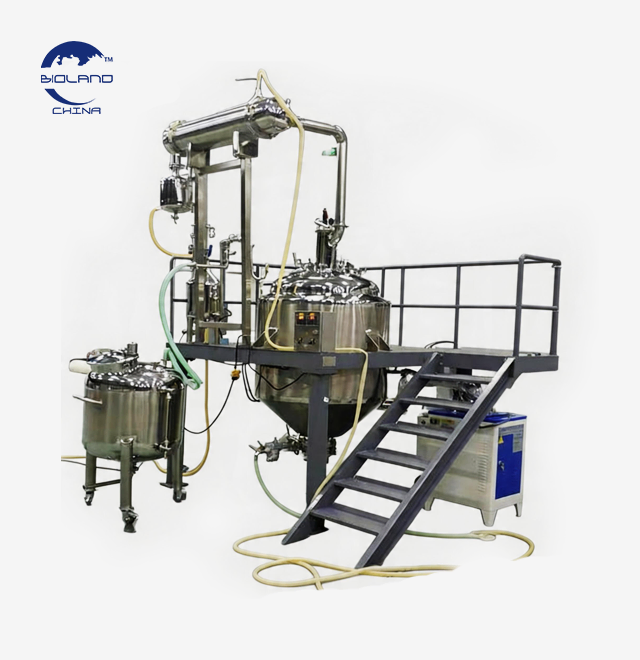
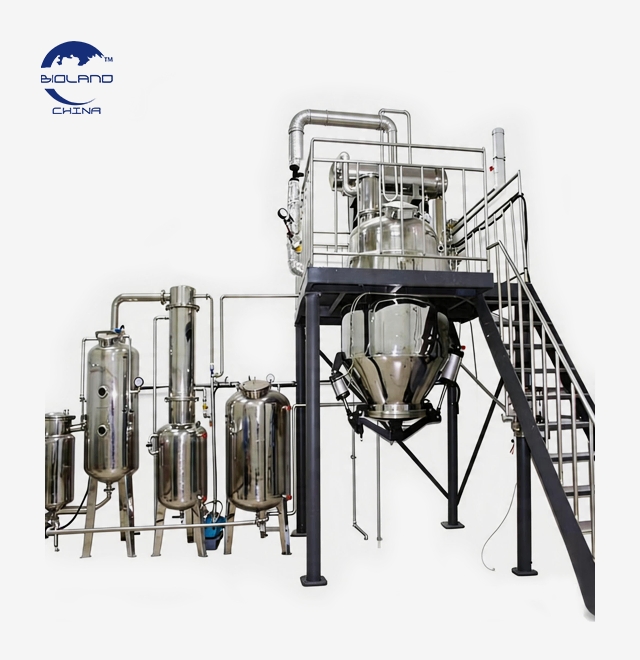
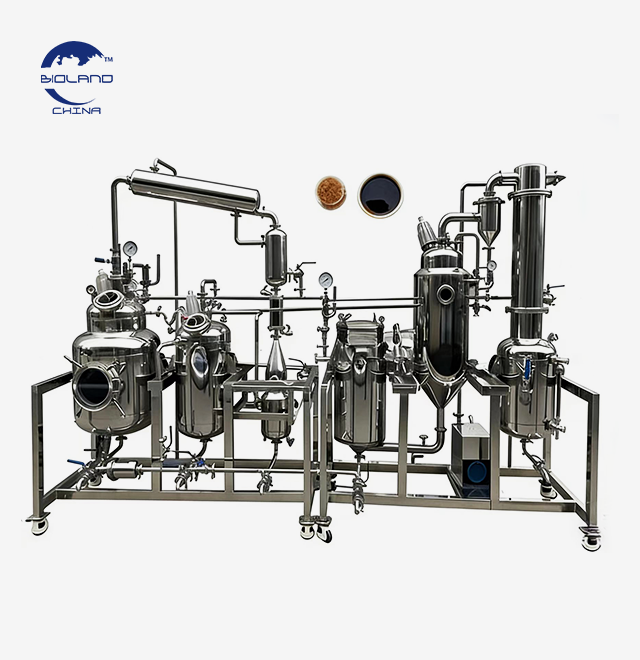
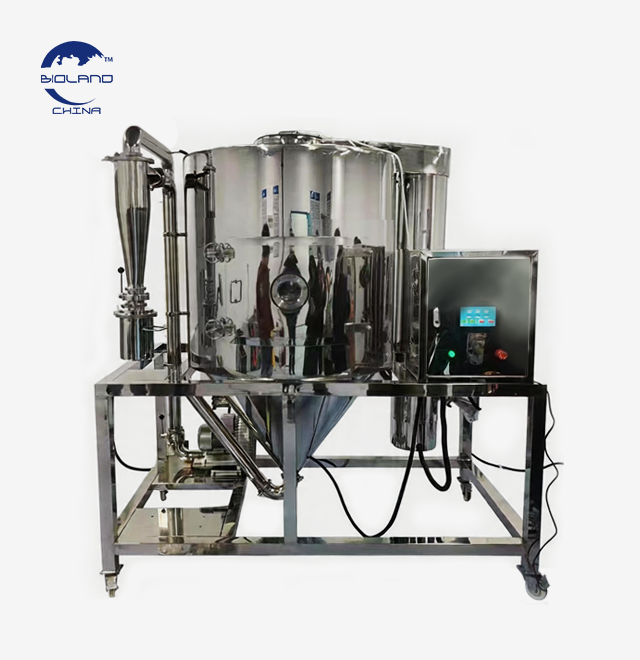
These days, extraction methods are much more complex than just mashing or processing by hand. Modern botanical extraction machinelet users precisely control temperature, pressure, and the way solvents interact with each other. This lets them target specific molecules while leaving behind unwanted ones. These tools solve important problems like uneven batch quality, compounds that break down when heated, and using a lot of solvents.
At BIOLAND INSTRUMENT, our extraction systems speed up output by automating settings that had to be changed by hand all the time before. This automation cuts down on mistakes made by people and makes sure that the process can be repeated, which is very important when going from lab study to test production and then to full production capacity.
Common Extraction Techniques in Industrial Applications
Depending on the chemical being extracted and the size of the production, each extraction method has its own specific use. Many people still use solvent extraction because it is flexible. To dissolve specific substances, ethanol, hexane, or other organic solvents can be used. High-frequency sound waves are used in ultrasonic extraction to break down cell walls. This speeds up the release of beneficial chemicals while working at lower temperatures. Under certain pressure and temperature conditions, supercritical CO2 extraction uses carbon dioxide as a selected solvent. This is a great way to make high-purity extracts without any leftover solvents.
Essential oils are mostly still made by steam distillation, which uses water vapor to move volatile chemicals away from plant matter. By removing solvents under pressure, rotary evaporation concentrates extracts while keeping chemicals that are sensitive to temperature. Each method has its own benefits when it comes to yield, purity, and scalability. Choosing the right tools is therefore a smart choice that affects both the quality of the product and the cost of running the business.
In-Depth Comparison of Key Botanical Extraction Methods
When choosing extraction technology, the procurement and engineering teams have to make hard choices. It's easier to make sure that equipment skills are in line with production goals when you know about operating differences, cost effects, and technology limitations.
Solvent Extraction Versus Ultrasonic Extraction
In traditional solvent extraction, the liquid needs to stay in contact with the plant material for a long time. Usually, it takes several hours to get a good yield. This method works well for strong compounds, but if heat is used to speed up the process, the compounds could break down. Costs of doing business include buying solvents, setting up recovery devices, and getting rid of trash.
Ultrasonic extraction changes this by using cavitation bubbles to break down cell structures, which cuts the time needed for extraction by a huge amount, to 24 to 40 minutes. Compared to the old ways of doing things, this is more than two-thirds less. The mechanical motion makes mass transfer better, which lets liquids get deeper into plant matter. In addition to being fast, ultrasonic systems work at lower temperatures (usually between 40 and 60°C), which protects substances like terpenes and phenolics that break down at higher temps.
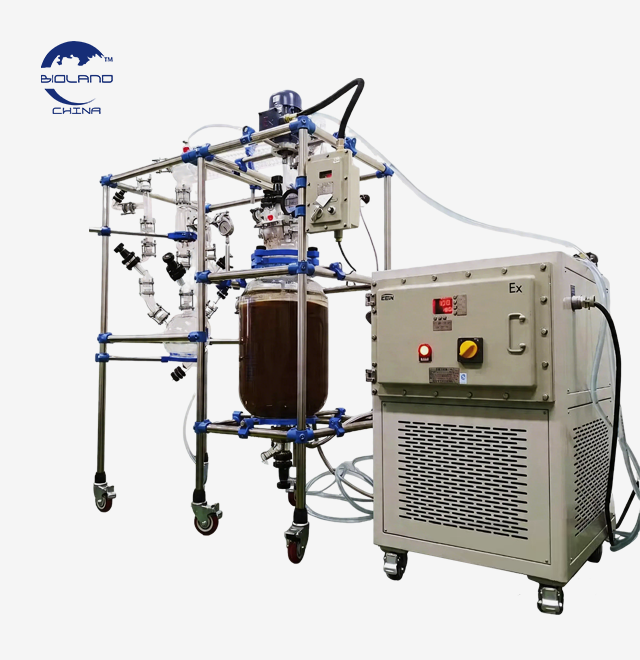
BIOLAND INSTRUMENT's botanical extraction machine integrates dual-ultrasonic configurations that enhance dissolution rates of active ingredients while maintaining production efficiency. This technology is especially helpful when working with expensive plants, since the purity of the compounds directly affects the market value.
Manual Versus Automatic Extraction Equipment
For manual extraction methods to work, someone has to keep an eye on the temperature, pressure, and timing all the time. Initial capital costs stay low, but labor costs rise quickly, and it gets harder to keep stability from batch to batch. Documentation needs in controlled businesses make things even more difficult to do by hand.
This process is changed by automatic extraction tools with PLC-based control systems that keep track of all the process parameters without constant human input. The constant logging of data by these systems creates the paper trail needed to meet FDA and GMP standards. Operators can keep an eye on multiple extraction rounds at the same time, which greatly increases the facility's output.
The investment pays off when you look at how much less work needs to be done, how consistent the yield is, and how few batches fail. BIOLAND's automatic systems cut down on production times and make sure that every batch meets strict standards. When giving pharmaceutical companies or nutraceutical products with strict quality standards, this consistency is very helpful.
Evaluating Cost and Maintenance Considerations
The cost of buying equipment is only one part of the total cost of ownership. Operational economics looks at things like how much solvent is used, how much energy is used, how often repair is done, and how well operators are trained. Even though they are expensive at first, supercritical CO2 devices don't need any solvents to work and make very little trash. Ethanol systems need strong repair facilities, but they can make more in a shorter amount of time.
Different technologies have very different maintenance needs. Regular inspections and hydraulic tests of pressure tanks are needed to make sure they meet safety standards. If the fluid doesn't react with the seals or gaskets, they need to be replaced. Sanitary tri-clamp connections make it easier to take apart equipment for cleaning, which cuts down on the time needed between product changes.
BIOLAND equipment has flexible functional setups that let you set it up in different ways. For example, it has CIP cleaning systems and automatic discharge devices that make manual work easier. Because of these design choices, upkeep work is cut down while still making sure that equipment meets cleanliness standards for as long as it is used.
How Botanical Extraction Machines Work: Underlying Technology and Processes
Understanding the technology procedure helps buying specialists figure out how complex the equipment is and how well it works with the process. Modern botanical extraction machine combine many smaller systems to get the best output while keeping the quality of the product.
Raw Material Preparation and Loading
The efficiency of extraction starts with preparing the materials correctly. Plant material comes in different forms, like dried leaves, roots, flowers, or seeds, and each needs to be shrunk in a certain way to get the most surface area exposure. Grinding or milling makes particles of the same size, which makes sure that the liquid can get through them all the same way. The amount of moisture changes how quickly an extract is extracted, so based on the chemical, pre-drying or controlled rehydration may be needed.
Loading systems range from automatic transport systems to batch charging that is done by hand. Continuous feeding methods keep the flow of output steady, which is good for large-scale operations. BIOLAND's tools can work in both batch and semi-continuous modes, which gives them options as their production grows.
Extraction Mechanics and Process Control
When it's full, the extraction tank turns into a very controlled habitat. Controlling the temperature stops compounds from breaking down and keeps solvents working at their best. Controlling the pressure, especially in supercritical systems, decides the selectivity of the solvent, which lets operators remove certain types of compounds more easily.
Agitation systems make sure that the solvent is spread out evenly and stop channeling, which is when the solvent runs through the path with the least resistance instead of touching all the plant material. Ultrasonic sensors create cavitation, which breaks down cell walls and releases materials inside the cells into the solvent. Circulation pumps move the liquid through the plant material, keeping concentration differences that keep the extraction going.
These technologies are built into BIOLAND's systems, along with automatic control interfaces that let workers set up extraction profiles. Temperature rising, pressure staging, and timed ultrasonic pulses can all be changed to fit different plants. This makes processes that can be used again and again and easily move from research and development to production.
Separation, Concentration, and Solvent Recovery
After extraction, the liquid stream has both target molecules that have been dissolved in the solvent and materials that were also removed. Filtration gets rid of particles, and the type of filter used depends on what else needs to be done. For medicinal uses, clarity is guaranteed by sintered metal screens that go down to 1 micron.
Most of the time, concentration happens in a vacuum to lower boiling points, which keeps heat damage from happening. When used in a lab, rotary evaporators work well, but falling-film or wiped-film evaporators are better for large production runs. Depending on the needs of the product, the concentrated extract goes on to the last steps of processing, which could be winterization, chromatography, or crystallization.
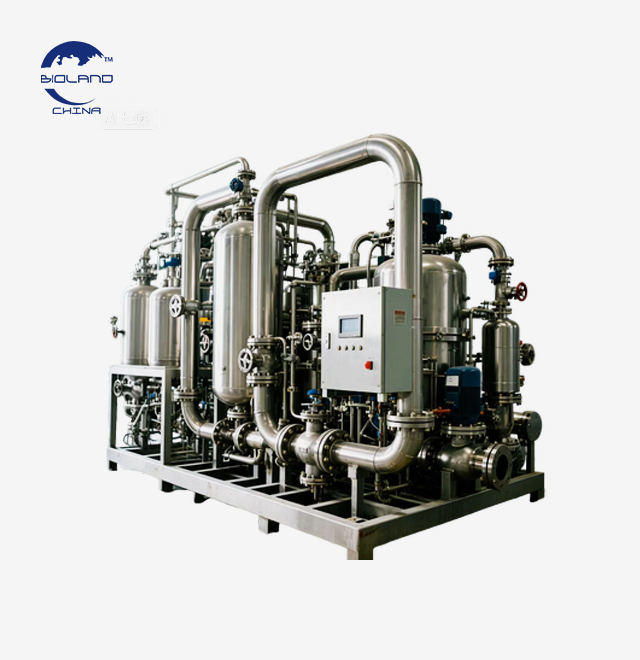
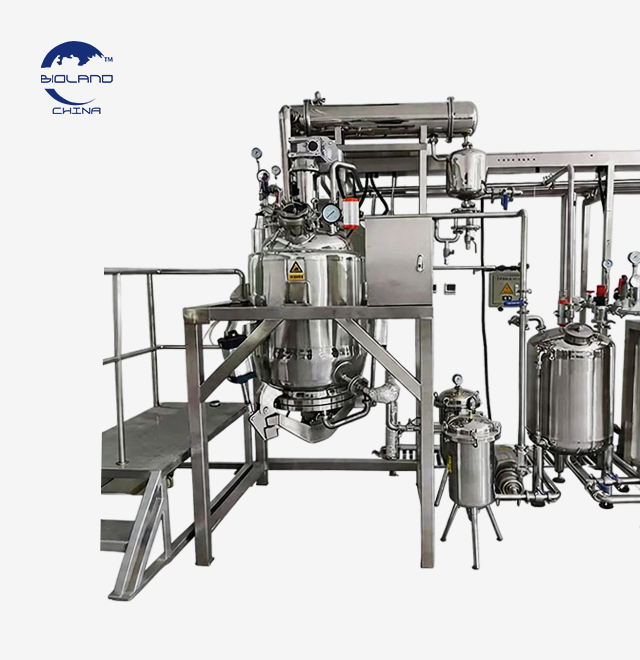
It is possible for solvent recovery devices to get back more than 95–98% of the liquids that have evaporated. This closed-loop method lowers both the cost of operation and the damage to the environment. BIOLAND's combined systems manage the process of extraction, filtration, concentration, and recovery all within a single piece of equipment. This reduces the amount of material that needs to be moved and the losses that come with it.
Technological Advancements Driving Efficiency
Because of new technologies, mining is now a science instead of an art. IoT-enabled sensors constantly check process factors and send data to cloud-based analytics tools that look for ways to make things better. Predictive maintenance programs look at patterns of sound and changes in temperature to plan when to replace parts before they break.
Supercritical CO2, water, and bio-based options are eco-friendly solvents that meet customer desire for "green" items while also being good for the environment. When working with flammable materials, workers and facilities are safer thanks to features like explosion-proof designs, automated liquid leak detection, and emergency air systems.
BIOLAND's equipment uses these new technologies by offering optional setups like fully explosion-proof systems that meet ATEX standards, dual-condenser designs that make recovery more efficient, and updates to building materials to 316 stainless steel that is compatible with corrosive solvents.
Selecting the Right Botanical Extraction Machine for Your Business Needs
When choosing equipment, you have to weigh the technical needs against the operational facts and cash limits. The right machine meets the needs of current output while also leaving room for growth in the future.
Production Scale and Throughput Requirements
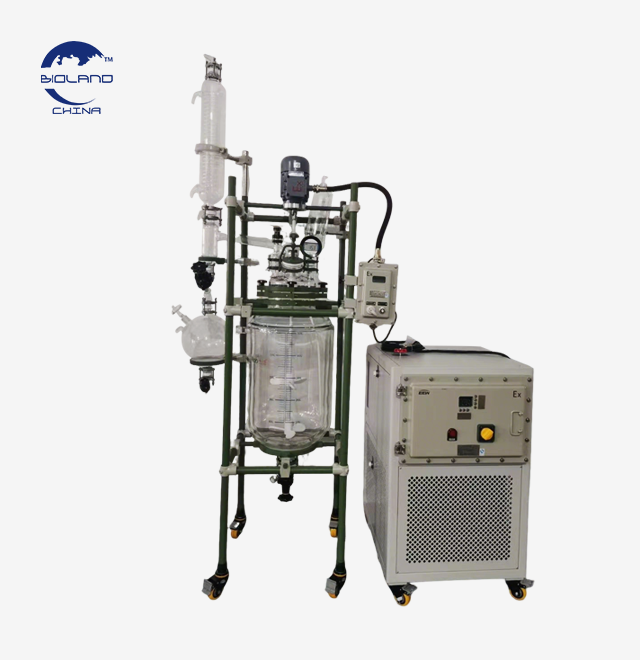
Laboratory-scale botanical extraction machine can handle sample amounts ranging from a few milliliters to several liters. This helps with formulating new drugs and improving the way they are made. Pilot-scale systems handle 10 to 100 liters of material per batch to test scale-up parameters and make material for stable testing. They are the link between research and production. Production-scale equipment has capacities ranging from hundreds of gallons to several cubic meters and is made to work continuously and turn over batches quickly.
BIOLAND works with all of these types of systems, from small units used in pharmaceutical research to huge extraction lines that process tons of plant matter every day. Our engineering team helps clients choose the right size equipment so they don't waste money on extra capacity and make sure tools won't slow down production as it grows.
Efficiency Metrics and Operating Costs
The amount of target compound that is recovered from the raw material is called extraction yield. It has a direct effect on the cost of raw materials and the earnings of the product. Even small improvements in equipment that raises yield can add up to big savings over time. Different methods use very different amounts of energy. For example, high-pressure CO2 systems need a lot of power for the generator, while ultrasonic systems only need a small amount.
Operating costs are greatly affected by how much solvent is used and how well it is recovered. A system that recovers 98% of the material needs only 2% of the makeup solvent per cycle, while designs that aren't as good need 5% or 10%. This difference adds up over thousands of batches, which saves a lot of money and cuts down on trash dumping fees.
Depending on the plant and compound being extracted, BIOLAND's tools makes extraction 50–100% more efficient than standard ways. These benefits come from combined methods that use ultrasound help, better temperature control, and more surface area touch.
Evaluating Manufacturer Credentials and Support
Buying equipment is an expense that lasts for many years and needs ongoing technical help. Long-term happiness is affected by the image of the manufacturer, the certifications that are met, and the availability of the service network. Certifications like CE and ISO show that a product meets safety and quality standards. Certifications specific to an industry, like GMP compliance, make sure that the product can be used in controlled production.
How quickly production starts up again after equipment problems depends on how well the after-sales help works. Downtime is kept to a minimum by manufacturers who offer remote diagnostics, extra parts supplies, and field service experts. Training programs make sure that workers know how to use the tools and fix problems, which lowers the need for outside help.
BIOLAND offers full help, including installation and commissioning, training for operators, and ongoing expert support. Our professional team uses pictures and videos to keep clients up to date on the progress of the project and keep them updated at all times. The equipment comes with a one-year guarantee and can be serviced for life, which protects your investment over the long run.
Customization and OEM Capabilities
Standard tools can be used for many things, but for special plants or new processes, it's often necessary to make custom solutions. Manufacturers that offer OEM and ODM services can change the layout of vessels, add special sensors, or change the reasoning behind the controls to meet specific needs. This freedom is especially helpful when moving secret lab processes to a larger output level.
BIOLAND can customize everything from the choice of material (316 stainless steel for corrosive uses) to full packaged systems that include planning the workshop, choosing the right tools, and making sure the process works. Our engineers work with clients to understand their specific problems and come up with solutions that work well with the production machinery that is already in place.
Best Practices for Botanical Extraction Machine Maintenance and Safety
Careful repair and strict safety rules are needed to make sure that equipment lasts a long time and operators stay safe. Machines that are well taken care of keep working well for decades, while machines that aren't taken care of break down early and pose safety risks.
Routine Cleaning and Component Inspection
Buildup of leftover plant matter and extract lowers the effectiveness of extraction and raises the risk of pollution. As part of daily cleaning, fluid lines should be flushed, sight glasses should be checked, and filter elements should be cleaned. A lot of this process is done automatically by CIP systems, which move cleaning solutions through pipes and tanks to get rid of leftovers without taking them apart.
Every week, mechanical parts are inspected, such as pump seals for leaks, mixer bearings for strange noises, and temperature monitors to make sure they read correctly. As part of regular maintenance, moving parts need to be oiled, safety interlocks need to be tested, and pressure readings need to be calibrated. During annual shutdowns, the insides of pressure vessels can be thoroughly inspected, gaskets can be replaced, and, if needed by code, hydraulic testing can be done.
BIOLAND botanical extraction machine is easier to maintain because it is made up of separate modules that are easy to reach. Sanitary tri-clamp connections make it easy to take things apart quickly and without special tools, which cuts down on repair time and labor costs.
Troubleshooting Common Issues
Lessening extraction rates are often a sign of clogged filters, worn-out seals that let vacuum leaks happen, or temperature control drift. Systematic fixing starts with comparing process parameters to standard values. Next, parts are inspected in the order of how likely they are to fail. Keeping detailed logbooks helps find trends that can help you predict problems with tools before they stop production.
When scaling affects the condenser or when vacuum pumps lose their ability to hold solvent, the efficiency of solvent recovery goes down. By measuring recovery rates and comparing them to design standards on a regular basis, performance testing can find degradation trends early on. Fixing small problems right away stops bigger problems from happening that need more thorough fixes.
Safety Protocols for Solvent Handling
Solvents that can catch fire, like ethanol and fuels, need strict safety control. Facilities must have proper airflow that meets either Class 1 Division 1 or Division 2 guidelines, based on the risk of vapor buildup. Electrical parts that aren't prone to explosions get rid of sources of fire in dangerous places. Solvent leak detection systems that are automated set off emergency stop processes and ventilation.
Dependent on the solvent's toxicity and fire risk, different types of personal safety tools are needed. When system entry is needed, operators need to wear the right gloves, eye protection, and breathing protection. Fire control and spill prevention systems need to be easy to get to and checked regularly.
BIOLAND's alternative full explosion-proof designs build these safety standards into the structure of the equipment, protecting it without having to make changes to the whole building. Our training programs make sure that workers know how to both use the tools and know what to do in an emergency.
Conclusion
To choose the right extraction method, you have to weigh technical performance, running costs, and safety concerns. Plant extraction used to be done by hand, but now we have modern tools that make it a controlled, repeatable process that meets the high standards of pharmaceutical and nutritional production. When purchasing teams know the pros and cons of various extraction methods, they can choose equipment that meets both present output needs and plans for future growth. When you invest in good botanical extraction machine, you get better yields, lower running costs, and consistent product quality that makes your place in the market stronger.
FAQ
What is the most efficient extraction method for essential oils?
Steam distillation is still the most common way to make essential oils because it works without using any solvents and is good at concentrating volatile fragrant compounds. When it comes to heat-sensitive chemicals, supercritical CO2 extraction gives better results, but it costs more. The best choice depends on how volatile the goal chemical is, how pure it needs to be, and how much it needs to be made.
How do I choose between manual and automatic extraction equipment?
Automatic equipment is worth the extra money it costs at first because it saves time and money on labor, makes batches more consistent, and can keep all the records that are needed in controlled industries. Businesses that process more than 100 kg of plant matter every month usually see a return on their investment (ROI) in two years. Manual systems work best for specialty tasks that need to be done in small amounts and where freedom is more important than output.
Can extraction machines scale production without compromising quality?
Modern extraction systems use precise parameter control to keep quality consistent across scale. Pay close attention to heat transfer rates, mixing dynamics, and dwell time distribution when moving from the lab to production. Working with experienced makers during scale-up makes sure that the conditions set for the process on a small scale work well at a larger output level.
Partner with BIOLAND for Advanced Extraction Solutions
BIOLAND INSTRUMENT is an expert with more than 15 years of experience developing and making high-performance extraction tools for tough jobs. As a trusted botanical extraction machine supplier, we offer full solutions, from the initial meeting to installation, setup, and ongoing support. Our systems are designed to meet GMP standards and have been certified by CE, ISO, UL, SGS, ATEX, and IEC. This makes sure that they are legal in all global markets.
Optional equipment options include PLC automation, explosion-proof systems, dual-condenser designs, and building from 316 stainless steel that is made to fit your process needs. We have successfully delivered extraction lines for processing stevia, propolis, capsaicin, curcumin, and mushrooms, showing that our systems work well with a wide range of plants. Get in touch with our expert team at info@biolandequip.com to talk about your project needs and find out how our unique extraction solutions can help your production.
References
1. Smith, R.M., "Extraction Methods in Pharmaceutical Analysis," Journal of Pharmaceutical Sciences, 2021.
2. Zhang, Q.W., Lin, L.G., Ye, W.C., "Techniques for Extraction and Isolation of Natural Products: A Comprehensive Review," Chinese Medicine, 2018.
3. Azmir, J., et al., "Techniques for Extraction of Bioactive Compounds from Plant Materials: A Review," Journal of Food Engineering, 2013.
4. Chemat, F., Vian, M.A., Cravotto, G., "Green Extraction of Natural Products: Concept and Principles," International Journal of Molecular Sciences, 2012.
5. Wang, L., Weller, C.L., "Recent Advances in Extraction of Nutraceuticals from Plants," Trends in Food Science & Technology, 2006.
6. Pourmortazavi, S.M., Hajimirsadeghi, S.S., "Supercritical Fluid Extraction in Plant Essential and Volatile Oil Analysis," Journal of Chromatography A, 2007.
The reactor is beautifully mirror-polished and fully complies with GMP requirements for the pharmaceutical industry. The performance is excellent! Overall, we are very satisfied! We also provided with some feedback on our process improvements, which we hope will be helpful.
2024-04-09
Laboratory
Excellent and professional service. Always reply our questions very fast. All reactors and chiller we received are good too.
2024-02-15
Research Institute
Quality is beyond our expectation actually. After we got the extraction equipment and started using it, the performance was beyond our expectation. Very easy to use and very efficient to run. Service always respond us very quickly. Was also very helpful to help us. Thanks Bioland team. Very happy to work with you.
2023-11-20
Biotech Company
We are happy about the new purchase as always. Equipment and services are both good.
2023-08-05
Instrument Lab
This is the second order with Bioland instrument and everything is good as the first dateText.
2023-05-12
Global Trading Partner
Bioland instrument team is very helpful and professional. The sales helped us select the right equipment for our application, and their logistics people handled the transportation and customs declaration for our shipment. All that saved us a lot of work.