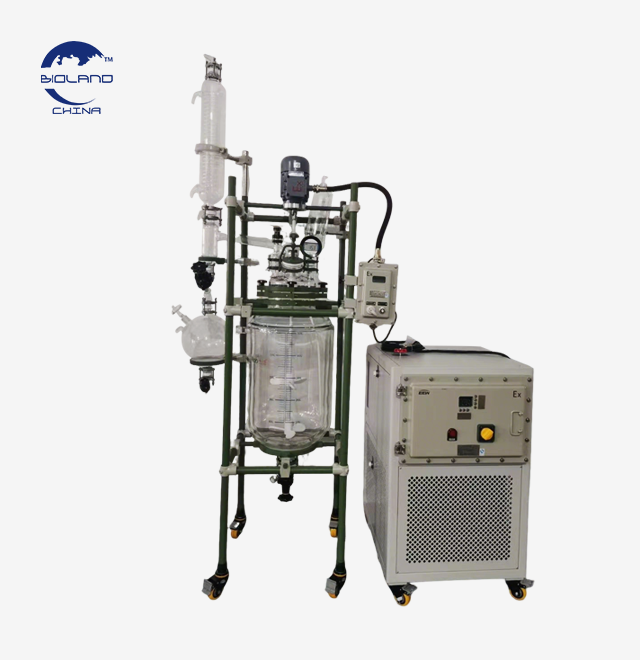
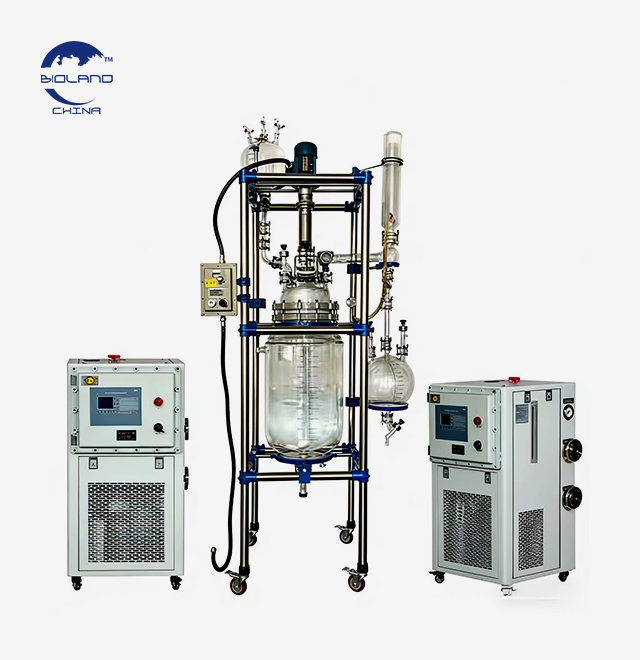
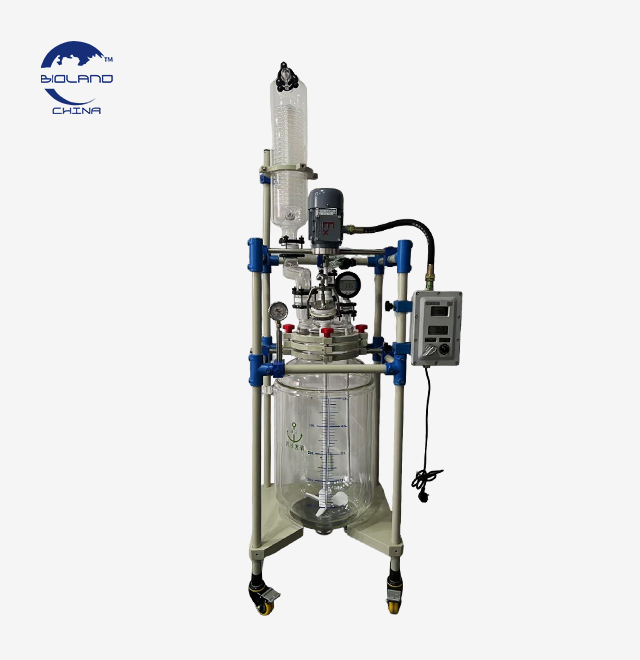
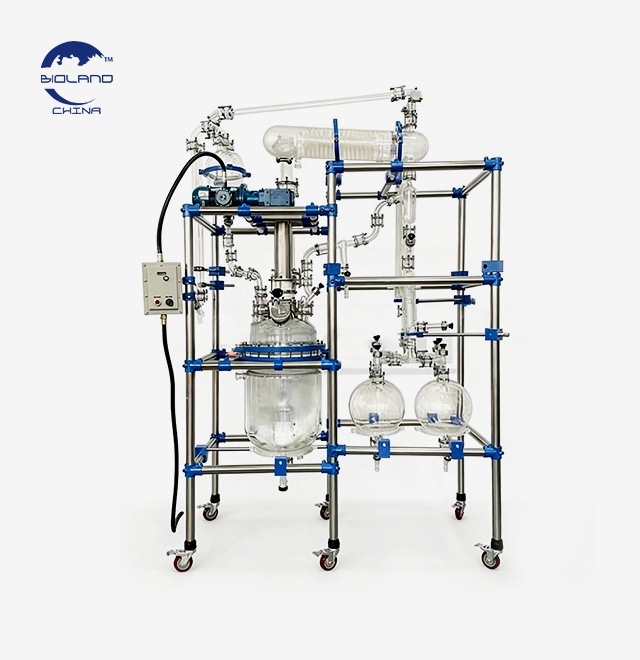
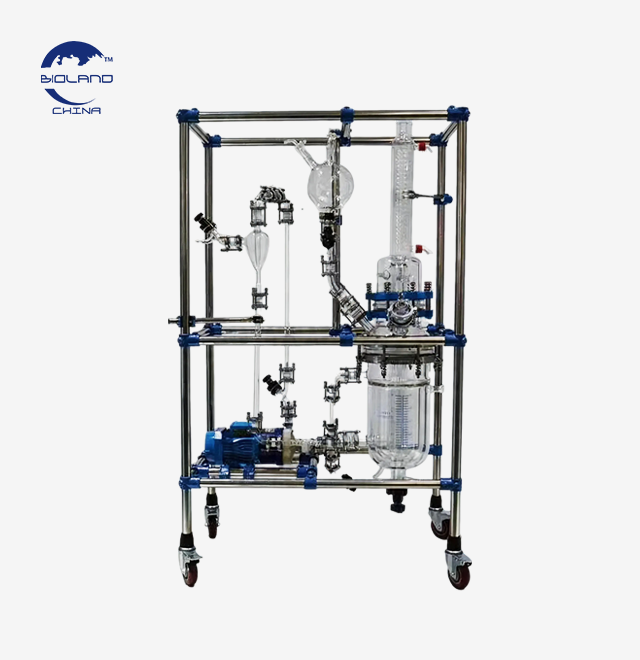
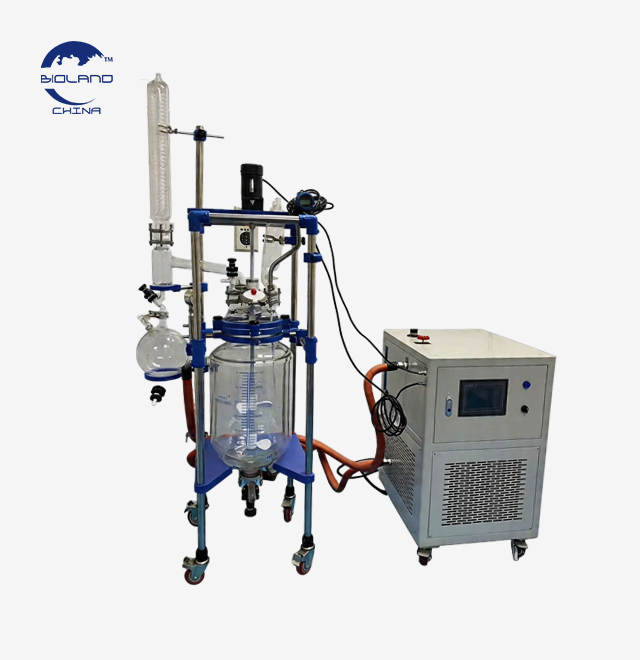
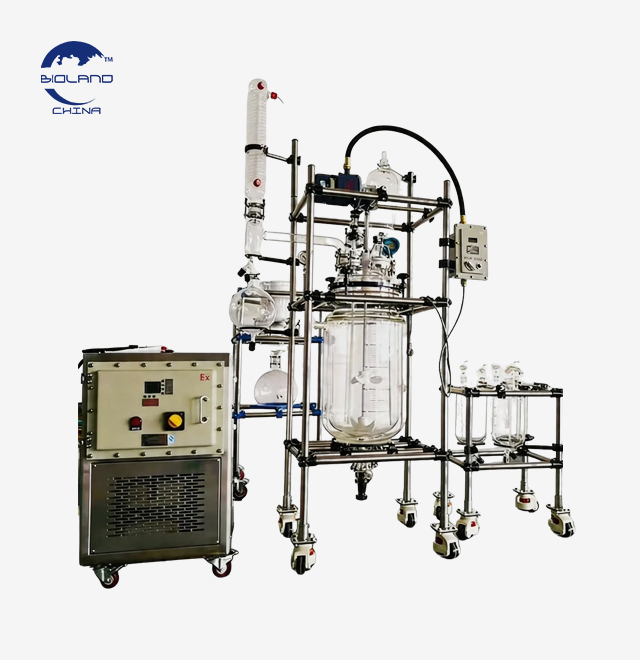
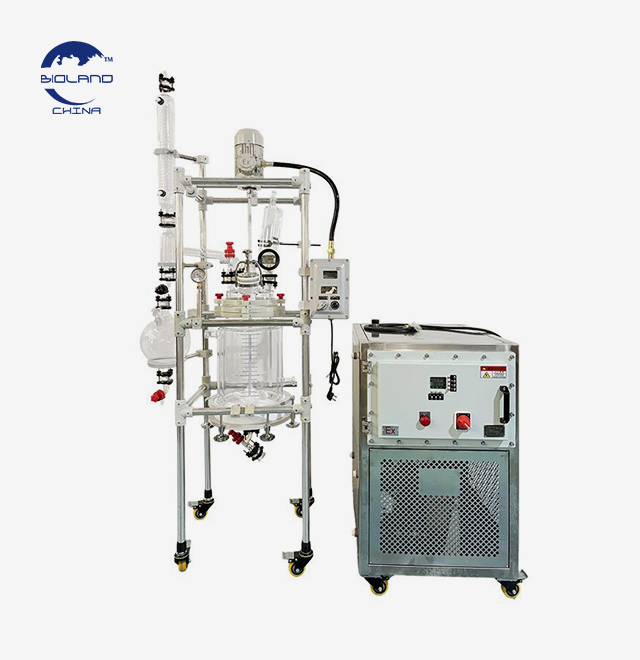
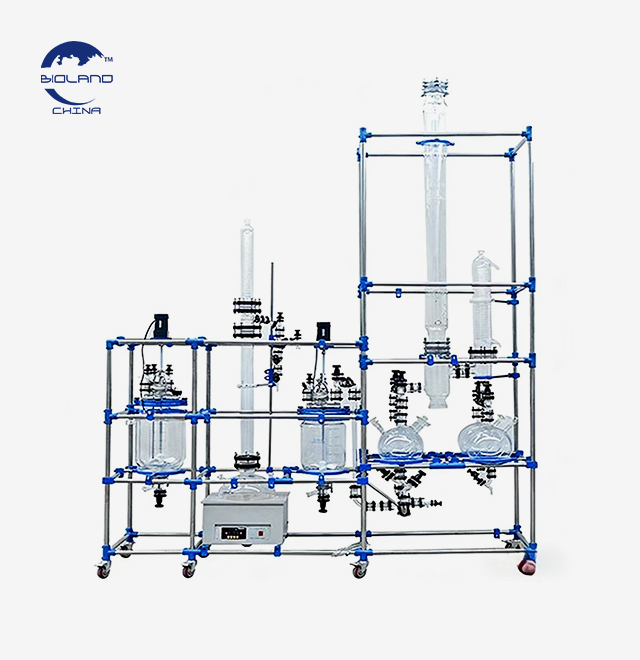
Lab Scale Pyrolysis Reactor — Precision Thermochemical Research from −80°C to 1200°C
Xi'an Bioland Instrument Co., Ltd. (founded in 2008) has specialized in thermochemical reaction equipment manufacturing for over 15 years. Our lab scale pyrolysis reactors deliver ±1°C PID temperature control accuracy, with heating rates ranging from 10°C/min (slow pyrolysis) to 1000°C/s (flash pyrolysis), and a maximum operating temperature of 1200°C. The system supports four configurations: fixed bed, fluidized bed, screw-driven, and rotary kiln. Reactor tube materials are available in Inconel 625, Hastelloy C-276, or 310S stainless steel. Certified to CE, ISO, ATEX, and IEC, these systems help research teams obtain reliable kinetic data and smoothly advance to pilot-scale scale-up.
Core Functions & Advantages
Reliable Hot-Zone Control for Guarantyd Data Reproducibility
The ±1°C PID system keeps the reaction zone at an isothermal condition and provides clean, reproducible kinetic data in each experiment. Switch to 10°C/min slow pyrolysis and >1000°C/s flash pyrolysis settings, with no change in hardware.
Selection of Materials for Corrosive Feedstocks
Hastelloy C-276 and Inconel 625 reactor tubes preserve the structural integrity in high temperature chloride corrosion environment. They can be used with chlorine containing feedstock like PVC and electronic wastes. 316L/310S stainless steel satisfies most biomass and plastics applications.
Modular Reactor Design — One Machine, Multiple Uses
Quick changeover between fixed-bed, fluidized-bed, screw and rotary kiln configurations. They can be carried out in one day (or several) and do not require the purchase of special equipment, which reduces the total cost of tests.
Integrated Condensation & Gas Handling – Elimination of Tar Blockages
outflow lines are electrically heat traced to maintain temperature from reactor outflow to condenser inlet. Controlled fractional condensation combined with a multi-stage condensation train and optional electrostatic precipitator stage solves essentially the most common tar obstruction problem in pyrolysis labs.
Real Time Process Visualisation & Analysis Online
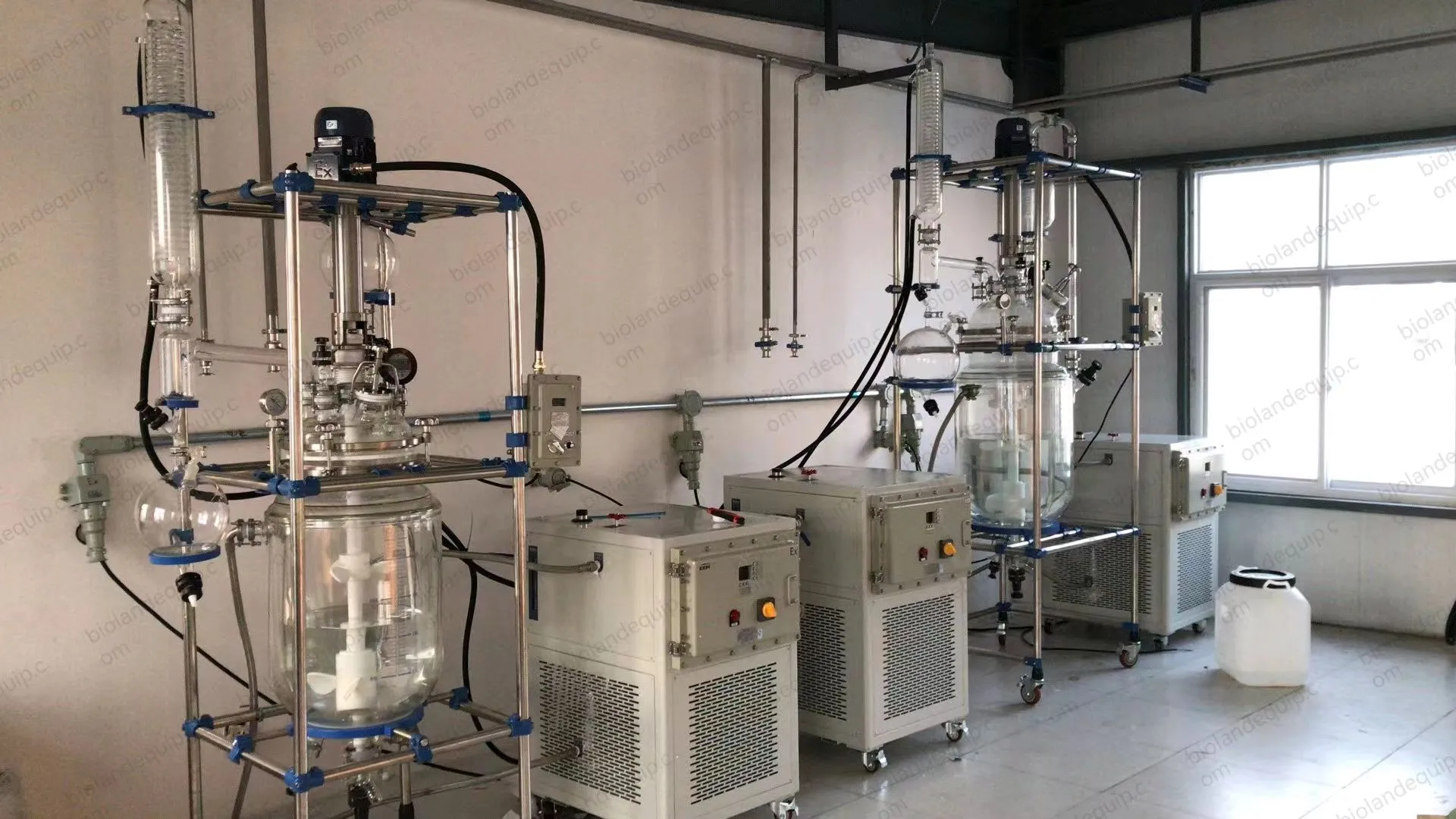
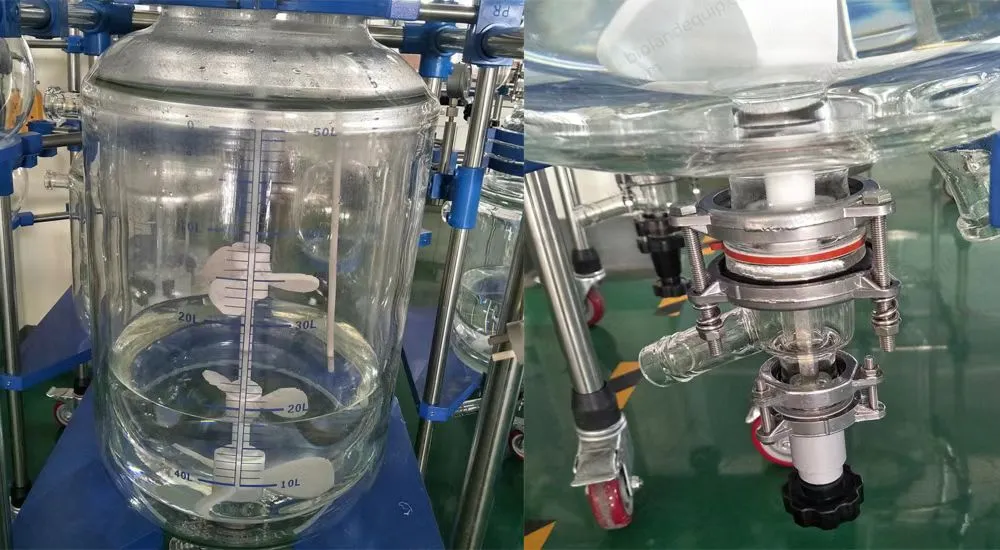
The clear GG17 glass vessel allows direct visual observation of the reaction process. The reactor output can be optionally connected to a Micro-GC, GC-MS or FTIR, obtaining visual and analytical data simultaneously for improved experimental efficiency.
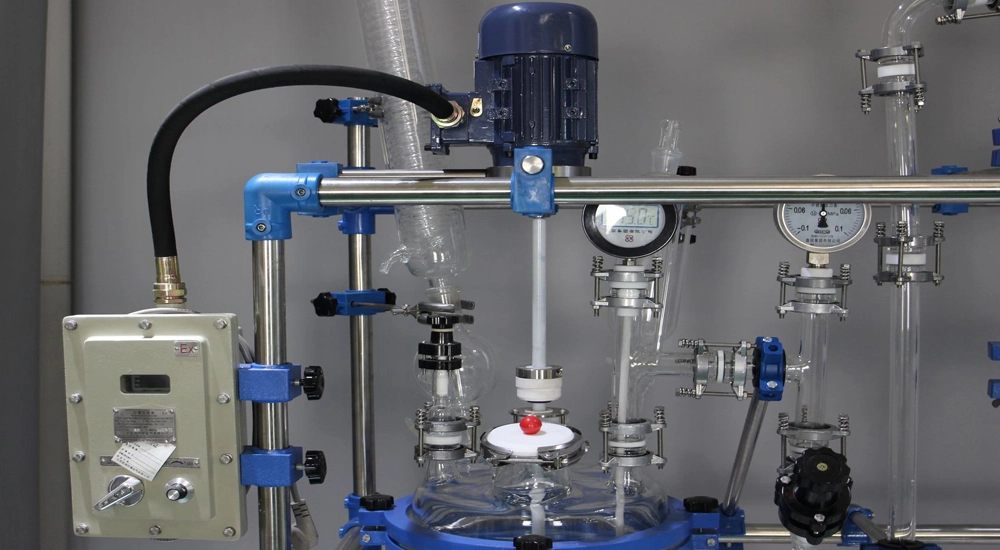
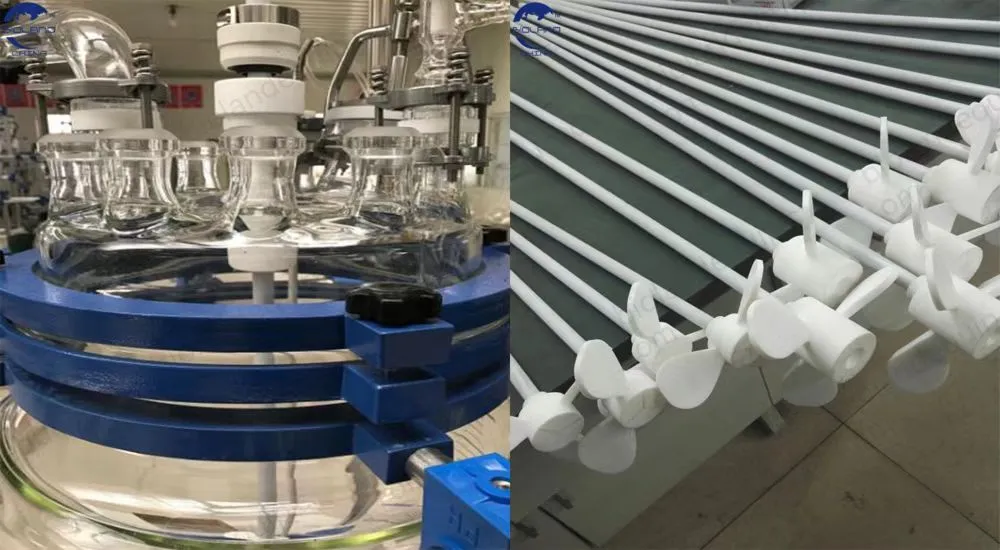
How It Works?
Feedstock enters the lab scale pyrolysis reactor under a sealed inert atmosphere (N₂ or Ar), completely isolated from oxygen.
The PID controller ramps temperature at the set rate, with multi-point sensors recording the hot-zone temperature distribution curve.
Pyrolysis volatiles pass through heated transfer lines into the condensation system: heavier fractions condense first as bio-oil or liquid hydrocarbons, while lighter non-condensable gases enter an online gas analyzer or gas collection bag. Solid char remains in the reactor tube for subsequent characterization.
Vacuum operation mode lowers the effective boiling points of components, used in tire pyrolysis to improve high-grade recovered carbon black (rCB) recovery rates.
Pre-Sales & After-Sales Services
- Pre-Sales Consultation: Technical evaluation of reactor configuration, reactor tube materials, and atmosphere control solutions
- Production Tracking: Dedicated specialist provides weekly photo/video updates
- Factory Acceptance Test (FAT): Pre-shipment factory inspection supported
- Installation Support: Remote guidance and complete documentation to assist startup and commissioning
- Warranty: One-year full machine quality warranty, lifetime maintenance support
- Custom Development: Size, agitation method, pressure rating, and automation level configurable on demand
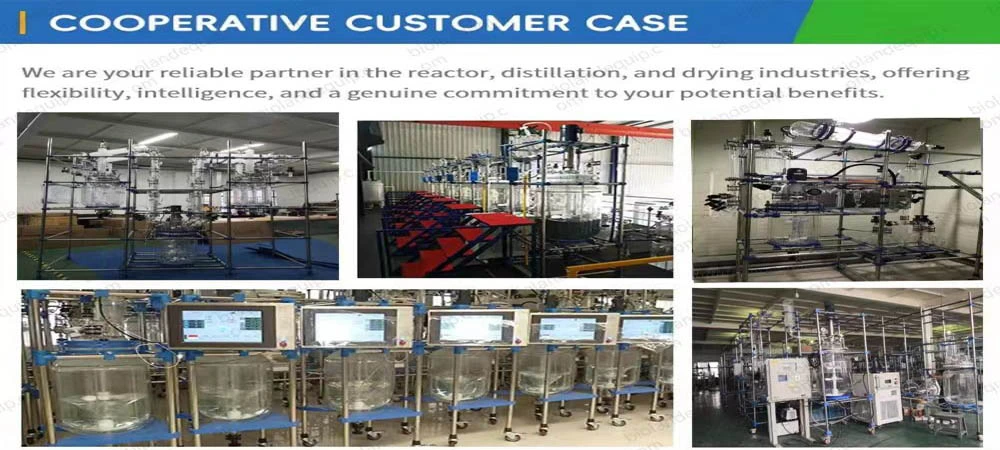
Technical Parameters
|
type
|
volume
(L)
|
Motor power
(W)
|
Speed
(r/min)
|
Stirring torque(1300r/min)
|
Inside/outside tube diameter
(mm)
|
Reactor vessel cover relevant opening size
|
|
|
|
|
|
|
|
center
|
left
|
right
|
later
|
before
|
|
BL-150
|
150
|
370
|
10-680
|
28000g.cm
|
600*550
|
50#
|
40#
|
34#
|
34#
|
29#
|
|
BL-100
|
100
|
250
|
|
22000g.cm
|
460*500
|
50#
|
40#
|
34#
|
34#
|
29#
|
|
BL-80
|
80
|
250
|
|
22000g.cm
|
460*500
|
50#
|
40#
|
34#
|
34#
|
29#
|
|
BL-50
|
50
|
180
|
|
15000g.cm
|
360*405
|
50#
|
40#
|
34#
|
34#
|
29#
|
|
BL-30
|
30
|
180
|
|
15000g.cm
|
315*360
|
50#
|
40#
|
34#
|
34#
|
29#
|
|
BL-20
|
20
|
120
|
|
12000g.cm
|
315*360
|
50#
|
40#
|
34#
|
34#
|
29#
|
|
BL-10
|
10
|
120
|
|
12000.g.cm
|
245*260
|
50#
|
40#
|
34#
|
34#
|
29#
|
|
BL-5
|
5
|
90
|
|
9000.g.cm
|
200*230
|
50#
|
29#
|
24#
|
24#
|
19#
|
Construction & Materials
The core of the system is the reactor tube. 310S stainless steel for biomass and coal applications below 1200°C. Inconel 625 and Hastelloy C-276 are acceptable for corrosive feedstocks.
All pressure bearing welds are inspected by non destructive testing (dye penetrant or X-ray examination) before delivery to check their integrity. Helium leak testing of vacuum side interfaces demonstrates tightness <1×10⁻⁵ mbar·L/s without any trace oxygen penetration.
The glass vessel part is made of GG17 borosilicate glass and is resistant to acids, bases and organic solvents. Double sealing and spark-free motor ensure reliable ignition protection in the handling of combustible pyrolysis vapours.
Application Fields
Valorisation of Waste Plastic
Screening of zeolite catalysts for conversion of PE, PP and PS to aromatics or fuel range hydrocarbons. The reactor tube's modular construction permits waxy deposit removal without completely dismantling the equipment.
Research on Lignocellulosic Biomass
Optimisation of bio-oil and biochar yields of agricultural leftovers or wood chips. Accurate fraction statistics for the creation of second generation biofuels are obtained by careful regulation of the N₂/Ar environment to prevent combustion.
Tire & Rubber Depolymerisation
Laboratory feasibility verification to recover limonene and high-grade rCB under simulated vacuum pyrolysis conditions prior to financial commitment for commercial scale
Pharmaceutical & Fine Chemicals Synthesis
The glass vessel part has reaction, distillation, extraction and condensation capabilities and can be used for thermochemical work as well as synthesis of pharmaceutical intermediates. It works between −80 °C and 200 °C.
Why Choose Us?
Xi'an Bioland Instrument Co., Ltd. has continuously supplied thermal processing and reaction equipment to pharmaceutical, biopharmaceutical, and chemical research teams worldwide since 2008, with products exported to Germany, the Netherlands, Malaysia, Thailand, and more than 20 other countries and regions.
- Custom Services: OEM/ODM supported; custom models ship within 30 business days
- Standard Models: Shipped from stock in 5–7 business days
- Logistics Support: Full-channel coverage by sea, rail, and air
- Warranty Policy: One-year full machine quality warranty, lifetime maintenance support
- Production Tracking: Dedicated engineer provides weekly photo/video progress updates
Quality Certifications & Compliance
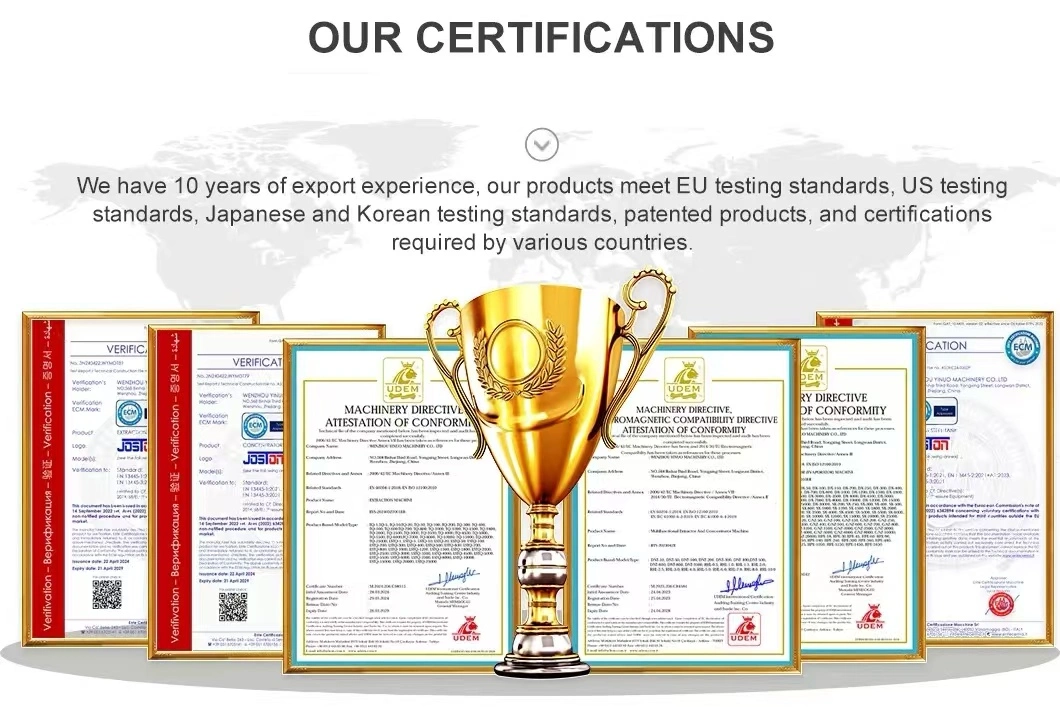
Each unit is supplied with CE and ISO documentation; ATEX and IEC certifications cover operation under potentially explosive atmospheres. Temperature Uniformity Surveys (TUS) are performed per AMS 2750 standards to verify hot-zone consistency. Safety interlock systems (over-temperature protection and emergency pressure relief valves) undergo functional testing before shipment, complying with OSHA and CE laboratory safety protocols. Pressure-bearing weld integrity is verified by NDT per PED/ASME requirements.
FAQ
Q: How does the system prevent tar condensation and line blockage?
A: Electrically heat-traced transfer lines maintain vapor temperature from reactor outlet to condenser inlet. The multi-stage condensation train (with optional electrostatic precipitator stage) achieves fractional separation in a controlled sequence, preventing random tar solidification in the lines.
Q: Can it handle corrosive feedstocks such as PVC or electronic waste?
A: Yes. For chlorine-containing feedstocks that release HCl at high temperatures, the reactor tube is upgraded to Hastelloy C-276 or Inconel 625, maintaining structural integrity under sustained high-temperature chloride attack.
Q: What residence time ranges can be achieved?
A: The fluidized bed configuration can achieve second-scale residence times, suitable for flash pyrolysis. Screw-driven and rotary kiln designs adjust residence time via variable frequency drives, covering slow and medium pyrolysis ranges from several minutes to several hours.
Q: Can the reactor be connected to an online gas analyzer?
A: Yes. The reactor outlet heated transfer line can directly interface with Micro-GC, GC-MS, or FTIR instruments, acquiring real-time non-condensable gas composition data throughout the experiment.
Q: What are the sample size requirements?
A: Microreactor models can process milligram-scale samples, suitable for scarce or high-value feedstocks. Continuous feed models (screw-driven or fluidized bed) typically require 0.5–5 kg/h throughput to reach reaction steady state.
Q: Is customization supported for specific research needs?
A: Yes. Reactor size, tube material, atmosphere type, agitation configuration, pressure rating, and automation level are all configurable. Please send your process requirements to our technical team, and we will design a targeted solution.
Contact Us
Welcome to send your lab scale pyrolysis reactor requirements to info@biolandequip.com. Our technical team will respond within 24 hours.