Glass Biological Reactor for Bioprocess R&D — Precision Cultivation Vessel with Full Process Control
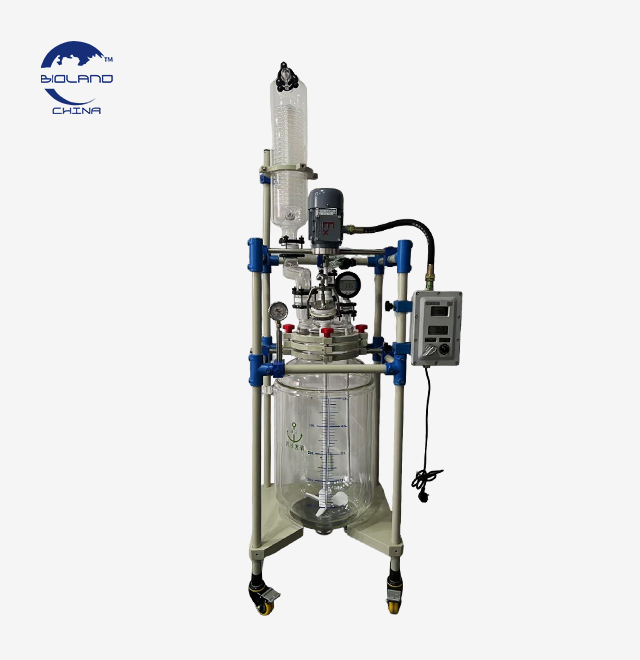
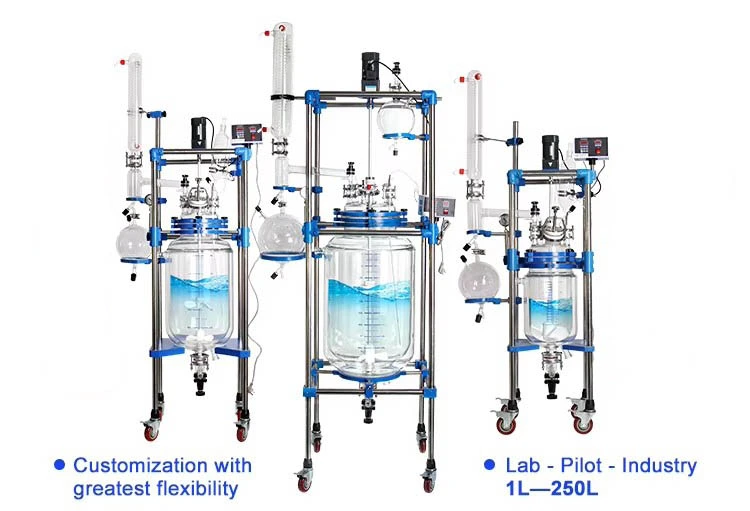
Xi'an Bioland Instrument's glass biological reactor is engineered for controlled cultivation of microorganisms, mammalian cells, and plant cells across research and pilot-scale applications. Built from Borosilicate Glass 3.3 (DIN ISO 3585), each vessel delivers optical transparency for real-time visual monitoring, ±0.1°C jacketed temperature control, and CE/ISO/GMP/FDA-compliant construction — giving process scientists the precision and regulatory confidence needed from early R&D through scale-up. Custom configurations ship within 30 days.
Key Features & Benefits
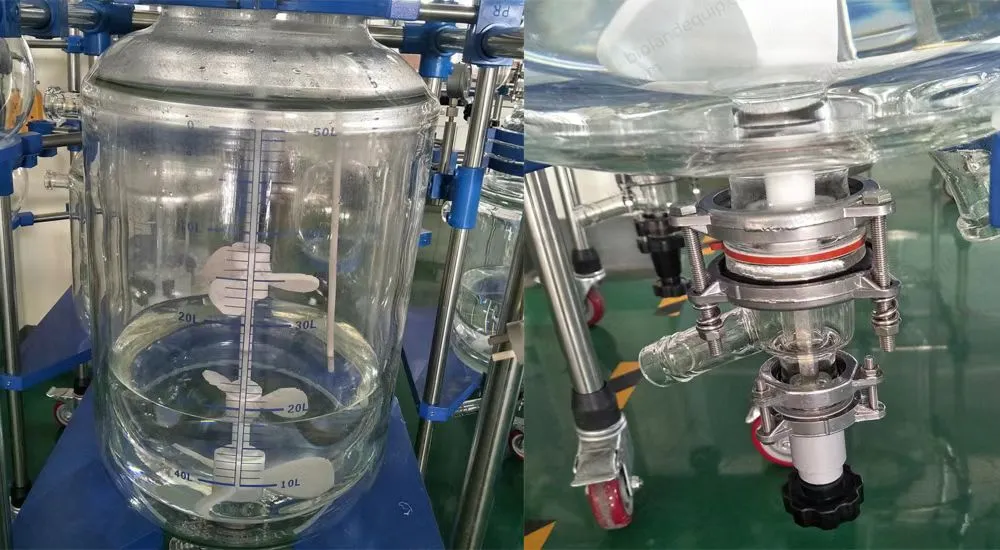
Full optical transparency for real-time process observation Borosilicate Glass 3.3 provides 360° visibility into your culture. Monitor foam formation, impeller hydrodynamics, and cell suspension directly — without invasive sampling — to detect process deviations the moment they occur.
±0.1°C temperature precision across the full working range The double-wall jacketed design circulates coolant or heated water with precision validated against calibrated reference probes. For temperature-sensitive mammalian cell cultures, this consistency directly protects yield and batch reproducibility.
Electropolished 316L steel contact surfaces for contamination control All stainless steel headplate components are finished to Ra < 0.4µm and verified by profilometer. Reduced surface roughness means less biofilm adhesion and faster validated cleaning between runs.
Configurable PLC automation with data logging for CPP compliance The optional PLC monitors pH, dissolved oxygen, temperature, and agitation speed with continuous data logging. Explosion-proof configurations are available for processes involving flammable solvents.
How It Works?
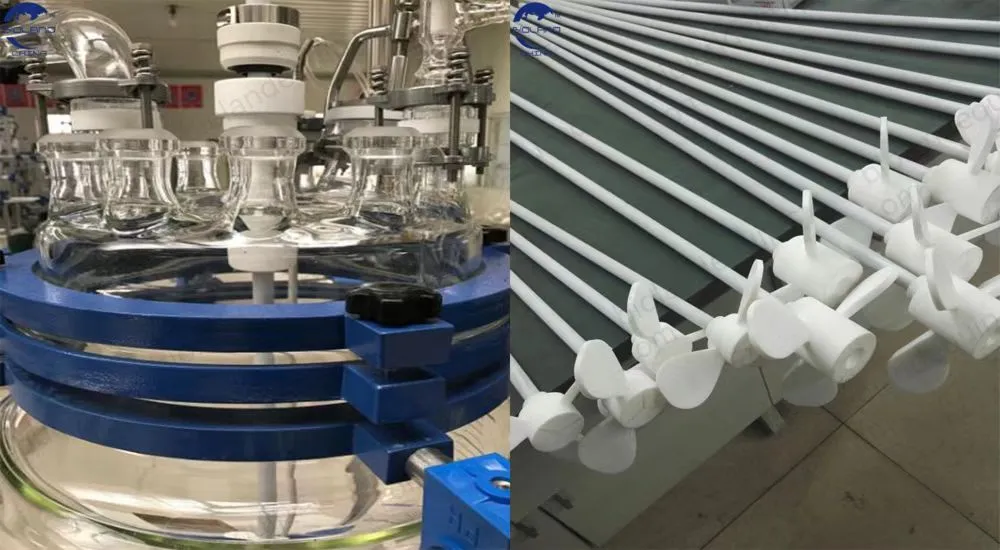
The glass vessel of the glass biological reactor holds your culture medium and biological agents. A stainless steel headplate fitted with multiple ports accepts pH probes, DO sensors, feed lines, and sampling ports — all using standardized Pg13.5 thread fittings compatible with major sensor brands.
Agitation is delivered by either a magnetic drive (suitable for standard microbial and cell cultures) or a direct overhead mechanical drive with high-torque motors for viscous mycelial applications. Helical ribbon impellers are available for cultures where shear sensitivity is a design constraint.
Gas spargers positioned below the impeller introduce air or oxygen-enriched gas to meet high-demand oxygen transfer requirements. The control unit continuously adjusts airflow, agitation, and temperature in closed-loop mode throughout the run.
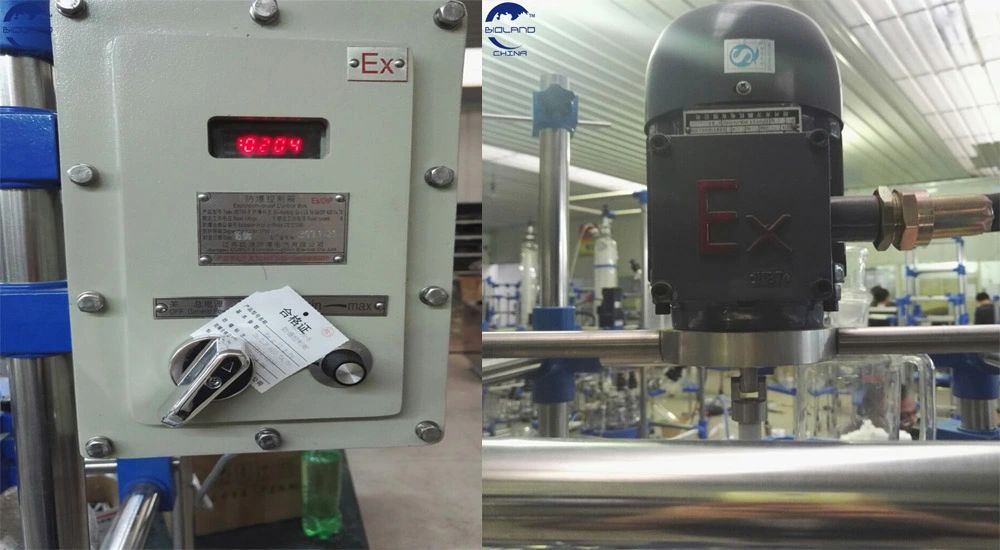
Construction & Material Verification
The low thermal expansion coefficient (3.3 × 10⁻⁶ K⁻¹) enables the glass vessel to withstand repeated autoclave cycles without micro-cracking. Jacketed models are hydrostatic pressure tested at 1.5× operating pressure (0.5–1.0 barg) before leaving the factory.
Material traceability is maintained through:
· XRF analysis on all 316L stainless steel components to verify alloy composition
· FTIR spectroscopy on elastomeric seals to confirm USP Class VI compliance
· Profilometer measurement on every steel surface in contact with process fluid
· Helium leak testing or pressure hold testing on fully assembled headplates to verify anaerobic integrity and sterility assurance level (SAL)
Application Fields
Biopharmaceutical R&D
Culture CHO and Vero cells for monoclonal antibody and vaccine development. Visual monitoring allows direct validation of low-shear agitation strategies for shear-sensitive mammalian cells at high cell density.
Industrial Microbiology
Run high-density fed-batch fermentations with E. coli or P. pastoris. Use the vessel as a scale-down model to test feeding algorithms and oxygen enrichment strategies before transferring to 10,000L+ production tanks.
Academic & Tissue Engineering Research
Expand stem cells on microcarriers under direct visual supervision. Monitor microcarrier suspension status without sampling to prevent sedimentation during long-duration scaffold cultures.
Technical Parameters
|
type
|
volume
(L)
|
Motor power
(W)
|
Speed
(r/min)
|
Stirring torque(1300r/min)
|
Inside/outside tube diameter
(mm)
|
Reactor vessel cover relevant opening size
|
|
|
|
|
|
|
|
center
|
left
|
right
|
later
|
before
|
|
BL-150
|
150
|
370
|
10-680
|
28000g.cm
|
600*550
|
50#
|
40#
|
34#
|
34#
|
29#
|
|
BL-100
|
100
|
250
|
|
22000g.cm
|
460*500
|
50#
|
40#
|
34#
|
34#
|
29#
|
|
BL-80
|
80
|
250
|
|
22000g.cm
|
460*500
|
50#
|
40#
|
34#
|
34#
|
29#
|
|
BL-50
|
50
|
180
|
|
15000g.cm
|
360*405
|
50#
|
40#
|
34#
|
34#
|
29#
|
|
BL-30
|
30
|
180
|
|
15000g.cm
|
315*360
|
50#
|
40#
|
34#
|
34#
|
29#
|
|
BL-20
|
20
|
120
|
|
12000g.cm
|
315*360
|
50#
|
40#
|
34#
|
34#
|
29#
|
|
BL-10
|
10
|
120
|
|
12000.g.cm
|
245*260
|
50#
|
40#
|
34#
|
34#
|
29#
|
|
BL-5
|
5
|
90
|
|
9000.g.cm
|
200*230
|
50#
|
29#
|
24#
|
24#
|
19#
|
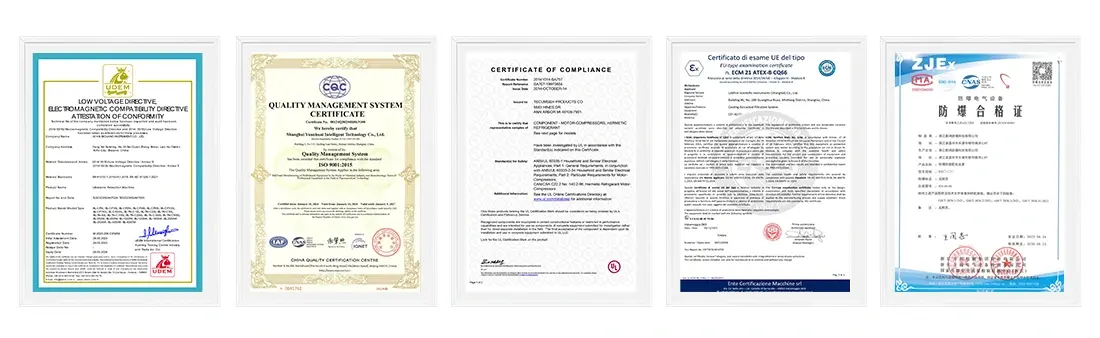
Quality Certifications & Compliance
|
Certification / Standard
|
Scope
|
|
CE
|
Electrical and mechanical safety
|
|
ISO
|
Quality management system
|
|
UL
|
Electrical component safety (North America)
|
|
SGS
|
Third-party material and product inspection
|
|
GMP / FDA
|
Production workflow compliance
|
|
ASME BPE
|
Sterile bioprocess design guidelines
|
|
USP Class VI
|
Seal and elastomer biocompatibility
|
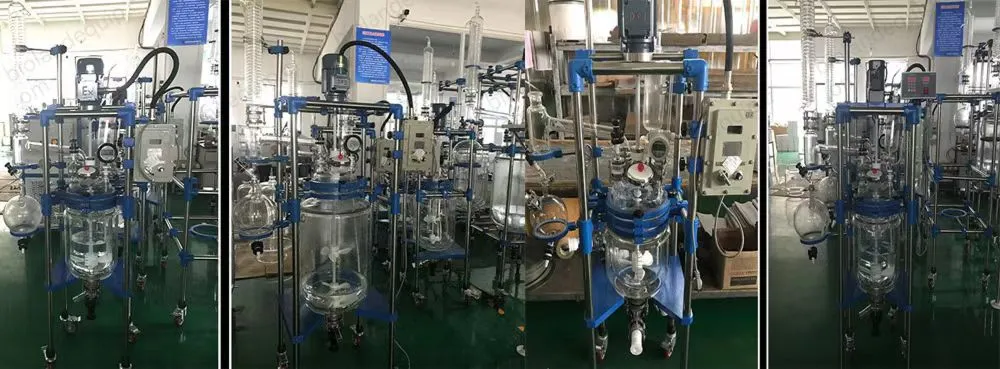
Factory Acceptance Testing (FAT) is available at our Xi'an facility for qualified orders. A full inspection report with photos and videos is provided before every shipment.
Why Choose Bioland?
Direct manufacturer — not a distributor You work directly with Xi'an Bioland Instrument's design and engineering team. Every inquiry is handled by engineers with hands-on bioreactor fabrication experience, not a sales intermediary.
Transparent production tracking
A dedicated production specialist sends weekly photo and video updates on your order's build progress — from raw material verification through final inspection.
Flexible lead times
· Standard catalog units: ships within 5–7 business days
· Custom OEM/ODM configurations (modified geometry, agitation, or controls): 30 business days
Global shipping & long-term support
Sea, rail, and air freight supported. One-year full quality warranty. Lifetime maintenance support. Units exported to Europe, Southeast Asia, the Americas, and the Middle East.
Services & After-Sales Support
|
Service
|
Details
|
|
Technical Consultation
|
Vessel sizing, agitation selection, process configuration support
|
|
Order Tracking
|
Weekly photo/video updates from assigned production specialist
|
|
Pre-Shipment Inspection
|
Full photo and video documentation; client sign-off required
|
|
Factory Acceptance Test
|
Available on-site at Xi'an facility for qualified orders
|
|
Warranty
|
1-year full quality warranty
|
|
Maintenance
|
Lifetime maintenance and spare parts support
|
|
Freight
|
Sea, rail, and air freight — DDP/DAP terms available
|
|
Customization
|
OEM/ODM: geometry, materials, sensor configurations, control systems
|
FAQ
Q: What sterilization method is recommended?
A: Autoclaving is standard for vessels under 15L and requires no additional infrastructure. Models in the 15–20L range with reinforced steel connections support low-pressure SIP as an alternative, though autoclave remains the validated industry standard at this scale.
Q: What is the correct working volume?
A: Fill to 70–75% of total vessel volume. Exceeding this range risks compromising the sterile exhaust filter and headspace integrity during foaming events, particularly in high-glucose microbial fermentations.
Q: Can the reactor handle high-viscosity mycelial cultures?
A: Magnetic drives are not recommended for viscous cultures — torque decoupling is a real risk above a certain viscosity threshold. Specify a direct overhead drive with a high-torque motor and helical ribbon impellers at the time of order.
Q: Is standard borosilicate glass suitable for photosensitive compounds?
A: Standard glass transmits both UV and visible light, which is advantageous for algae photobioreactor applications. For photosensitive pharmaceutical processes, amber coating or a UV-blocking jacket film is available as a custom option.
Q: How do I scale up from bench to production?
A: Maintain constant Power Input per Volume (P/V ratio), tip speed, or volumetric mass transfer coefficient (kLa) between scales. Specifying a Height-to-Diameter ratio of 2:1 or 3:1 in your bench vessel geometry simplifies correlation to most production-scale steel fermenters.
Q: Can sensor port configurations be customized?
A: Yes. Headplate port count, positions, and thread standards (Pg13.5 or other) are all configurable under OEM/ODM service. Standard lead time for customized headplate configurations is 30 business days.
Request a Quote
If you want to get information about the glass biological reactor, please contact us at info@biolandequip.com.