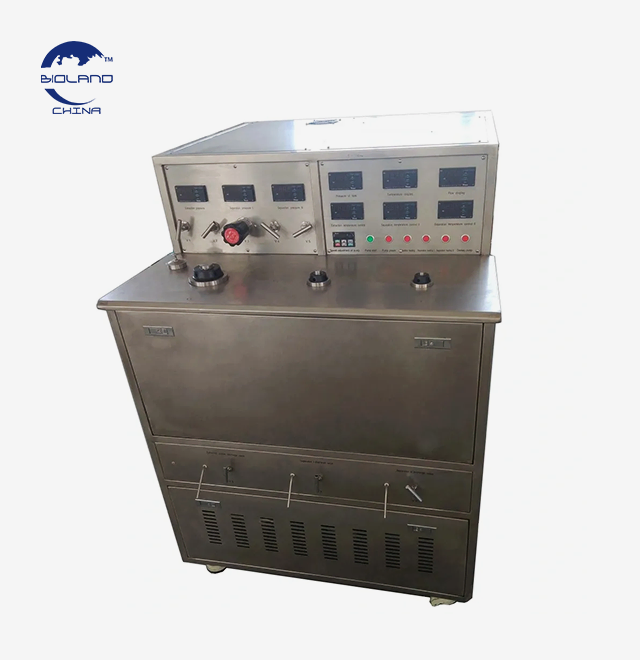
Plant Essential Oil Extractor – Advanced Industrial Extraction Equipment
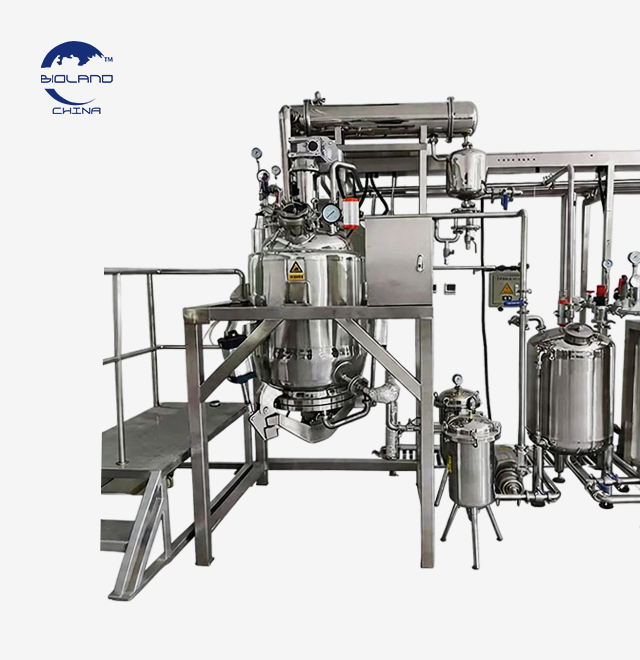
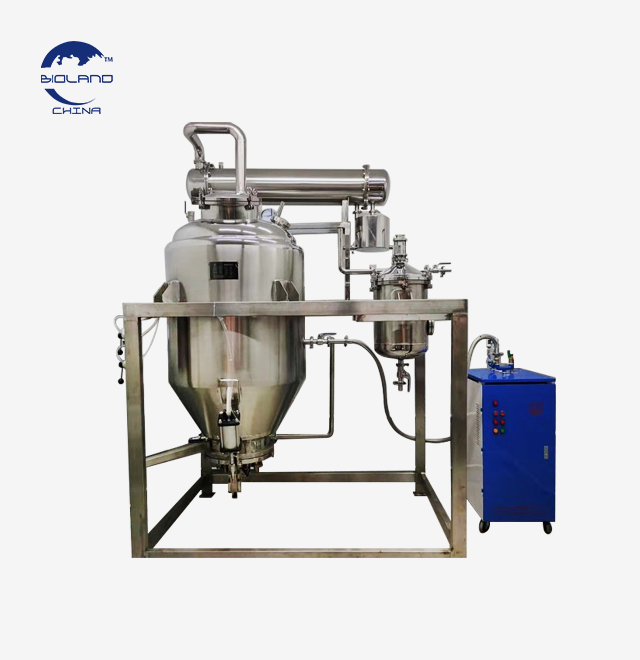
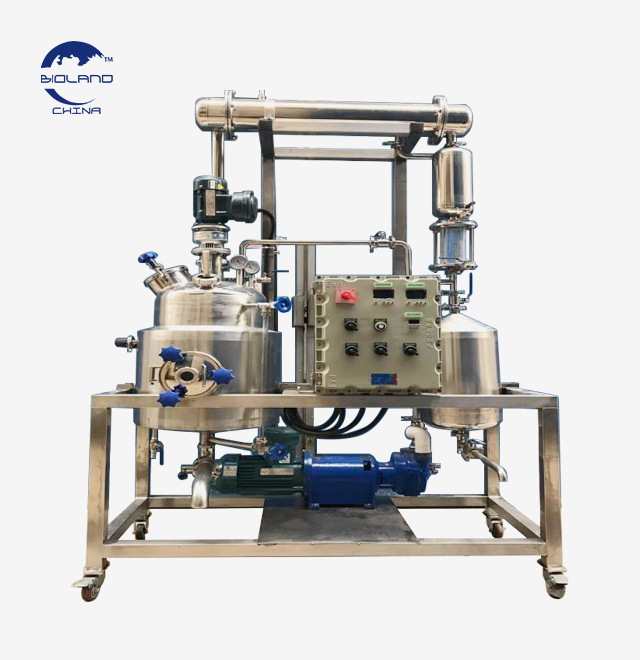
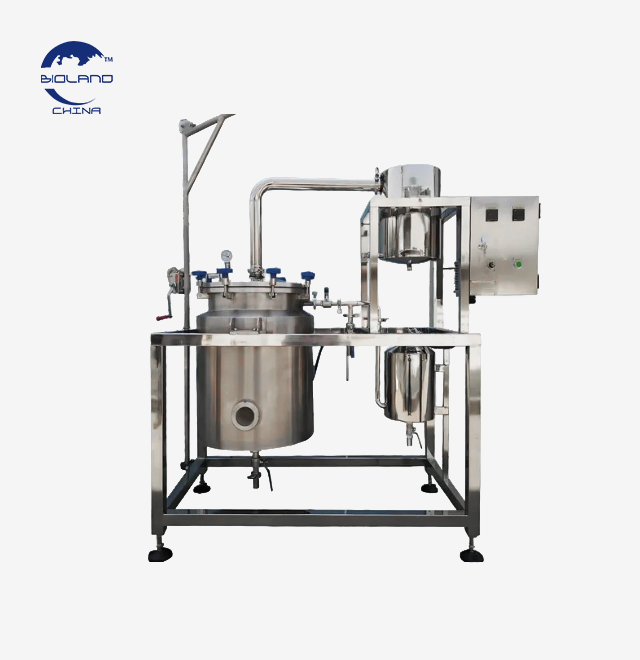
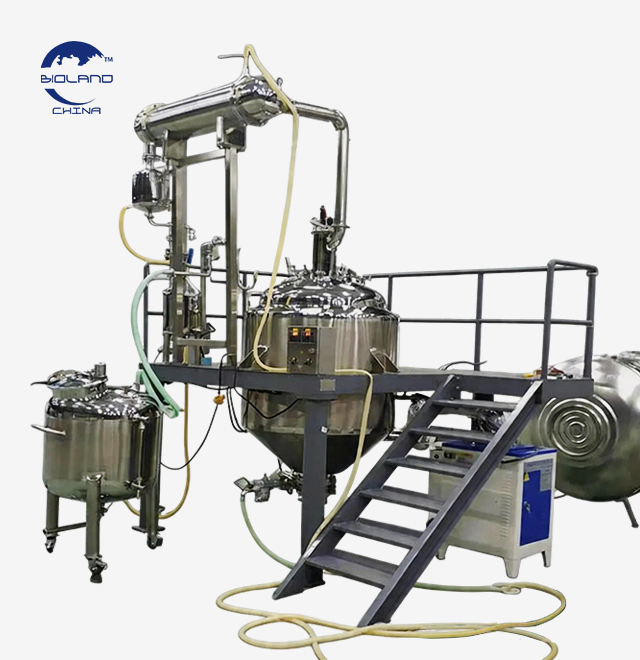
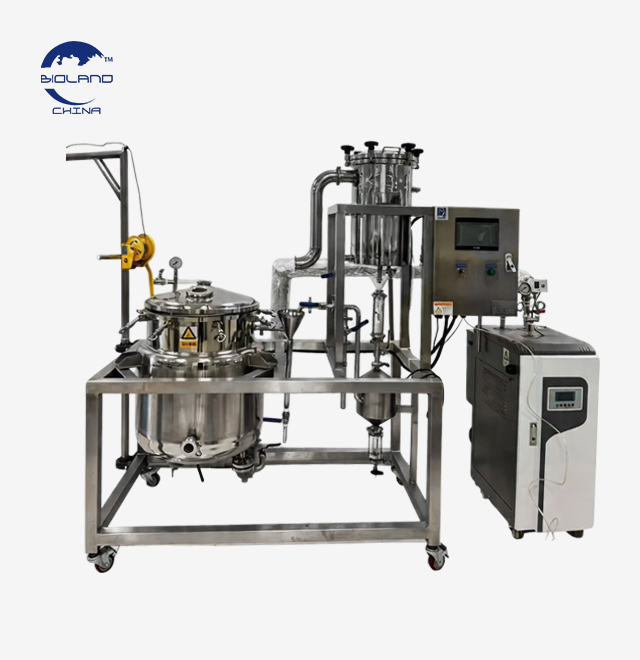
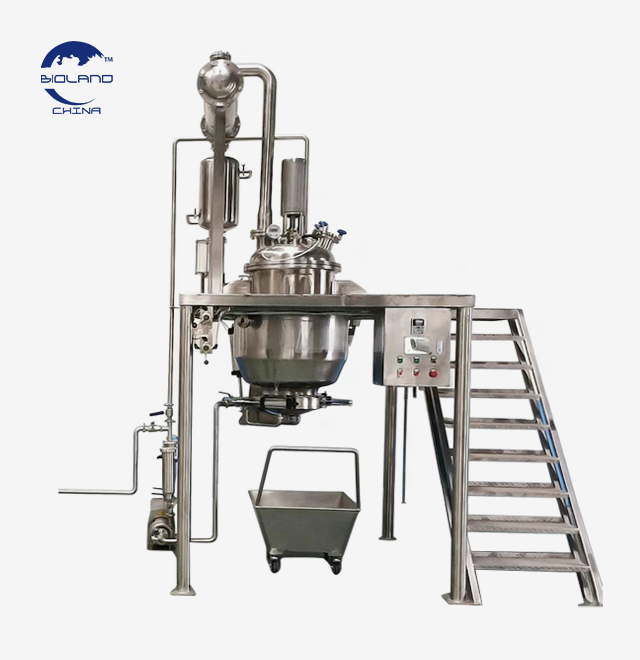
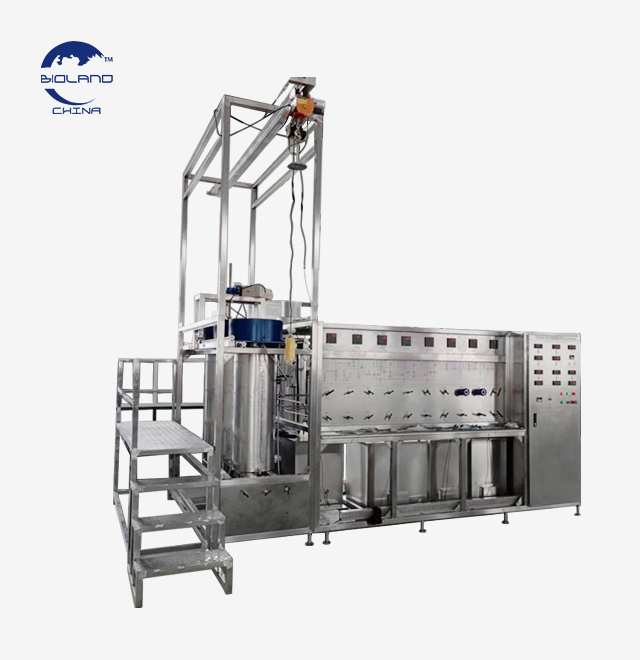
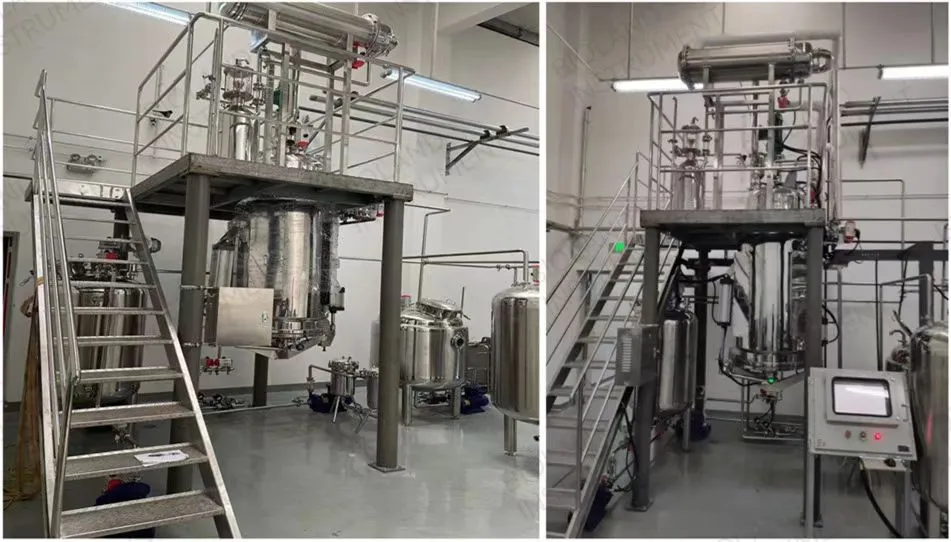
The plant essential oil extractor from Xi'an Bioland Instrument is a well-thought-out industry device made to get high-purity volatile compounds from plant materials. Our machines are made of 304/316L stainless steel and have smart temperature control (RT~100°C). They can use different extraction methods, such as Steam Distillation (SD), Ultrasonic-Assisted Extraction (UAE), and Supercritical CO₂ (SFE-CO₂). With more than 15 years of experience in production, we offer GMP/FDA-compliant options that get up to 95% extraction yields. Our systems have oil-water separators, full-process viewing, and PLC control choices so they can work all the time. 500L and 1000L lemongrass and lavender production lines have been used successfully in the past. From 10L pilot units to 3000L+ commercial scales, the sizes can be changed to fit your needs.
Why Choose Us?
Certified Manufacturing Excellence
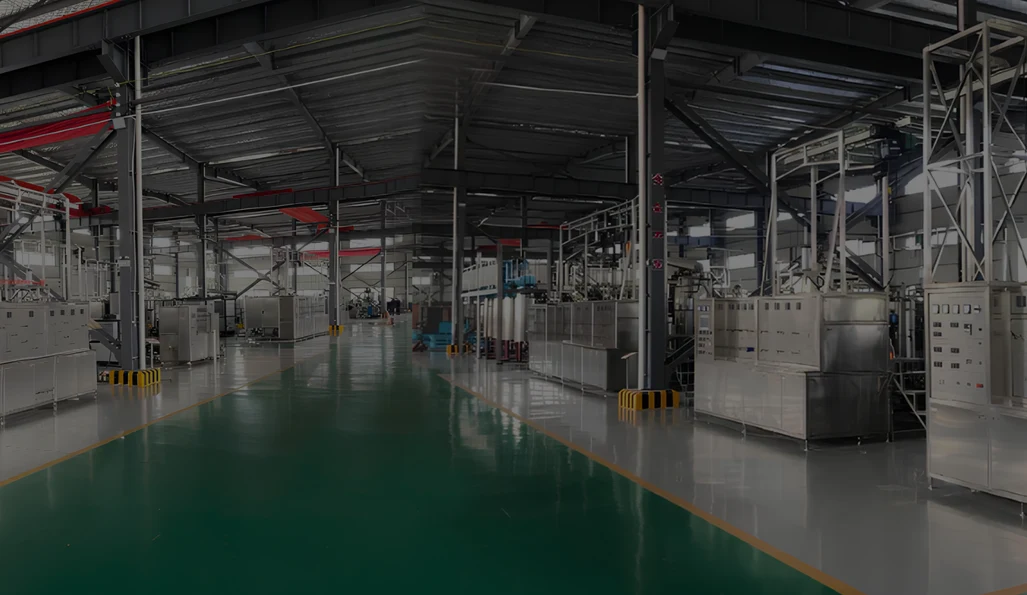
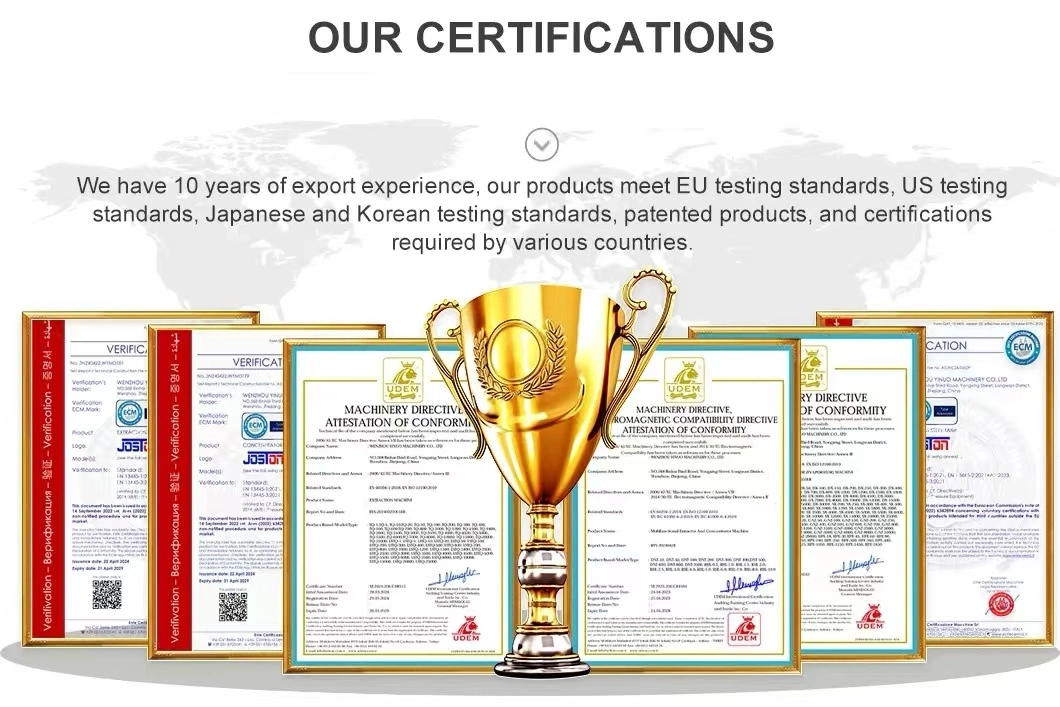
We are certified by CE, ISO, UL, and SGS, which means that every unit meets the highest safety and quality standards around the world. Strict GMP rules apply to our production plant.
Engineering Expertise You Can Trust
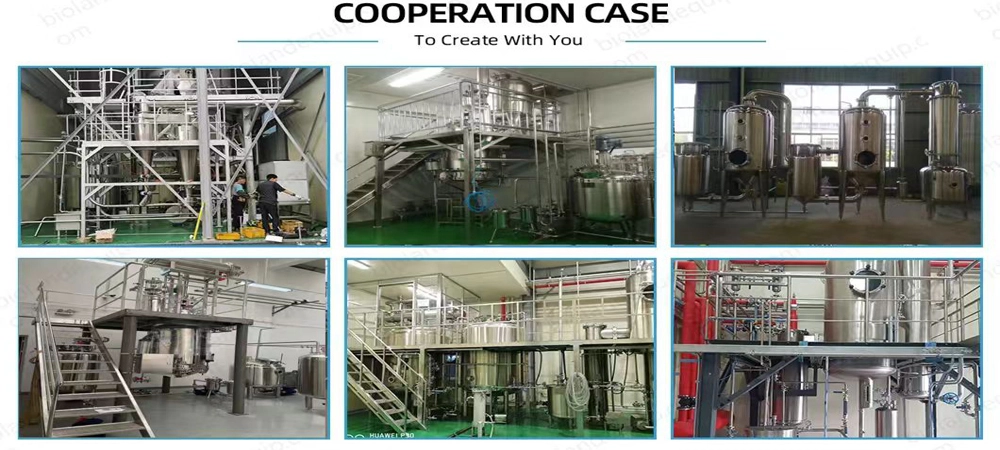
The people who work on research and development for us have more than 15 years of experience in extraction technology. We have successfully provided essential oil production lines for lavender and lemongrass.
Flexible Customization
Do you need specifics? We do both OEM and ODM work. Just tell us what you need, and we'll come up with the right answer. It takes 30 business days to ship custom orders, but only 5–7 days for basic models.
Transparent Production Tracking
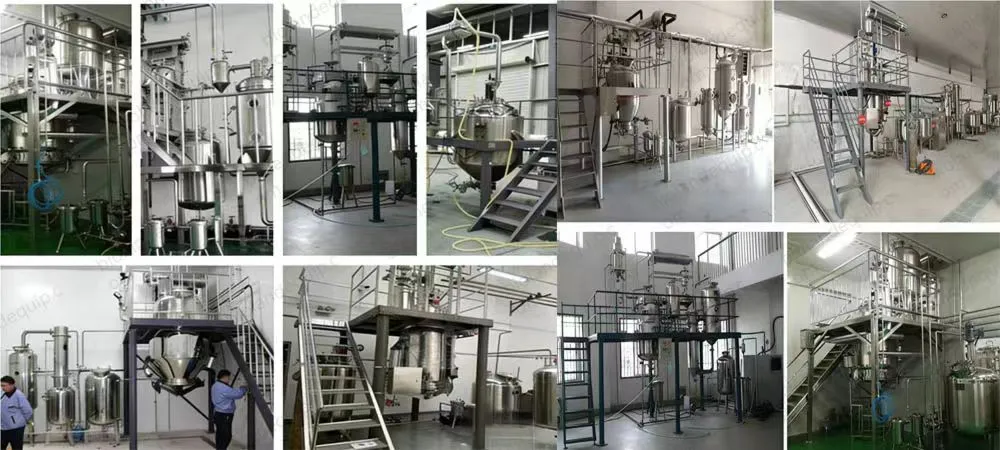
Your dedicated project manager gives you photos and movies every week to show how things are going. Before the goods are shipped, you will either get detailed inspection reports or be able to book an on-site Factory Acceptance Test.
Complete After-Sales Support
You can get a one-year guarantee and free upkeep for life. If you need help, our expert team is always ready to go.
Factory-Direct Pricing
Cut out markups for middlemen. You pay the manufacturer's prices for business-grade gear.
Technical Parameters
|
Parameter
|
|
Type
|
Voltage
|
Volumn (L)
|
Heating Method
|
Cooling Area(m2)
|
Power (kw)
|
|
BL-JT-50
|
Three-phase 380/220V
|
50
|
Electric heating
|
1
|
10
|
|
BL-JT-100
|
|
100
|
|
1.5
|
12
|
|
BL-JT-200
|
|
200
|
|
2
|
18
|
|
BL-JT-300
|
|
300
|
|
3
|
25
|
|
BL-JT-500
|
|
500
|
Steam heating
|
4
|
2.2
|
|
BL-JT-1000
|
|
1000
|
|
8
|
3
|
|
BL-JT-2000
|
|
2000
|
|
15
|
4
|
Working Principle
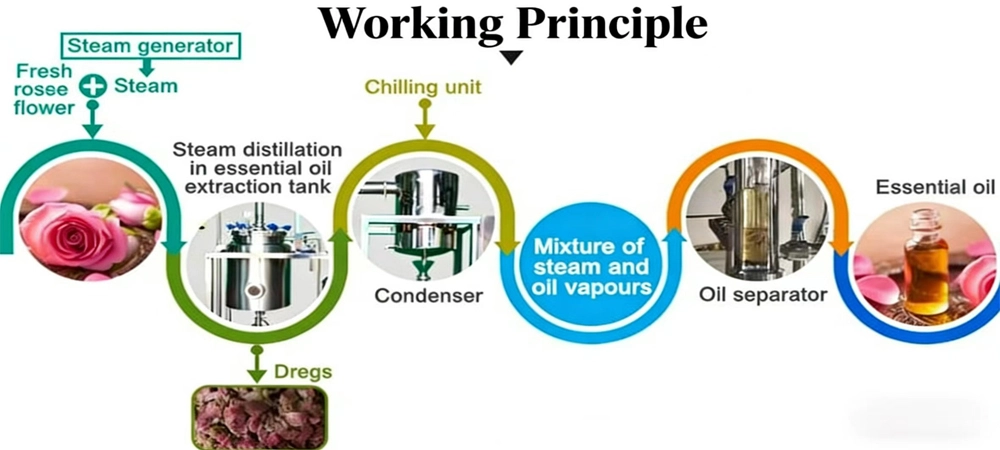
What your plant essential oil extractor does is separate volatile chemicals from plant materials using thermodynamics.
Steam Distillation Mode:
Plant material that is put into the extraction room is penetrated by high-pressure steam. Heat breaks down glandular trichomes, which lets essential oils escape. The mix of vapours rises through the column and into the condenser, where cooling flows and turns it back into a liquid. The mix of oil and water moves into a florentine flask separation. Different densities make oil naturally rise, and it keeps getting gathered.
Vacuum-Assisted Extraction:
For compounds that are sensitive to heat, like delicate flower absolutes, the method lowers the pressure inside the compound. As a result, the boiling points of sensitive terpenes, esters, and aldehydes drop to 50–60°C.
Process Flow
Step 1: Material Loading
Fresh or dried plant material gets loaded into the extraction vessel. Proper particle size ensures optimal steam penetration.
Step 2: Heating & Extraction
Steam or electric heating initiates the process. Temperature sensors maintain precise thermal conditions. The intelligent control system adjusts parameters in real-time.
Step 3: Vapor Transport
Volatile compounds vaporize and travel through the distillation column. Our multi-stage design maximizes compound collection efficiency.
Step 4: Condensation
The cooling system rapidly condenses vapors. Chiller efficiency directly impacts your final oil recovery rate.
Step 5: Phase Separation
The oil-water mixture enters the separator. Lighter essential oils accumulate at the top for continuous collection. Hydrosol byproduct gets recycled or collected separately.
Step 6: Collection & Storage
Pure essential oil flows into collection vessels. The transparent design lets you monitor quality in real-time.
Application Fields
Fine Fragrance & Aromatherapy Industry
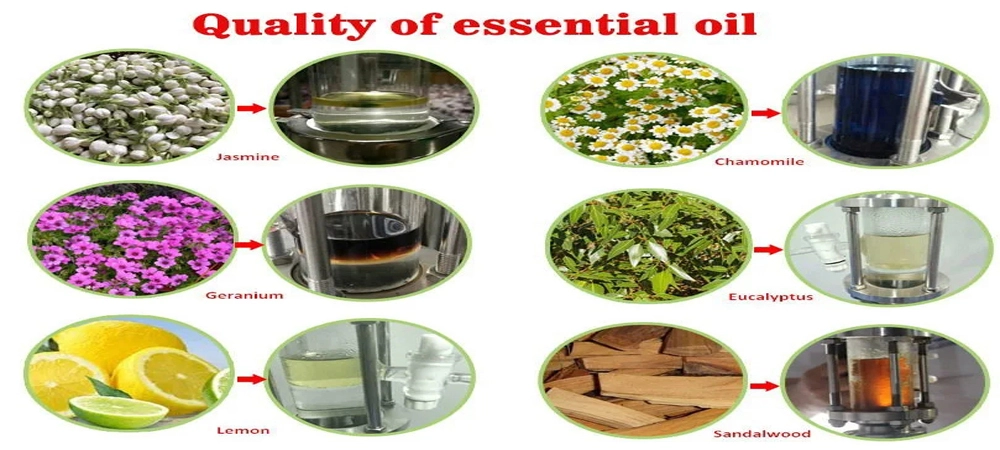
Get the best oils of rose damascena, jasmine, and sandalwood. Our low-temperature vacuum system keeps full terpene profiles, which keeps high-end perfumes from getting burnt notes.
Botanical Pharmaceuticals
Follow strict API rules to separate bioactive chemicals like artemisinin and CBD. Supercritical CO₂ setups make sure that the quality is pharmaceutical-grade and that there is no solvent contamination.
Functional Food & Beverage
Run a lot of citrus oils, mint extracts, and spice oleoresins through the machine. Designs that are HACCP-compliant can handle constant production while still meeting safety standards for food.
Cosmetics Manufacturing
Make skin care products with natural chemicals. Your customers want organic options to synthetic chemicals more and more.
Research & Development
Universities and labs can use pilot-scale units (10–50L) to find the best extraction settings before going commercial.
Quality Certification
Xi'an Bioland Instrument maintains rigorous quality standards:
- CE certification: European safety
- The ISO 9001 quality management system
- UL: North American safety standards
- Third-party examination by SGS
- GMP: Pharma production standards
- FDA requirements for food and pharmaceuticals production
All units are hydrostatically tested at 1.25x design pressure. We issue MTCs and PMIs. Dye Penetrant Testing detects micro-cracks in weld seams before delivery.
FAQ
Q: How does your equipment protect heat-sensitive botanicals?
A: Our vacuum distillation module reduces internal pressure, lowering boiling points to 50-60°C instead of 100°C. This preserves delicate terpenes in flowers like jasmine and rose.
Q: What's the yield difference between steam distillation and CO₂ extraction?
A: Steam distillation works excellently for most aromatics but may miss heavier molecules. CO₂ extraction captures a broader spectrum including waxes and resins, typically increasing yields by 15-30%, though requiring higher initial investment.
Q: Can one machine process different plant types?
A: Yes, but configuration matters. Roots like ginger need longer residence times and agitation. Flowers require gentle vapor flow. Our Variable Frequency Drive (VFD) agitators and adjustable steam pressure accommodate diverse materials.
Q: What maintenance does the product require?
A: Under continuous operation, inspect mechanical seals monthly. Replace PTFE/Viton gaskets every 6-12 months depending on material abrasiveness. We provide maintenance training and spare parts kits.
Q: What utilities do I need for a 500L system?
A: You'll need three-phase electricity, an industrial steam generator (or electric heating oil system), and a cooling tower or chiller. Chiller efficiency directly affects oil recovery rates.
Q: Do you offer installation and training?
A: Absolutely. Our engineers can travel to your facility for installation commissioning and operator training (travel costs apply). Alternatively, we provide detailed video guides and remote support.
Contact Us
Ready to improve extraction with plant essential oil extractor? Our technical staff is ready to discuss your needs. Reach out today at info@biolandequip.com for customized solutions and competitive quotations.