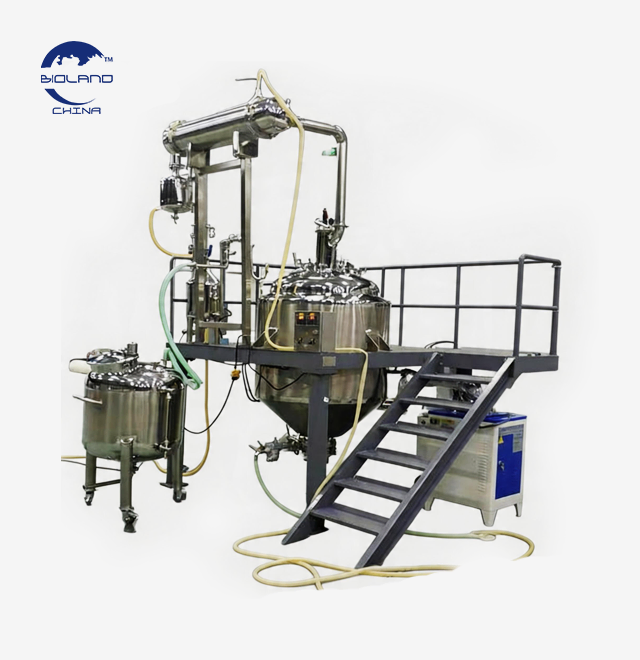
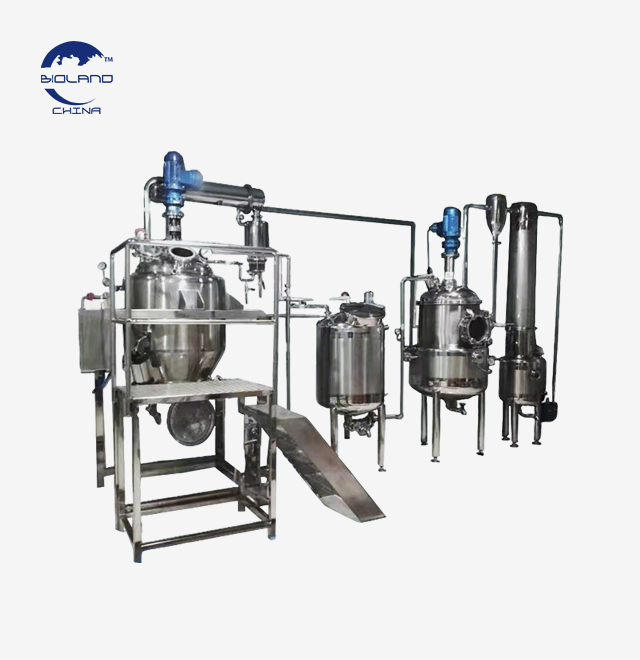
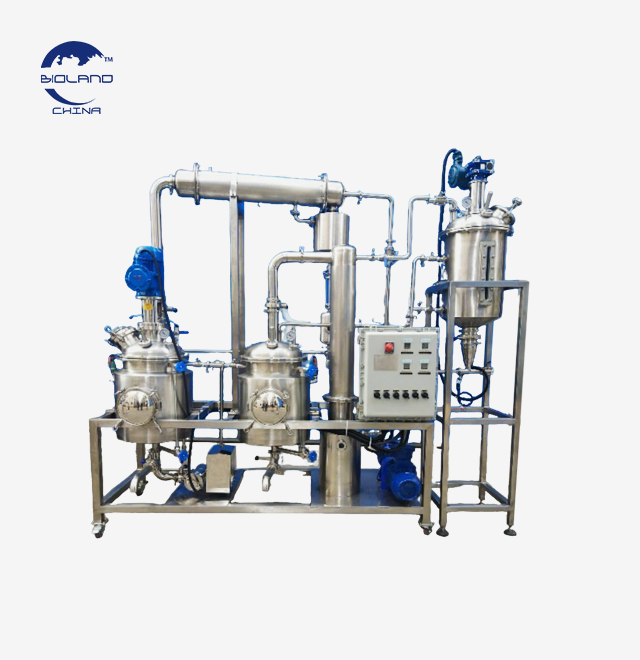
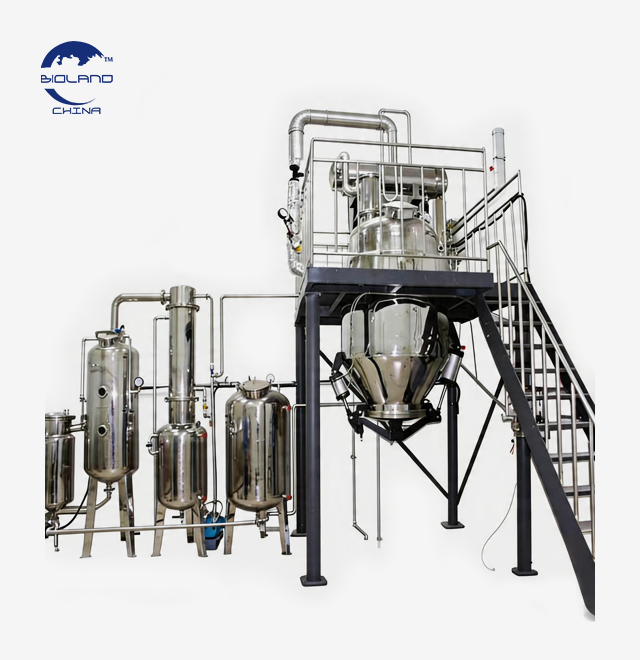
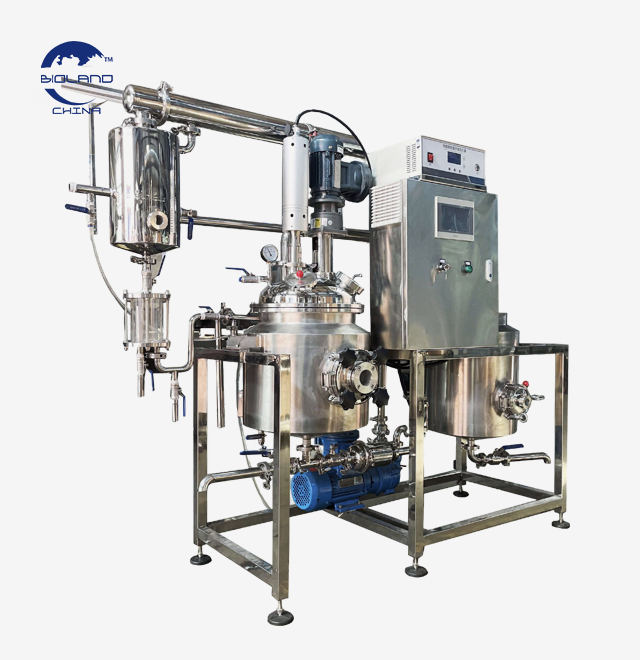
Solvent Extraction Equipment for Pharmaceutical & Industrial Separation | Bioland Instrument
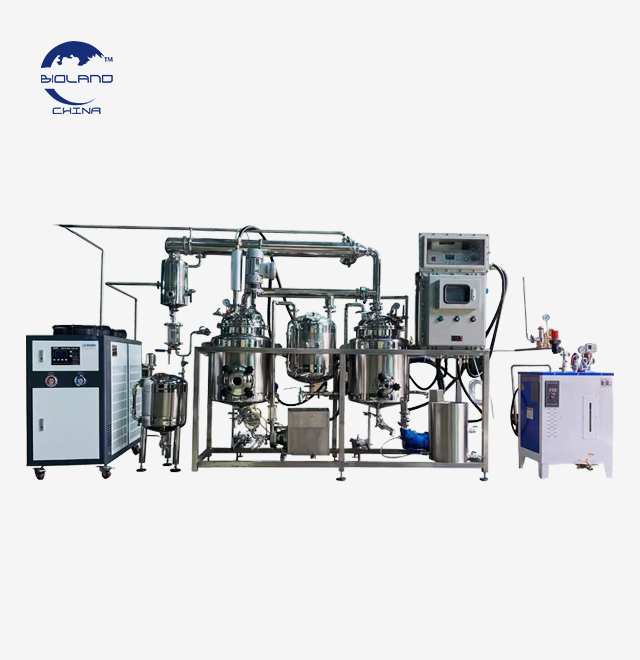
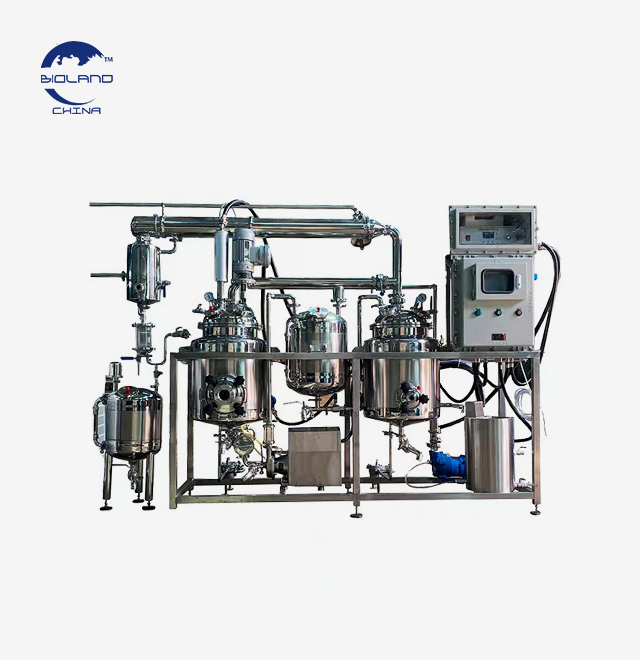
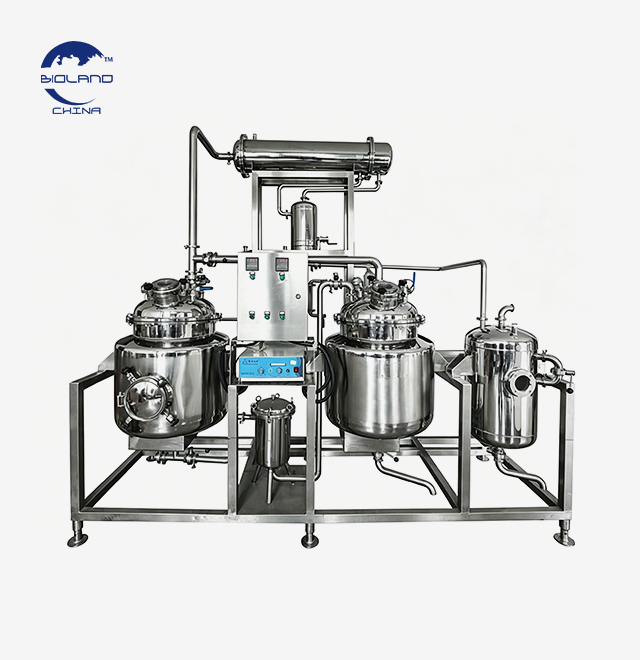
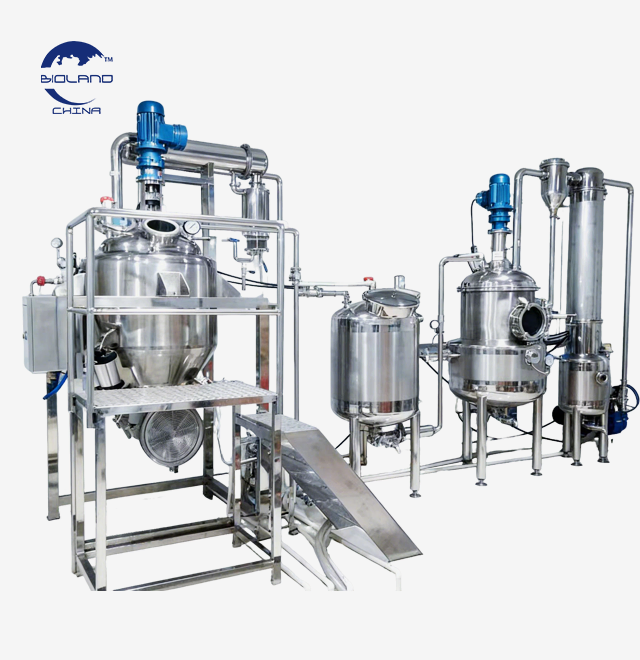
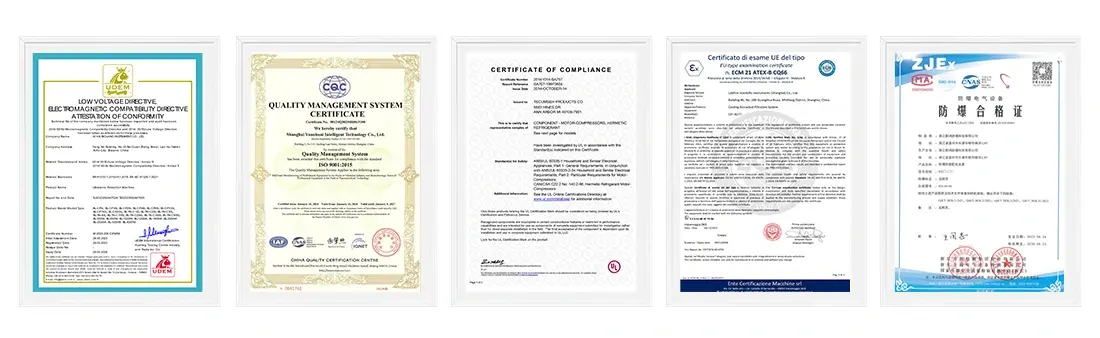
Xi'an Bioland Instrument Co., Ltd. has specialized in solvent extraction equipment manufacturing for over 15 years, with products covering R&D laboratories to industrial-scale production lines. The equipment supports low-temperature operation at 40–60°C and is compatible with SD, UAE, and OSE (organic solvent extraction) processes. The entire line is certified to CE and ISO 9001:2015, compliant with GMP design specifications, and available with optional PLC automatic control and explosion-proof systems. OEM/ODM customization services are also provided, with delivery lead times as short as 5 business days.
Core Functions & Advantages
40–60°C Low-Temperature Extraction Protects Active Ingredients
Plant alkaloids, flavonoids, and pharmaceutical APIs are highly prone to degradation at high temperatures. This system stabilizes extraction temperature within the 40–60°C range through precise temperature control. In practical applications such as stevia glycoside, curcumin, and propolis purification, the active compound retention rate can be improved by over 15%.
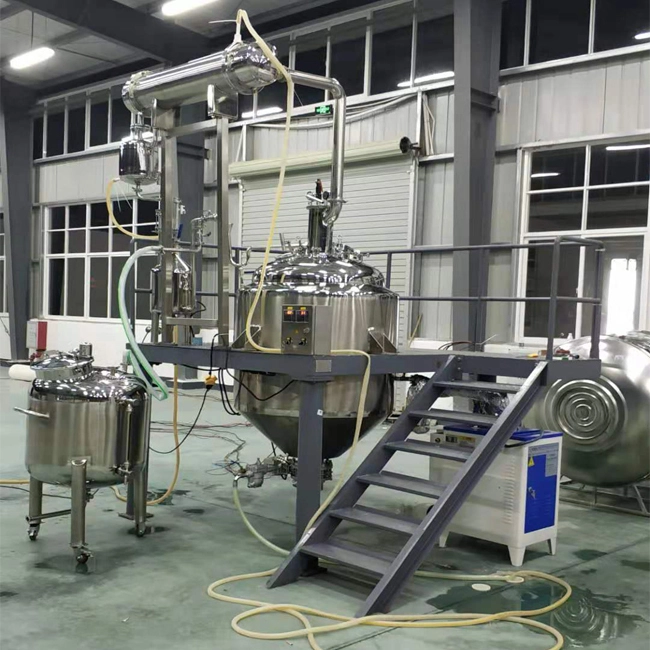
Dual Condenser + Ultrasonic Configuration — Shortened Cycle Time
The dual condenser design improves solvent recovery efficiency by approximately 20%; combined with the dual ultrasonic system, it accelerates the mass transfer process of dense plant materials, shortening the extraction cycle by 30–40% compared to traditional stirring methods. (Specific values vary depending on material characteristics; we can provide a process evaluation for you.)
PLC Automation + Explosion-Proof Safety Design
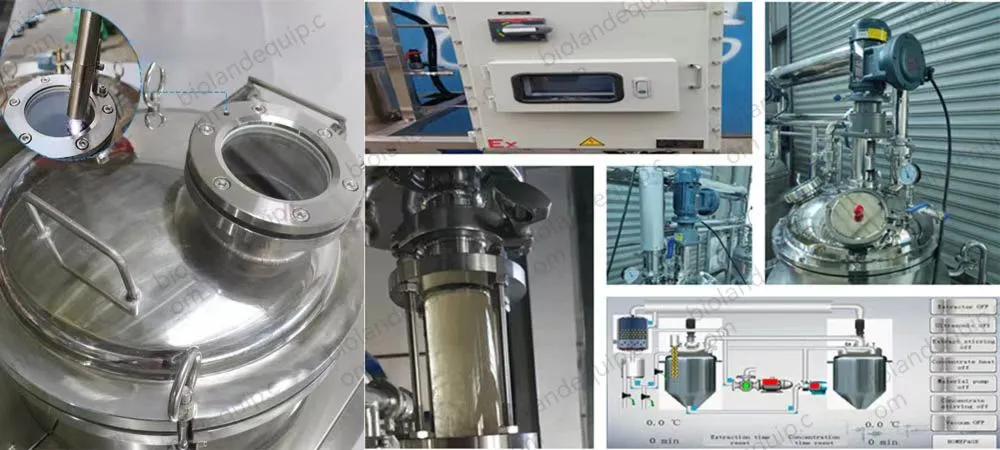
The PLC system monitors key process parameters such as temperature, pressure, and speed in real time, supporting alarm interlocks and data recording to reduce manual intervention. The explosion-proof design meets ATEX Zone 1/Zone 2 requirements, suitable for flammable organic solvent environments such as ethanol, hexane, and acetone.
316L Stainless Steel Wetted Parts, Ra < 0.4μm Surface Treatment
All product-contact parts can be supplied in SUS316L, offering excellent corrosion resistance to organic acids, chlorinated solvents, and CIP cleaning agents. Surface roughness Ra < 0.4μm meets pharmaceutical-grade cleanability requirements, with material traceability certificates (MTC) provided.
How It Works?
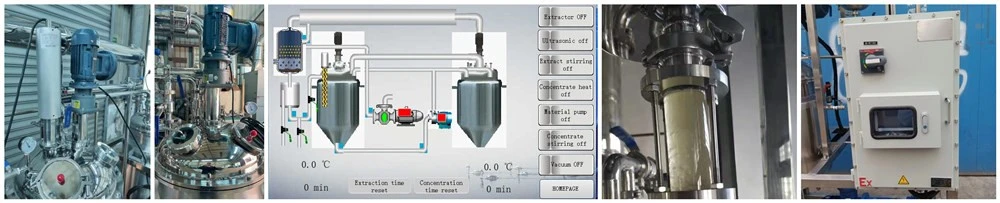
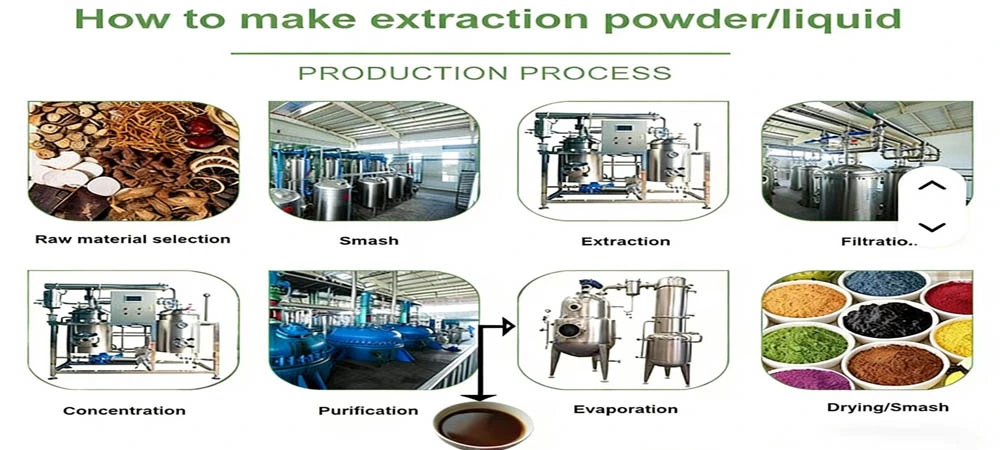
The principle of liquid-liquid extraction is the separation of target molecules based on their partition coefficient between two immiscible phases, usually an aqueous phase and an organic solvent phase.
Feeding stage: The liquid feed is added to the extraction vessel and brought into full contact with the extraction solvent under controlled temperature and agitation conditions. Target chemicals migrate to the solvent phase according to their partition coefficient and contaminants stay in the raffinate phase.
Phase separation stage: the two phases are stratified under the assistance of settling or centrifugal force and the solvent-rich extract and raffinate phase are discharged respectively.
Solvent recovery stage: The extract is fed to a concentration unit where the solvent is recovered and recycled by condensation and the concentrated extract is passed on to future refining operations.
Technical Parameters
|
Technology parameter
|
|
Model
|
BL-TN-C50L
|
BL-TN -C100L
|
BL-TN -C200L
|
BL-TN -C300L
|
BL-TN -C500L
|
|
Volume (L)
|
50
|
100
|
200
|
300
|
500
|
|
Evaporation capacity (kg/h)
|
20
|
50
|
70
|
100
|
200
|
|
Motor power(KW)
|
2.7
|
2.7
|
2.7
|
3.5
|
3.5
|
|
Steam consumption(kg/h)
|
25
|
60
|
90
|
120
|
250
|
|
System vacuum (MPa)
|
-0.085
|
-0.085
|
-0.085
|
-0.085
|
-0.085
|
|
Pressure of jacket(MPa)
|
0.09~0.3
|
0.09~0.3
|
0.09~0.3
|
0.09~0.3
|
0.09~0.3
|
|
Compressed air (MPa)
|
0.5~0.6
|
0.5~0.6
|
0.5~0.6
|
0.5~0.6
|
0.5~0.6
|
|
Evaporation temperature(°C)
|
60~100
|
60~100
|
60~100
|
60~100
|
60~100
|
Construction & Materials
The equipment body is manufactured from SUS304 or SUS316L stainless steel; seals are standard PTFE or silicone gaskets, compatible with common extraction solvents such as ethanol, hexane, and acetone.
All welds undergo radiographic testing (RT) and ultrasonic testing (UT) non-destructive inspection. Hydrostatic testing at 1.3× to 1.5× design pressure is performed before dispatch to ensure structural integrity.
For strongly acidic or chloride-containing corrosive media, industrial titanium (Grade 2), zirconium, or PVDF lining options are available, with material certificates and third-party test reports provided.
Why Choose Us
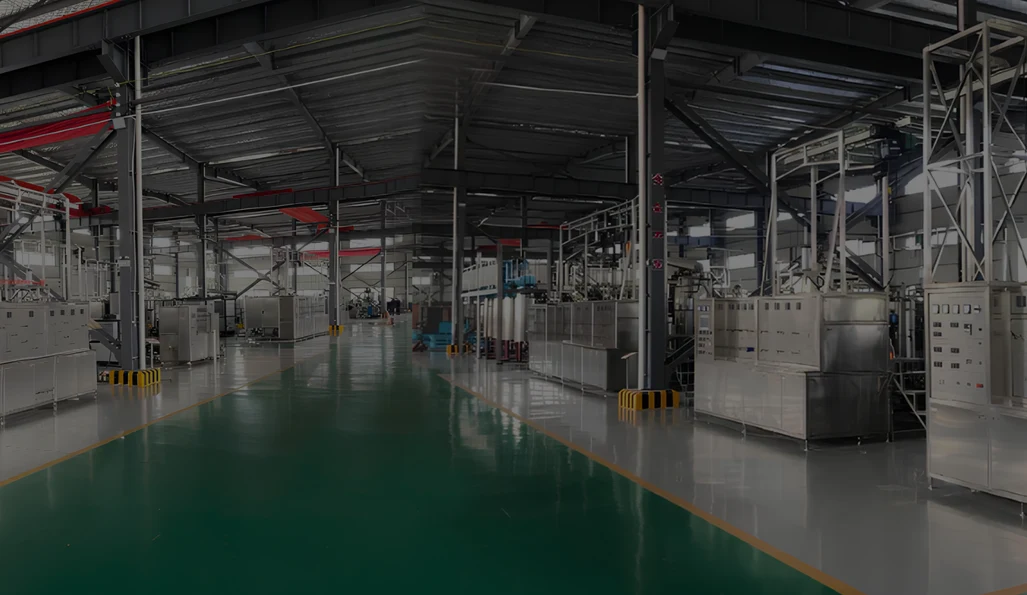
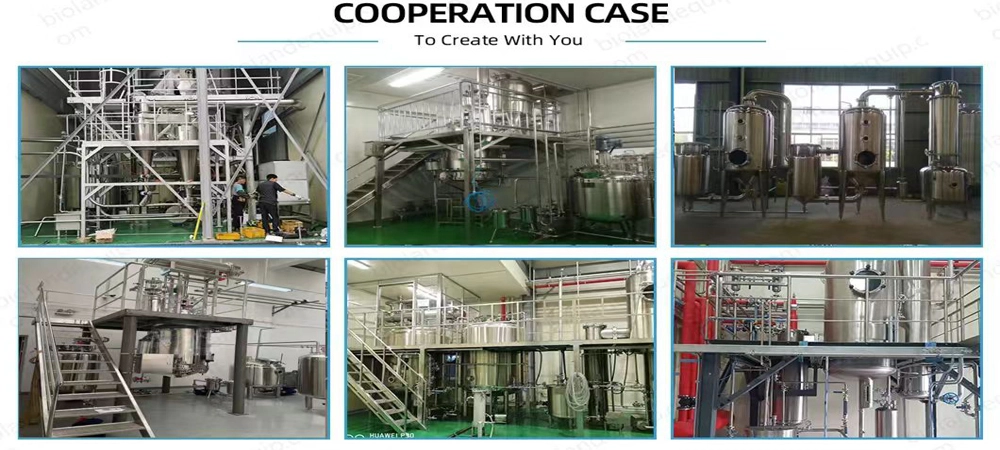
Bioland Instrument has focused on the solvent extraction equipment field for 15 years, with registered customers across European, Southeast Asian, and Middle Eastern markets, and cumulative delivery of over 500 customized projects.
How we differ from similar suppliers:
- Direct engineer communication: Senior process engineers participate in custom solution design, rather than simply applying standard catalog configurations
- Full production transparency: Project specialists report production progress to you weekly via photos or videos
- Pre-shipment acceptance: Full documentation and inspection records shared in advance; welcome to conduct on-site FAT at our Xi'an factory
- Long-term support: 12-month quality warranty (covering mechanical and functional defects, excluding man-made damage) + lifetime spare parts and technical support
Application Fields
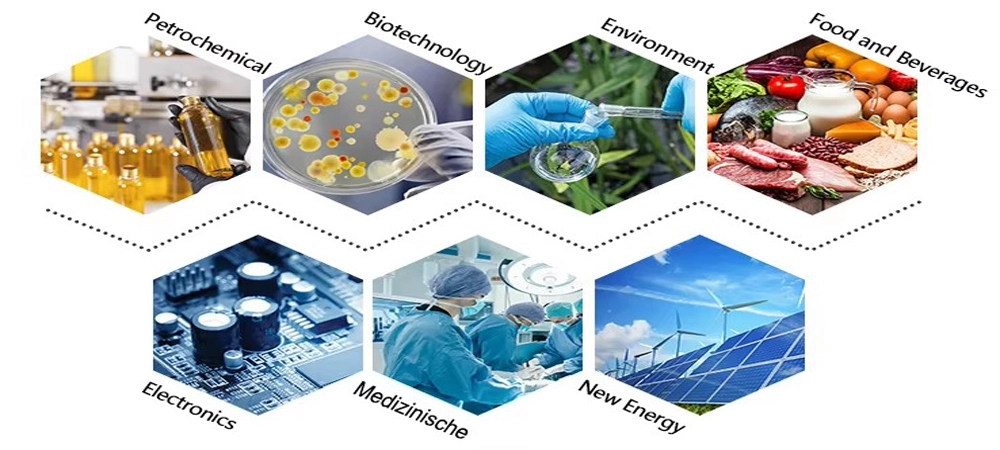
Pharmaceutical & Biotech
Suitable for API purification, antibiotic extraction (e.g. penicillin) and plant extract concentration. Closed solvent handling and CIP compliant design meets criteria of FDA cGMP environment, full FAT documentation bundle supplied.
Typical Case: A European herbal medicine manufacturer employed our equipment for artemisinin crude extraction, which saved solvent consumption of about 18% without affecting product purity.
Natural Plant Extracts
Suitable for the separation of stevia glycosides, purification of propolis and concentration of curcumin. The low temperature technique provides efficient protection to heat sensitive bioactives.
Food and Cosmetics
Can extract essential oils, flavonoids and plant functional compounds Compatible with food grade solvents and production requirements.
Chemical & Petro Chemical
Aroma separation, lube oil refinement, purification of fine chemical intermediates.
Quality Certifications & Compliance
| Certification / Standard |
Coverage |
| CE |
Machinery Directive 2006/42/EC |
| ISO 9001:2015 |
Quality Management System |
| ATEX (2014/34/EU) |
Explosion-proof equipment, Zone 1/2 |
| UL / SGS / IEC |
Provided upon market and application requirements |
| GMP |
Materials, production environment, documentation system |
| FDA Guideline Reference |
Pharmaceutical production environment assessment |
Standard factory documentation package: Material traceability certificates (MTC), welding records, non-destructive testing reports, hydrostatic test reports, and FAT records. Surface roughness reports can be attached upon request.
Services & After-Sales Support
| Service Stage |
Content |
| Pre-Sales |
Process evaluation, equipment selection guidance, custom engineering solutions |
| Production Tracking |
Dedicated project specialist, weekly photo/video updates |
| Delivery |
Sea, rail, and air multi-modal options |
| Warranty |
12 months, covering mechanical and functional defects |
| Lifetime Maintenance |
Spare parts supply and full lifecycle technical support |
| OEM/ODM |
Full customization of capacity, automation level, material, and layout |
FAQ
Q: What extraction processes does the equipment support?
Supports SD (Steam Distillation), UAE (Ultrasonic-Assisted Extraction), and OSE (Organic Solvent Extraction). It can be configured as a single process or combined process, depending on material characteristics and target yield.
Q: Can the equipment handle plant materials prone to emulsification?
Yes. For emulsification-prone materials, we control droplet size distribution by adjusting agitation speed (typically reduced to the 30–60 rpm range) and optimizing internal component geometry, effectively inhibiting the formation of stable emulsion layers.
Q: How do I select contact materials based on solvent?
For ethanol or acetone systems, SUS304 or SUS316L is sufficient; for chlorinated solvents or strongly acidic media, industrial titanium Grade 2 or PVDF lining structures are recommended to prevent pitting and stress corrosion. If uncertain, feel free to provide solvent composition, and we can issue a material suitability assessment for you.
Q: Does the equipment meet GMP regulatory production requirements?
Yes. Design, materials, and the entire production process comply with GMP specifications. Ra < 0.4μm surface treatment, complete documentation system, and FAT records are all available to support regulatory review.
Q: What is the typical lead time for custom orders?
Custom-designed units are typically completed within 30 business days; standard catalog products ship within 5–7 business days.
Q: How often does the mechanical seal require maintenance?
Inspection is recommended every 3,000–5,000 operating hours. We standardly provide cartridge double mechanical seals with barrier fluid systems, effectively extending seal service life and simplifying replacement operations; spare parts can be quickly obtained through our global service network.
Contact Us
Have questions about solvent extraction equipment? Email us at info@biolandequip.com — we respond within 24 business hours.