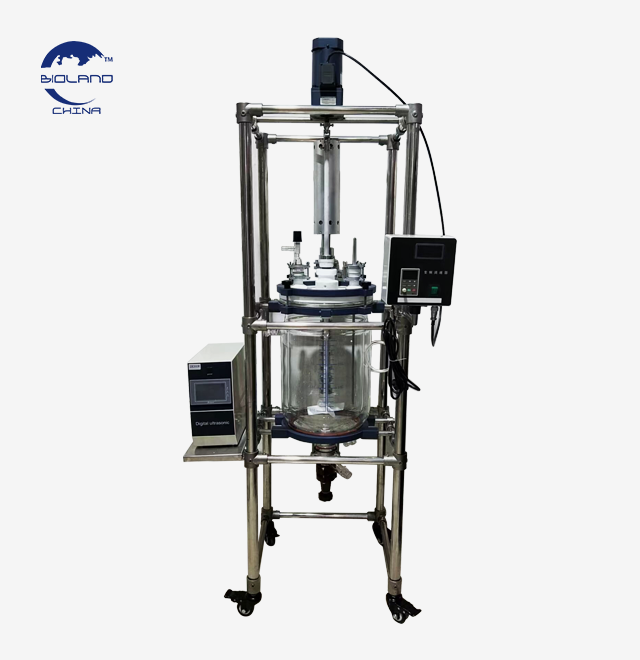
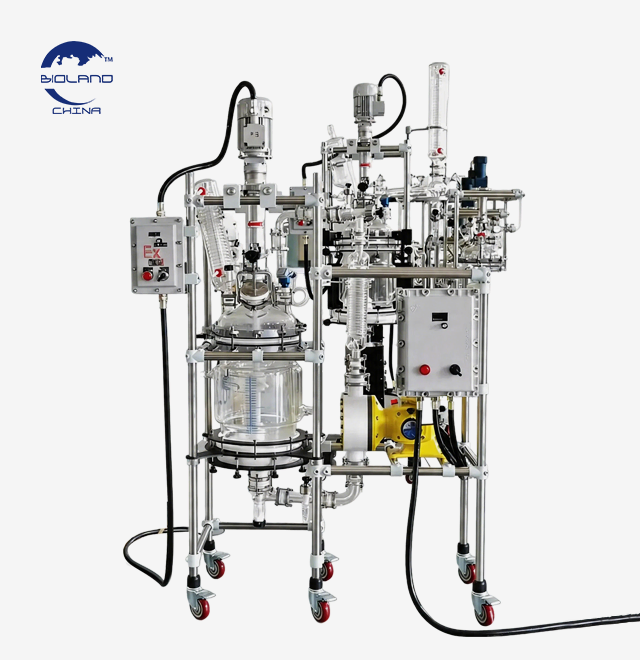
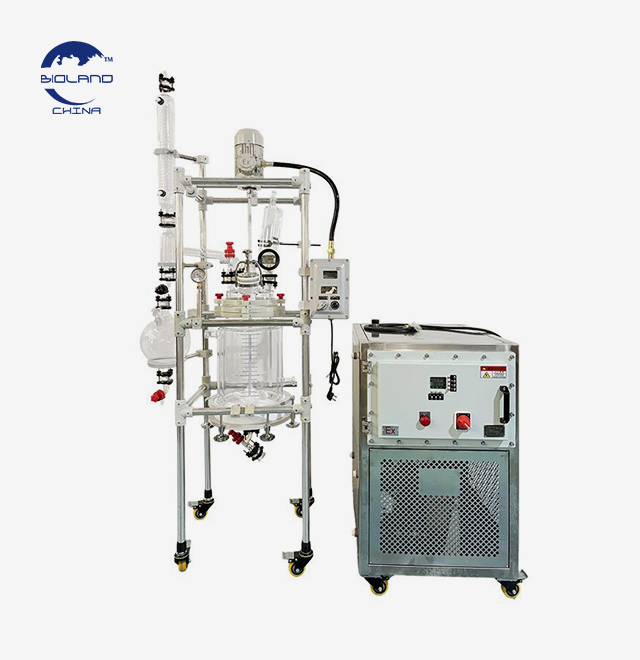
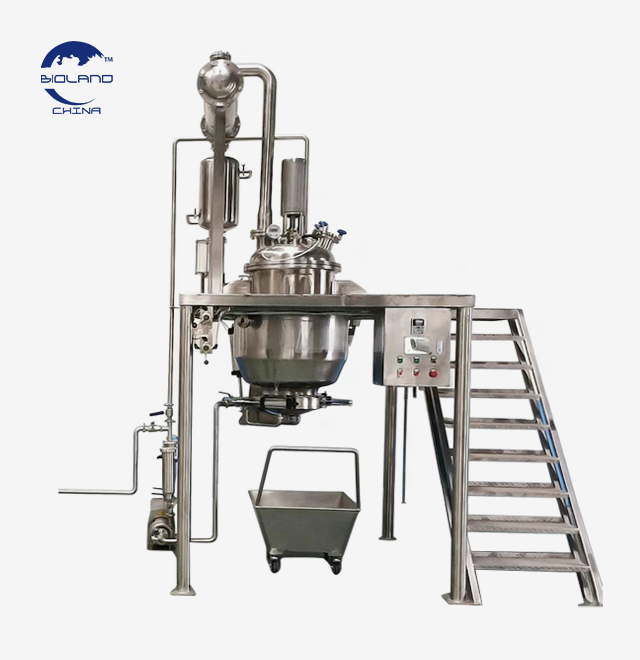
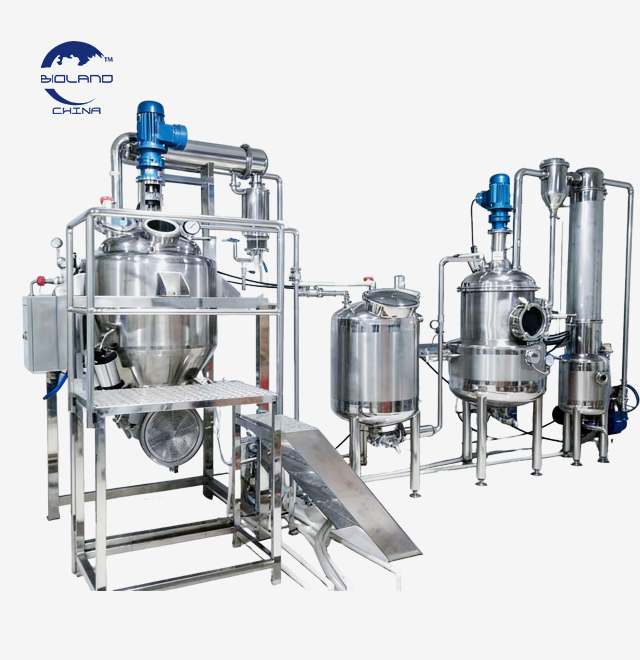
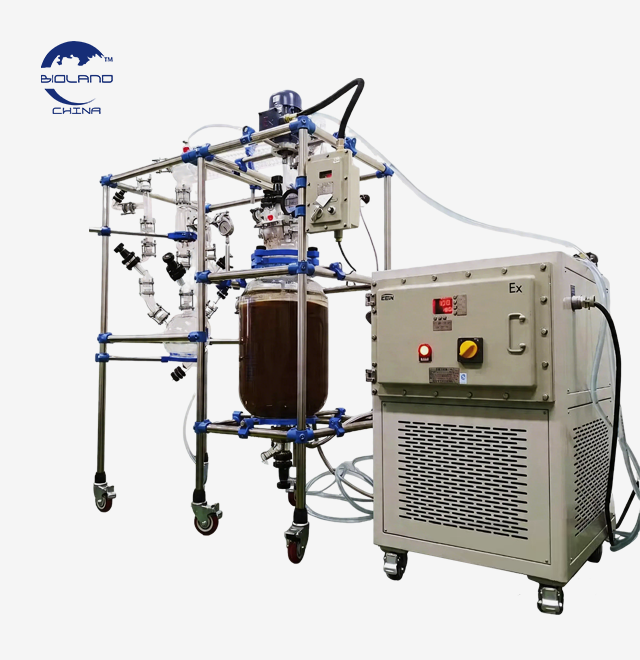
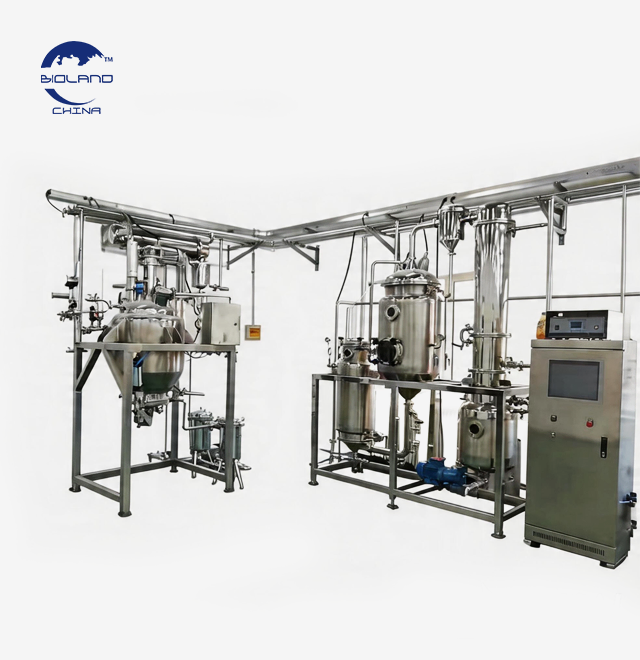
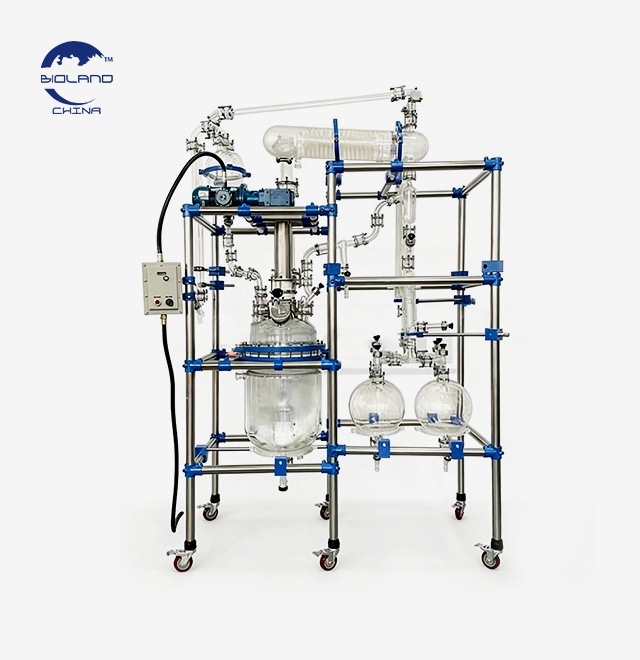
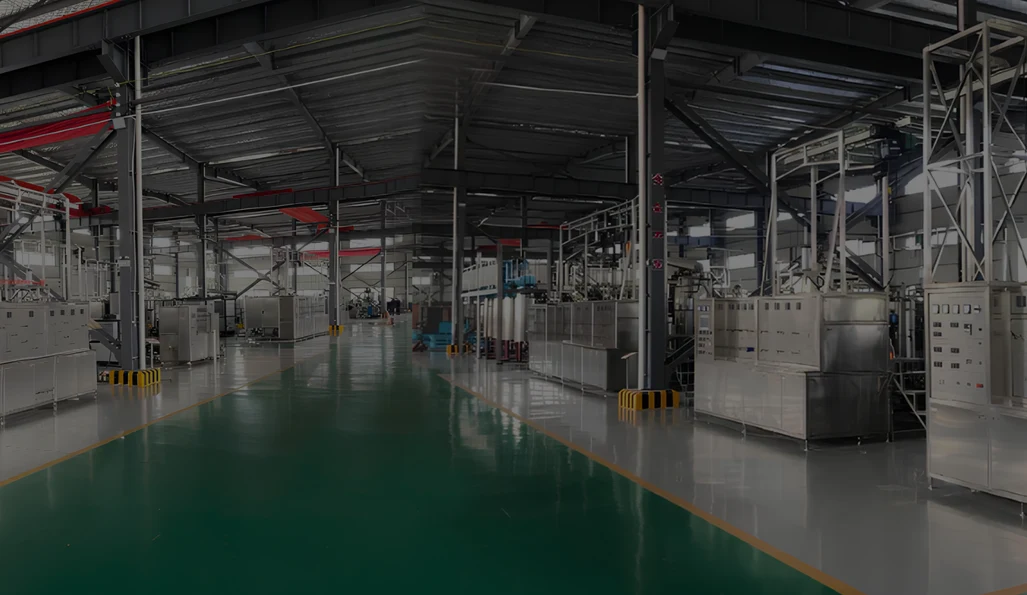
Using high-frequency sound waves to help get more useful chemicals from plants and other natural sources is a big step forward in the technology used to process materials. In order for an ultrasound assisted extraction machine to work, it creates acoustic cavitation, a process in which tiny bubbles form quickly and violently burst within the solvent medium. This event creates strong localized forces that break up cellular matrices, letting solvents get inside cells and easily remove bioactive compounds. Compared to traditional ways, this one works at lower temperatures (usually 40–60°C), which protects heat-sensitive parts while reducing extraction times to 24–40 minutes.
Understanding Ultrasonic Extraction Technology
Ultrasonic extraction technology uses low-frequency, high-intensity sound waves (usually 20–50 kHz) to change the way businesses get useful compounds out of raw materials. At its core, the technique makes something happen in watery media called acoustic cavitation.
The Science Behind Cavitation
When ultrasonic waves go through a watery solvent that has plant matter or other extraction substrates in it, the solvent goes through cycles of compression and rarefaction. During the rarefaction phase, the low pressure makes tiny bubbles of vacuum. Over several sound cycles, these bubbles get bigger. During compression stages, they burst into a million pieces. In a matter of microseconds, the implosion creates very hot and very dry conditions at the bubble contact, with temperatures reaching 5,000°C and pressures exceeding 1,000 atmospheres.
This cavitation makes strong micro-jets and shear forces that hit solid objects nearby. These forces break down hard cellulosic structures that normally keep solvents from getting inside by physically damaging cell walls. When biological material is compressed and expanded at the same time, the "sponge effect" pumps fluid into and out of cell structures, greatly speeding up the movement of mass.
Equipment Configurations
These days, ultrasonic extraction systems come in a wide range of sizes, from small tabletop units used in laboratories that process small amounts of samples to large industrial continuous-flow reactors that handle several tons per hour. The sensors, which are usually made of medical-grade titanium alloy (Ti-6Al-4V), change electrical energy into waves in the metal. These sensors are linked to horn-like structures called sonotrodes that focus and boost the ultrasonic energy into the extraction tube.
Flow-through cells are common in industrial setups. This is where material continuously goes through the cavitation zone, making sure that it is treated evenly and allowing for easy integration into current production lines. Batch systems work best for smaller processes or tasks that need to be done over a longer period of time.
Operational Advantages
The technology makes extraction results better in ways that can be measured. When compared to traditional methods like maceration or Soxhlet extraction, operators usually see 50–500% higher extraction rate. Process times go from hours or days to just minutes, which saves energy and increases the amount of work that can be done. The amount of solvent needed goes down a lot, which helps green science efforts and lowers running costs.
Temperature control is still very important. Cavitation makes heat, but jacketed tanks that are attached to outside chillers keep the exact temperature range. This temperature management keeps thermolabile substances like antioxidants, volatiles, proteins, and enzymes from breaking down, so they keep working properly and are still worth money.
Comparing Ultrasonic Extraction to Traditional Extraction Methods
Traditional ways of extracting materials have been used for decades, but they have some problems that ultrasound technology can fix. Knowing these differences helps people who buy things make choices about tools that are based on facts.
Conventional Method Limitations
Maceration is the easiest traditional way, but the solvent and object have to be in contact with each other for a long time—often 24 to 72 hours. This long-term contact increases the chances of chemical breakdown, microbial contamination, and using too much solvent. Heat reflux extraction speeds up the process, but it also leaves materials at high temperatures (70–90°C) for long periods of time, which breaks down bioactives that are sensitive to heat.
Soxhlet extraction is popular in labs that do analytical work. It involves cycling the liquid many times over the course of many hours. The method is thorough, but it uses a lot of liquid and heats the materials all the time. Percolation methods are a little more effective, but they still take hours to finish and often produce less pure extracts because they also remove unwanted matrix components.
Performance Benchmarks
Multiple separate comparison tests have shown that ultrasound assisted extraction machine is better. Time needed for extraction has cut by more than two-thirds; what used to take 6–8 hours now only takes 30–40 minutes. It depends on the material and target chemicals whether the yield goes up by 50% to 500%. When treated with ultrasound assisted extraction machine, the yields of curcumin from turmeric, capsaicin from chili peppers, and flavonoids from propolis all go up by a huge amount.
One more clear benefit is the solvent economy. Ultrasonic systems usually need 30–50% less liquid per kilogram of raw material they process. This lowers the cost of both buying the solvent and getting rid of the trash. Modern systems have closed-loop designs that allow solvent collection and reuse, which is good for both the economy and the environment.
Quality Considerations
Ultrasonic cavitation carefully breaks target tissues while leaving unwanted matrix components mostly intact. This means that the purity of the extract is often higher than with traditional methods. The final extracts have fewer impurities, which makes the next steps of cleaning easier. Because of less heat and reactive stress during extraction, active ingredients keep their higher bioactivity profiles.
Microwave-assisted extraction works about as fast, but it needs special fluid systems and can be hard to use with materials that contain metals. Supercritical fluid extraction makes products that are very pure, but it costs a lot of money and is hard to run. Ultrasonic technology is the best when it comes to efficiency, cost-effectiveness, and ease of use.
Key Technical Specifications and Operational Insights
To choose and use ultrasonic extraction tools, you need to know about important technical factors that have a direct effect on the results of the process and its long-term performance.
Core Technical Parameters
Ultrasonic frequency controls how strong the cavitation is and how big the bubbles are. Most commercial extraction devices work at 20 kHz, which makes strong cavitation bubbles that are perfect for breaking up cells. Multi-frequency systems let workers change settings for various materials. Higher frequencies (28–40 kHz) work best for delicate materials, while 20 kHz causes the most mechanical damage to fibrous or woody surfaces.
Cavitation strength is controlled by amplitude, which is recorded in microns of peak-to-peak displacement. Processing options are broadened by amplitude devices that can be changed (20–100 microns). Higher amplitudes are needed for dense solutions and tough materials, while lower sets work better for delicate matrices. Power density, measured in watts per liter, shows how much energy is being put in by volume; higher densities mean that the whole flow stream is being treated.
How the transducer is built affects how reliable it is and how pure the extract is. Transducers made of titanium metal are very strong and don't rust. They can be used for thousands of hours before they need to be serviced. 316L grade stainless steel is good for medicinal uses that need to follow GMP guidelines and keep metal pollution to a minimum.
Operational Parameters
Temperature has a big effect on how well extraction works and how good the result is. Most uses happen between 40°C and 60°C, which is a good range for combining increased solvent activity with compound stability. Integrated temperature monitors and cooling systems that are run by a PLC keep the temperature just right. The length of time needed for extraction depends on the purpose. For example, essential oils may need 15–20 minutes, while complex plant mixtures may need 35–45 minutes.
The choice of solvent relies on the polarity of the target molecule and the rules that must be followed. The most common pharmaceutical-grade solvent is still ethanol, which can successfully remove both polar and relatively nonpolar compounds. Water is good for uses in food that need to use only natural processes. Hexane, dichloromethane, and other organic solvents can be used to get rid of lipophilic chemicals, but they need to be used with equipment that is safe from explosions and meets ATEX or IECEx standards.
Maintenance Requirements
Regular repair makes sure that equipment works well and lasts a long time. As part of daily procedures, seals must be visually checked, amplitude stability must be confirmed, and product-contact areas must be cleaned. As part of weekly processes, transducer links are checked, frequency tracking accuracy is confirmed, and temperature control systems are put to the test.
The ultrasound assisted extraction machine has an ultrasonic horn that is the main part which wears out because it is subject to cavitation damage over time. Inspections are usually done every 500 to 1,000 running hours, but this depends on how hard the liquid is working and how corrosive it is. Microcracks can be found with dye penetrant tests before they affect function. CIP (Clean-in-Place) compatibility is good for sanitary systems because it lets them have automatic cleaning processes between production runs.
Applications and Use Cases in Industry
Ultrasonic extraction technology is used in many different industries, and each one benefits from the technology's own unique benefits.
Pharmaceutical and Nutraceutical Production
Ultrasonic devices are used by pharmaceutical companies to get active pharmaceutical ingredients (APIs) from plants. Because the technology can keep the purity of compounds while increasing output, it is perfect for making standardized plant extracts that meet pharmacopeial standards. Strict government rules are met by equipment designs that are GMP-compliant. These designs include 316 stainless steel construction, sanitary parts, and proven cleaning procedures.
Getting curcumin from turmeric seeds shows that the science could be used in medicine. With traditional ways, you can get about 3–4% curcumin by weight. With ultrasonic extraction, you can get 6–8% curcumin with better purity profiles. In the same way, extracting capsaicin from chili peppers increases yields by 200–300%, which greatly lowers the cost of raw materials.
Botanical and Herbal Extract Manufacturing
The herbal supplement business is always under pressure to make sure their goods are effective and reliable while also keeping costs low. Ultrasonic extraction solves these problems by getting the most active ingredients out of expensive plant materials. Extraction of flavonoids from propolis used to take a long time and not work very well, but now it can be done in less than 40 minutes with 4–5 times better outputs.
Ultrasonic treatment is especially helpful for extracting proteins from mushrooms that help the defense system. It's easy for cavitation forces to break down the tough chitinous cell walls that stop normal extraction. This makes it easy to release beta-glucans and other beneficial polysaccharides. The extraction of stevia glycoside also shows huge improvements, which lets makers get high-quality sweets with fewer steps.
Food and Beverage Applications
Ultrasonic extraction is used by food companies to get back natural tastes, colors, and useful ingredients. Getting aromatic oils from herbs and spices keeps volatile chemicals that would be destroyed by heat. By extracting antioxidants from fruit waste and other farm garbage, waste streams are turned into useful ingredients.
The technology helps clean-label efforts by letting harsh chemicals be left out of extractions that use water or ethanol. Low-temperature handling keeps the new flavors and nutritional value, which is why it commands higher prices in markets that care about health. Cut down on handling times to increase product movement and make better use of facilities.
Cosmetic and Personal Care Manufacturing
More and more, cosmetic formulators want active ingredients that come from plants, like herbal extracts, plant oils, and bioactive substances. These ingredients are delivered by ultrasonic extraction, which gives them high bioactivity and life stability. The extraction method is gentle but effective, and it can be used to get antioxidants for anti-aging products, plant-based moisturizers, and natural stabilizers.
Benchtop ultrasonic devices are used in quality control labs in these fields to build new methods and check batches. Scalability of the technology makes it possible to go from making R&D samples on a milligram scale to mass production without changing any of the basic process factors.
Procurement Guide for Ultrasound Assisted Extraction Machines
To choose the right ultrasonic extraction tools, you need to carefully look at its technical specs, the reliability of the provider, and the total cost of ownership.
Capacity and Throughput Requirements
First, figure out how much output ability you need. For lab R&D, you usually need batch systems that hold 1 to 5 liters of liquid or small flow-through cells that can handle 100 to 500 mL of liquid per minute. It works best with group systems that hold 10 to 50 liters or flow rates that range from 1 to 5 liters per minute. Continuous devices that can handle 50 to 500 liters or more per hour are needed for industrial production.
Think about the needs for future scale-up. Modular systems that can add more sensors or multiple processing lines to increase capacity give you the freedom to grow without having to update all of your equipment. Dual-ultrasonic setups boost dissolution rates and output, which meets the needs of growing production.
Customization and Integration Capabilities
Process needs often call for answers that are tailored to the situation. Look at providers that offer OEM and ODM services and can make equipment that fits special workflows. Integration skills are very important, as ultrasound assisted extraction machine is often part of a bigger process train that also includes filtering, concentration, and liquid recovery.
Comprehensive system companies offer complete options that cover both the source and downstream processes. Configurations with two condensers improve liquid collection. Integrated CIP systems cut down on the time needed to clean between production runs. With automatic release devices, less work needs to be done and there is less chance of pollution. PLC automation with recipe management makes work easier and makes sure that each run is the same.
Compliance and Safety Features
It is necessary to follow the rules set by regulators. Check that the equipment has the right certifications, such as ISO 9001 quality management approval, CE marking for European countries, and UL listing for North America. For pharmaceutical uses, designs must be GMP-compliant and come with the right paperwork, material certifications, and validation support.
Explosion-proof designs are needed for processes that use solvents. ATEX approval (in Europe) or IECEx compliance (around the world) makes sure that working with flammable chemicals like hexane or ethanol is safe. Enclosures that are pressurized and cleaned with inert gas and electrical systems that are naturally safe stop sources of ignition in dangerous atmospheres.
Supplier Evaluation Criteria
The knowledge of the supplier has a big effect on the success of the job. Companies that have been making extraction tools for 15 years or more have a deep understanding of how the process works and have excellent engineering. Read through case studies and reference installations that have been used in similar situations. For example, stevia, propolis, or curcumin extraction projects that went well show that the person has the right skills.
Check out the after-sales help options. Professional expert teams do the installation, commissioning, user training, and ongoing maintenance to make sure that the system works well at starting and for a long time. Availability of spare parts and reaction times affect the ability to keep making things. Global providers with regional service networks are better than producers with only one site.
Cost Analysis
The purchase price is only one part of the total cost of owning. Think about how much it costs to install, train operators, do regular upkeep, replace worn-out parts, and use energy. More expensive equipment is usually worth it because it is more reliable, lasts longer, and does a better job of extracting.
Using current methods as a guide, compare the amount of solvent used, the time it takes to process, and the increase in output. Figure out payback times based on how much money you save on raw materials, how much more you can produce, and how much less work you have to do. Even though it costs more at first, equipment that increases yields by 200% may pay for itself within 6–12 months.
Conclusion
Ultrasonic extraction technology has a lot of benefits for businesses that need to get bioactive chemicals out of natural materials quickly and well. The mix of much shorter working times, higher yields, less solvent use, and better extract quality solves important business and practical problems. Ultrasound assisted extraction machine is an important part of modern extraction facilities because of improvements in equipment like PLC control, flexible designs, and the ability to fully integrate systems. Companies that are moving from lab development to pilot production or increasing their current capacity will find that ultrasound assisted extraction machine gives them the performance, dependability, and ability to scale that they need to stay competitive in the food, botanical processing, nutraceutical, and pharmaceutical industries.
FAQ
How does ultrasonic cavitation improve extraction yields?
Ultrastrong localized forces, like micro-jets and shear stress, are created by acoustic cavitation. These break down rigid cell walls physically, making tiny pathways for solvents to enter. The sponge effect's fast cycles of compression and expansion move fluid into and out of cell structures, greatly speeding up the movement of mass between the solid matrix and liquid phase.
Can ultrasonic systems handle heat-sensitive compounds safely?
Between 40°C and 60°C, which is well below the temperatures that break down thermolabile substances, the technology works well. Even though cavitation creates heat, jacketed vessels with active cooling keep exact temperatures. Antioxidants, volatile oils, proteins, and other sensitive bioactives that would be destroyed by normal high-temperature ways are kept safe by this heat control.
What maintenance schedule ensures optimal equipment lifespan?
Cleaning and eye checks every day keep things clean. A amplitude stability and temperature control accurate check is done once a week. Every 500 to 1,000 hours of use, ultrasonic horns need to be checked for cavitation damage. Transducer testing, seal replacement, and calibration checking are all part of the annual thorough maintenance. With proper care, equipment can last longer than 10 years of steady use.
Are customizable configurations available for specific extraction requirements?
Modern providers let you choose from a wide range of materials (including 316 stainless steel for medicinal uses), designs that are safe for flammable liquids, dual-ultrasonic setups for higher throughput, built-in solvent recycling systems, and automatic discharge mechanisms. OEM services offer complete solutions that are designed to work with certain plant materials and chemicals.
Partner with BIOLAND for Advanced Ultrasonic Extraction Solutions
For more than 15 years, BIOLAND INSTRUMENT has been developing and building industrial extraction systems for use in medicinal, botanical, and food processing industries. Our ultrasound assisted extraction machine combine the latest sound technology with strong engineering to make them 50–500% more efficient than traditional methods.
We can fully customize everything, from lab tabletop units to industrial continuous-flow systems. Some of the options are PLC automation, explosion-proof designs that meet ATEX standards, dual-condenser solvent recovery, and construction made of GMP-compliant 316 stainless steel. We have successfully installed systems for extracting stevia, propolis, capsaicin, curcumin, and mushrooms all over the world.
Get in touch with our technology experts to talk about your unique extraction needs. This is a reliable ultrasound assisted extraction machine provider. To make sure you're happy, we offer full process talks, personalized equipment prices, and Factory Acceptance Testing. Email BIOLAND at info@biolandequip.com right now to find out how our extraction technology can help you make more.
References
1. Chemat, F., Rombaut, N., Sicaire, A. G., Meullemiestre, A., Fabiano-Tixier, A. S., & Abert-Vian, M. (2017). Ultrasound assisted extraction of food and natural products: Mechanisms, techniques, combinations, protocols and applications. Ultrasonics Sonochemistry, 34, 540-560.
2. Vilkhu, K., Mawson, R., Simons, L., & Bates, D. (2008). Applications and opportunities for ultrasound assisted extraction in the food industry—A review. Innovative Food Science & Emerging Technologies, 9(2), 161-169.
3. Tiwari, B. K. (2015). Ultrasound: A clean, green extraction technology. TrAC Trends in Analytical Chemistry, 71, 100-109.
4. Mason, T. J., Paniwnyk, L., & Lorimer, J. P. (1996). The uses of ultrasound in food technology. Ultrasonics Sonochemistry, 3(3), S253-S260.
5. Dai, J., & Mumper, R. J. (2010). Plant phenolics: Extraction, analysis and their antioxidant and anticancer properties. Molecules, 15(10), 7313-7352.
6. Shirsath, S. R., Sonawane, S. H., & Gogate, P. R. (2012). Intensification of extraction of natural products using ultrasonic irradiations—A review of current status. Chemical Engineering and Processing: Process Intensification, 53, 10-23.
The reactor is beautifully mirror-polished and fully complies with GMP requirements for the pharmaceutical industry. The performance is excellent! Overall, we are very satisfied! We also provided with some feedback on our process improvements, which we hope will be helpful.
2024-04-09
Laboratory
Excellent and professional service. Always reply our questions very fast. All reactors and chiller we received are good too.
2024-02-15
Research Institute
Quality is beyond our expectation actually. After we got the extraction equipment and started using it, the performance was beyond our expectation. Very easy to use and very efficient to run. Service always respond us very quickly. Was also very helpful to help us. Thanks Bioland team. Very happy to work with you.
2023-11-20
Biotech Company
We are happy about the new purchase as always. Equipment and services are both good.
2023-08-05
Instrument Lab
This is the second order with Bioland instrument and everything is good as the first dateText.
2023-05-12
Global Trading Partner
Bioland instrument team is very helpful and professional. The sales helped us select the right equipment for our application, and their logistics people handled the transportation and customs declaration for our shipment. All that saved us a lot of work.