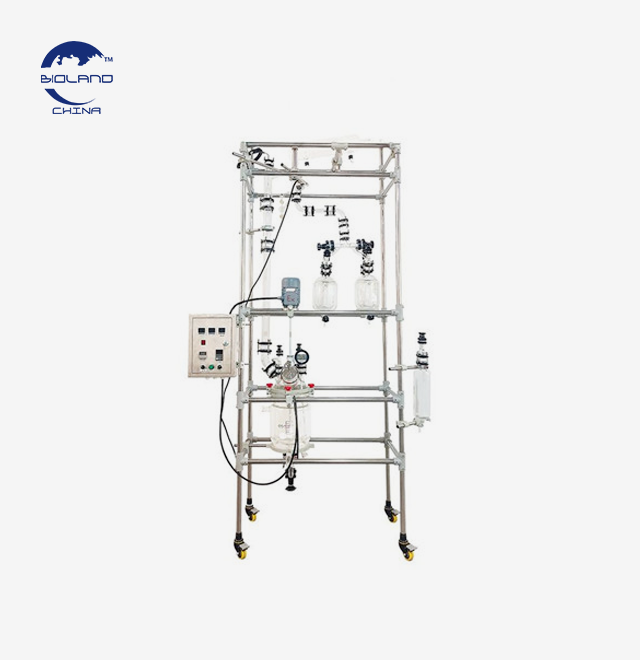
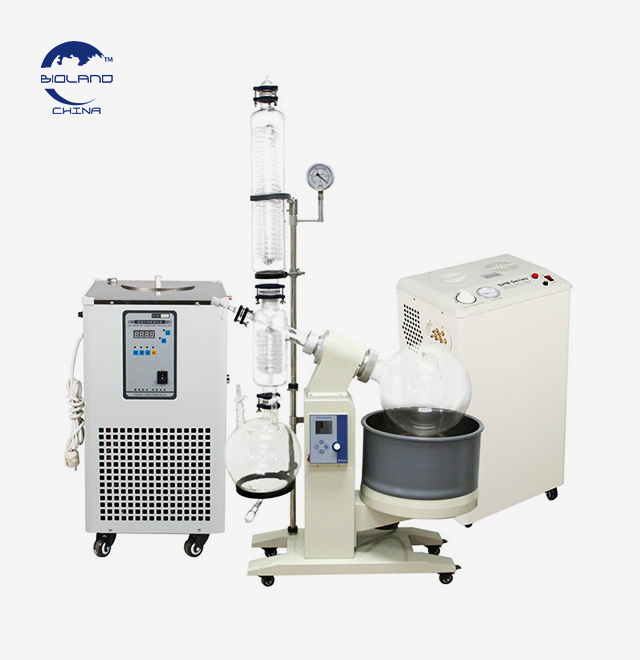
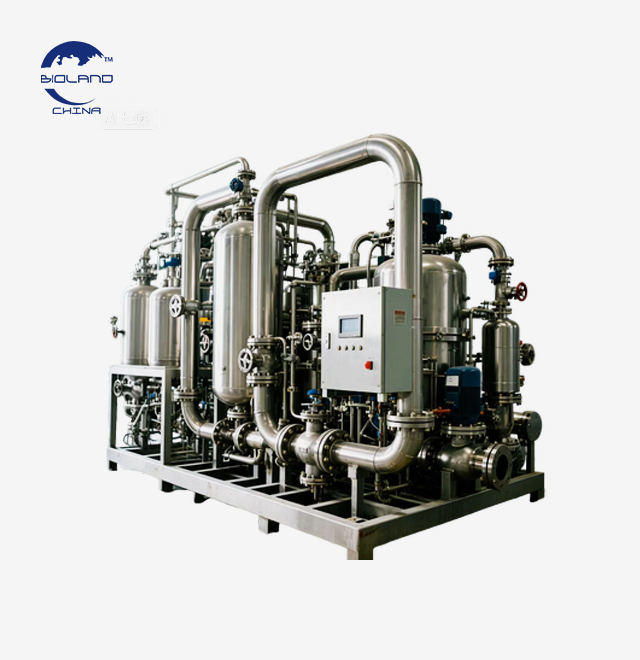
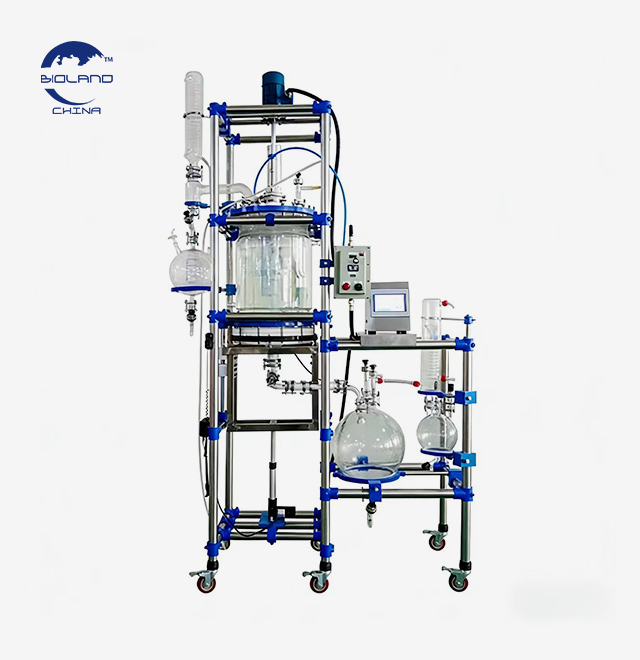
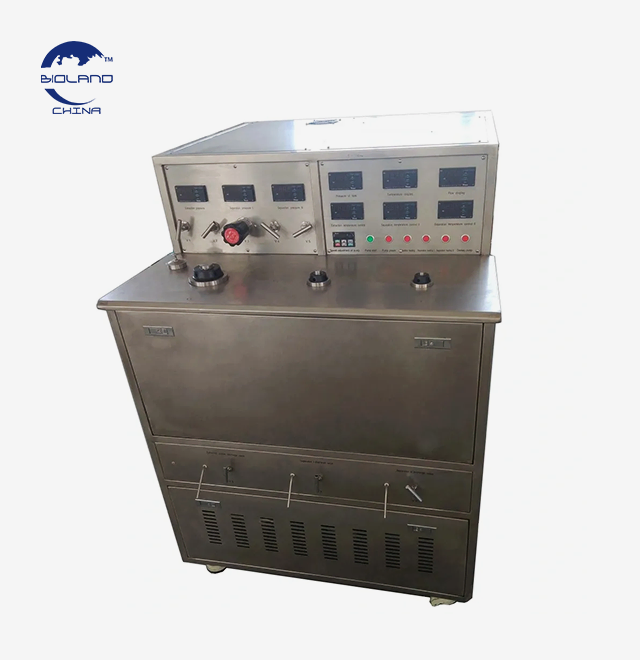
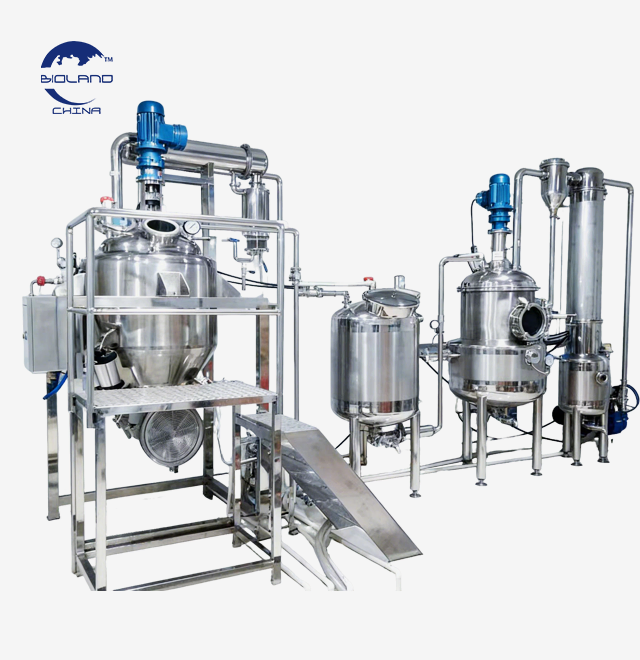
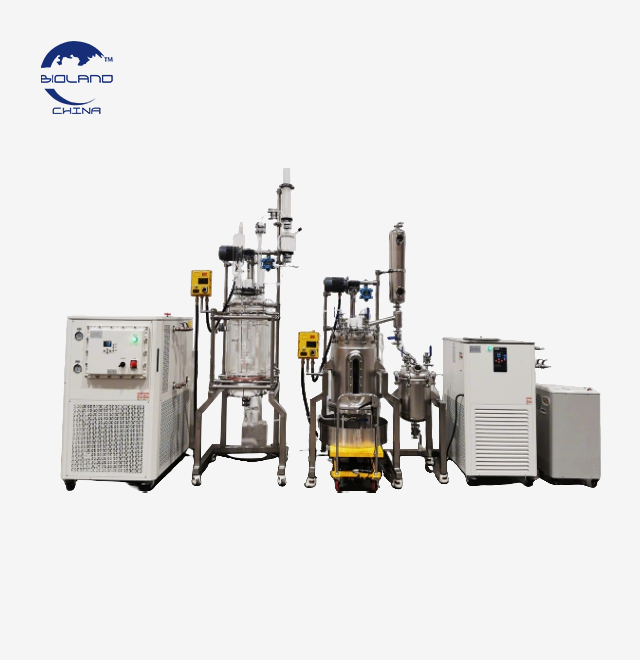
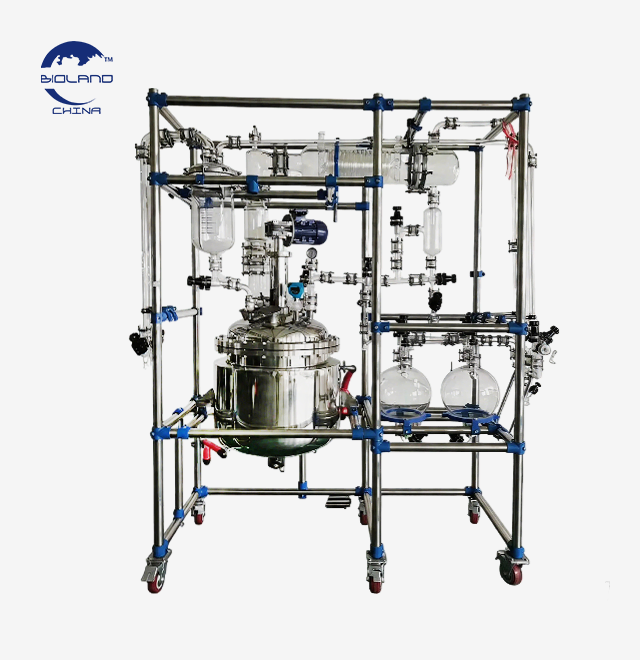
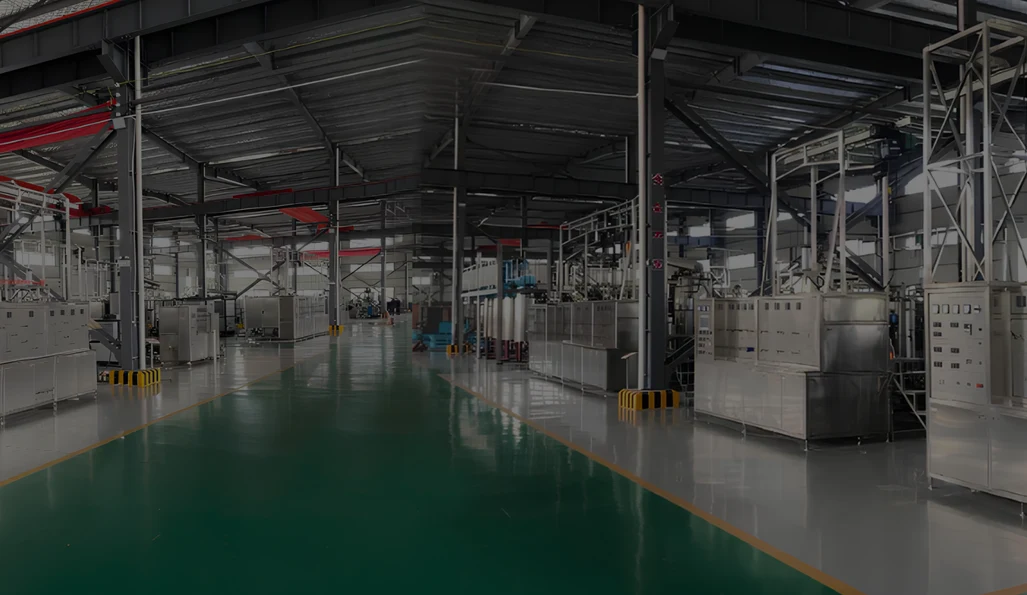
The answer to "What kind of equipment is used for extraction?" depends a lot on the needs of your product and the business you work in. Solvent extraction equipmentis a large group of different industrial machines that are used to separate useful chemicals from complicated mixtures by using the principles of liquid-liquid extraction. Ultrasonic extractors and essential oil distillation units are small-scale systems that can be used in a lab. Large-scale industrial ethanol extraction tools,Soxhlet extraction, centrifugal extraction machine, subcritical extraction,supercritical CO2 systems are also available. To choose the right equipment, you need to carefully think about your goal compound, the properties of the raw materials, the output needs, and the legal compliance needs.
Comprehending Solvent Extraction Apparatus: Principles and Working Mechanism
The basic idea behind extraction technology is that target chemicals will dissolve more easily in a certain fluid phase. The process uses differences in solubility to separate things in ways that heat methods can't do without putting things at risk of breaking down.
Core Operating Principles
Solid raw materials and liquid solvents come into close touch with each other during the extraction process. This lets the active ingredients move from the solid matrix to the liquid phase. The efficiency of extraction is directly affected by temperature, pressure, mixing strength, and dwell time. Modern extraction systems use precise control mechanisms to get the best results from these factors. This makes sure that returns are always the same and that chemicals that are sensitive to heat are kept safe.
The processes of diffusion and flow move mass from one place to another. Ultrasonic cavitation, which creates tiny bubbles that burst rapidly near cell walls, makes these processes work better with high-tech tools. This breaks up cell structures and speeds up solvent penetration. This method cuts the time it takes to remove from hours to minutes and greatly increases the rate of healing.
Key Components and Design Features
Professional extraction equipment is made up of several important parts that work together. The extraction tank is the main reaction chamber. It is made of corrosion-resistant materials, such as 316 stainless steel, so it can handle harsh acids and keep the purity of the product. Heating and cooling jackets help keep the temperature just right, which is important for low-temperature extraction methods that keep sensitive substances safe.
Agitation devices make sure that the liquid is spread out evenly across the bed of raw materials. Mechanical stirrers, circulation fans, and ultrasonic sensors are some of the options. Dual ultrasonic setups speed up the dissolving process, which is especially useful for getting active ingredients out of plant materials. Integrated condensers collect solvent fumes, which lowers costs and protects the environment by reusing solvents in a closed loop.
Factors Affecting Extraction Efficiency
The choice of solvent is the most important decision that affects the performance of extraction. Polarity, boiling point, toxins, and healing properties all play a role in this decision. Because it is safe and approved by regulators, ethanol is still used in medicine and food processes. On the other hand, chemical solvents like hexane work best for oil extraction.
Reducing the size of particles makes more surface area available for mass transfer, which makes extraction dynamics much better. Temperature control strikes a mix between how fast the chemical is extracted and how stable it is. Low-temperature extraction at 40–60°C protects heat-sensitive parts like flavonoids, alkaloids, and essential oils, stopping thermal degradation that lowers product quality and therapeutic effectiveness.
Comparison of Different Solvent Extraction Apparatus for Industrial and Lab Use
If you want to choose between laboratory and industrial systems, you need to know the trade-offs between scale, automation, and performance that fit your business goals.
Laboratory-Scale vs. Industrial-Scale Equipment
Laboratory extraction tools put accuracy and adaptability first, and can handle batches as small as 1 liter up to 50 gallons. These tools help with research and development, which lets the process be improved before it is scaled up. Small footprints fit in most labs, and hand controls let researchers change settings on the fly while an experiment is going on.
Throughput and dependability are important to industrial extraction systems, which can handle hundreds to thousands of liters of fluid per batch in either continuous or semi-continuous setups. Automation cuts down on the need for workers and makes sure that the same thing can be made over and over again. Construction that is strong can handle harsh manufacturing environments and ongoing operation cycles. These units work with filter systems, concentration units, and drying tools further down the production line to make full production lines.
Manual vs. Automated Systems
Operator control and a lower initial investment are two benefits of manual extraction equipment. However, it needs skilled workers and close supervision. Automated systems with PLC processors follow pre-set extraction routines, changing the temperature, pressure, speed of motion, and length of the extraction without any help from a person. This intelligence cuts down on mistakes made by people, speeds up production, and makes sure that the quality of the products stays the same from batch to batch.
When handling complicated multi-process extraction processes, the benefit of automation becomes very clear. Modern systems move smoothly between steps of ultrasonic-assisted extraction, hot reflux extraction, and liquid recovery, making sure that each stage works as efficiently as possible. CIP cleaning systems clean automatically between runs, which is very important for GMP compliance in pharmaceutical production settings.
Extraction vs. Alternative Separation Techniques
When you compare extraction to distillation, you can see that extraction is better for uses that need to avoid heat. Distillation depends on differences in volatility and needs high temperatures that can break down chemicals that are easily damaged by heat. Extraction works at room temperature or slightly higher temperatures, which keeps the purity of the molecule and achieves high selectivity.
Centrifugation quickly separates phases, but it doesn't have the precision that solvent choice does for extraction methods. Membrane filtration is great at getting rid of particles, but it fails to separate molecules, which is where extraction shines. Engineers can make better combined process solutions that use the best parts of each method when they know how these technologies work together.
Benefits and Important Considerations in Choosing Solvent Extraction Equipment
Advancedsolvent extraction equipment gives you measurable gains in a number of performance areas that have a direct effect on your business's bottom line and the quality of your products.
Performance Advantages
By combining different types of technology, modern extraction systems are 50–500% more efficient than older ones. Ultrasonic-assisted extraction speeds up mass transfer, so the extraction process takes only 24–40 minutes instead of several hours with traditional maceration methods. This shortening of time leads to more work getting done and less energy being used per unit of output.
Custom dual-condenser devices maximise the recovery of solvents while increasing the output of compounds. The closed-loop design keeps toxic substances that would normally escape, which raises recovery rates and lowers the amount of raw material that is wasted. Lower levels of impurities in the drained liquid make purification steps later on easier, which lowers costs and raises the quality of the end product.
Safety Protocols and Compliance
The ability to control temperature makes it possible to remove naturally occurring substances that are sensitive to heat without damaging them. When made at the best low temperatures, botanical extracts used in nutraceuticals, cosmetics, and medicines keep more of their bioactive ingredients. Preserving the active ingredients makes the product work better and fetch more money on the market.
When working with organic solvents, strict safety steps must be taken to protect both people and the environment. Explosion-proof designs with ATEX-certified parts get rid of sources of burning in dangerous environments. Systems that are completely safe from explosions have motors, electrical connections, and control screens that are approved for Zone 1 or Zone 2 settings.
GMP compliance makes sure that the design, materials, operation, and upkeep of tools all meet strict standards for making medicines. Tri-clamp connections, electro-polished surfaces, and dead-leg removal are all sanitary building features that keep things clean and make validation easier. Regulatory entries are backed up by documentation packages that include material approvals, estimates for pressure vessels, and validation procedures.
Industrial Applications Across Sectors
Automated safety interlocks keep an eye on important factors like temperature, pressure, and fluid levels. If conditions get too high, they stop activities. Over-pressurization can be avoided with emergency exit systems, and leaks in solvents can be found by workers before they build up to a dangerous level.
For API production, pharmaceutical companies use extraction tools to separate active chemicals from natural sources or synthetic reaction mixtures. Stevia extraction lines make natural sweets that are pure enough to be used in food. Nutraceutical markets get standardized plant extracts from propolis and curcumin extraction methods.
Extraction technology is used in food preparation to get back essential oils, make flavoring agents, and make unique ingredients. To keep volatile taste molecules from going away when aromatic oils are extracted from herbs and spices, the temperature must be carefully controlled. Alcohol precipitation methods get rid of polysaccharides and proteins that aren't needed, making crude extracts better enough for medicinal use.
Procurement Guide: How to Buy the Right Solvent Extraction Equipment?
To buy solvent extraction equipment successfully, you need to carefully consider your wants, the supplier's skills, and the overall cost of ownership.
Assessing Your Requirements
First, do a complete needs analysis to list your goal compounds, the properties of the raw materials you want to use, the throughput you want, and the quality standards you need to meet. Before investing in full-scale equipment, extraction factors are checked on a pilot size. Think about how much power you will need in the future to avoid becoming obsolete too soon.
Process compatibility isn't just about the extraction step. Look at the needs for integrating upstream preparation tools and downstream processing units. The amount of heat and cool air that can be used, the infrastructure for storing and moving solvents, and the ability to treat waste water all affect the costs of system design and site planning.
Regulatory requirements vary by industry and region. For pharmaceutical uses, designs must be GMP-compliant and come with a lot of paperwork. For food preparation, you need things that are safe for food and a clean building. Understanding the relevant standards early on keeps you from having to do expensive redesigns during the approval stages.
New vs. Custom-Built vs. Second-Hand Equipment
Shorter wait times and lower costs come with new, standard solvent extraction equipment, but the process may need to be changed to fit the available options. Custom-built systems are more expensive at first but get better results because every part of the design is tailored to your unique needs. Custom manufacturing usually takes 30 business days, which means combining the benefits of optimization with project deadlines.
Used equipment can be cheaper, but there are risks that come with it, such as changes that haven't been recorded and limited warranty coverage. Some worries are eased by thorough inspection and repair by experienced experts, but the availability of certain configurations is still unknown.
OEM and ODM services offer complete solutions that include planning the workshop, choosing the right equipment, installing and operating it, teaching the operators, and providing ongoing technical support. This all-around method makes the project simpler and makes sure that all of the system's parts work together well.
Supplier Evaluation Criteria
The knowledge of the supplier has a big impact on the success of the project. Companies that have been making extraction tools for more than 15 years have a deep understanding of the process and have improved their designs to include field-proven changes. Read case studies from similar applications, especially ones that were good at extracting chemicals that are similar to the ones you want to find.
Quality control methods and product safety are checked by international certifications like CE, ISO, UL, SGS, ATEX, and IEC. With these qualifications, you can be sure that the equipment you buy meets established standards for testing, designing, and making it. For important parts, ask for material approvals and paperwork on pressure vessels.
Long-term business success depends on how well you can help customers after the sale. Check to see what the guarantee covers, if spare parts are available, how quickly you can get expert help, and if there are any preventative maintenance programs. Downtime during fixes or fixing is kept to a minimum by having local service providers or partnerships in your area.
Case Studies and Practical Examples of Solvent Extraction Apparatus in Action
In the real world, examples show how extraction technology can be used to solve specific business problems in a wide range of settings.
Pharmaceutical Industry Applications
As a pharmaceutical company moved from lab-scale to test production for a botanical active ingredient, they needed tools that would help them follow good manufacturing practices (GMP) and keep a close eye on the whole process. The chosen system was made of 316 stainless steel, had PLC automation with recipe management, and had CIP features built right in. Low-temperature extraction kept the safety of the compounds and got 95% recovery rates, which met the purity and strength standards set by the pharmacopoeia.
Food and Nutraceutical Processing
Regulatory approval processes were sped up by validation documents given by the manufacturer. The flexible design allowed for future potential growth, which protected the initial investment and helped the business grow. Gains in production speed cut the cost of making each dose by 40%, making the product more affordable.
A company that makes curcumin used an ultrasonic extraction device to get more curcumin and do the work faster. In the old way of soaking, rounds lasting 8 hours produced an extract concentration of 2.5%. With the new ultrasonic-assisted method, extraction was finished in 35 minutes at a concentration of 4.2%, which meant that each batch produced twice as much.
With the dual-condenser setup, 98% of the ethanol liquid was collected, which greatly reduced the cost of raw materials and the amount of pollution that was released into the environment. Low-temperature operation improved the stability of the compounds and kept the curcuminoid profiles, which led to higher prices in the nutritional market.
Laboratory Research and Development
A biotechnology research center needed flexible lab tools that could handle a number of different extraction methods so that they could test natural product libraries. The chosen multi-process system could do ultrasonic-assisted extraction, hot reflux, aromatic oil distillation, and organic solvent extraction all in one unit, which made the best use of the lab's room.
Experiments could be repeated, which is important for comparison studies, thanks to precise controls over temperature and mixing. Small batch sizes kept the use of rare samples to a minimum while still making enough material for chemical analysis. The successful lab methods were used to make the specs for buying equipment for use on a large scale.
Conclusion
To choose the right extraction equipment, you need to carefully match the equipment's skills with your process needs, the rules that apply, and your business goals. Integrated technologies like ultrasonic help, automatic PLC control, and optimized solvent recovery systems make modern solvent extraction equipment work very well. Understanding the principles, configurations, and provider market is key to making smart buying decisions, whether you're moving from lab research to pilot production or increasing the capacity of a factory that you already have. Long-term operating success and return on investment are guaranteed by putting GMP compliance, material quality, customization options, and full after-sales support at the top of the list.
FAQ
What factors should guide my choice between different extraction equipment types?
Choosing equipment depends on a number of things that are all linked. Extraction rates are affected by the particle size, moisture content, and compound spread of the feed material. The right extraction temperatures and solvents are based on the qualities of the target molecule, such as its thermal stability, liquid solubility, and the level of purity that is needed. Laboratory units are different from industrial systems in terms of the amount of work they need to do and how fast they need to do it.
How does solvent extraction efficiency compare to distillation?
When working with heat-sensitive chemicals that would break down at boiling temperatures, solvent extraction works best. Lower temperatures are used for extraction, which keeps molecules intact while separating them selectively. Extraction is usually better for tasks that don't need full solvent cleanup because it uses less energy per unit of output.
What financing options exist for high-end extraction equipment purchases?
Suppliers of equipment often make it easier to get finance by offering lease plans, payment plans with installments, or vendor financing programs that spread the cost of capital over the useful life of the equipment. Industrial gear loans backed by the equipment itself are what third-party equipment lending companies do best. Traditional business loans or lines of credit may have better rates for businesses that already have a contact with a bank.
Partner With BIOLAND for Your Extraction Equipment Needs
BIOLAND INSTRUMENT has more than 15 years of experience developing and making complete extraction solutions for uses in biotechnology, fine chemicals, pharmaceuticals, and food processing. Ultrasonic extraction machines, ethanol extraction systems, supercritical CO2 extractors, and essential oil distillation units are all part of our solvent extraction equipment. It is all designed to meet strict international standards, such as CE, ISO, UL, SGS, ATEX, and IEC approvals. We are very good at making OEM/ODM solutions that are exactly what your process needs, from planning the workshop to installation, testing, and training the operators.
Our designs are in line with GMP standards and can be made of 316 stainless steel if desired. They also come with PLC control, explosion-proof options, and two ultrasound systems that can work with different ways of oil extraction, such as UAE, OSE, and aromatic oil extraction. BIOLAND is a reliable company that can provide you with solvent extraction equipment. They have used their products successfully in production lines for stevia, propolis, curcumin, and mushroom extracts. They offer low prices, fast delivery, and lifetime expert support, all backed by full one-year warranties. Email our engineering team at info@biolandequip.com to talk about your unique extraction problems and find out how our cutting-edge equipment can help you make your production more efficient and improve the quality of your products.
References
1. Seader, J.D., Henley, E.J., and Roper, D.K. (2015). Separation Process Principles: Chemical and Biochemical Operations. 4th Edition. John Wiley & Sons, Hoboken, New Jersey.
2. Muthukumaran, C., Banupriya, L., and Harinee, S. (2021). "Ultrasound-Assisted Extraction of Bioactive Compounds: Principles, Advantages, and Applications." Journal of Food Process Engineering, Volume 44, Issue 7.
3. Azmir, J., Zaidul, I.S.M., Rahman, M.M., et al. (2013). "Techniques for Extraction of Bioactive Compounds from Plant Materials: A Review." Journal of Food Engineering, Volume 117, Issue 4, Pages 426-436.
4. Cox, M. and Rydberg, J. (2004). Solvent Extraction Principles and Practice. 2nd Edition. Marcel Dekker, New York.
5. Raynie, D.E. and Markides, K.E. (2019). "Green Extraction Technologies: Principles and Applications for Natural Product Recovery." Comprehensive Analytical Chemistry, Volume 86, Elsevier.
6. Perry, R.H. and Green, D.W. (2018). Perry's Chemical Engineers' Handbook. 9th Edition. Section 15: Liquid-Liquid Extraction and Other Liquid-Liquid Operations. McGraw-Hill Education, New York.
The reactor is beautifully mirror-polished and fully complies with GMP requirements for the pharmaceutical industry. The performance is excellent! Overall, we are very satisfied! We also provided with some feedback on our process improvements, which we hope will be helpful.
2024-04-09
Laboratory
Excellent and professional service. Always reply our questions very fast. All reactors and chiller we received are good too.
2024-02-15
Research Institute
Quality is beyond our expectation actually. After we got the extraction equipment and started using it, the performance was beyond our expectation. Very easy to use and very efficient to run. Service always respond us very quickly. Was also very helpful to help us. Thanks Bioland team. Very happy to work with you.
2023-11-20
Biotech Company
We are happy about the new purchase as always. Equipment and services are both good.
2023-08-05
Instrument Lab
This is the second order with Bioland instrument and everything is good as the first dateText.
2023-05-12
Global Trading Partner
Bioland instrument team is very helpful and professional. The sales helped us select the right equipment for our application, and their logistics people handled the transportation and customs declaration for our shipment. All that saved us a lot of work.