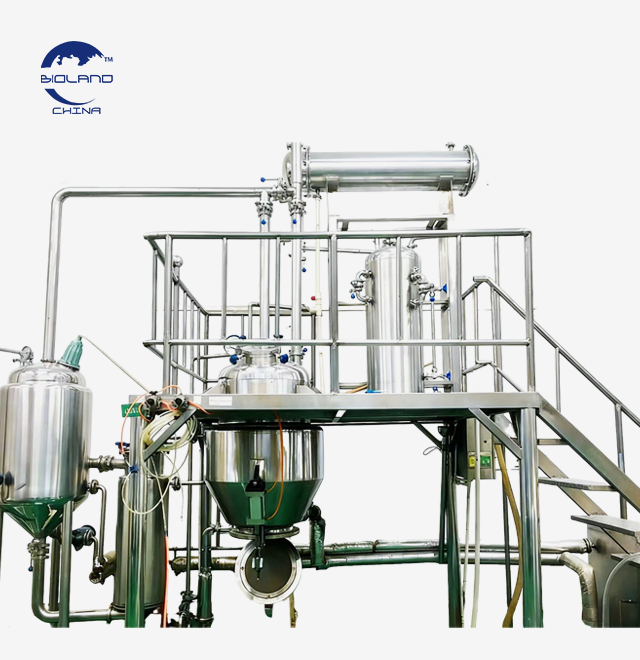
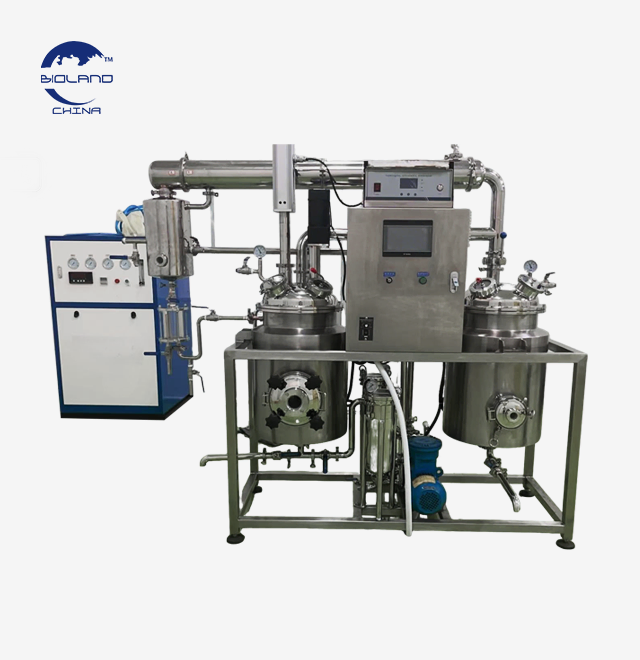
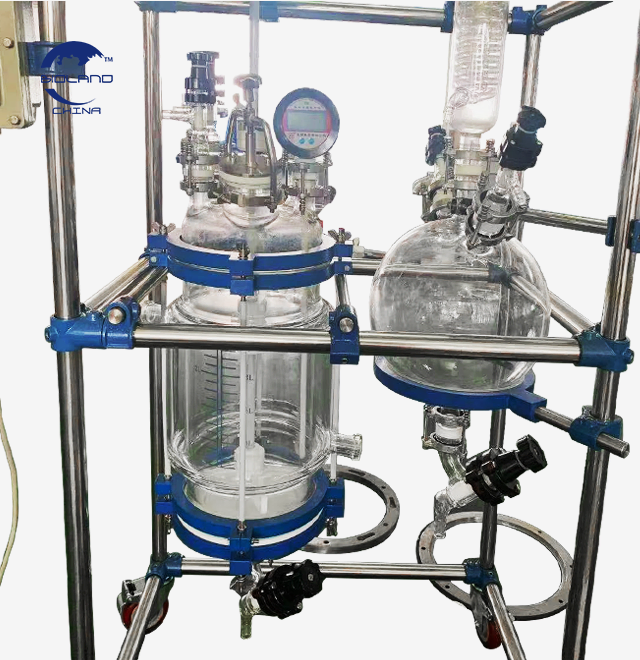
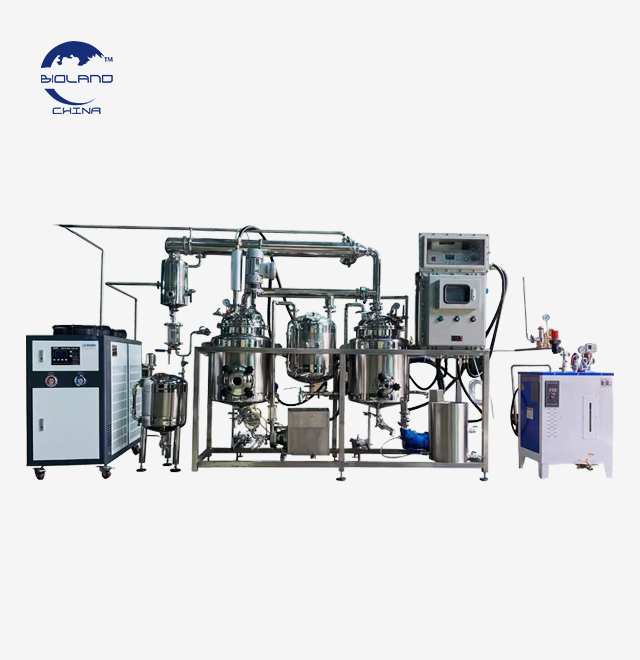
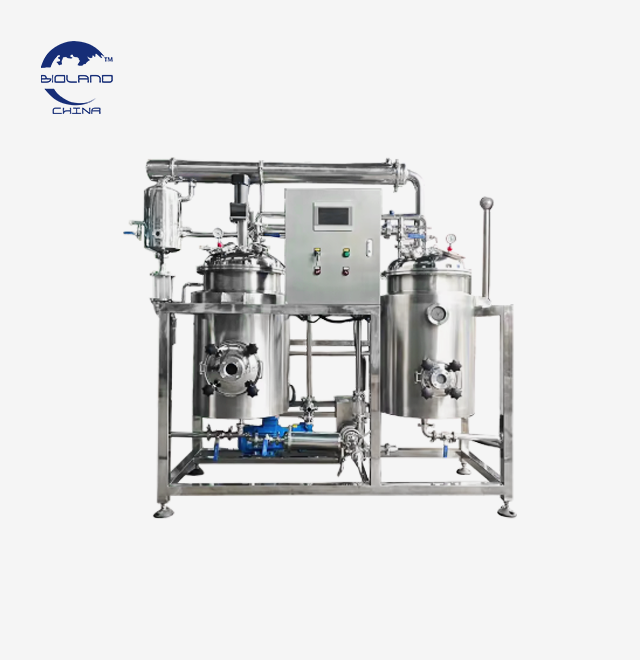
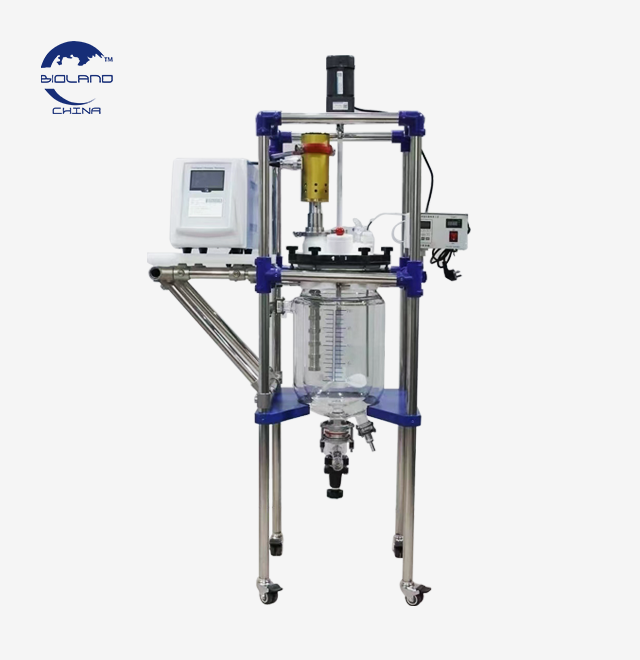
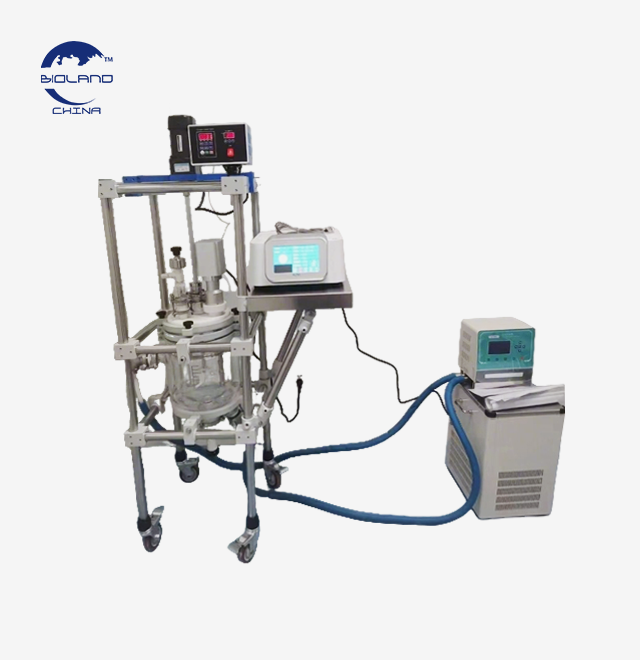
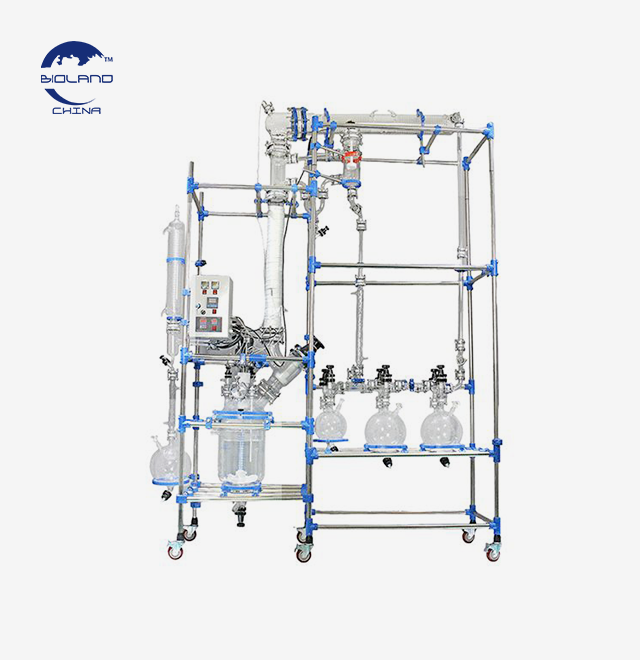
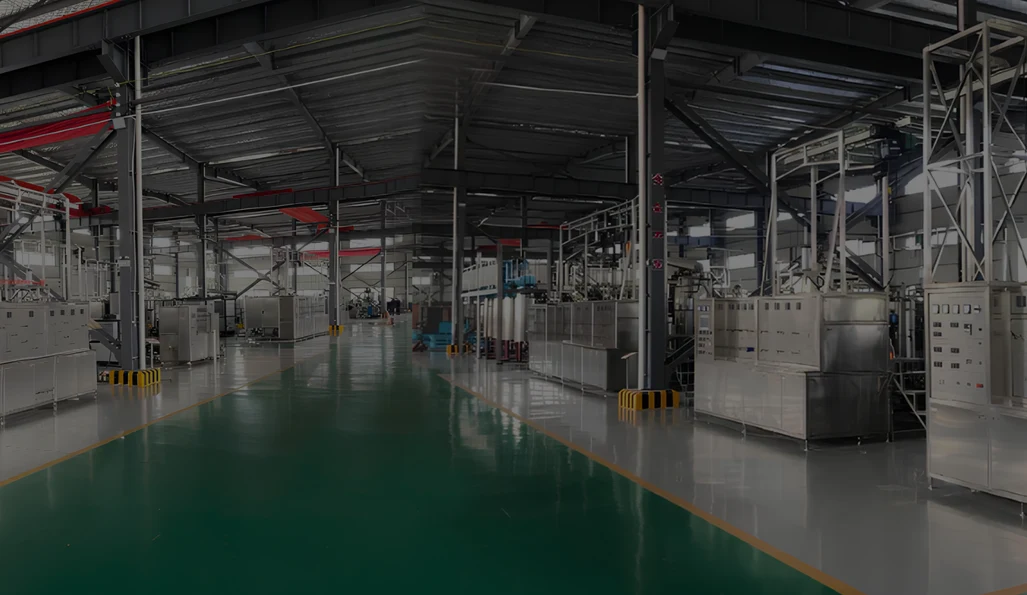
Ethyl alcohol is used as a solvent in ethanol extraction to remove useful chemicals from plants. There is an ethanol extraction systemwith soaking vessels, filtration modules, and recovery equipment used in an industrial setting. This system works at controlled temperatures, which are often as low as -40°C to -80°C, to get the cannabinoids, terpenes, and essential oils out of the plant while getting rid of as many impurities as possible, like chlorophyll and waxes. The closed-loop system gets back more than 98% of the fluid. In the pharmaceutical, nutritional, and plant processing businesses, this means that the method can be used, repeated, and is not too expensive.
Understanding Ethanol Extraction: Principles and Process
Why Ethanol Works as a Botanical Solvent?
Ethanol can break down both water-loving and fat-loving molecules because it is neutral. It can be used to extract a lot of different plants because of this. Ethanol, on the other hand, is safe for food and has been labeled as GRAS (Generally Recognized as Safe) by the FDA. In other words, it meets the requirements for use as both food and medicine. It can work in a range of temperatures, which makes it flexible. Extracting at room temperature gets you a bigger range of compounds, but extracting at cold temperatures stops fats and chlorophyll that you don't want from running together with the compounds.
These chemicals can be used to help current systems work better with careful planning. Vessels made of SS304 or SS316L stainless steel meet cleanliness standards and stop germs from spreading. Their thermal management systems have chillers and heat exchangers that can be used to control the temperatures of the extraction process. This makes sure that every batch works the same way. Tech leads who are looking at process compatibility like the ethanol extraction system because they can fine-tune the temperature and acidity of the liquid.
Core Components of a Professional Ethanol Extraction System
There are several useful parts that work together to make up a combined platform. Fresh ethanol is poured into the extraction tank, which holds biomass. Systems that stir things up help the liquid get into the material. In centrifugation units, a strong G-force is used to get rid of pure ethanol from waste, which raises output. Before the crude extract is evaporated, it goes through filtering devices that usually use multi-stage cartridge or membrane filters to get rid of particulate matter. Falling film evaporators remove ethanol at a controlled temperature and pressure. This keeps heat-sensitive terpenes safe while letting the solvent be recovered.
For more advanced designs, you can add dual condenser systems and ultrasonic-assisted extraction modules as options. These can help with recovery rates and speed up the breakdown process. Ultrasonic waves create cavitation bubbles that break down plant cell walls and let active ingredients out more effectively than just soaking and not doing anything else. Manufacturers can change the purity and throughput goals with these flexible options. They can be used for a variety of working scales, from small trial runs to production lines that are always running.
Step-by-Step Extraction Workflow
Getting the material ready is the first step in the process. The raw plant material is ground up into regular pieces to do this. This makes more surface area for the liquid to touch. The extraction tank is filled with cold ethanol, which generally covers the waste three to ten times. Different shapes need different amounts of time to soak. It could be 20 minutes or several hours. When temperatures are kept below -40°C using cryogenic ways, lipids and waxes harden and settle in the line. This makes the next step of cleaning easy.
The dry residue is removed from the liquid extract by pressing or centrifugation after it has been soaked. The simple ethanol solution goes through steps of cleaning to get rid of any particles that are floating in it. Next, it evaporates. To make ethanol in this case, vacuum-assisted falling film or rotary evaporators are used. When the ethanol cools down, it goes back to the holding tanks to be used again. Some extra steps may be needed to prepare the concentrated crude oil, such as decarboxylation or chromatographic preparation, depending on what the final product needs. With the right changes, the cycle can be finished in 24 to 40 minutes for each batch, which is a lot faster than regular reflux ways.
Advantages and Efficiency of Ethanol Extraction Systems
Strategic Benefits for Industrial Operations
The process of extracting ethanol is very adaptable, and it can be used to make anything from small tests in the lab to tons of product every day. Unlike supercritical CO2 systems, which need infrastructure for high pressure, the ethanol extraction system platforms work at atmospheric or mild vacuum conditions. This means they are easier to set up and require less capital. Medium-sized businesses and research institutions that are going from test projects to full-scale production like this technology a lot because it is easy to use. The cost of solvents stays low because recovery devices constantly collect 97% to 99% of the ethanol. This makes the costs of running the business low.
Chemicals that are easily damaged by heat are kept safe during cold ethanol extraction. The terpene profiles that add to the smell, taste, and medical benefits are also kept. Companies that make and sell high-quality, full-spectrum extracts need this preservation edge a lot because the compounds' purity affects what customers want and how they position themselves in the market. When temperatures drop below freezing, things become more selective, and they don't need to be winterized as much. This cuts down on the time it takes to make things and the cost of work for extra steps in the process.
Automation and Process Optimization
New systems use PLC-based automation to run recipes, keep an eye on temperatures, and handle alarms. People who work with machines can change things like the time, temperature, and speed of the motion using touchscreen HMIs. This makes sure every batch is the same. Monitors that work in real time keep an eye on the amounts of liquid, pressure, and flow rates. If these aren't met, they make changes on their own that keep things on track. People no longer make as many mistakes with this smart control. It also makes better use of resources and speeds up production cycles. It directly affects the main goal of the plant manager, which is to keep the operations stable and up all the time.
With data logging and SCADA integration, you can keep an eye on things from afar and plan repairs ahead of time. Teams in charge of production look at old batch records to find trends, figure out what's wrong with oddities, and make changes to the way things are done so things keep getting better. These digital skills fit with the ideas behind Industry 4.0 and can help companies that do things quickly and well stand out from their rivals. Having a better understanding of process data also helps with legal paperwork. This makes it easy to check for GMP, FDA, and ISO certifications.
Safety Protocols and Maintenance Best Practices
Because ethanol can catch fire, very careful safety measures must be taken. Professional systems are allowed for Class I, Division 1 or 2 (C1D1/C1D2) hazardous locations because their explosion-proof electrical components can't explode. This is what ATEX or NEMA standards say must happen. It is less likely that something will explode if there is active ventilation, LEL (Lower Explosive Limit) monitors, and automatic stop processes. Protocols for grounding and bonding stop static electricity from happening while solvents are being transferred, and controlled settings keep vapors inside activities that are safe.
The CIP method moves cleaning agents through pipes and tanks to get rid of residue without taking them apart. This is done as part of normal maintenance. The seals, valves, and monitors are checked on a regular basis to make sure they are still in good shape. Preventive maintenance plans, when used as directed by the OEM, make equipment last longer and cut down on unexpected downtime. This is very important for purchasing managers who want their equipment to be reliable in the long run. These upkeep tips show how important it is to work with providers who offer full support after the sale, training from experts, and quick service networks.
Comparing Ethanol Extraction to Other Extraction Technologies
Ethanol vs. Supercritical CO2 Extraction
If you change the temperature and pressure, you can use supercritical CO2 extraction above the critical point, which is 31°C and 1071 psi. This lets you change the selectivity. It costs a lot of money—often 50% to 200% more than anethanol extraction system—and takes a lot of high-pressure vessels and complicated gear to get extracts that are this pure. CO2 equipment also needs to be used for longer periods of time and requires special training for users, which makes things harder to do.
For example, to get the same level of purity from ethanol, cryogenic methods and multiple steps of filtration are used. This costs less in terms of capital and running costs. CO2 doesn't leave behind any liquids that could be harmful, but ethanol is safe for food and medicine because it is GRAS and has well-known ways of cleaning. CO2 is best for high-end, low-volume extracts, while ethanol is best for high-volume, low-cost markets without losing quality. The choice comes down to how much flow is needed, how much money is available, and how the product is positioned.
Ethanol vs. Hydrocarbon Extraction
Hydrocarbon solvents, such as butane, propane, or mixes of these, make extraction quick and good at keeping the terpenes, but they can be dangerous and break the law. Hydrocarbon systems need to be kept safe from fires and have enough ventilation because they work under pressure. They also need to be okay with the fire marshal in the area. Things get trickier when they need to be cleaned and tested for leftover solvents. This makes it take longer to get to market and requires more work to meet rules.
It's easier to follow the law when ethanol is food-grade, especially in places that don't let fuels be used in foods. Because it is non-flammable when handled under controlled conditions, it costs less to insure and build new infrastructure. On the other hand, the extraction profiles are a little wider and need to be winterized. However, this gap is getting smaller thanks to newer ways for cryogenic ethanol. People who are risk-averse and put safety, compliance, and ease of operation first are likely to like ethanol.
Evaluating Total Cost of Ownership
The initial cost of the equipment is only one part of the total cost of ownership. Other parts are solvent costs, recovery efficiency, energy use, maintenance, and following the rules. The recovery rate for ethanol systems is very high—they can get back more than 98% of the fluid, which lowers the costs over time. Customers with vacuum evaporators, which use less energy, pay less for electricity than those with high-pressure CO2 systems rotating cooling engines. It's easy to maintain because the design is modular and parts are easy to find. This lowers the cost of service and downtime.
Different places have different costs for following the rules. Ethanol is known to be safe, and it's easy to get the equipment you need. As an alternative, CO2 and hydrocarbon systems might need environmental checks or unique permits. An ethanol extraction business that deals with a lot of different plant materials and changing market needs is likely to see a higher return on investment (ROI) over five years.
How to Procure Ethanol Extraction Systems: A Buyer's Guide
Custom vs. Standard Configurations
Standard systems have set outputs and features, and their sizes are already planned. Usually, they come with 5L to 500L tanks for extraction. When a company knows how much they need to make and how long the process takes, these tools work best. They also charge less and have faster lead times. Different setups can be made to meet specific needs. For example, vessels can be made in special forms for fibrous biomass, ultrasonic units can be built in for materials that are tough to get rid of, and closed-loop solvent recovery can be scaled up or down based on the batch size.
Setting output goals (in kilograms per hour), the quality of the extract you want (crude vs. refined), and the facility's limits (footprint, utilities, hazardous area classification) will help you figure out what changes need to be made. Tech leads should work with companies that do OEM/ODM services and help them choose materials by giving them CAD drawings, process flow diagrams, and tips on how to use the materials. It takes an extra 30 working days to customize a project, but it's worth it in the long run because it leads to better integration, process flexibility, and long-term running efficiency.
Assessing Supplier Credentials and Experience
The professional skills, knowledge, and help after the sale of a supplier are all things that are taken into account. Manufacturers who have been around for more than 15 years bring tried-and-true ideas that have been made better by listening to customers and using them in a lot of different situations. Products that have certifications like CE, ISO, UL, ATEX, and IEC meet safety and quality standards around the world. People who want to buy an ethanol extraction system can do their study better, and companies can follow the rules better in managed markets.
You should ask for case studies that show how the process has worked well in similar scenarios. Production lines for stevia, propolis, capsaicin, curcumin, or mushroom extraction are just a few examples of how flexible the process can be. Factory tours or virtual tours show how things are made, how strict the quality control is, and how much they can make. How risky a seller is depends on how open they are about things like lead times, warranties, and how quickly they answer calls for technical help. Companies that want to keep their business running should make sure they have extra parts, field service networks, and training programs that help their teams learn.
Warranty, After-Sales, and Training Considerations
Most of the time, a full guarantee covers both the parts and the work for one year. This protects you against mistakes made during the build and parts that break down too soon. When you have a longer warranty or service contract, you can plan your maintenance budget better and get help faster. As part of the after-sales service, installation help, commissioning protocols, and training for the user are given. So, ramp-up goes faster and completion takes less time.
Turnkey solutions from manufacturers make it easier to finish projects and hold one source responsible. These solutions include planning the workshop and picking out the right equipment, as well as installation, commissioning, and ongoing expert support. It takes less time to plan with this combined method, workers don't have to argue with each other, and the system works the way it was agreed upon in the contract. Training programs should teach people how to use things, do regular maintenance, fix problems, and follow safety rules. Teams will learn how to increase uptime and adjust to changes in the process.
Future Trends and Innovations in Ethanol Extraction Technology
Smart Systems and Remote Monitoring
With the ideas behind Industry 4.0 in mind, the ethanol extraction system is made with IoT sensors, cloud connectivity, and data analytics. Smart systems track important details about the process, like temperature graphs, solvent flow rates, and batch cycle times. They then send these readings to central dashboards where they can be seen in real time. From away, plant managers keep an eye on several production lines to find problems, plan preventive maintenance, and see how well different sites are doing.
In predictive analytics, machine learning is used to figure out how much tools will wear out, what the best extraction settings are, and how to change the process. Anomaly detection lets workers know about issues before they get worse and cost a lot of money to fix or affect the quality of the product. Tech leads and plant managers have practical goals that are in line with these digital changes. They make a real difference in how consistent the yield is, how well resources are used, and how much paperwork officials need.
Advancements in Solvent Recovery and Sustainability
New technologies for recovering solvents are being made faster because of rules about the environment and needs for sustainability. Evaporators of the next generation have heat recovery systems that use waste heat to warm up materials or keep extraction temperatures fixed. This uses less energy overall. With membrane distillation and hybrid evaporation, recovery rates go above 99%. This means that almost no liquid is lost, and there are no waste costs.
It is better for the environment when closed-loop ethanol systems are used, so businesses that want to meet their own environmental goals or get green chemistry certifications like them. Even better lifecycle carbon profiles are made by sustainable ethanol that is made from agricultural feedstocks. People want to know more about how things are made, and these eco-friendly technologies help companies stand out and meet customer needs, especially in the botanical and health markets that charge a lot.
Market Expansion and Competitive Positioning
The need for plant extracts is rising in the cosmetics, nutraceuticals, pharmaceutical, and functional food businesses around the world. This is driving the growth of the extraction tools market. Asia-Pacific, Latin America, and Eastern Europe are all new places where companies that offer cost-effective options that can be scaled up can grow. When regulations are the same and GMP is used across jurisdictions, more markets can be offered. This is good for companies that make legal, compliant platforms.
Companies that give complete packages with tools for extraction, concentration, purification, and drying are more likely to win business. These solutions meet the main need that B2B buyers have found for one-stop solutions. Businesses that need to deal with unknown demand trajectories or want to add more products can benefit from modular designs that let them add small amounts of capacity. Top manufacturers stay on top of technology by always making automation, efficiency, and sustainability better. This brings in discerning buyers who care more about long-term value than short-term cash gains.
Conclusion
Ethanol is a well-known, adaptable, and inexpensive way to get chemicals from plants that can be used on a large scale. The method is a good balance between yield, safety, selectivity, and following the rules, and when combined with an ethanol extraction system, it becomes even more effective for industrial applications. It can be used for many things, such as making medicine APIs and health product ingredients. For technical leads, purchasing managers, and plant managers, professional systems have strong safety features, advanced automation, and flexible functional setups that can be used in different ways.
Digitalization and the need to be green are changing the business world. For a long time, those who use ethanol extraction platforms with smart tracking, energy recovery, and variable process flows will be able to stay ahead of the competition. A careful choice of suppliers based on experience, licenses, and full support after the sale ensures a smooth implementation and long-term operational excellence.
FAQ
What safety features are essential in an ethanol extraction system?
Electrical parts that can't explode and are approved for use in C1D1/C1D2 hazardous locations are important for safety. Other safety features include active ventilation with LEL sensors to find vapor buildup, automatic shutdown processes that are set off by problems, and proper grounding to stop static electricity. Systems should be in line with ATEX, NEMA, and local fire codes. Operators should also get full training on how to handle the systems safely and what to do in an emergency.
How does cold ethanol extraction improve product quality?
As the temperature drops below -40°C to -80°C, chlorophyll, waxes, and lipids become less soluble in ethanol. This means that they can't be removed together. With this choice, you can get crude extracts that are better and need less work afterward. Some oils and cannabinoids that are sensitive to heat are also kept. These add to the smell, make the product work better, and attract customers. This makes the things more pure and improves their medicinal and sensory qualities.
Can ethanol extraction systems be customized for specific botanicals?
Of course. Manufacturers offer OEM/ODM services that let you change the filtration steps, the shape of the tank, how it stirs, and the use of ultrasound to help. This way, you can make the machine work with a wide range of plant materials, from tough hemp to soft mushrooms. When you customize, you can get the best quality and product for your needs by taking into account different extraction rates, particle properties, and target chemistry profiles.
Partner with BIOLAND for High-Performance Ethanol Extraction Systems
If you want to handle more plants, you need tools that gives you consistent quality, makes your work easier, and is safe for the law. BIOLAND INSTRUMENT has been making ethanol extraction systems for more than 15 years. Their systems are fully explosion-proof, follow GMP guidelines, and have CE, ISO, and ATEX certifications. They also have flexible sets that can support ultrasonic-assisted extraction. As part of our full solutions, we plan the workshop, set up the tools, teach you how to use it, and give you expert training. They come with a professional after-sales team that promises quick replies and maintenance support for life.
These platforms are made from 316 stainless steel and can be changed to fit your needs. They can be used to build new production lines, increase capacity, or move from lab to pilot scale. They are automated with PLCs to make sure the best amounts of yield, purity, and return on investment. To learn more about unique system configurations and affordable prices from a reputable ethanol extraction system manufacturer who wants you to succeed, contact our technical experts at info@biolandequip.com.
References
1. Turner, C. E., & Elsohly, M. A. (1981). Biological activity of cannabinoids and their constituents: Solvent extraction methods. Journal of Clinical Pharmacology, 21(S1), 283S-291S.
2. Wang, L., & Weller, C. L. (2006). Recent advances in extraction of nutraceuticals from plants. Trends in Food Science & Technology, 17(6), 300-312.
3. Zhang, Q. W., Lin, L. G., & Ye, W. C. (2018). Techniques for extraction and isolation of natural products: A comprehensive review. Chinese Medicine, 13(20), 1-26.
4. Vinatoru, M., Mason, T. J., & Calinescu, I. (2017). Ultrasonically assisted extraction (UAE) and microwave assisted extraction (MAE) of functional compounds from plant materials. TrAC Trends in Analytical Chemistry, 97, 159-178.
5. Azmir, J., Zaidul, I. S. M., Rahman, M. M., Sharif, K. M., Mohamed, A., Sahena, F., ... & Omar, A. K. M. (2013). Techniques for extraction of bioactive compounds from plant materials: A review. Journal of Food Engineering, 117(4), 426-436.
6. Chemat, F., Vian, M. A., & Cravotto, G. (2012). Green extraction of natural products: Concept and principles. International Journal of Molecular Sciences, 13(7), 8615-8627.
The reactor is beautifully mirror-polished and fully complies with GMP requirements for the pharmaceutical industry. The performance is excellent! Overall, we are very satisfied! We also provided with some feedback on our process improvements, which we hope will be helpful.
2024-04-09
Laboratory
Excellent and professional service. Always reply our questions very fast. All reactors and chiller we received are good too.
2024-02-15
Research Institute
Quality is beyond our expectation actually. After we got the extraction equipment and started using it, the performance was beyond our expectation. Very easy to use and very efficient to run. Service always respond us very quickly. Was also very helpful to help us. Thanks Bioland team. Very happy to work with you.
2023-11-20
Biotech Company
We are happy about the new purchase as always. Equipment and services are both good.
2023-08-05
Instrument Lab
This is the second order with Bioland instrument and everything is good as the first dateText.
2023-05-12
Global Trading Partner
Bioland instrument team is very helpful and professional. The sales helped us select the right equipment for our application, and their logistics people handled the transportation and customs declaration for our shipment. All that saved us a lot of work.