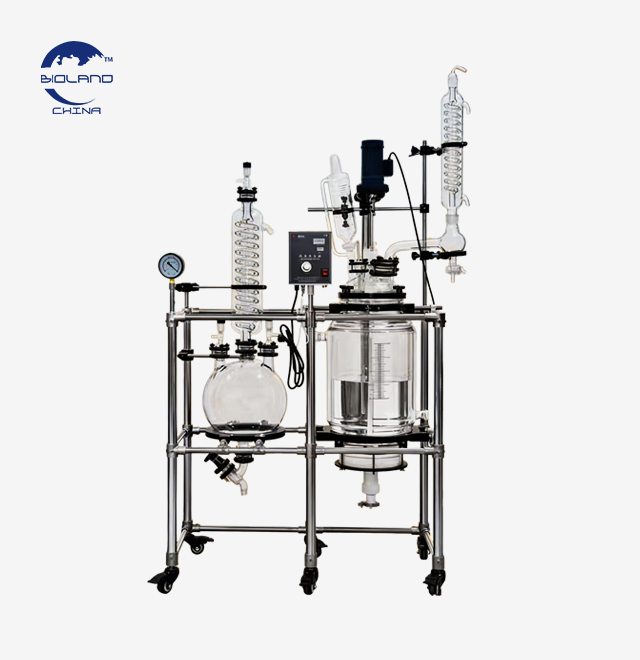
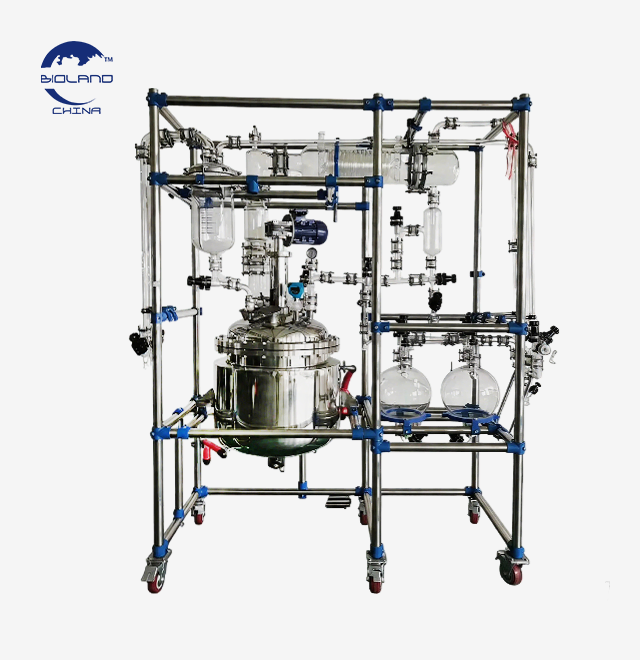
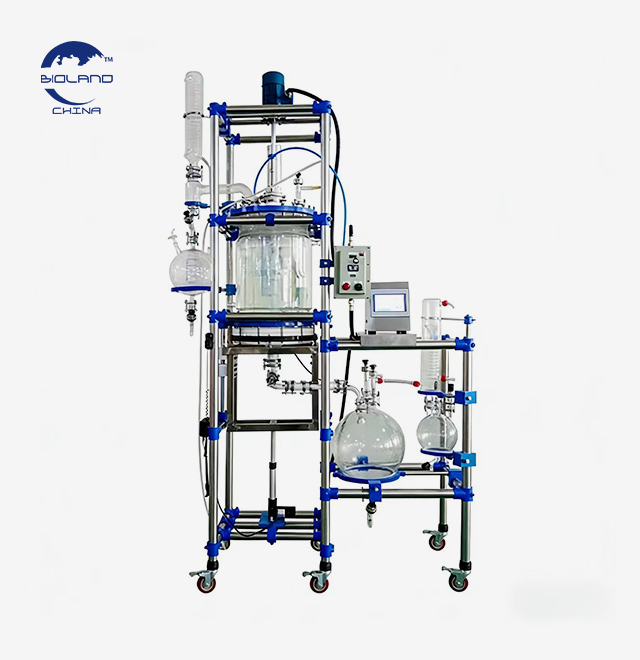
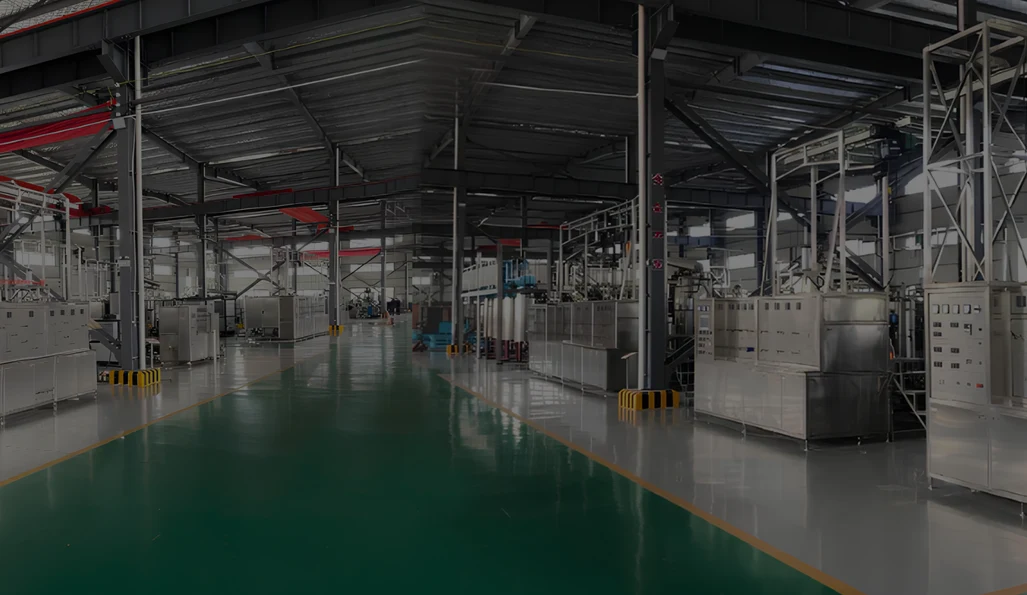
100L Crystallization Reactor for Pilot-Scale Production — Precise Control, GMP-Ready Design
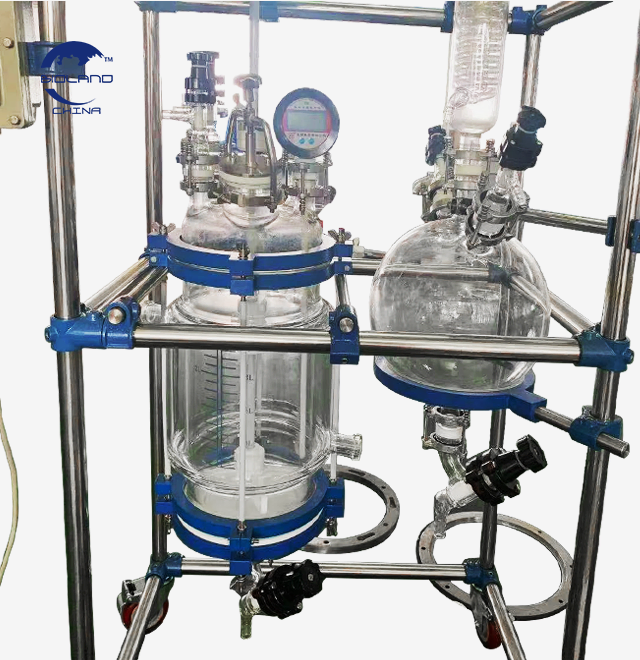
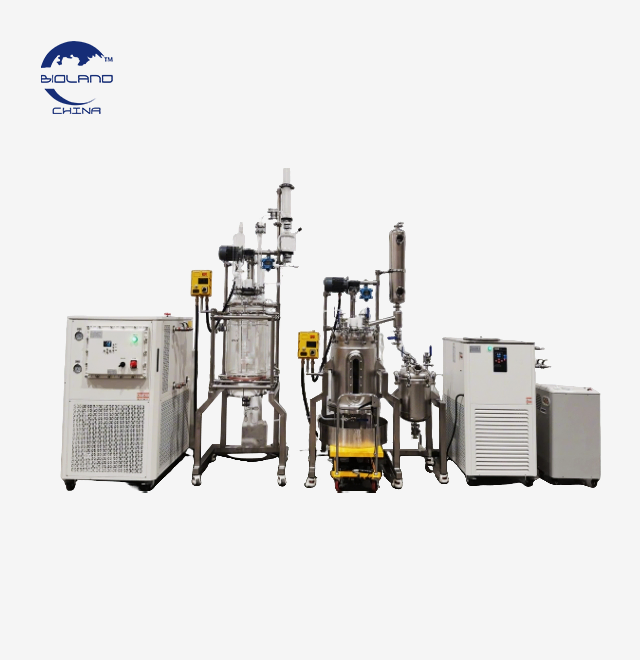
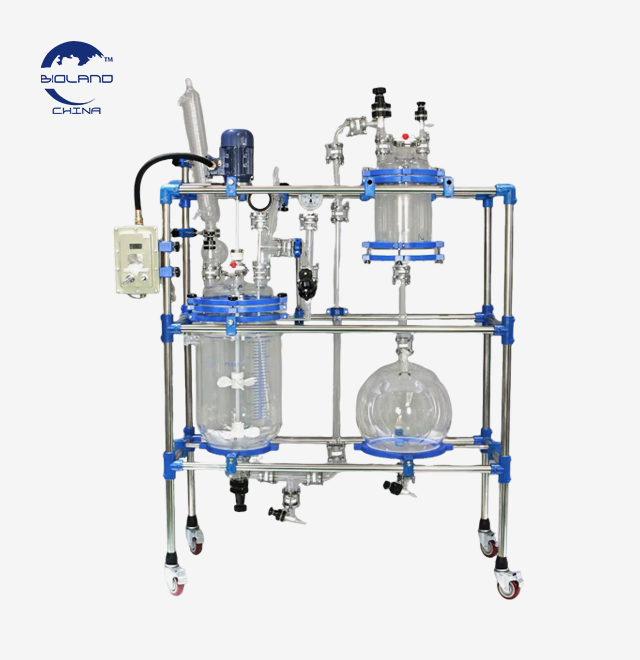
The 100L Crystallization Reactor by Xi'an Bioland Instrument bridges lab synthesis and pilot production. Operating from -80°C to +250°C with vacuum to -0.098 MPa and agitation of 0–600 RPM, it delivers the thermal precision and low-shear environment critical for consistent crystal yield. Two vessel materials—Borosilicate Glass 3.3 and SS316L—suit different process chemistries. CE, ISO, UL, and SGS certified. Factory-direct with OEM/ODM support.
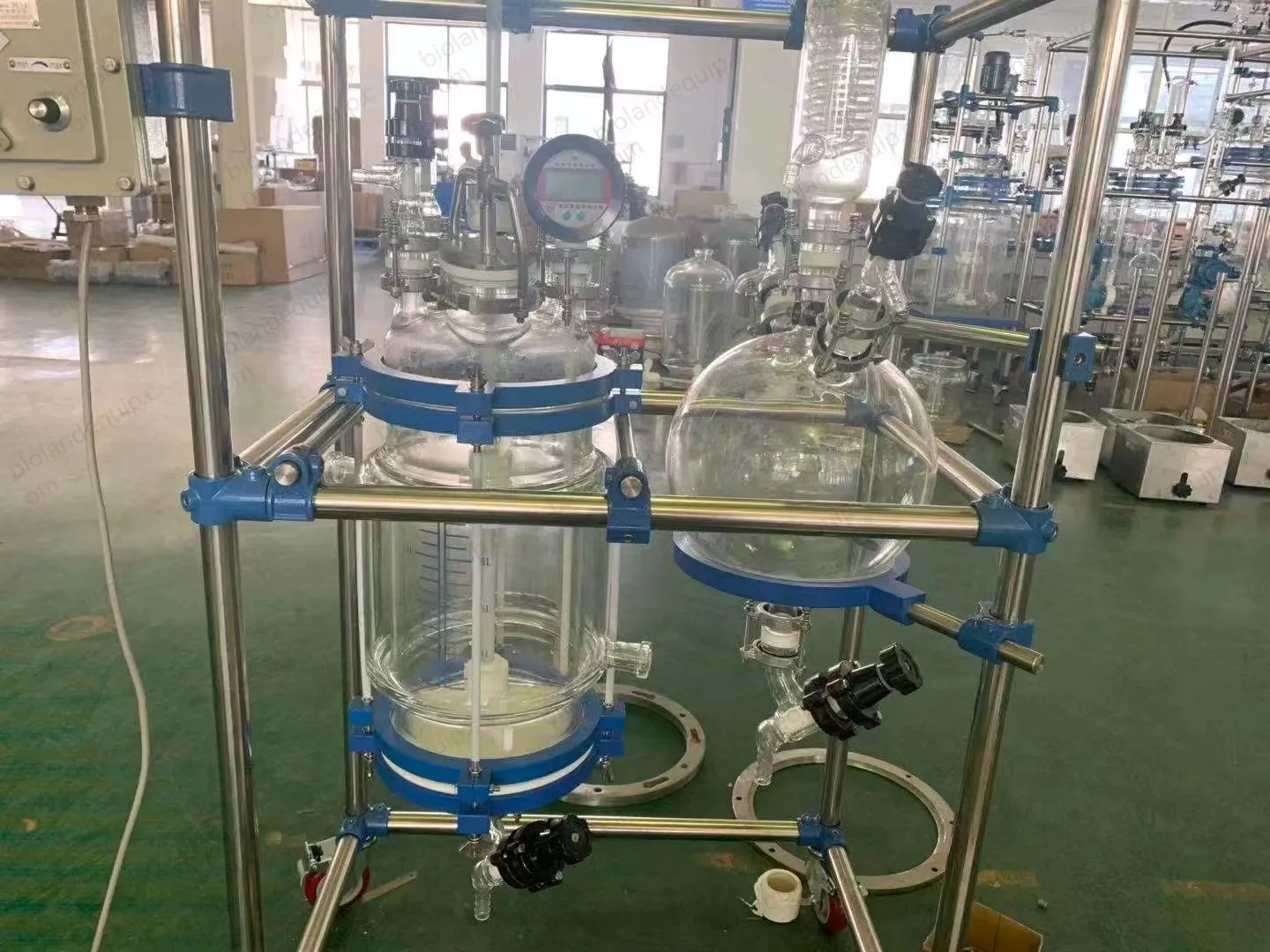
Why Crystallization Engineers Choose This Reactor?
The three most common scale-up failures are: uncontrolled nucleation, crystal attrition > from over-agitation, and incomplete discharge. This reactor's design directly addresses > all three.
Precise Temperature Management
The double or triple jacket circulates silicone oil or glycol to deliver cooling ramps as fine as 0.1°C/min. Keeping your process inside the Metastable Zone Width (MSZW) means
you promote crystal growth—not the uncontrolled nucleation that wastes yield and creates irregular particle size distribution.
Real-world note: At 100L scale, the lower surface-area-to-volume ratio versus lab glassware means ramp rates need recalibration. Our engineering team provides scale-up calculation support as standard.
Low-Shear Agitation System
A high-torque motor drives pitch-blade or anchor impellers at controlled, low RPM. Fragile crystals—particularly pharmaceutical APIs and CBD isolates—break under excessive shear, triggering secondary nucleation that contaminates your target polymorph. This system prevents that.
Zero Dead-Space Discharge
The flush-bottom valve eliminates cold spots where slurry settles or encrusts. Full product discharge reduces batch-to-batch contamination risk and shortens CIP cycles between runs.
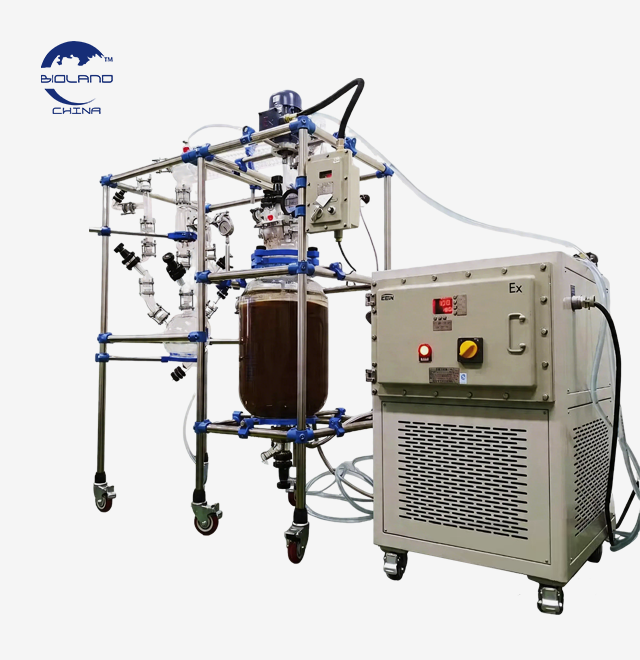
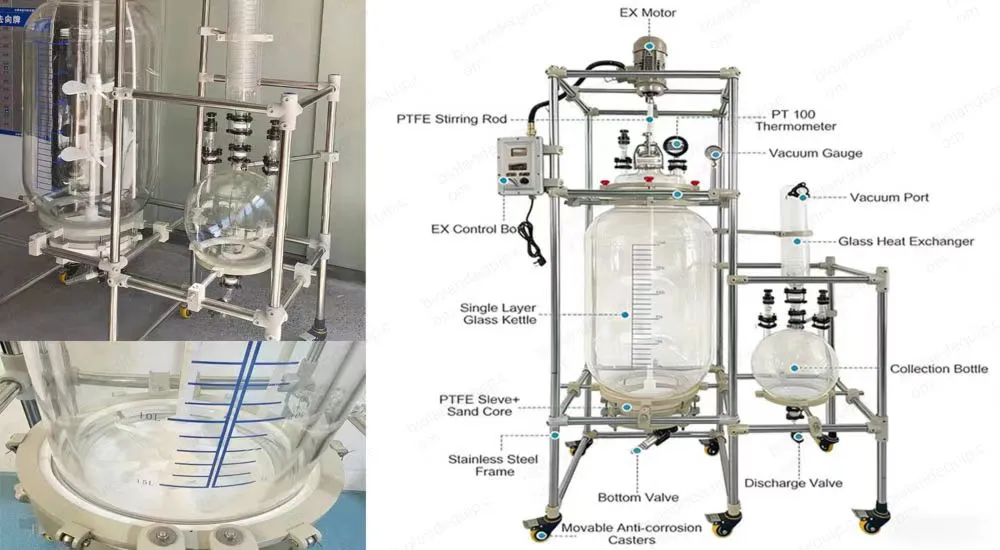
Explosion-Proof Configuration
Working with hexane, ethanol, or other flammable solvents? Select the Ex-rated configuration:
ATEX / Ex d IIB T4 motor, anti-static belts, intrinsically safe sensors, and a grounded frame—compliant for Zone 1 and Zone 2 hazardous areas.
Modular Port Design for PAT Integration
Standard DN and tri-clamp ports accommodate reflux condensers, solid dosing funnels, and in-situ PAT probes (FBRM, PVM, Raman) for real-time nucleation and particle size monitoring.
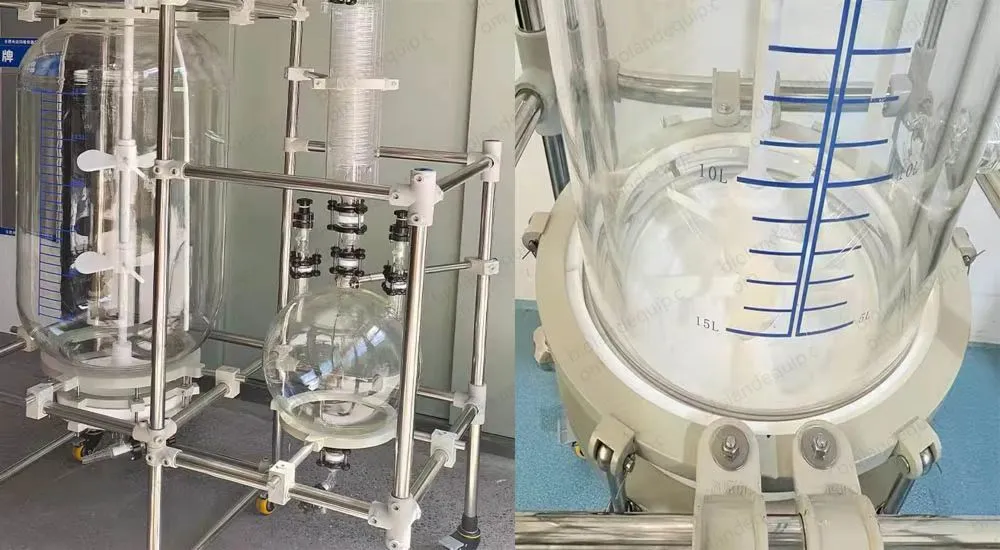

How Crystallization Is Controlled Across Three Stages?
Stage 1 — Supersaturation
The solution is loaded and brought to target temperature via jacket fluid. The PID controller manages the ramp with ±0.5°C accuracy. Jacket fluid options (silicone oil for low temperature, water-glycol for moderate ranges) are selected based on your operating window.
Stage 2 — Nucleation
As the solution enters the supersaturated zone, the low-shear impeller keeps particles suspended without mechanical breakage. Antisolvent can be dosed through dedicated side ports at a programmed feed rate to trigger or suppress nucleation on demand.
Stage 3 — Crystal Growth
Vacuum can be applied for solvent evaporation or vacuum-cooling crystallization. Once the target crystal size distribution is reached, the flush-bottom valve opens for complete, clean slurry discharge.
Construction & Materials
Choose the vessel that matches your process chemistry:
|
|
Borosilicate Glass 3.3
|
Stainless Steel 316L
|
|
Best for
|
Acid media, visual monitoring
|
High pressure, thermal efficiency
|
|
Visibility
|
Direct visual observation
|
Opaque (sight glass optional)
|
|
Heat Transfer
|
Moderate
|
High
|
|
Surface Finish
|
Smooth, chemically inert
|
Ra ≤ 0.4 μm electropolished
|
|
CIP Compatibility
|
Limited
|
Full CIP/SIP support
|
Filtration hardware is available in PTFE, SS316L, and titanium to match solvent and API compatibility requirements.
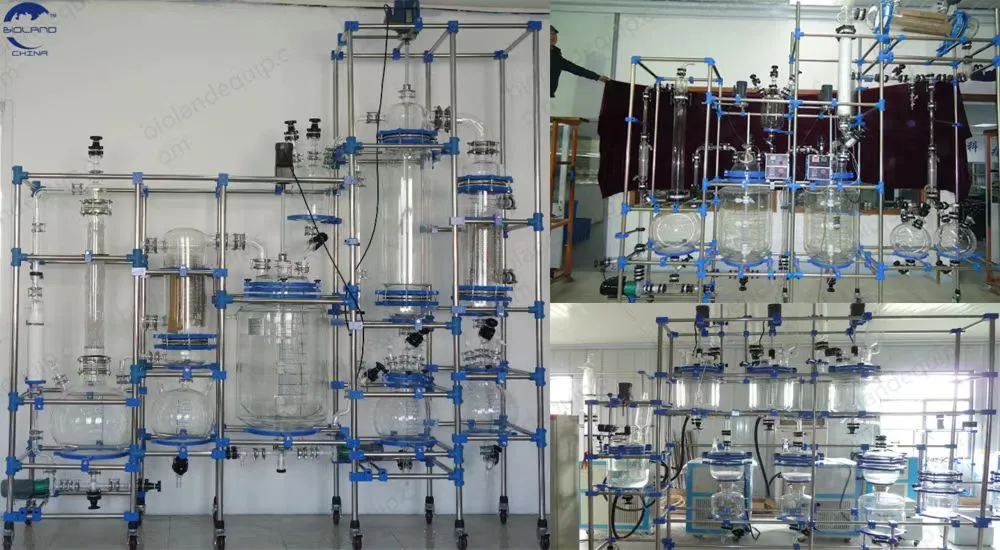
Application Fields
Pharmaceutical API Production
The 100L kilolab scale is the industry standard for producing GMP clinical trial batches. Recrystallization under controlled MSZW conditions delivers consistent polymorph purity and particle size distribution required by ICH Q6A guidelines.
Cannabinoid Isolation (CBD & Minor Cannabinoids)
Winterization and isolate crystallization from hemp extract at cryogenic ethanol temperatures (-40°C). Robust PTFE sealing and explosion-proof options are essential at this scale—both are standard or available configurations.
Electronic Chemical & Semiconductor Precursors
Metal ion contamination must be controlled at PPB level. PTFE-lined wetted surfaces or high-purity borosilicate glass prevent leaching while maintaining crystal morphology consistency batch to batch.
Peptide Intermediates & Specialty Chemicals
Polymorph-selective crystallization for biopharma intermediates where the wrong crystal form means failed regulatory submission. PID-controlled ramp profiles and PAT probe ports support Design of Experiments (DoE) approaches.
Technical Parameters
|
MODEL
|
BL-FR10L
|
BL-FR20L
|
BL-FR30L
|
BL-FR50L
|
BL-FR100L
|
|
Material capacity
|
10L
|
20L
|
30L
|
50L
|
100L
|
|
Jacket capacity
|
≈2L
|
≈5L
|
≈8L
|
≈15L
|
≈20L
|
|
Receiving flask
|
5L
|
10L
|
10L
|
20L
|
20L
|
|
Reactor body and cover
|
Apply vacuum grease to the connection surface between the upper part of the kettle body and the kettle cover.
|
|
Variable-frequency governor
|
Digital temperature and rotate speed
|
|
Rotate speed
|
0-300r/min
|
|
Seal
|
Self-lubricating mechanical seal
|
|
Filter base plate
|
PTFE filter sand core
|
|
Bore diameter of sand core
|
1-200μm (Optional)
|
|
Motor power
|
120W/1:3
|
200W/1:3
|
|
Power of explosion-proof motor
|
180W
|
370W
|
370W/1:3
|
|
Voltage
|
220V/50Hz which can be customized according to customer requirements
|
Quality Testing Before Every Shipment
Each 100L Crystallization Reactor passes a documented multi-stage inspection before leaving our facility:
|
Test
|
Standard
|
|
Hydrostatic & Vacuum Test
|
Inner vessel at 1.5× design pressure; jacket tested separately
|
|
Helium Leak Test
|
< 1 mbar rise over 24 hours confirms vacuum integrity
|
|
Surface Roughness Verification
|
Profilometer confirmation of Ra ≤ 0.4 μm on all wetted steel
|
|
Dynamic Balance Test
|
Agitator shaft runout < 0.2 mm at maximum RPM
|
|
Factory Acceptance Test (FAT)
|
Full simulation run against your process specification
|
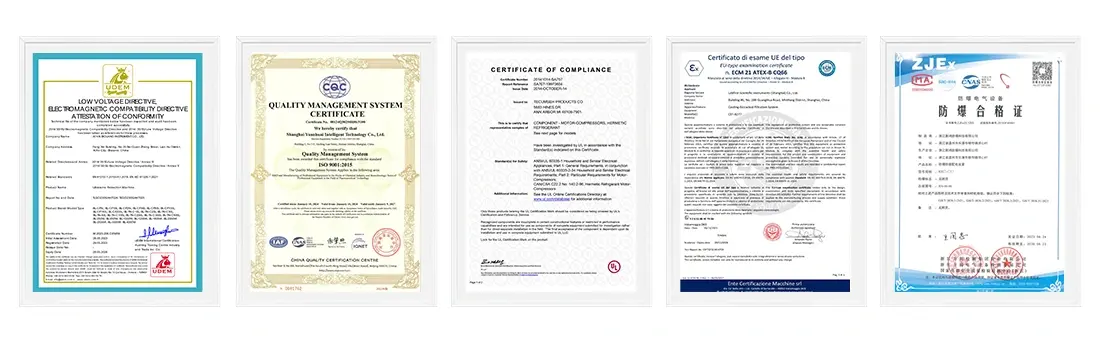
Certifications: CE, ISO, UL, SGS — with GMP/FDA-compliant design and documentation package available on request.
About Xi'an Bioland Instrument
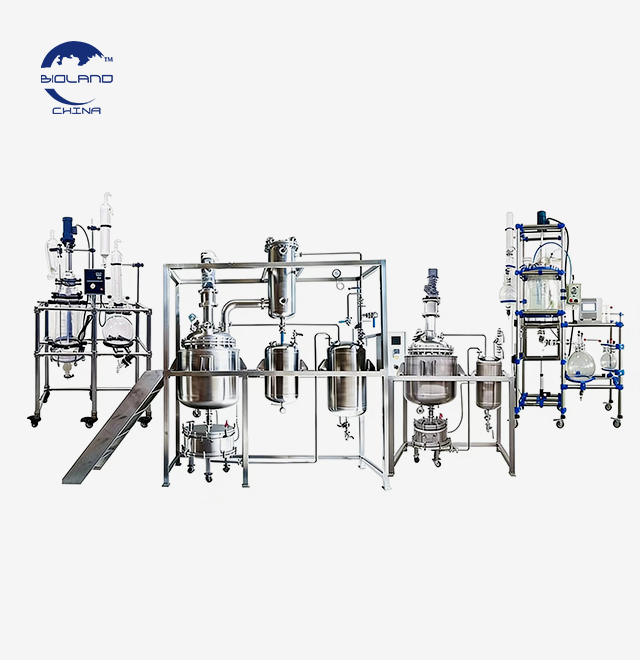
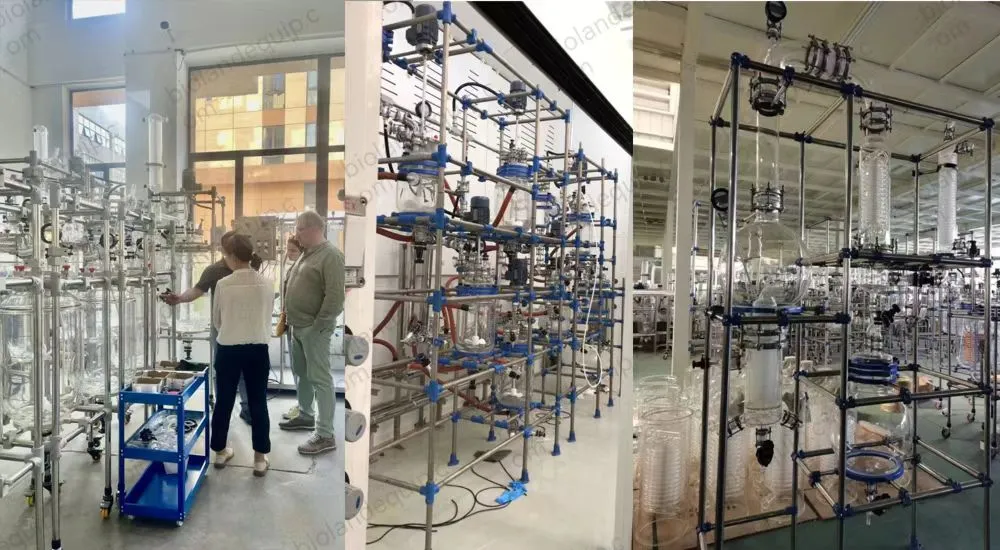
Xi'an Bioland Instrument Co., Ltd. has manufactured process vessels for pharmaceutical, chemical, and food production for over 15 years. Our production capacity covers 1L laboratory reactors through 10,000L industrial vessels, with active customers across 30+ countries.
What factory-direct means for your order:
· No distributor markup — you pay manufacturing cost plus margin, not a tiered reseller price
· A dedicated production specialist assigned to your order, with weekly photo/video updates
· Shipment only after your review and approval — or arrange an on-site FAT at our Xi'an facility
· OEM and ODM orders welcome — custom configurations typically ready in 30 business days, standard products in 5–7 days
· Shipping via sea, rail, or air freight
· 1-year quality warranty + lifetime maintenance support
FAQ
Q: Glass or stainless steel — which should I choose?
A: Choose glass for acid-resistant processes or when direct visual observation of nucleation onset matters. Choose SS316L for higher heat transfer, elevated pressure ratings, or when full CIP/SIP procedures are required between batches.
Q: How do I protect fragile crystals from mechanical breakage?
A: Use a pitch-blade or hydrofoil impeller at the lowest RPM that maintains suspension. For viscous slurries, switch to an anchor agitator with PTFE wipers. Avoid RPM increases above the crystal attrition threshold—our team can help you determine that during process matching.
Q: Can this reactor handle flammable solvents like hexane or ethanol?
A: Yes. Select the explosion-proof configuration: Ex-rated motor, anti-static belts, intrinsically safe sensors, and grounded frame meeting ATEX / Ex d IIB T4 for Zone 1/2 environments.
Q: How is MSZW controlled in practice?
A: The PID controller linked to the jacket executes slow, linear cooling ramps or oscillating temperature profiles you define. This maintains the process solution inside the MSZW—favoring ordered crystal growth over spontaneous nucleation. Typical ramp programs range from 0.1–1°C/min depending on compound and solvent system.
Q: Why does cooling efficiency change at 100L vs. lab scale?
A: As vessel volume increases, the surface-area-to-volume ratio (A/V) drops. This means the same jacket fluid temperature produces slower cooling at 100L than in a 1L flask. SS316L walls compensate with higher thermal conductivity. Ramp programs from lab development require recalibration—we provide scale-up coefficient calculations as part of our technical onboarding.
Q: What information do I need to request a custom configuration?
A: Share: target temperature range, solvent type and flash point, required impeller style, desired port layout, and any regulatory documentation requirements (GMP, ATEX, FDA). Our engineering team will return a configuration proposal within 48 hours.
Contact Us
Have a process requirement with 100L Crystallization Reactor? Email info@biolandequip.com — replies within 24 hours.