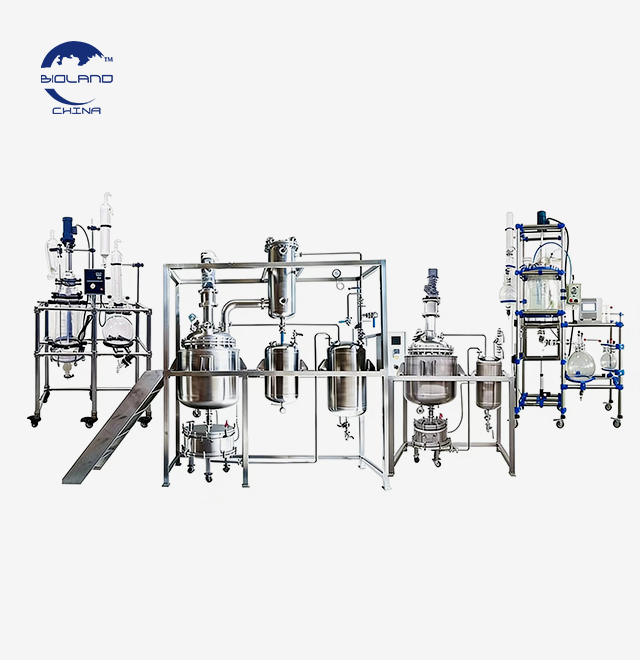
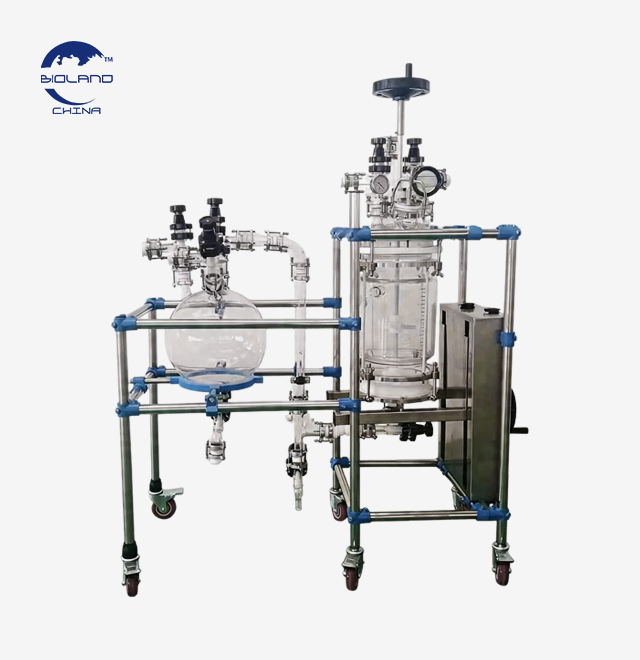
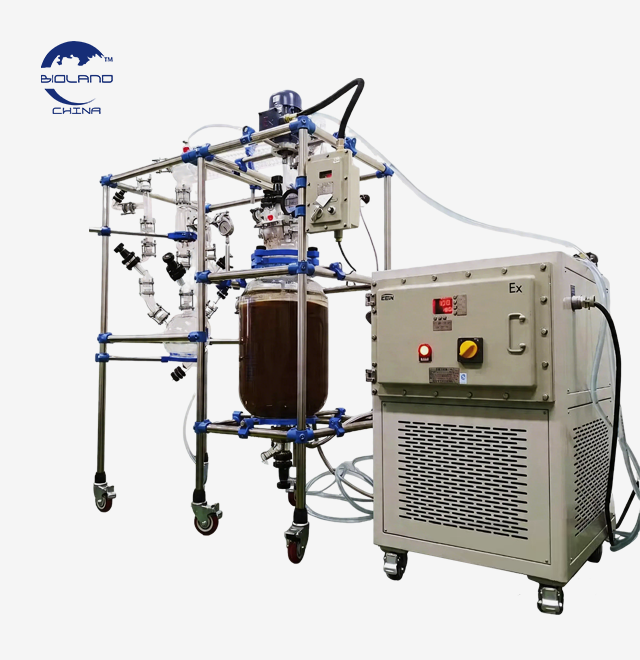
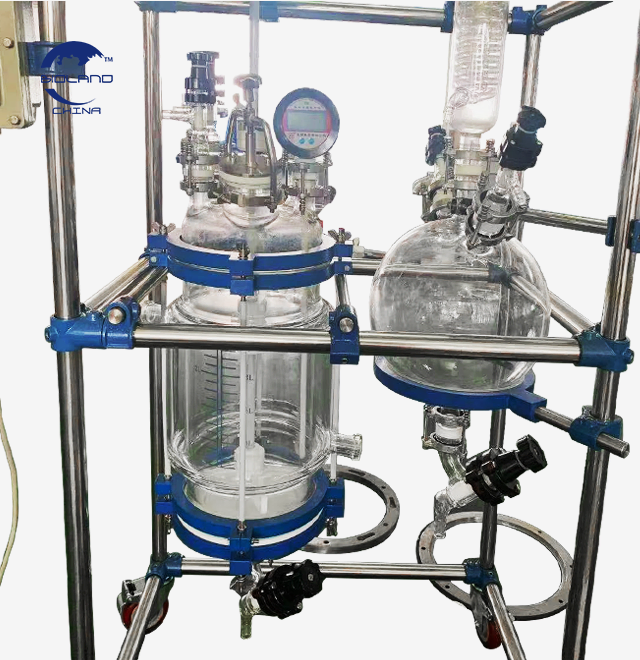
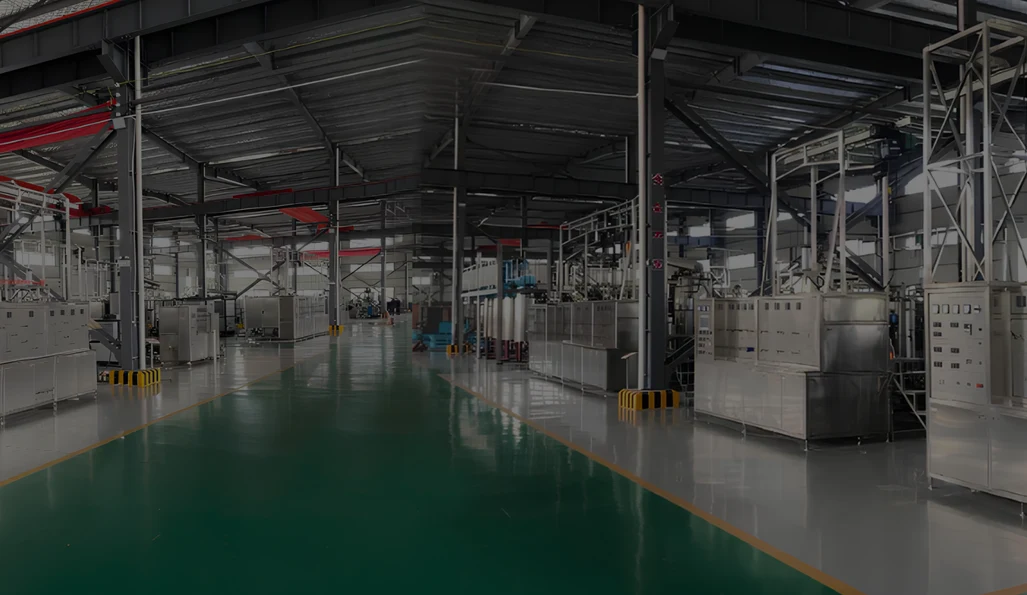
Peptide Synthesizer Reactor - Professional SPPS Reaction Vessel
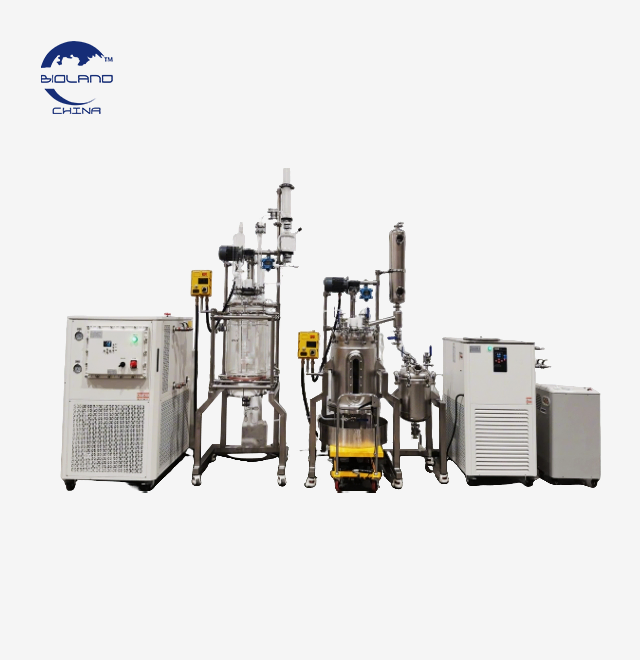
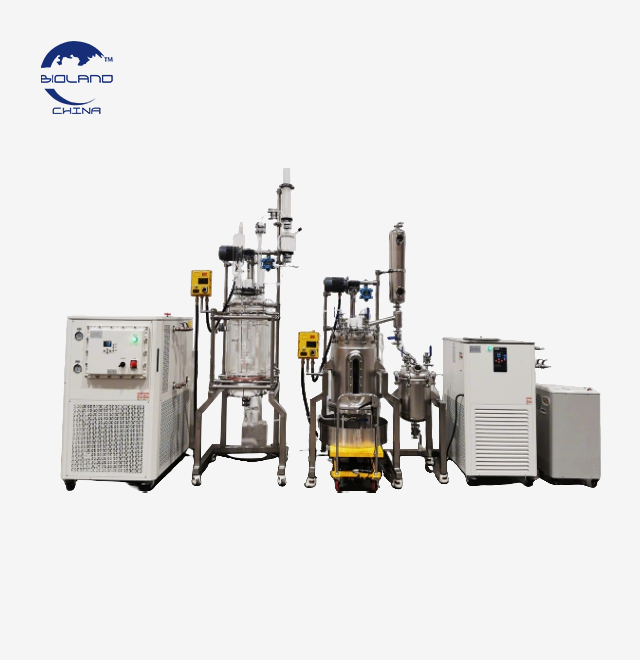
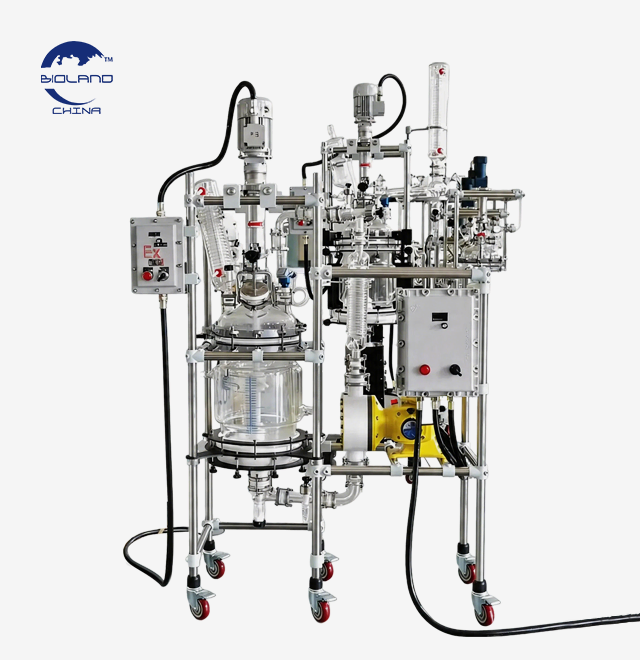
The Peptide Synthesizer Reactor from Xi'an Bioland Instrument is a high-performance solid-phase peptide synthesizer that can be set to any temperature between -80°C and 250°C. High-borosilicate glass 3.3 is used to build our reactor, which makes it resistant to strong chemicals like TFA and piperidine. Because the body is clear, you can see hardening happening right now. It allows reaction, filtering, and distillation all in one unit, with PTFE, stainless steel, and titanium elements built in for filtration. Automation with PLCs and explosion-proof designs make sure that the system works safely. When you buy from a factory directly, you can save money on research and development costs while still meeting GMP/FDA standards for pharmaceutical production.
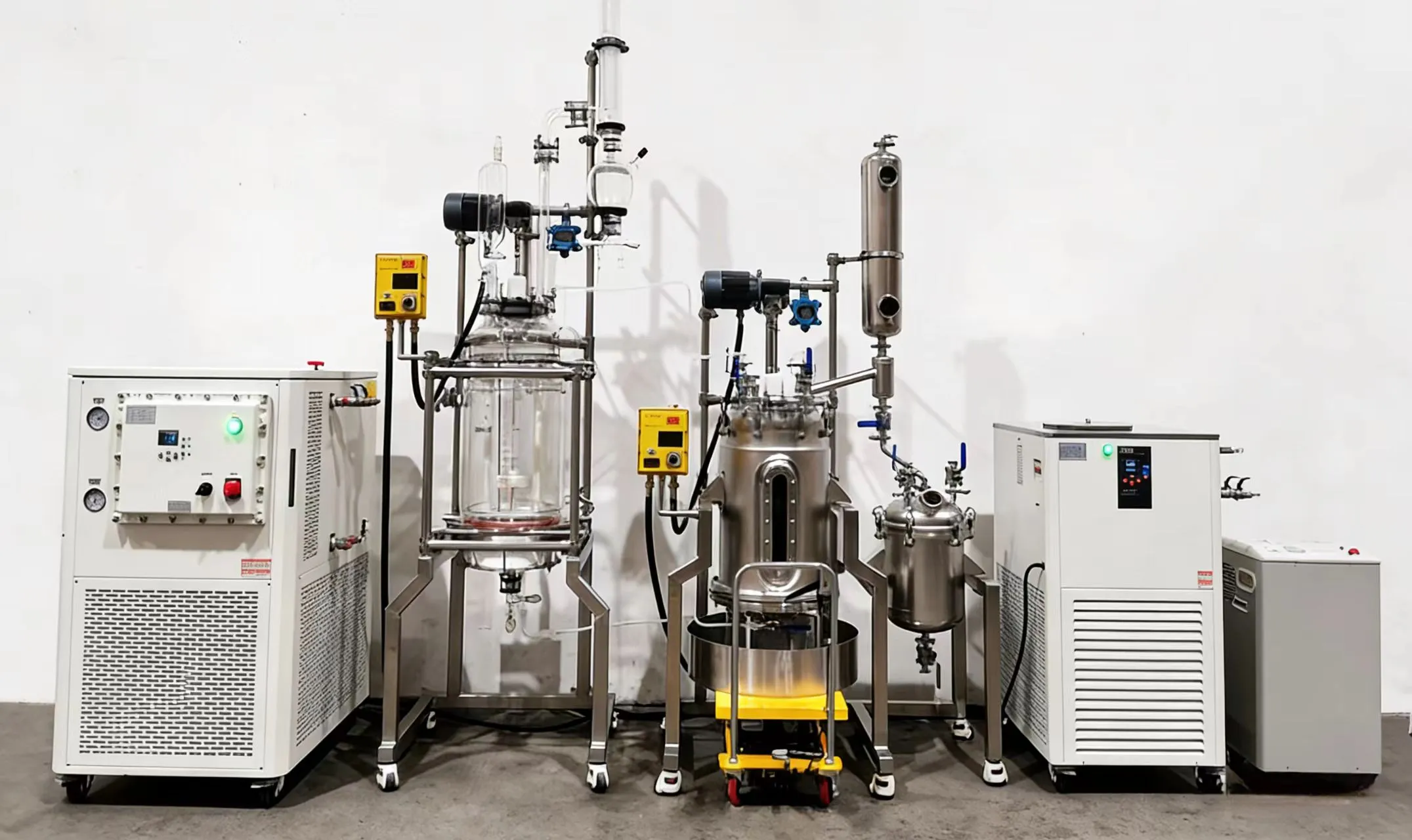
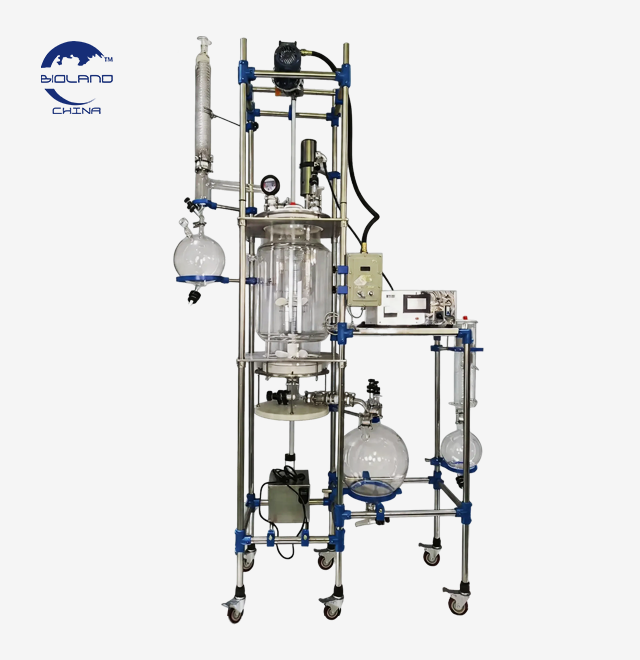
The Peptide Synthesizer Reactor with waste collection bottle is engineered for laboratory processes involving solid–liquid reactions, controlled crystallization, and post-reaction filtration. The jacketed structure enables stable thermal regulation during solid-state reactions, precipitation, or catalytic processes. Integrated waste collection allows safe and efficient handling of filtrates and reaction residues, improving laboratory cleanliness and operational safety. This system is well suited for pharmaceutical research, fine chemical development, and material synthesis where solid reaction control and separation efficiency are critical.
Feature
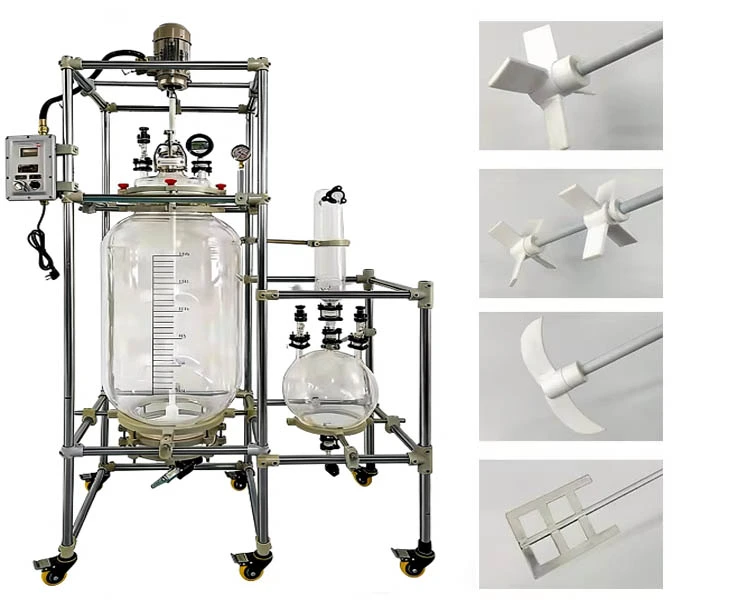
A Peptide Synthesizer Reactor is a commonly used biochemical instrument that combines the functions of a reactor and a filter. Mainly used in modern fine chemicals, biopharmaceuticals, scientific research experiments, etc. It can be used for crystallization, concentration, distillation, reflux, separation and purification. It is an ideal instrument for teaching, laboratory testing, pilot testing and production.
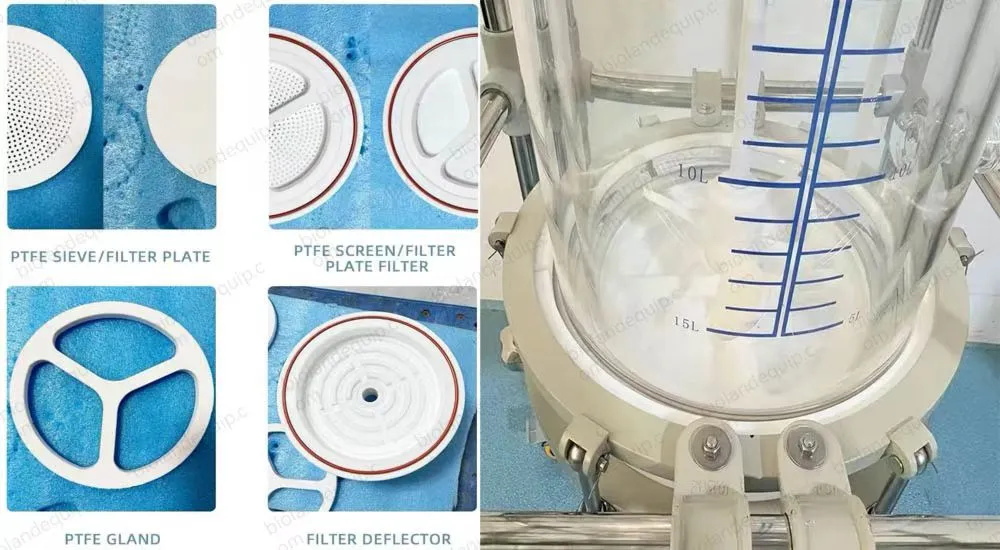
1. Optional filter plate, pore size from 10-16μm to 160-250μm
2. Number of ports on the lid: 6-7
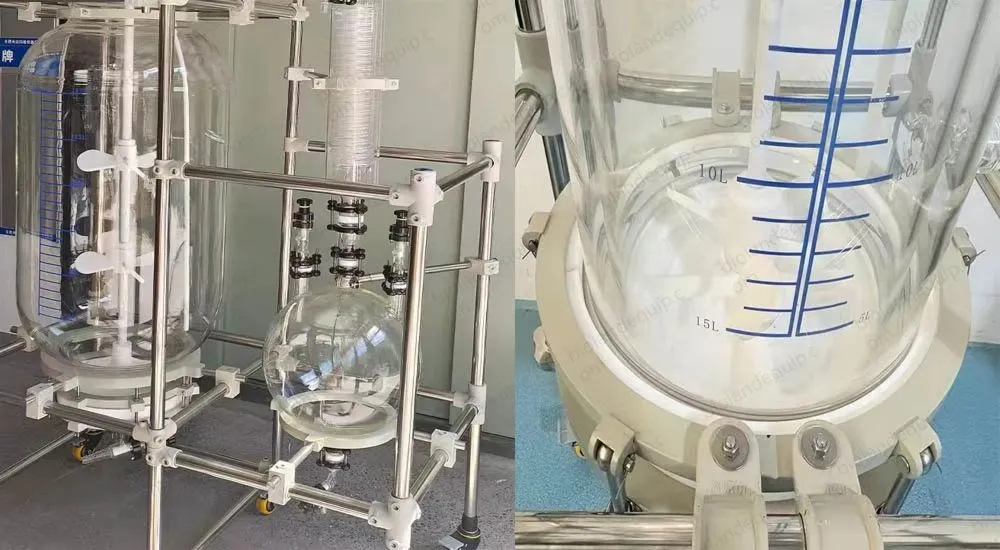
3. Corrosion-resistant sealing ring and quick release clip
4. PTFE foot valve with no dead angle design
5. Jacket interface can match different heaters and chillers
6. PTFE paddle or glass paddle for customers to choose
7. Stainless steel bracket system, easy to disassemble
8. Customized services according to customer needs
Why Choose Us?
Certified Quality You Can Trust
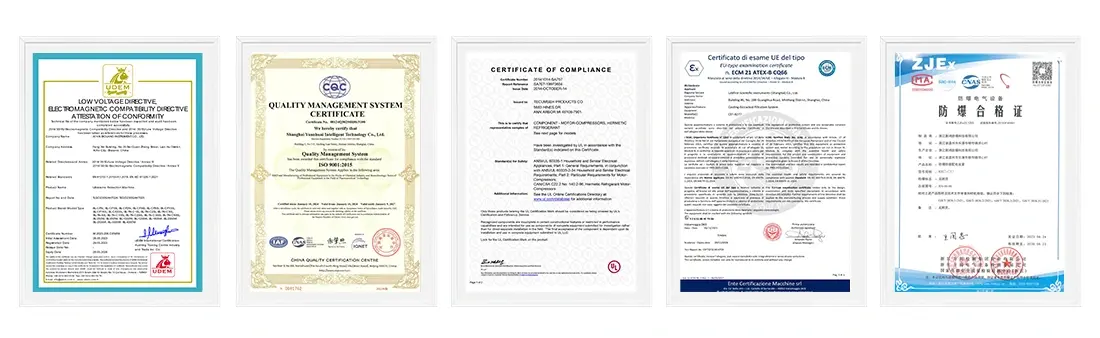
We are licensed by CE, ISO, UL, and SGS. Every reactor is safe and meets strict international rules. We stand behind our quality promise with more than 15 years of experience making things.
Advanced Chemical Compatibility
Chemicals like acids, alkalis, and chemical agents can't damage the high-borosilicate glass body. German-made locks and variable-frequency moving systems make sure that the system will work well for a long time with little upkeep.
Flexible Temperature Management
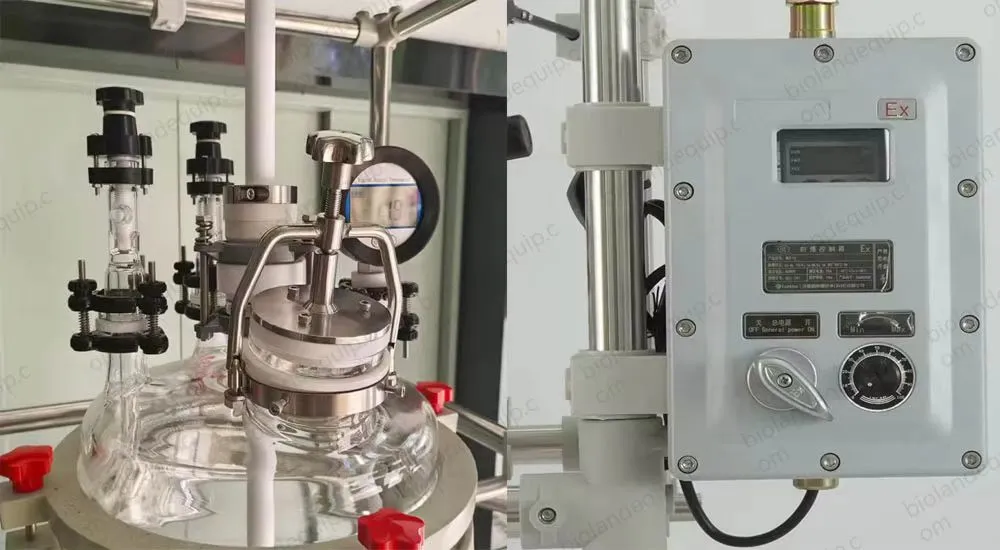
Our jacket's double walls make it possible for accurate PID temperature control (within 0.1°C of accuracy). Cold processes at -80°C are no problem for you. High-temperature synthesis at 250°C is also no problem.
Complete Process Integration
Several pieces of tools can be replaced by a single product. Ultrasonic reaction, crystallization, filtering, distillation, and vacuum operation are all part of it. This makes your work easier and saves space in the lab.
Smart Automation Features
High accuracy is achieved by programmable settings for speed, temperature, vacuum, and stirring. Full-automatic PLC control is an option that cuts down on manual work and mistakes made by people.
Customization Without Limits
We make sure that the sizes, materials, stirring systems, and filter arrangements fit the needs of your business. We welcome OEM and ODM sales. Inside of 30 business days, customized solutions are sent out.
Transparent Communication
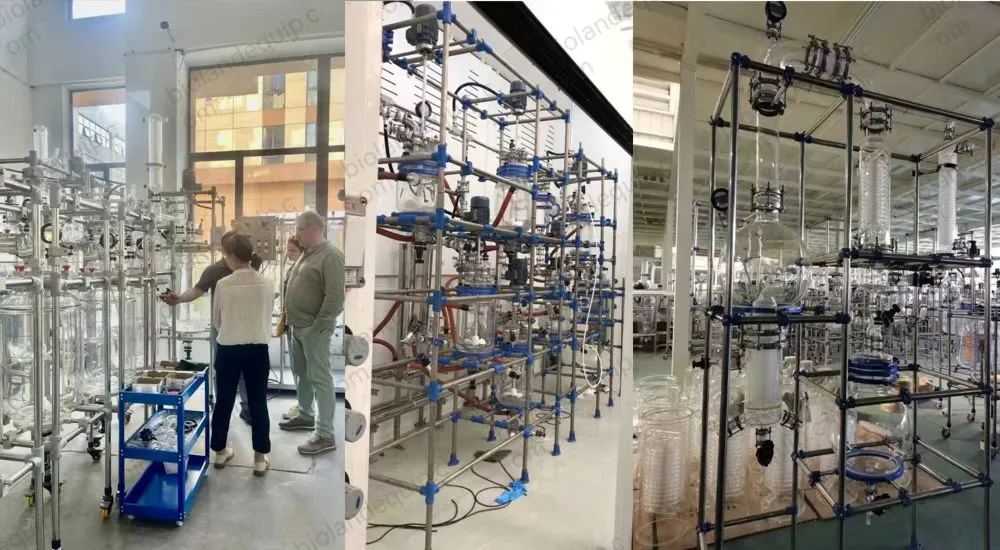
Our dedicated specialists send weekly production updates with photos and videos. You'll see detailed inspection documentation before shipment. Schedule a Factory Acceptance Test (FAT) at our facility anytime.
Competitive Factory Pricing
Direct manufacturer pricing eliminates middleman costs. You get laboratory-grade equipment at budget-friendly rates, perfect for startups and research institutions.
Technical Parameters
|
MODEL
|
BL-FR10L
|
BL-FR20L
|
BL-FR30L
|
BL-FR50L
|
BL-FR100L
|
|
Material capacity
|
10L
|
20L
|
30L
|
50L
|
100L
|
|
Jacket capacity
|
≈2L
|
≈5L
|
≈8L
|
≈15L
|
≈20L
|
|
Receiving flask
|
5L
|
10L
|
10L
|
20L
|
20L
|
|
Reactor body and cover
|
Apply vacuum grease to the connection surface between the upper part of the kettle body and the kettle cover.
|
|
Variable-frequency governor
|
Digital temperature and rotate speed
|
|
Rotate speed
|
0-300r/min
|
|
Seal
|
Self-lubricating mechanical seal
|
|
Filter base plate
|
PTFE filter sand core
|
|
Bore diameter of sand core
|
1-200μm (Optional)
|
|
Motor power
|
120W/1:3
|
200W/1:3
|
|
Power of explosion-proof motor
|
180W
|
370W
|
370W/1:3
|
|
Voltage
|
220V/50Hz which can be customized according to customer requirements
|
Working Principle
Peptide Synthesizer Reactor makes a controlled chemistry setting for solid-phase peptide synthesis (SPPS). The way it works is as follows:
Step 1: Resin Loading
Using the hole at the top, peptide synthesis glue is put into the reactor. It's easy to see if the resin is spreading correctly through the clear glass body.
Step 2: Solvent Addition
Addition of a liquid, either automatically or by hand, starts the deprotection or coupling cycle. Oxidation of sensitive amino acids like methionine and cysteine is stopped by the reactor's neutral atmosphere (nitrogen/argon blanket).
Step 3: Temperature Control
Circulating heat fluids through the double-walled jacket keeps the reaction temps exact. Controlling exothermic coupling processes and microwave-assisted synthesis depends on this.
Step 4: Mixing Dynamics
Complete resin suspension is achieved by variable-frequency churning or nitrogen boiling. With the conical bottom shape, there are no dead zones where unreacted resin could leave behind delete sequences.
Step 5: Filtration
Integrated sintered glass screens (G2/G3 porosity) extract liquids while keeping resin. PTFE, stainless steel, or titanium filter elements keep things clean and chemically resistant.
Step 6: Washing and Recycling
Automated washing cycles remove excess reagents. Optional solvent recovery systems reduce waste and operating costs.
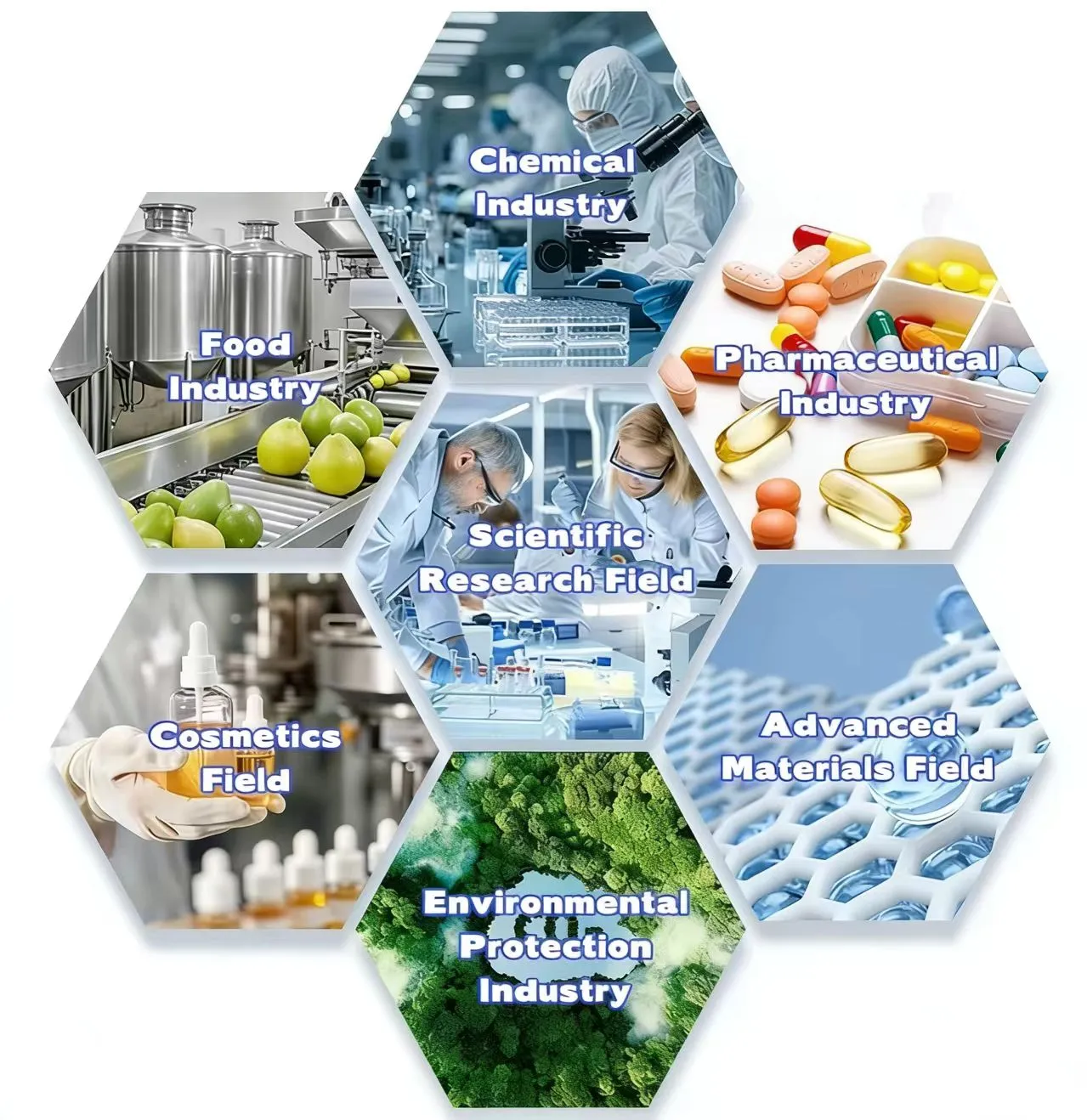
Application Fields
Pharmaceutical API Manufacturing
Making a lot of useful peptides, such as insulin analogues and GLP-1 agonists. Our 1L-50L jacketed reactors keep their thermal profiles stable during scaling up, which meets the standards of FDA 21 CFR Part 11 for tracking.
Biotech Research & Development
Neoantigen screening with a high rate using stacks of 2mL to 20mL reactors for parallel synthesis. Variable long-chain peptides are all pure because the flow rates are all the same.
Antimicrobial Peptide Screening
Making and trying new antimicrobial patterns quickly. Chemically, the reactor can handle strong binding agents without breaking down.
Cosmetic Peptide Production
For skin care products, making anti-aging signal peptides like Matrixyl. Strong building can handle being cleaned over and over with strong acids and bases.
Chemical Intermediate Synthesis
Making unique chemicals that need exact temperature control and atmospheres that don't react with anything else. The modular form of the reactor makes it work with different organic synthesis methods.
New Materials Development
Do study on bio-hybrid materials and polymer-peptide conjugates. The clear body lets you see how complicated reactions work in real time.
Quality Certification
Strict quality standards are followed at our factory:
- CE Certification: European safety rules for sending goods abroad
- ISO 9001 is a certification for a quality management system.
- Safety tests for North American areas that are UL listed
- SGS Verified: Certification and review by a third party
- GMP Compliant: The design, the materials, and the production all meet the standards for pharmaceuticals.
- FDA Standards: Processes and materials that can be used to make drugs
Every product goes through strict tests:
- Polariscope stress measurement (ASTM C148) finds problems with heat manufacturing
- Verification of frit porosity makes sure that filter rates are always the same.
- Hydrostatic pressure testing proves the stability of the jacket
- Dimensional accuracy checks make sure that the parts will fit with normal fittings.
With every shipment, we include all the necessary paperwork, such as material certificates, test results, and operation instructions.
FAQ
Q1: Can your reactor handle microwave-assisted peptide synthesis?
Yes, our microwave-grade reactors use borosilicate glass 3.3 with specialized venting caps. They're designed for rapid solvent superheating without metal fittings that interfere with microwave energy.
Q2: How do I prevent peptide loss on reactor walls during small-scale synthesis?
For ultra-low scale work (<5 µmol), we recommend silanization treatment. This hydrophobic coating minimizes non-specific peptide adsorption and improves yield.
Q3: What filtration options work best for different peptide lengths?
Short peptides (2-10 residues): G3 PTFE frits provide fast drainage. Long peptides (20+ residues): G2 stainless steel filters prevent resin breakthrough while managing higher viscosity.
Q4: How often should I replace the frit?
In high-throughput facilities (24/7 operation), inspect frits every 6 months. Replace if filtration times increase by >30% despite cleaning, or if cloudiness appears on the glass.
Q5: Do you offer explosion-proof configurations?
Yes, we provide full ATEX-certified explosion-proof systems with sealed motors, anti-static construction, and intrinsically safe control circuits for working with flammable solvents.
Q6: What's included in your one-year warranty?
Coverage includes glass defects, seal failures, and motor malfunctions. We provide free replacement parts and technical support. Lifetime maintenance service continues after warranty expiration.
Q7: Can I visit your factory for equipment inspection?
Absolutely. We encourage Factory Acceptance Tests (FAT). Schedule your visit to inspect the reactor, witness operation tests, and verify specifications before shipment.
Q8: How do you handle customization requests?
Our R&D team reviews your process requirements and proposes design modifications. You'll receive detailed drawings for approval before production begins. Typical customization lead time is 30 business days.
Contact Us
Ready to upgrade your peptide synthesis capabilities Peptide Synthesizer Reactor? Contact our technical team at info@biolandequip.com for customized solutions, quotations, and product specifications.