Solid Phase Synthesis Reactor - Professional Solution for Peptide & Organic Synthesis
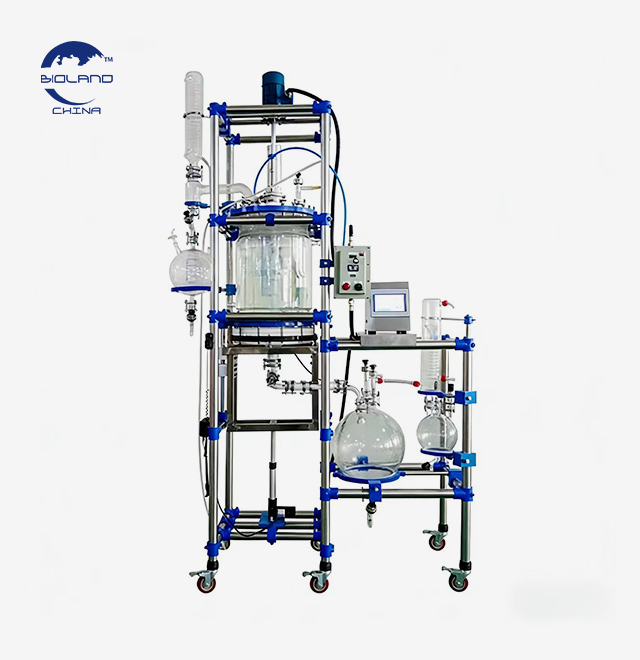
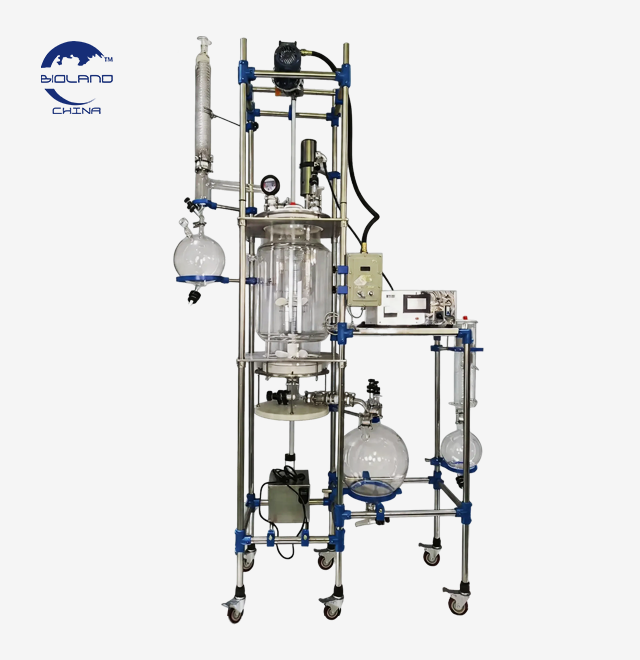
The solid phase synthesis reactor from Xi'an Bioland Instrument is a cutting-edge chemical processing tank created for mixed processes, such as Solid Phase Peptide Synthesis (SPPS) and solid-supported organic synthesis. The body of our reactor is made of high borosilicate glass 3.3, and it has PTFE sandcore filtering built in. The temperature can be controlled from -80°C to 250°C. This product is the result of more than 15 years of experience making things. It gets 99%+ coupling efficiency by having the right resin suspension and the ability to quickly swap solvents. The system includes coupling, washing, and deprotection processes in a single vessel. This gets rid of the need for time-consuming separation steps and ensures high-purity molecular construction for making medicinal APIs and oligonucleotides.
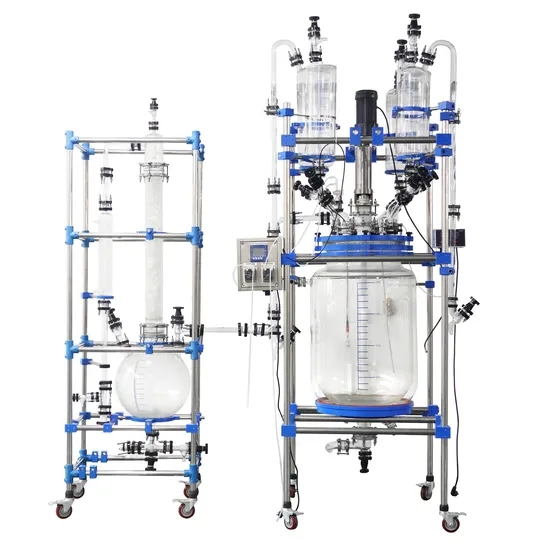
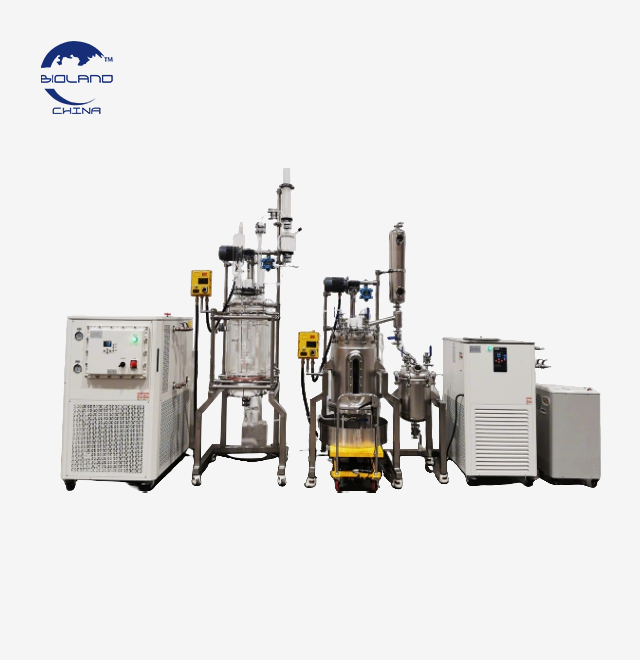
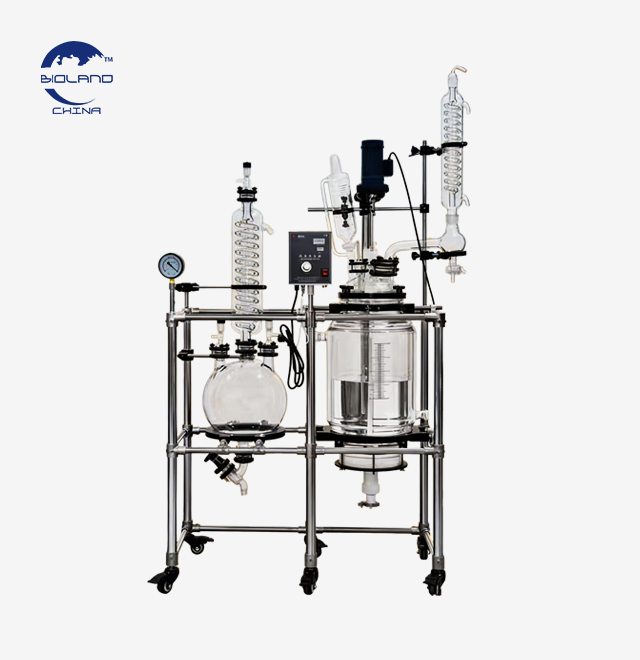
solid phase synthesis reactor is combines the function of reaction, filtration, and solvent recovery in one piece of equipment which is the best choice for ethanol extraction, solvent recovery, crystallization, isolation, and liquid & solid separations.When working, the temperature is controlled by heating or cooling medium, the stirrer mixes the reactants, the pressure is adjusted according to the demand, and the parameters are monitored by the control system. It is chemically stable, transparent and easy to observe, high temperature and corrosion resistant, easy to operate, safe and reliable. It is widely used in the fields of fine chemicals, biopharmaceuticals, new material synthesis, food and beverage, environmental protection and scientific research and teaching.
Feature
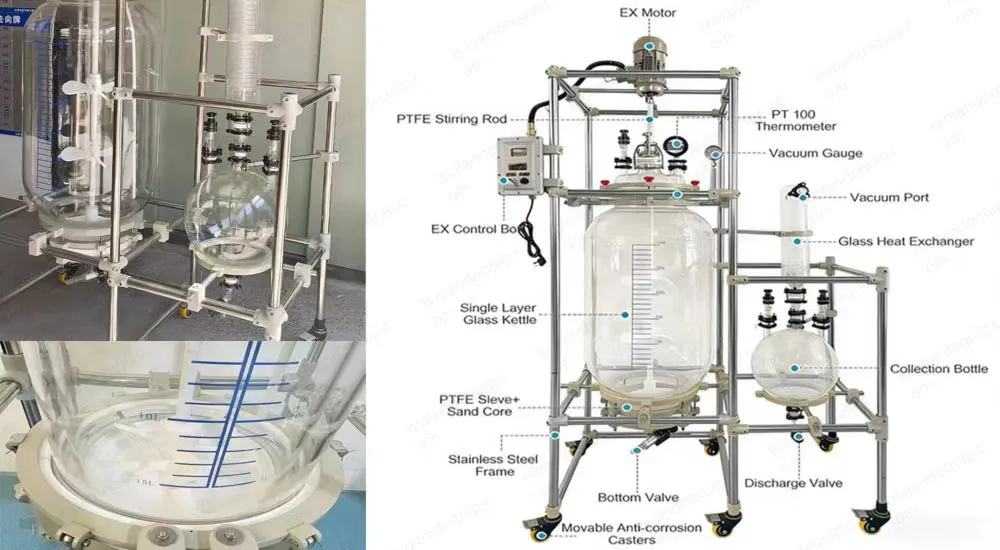
- The whole stainless steel column, mobile framework, 4-6 or more covers of the reaction kettle, with full set of glass parts for reflux, adding liquid, temperature measurement, and so on.
- Use G3.3 high borosilicate glass, with good chemial and physical properties.
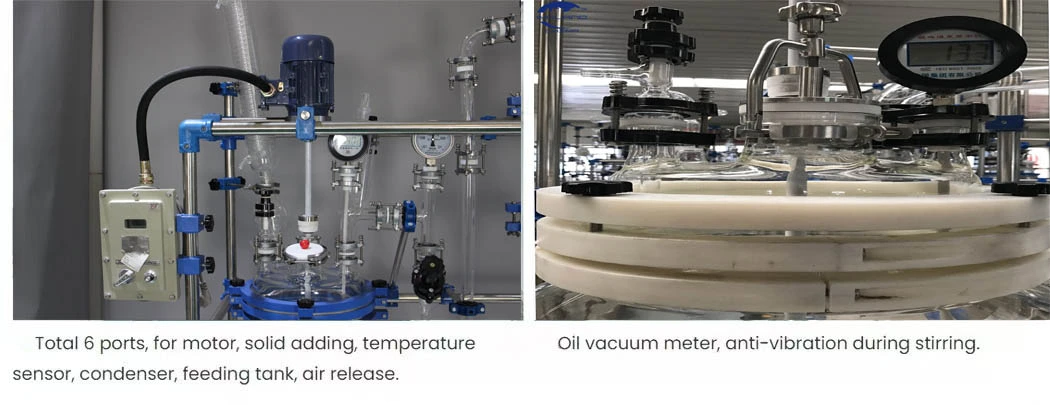
- Alloy steel mechanical seal, PTFE connector, to maintain a high precision seal in the working condition.
- With PT100 sensor probe, high precision temperature measurement, small errors, high efficiency.
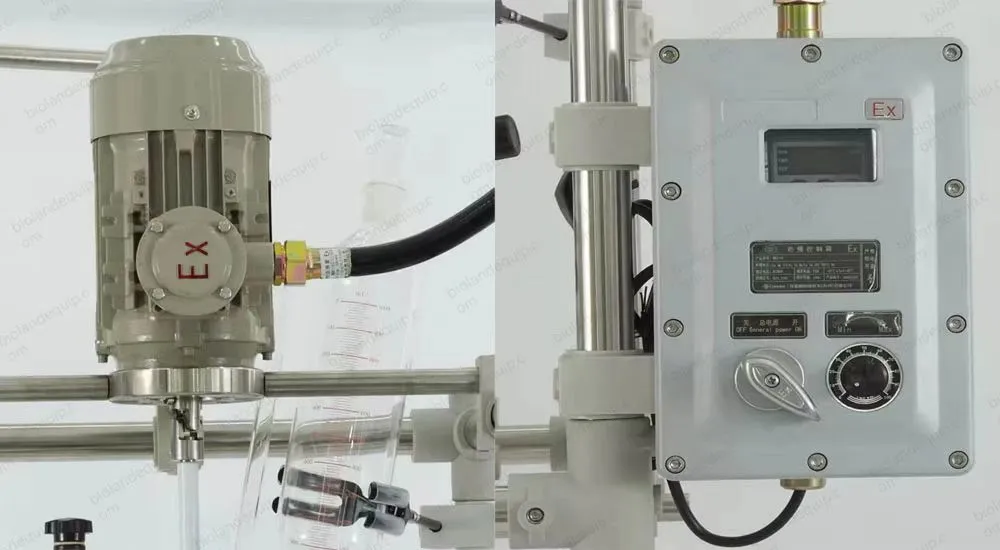
- AC reducer motor, strong torsion, no noise.
- PTFE discharge value, moveable interface, discharging completely and quickly.
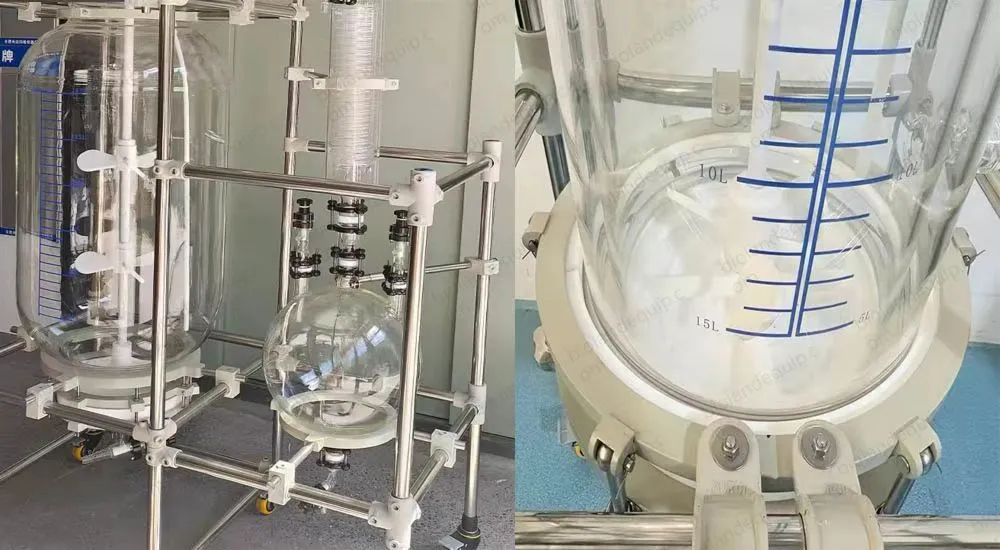
- Our company can design special kettle boday structure according to customer requirements(such as PH meter, sand core filter etc)
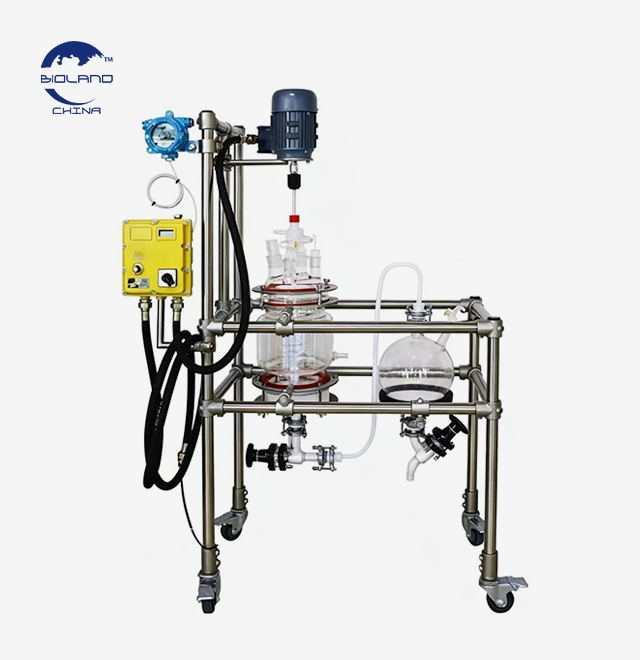
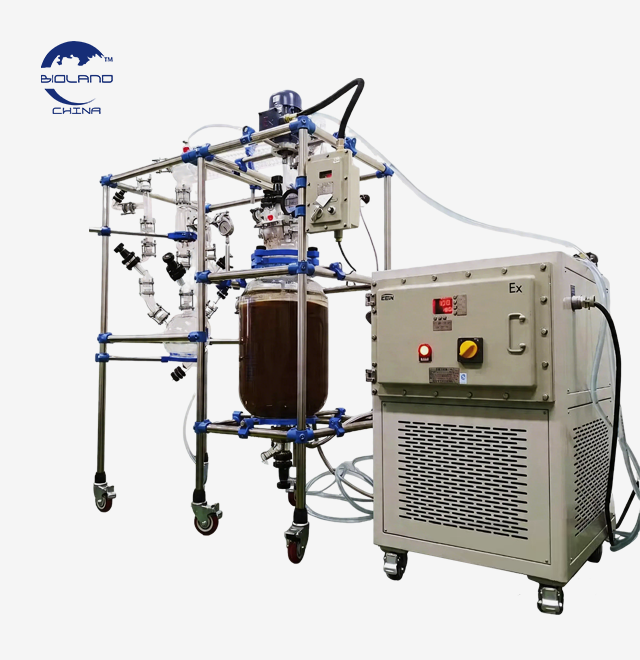
- All the reaction kettle can be made of explosion-proof device according to the customer request.(The explosion-proof device refers to the ex-proof motor + ex-proof control box + ex-proof temperature field display instrument).
Why Choose Us?
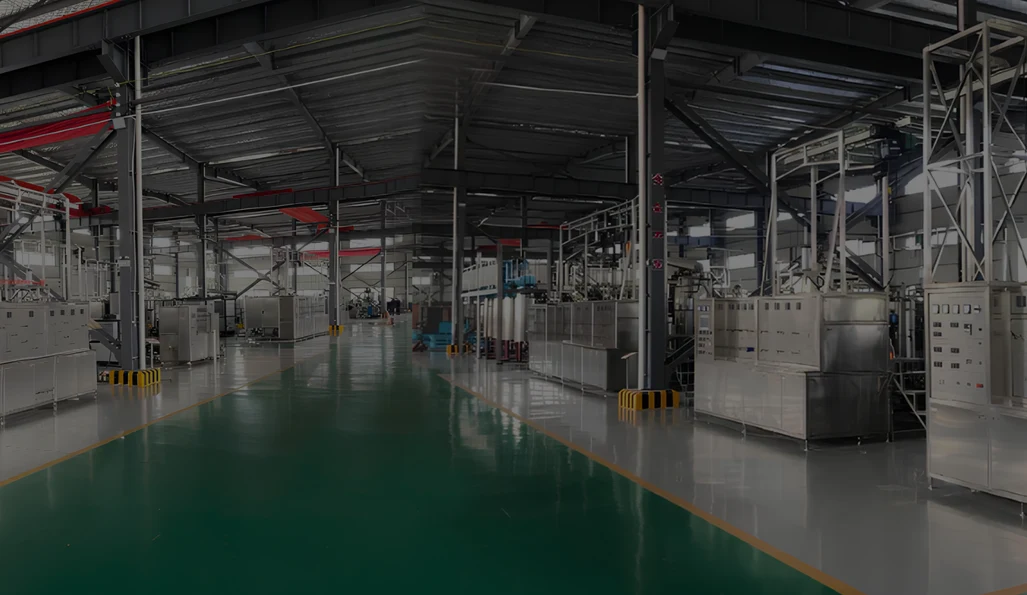
Advanced Manufacturing Credentials
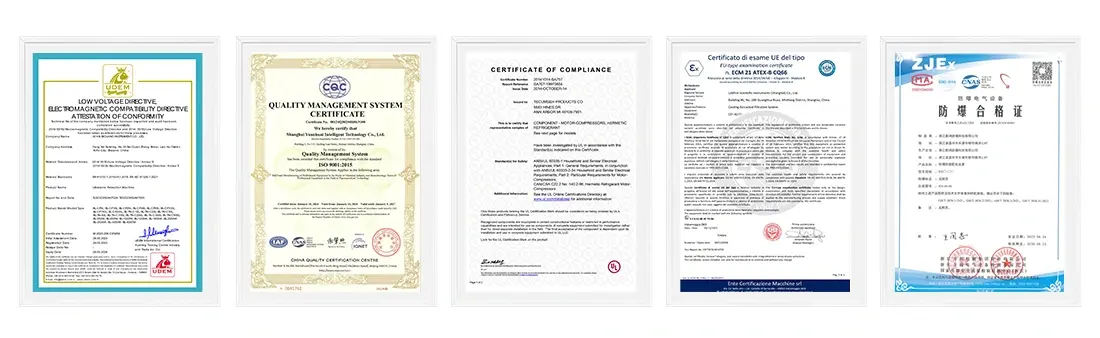
You get equipment that is approved by CE, ISO, UL, and SGS and meets GMP and FDA guidelines. We have been specializing in chemical processing equipment for more than 15 years, so you know you're working with experts.
Unmatched Customization Flexibility
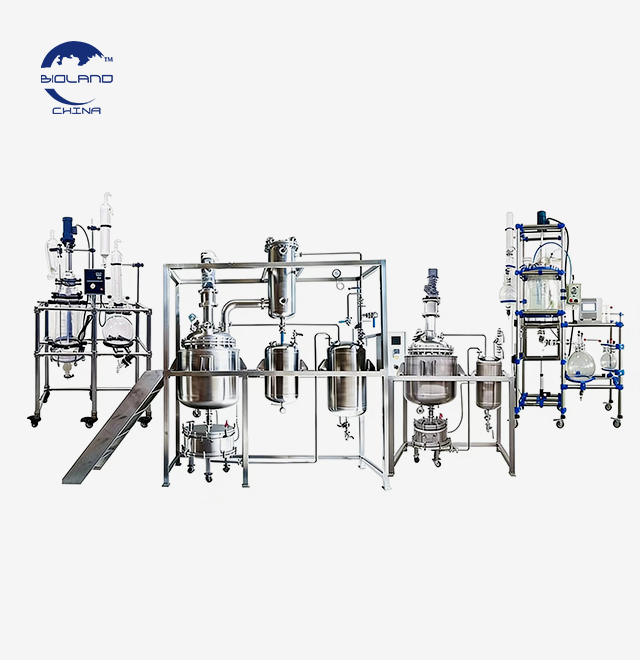
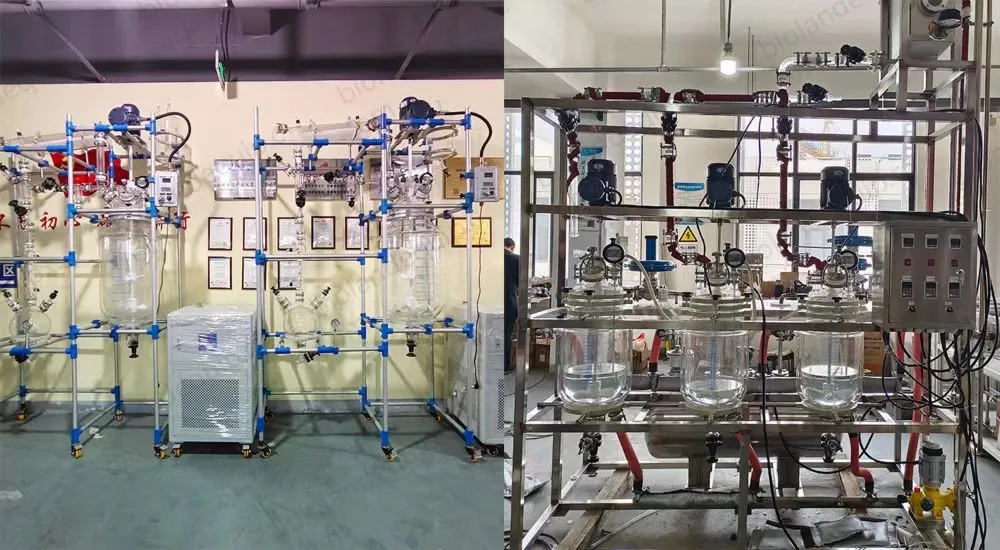
We offer full-dimension customizing that isn't the norm. The size, material, and structure of your tools are all customized to meet the needs of your process. We can make solutions that fit your needs, whether you need systems that won't explode, electric lifting tools, or PLC control.
Transparent Production Tracking
Our hardworking team sends weekly updates with photos or videos showing how things are going. You'll get to see your reactor come together step by step, and you'll be sent final testing materials before the approval to ship.
Rapid Delivery Options
Products that are standard ship in 5 to 7 days. Solutions that are made just for you are ready in 30 business days. To meet your deadline, we can help with freight by sea, train, and air.
Comprehensive Support System
You get a quality guarantee for one year and support for life. The top engineers and research and development team at our company offer real-time technical help to make sure your business runs easily.
Cost-Effective Direct Pricing
When you sell directly from the factory, you save a lot of money on your investments without sacrificing quality. You can get business-level tools at a good price.
Technical Parameters
|
MODEL
|
BL-FR10L
|
BL-FR20L
|
BL-FR30L
|
BL-FR50L
|
BL-FR100L
|
|
Material capacity
|
10L
|
20L
|
30L
|
50L
|
100L
|
|
Jacket capacity
|
≈2L
|
≈5L
|
≈8L
|
≈15L
|
≈20L
|
|
Receiving flask
|
5L
|
10L
|
10L
|
20L
|
20L
|
|
Reactor body and cover
|
Apply vacuum grease to the connection surface between the upper part of the kettle body and the kettle cover.
|
|
Variable-frequency governor
|
Digital temperature and rotate speed
|
|
Rotate speed
|
0-300r/min
|
|
Seal
|
Self-lubricating mechanical seal
|
|
Filter base plate
|
PTFE filter sand core
|
|
Bore diameter of sand core
|
1-200μm (Optional)
|
|
Motor power
|
120W/1:3
|
200W/1:3
|
|
Power of explosion-proof motor
|
180W
|
370W
|
370W/1:3
|
|
Voltage
|
220V/50Hz which can be customized according to customer requirements
|
Working Principle
The reactor has a complex two-phase system that works like this: your substrate sticks to solid resin beads, and chemicals move through the liquid phase.
Phase 1: Coupling Reaction
The activated amino acids or building blocks combine with the substrate that is joined by resin. The low-shear agitation method keeps the resin solution even without wearing down the beads. Reaction rates are best when temperature is controlled through the jacketed tank.
Phase 2: Filtration & Washing
The built-in PTFE sandcore filter keeps the resin beads in place while draining liquid waste and extra chemicals. Using DMF or DCM for more than one cleaning run will get rid of all the dirt.
Phase 3: Deprotection
Protecting groups are split up in a managed way. The filter system gets rid of the deprotection chemicals well, getting the resin ready for the next coupling cycle.
Phase 4: Vacuum Operation
Integrated vacuum pipes make conditions that are dry, which are needed for processes that are sensitive to wetness. Nitrogen purging keeps the oxygen neutral, which stops oxidation.
The design of the system's dead-volume reduction keeps reagents from building up. The shape of the solid phase synthesis reactor vessels allows for 2x to 5x resin growth during the synthesis process.
Application Fields
Pharmaceutical API Manufacturing
Our reactor's binding efficiency of 99% or more helps you make peptide drugs. Under cGMP conditions, make GLP-1 agonists, insulin analogues, and medicinal peptides. The system can work with swollen resins with a high viscosity and keep strict temperature cycles for long synthesis campaigns.
Oligonucleotide Therapeutics
Make antisense oligonucleotides and siRNA in a completely dry environment. Gene-silencing treatments need to keep the sugar-phosphate backbone intact, which can be done quickly and automatically by solvent swaps.
Combinatorial Chemistry & Drug Discovery
Make collections of small molecules on polymer beads. The reactor keeps the resins in a regular suspension of different densities, which speeds up your hit recognition programs.
Chemical Intermediate Production
Make complicated organic intermediates by controlling the temperature, crystallizing the material, and filtering it all at the same time. Some of the good cases we've worked on are looking for antimicrobial peptides and making custom chemicals.
Bioengineering & New Materials
Create new nanomaterials and plastics that have been functionalized. Ultrasonic crystallization, distillation, and extraction are all built into the flexible system to provide complete process solutions.
Post-Consumer Recycling Purification
To meet FDA/EFSA food-contact safety guidelines, use scavenger resins to get rid of metal catalysts and other impurities from reaction mixes.
Quality Certification
Our manufacturing facility holds comprehensive international certifications ensuring you receive world-class equipment:
- CE Certification - European safety compliance
- ISO Quality Management - Consistent manufacturing standards
- UL Certification - Electrical safety verification
- SGS Inspection - Third-party quality validation
All products meet GMP/FDA standards in design, materials, and performance. Our quality assurance extends through every manufacturing stage, from material traceability to final Factory Acceptance Testing (FAT).
FAQ
Q: What's the difference between glass and stainless steel reactors?
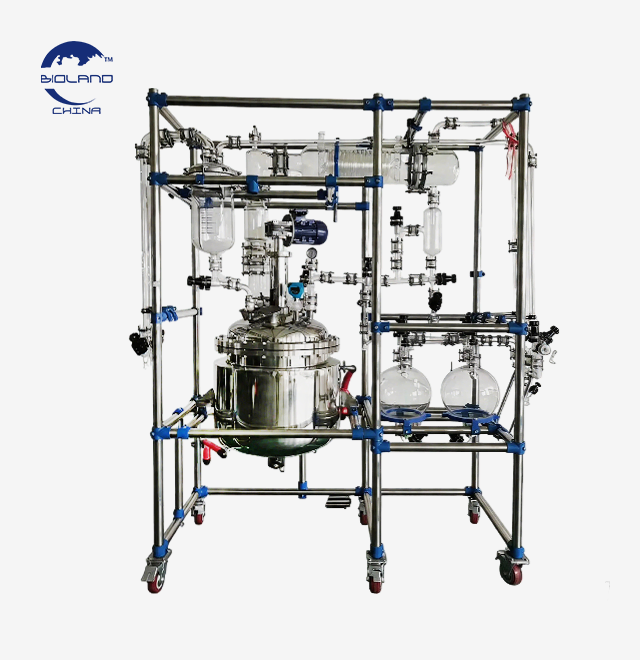
A: Glass reactors provide complete visual monitoring of resin swelling and reaction dynamics, ideal for laboratory to pilot scale. Stainless steel offers superior durability for industrial-scale production with PTFE lining for chemical resistance.
Q: How do you prevent resin bead damage during agitation?
A: We use specialized low-shear helical or anchor impellers designed specifically to minimize mechanical stress. Alternatively, pneumatic nitrogen bubbling provides gentle agitation without physical contact.
Q: Can the reactor handle moisture-sensitive reactions?
A: Absolutely. Our integrated vacuum and nitrogen manifolds create and maintain anhydrous, oxygen-free conditions throughout your synthesis process.
Q: What filter pore size should I choose?
A: This depends on your resin bead size. G2 filters (40-80μm) suit most standard resins, while G3 filters (15-40μm) work for finer particles. We help you select the optimal specification.
Q: Do you provide installation and training?
A: Yes. We offer comprehensive technical support including installation guidance, operational training, and ongoing maintenance consultation throughout the equipment's lifetime.
Q: What's your customization lead time?
A: Standard product units ship within 5-7 days. Customized configurations typically require 30 business days from design approval to completion.
Q: How do you ensure the reactor meets my specific process requirements?
A: Our R&D team works directly with you to understand your synthesis protocols, then designs customized solutions including material selection, temperature ranges, automation levels, and integration with your existing systems.
Contact Us
Upgrade your synthesis with a solid phase synthesis reactor. Our technical staff can explore your needs and build the right lab or manufacturing facility solution.
Email: info@biolandequip.com