Rotary Evaporator Extraction System — Precision Solvent Recovery for Laboratory & Industrial Use
Rotary evaporator extraction removes solvents gently under reduced pressure, protecting heat-sensitive compounds throughout the process. Xi'an Bioland Instrument Co., Ltd. has engineered rotary evaporators for pharmaceutical, botanical, and chemical customers across 40+ countries for over 15 years. Our systems deliver vacuum below 1 mbar, rotation from 10–280 RPM, and solvent recovery above 95% — backed by CE, ISO, UL, and SGS certification.
Why This System Performs Differently?
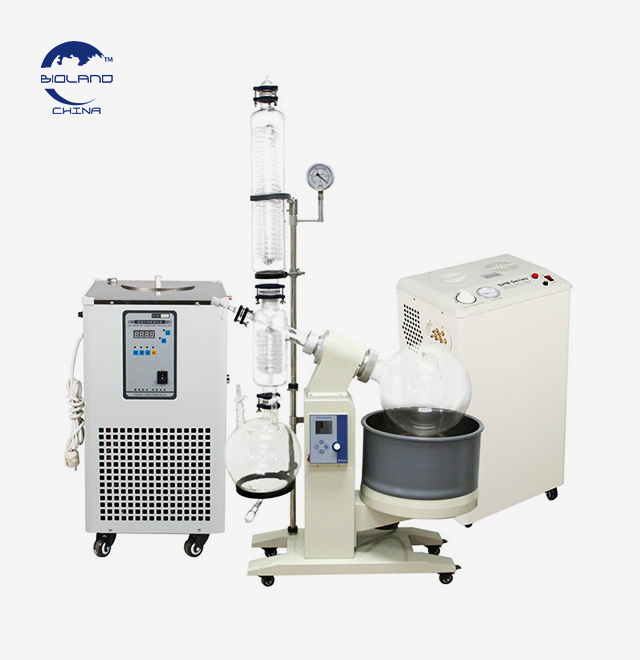
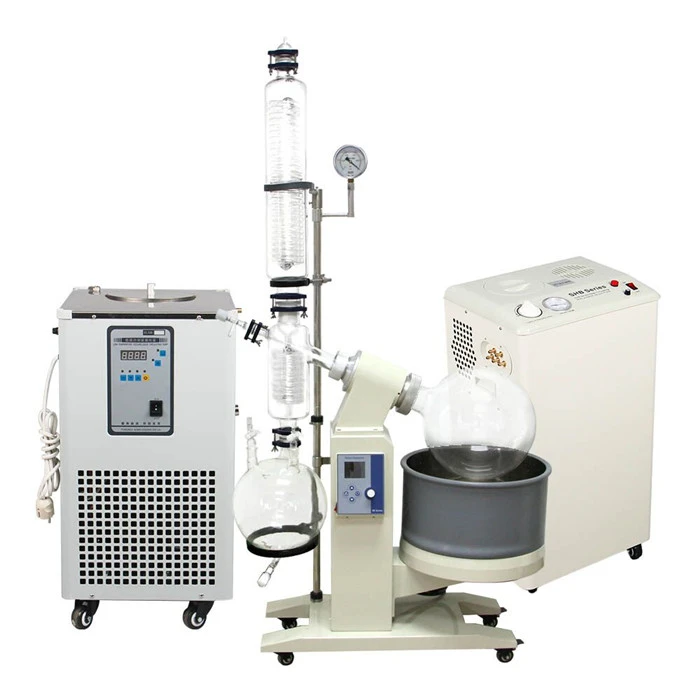
All-in-One Integrated Design
Heater, chiller, and vacuum pump are built into a single frame — no external components to coordinate, no pressure mismatches between separate units. Startup time drops from hours to minutes, and you eliminate the most common source of vacuum instability: poorly matched peripheral equipment.
PTFE + Viton Double Seal — Tested Against Aggressive Solvents
A PTFE primary seal handles chemical resistance. A Viton secondary seal backs it up under mechanical stress. Together, they maintain vacuum integrity when processing ethanol, acetone, hexane, or dichloromethane in continuous multi-hour runs — where single-material seals typically show degradation by hour four.
Double-Layer Cooling Coils for Higher Recovery Throughput
Dual cooling coils increase condensation surface area without increasing condenser footprint. In botanical extraction workflows processing 50–200L ethanol batches, this translates directly to faster cycle times and less solvent loss per run.
Sub-1 mbar Vacuum for Heat-Sensitive Compounds
Achieving below 1 mbar drops ethanol's boiling point to approximately 20°C and water's to around 7°C. For CBD crude oil, pharmaceutical intermediates, or delicate aroma compounds, this means evaporation happens before thermal degradation begins.
Borosilicate 3.3 Glassware — Stress-Inspected Before Assembly
Every glass component passes polarized light inspection to detect residual stress from manufacturing. This step exists because stress concentrations — invisible to the naked eye — are the leading cause of implosion under deep vacuum during extended runs.
How the System Works?
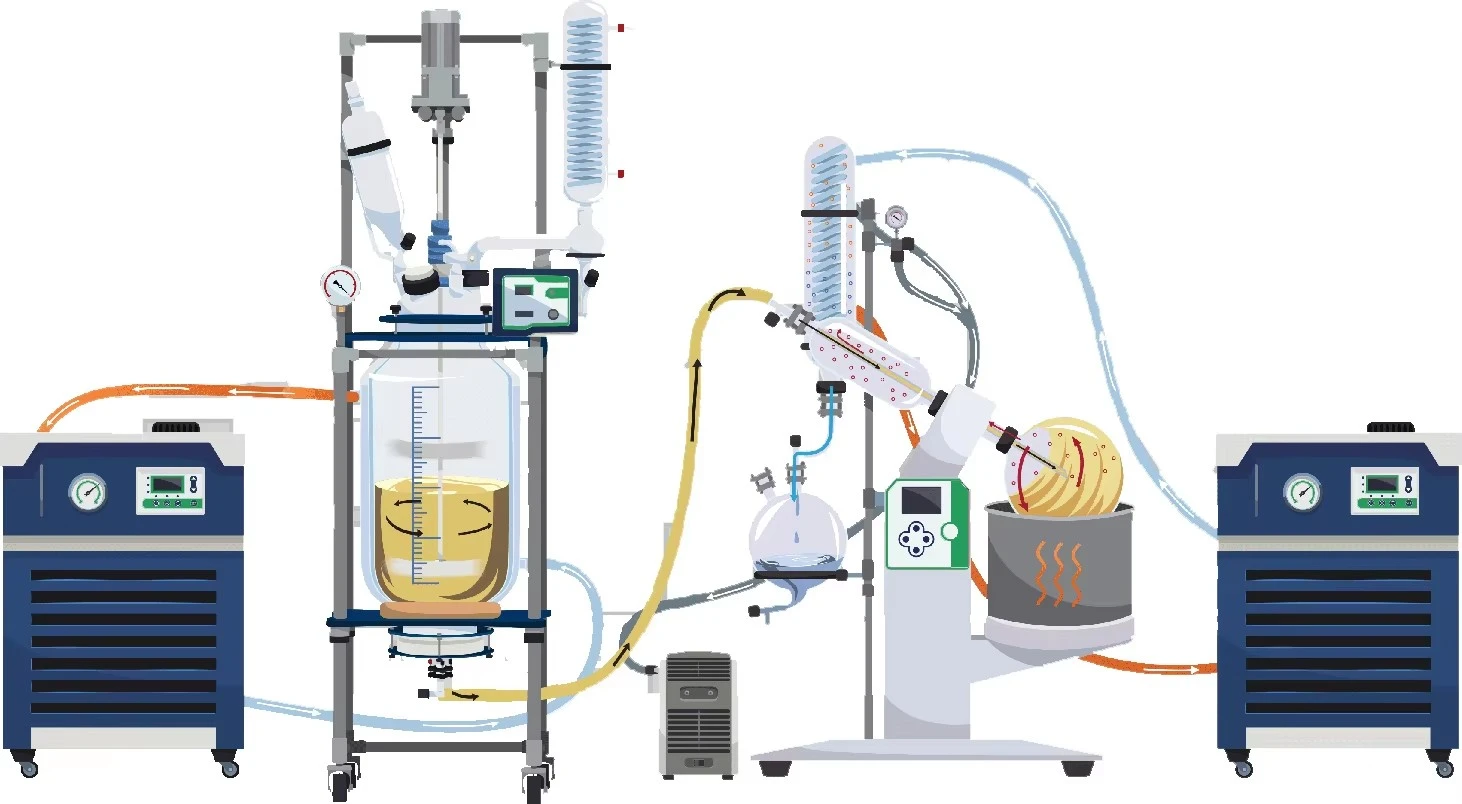
Three processes run simultaneously during operation.
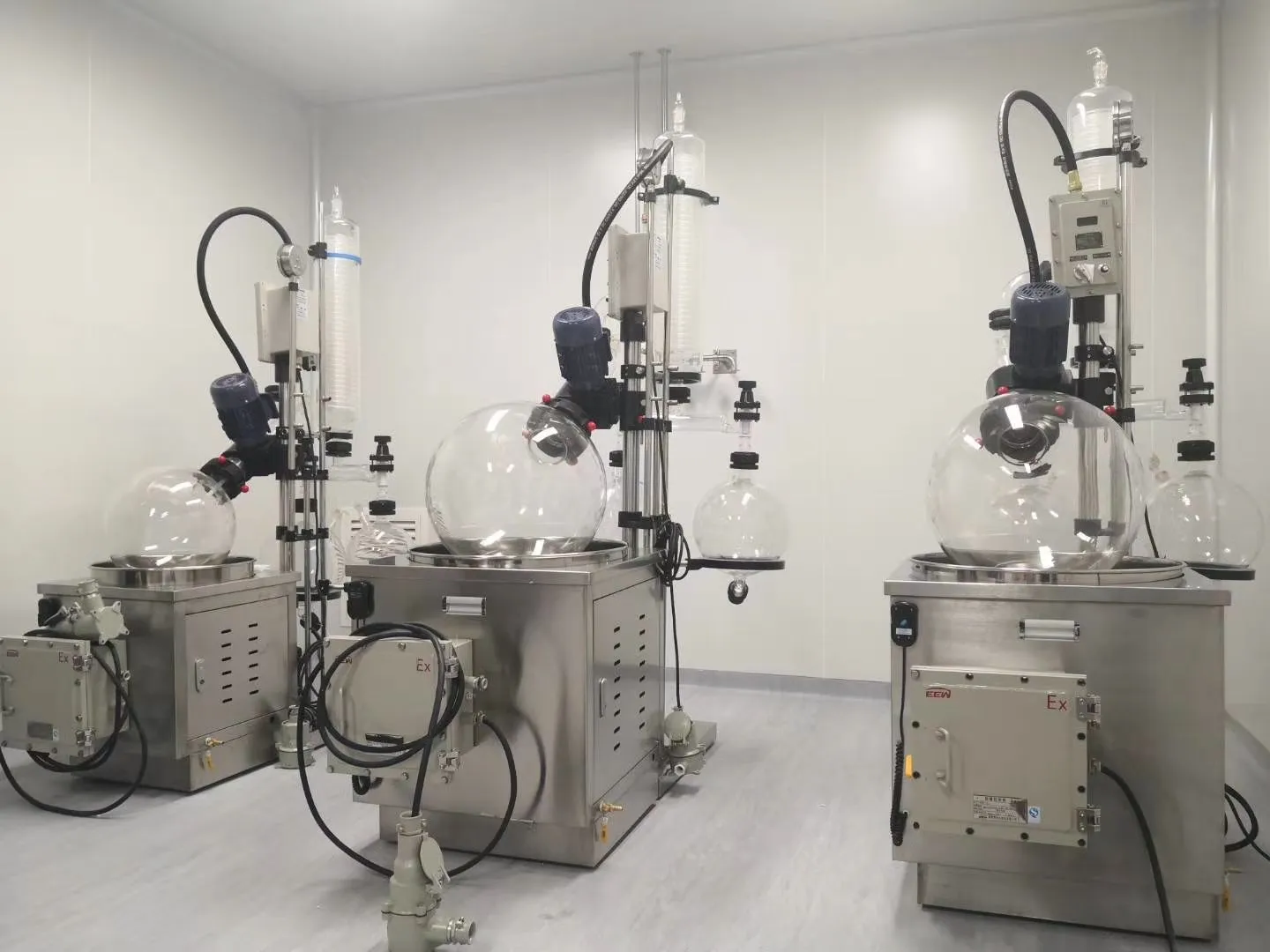
The vacuum pump reduces internal pressure, lowering each solvent's boiling point well below its atmospheric value. The evaporation flask rotates between 10 and 280 RPM, spreading the liquid into a thin film across the glass surface — dramatically increasing evaporation area without increasing temperature. The heating bath, held at ±1°C, supplies the precise energy input needed to drive evaporation without overheating your sample.
Vapor travels through the vapor tube into the double-layer condenser, where it rapidly converts back to liquid and collects in the receiving flask for direct reuse.
The Rule of 20 for Optimal Results
Set your bath temperature 20°C above your target vapor temperature, and your chiller 20°C below it.
Example: Bath 50°C / Vapor 30°C / Chiller 10°C
This gradient keeps evaporation steady and prevents vapor breakthrough into the vacuum pump.
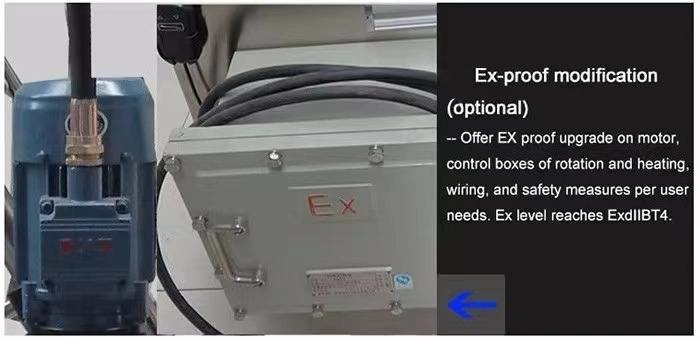
Materials & Construction
|
Component
|
Material / Standard
|
|
Glassware
|
Borosilicate 3.3, polarized-light stress-inspected
|
|
Primary Seal
|
PTFE
|
|
Secondary Seal
|
Viton (FKM)
|
|
Condenser
|
Double-layer coil, modular configuration
|
|
Drive
|
Belt-driven motor, torque-tested at max RPM under unbalanced load
|
|
Vacuum System
|
Chemically resistant, rated below 1 mbar
|
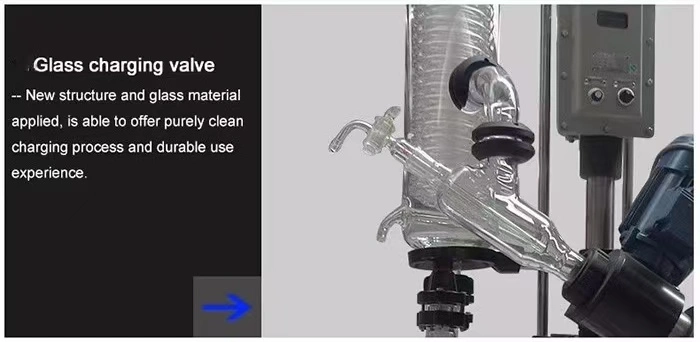
The tool-free disassembly design allows full cleaning and reassembly in under 15 minutes — meeting cross-contamination prevention requirements in GMP production environments.
After-Sales & Support
|
Service
|
Details
|
|
Warranty
|
1 year — parts and manufacturing defects
|
|
Lifetime Support
|
Technical assistance available beyond warranty period
|
|
OEM/ODM
|
Full customization: specs, configuration, branding
|
|
Pre-Sales Consultation
|
Process-matched equipment selection by engineering team
|
|
FAT
|
On-site acceptance testing at our facility before shipment
|
|
Spare Parts
|
Critical seals, glassware, and pump components stocked for same-week dispatch
|
Working With Xi'an Bioland Instrument
Direct engineering access — not a reseller network
Every inquiry is handled by the engineers who designed the equipment. When you specify your solvent, batch volume, and throughput target, you get a configuration recommendation built on process data — not catalog defaults.
Transparent production tracking
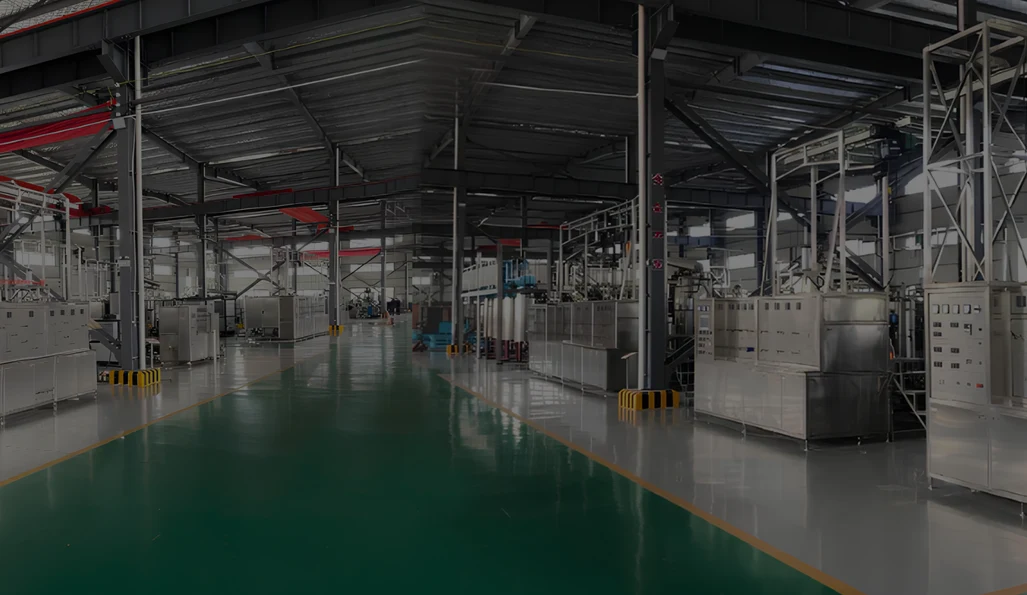
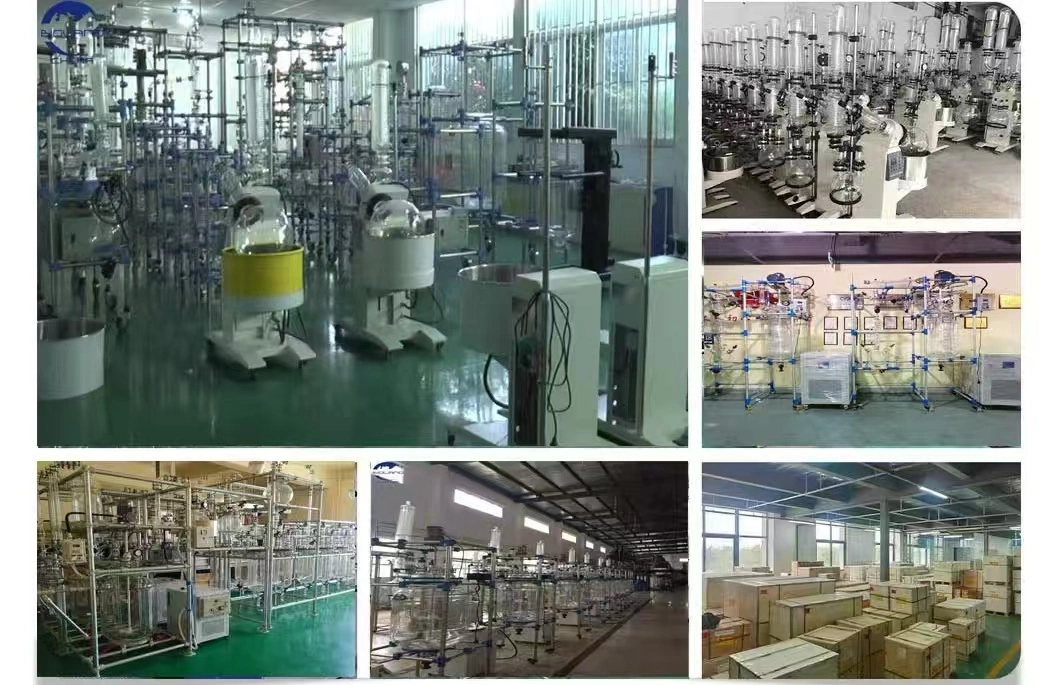
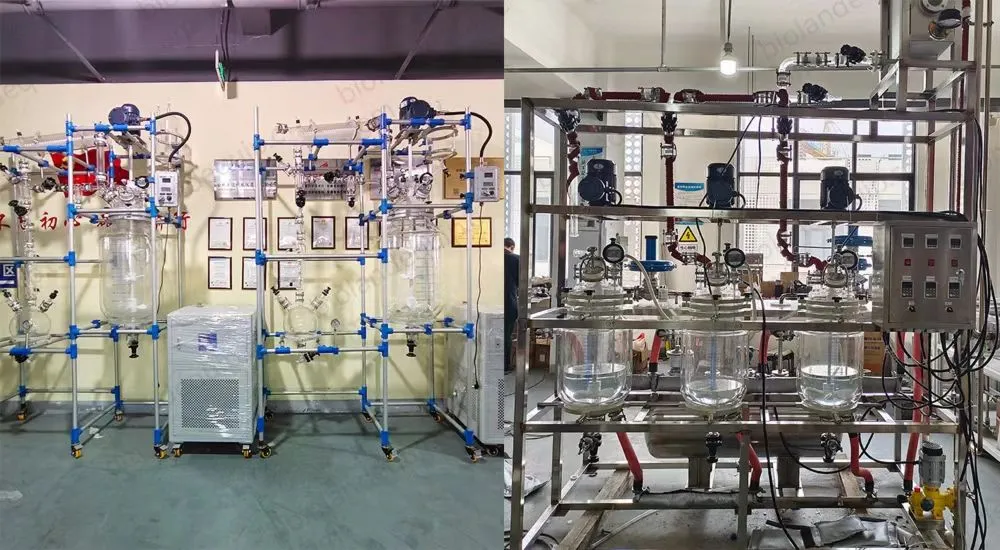
A dedicated production specialist sends weekly photo or video updates from the production floor. You see your unit being built.
Delivery timelines you can plan around
- Standard configurations: 5–7 business days
- Custom and OEM/ODM builds: approximately 30 business days
- Freight options: sea, rail, and air — including express to Europe, North America, and Southeast Asia
Verified by customers across 40+ countries
Our systems are operating in pharmaceutical facilities, university research labs, and commercial cannabis processors across North America, Europe, the Middle East, and Southeast Asia.
Technical Parameters
|
Product Model
|
RE-5L
|
RE-10L
|
RE-20L
|
RE-50L
|
|
Glass Assembly
|
Material
|
(GG17) Borosilicate glass 3.3
|
|
|
Carafe(L)
|
5L
|
10L
|
20L
|
50L
|
|
|
Collection Bottle
|
3L
|
5L
|
10L
|
20L
|
|
|
Condensers
|
Framework
|
Double Vertical
|
|
Device
|
Rotary motor
|
Controllers
|
DC infinitely variable speed control
|
|
|
|
Number of Revolutions Per Minute
|
20~150r/min
|
20~140r/min
|
20~140r/min
|
20~120r/min
|
|
|
Bathtub
|
Power(KW)
|
2
|
3
|
4
|
6
|
|
|
Temperature Control Range(℃)
|
ordinary temperatures+5~95
|
|
Lifting Method
|
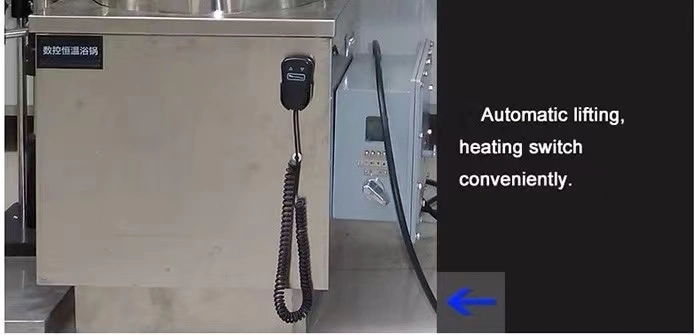
Electric bath lift
|
|
Size of the Whole Machine(mm)
|
800W×420D×1100H
|
1050W×580D×1750H
|
1150W×650D×1900H
|
1280W×700D×2200H
|
|
Power Requirement
|
220V/50Hz
|
Quality Assurance — What Happens Before Your Unit Ships
Every rotary evaporator extraction unit is manufactured under ISO 9001 protocols and carries CE, UL, and SGS certification. Units intended for pharmaceutical environments are produced to GMP standards and are compatible with FDA 21 CFR Part 211 facility requirements.
Pre-shipment inspection checklist (100% of units):
- Vacuum leak rate test: target < 1 mbar/min when system is isolated
- Rotation stability test at maximum RPM with unbalanced flask load
- Heating bath homogeneity verification at ±1°C using calibrated reference probes
- Glassware stress inspection under polarized light
- 24–72 hour continuous operation test on all industrial-grade configurations
Full inspection documentation ships with every order. Remote video acceptance or on-site Factory Acceptance Testing (FAT) available on request.
Application Fields
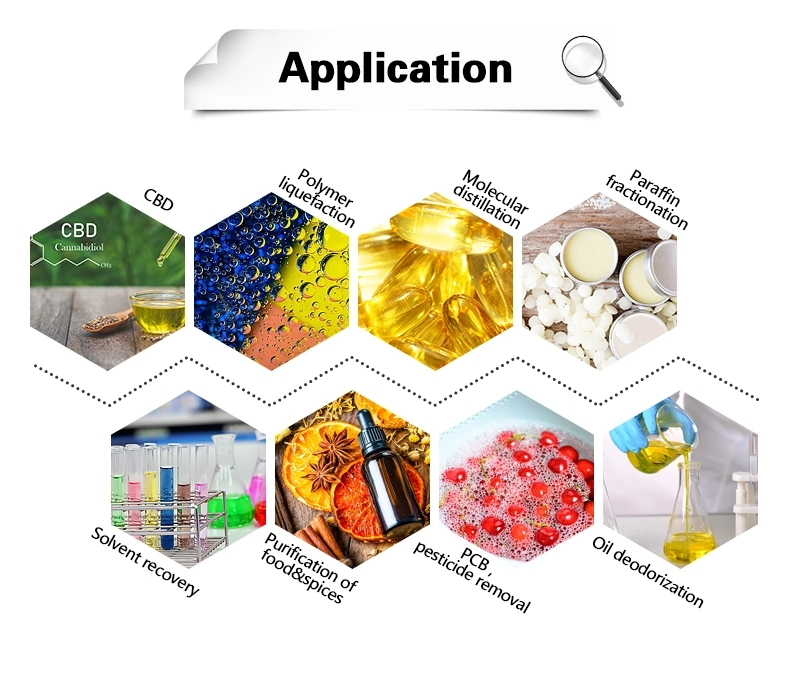
Botanical & Cannabis Extraction
Post-winterization ethanol recovery is the highest-volume use case. The system strips ethanol from CBD or THC crude at temperatures low enough to preserve cannabinoid and terpene profiles, while reclaiming solvent for reuse — directly reducing per-batch material cost.
Pharmaceutical R&D and API Preparation
Drug synthesis workflows use the system to concentrate reaction mixtures and isolate Active Pharmaceutical Ingredients (APIs) ahead of HPLC or GC-MS analysis. The closed system prevents inter-batch contamination throughout synthesis.
Flavor Chemistry & Functional Food
Low-temperature vacuum distillation captures volatile aroma compounds from herbs, spices, and botanicals without heat degradation. The resulting flavor profiles require no artificial enhancement — something conventional distillation cannot reliably achieve.
Advanced Materials & Chemical Research
Precise vacuum control and modular condenser configurations support processing of solvents with widely varying viscosities and boiling points — from low-boiling acetonitrile to higher-boiling DMF or DMSO.
FAQ
Q: How do I prevent bumping during operation?
A: Start rotation before applying vacuum. Use a vacuum controller to reduce pressure gradually — sudden pressure drops are the most common cause of bumping. For viscous or foamy samples, add a bump trap between the vapor tube and the flask as a secondary safeguard.
Q: What is the Rule of 20 and why does it matter?
A: Set your heating bath 20°C above your target vapor temperature and your chiller 20°C below it. This temperature differential keeps evaporation and condensation in balance. Without it, vapor can overwhelm condenser capacity and carry over into the vacuum line.
Q: My solvent recovery rate is below 95%. What should I check first?
A: Check for vacuum leaks at O-rings and glass joints — this is the most common cause. If vacuum is confirmed stable, verify your chiller has sufficient wattage to condense your solvent volume at your target evaporation speed. Undersized chillers are the second most frequent cause of low recovery.
Q: How often should seals be inspected or replaced?
A: In regular production use, inspect PTFE and Viton seals monthly. Replace immediately if vacuum level drops unexpectedly or if you detect solvent odor during operation. Running the rotor without adequate lubrication accelerates wear significantly between inspections.
Q: Can the system process water-based samples?
A: Yes — water requires a vacuum pump capable of reaching below 10 mbar, a higher bath temperature, and a chiller with capacity sized for water's higher latent heat of vaporization. Contact our team with your batch volume and we will specify the correct configuration.
Q: Which solvents are compatible?
A: PTFE and Viton sealing supports ethanol, methanol, acetone, hexane, dichloromethane, ethyl acetate, and most common laboratory solvents. For aggressive or uncommon solvents — including halogenated compounds or strong acids — contact our engineering team for compatibility confirmation before ordering.
Get a Configuration Recommendation
Tell us your solvent, batch volume, and throughput target for rotary evaporator extraction. 📧 info@biolandequip.com — response within 24 hours.