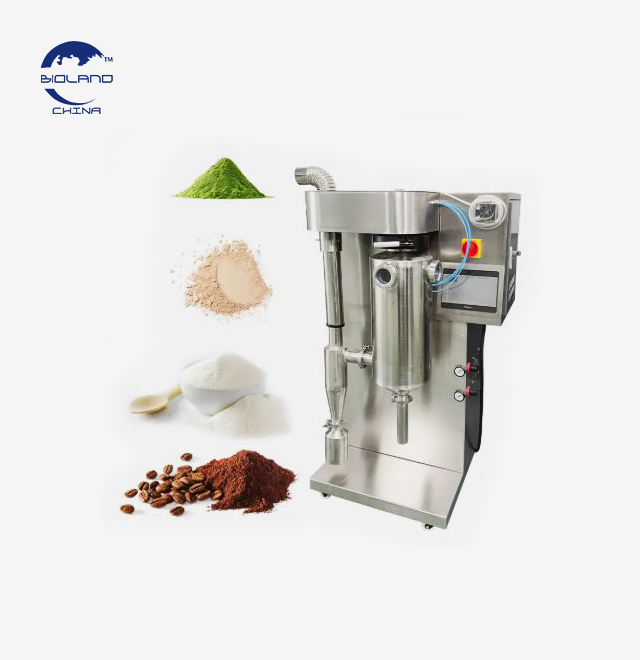
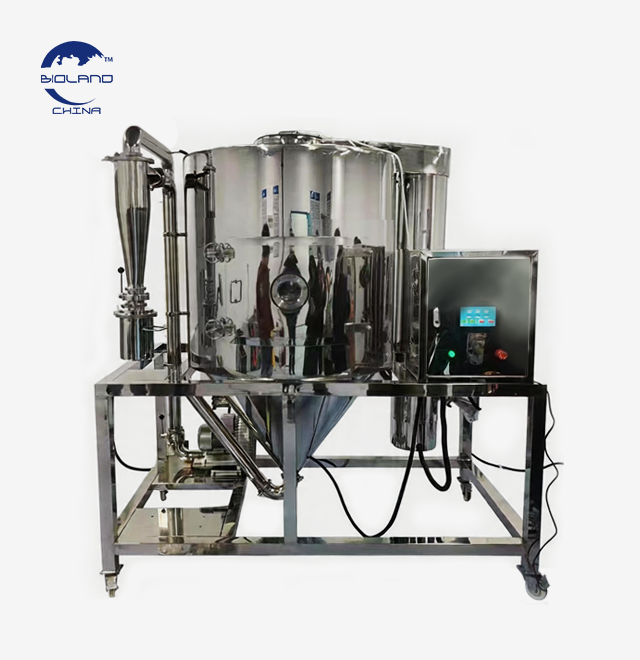
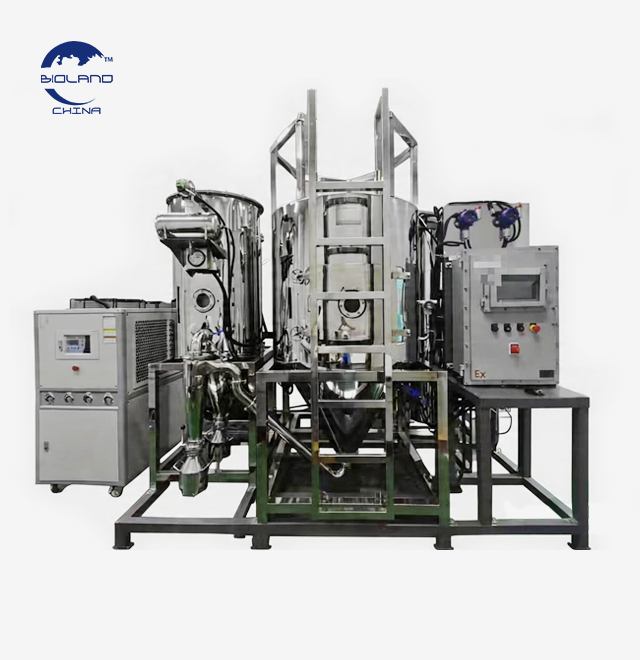
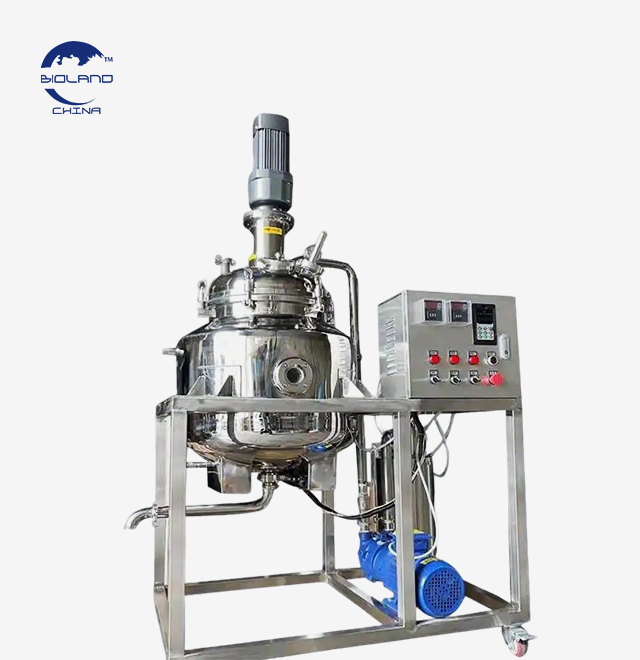
Closed Loop Spray Dryer - Professional Solvent Drying Solution
The closed loop spray dryer from Xi'an Bioland works in a nitrogen environment that can't be opened, which makes it perfect for working with heat-sensitive materials and organic solvent-based feedstocks. Unlike other open-cycle systems, ours continually recirculates inert gas through an integrated condenser, recovering more than 95% of the solvent and removing VOC emissions at the same time. This indu

strial-grade system has ATEX-compliant explosion-proof instruments, keeps oxygen levels below 2%, and can work with a number of liquids, such as hexane, ethanol, and acetone. Automated with PLC and product-contact surfaces made of SS316L (Ra < 0.4µm), this machine is pharmaceutical-grade and meets GMP/FDA standards right out of the box.
Why Choose Us?
15+ Years of Industry Expertise
We've specialized in thermal separation equipment for over 15 years. Our dedicated R&D team brings deep engineering experience to every project.
Certified Quality Assurance
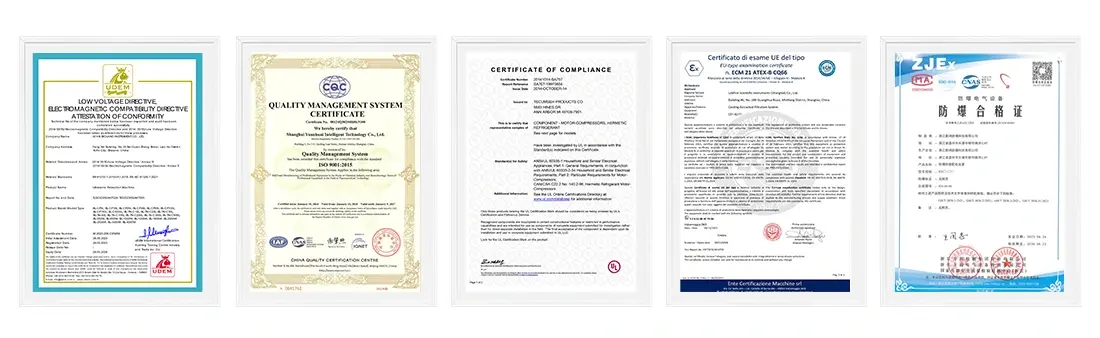
Your investment is protected by ISO and CE certifications. All systems undergo rigorous Factory Acceptance Tests before shipment.
Customization Made Simple
Need specific materials? We customize product-contact parts with SS316L. Explosion-proof configurations? We've got you covered. OEM and ODM services ensure the system fits your exact process requirements.
Fast Delivery Timeline
Non-customized units ship in 5–7 days. Custom configurations are ready within 30 business days—significantly faster than industry averages.
Transparent Production Tracking
Your dedicated project specialist provides weekly photo or video updates. You'll see exactly how your equipment progresses through manufacturing.
Comprehensive Support
Benefit from our one-year warranty and lifetime maintenance. Our technical team responds quickly to your operational questions, ensuring minimal downtime.
Flexible Logistics
We support sea, rail, and air freight options. You choose what works best for your timeline and budget.
Technical Parameters
|
Item
|
BL-S15
|
BL-5000
|
BL-10L
|
BL-25L
|
BL-50L
|
BL-100L
|
|
inlet temperature(℃)
|
140-350 automatically controlled
|
|
outlet temerature (℃)
|
~80-90
|
|
Max.water evaporation capacity(L/h)
|
2
|
5
|
10
|
25
|
50
|
100
|
|
centrifugal spraying nozzle transmission mode
|
compressed air transmission
|
Mechanical transmission
|
|
Rotation speed rpm
|
25000
|
18000
|
18000
|
18000
|
|
Nozzle diameter mm
|
0.5mm, 0.7mm, 1mm, 1.5mm, 2mm are available for selection
|
50mm
|
80mm
|
100mm
|
120mm
|
140mm
|
|
Nozzle type
|
Two fluid nozzle
|
High speed Centrifugal atomizer
|
|
Heat supply
|
Electricity
|
Electricity+steam
|
Electricity+steam,fuel oil or gas
|
|
Max.Electric heating power kw
|
3.5
|
9
|
15
|
36
|
63
|
81
|
|
Dried powder restoring tate %
|
≥95
|
≥95
|
≥95
|
≥95
|
Working Principle
Your feedstock, which is dissolved or mixed with organic liquids, goes into the drying chamber through a high-precision atomization nozzle. The drying chamber is tightly sealed. When hot nitrogen gas (preheated to the temperature you set) comes in contact with the small drops, it quickly evaporates the liquid while the solid particles mix together to make a uniform powder.
The closed loop spray dryer is different in these ways: The solvent-filled gas doesn't go out into the air; instead, it runs into a high-efficiency extractor. The condenser brings the temperature of the gas stream down below zero, which turns the solvent vapour back into a liquid. You get this juice back to use it again.
The dry nitrogen is fired up and pumped back into the drying room, making a loop that never ends. An automatic oxygen tester checks the air all the time. If oxygen levels rise above your safety level, the system stops feeding right away and adds nitrogen purging to keep your product and people safe.
The dried powder is collected by cyclone separation or bag filtration, and the particle sizes are spread out the way you want them to be. This whole process doesn't involve air, so sensitive active ingredients don't break down.
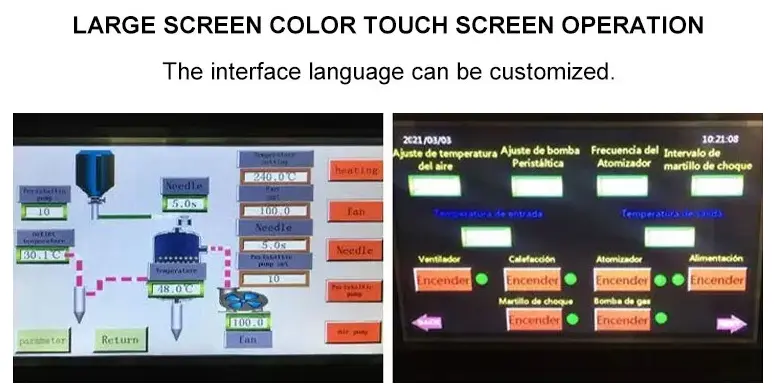
Process Flow
- Starting the feed: Your liquid feedstock (solvent-based slurry or solution) goes into the holding bin.
- Creating atoms: The feed pump sends material to the tip, which makes tiny drops.
- In the drying chamber, droplets come into touch with hot nitrogen, which quickly evaporates the solvent.
- Purification of Powder: Cyclone or bag screens collect dry powder while letting gas pass through.
- Fluid Condensation: Nitrogen that is full of fluid runs to the condenser, where it separates and gathers in a recovery tank.
- Cleaning and drying the nitrogen flows through a heater and back to the drying room.
- Maintaining Safe Oxygen Levels: Continuous monitors check and keep oxygen levels; if necessary, automatic purging happens.
- Products are collected when the finished powder is pushed into containers that are sealed and ready for the next step in the process.
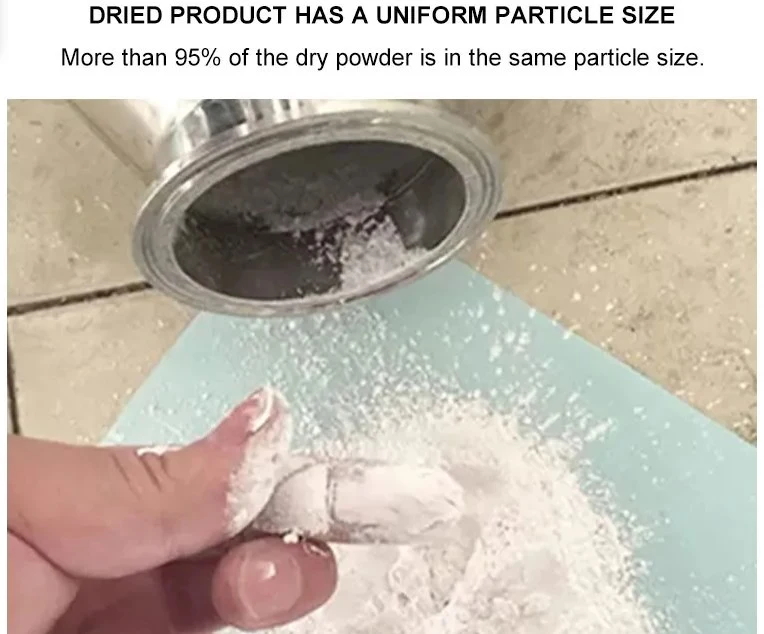
Application Fields
Pharmaceutical Manufacturing
Dry active medicinal ingredients that have been mixed with acetone, methanol, or ethanol. Sensitive molecules don't oxidize because the environment is inactive. You'll get amounts of leftover solvent that are in line with ICH Q3C rules.
Advanced Materials & Ceramics
Alcohol-based slurries can be used to work with tungsten carbide, silicon nitride, and battery cathode materials. Drying metal powder without oxygen keeps it pure, which ensures the best pressing density and sintering performance.
Food & Nutraceuticals
Put fish oils, essential oils, and delicate flavours in microcapsules. There is no rancidity because the closed loop stops lipid decomposition and keeps volatile aroma molecules that would break down in open-air systems.
Fine Chemicals & Agrochemicals
Safely handle liquid carriers that can catch fire. Get back useful liquids like hexane, toluene, or DCM while making powders with uniform particle sizes.
Biologics & Enzymes
During drying, keep proteins and enzymes that are sensitive to air safe. The nitrogen climate keeps living things going that would die if they were exposed to air.

Quality Certification
Xi'an Bioland maintains ISO quality management certification and CE compliance for all equipment. Our product systems undergo comprehensive Factory Acceptance Testing, including:
- Pressure Decay Tests: Verifying gas-tight construction
- Oxygen Analyzer Validation: Ensuring safety interlock reliability
- Solvent Recovery Verification: Confirming >95% recovery rates
- Explosion Protection Inspection: Testing rupture discs and suppression systems
- Filter Integrity Testing: DOP/PAO tests on gas filters
All documentation—including material certificates, weld inspection reports, and calibration records—ships with your equipment for regulatory audits.
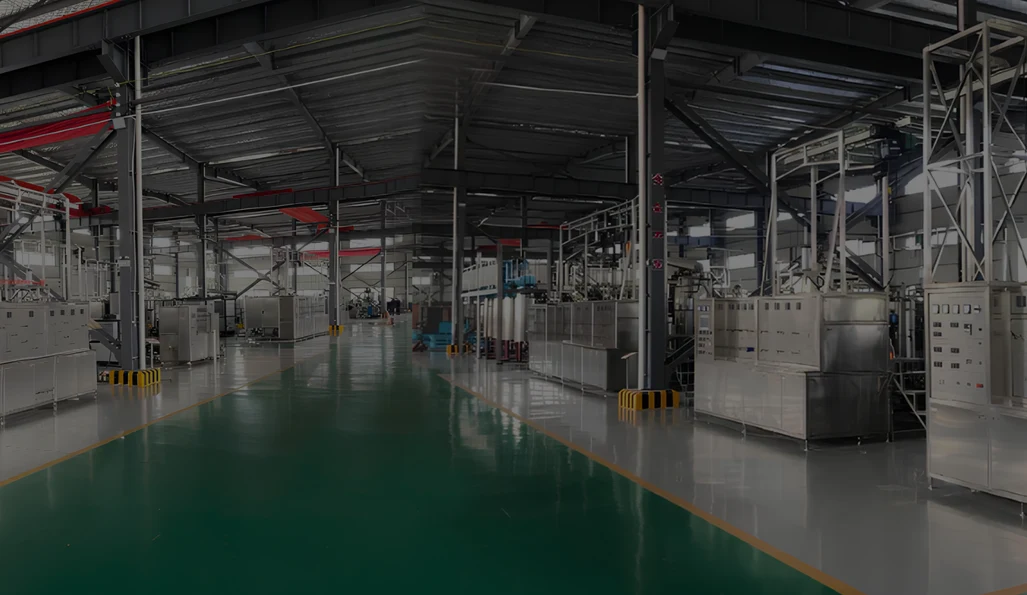
Factory Workshop

FAQ
Q: How does the system prevent explosion risks?
A: We displace oxygen with nitrogen before operation begins. The system only starts when oxygen drops below 2%. Continuous monitoring stops feed and purges with fresh nitrogen if levels rise. Rupture discs provide additional fail-safe protection.
Q: Can I process different solvents with one unit?
A: Yes. You'll need compatible sealing materials like PTFE gaskets. The condenser temperature adjusts according to your solvent's vapor pressure. We recommend discussing your solvent portfolio during the specification phase.
Q: What determines my final powder's residual solvent content?
A: Outlet temperature and nitrogen flow rate are primary factors. The condenser must effectively strip solvent from recirculating gas—if returning gas has high saturation, drying efficiency drops. We optimize all parameters during commissioning.
Q: How much nitrogen will I consume?
A: Consumption is high during initial purging (replacing air). During steady operation, you only need enough to maintain positive pressure and compensate for minor leaks. A well-sealed system minimizes ongoing costs.
Q: Can you retrofit my existing open dryer to closed loop operation?
A: It's technically challenging and rarely cost-effective. Purpose-built systems like ours feature gas-tight construction, specialized condensers, and integrated oxygen monitoring from the ground up. New equipment delivers better reliability and safety.
Q: What cleaning procedures does the system require?
A: Our modular detachable design simplifies maintenance. Product-contact surfaces meet GMP standards with Ra < 0.4µm finishes. You can perform CIP (clean-in-place) procedures or disassemble components for manual cleaning between batches.
Contact Us
Ready to eliminate solvent waste and improve product quality with closed loop spray dryer? Reach out to our technical team at info@biolandequip.com to discuss your specific requirements today!