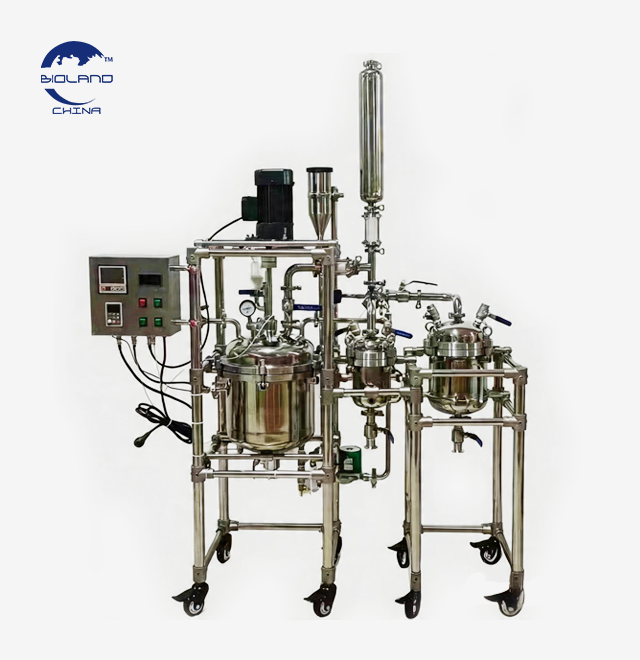
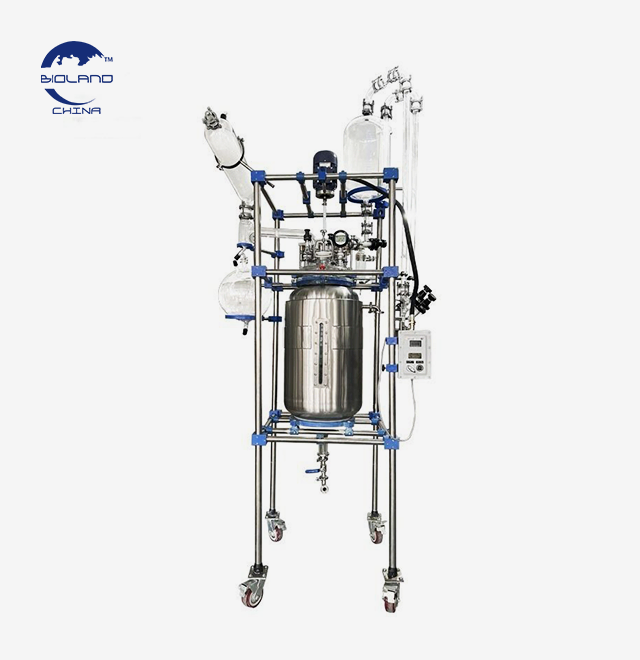
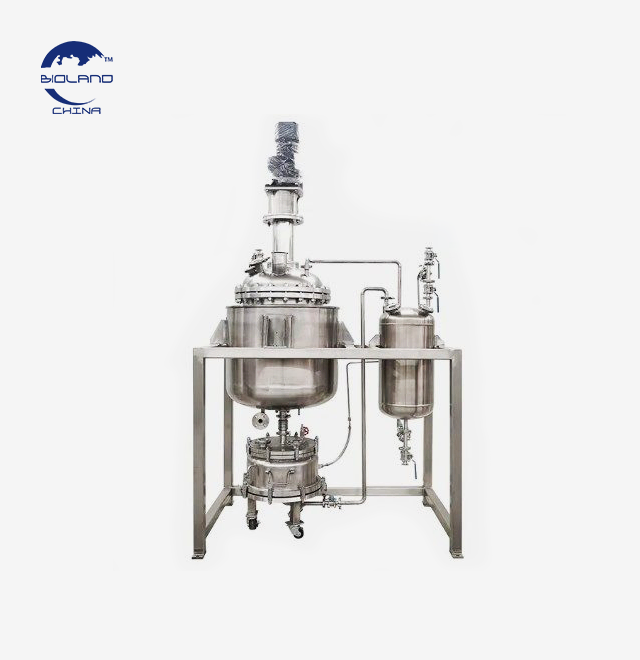
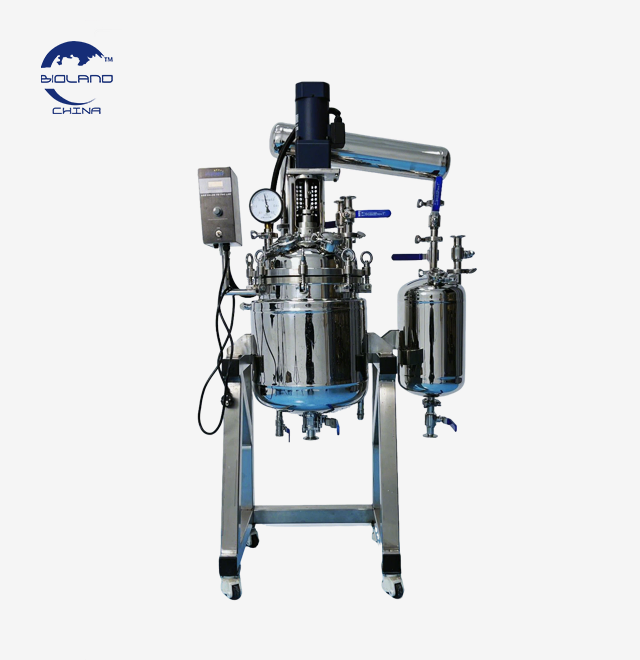
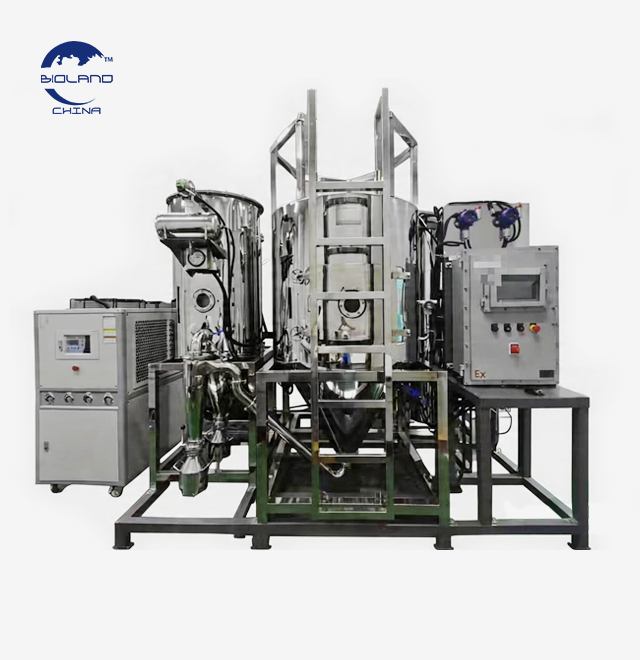
Stainless Steel Batch Reactor - Professional Chemical Processing Equipment
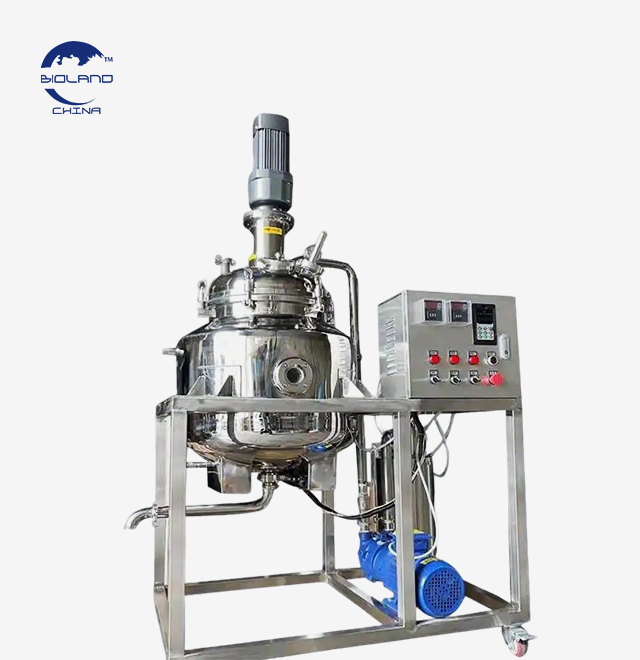
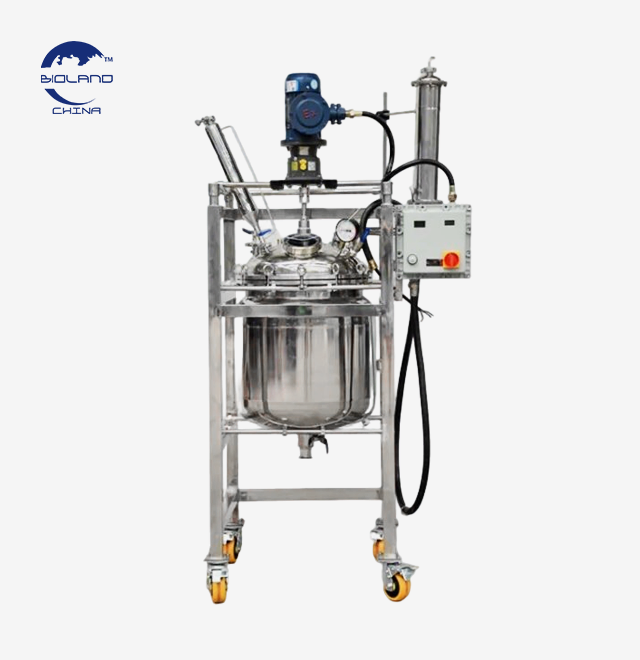
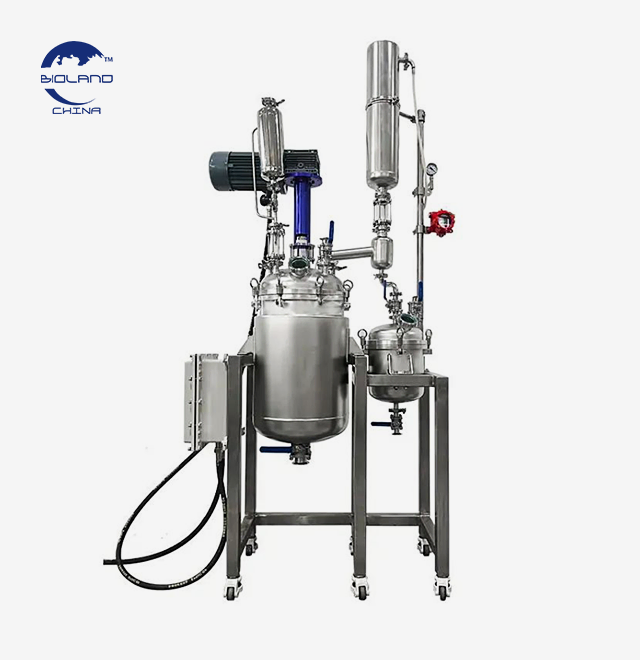
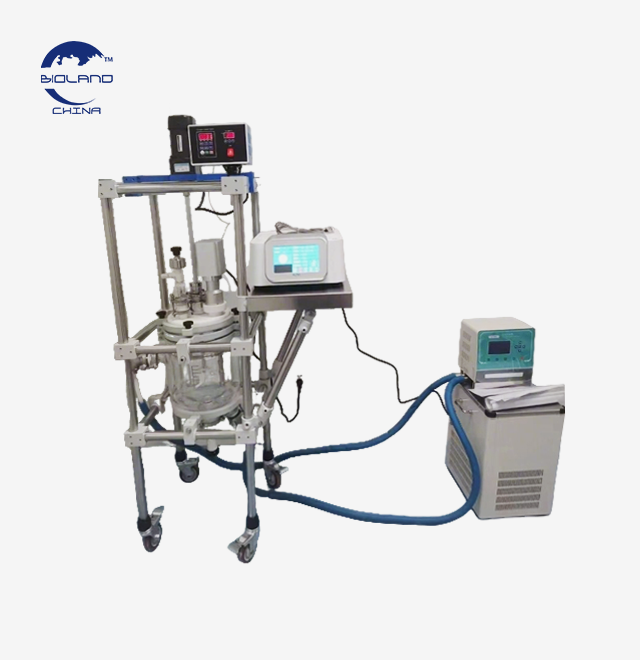
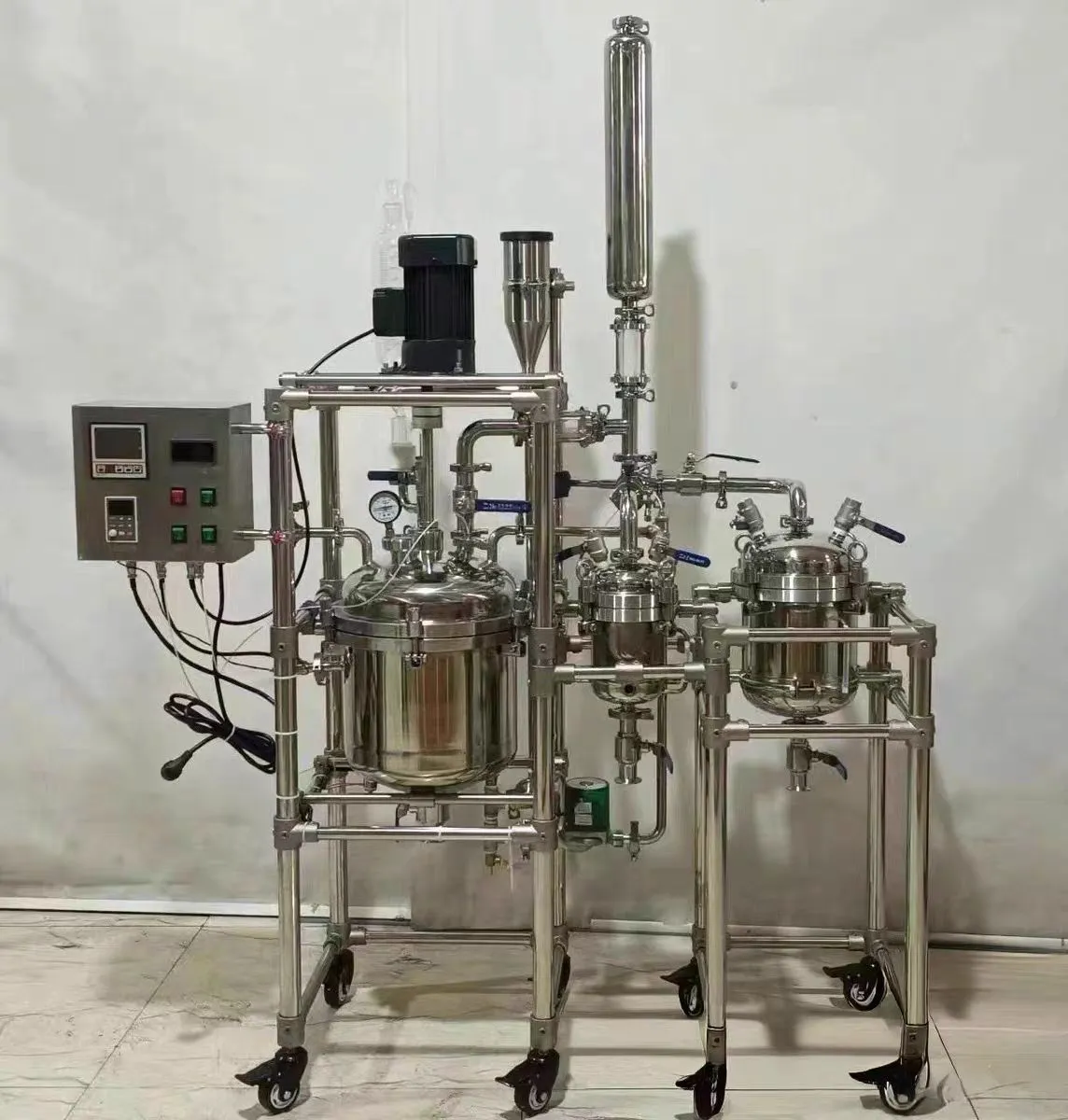
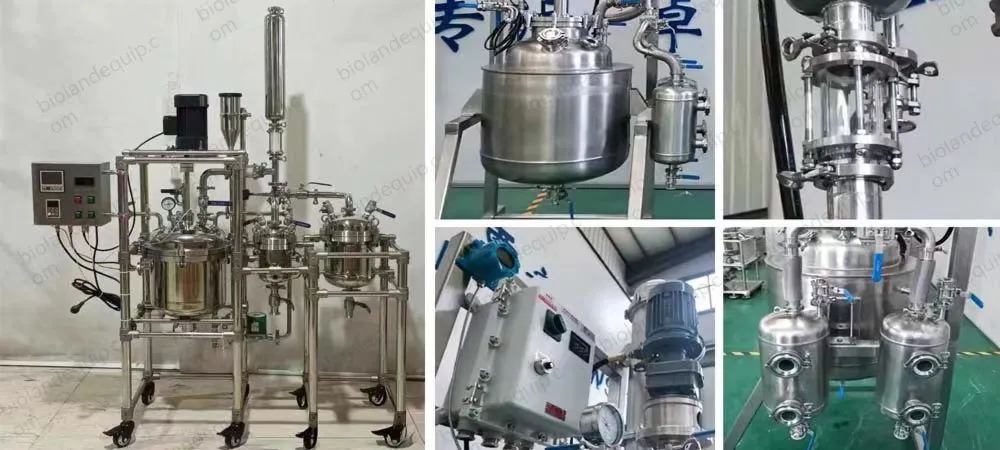
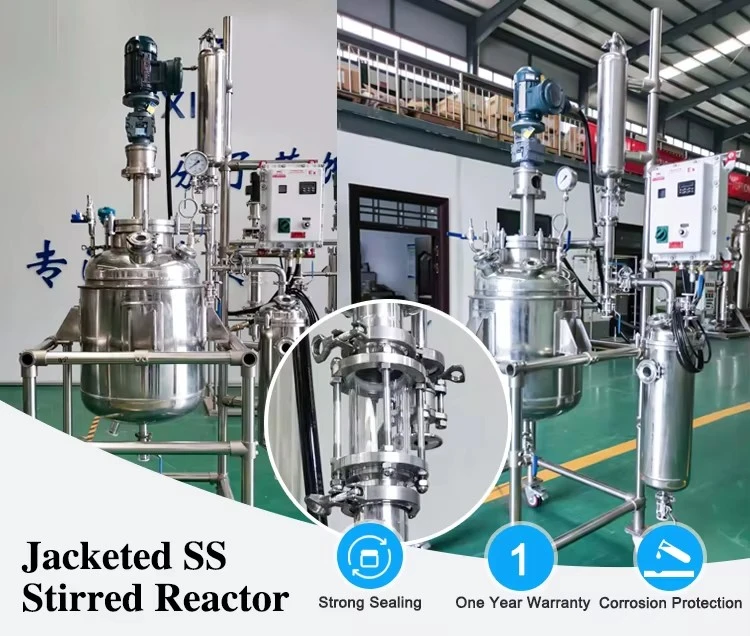
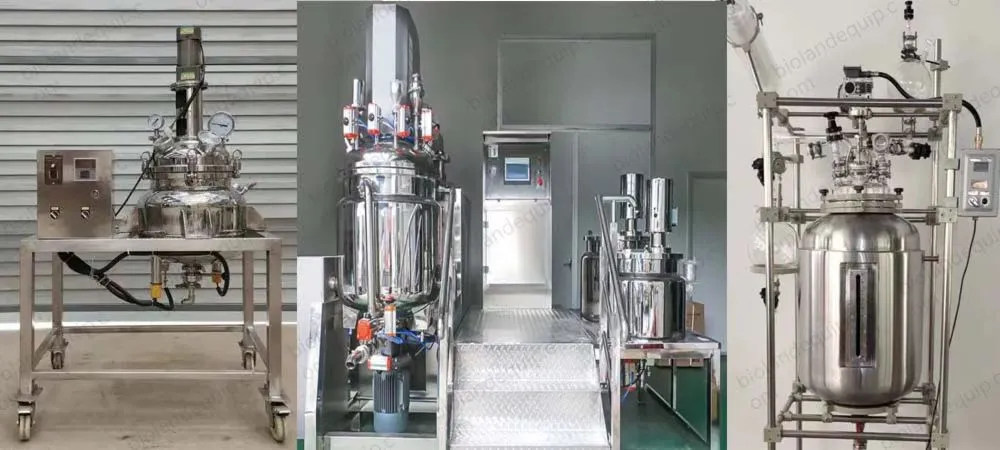
For exact, interrupted chemical synthesis, Xi'an Bioland's stainless steel batch reactor is a high-performance pressure tank. Under controlled pressure and temperature, this closed-system reactor can handle multiphase processes between liquids, gases, and solids. Premium SUS304/SUS316L materials were used to make our reactor, which can withstand internal pressures of more than 0.5 MPa, which is much higher than what a glass reactor can do. Based on its 10L to 20,000L volume and ±1°C temperature control accuracy, it is GMP/FDA compliant for making medicinal APIs, polymers, and hydrometallurgy products. Our customizable designs combine vacuum, mixing, distillation, and extraction methods into a single, flexible system.
Why Choose Us?
Factory Direct with 15+ Years of Expertise
You get tools that are backed by more than 15 years of experience in chemistry engineering. Laboratories, drug plants, and other industry buildings in Europe and Southeast Asia have hired us.
Certified Quality You Can Trust
For safety, look for standards like CE, ISO, UL, and SGS. All of the units meet the needs of ASME Section VIII pressure vessels and GMP/FDA guidelines.
Customization That Fits Your Process
Need a certain amount of space, pressure, or type of movement? We can change everything, from the type of material (SUS304, SUS316L, or Hastelloy) to built-in features like ultrasonic extraction or high-shear emulsification. Our product can be adjusted to fit your exact temperature and range of liquid density needs.
Intelligent Control Options
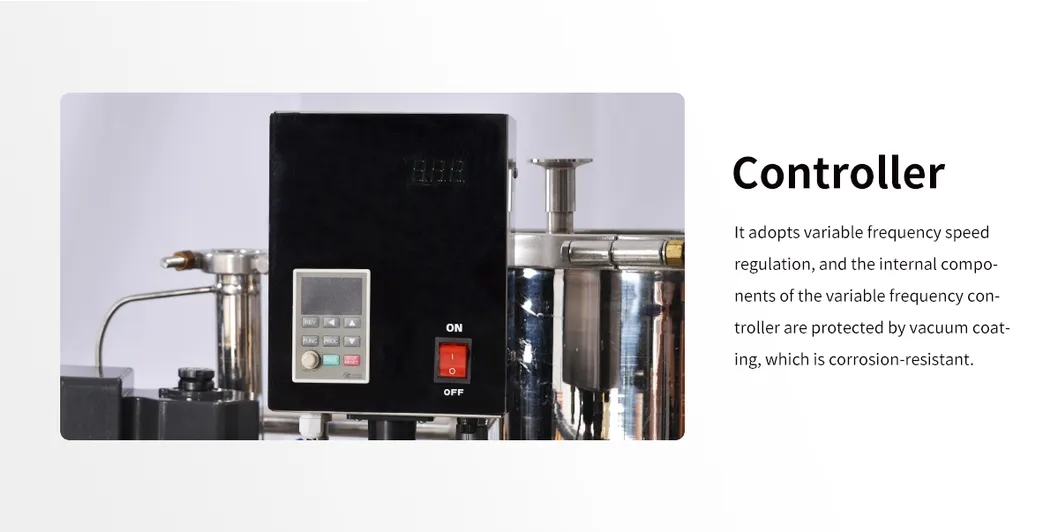
Pick PLC control systems that are fully automatic and can be monitored from afar. You can be precise with electric pulling devices and stirring speeds that can be changed (anchor, paddle, and turbine types).
Fast Delivery & Lifetime Support
Most models are sent out in 5 to 7 days. This can be done in 30 business days for custom setups. You get reports on the process once a week, with pictures or videos. Long-term dependability is guaranteed by a one-year promise and servicing for life.
Explosion-Proof Configurations Available
Working with things that can change? We develop systems that are completely safe from explosions and meet ATEX and IEC safety standards.
Technical Parameters
|
Work pressure
|
-0.1Mpa~0.5Mpa
|
|
|
Mixer Type
|
Paddle ,can be customize
|
|
|
Sealing method
|
Machinery Seal
|
|
|
temperature range
|
-100-250ºC
|
|
|
Range of Spindle Speed(r.p.m)
|
0 - 600r.p.m
|
|
|
Max. Loading Capacity
|
50-10000L
|
|
|
Material
|
SUS316/SUS304
|
|
|
Key Selling Points
|
Digital display frequency conversion speed regulation
|
|
|
Applicable Industries
|
Manufacturing Plant,chemicals, Food & Beverage Factory, Home Use.,etc
|
|
|
reactor lid opening
|
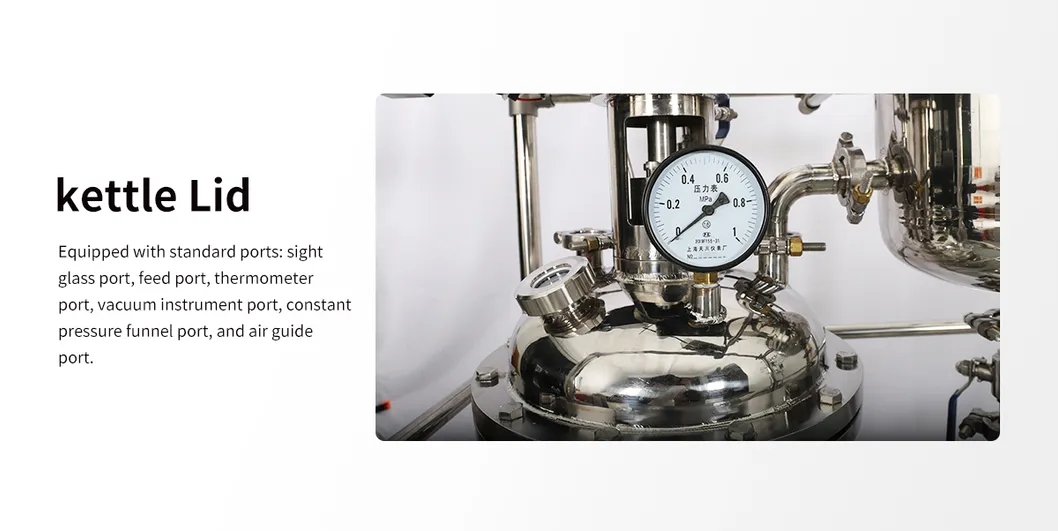
Stirring port, solid material port, temperature measurement port, pressure gauge port, constant pressure funnel port, condensation reflux port (can be customized according to requirements)
|
|
Working Principle
The reactor works in rounds of batch processing. Reagents are put into the inner tube, which is then sealed. The upper jacket moves heating or cooling media (such as steam, thermal oil, or chilled water) around to exactly control the temperature of the reaction.
Temperature Regulation
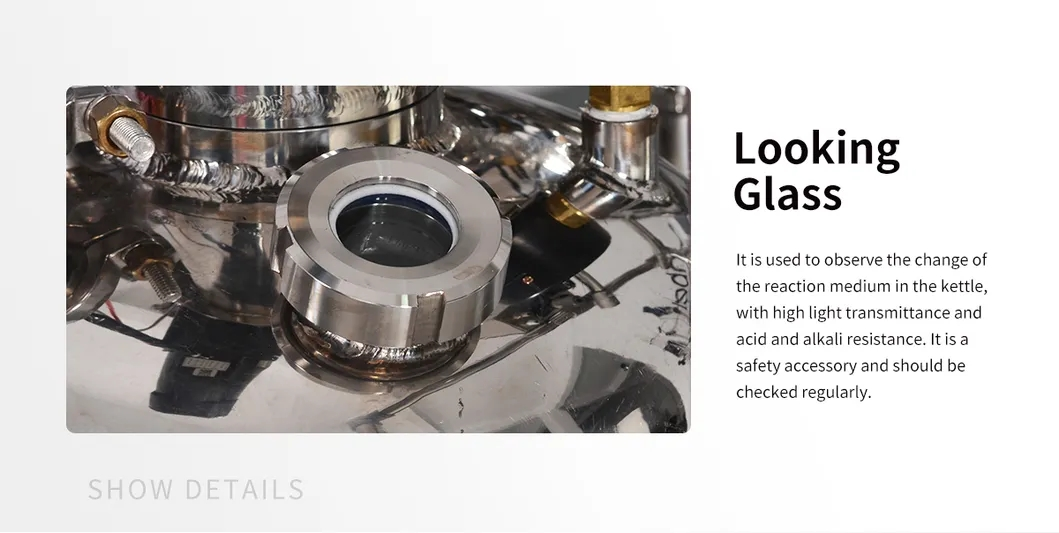
The stainless steel wall lets heat move through it. Because it has a high thermal conductivity (16 W/m·K), it heats and cools very quickly, much faster than options made of glass.
Pressure Management
The strong metal structure can safely handle high-pressure activities and reactions that release heat. Extra layers of safety are added by relief valves and burst discs.
Mixing Dynamics
Customizable agitators make sure that the mixing is even. Systems with high torque can handle viscosities of up to 500,000 cPs. For the best reaction dynamics, the motor moves the impeller at set speeds.
Sealed Operation
Leaks are stopped by mechanical plugs or magnetic drive couplings. This is very important when working with dangerous or volatile chemicals.
Process Flow
Step 1: Material Loading
The top manway, also called an entry port, is where reactants come in. Based on your composition, you can add solids, liquids, or gases.
Step 2: Reaction Phase
Start stirring and change the temperature by moving the jacket around. Use devices to keep an eye on pressure and temperature. During the whole reaction cycle, the stainless steel batch reactor keeps the conditions fixed.
Step 3: Temperature Control
For processes that give off heat, coolant moves through the jacket. Heating media raise the temperature to action levels for endothermic processes.
Step 4: Pressure Adjustment
For processes that need oxygen, vacuum pumps take out the air. Pressurized hydrogen gas is put into the process through dip tubes.
Step 5: Product Discharge
When the job is done, the bottom exit valves let the fluid out. The smooth electropolished inside (Ra <0.4µm) makes sure that all of the product is recovered with little to no waste.
Step 6: Cleaning Cycle
Use automatic spray balls to carry out Cleaning-in-Place (CIP) routines. Sterilization-in-Place (SIP) with steam makes sure that the area is clean enough for medicinal use.
Application Fields
Pharmaceutical Manufacturing
Perfect for making drug intermediates, synthesizing APIs, and crystallizing them. Stainless steel tri-clamp valves and automatic seals keep the reactor clean.
Chemical Synthesis
Controls acids, bases, and chemical solvents that can damage things. The SS316L material doesn't rust when it's exposed to salt.
Polymer & Resin Production
Viscoelastic polymerization processes are controlled by high-torque agitators. Anchor or spiral ribbon impellers keep thick materials from having dead spots.
Food & Cosmetics
The design is in line with GMP and meets cleanliness standards for food products, emulsions, and creams. Electropolished surfaces keep things from getting dirty.
Hydrometallurgy
High-pressure processes are used to refine valuable metals and get lithium out of the ground. During hydrogenation, magnetic drive links make sure that no gas leaks out.
New Energy Materials
Helps with making lithium battery materials and using liquid salt for heat storage.
Quality Certification
International Standards Compliance
- CE marking for European market access
- ISO 9001 quality management certification
- UL listing for North American safety
- SGS third-party inspection verified
- ASME Section VIII Division 1 pressure vessel code
- PED 2014/68/EU for pressure equipment
Production Quality Standards
- GMP compliance for pharmaceutical applications
- FDA 21 CFR Part 11 data integrity support (PLC systems)
- ATEX/IECEx explosion-proof certifications (optional configurations)
Material Traceability
Every material certificate tracks back to steel mill origin. We provide full documentation including material test reports and pressure test certificates.
FAQ
Q: What's the difference between SS304 and SS316L for my application?
A: Choose SS316L when working with acids, chlorides, or high temperatures. Its molybdenum content prevents pitting corrosion. SS304 works only for non-corrosive, mild processes like food mixing. Most chemical synthesis requires SS316L.
Q: Can your reactor handle high-viscosity materials?
A: Absolutely. We customize high-torque agitation systems with anchor or helical ribbon impellers. Our reactors process materials up to 500,000 cPs viscosity. Limpet coil jackets provide better heat transfer for thick batches.
Q: How do you prevent leakage with toxic chemicals?
A: We offer double mechanical seals with thermosiphon barrier systems. For zero-leakage requirements, magnetic drive couplings eliminate shaft penetration completely. This meets the strictest safety regulations.
Q: What's the typical delivery time?
A: Standard models ship in 5-7 business days. Customized units take approximately 30 business days. You receive weekly progress updates with visual documentation throughout production.
Q: Do you provide installation support?
A: Yes. We offer detailed installation manuals, video guidance, and remote technical support. On-site installation services are available for complex systems. Training for your operators is included.
Q: How often does maintenance occur?
A: With proper operation, mechanical seals last 12-24 months. We recommend annual inspections for pressure relief devices and agitator bearings. Our lifetime maintenance service keeps your equipment running optimally.
Contact Us
Ready to optimize your chemical processing stainless steel batch reactor? Our engineering team is here to help. Reach out for customized solutions, technical specifications, or quotations today.
Email: info@biolandequip.com