Vacuum Spray Dryer - Advanced Low-Temperature Drying Solution
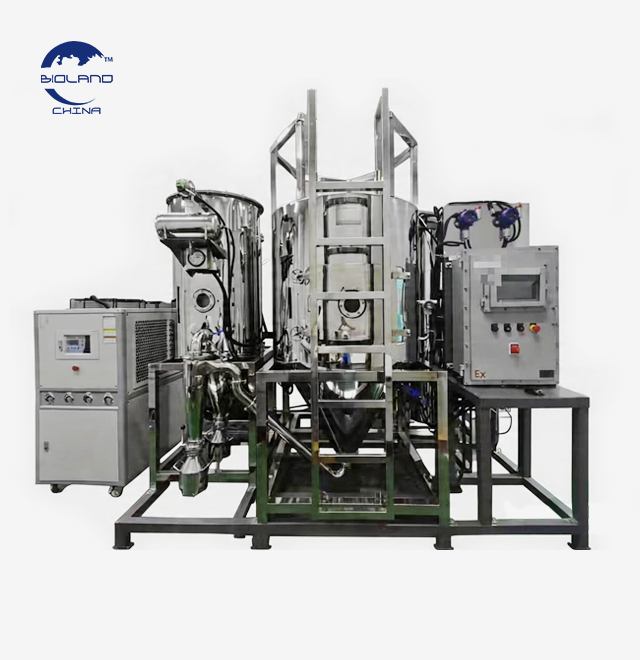
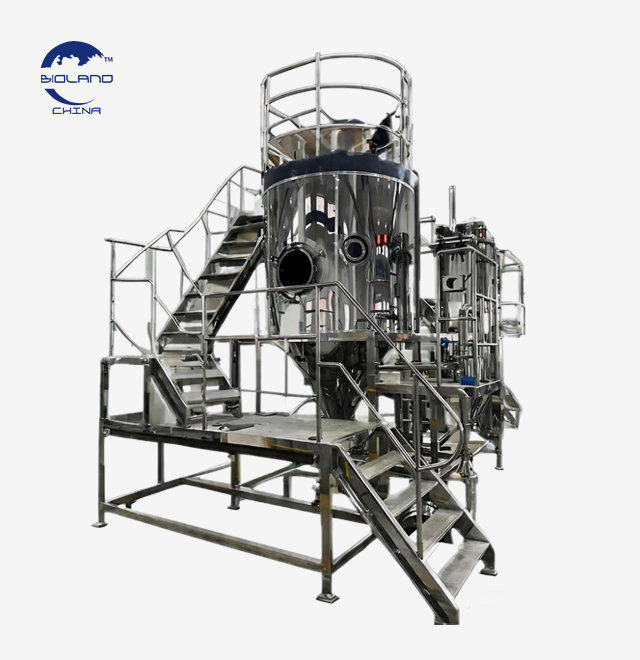
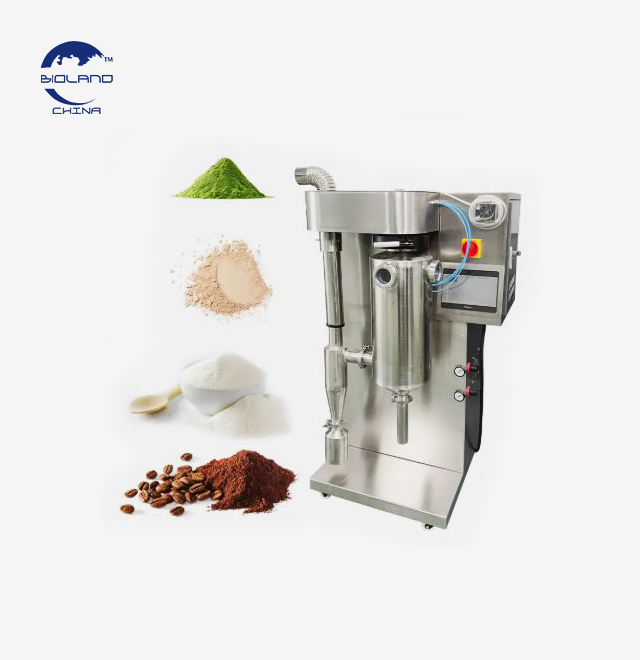
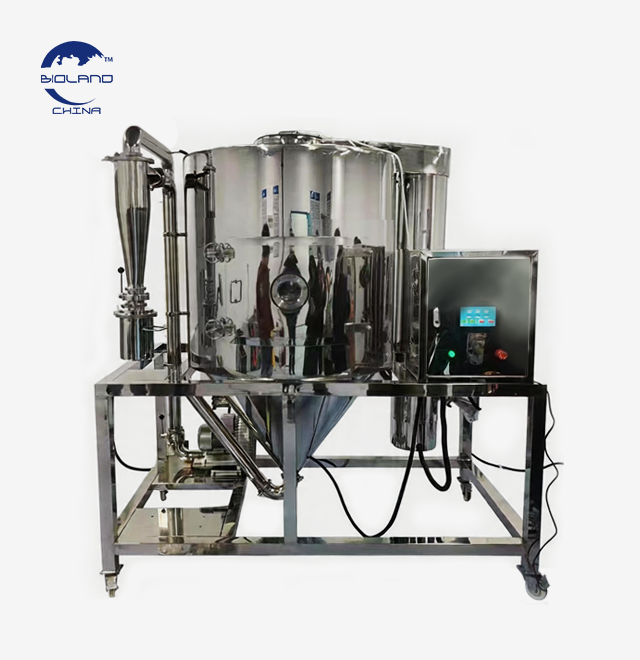
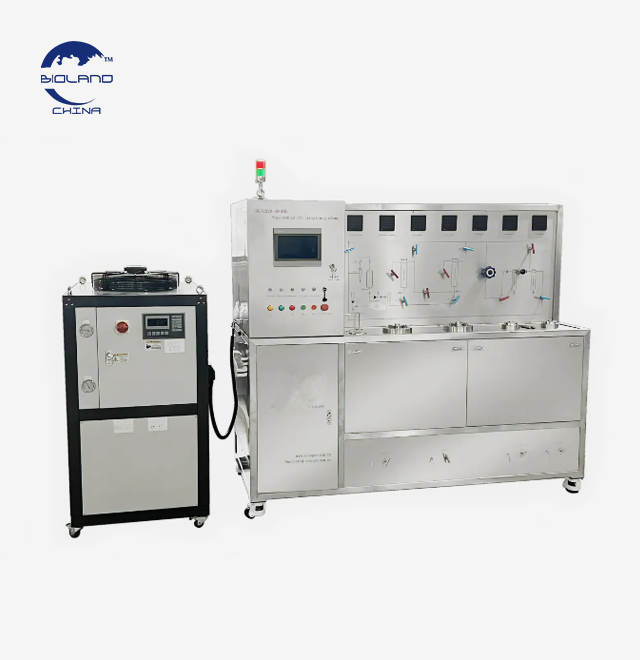
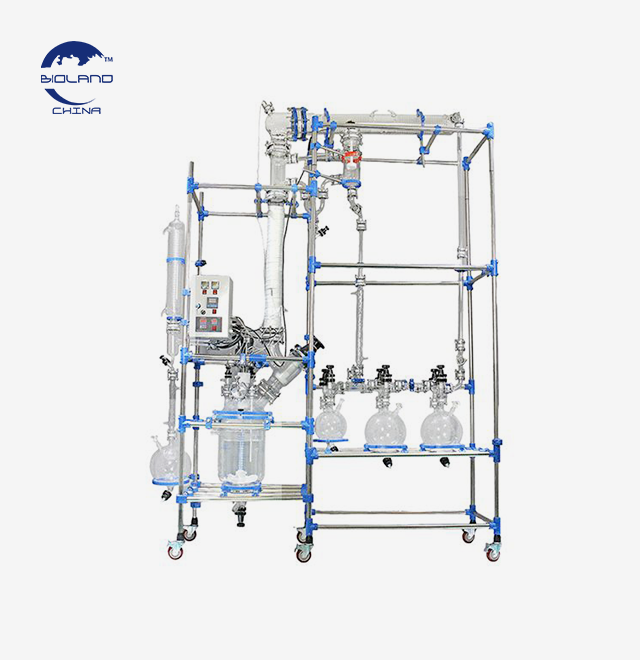
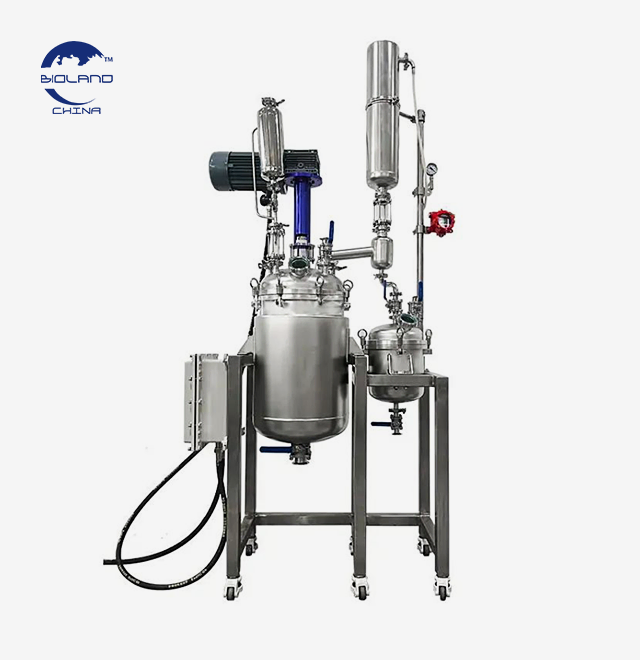
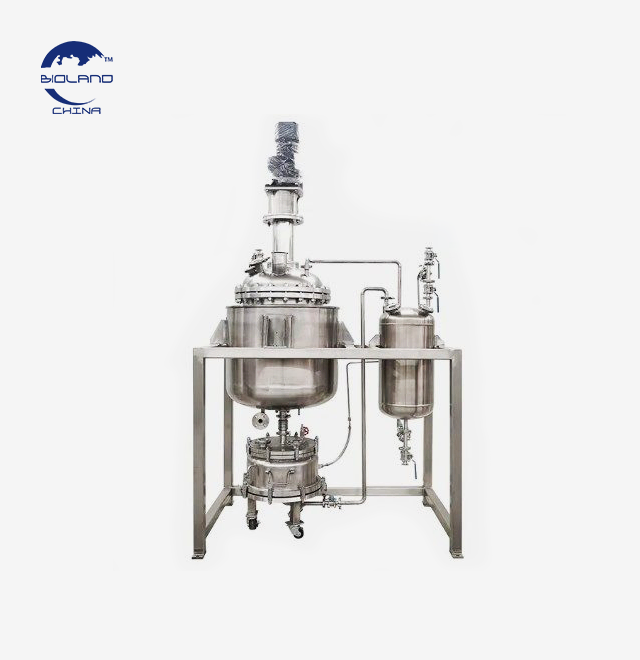
The vacuum spray dryer from Xi'an Bioland Instrument is a cutting edge new way to work with heat-sensitive materials. We've been making things for more than 15 years, and our machines work at very low temperatures (40–60°C) and low pressures (0.09–0.098 MPa), which keeps bioactive chemicals that regular dryers kill. More than 90% of the probiotics in this product survive, and the enzymes keep working because the temperature is carefully controlled to within ±1°C. Our systems are CE and ISO approved, and the SS316L contact parts meet GMP and FDA guidelines. You get automatic PLC controls, high-efficiency atomization, and setups that can be changed to fit your needs. Processing can be done on a small scale in a lab or on a large scale in an industrial setting. Through improved heat return, 30% less energy is used. For customizable units, installation is done in 30 days.

Why Choose Us?
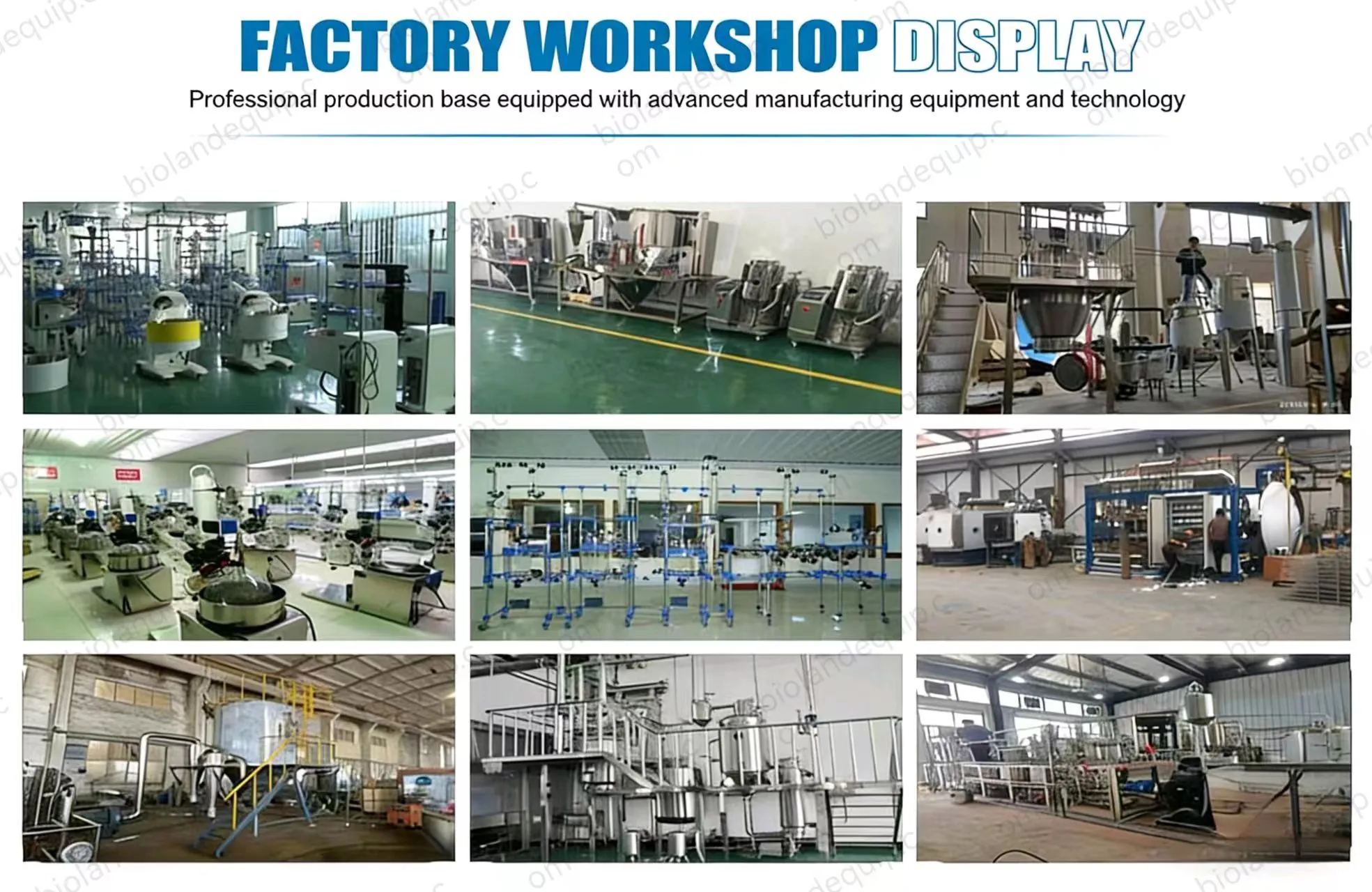
If you choose Bioland, you'll be working with experts who know how to solve the problems you're having with output. Every project that our in-house R&D team works on is backed by decades of tech know-how.
Quality You Can Trust
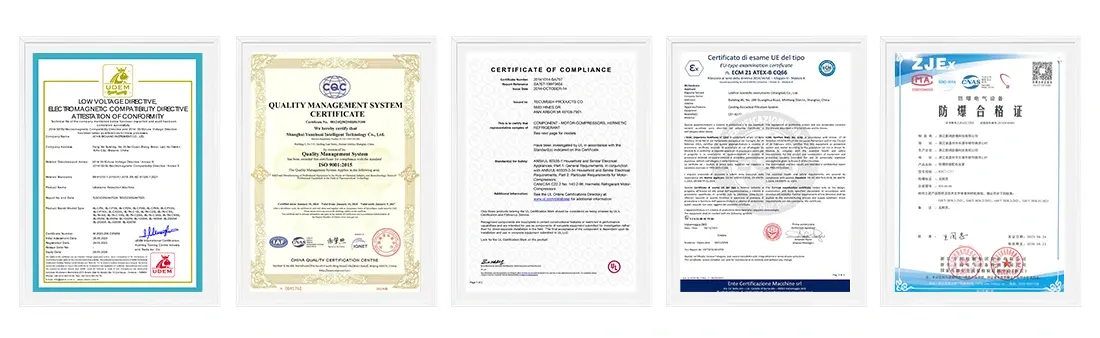
We are licensed by CE, ISO, UL, and SGS. Before it is sent out, every system goes through strict Factory Acceptance Testing. For full openness, you get thorough inspection reports with photos and videos.
Customization at Its Best
Your products are one of a kind. We create custom products that meet all of your needs. We can give you the systems that won't blow up for organic solutions or the tools you need for high-viscosity feeds.
Speed and Reliability
It takes 5–7 days to ship standard tools. It takes 30 business days to get custom setups ready. To meet your needs, we can send freight by sea, train, or air.
Comprehensive Support
All of our parts are covered by our one-year guarantee, and we offer upkeep for life. You are kept up to date on the project's progress every week. From the beginning to the end, your order is watched over by a devoted professional.
Technical Excellence
Our well-trained staff helps with installation and debugging in real time. We actually and figuratively speak your language, which makes sure that the project goes smoothly.
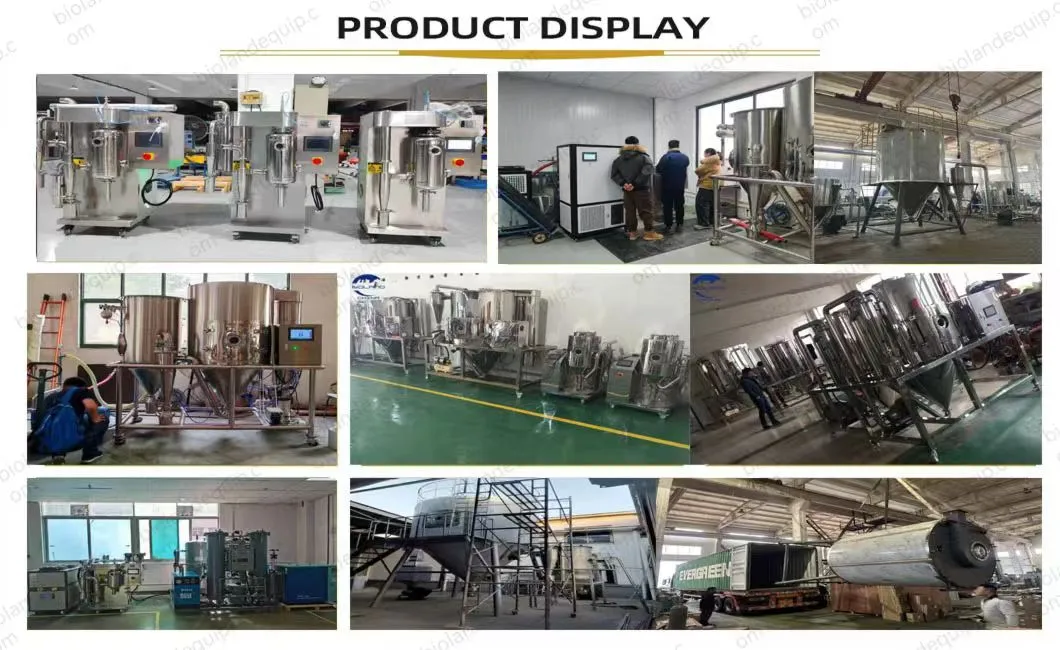
Technical Parameters
|
Item
|
BL-S15
|
BL-5000
|
BL-10L
|
BL-25L
|
BL-50L
|
BL-100L
|
|
inlet temperature(℃)
|
140-350 automatically controlled
|
|
outlet temerature (℃)
|
~80-90
|
|
Max.water evaporation capacity(L/h)
|
2
|
5
|
10
|
25
|
50
|
100
|
|
centrifugal spraying nozzle transmission mode
|
compressed air transmission
|
Mechanical transmission
|
|
Rotation speed rpm
|
25000
|
18000
|
18000
|
18000
|
|
Nozzle diameter mm
|
0.5mm, 0.7mm, 1mm, 1.5mm, 2mm are available for selection
|
50mm
|
80mm
|
100mm
|
120mm
|
140mm
|
|
Nozzle type
|
Two fluid nozzle
|
High speed Centrifugal atomizer
|
|
Heat supply
|
Electricity
|
Electricity+steam
|
Electricity+steam,fuel oil or gas
|
|
Max.Electric heating power kw
|
3.5
|
9
|
15
|
36
|
63
|
81
|
|
Dried powder restoring tate %
|
≥95
|
≥95
|
≥95
|
≥95
|

Working Principle
The vacuum spray dryer combines atomization with sub-atmospheric drying for superior results.
Step 1: Feed Preparation
Your liquid material (solution, emulsion, or suspension) is pumped into the system. Pre-filtration removes particles that could clog nozzles.
Step 2: Atomization
The feed enters the atomizer—centrifugal disk, pressure nozzle, or two-fluid nozzle. It breaks into millions of tiny droplets (10–200 μm). Smaller droplets mean faster drying.
Step 3: Vacuum Drying
Droplets enter the heated chamber operating under vacuum. Reduced pressure lowers water's boiling point dramatically. Evaporation occurs instantly at 40–60°C. Heat-sensitive compounds remain unharmed.
Step 4: Powder Collection
Dried particles fall to the chamber bottom via gravity. A cyclone separator captures fine particles from exhaust air. You achieve >95% powder recovery.
Step 5: Solvent Recovery (Optional)
For organic solvents, a condenser cools vapors back to liquid. You recover ethanol, acetone, or other solvents for reuse. This closed-loop system ensures safety and environmental compliance.

Process Flow
- Material Feeding → Peristaltic or diaphragm pump delivers consistent flow rates
- Atomization → Droplet formation via selected atomizer type
- Hot Air Introduction → Temperature-controlled heating maintains optimal inlet conditions
- Vacuum Application → Vacuum pump creates sub-atmospheric environment
- Evaporation → Rapid moisture removal at low temperature
- Particle Formation → Dry powder develops spherical morphology
- Separation → Cyclone separator divides powder from exhaust
- Collection → Product accumulates in sterile containers
- Exhaust Treatment → HEPA filtration before atmospheric release
- CIP Cycle → Automated cleaning-in-place for sanitation
Application Fields
Biopharmaceuticals
Antibiotics, vaccines, and enzymes can be processed without breaking down due to heat. Keep the probiotic's survival above 90%. Make steady protein mixes that can be mixed with fluids for injections.
Nutraceuticals and Food
Fruit liquids, plant concentrates, and dairy goods that are dried out. Keep the original colours, flavours, and vitamins. Do not stick in high-sugar mixtures like honey powder.
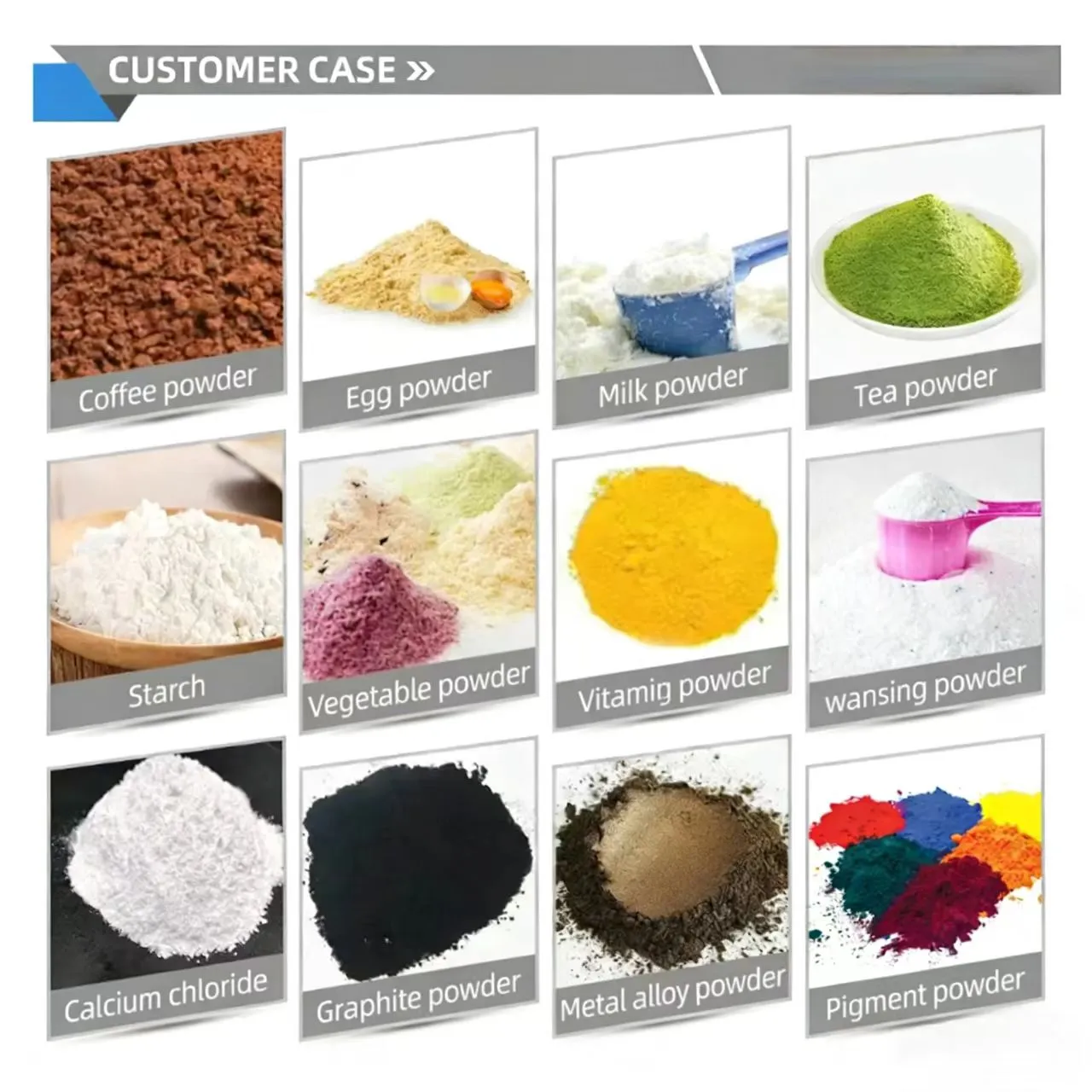
Chemical Industry
Make specialized chemicals, dyes, and catalysts. Compounds that are sensitive to oxygen should be handled in a neutral vacuum. Get an exact spread of particle sizes for advanced materials.
Battery Materials
Make lithium iron phosphate and other things that are used to make batteries. Oxidation can't happen during processing because there is no air around.
Cosmetics
Make collagen powders and plant extract powders that dissolve instantly. Keep the colour and scent traits stable.
Essential Oils and Aromatics
Get rid of volatile chemicals that evaporate in regular dryers. Make flavours that are microencapsulated and have a longer shelf life.
Quality Certification
International Standards
The factory where we make things has ISO 9001 quality control certification. For European countries, all of the equipment has a CE mark on it. Electrical safety and material quality are checked by UL and SGS.
GMP Compliance
The design, the supplies, and the paperwork all meet the standards of Good Manufacturing Practice. Sanitary Ra <0.4μm finishes are on the touch sides of SS316L. Pharmaceutical checks use validation paperwork that is part of systems.
Explosion Protection (Optional)
For solvent handling, there are versions that are ATEX and IECEx approved. Electrical parts that are intrinsically safe and nitrogen cleaning systems make sure that operators are safe.
Quality Control Process
Every unit is tested for vacuum stability (pressure rise of less than 100 Pa/hour). Atomization homogeneity testing makes sure that the particle size stays the same. Temperature mapping shows that the heat is spread out evenly. Karl Fischer titration is used for leftover moisture measurements. Clean-in-Place efficiency testing proves that cleaning works.
FAQ
Q: How does your system compare to freeze dryers?
A: Freeze drying takes 24–48 hours per batch. Our continuous product processes material 3–5 times faster with significantly lower operational costs. You retain 85–95% of freeze-dried quality at a fraction of the expense.
Q: Can you handle organic solvents safely?
A: Absolutely. Our closed-loop systems include condensers for solvent recovery. Explosion-proof configurations meet ATEX standards. You can safely process ethanol, acetone, and other volatile liquids.
Q: What prevents nozzle clogging?
A: We use pneumatic nozzles with auto-clearing needles for challenging feeds. High-speed rotary atomizers handle high-viscosity materials. Pre-filtration of your feed is standard practice. Regular maintenance protocols keep systems running smoothly.
Q: How do you control final particle size?
A: Particle size depends on atomization pressure (or rotary speed), feed rate, and solids content. We optimize these parameters during commissioning. Vacuum conditions create slightly more porous particles than atmospheric drying.
Q: Does material stick to chamber walls?
A: Wall deposition is minimal because low-temperature drying prevents tackiness. Operating below your material's Glass Transition Temperature keeps powder free-flowing. We add air sweepers or jacketed cooling walls when processing particularly sticky formulations.
Q: What's included in your warranty?
A: You receive one year of comprehensive parts and labor coverage. Lifetime maintenance support continues beyond warranty. We provide remote diagnostics and on-site service when needed.
Q: Do you provide operator training?
A: Yes. We include installation supervision and operational training with every system. Your team learns proper operation, routine maintenance, and troubleshooting procedures. Training manuals and video guides are provided in English.
Contact Us
Ready to preserve your product's integrity with vacuum spray dryer advanced drying technology? Our team is here to discuss your specific requirements. Reach info@biolandequip.com for technical consultation and quotations today.