Mushroom Tincture Extraction Guide: Soxhlet vs. Ultrasonic
May 20, 2026
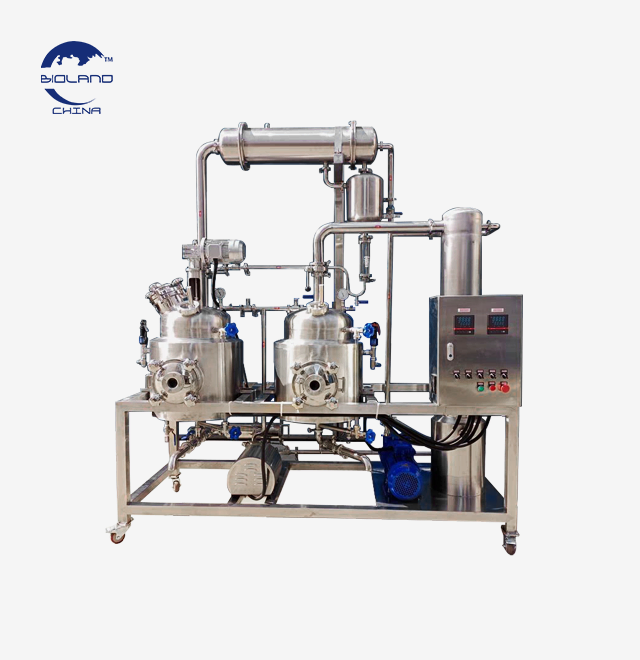
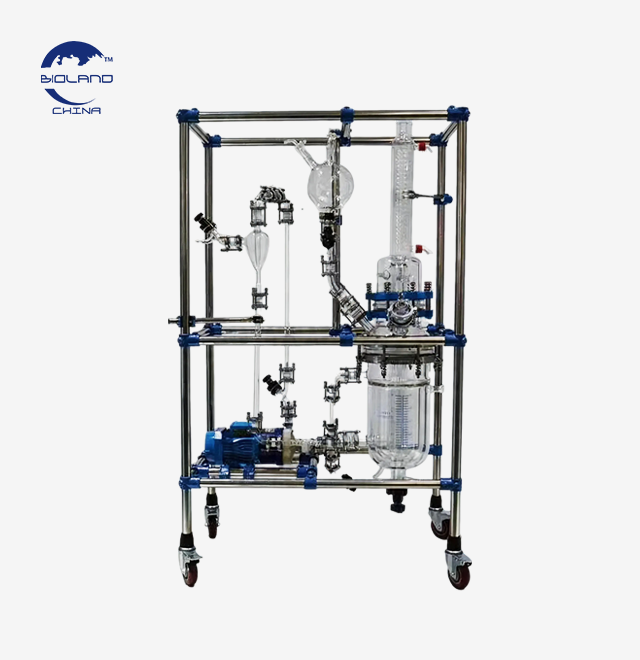
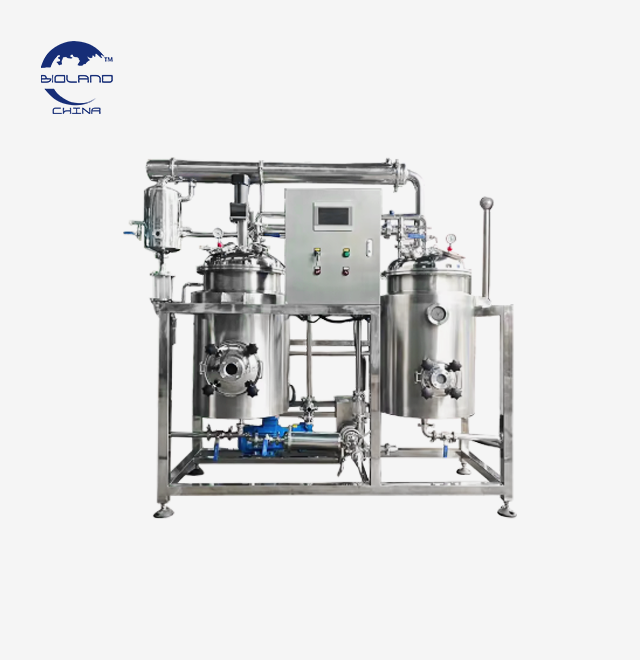
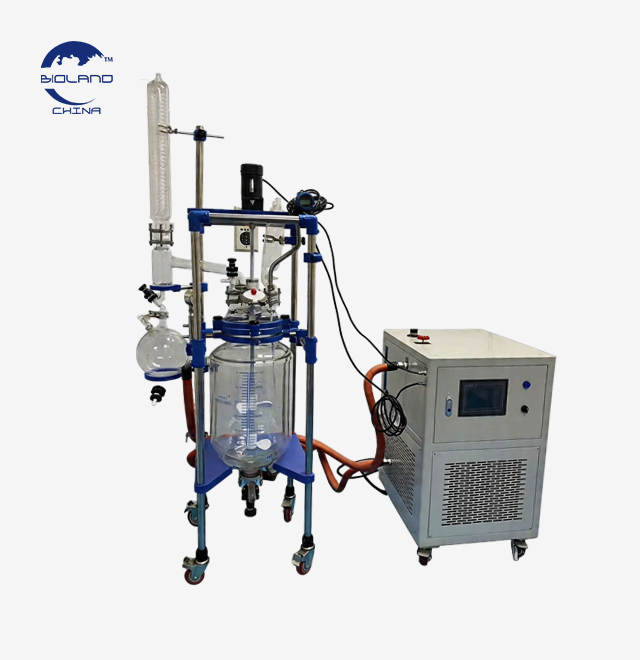
Choosing the right extraction method has a big effect on output, bioactive compound preservation, and practical costs when making mushroom tincture on a large scale, from lab study to industrial production. For many years, Soxhlet extraction has been the standard method. It uses hot tanks to continuously cycle a solvent. Butultrasonic herbal extraction equipmentuses acoustic cavitation technology, which breaks down fungus cell walls with high-frequency sound waves instead of heat that stays on them for a long time. This new method solves some of the most important problems that pharmaceutical, nutraceutical, and biotechnology companies face, like how heat breaks down heat-sensitive polysaccharides and triterpenes, how long working processes slow things down, and how much solvent they use. When buying managers and R&D leaders know the technical differences between these methods, they can choose equipment that meets the needs of production scale and quality standards.
Soxhlet extraction is a circular process in which solvent vapor rises through a condenser, drips onto mushroom tissue in a thimble, and then goes back to a boiling flask when the chamber is full. Bioactive chemicals are slowly leached out of materials like Reishi, Lion's Mane, and Cordyceps by this constant reflux. The method works well for complete extraction, but it takes between 6 and 8 hours per batch at high temperatures (78 to 100°C, depending on the liquid). This heat exposure is normal and easy to use, but it can break down temperature-sensitive beta-glucans and ganoderic acids that help make mushroom extracts useful for medicine.
How Ultrasonic Extraction Works?
Ultrasonic-assisted extraction uses piezoelectric sensors that work at 20–28 kHz to create tiny cavitation bubbles in the solvent. When these bubbles pop close to the tough chitin and beta-glucan cell walls that make up fungus biomass, they cause strong shear forces and tiny jets. This mechanical damage makes it possible for intracellular chemicals to be quickly moved into the extraction solvent without having to be heated for a long time.
Processing temperatures are kept between 40°C and 60°C to protect thermolabile ingredients and finish extraction processes in 24 to 40 minutes. This technology gets around the main problem with old ways of doing things: the mass transfer barrier that is made up of tough fungus cell structures that don't easily break down or get warm.
Application Context for Production Facilities
Soxhlet systems are often the first step in lab-scale operations because they require less money to set up and already have established processes. Different problems arise in production settings that need steady batch amounts of 50 to 500 liters. Cycle time has a direct effect on how much equipment is used and how much work costs. When used in large amounts, solvent recycling devices become economically necessary. Precision in temperature control affects stability from batch to batch, especially when removing different types of mushrooms with different best conditions. Because of real-world operating conditions, the factors for evaluating ultrasonic herbal extraction equipmentare no longer just extraction capability, but also overall process efficiency and scalability.
Comparative Analysis: Soxhlet Extraction vs Ultrasonic Extraction
Extraction Efficiency and Yield Performance
Independent studies on extracting polysaccharides from Reishi mushrooms show that ultrasonic methods get 50–100% higher amounts than traditional heating methods. This improvement comes from breaking down the cell wall more completely in less time. Soxhlet extraction might take 8 hours to reach 65% efficiency, but ultrasonic systems can reach 85–90% efficiency in 30–40 minutes if they are set up correctly. When working with expensive raw materials or trying to get high-value bioactive parts, the difference in yield becomes important from an economic point of view. By changing amplitude and frequency as well as temperature and time, ultrasonic tools can keep the harvest performance the same across a wide range of mushroom species.
Preservation of Bioactive Compounds
Temperature sensitivity is the most important quality issue for people who make mushroom tinctures. When heated for a long time above 70°C, polysaccharides, triterpenes, and other useful substances break down. Soxhlet extraction naturally works at the boiling points of the solvents, which creates constant heat stress over rounds that last several hours.
Acoustic cavitation temporarily raises the temperature of a small area, but the temperature of the solution as a whole stays carefully managed by jacketed vessels that are linked to active cooling systems. Because of this basic difference, ultrasonic samples often show better bioactivity in later tests. Using chromatography to look at ultrasonic-processed materials shows that they have higher amounts of pure beta-glucans and fewer breakdown products.
Operational Cost Considerations
The ways that different methods use energy are very different. Soxhlet systems need to be heated continuously for 6 to 8 hours, using about 12 to 15 kWh per 50-liter batch. Ultrasonic extraction uses a lot of energy in short cycles—8 to 10 kWh is usually enough to do the same amount of work with better returns. The amount of solvent used drops by 30 to 40 percent because the extraction process works better and less solvent evaporates at lower temperatures.
Monitoring long processes costs more in labor than handling several short-cycle batches per shift, which increases the total output of the facility. When you look at the total cost of ownership over five years, ultrasonic systems show a good return on investment, even though they cost more up front. This is especially true for sites that process more than 1,000 kg of raw material every month.
Ultrasonic Herbal Extraction Equipment: Features & Selection Guide
Critical Technical Specifications
For mushroom processing,ultrasonic herbal extraction equipment needs to give precise control over key factors that directly affect the quality of the output. Frequency stability is important because when it's off by more than 1% from the resonant point, cavitation strength goes down and extraction efficiency goes down as well. Automatic frequency tracking units keep working at their best even if the temperature or thickness of the liquid changes during processing.
Power density, which is measured in watts per liter, should be between 50 and 150 W/L, based on the type of mushroom and the level of extraction you want. Titanium metal sonotrodes can handle the corrosive climate that ethanol or other organic solvents cause. They can also handle cavitation erosion, which wears down performance over time.
Temperature control with jacketed vessels and PID-controlled cooling circuits keeps working temperatures in the small range of 40°C to 60°C that protects bioactive substances the best. GMP-compliant designs have 316 stainless steel for all areas that come into touch with the product, clean tri-clamp connections, and full CIP compatibility for pharmaceutical and nutraceutical uses.
Scalability from Pilot to Production
Validation in the lab is usually done with 1–5 liter ultrasonic reactors, which let researchers find the best extraction conditions for different types of mushrooms. Pilot systems, which can be anywhere from 20 to 100 liters, let process engineers make sure that the system can be scaled up and that the methods are correct before committing to a full production infrastructure.
Industrial setups can handle amounts of 200 to 1,000 liters by using bigger probe diameters or multiple transducer configurations that keep the exact energy intake that was tested during development. Ultrasonic factors can be directly scaled up or down, which is a big plus compared to thermal methods, where the way heat moves changes a lot depending on the shape of the vessel.
Modular system architecture lets facilities start with a single reactor and add more processing lines to increase output without having to rethink the whole extraction process. For businesses that are growing, this flexibility is helpful for controlling capacity growth while keeping capital risk to a minimum.
Supplier Evaluation Criteria
Long-term running costs and output uptime depend on how reliable the equipment is. When working with flammable chemicals, procurement teams should make sure that makers are ISO 9001 certified and have CE, UL, and ATEX approvals. Most warranties last for one year, but it's more important that you can get expert help and replacement parts whenever you need them throughout the life of your equipment. Suppliers with more than 15 years of experience extracting plants bring process knowledge that goes beyond the specs of the tools they sell and includes application knowledge for specific problems that come up when making mushroom syrup.
Validated case studies that show successful mushroom extraction lines, especially for species that are close to the materials you want to use, give you faith that the claims about how well the equipment works in real production settings. OEM and ODM capabilities for ultrasonic herbal extraction equipment show that a maker can change systems to fit specific process needs or add tools to a current production line.
Practical Insights: Optimizing Ultrasonic Extraction for Mushroom Tinctures
Critical Process Parameters
The cavitation strength and extraction rate are directly related to the ultrasonic amplitude. Most mushroom uses work best when the amplitude is between 60 and 85% of its maximum, which balances damaging cells with making too much heat. Processing time varies by species. For example, Lion's Mane needs 25 to 30 minutes, while Reishi might need 35 to 40 minutes to get the best results.
Monitoring the temperature every 30 seconds makes sure that the system stays within the 40–60°C goal range, which is where polysaccharide stability is highest. The choice of solvent affects both the sensitivity of the extraction and safety concerns. Between 50 and 70% ethanol works well to remove both water-soluble polysaccharides and alcohol-soluble triterpenes. It can also be used in explosion-proof systems that meet ATEX standards for organic liquid processing.
Performance Comparison Data
A test that put Soxhlet and ultrasonic extraction of Cordyceps militaris up against each other showed clear differences in how well they worked. It took 7.5 hours and 12.3 grams of polysaccharide extract (2.46% yield) to process 500 grams of dried mushrooms with 5 liters of 60% ethanol using the Soxhlet method. The same material that was ultrasonically processed at 70% amplitude for 35 minutes produced 18.7g of polysaccharides, which is 3.74% of the total weight. This is a 52% increase.
The HPLC test showed that the ultrasonic extract had 23% more cordycepin than the other extract, which means that this thermosensitive bioactive substance was better preserved. Soxhlet processing used 14.2 kWh of energy, while ultrasonic processing only used 9.1 kWh. This shows that Soxhlet processing is better in both quality and cost.
Addressing Common Operational Challenges
The biggest upkeep issue is sonotrode erosion from long-term cavitation exposure. Visual inspections every 500 hours of use can find surface cracking early on, which can change the resonance frequency. Usually, changes in temperature during processes mean that the cooling system isn't working right or that the jacketed tank wasn't designed correctly. Installing real-time temperature monitoring with automatic loudness reduction when upper limits are reached protects sensitive extracts from thermal damage.
When removing mushrooms with a lot of polysaccharides, foam often forms. This can be controlled by adding anti-foaming agents or building vacuum-assisted defoaming chambers into the extraction tank. These changes, which were made based on working experience rather than just reading the equipment's specs, help production teams keep the quality of their output stable over thousands of processing rounds.
Procure Ultrasonic Herbal Extraction Equipment: What B2B Buyers Need to Know?
Investment Analysis and Pricing Structure
Laboratory-scaleultrasonic herbal extraction equipmentwith a volume of 1 to 10 liters usually cost between $8,000 and $25,000, based on how automated they are and what kind of material they are used on. Pilot production units (20–100 liters) cost between $35,000 and $80,000, while industrial systems (200–1,000 liters) with full PLC automation, explosion-proof certification, and built-in liquid recovery cost between $120,000 and $350,000. Comparatively, Soxhlet systems with the same capacity cost 40–60% less at first. However, the operational savings from shorter cycle times, lower energy use, and higher yields make ultrasonic technology pay for itself within 18–36 months for facilities handling moderate to high numbers.
Customization needs have a big effect on the end price. Standard setups are good for general plant extraction, but for mushrooms, improvements like dual-frequency transducers for better cell wall rupture or specialized cooling systems for longer processing add 15–30% to the base price. When you combine downstream processing steps like filter, concentration, and drying, you can turn separate extraction tools into full production lines that cost more to set up but are worth it in the end.
Supplier Reliability and Support Infrastructure
How long a piece of equipment lasts depends a lot on how well the maker can support it. Check to see if providers have regional service centers or approved expert partners that can fix problems and troubleshoot them on-site. Technical questions that need to be answered right away should be answered in less than 24 hours, and spare parts for important parts like sensors and generators should be available in 5 to 7 working days. Full paperwork, such as thorough operation instructions, maintenance plans, and process development guides, shows that the maker cares about the success of the customer after the sale.
Training programs that teach both how to use the tools and how to get the most out of the extraction process are very helpful, especially when switching staff from old methods to ultrasonic technology. Pharmaceutical and nutraceutical companies that need validated production settings need to make sure that GMP compliance is being checked through paperwork packages and quality systems that are in line with FDA standards. Suppliers who offer full turnkey solutions, including planning the layout of the workshop, installation, testing, and ongoing expert support, lower the risk of implementation and speed up the time it takes to start commercial production.
Making the Procurement Decision
The first step in the question process should be a thorough list of production needs, including the type of mushrooms that are wanted, the amount that needs to be produced each year, the limitations of the current facility, and quality standards. When you get quotes from several qualified providers, you can compare their technical approaches, price systems, and service promises.
Factory acceptance testing (FAT) makes sure that the equipment works as expected before it is shipped, which makes installation easier. Usually, you have to pay a 30–40% payment, then another 50–60% when the making is done and FAT approval is given, and finally, 10 percent after the successful commissioning on-site. There should be clear reaction procedures for technical problems that affect production uptime, and the warranty should cover both equipment defects and performance promises.
Conclusion
Which mushroom tincture extraction method to use—Soxhlet or ultrasonic herbal extraction equipment—depends on production volume, quality standards, and business goals. Ultrasonic technology has real benefits in terms of how well it extracts beneficial compounds, how fast it processes, and how much it costs to run. These benefits make it worth investing more money in facilities that want to make a lot of products for sale. Pharma, nutrition, and functional food companies are very concerned about quality, so being able to work at controlled low temperatures and get higher outputs is very important to them.
Soxhlet methods are still useful for small-scale research and development where the costs of setting up the tools and following known procedures are higher than the limits on throughput. Working with experienced equipment makers that offer full technical support, proven process knowledge, and customization options that fit the needs of each mushroom extraction situation is good for production settings.
FAQ
Can ultrasonic equipment process multiple mushroom species without cross-contamination?
Cross-contamination worries are taken away when CIP systems are used for proper cleaning. GMP-compliant ultrasonic herbal extraction equipment have automatic cleaning cycles that flush all product-contact surfaces with tested cleansing solutions. This means that they can be used in facilities that process more than one product at the same time, processing different types of mushrooms one after the other.
How does ultrasonic extraction affect the color and clarity of final tinctures?
When compared to high-temperature Soxhlet methods, ultrasonic herbal extraction equipment have lower working temperatures that make it harder to get chlorophyll and pigments out of plants. This usually makes extracts that are lighter in color and clearer after they've been filtered, but the concentration of the target chemical stays higher. This lets the formulation be changed to get the color profiles that are wanted while keeping the strength.
What installation requirements should facilities plan for when adding ultrasonic extraction equipment?
Standard needs include 208-240V three-phase power, cold water for temperature control (or a separate chiller unit), enough air flow for solvent vapors, and electrical systems that won't explode when working with dangerous materials. Floor space needs depend on the capacity, but in general, you'll need 50 to 150 square feet, which includes extras like systems for storing and recovering solvents.
Partner With BIOLAND for Advanced Mushroom Extraction Solutions
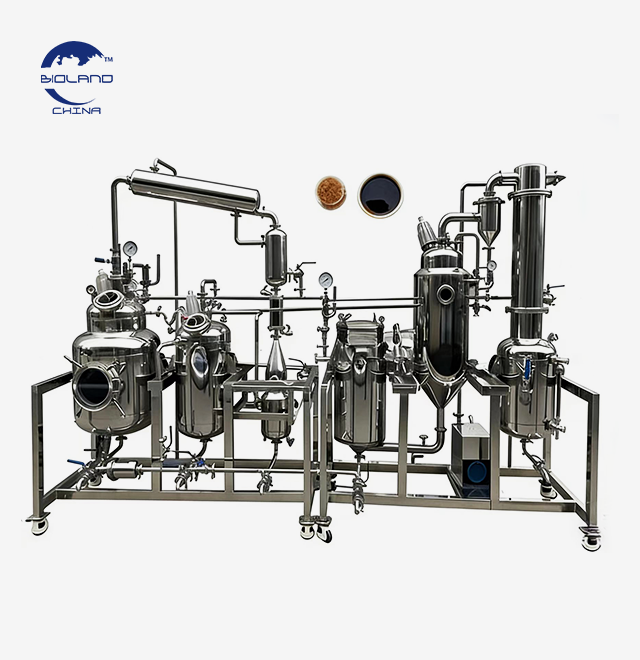
To switch your factory to high-efficiency ultrasonic herbal extraction equipment technology, you need a partner who has a lot of technical knowledge and a track record of making things. BIOLAND INSTRUMENT has been making specialized tools for plant extraction for more than 15 years. They have made successful mushroom tincture production lines for Reishi, Lion's Mane, Cordyceps, and other species. Our ultrasonic herbal extraction equipment fully follows good manufacturing practices (GMPs), is automated with PLCs, can handle chemical solutions without exploding, and comes with customizable dual-ultrasonic systems that are designed to break down fungal cell walls.
Our CE, ISO, UL, and ATEX badges show that we meet quality standards around the world. Custom building from 316 stainless steel, dual-condenser designs for better recovery, and closed-loop solvent systems that are built in provide the dependability and regularity of operation needed for pharmaceutical-grade production. As a reliable company that makes ultrasonic herbal extraction equipment, we offer full turnkey services, starting with process advice and customizing the equipment all the way through installation, testing, and ongoing technical support. Get in touch with our team at info@biolandequip.com to talk about your unique mushroom extraction needs and get a full technical proposal that fits your production goals.
References
1. Chemat, F., Rombaut, N., Sicaire, A., Meullemiestre, A., Fabiano-Tixier, A., & Abert-Vian, M. (2017). Ultrasound Assisted Extraction of Food and Natural Products: Mechanisms, Techniques, Combinations, Protocols and Applications. Ultrasonics Sonochemistry, 34, 540-560.
2. Zhang, Q., Lin, L., & Ye, W. (2018). Techniques for Extraction and Isolation of Natural Products: A Comprehensive Review. Chinese Medicine, 13(1), 1-26.
3. Wasser, S. P. (2014). Medicinal Mushroom Science: Current Perspectives, Advances, Evidences, and Challenges. Biomedical Journal, 37(6), 345-356.
4. Vilkhu, K., Mawson, R., Simons, L., & Bates, D. (2008). Applications and Opportunities for Ultrasound-Assisted Extraction in the Food Industry. Innovative Food Science & Emerging Technologies, 9(2), 161-169.
5. Puri, M., Sharma, D., & Barrow, C. J. (2012). Enzyme-Assisted Extraction of Bioactives from Plants. Trends in Biotechnology, 30(1), 37-44.
6. Rostagno, M. A., & Prado, J. M. (2013). Natural Product Extraction: Principles and Applications. Royal Society of Chemistry, Cambridge, UK.
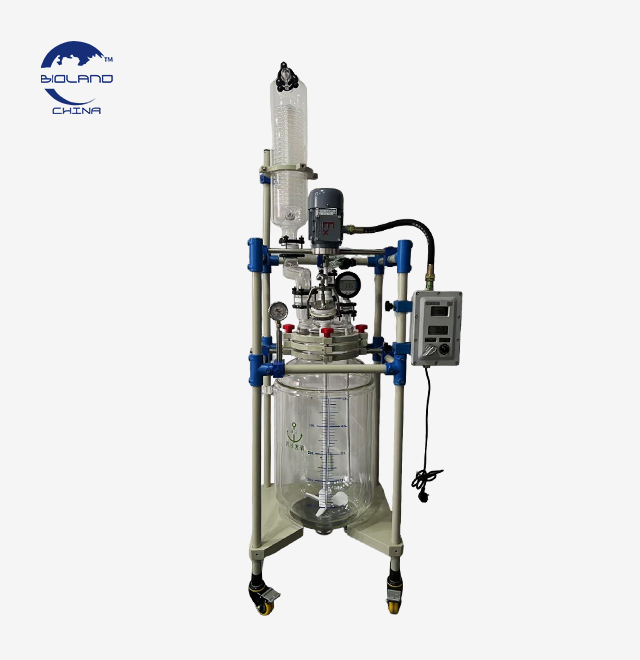
The reactor is beautifully mirror-polished and fully complies with GMP requirements for the pharmaceutical industry. The performance is excellent! Overall, we are very satisfied! We also provided with some feedback on our process improvements, which we hope will be helpful.
2024-04-09
Laboratory
Excellent and professional service. Always reply our questions very fast. All reactors and chiller we received are good too.
2024-02-15
Research Institute
Quality is beyond our expectation actually. After we got the extraction equipment and started using it, the performance was beyond our expectation. Very easy to use and very efficient to run. Service always respond us very quickly. Was also very helpful to help us. Thanks Bioland team. Very happy to work with you.
2023-11-20
Biotech Company
We are happy about the new purchase as always. Equipment and services are both good.
2023-08-05
Instrument Lab
This is the second order with Bioland instrument and everything is good as the first dateText.
2023-05-12
Global Trading Partner
Bioland instrument team is very helpful and professional. The sales helped us select the right equipment for our application, and their logistics people handled the transportation and customs declaration for our shipment. All that saved us a lot of work.