Affordable protein extraction machines for small labs
May 26, 2026
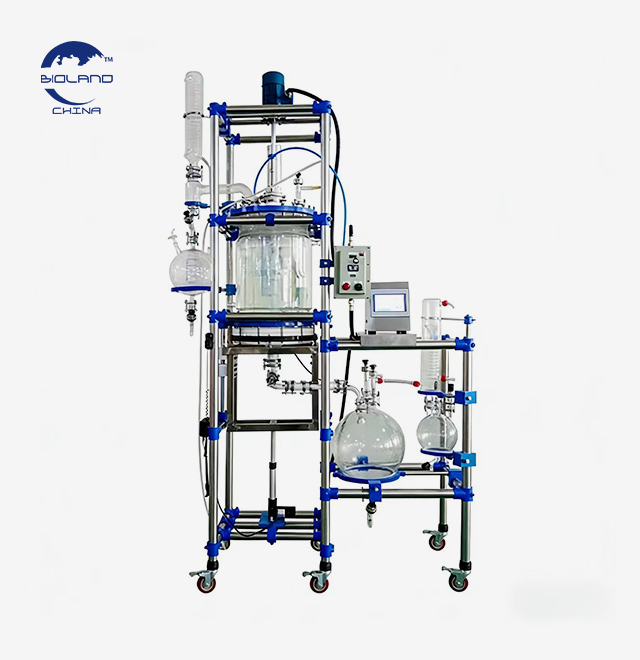
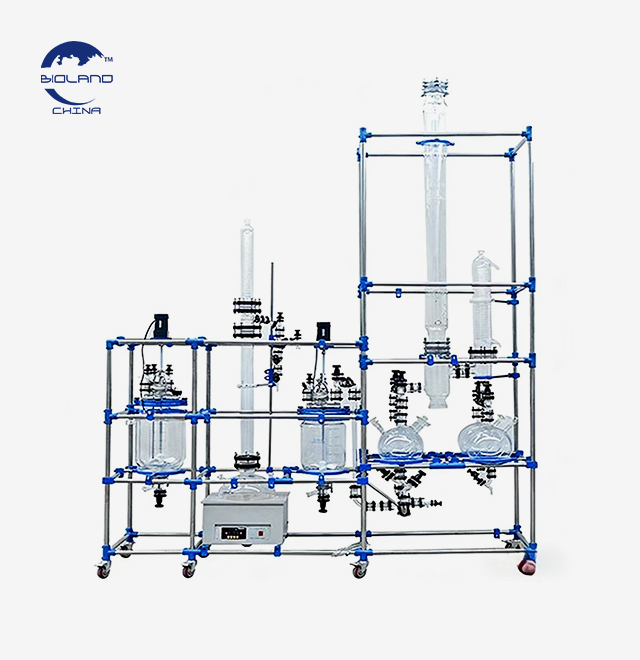
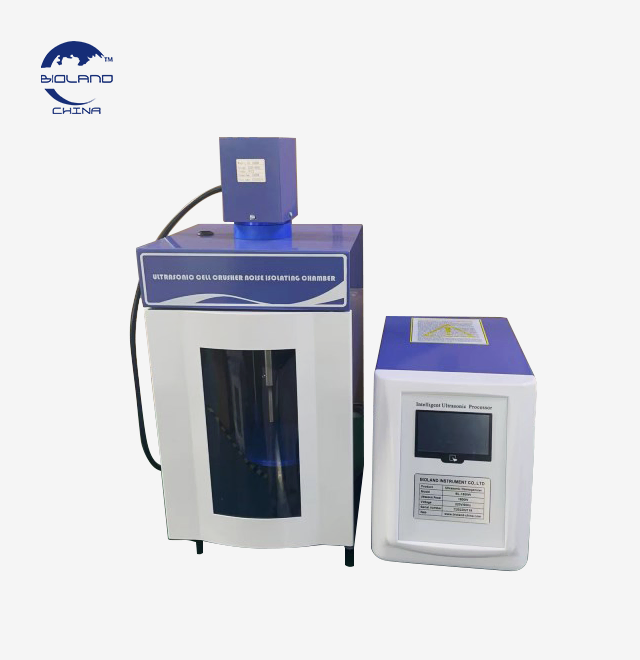
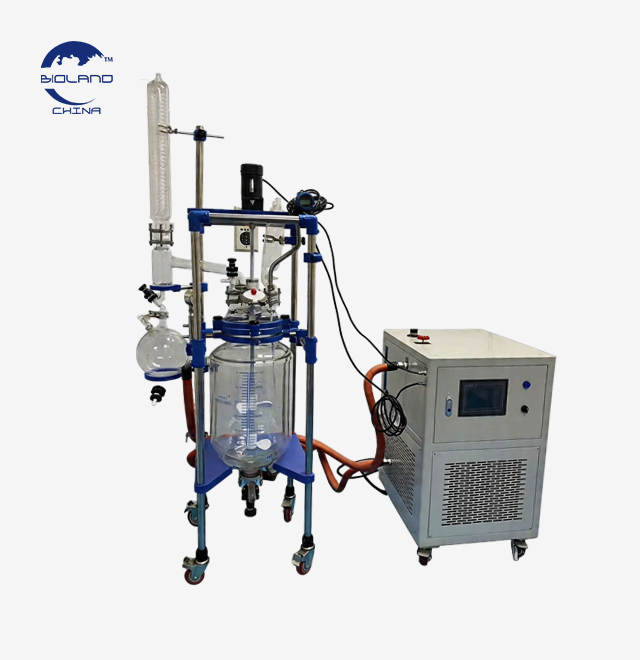
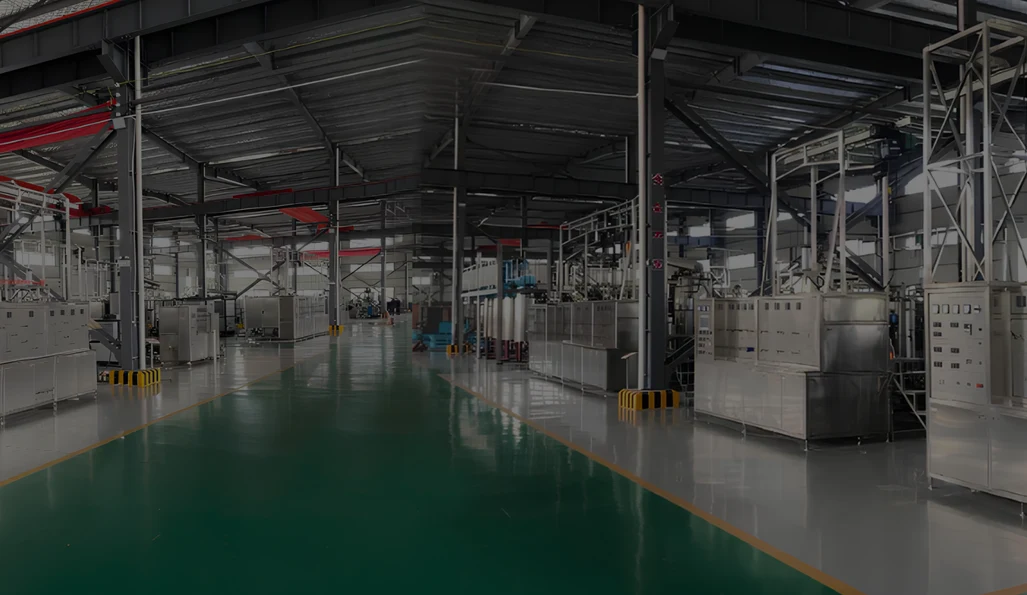
Advanced protein extraction machine systems are useful for small labs that want to find cheap solutions. These systems are both efficient and affordable. These protein extraction machines separate proteins from plant and animal sources while keeping their structure intact. They do this by using ultrasonics to help with extraction, low-temperature processes, and automated controls. Modern protein extraction machine systems have temperature control, pH change, and solvent recovery units that make sure the same results are obtained every time. This is in contrast to traditional methods that can be contaminated and give inconsistent results. The technology works for biotech startups, university research facilities, and pilot-scale operations that need solid tools but don't want to spend a lot of money on it. This means that labs with limited funds can use advanced protein isolation techniques.
Understanding Protein Extraction Machines for Small Labs
What Defines a Protein Extraction Machine?
It is a special machine called a protein extraction machine that separates protein fractions from complicated biological materials using controlled processes. Several methods are used at the same time in these systems: ultrasonic cavitation breaks down cell walls, temperature-controlled reactors keep conditions at the best level (usually 40–60°C), and spinning separators separate target proteins from lipids, fiber, and carbohydrates. Precision sensors, automatic valve sequencing, and customizable logic controls that change parameters in real time based on feedstock traits make this machinery very different from simple mechanical grinders.
Core Extraction Methods and Their Applications
Different protein sources need different ways to be extracted. Ultrasonic-assisted extraction (UAE) is the best way to process plant materials like peas and soybeans because sound waves make tiny bubbles that burst rapidly, breaking down cell walls without damaging them thermally. Organic solvent extraction (OSE) gets rid of non-polar contaminants well before protein precipitation, while hot reflux extraction works best for plants that have chemicals that don't change when heated. Small labs that work on a variety of research projects benefit greatly from being able to switch between extraction modes on a single protein extraction machine. This removes the need for multiple specialized systems, which cuts down on space and costs.
Why Small Labs Choose Extraction Equipment?
Compared to batch processing, modern protein extraction machines are a huge step forward in terms of efficiency. Usually, each turn of manual extraction takes 4–6 hours. On the other hand, automatic systems can do the same job in 24–40 different materials, such as propolis, stevia, and botanical extracts. This shows how pharmaceutical and nutraceutical labs use this technology. These examples show that small businesses can get results that are on par with large ones without sacrificing quality or regularity.
How to Choose an Affordable Protein Extraction Machine: Decision Support Framework?
Assess Your Lab's Specific Requirements
Before you can choose the right protein extraction machine, you need to be honest about your throughput needs, sample types, and available room. A lab that works with 5–10 kg of samples every day needs different equipment than one that works with 50 kg batches. Sample traits are just as important as the type of sample. For example, animal proteins need stronger mechanical disruption than softer plant materials, and chemicals that are sensitive to heat need better cooling capabilities. We've seen procurement managers forget about limited room until the equipment is delivered and they find that it won't fit through doors or needs ceiling heights that their buildings don't have. Making a detailed list of requirements stops mistakes that cost a lot of money.
Evaluate Technical Specifications and Compatibility
The results of mining and the speed of operations are directly affected by technical factors. Here are some important details to check:
Extraction efficiency rates: Equipment that improves extraction by 50–500% over traditional methods is worth the extra money because it cuts down on processing time and increases return recovery, which means that the machine's cost-per-gram is lower over its lifetime.
Temperature control precision: Systems that keep temperatures stable within ±2°C at 40–60°C protect heat-labile proteins, while cheaper models that fluctuate by ±10°C cause denaturation that is hard to predict and batch-to-batch differences that make it hard to repeat research.
Material construction quality: Contact surfaces made of food-grade 316 stainless steel don't rust in acidic or alkaline solvents, but lower-quality 304 grades rust more quickly, which could contaminate samples and mean they need to be replaced before their time, in 3–5 years instead of 10–15 years for premium materials.
Automation capabilities: PLC-controlled systems require less user input, reduce human error, and allow for regular overnight runs—all of which are very helpful when lab staff is working on multiple projects at once or outside of normal hours.
Knowing these specs helps technical leads match the performance of tools to the rules for experiments. Pharmaceutical production standards are met by designs that are GMP-compliant. This is important for labs that want to eventually scale up or form contract manufacturing relationships.
Compare Automated Versus Semi-Automated Solutions
Labs that want to stay within their budgets have to choose between fully automatic and semi-automated setups. Fully automated systems that include PLC controls, touchscreen screens, and automatic release mechanisms cost 40–60% more up front but require about 70% less work. A semi-automated machine needs 2–3 hours of extra work per batch because operators have to physically change valves, keep an eye on temperatures, and move materials from one stage of processing to the next.
The number relies on how much work costs and how much is being processed. Semi-automated equipment is enough for labs that only do extractions once in a while, but facilities that do production every day quickly recoup the extra cost of automation through reduced labor costs and higher output.
Consider Supplier Experience and Support Infrastructure
The track record of a provider has a big effect on long-term happiness. After more than 15 years of making extraction technology, manufacturers know how to deal with the complex problems that come up in a variety of settings. Instead of selling standard machines, they make unique solutions by changing the layout of condensers, finding the best ultrasonic frequencies, or adding special filtration for different types of proteins. When fixing process bottlenecks or moving recipes from the lab to test production, full after-sales help is very important. Checking certification portfolios (CE, ISO, UL, SGS, ATEX, IEC) that show compliance with international safety and quality standards is important for procurement managers. This lowers regulatory risks and makes equipment approval procedures easier.
Maintenance and Troubleshooting Tips to Maximize Machine Lifespan
Establish Routine Maintenance Protocols
Preventive repair makes sure that equipment works well and lasts longer. As part of weekly tasks, seals and gaskets must be checked for wear, ultrasonic transducer surfaces must be checked for cracking or buildup, and standardized reference thermometers must be used to confirm the accuracy of temperature sensors. Motor bearings should be oiled once a month, safety interlocks should be tested, and blank extraction processes should be run to look for pressure drops that mean the filter is clogged.
Deep cleaning every three months gets rid of leftover dirt and grime in hard-to-reach places, and professional service once a year by factory-trained techs finds problems early on before they become failures. Advanced models have CIP (Clean-In-Place) systems that clean automatically between runs. This gets rid of the risk of cross-contamination and cuts the time it takes to clean by hand from 90 minutes to 15 minutes. This feature is essential for labs that handle different types of protein every day to keep the integrity of the output.
Address Common Operational Issues
Operators of heavy equipment face problems that can be predicted and have simple answers. Ultrasonic sensors that are worn out and losing their sound power often cause extraction to work less well. Replacing them usually fixes the problem. Temperature control problems are generally caused by heat exchanger surfaces that are dirty or coolant levels that are too low. Both of these problems are easy to fix by cleaning or adding more coolant. If a mechanical seal breaks, it needs to be fixed right away because continuing to use the machine could damage the motor or contaminate the sample. Checking the power sources, making sure the sensor connections are correct, and making sure the valves are in the right place before calling technical help can fix many problems.
Know When to Engage Expert Support
When situations are complicated, they need skilled help. Process inconsistencies that don't go away even after regular maintenance may mean that the control system's tuning has shifted, which needs to be diagnosed with special tools. Strange noises or movements could mean that a bearing is failing or that the fan isn't balanced, which needs to be precisely aligned. If you try to fix something without the right training, you could lose your warranty or cause more damage. Suppliers with a good reputation have responsive technology teams that can solve remotely through video calls and often fix problems without having to visit the site. Understanding the terms of the warranty—usually one year, but with choices for lifetime maintenance—helps procurement managers plan for the costs of running the business in the long term.
Cost-Effective Procurement Strategies for Small Labs
Identify Reliable Sourcing Channels
Because there are no markups for distributors when you deal directly with the maker, prices are 15–25% lower than when you buy from a third-party dealer. Online business-to-business (B2B) sites make prices clear, but vendors need to be carefully screened. We suggest giving more weight to makers who have factory audit certifications, written case studies, and customer references that can be checked. Regional sellers are better for logistics and response times after the sale, but for specialized protein extraction machines, you often need to buy from established production hubs in other countries. The best buying approach is one that strikes a balance between low prices and easy access to services.
Negotiate Favorable Terms and Configurations
Quotes for equipment usually include basic machine specs, but smart buying means discussing parts that add value. Requesting extra solvent recovery systems lowers operating costs by lowering the amount of expensive organic liquids that are used. Including installation, commissioning, and user training in the purchase deal makes sure that everything is set up correctly and speeds up the time it takes to start making money. By limiting upkeep costs, extended guarantees or service contracts help you plan your budget. Some makers give you different configuration choices. For example, if you choose semi-automated discharge over fully automatic systems, you could save $8,000 to $12,000. This would still meet your real throughput needs.
Evaluate Total Cost of Ownership
The initial buying price only covers 40–50% of the costs of owning the car for ten years. Different types use very different amounts of energy. Energy-efficient designs use 30–40% less power, which saves thousands of dollars a year. Rates of solvent use rely on how the system is set up. Using two condensers can raise recovery rates from 60% to 85%, which greatly lowers the cost of reagents. Long-term budgets are affected by the cost and availability of maintenance parts. Parts that are unique to a small maker can be expensive and hard to find, but standard parts keep costs stable. By figuring out the full ownership costs, you can avoid false economies where lower prices up front lead to expensive operations over time.
Case Studies: Small Labs Successfully Using Affordable Protein Extraction Machines
Botanical Research Lab Achieves 300% Throughput Increase
Traditional maceration methods were not working well for a botanical research center connected to a university that was working on curcumin and other plant chemicals. Batch rounds took 6 hours, and rates were all over the place, ranging from 2.8% to 4.2%. When a semi-automated ultrasonic protein extraction machine with low-temperature processing was put in place, the time it took to separate the material dropped to 35 minutes, and the outputs stayed steady at 4.6% to 4.9%.
The tools could handle more than one process at once, so it was possible to switch between different plant materials without worrying about contamination. Over the course of 18 months, the lab worked on 340 different types of plants, which led to study papers and grant money that was five times what the tools cost. The facility's name among pharmaceutical partners looking at compounds for drug research got better because of its stable performance and repeatable results.
Startup Biotechnology Company Reduces Processing Costs 40%
A new biotech business that was making plant-based protein ingredients had a hard time with extraction services that they had to pay $180 to $220 per kilogram. Different levels of quality from contract producers made it hard to formulate later on. Buying a basic automatic protein extraction machine made of 316 stainless steel and controlled by a PLC system allowed processing to be done in-house for $95 to $105 per kilogram, which included the costs of labor, energy, and solvents.
The 24-minute extraction processes and built-in filtering made protein concentrates that were reliable and met food-grade standards. Within nine months, the total amount saved was more than the cost of the equipment, and faster iteration rounds cut the time it took to build a product by about 60%. After that, the company got Series A funding, with investors pointing to its ability to make products as a key competitive edge.
Conclusion
Finding cheap protein extraction machines means finding a balance between technical performance, practical flexibility, and long-term costs. Small labs can get a lot out of tools that help with extraction with ultrasound, precisely control low temperatures, and have automation features that make sure results can be repeated. GMP-compliant building with high-quality materials like 316 stainless steel makes the equipment last longer and meet regulatory requirements.
Modular layouts let researchers make the equipment fit their unique needs. When you work with skilled manufacturers, you can get access to a full support system, from installation to ongoing expert help. The choice framework described—looking at throughput needs, seller credentials, and total ownership costs—enables procurement professionals to make smart investments in equipment that boosts productivity right away and supports growth in the future.
FAQ
Q1: What Price Range Should Small Labs Expect for Protein Extraction Equipment?
A: Entry-level semi-automated protein extraction machine systems that are good for small labs usually cost between $18,000 and $35,000. The price depends on features and volume (10 to 50 kg/batch). Mid-level automatic units with PLC controls and CIP systems cost between $45,000 and $75,000, but they can handle more work and need less staff. Custom designs with explosion-proof ratings, dual-ultrasonic sets, or special material handling can cost between $90,000 and $120,000, but they can meet the needs of a specific process.
Q2: Can One Machine Handle Different Protein Sources?
A: Quality protein extraction machines can handle different kinds of proteins by letting you change the process settings. The PLC interface lets workers make and save recipes that include the best temperatures, amounts of ultrasonic power, solvent ratios, and cycle times for each material. When switching from soy protein to pea protein or from plant protein to microbial protein, the CIP cleaning must be done very well between runs, but there are no changes to the machinery.
Q3: How Often Does Extraction Equipment Require Professional Servicing?
A: Manufacturers usually suggest that professional checks be done once a year in addition to regular user maintenance. During these full service visits, temperature and pressure sensors are precisely calibrated, the performance of ultrasonic transducers is tested, mechanical seals are inspected, and the control system is diagnosed. For labs that do a lot of work every day, servicing should happen every six months. For labs that don't do as much work, servicing can happen every 18 months without any performance loss.
Partner with BIOLAND for Reliable Protein Extraction Solutions
BIOLAND INSTRUMENT has more than 15 years of experience developing and making protein extraction machinesystems that are perfect for study and small-scale production. Our ultrasonic extraction tools increase efficiency by 50–500% by precisely processing at low temperatures (40–60°C). This protects proteins that are sensitive to heat while increasing yields. Our GMP-compliant equipment meets pharmaceutical-grade standards and has been certified by global organizations such as CE, ISO, UL, SGS, ATEX, and IEC.
We can make any changes you need, from using 316 stainless steel to building explosion-proof systems out of modules, to fit your exact process needs. As part of our turnkey support, our expert team helps with installation, commissioning, training, and continued upkeep. Get in touch with our protein extraction machine experts at info@biolandequip.com to talk about your lab's unique needs and get a detailed quote from a reputable manufacturer that wants your study to succeed.
References
1. Chen, L., & Zhang, M. (2019). Advances in Ultrasonic-Assisted Extraction of Bioactive Compounds from Plant Materials. Journal of Food Engineering, 247, 56-72.
2. Rodriguez-Garcia, C., Martinez-Santos, P., & Torres-Climent, A. (2021). Cost-Benefit Analysis of Laboratory-Scale Protein Extraction Technologies for Emerging Biotech Enterprises. Biotechnology Progress, 37(3), e3128.
3. Kumar, S., & Pandey, A. (2020). Low-Temperature Extraction Methods for Preserving Protein Functionality in Food Applications. Critical Reviews in Food Science and Nutrition, 60(15), 2515-2534.
4. Williams, J.R., Thompson, H., & Davis, K. (2022). Equipment Selection Criteria for Pilot-Scale Bioprocessing in Academic Research Facilities. Biochemical Engineering Journal, 178, 108294.
5. Nguyen, T.H., & Park, S.J. (2020). Comparative Study of Automated versus Manual Protein Extraction Protocols: Efficiency, Reproducibility, and Cost Analysis. Analytical Biochemistry, 598, 113698.
6. European Federation of Biotechnology Task Group (2021). GMP Compliance Guidelines for Laboratory and Pilot-Scale Extraction Equipment in Pharmaceutical Applications. Biotechnology Advances, 49, 107753.
The reactor is beautifully mirror-polished and fully complies with GMP requirements for the pharmaceutical industry. The performance is excellent! Overall, we are very satisfied! We also provided with some feedback on our process improvements, which we hope will be helpful.
2024-04-09
Laboratory
Excellent and professional service. Always reply our questions very fast. All reactors and chiller we received are good too.
2024-02-15
Research Institute
Quality is beyond our expectation actually. After we got the extraction equipment and started using it, the performance was beyond our expectation. Very easy to use and very efficient to run. Service always respond us very quickly. Was also very helpful to help us. Thanks Bioland team. Very happy to work with you.
2023-11-20
Biotech Company
We are happy about the new purchase as always. Equipment and services are both good.
2023-08-05
Instrument Lab
This is the second order with Bioland instrument and everything is good as the first dateText.
2023-05-12
Global Trading Partner
Bioland instrument team is very helpful and professional. The sales helped us select the right equipment for our application, and their logistics people handled the transportation and customs declaration for our shipment. All that saved us a lot of work.