Best propolis extraction machines for small-scale beekeeping
May 28, 2026
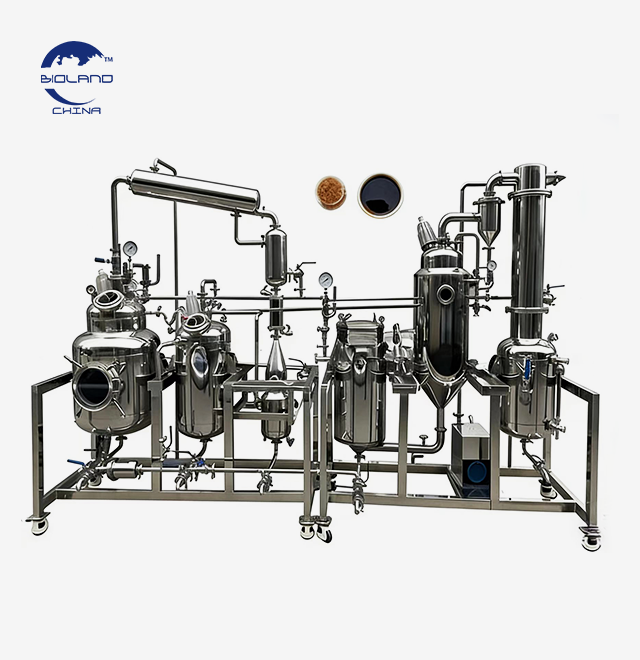
Small-scale beekeepers who want to sell their propolis need specialized extraction methods that are both effective and easy on the wallet. A small-scalepropolis extraction machine usually combines ultrasonic-assisted extraction (UAE) technology with ethanol solvent processing to get rid of wax and resins while keeping flavonoids and phenolic acids. These automated systems are better than manual scraping and freezing because they offer stable extract quality, cut processing time from days to less than an hour, and raise yield rates by 50–500%. Modern units have liquid recovery systems and low-temperature concentration modules that make them affordable for businesses moving from lab research to pilot-scale production for cosmetic and nutritional uses.
Understanding Propolis Extraction Machines for Small-Scale Operations
The special difficulties that come with extracting propolis are taken into account in the basic design of the tools used for this task. About half of raw propolis is resin, thirty percent is wax, ten percent is essential oils, and five percent is pollen. It needs to be processed in a certain way to separate the beneficial chemicals without heating them up.
Core Operational Principles
Food-grade ethanol at amounts between 70 and 95% is often used in extraction methods for solvent-based separation. In the first step, maceration, propolis is mixed with a liquid in a propolis extraction machine with a hood. Temperature control is still very important. Keeping processes between 40°C and 60°C stops heat-sensitive flavonoids from breaking down and makes sure that compounds dissolve properly.
Modern machines improve the old method by using ultrasonic cavitation technology to make tiny bubbles that pop near propolis particles. This breaks down cell walls physically and speeds up mass transfer. This physical fact cuts the time needed for extraction from the usual several-day soaking period to about 24–40 minutes, which is more than two-thirds faster than the usual ways.
Automation and Process Integration
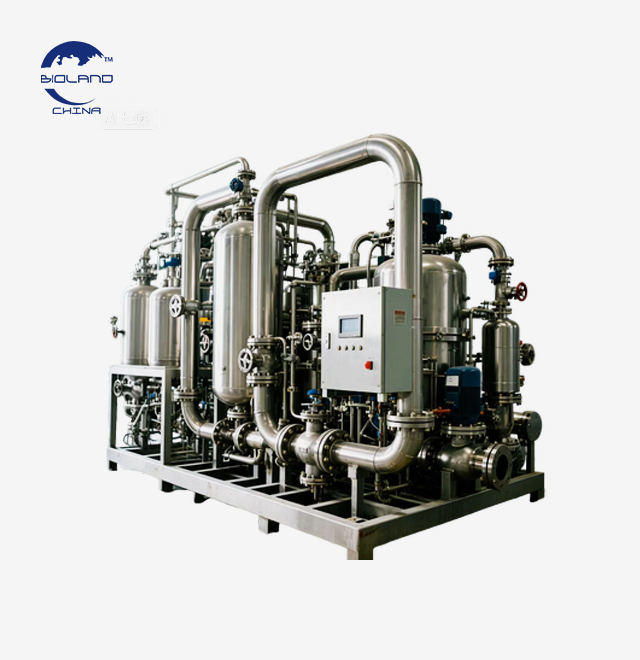
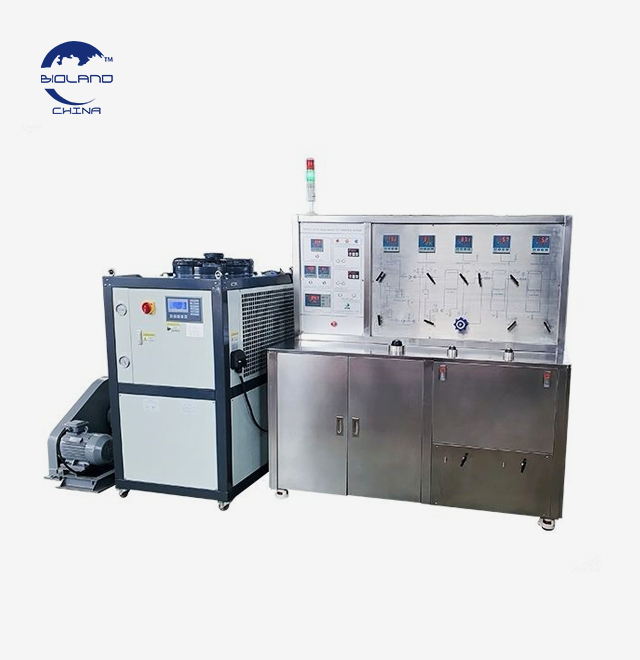
Programmable logic controllers (PLCs) are built into more advanced extraction platforms and automatically handle temperature rising, agitation speed, and vacuum pressure. This automation makes sure that each batch is the same, which is a must for companies that make medicines and cosmetics that have to meet strict quality standards. Multiple unit processes are built into the closed-loop design. These include initial extraction, dual-stage filtering down to 0.45 microns, low-temperature vacuum concentration, and solvent recovery through distillation. Each module talks to the main control panel through a central control interface. This lets workers see real-time factors and change recipes for various types of propolis or target compound profiles.
Equipment Classifications and Suitability
There are three main options that small businesses can choose from. Manual systems need solvent mixing and filter to be done by hand, but they require the least amount of money to set up and are best for amateur beekeepers who process less than 10 kg of honey a month. Semi-automatic units have heating and mechanical agitation that can be programmed, but the steps still need to be moved by hand. These are good for small businesses that only handle 20–50 kg amounts.
Fully automated extraction lines have pneumatic valve control, automated CIP (clean-in-place) systems, and constant tracking. They are made for businesses that are already up and running and want to make 100 kg or more per month. The choice is based on how much is expected to be produced, the availability of workers, and the quality standards set by customers further down the line or regulatory bodies.
Key Features to Consider When Choosing a Propolis Extraction Machine
When buying extraction technology, it's important to weigh the short-term needs of operations against the long-term benefits of flexibility and total cost of ownership. Technical requirements must match output goals while also allowing for possible capacity growth.
Capacity and Throughput Analysis
To figure out how much a machine can do, you need to know how vessel volume and effective batch size are related. Taking into account liquid volume ratios and needed headroom, a 50-liter extraction tank can usually handle 5–8 kg of raw propolis per cycle. When figuring out processing capacity, you have to take into account the whole cycle time, which includes extraction (24–40 minutes), filtration (15–25 minutes), and vessel cleaning (10–15 minutes). In ideal conditions, this makes about 8–10 batches during an 8-hour shift under optimal conditions.
Starting with a single extraction vessel and later adding parallel units or raising tank volume to 100–200 liters as needed for business growth is possible with modular system designs. Buyers should make sure that the control systems, support structures, and utility lines can all work with modular improvements without having to be completely reinstalled.
Energy Efficiency and Operating Costs
The amount of electricity used has a direct effect on the cost of making a batch, especially in places that make many batches every day. For a propolis extraction machine, ultrasonic producers need between 1.5 and 3 kW per extraction cycle, while vacuum concentration needs between 3 and 6 kW, based on how fast the liquid evaporates. Heating jacket systems that use thermal oil or steam are very different from one another. Direct electric heating is easy to use, but it costs 20–30% more a year than heat transfer designs that use centralized heaters.
The most cost-effective setups use heat recovery to warm up new solvents by collecting steam energy from the concentration steps. Ask for detailed power usage specs under real working loads when comparing quotes, not just nameplate numbers. Also, figure out how much electricity will cost you each year based on your area's utility rates and how much you plan to make.
Maintenance Requirements and Service Infrastructure
How long equipment lasts rests on how well preventative maintenance is done and how quickly suppliers respond to support requests. Ultrasonic sensors (usually rated for 3,000–5,000 hours of use), mechanical seals on agitators, and membrane filter elements need to be replaced every 50–100 cycles, based on how pure the feedstock is. Comprehensive service packages from suppliers offer many benefits, such as planned repair visits, the ability to do diagnostics remotely through IoT-enabled control systems, and assured availability of spare parts within 48 to 72 hours.
The warranty should clearly cover both parts and work, and it should be clear what is not covered in cases of operator mistake or poor cleaning procedures. Procurement teams need to make sure that service techs are trained on the model they bought and can provide on-site support within an acceptable amount of time. This is because extraction downtime directly affects customers' production promises.
Comparing Top Propolis Extraction Machines for Small-Scale Use in 2026
There are many different extraction tools on the market right now, and each one has its own pros and cons when it comes to technology, initial investment, and ease of use. This analysis looks at important factors instead of pushing specific names.
Manual Versus Automated Systems
Operations that value saving money over worker effectiveness like manual extraction setups. A stainless steel maceration tank with manual heating control, separate filtration equipment, and basic rotating evaporators for solvent recovery are common parts of these sets-ups. The cost of the equipment is between $3,000 and $8,000, and it can only remove 2 to 5 kg at a time. A lot of work needs to be done—one person can handle about 4–6 batches per day, and they need to spend a lot of time moving solvents, cleaning filters, and keeping an eye on quality.
On the other hand, automated platforms combine all steps of the process under PLC control, lowering the need for workers to just keeping an eye on things while 8–15 kg batches are processed. The initial investment goes up to $25,000 to $65,000, based on the capacity and feature sets. However, as output goes up, production costs per kilogram drop by 40% to 60% because less work is needed and solvent recovery is more efficient.
Ultrasonic Technology Evaluation
Ultrasonic-assisted extraction is a big step forward in technology that has led to measured gains in yield and quality of the extract when using a propolis extraction machine. It is better for breaking up the structures of propolis with cavitation effects than with heat or chemicals alone. This makes flavonoid recovery rates 35–50% higher than with normal maceration. When you use standard ways to process 100 kg of raw propolis every month, you might get 25 kg of extract, but with UAE systems, you can get 35–40 kg from the same feedstock.
The technology also cuts the amount of organic liquid needed by 20–30% per kilogram of extract by making extraction more complete in fewer rounds. Ultrasonic capabilities usually add 8,000to8,000to15,000 to the base cost of the equipment, but payback times are only 12 to 18 months for businesses that process 50 kg or more per month when output gains and solvent saves are taken into account. Dual-ultrasonic setups, which have sensors on both the top and bottom of the vessel, improve performance even more in high-viscosity situations and cut extraction time by an extra 15–20%.
Return on Investment Considerations
For financial reasons, you need to figure out the total cost of ownership over the projected life of the tools, which is usually 10 to 15 years for well-built systems. The cost of buying capital makes up 30–40% of the total lifetime cost. Consumables like solvents, filter media, and utilities make up 35–45%, and work and upkeep make up the rest. Higher levels of automation change the way costs are structured. The initial investment goes up by 200–300%, but yearly running costs go down by 40–50% because less work is being done and the system is more efficient.
Break-even analysis needs to include predictions for production volume growth, since automatic systems are more cost-effective at scales above 80–100 kg per month. Teams in charge of buying things should ask sellers for thorough TCO studies that include sensitivity estimates that show how costs change depending on things like throughput levels, energy rates, and the supply of labor in your market.
How to Purchase the Right Propolis Extraction Machine: A Practical Procurement Guide?
A successful equipment purchase includes more than just comparing technical specs. It also includes evaluating the seller, making sure there are contractual rights, and setting up support infrastructure after the equipment is installed. A methodical approach to buying lowers common risks like specification mismatches, supply delays, and not enough training.
Supplier Qualification and Selection
To find reliable equipment makers, you need to check their professional skills and business stability. Manufacturing sites that are GMP-compliant, recorded quality management systems (ISO 9001 certification), and electrical and mechanical safety certifications (CE marking for European standards and UL listing for North American markets) are all necessary. Suppliers who have been in the plant extraction business for 15 years or more have proven technical skills and stable parts supply chains.
Ask for client reference lists from companies in the same industry as you. For example, companies that make medicine extracts have different needs than companies that sell cosmetic ingredients, and the examples you get should show similar projects. Site visits to provider sites show how advanced the manufacturing process is, how strict the quality control is, and whether the claimed skills match the production infrastructure.
Contract Negotiations and Risk Mitigation
Agreements to buy a propolis extraction machine must include delivery dates, acceptance testing procedures, guarantee coverage, and ways to settle disagreements. Standard shipping times for catalog items are 5–7 business days, while they are 30–45 days for unique setups that need technical changes. Contracts should include Factory Acceptance Testing (FAT) processes, which are written checks of the product's performance at the supplier's plant before it is shipped.
Buyer representatives should be there to see the tests, which are done with real samples of your propolis. Usually, warranties last for 12 months from the date of installation. However, if you negotiate, you may be able to get coverage for important parts like motors and control systems for 18 to 24 months. Payment plans should be in line with when milestones are reached: a 30% fee when the order is confirmed, 60% when FAT goes well, and the last 10% retained when installation and operator training are finished on-site. It strikes a balance between the supplier's need for cash flow and the buyer's need to be protected from non-performance.
Customization and After-Sales Support
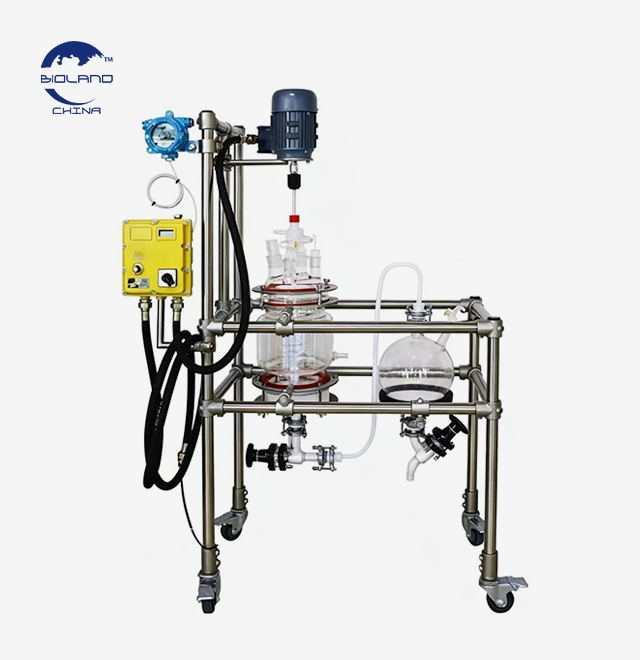
Standard extraction tools might need to be changed to fit the needs of a specific process or the limitations of the building. You can customize it by choosing different building materials (like upgrading to 316L stainless steel for better corrosion resistance in acidic environments), installing electrical systems that won't blow up in places that process large amounts of solvent, or adding special filtration modules that get rid of particles of a certain size.
Suppliers who offer full technical support, such as creating process flow diagrams, figuring out utility needs, and drawing layouts for building integration, add a lot of value above and beyond just providing equipment. After-sales service packages should include online help with fixing problems, yearly check-ups for safety, and promised prices on replacement parts. Standard operation, regular maintenance, basic troubleshooting, and safety practices must all be covered in training programs. Documentation in the form of operating instructions and videos should be made available for ongoing use.
Case Studies and Practical Tips for Small-Scale Beekeepers
Implementations in the real world show how choosing the right tools and following good operational procedures can turn technical specs into real business results. These cases show decision models that can be used in a variety of production situations.
Successful Implementation Example
A medium-sized apiary company in the Pacific Northwest switched from processing propolis by hand to semi-automated extraction by setting up a 50-liter ultrasonic device that could concentrate the material and recover the solvent. Before, it took 80 hours of work to process 15 kg of fruit every month using freeze-scraping and alcohol soaking, which produced extracts with a 3.5% total flavonoid content. The new method can handle 40 kg of material every month in 32 hours of work, making extracts that are guaranteed to contain 5.8% flavonoids.
Because of this, the cooperative was able to get a supply deal with a local makeup company that needed sure potency standards. A $38,000 investment in equipment paid for itself in 16 months thanks to increased production capacity, lower labor costs by 35%, and a 25% price increase for standardized high-potency extract. The installation included a three-day training program on-site and maintenance visits every three months for the first year. This made sure that the shift to operations went smoothly, even though some cooperative members didn't know much about technology before.
Yield Optimization Strategies
To get the most out of extraction, you need to pay attention to a number of process factors that go beyond what the tools can do. Preparing raw propolis has a big effect on the results. For example, grinding frozen propolis into 2–4 mm pieces increases its surface area, which speeds up the solvent's ability to penetrate. Temperatures between 45°C and 55°C must be strictly controlled to balance the speed of extraction with the risk of thermal degradation. Temperatures above 65°C for long periods of time significantly lower antioxidant activity.
Solvent-to-feedstock ratios are usually between 5:1 and 8:1 by weight. Higher ratios make single-pass extraction more complete, but they also require more energy for concentration. A first vigorous extraction at 8:1 ratio and 50°C for 30 minutes is used by many operators. This is followed by a second extraction of the same material at 5:1 ratio for 20 minutes. The liquors are then mixed to concentrate. When compared to single-stage processing, this stepwise method extracts 8–12% more bioactive compounds.
Storage and Quality Preservation
Handling after extraction has a big impact on shelf stability and bioactivity retention. To keep temperatures below 25°C and stop oxidative breakdown, concentrated extracts should be kept in amber glass cases with air space between the layers. Flavonoids lose their potency quickly when they are exposed to light. Products kept in clear containers with normal indoor lighting lose 15–20% of their potency in 60 days, but extracts that are properly covered stay stable for more than 18 months.
Controlling humidity stops moisture uptake, which can cause microbes to grow even in extracts with a lot of alcohol. Using these methods to keep things fresh makes sure that the quality of the goods stays the same between batches of production and when they are delivered to customers. This helps build a good image and encourages return business.
Conclusion
To choose the right propolis extraction machine for small-scale propolis production, you have to weigh your business goals against technical performance, cash investment, and operational complexity. Modern ultrasonic-assisted systems offer big improvements in processing speed, output optimization, and product stability. This makes them worth the extra money for businesses that want to sell high-quality cosmetics or medicines.
The success of procurement relies on three things: qualified suppliers, full service support, and contractual rights that lower operational risks. Small-scale beekeepers who want to move up to commercial production should look for equipment that can be expanded in modules and has automation features that lower the cost per unit as production levels rise. It's important to pay close attention to process improvement and product handling even after buying new equipment. This makes sure that investments in technology lead to long-term business growth and competitive benefits.
FAQ
Q1: What advantages does ultrasonic extraction provide over traditional methods?
A: Ultrasonic technology speeds up extraction by creating cavitation effects that break up cell structures physically. This increases the recovery of beneficial compounds by 35–50% while cutting processing time to 24–40 minutes compared to traditional soaking that takes several days. This leads to higher yields, less solvent use, and better stability in the extract—all of which are important for industrial production aimed at quality-conscious markets.
Q2: How often does extraction equipment require maintenance?
A: Depending on how often something is used, routine maintenance plans usually include cleaning once a week, checking seals and gaskets every month, and repairing ultrasonic sensors and vacuum pumps every three months. A full service by trained techs once a year checks for wear on parts and makes sure the machine is still calibrated. This ensures long-lasting performance and avoids costly unplanned downtime during busy production times.
Q3: Should small producers choose manual or automated extraction systems?
A: The choice depends on how much can be made and how many workers are available. For businesses that process less than 20 kg per month and have workers available, manual systems work well. However, automatic platforms become more cost-effective when processing more than 50 kg per month because they save money on labor and work more efficiently. Businesses that want to grow should think about flexible technology that can meet their current needs and also grow with them in the future without having to buy all new equipment.
Partner with BIOLAND for Advanced Extraction Solutions
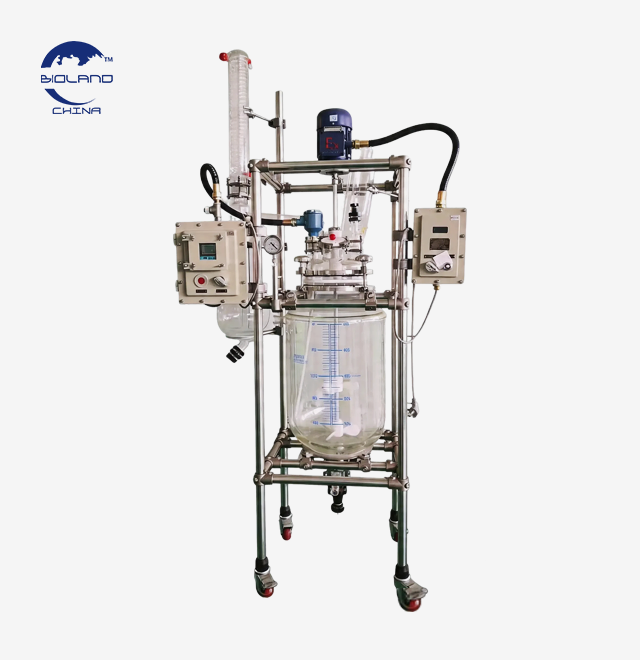
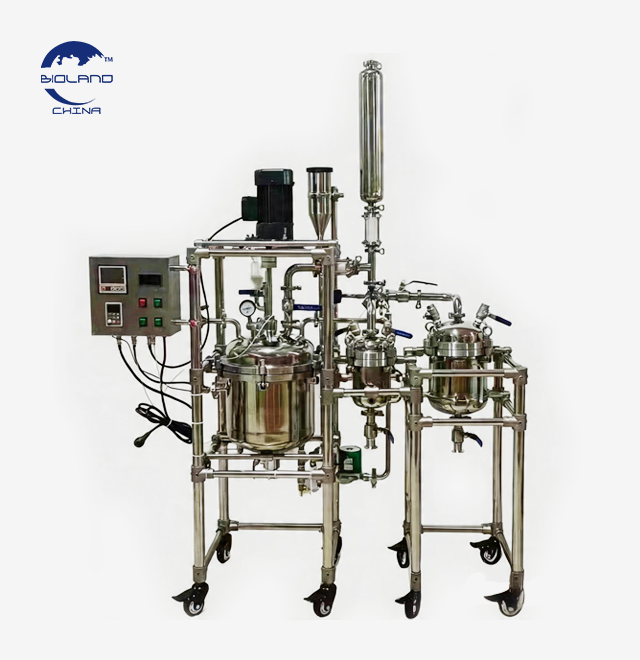
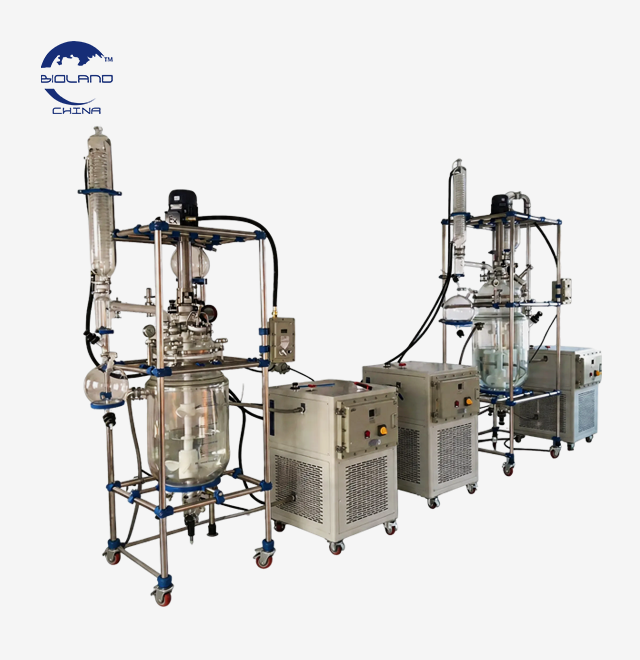
BIOLAND INSTRUMENT has been working in the field of plant extraction technology for more than 15 years, helping companies around the world make medicines, supplements, and cosmetics. Our ultrasonic extraction systems are 50–500% more efficient than traditional methods. They are built in a way that is GMP-compliant and can include 316L stainless steel contact parts as an option. They are fully automated with programmable logic controllers (PLCs) and come in a variety of modular configurations that include systems that are safe from explosions and solvent recovery integration.
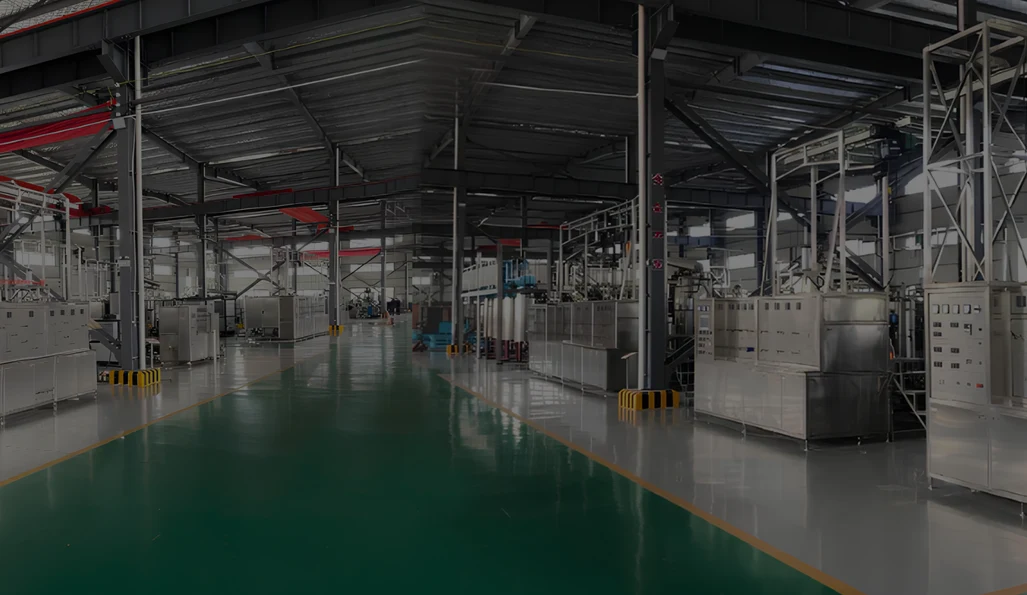
As a reputable company that has been selling propolis extraction machine solutions for a long time, we offer full turnkey solutions that include everything from workshop planning and customizing equipment to installation, setup, user training, and quick technical support after the sale. Our approved systems are in line with CE, ISO, and FDA standards, and they are backed by a professional engineering team that keeps an eye on each project and keeps thorough records of its progress. Contact our application experts at info@biolandequip.com to talk about your unique production needs and get a personalized proposal that shows how BIOLAND equipment can improve the quality and efficiency of your propolis processing.
References
1. Bankova, V., Popova, M., & Trusheva, B. (2021). "Propolis volatile compounds: chemical diversity and biological activity." Chemistry Central Journal, 15(1), 1-16.
2. Catchpole, O., Grey, J., & Mitchell, K. (2019). "Supercritical and ultrasound-assisted extraction of bioactive compounds from bee propolis." Journal of Supercritical Fluids, 141, 220-228.
3. Huang, S., Zhang, C.P., & Wang, K. (2020). "Recent advances in the extraction and purification techniques of propolis: A review." Food Science and Technology International, 26(5), 375-389.
4. Pasupuleti, V.R., Sammugam, L., & Ramesh, N. (2017). "Honey, propolis, and royal jelly: A comprehensive review of their biological actions and health benefits." Oxidative Medicine and Cellular Longevity, 2017, 1259510.
5. Sforcin, J.M. & Bankova, V. (2022). "Propolis: Is there a potential for the development of new drugs?" Journal of Ethnopharmacology, 284, 114756.
6. Tiveron, A.P., Rosalen, P.L., & Franchin, M. (2018). "Chemical characterization and antioxidant, antimicrobial, and anti-inflammatory activities of propolis from different Brazilian regions." Evidence-Based Complementary and Alternative Medicine, 2018, 6263472.
The reactor is beautifully mirror-polished and fully complies with GMP requirements for the pharmaceutical industry. The performance is excellent! Overall, we are very satisfied! We also provided with some feedback on our process improvements, which we hope will be helpful.
2024-04-09
Laboratory
Excellent and professional service. Always reply our questions very fast. All reactors and chiller we received are good too.
2024-02-15
Research Institute
Quality is beyond our expectation actually. After we got the extraction equipment and started using it, the performance was beyond our expectation. Very easy to use and very efficient to run. Service always respond us very quickly. Was also very helpful to help us. Thanks Bioland team. Very happy to work with you.
2023-11-20
Biotech Company
We are happy about the new purchase as always. Equipment and services are both good.
2023-08-05
Instrument Lab
This is the second order with Bioland instrument and everything is good as the first dateText.
2023-05-12
Global Trading Partner
Bioland instrument team is very helpful and professional. The sales helped us select the right equipment for our application, and their logistics people handled the transportation and customs declaration for our shipment. All that saved us a lot of work.