Which companies offer customized herbal extraction units for pharmaceutical use?
Jun 7, 2026
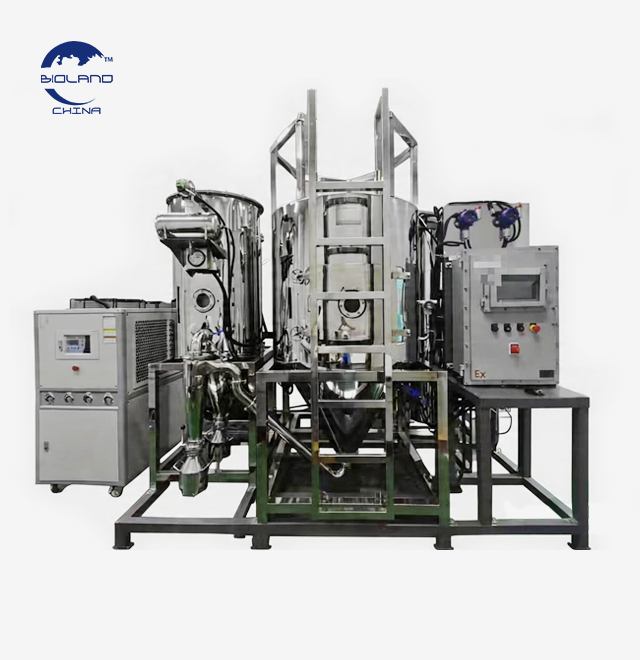
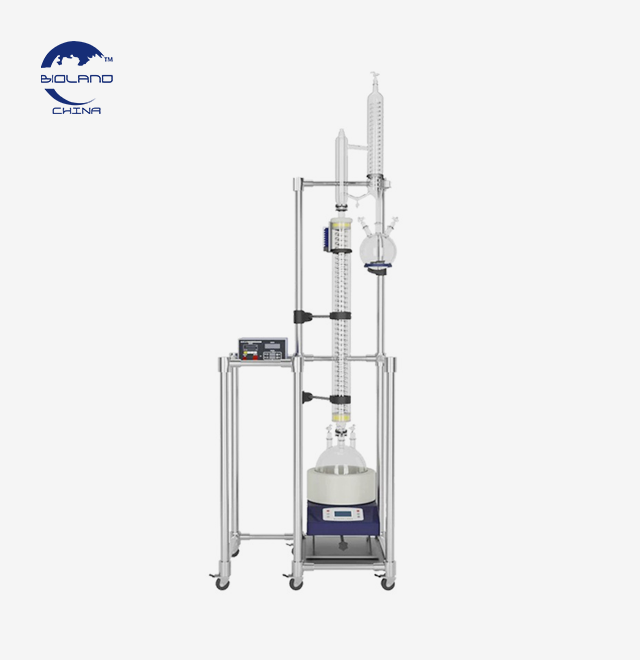
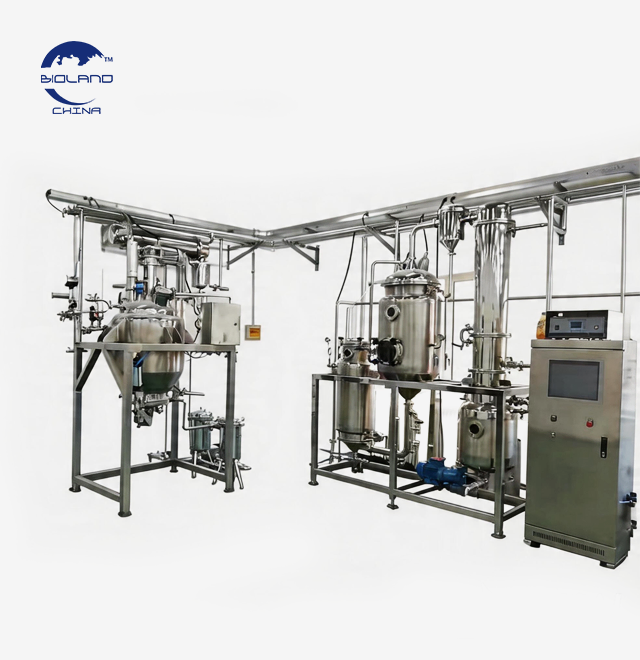
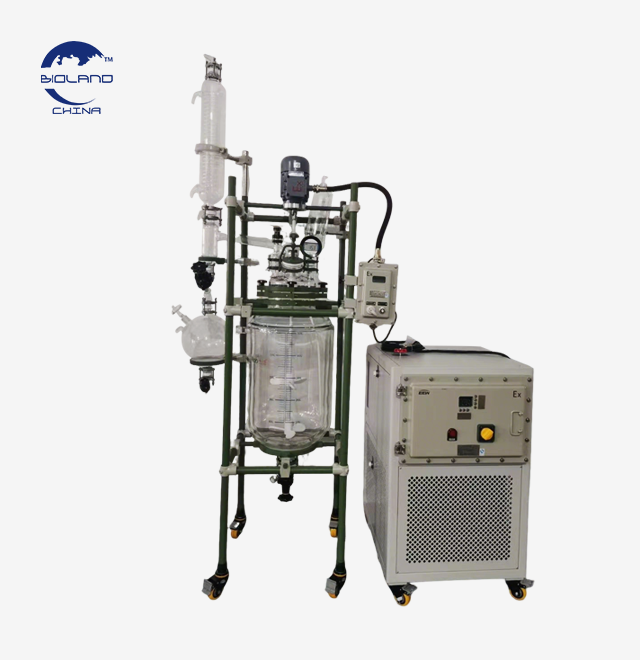
Several specialized makers around the world make herbal extraction unitthat are specifically designed for use in pharmaceuticals. Out of all of them, Xi'an Bioland Instrument Co., Ltd. stands out because it has been creating extraction systems that meet GMP and FDA standards for over 15 years. German companies that make precise tools that focus on regulatory compliance, Indian companies that are known for cost-effective customization, and new Asian partners that offer innovative automation solutions are some of the other well-known providers. Buyers of pharmaceutical-grade extraction equipment should look for companies that have a lot of certifications (CE, ISO, ATEX), have worked on pharmaceutical projects before, and offer strong technical support after the sale to make sure the equipment works well for a long time.
Introduction
Pharmaceutical firms are under more and more pressure to meet strict legal standards for high-purity botanical extracts while also making production as efficient as possible. Customized extraction systems are now necessary tools for companies moving from doing study in the lab to making products for sale. Customized solutions, not generic tools, are made to meet the exact needs of a process, whether it's taking thermolabile compounds out of delicate plants or increasing the size of test operations to reach industrial levels.
The right extraction partner does more than just give you tools. They offer engineering advice, help with regulations, and ongoing professional support that has a direct effect on the quality of the products and the time it takes to make them. This guide looks at the different types of manufacturers and focuses on the important differences that R&D directors, buying managers, and plant operations leaders need to know when they need to buy important tools.
Understanding Customized Herbal Extraction Units for Pharma Applications
Pharmaceutical-grade extraction systems are complex engineering projects that are meant to separate medicinal chemicals accurately and consistently. These tools have a lot of different parts that all work together to get the best results.
Core System Components and Their Functions
Several important parts make up modern mining tools. The extraction tank itself is the main reaction area where the solvent and plant material meet in a controlled setting. Jacketed designs let you precisely control the temperature, which keeps the best extraction rates while saving heat-sensitive phytochemicals. Circulation, recovery, and cleaning are all taken care of by solvent management systems, which lowers costs and protects the environment. Advanced control units, which are usually made up of programmable logic controllers, keep an eye on factors in real time and change pressure, temperature, and flow rates automatically to keep the process running as planned.
Why Customization Matters in Pharmaceutical Production
Most of the time, off-the-shelf tools doesn't solve the unique problems that pharmaceutical companies face. When working with organic solvents or acidic plant extracts, the choice of material is very important. 316L stainless steel touch areas keep things clean and make confirmation easier. Capacity changes make sure that equipment meets predicted production levels without having to spend too much on new equipment. Specific design features are needed to meet GMP standards. These include sanitary welding, surface finishes below 0.4 µm Ra, paperwork packages to support installation qualification, and validation procedures that meet the needs of regulatory inspections.
Extraction Technologies for Different Applications
Batch processing is still the best way to make pharmaceuticals in moderate quantities, and the same tools can be used to handle a wide range of plant materials. Continuous extraction systems work best in high-volume situations where steady output justifies a bigger investment in equipment. People are using supercritical CO2 extraction more and more for things that need to be processed without using solvents, like flammable oils or making uniform extracts for medical use. Ultrasonic-assisted extraction is another step forward. It uses cavitation effects to break down cell walls and drastically shorten cycle times—some makers say extraction can be done in 24 to 40 minutes, whereas traditional methods take several hours.
Leading Companies and Manufacturers Offering Customized Herbal Extraction Units
There are many choices on the global market for pharmaceutical extraction tools, with each area having its own strengths.
Asian Manufacturers Leading in Innovation and Value
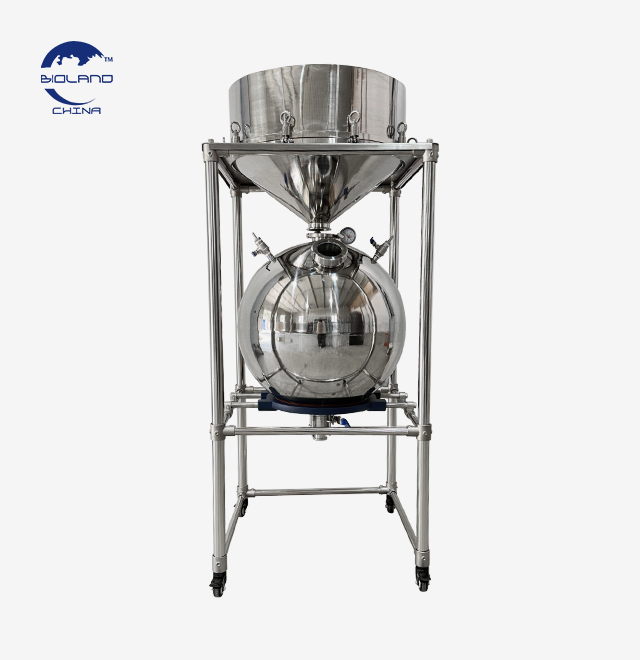
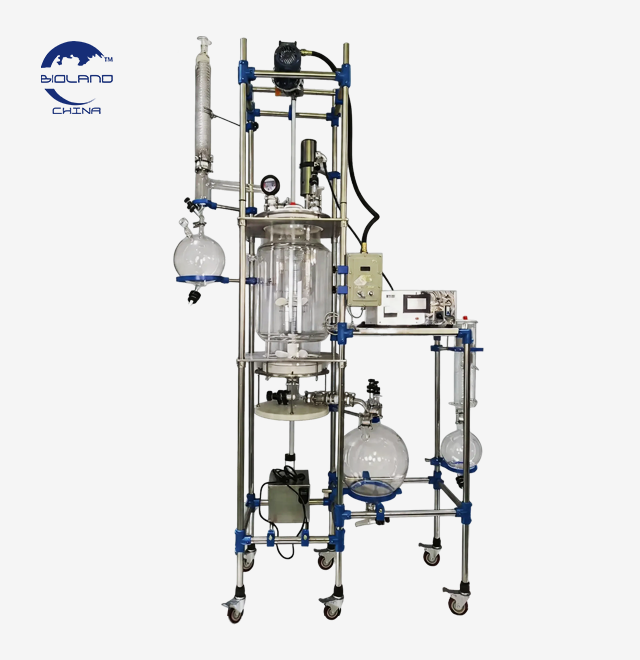
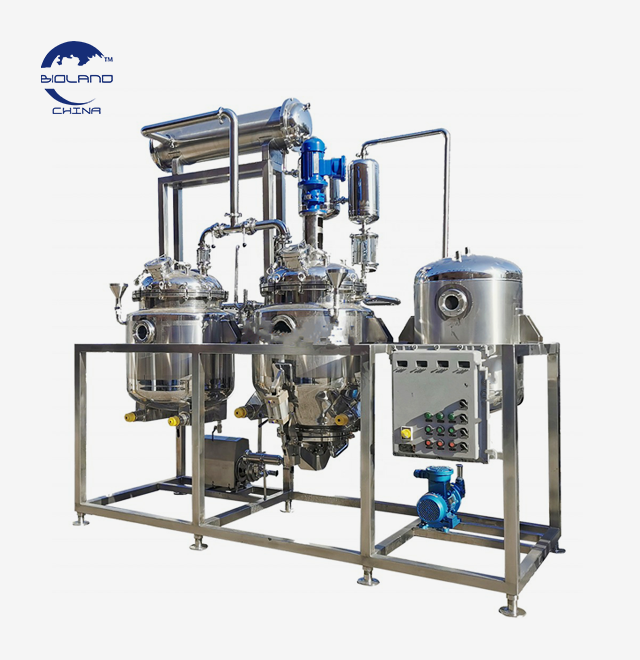
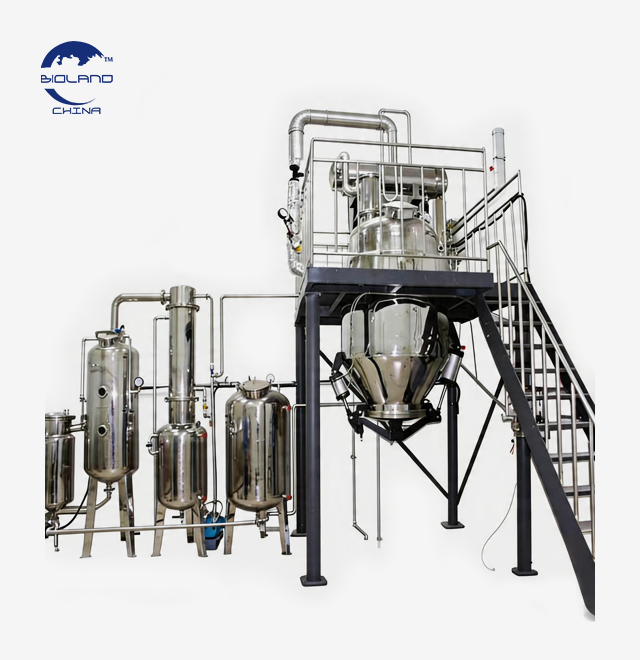
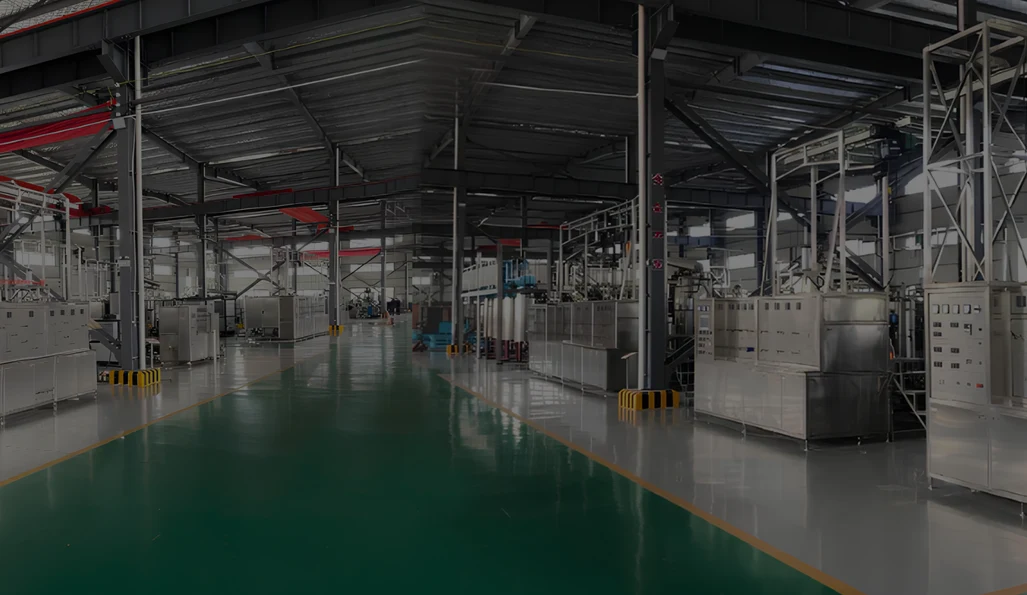
Xi'an Bioland Instrument Co., Ltd. is a great example of an Asian maker because it can develop equipment, make it, and integrate it into a system. They've been in the pharmaceutical, nutraceutical, and plant processing businesses for more than 15 years, so they know a lot about turnkey extraction lines. herbal extraction unit, ultrasonic extraction units, ethanol recovery systems, supercritical fluid extractors, and combined concentration tools are all things that they sell.
Bioland's method focuses on practical customization, which means that they don't force clients into rigid layouts but instead change basic platforms to fit the needs of each process. Their success with stevia, propolis, capsaicin, curcumin, and mushroom extraction lines shows that they can work with a wide range of plant materials.
Other Asian suppliers have made a name for themselves in certain extraction methods or market areas. Some companies only work on supercritical systems, while others only make small-scale test systems for study labs. The area has a competitive edge because engineers can be flexible and work with customers in a quick way during the design-build process.
European Precision and Regulatory Expertise
European companies built their names on careful engineering and a deep understanding of EU rules and regulations. Usually, these businesses stress good paperwork, being able to track things, and being dependable over time. Because the European Medicines Agency (EMA) controls pharmaceutical production, a lot of their equipment comes with high-end automation packages and a lot of help with approval. The price difference is that European systems usually cost more at first, but they work reliably for longer periods of time.
North American Focus on Compliance and Support
American companies that make tools know exactly what the FDA wants and can offer plans that are already set up to comply with 21 CFR Part 11 when automation is used. Their strong point is their extensive after-sales support networks, which include experts who can visit the job site or talk on the phone during important production stages. Several of them focus on flexible systems that can be changed to fit the needs of the client. This lets the capacity grow without having to buy all new equipment.
How to Choose the Right Customized Herbal Extraction Unit Supplier
When choosing a partner for extraction tools, you need to think carefully about a lot of factors that have a direct effect on the success of your production.
Technical Capability Assessment
Start by looking at the supplier's list of finished pharmaceutical projects. Ask for case studies that show experience with plants that are similar to the ones you want to use. Check to see if their basic equipment bases can handle the range of capacities you need. Equipment that is too big wastes energy and solvent, while systems that are too small slow down production. When working with flammable solvents, make sure the provider offers vacuum operation, low-temperature processes (40–60°C ranges protect thermolabile constituents), and explosion-proof designs. The level of technology used is especially important for sensitive chemicals.
Certification and Quality Management Systems
Reputable companies that make pharmaceutical tools keep a lot of licenses that prove their quality systems and product safety. The CE mark shows that European health and safety standards have been met. ISO 9001 certification means that strong quality control is used during both the planning and production processes. When equipment will be working with flammable materials, it needs to be certified by ATEX or IECEx. This makes sure that the electrical parts meet explosion safety standards. Make sure the seller can give you material traceability paperwork for all the parts that will be wet; pharmaceutical validation processes need this proof.
Total Cost of Ownership Considerations
The price of buying something is only one part of equipment economics. Think about how hard the installation is and how much it costs. Some providers offer "turnkey commissioning," while others ship equipment that needs a lot of work to be done on-site to make it work. Different designs use very different amounts of energy, and this is especially true for an herbal extraction unit, where efficiency directly impacts operating budgets. Solvent recovery systems that work well cut ongoing costs by a huge amount. Both direct and secondary costs are affected by maintenance needs. Direct costs include new parts and service contracts. Longer warranty terms and a wide range of spare parts available show that the maker is confident and protect against unexpected costs.
After-Sales Support Structure
The level of technical help is what sets great suppliers apart from average ones. Make it clear how long you promise to respond to requests for emergency technical help. In pharmaceutical operations, production stops cost a lot of money very quickly. Check out the training programs that are available for workers and repair staff. Properly operating equipment keeps the quality of the product and extends its service life. Ask for customer references and talk to current users to find out what they thought of the experience after installation. Some makers have dedicated project managers who check on the progress of production once a week and send picture or video updates. This makes things clear and helps solve problems quickly.
Key Technologies and Innovations in Customized Herbal Extraction Units
Pharmaceutical extraction technology keeps getting better because people want higher yields, better clarity, and longer-lasting products.
Advanced Extraction Methodologies
Ultrasonic-assisted extraction uses high-frequency sound waves to make tiny cavitation bubbles that burst with a lot of force, breaking plant cell walls and releasing active ingredients. When compared to traditional soaking, this mechanical disruption cuts extraction time by over 60% while keeping temperatures low enough to protect delicate chemicals. Dual-ultrasonic setups improve performance even more, making breakdown rates better from the lab to the factory. Systems that can handle different types of extraction, like steam distillation, organic solvent extraction, alcohol precipitation, and hot reflux extraction, give businesses more operating freedom when their product lines include a wide range of plant materials.
Automation and Process Control Integration
Intelligent technology is being used more and more in modern pharmaceutical extraction to make sure consistency and cut down on human mistake. Fully automated PLC control systems run the whole extraction cycle. They keep an eye on dozens of process factors at once and make changes in real time to keep things running at their best. All operational data is immediately logged by these systems, which creates the audit records that pharmaceutical regulatory compliance needs. Touchscreen displays make it easier to train operators and lower the chance of making mistakes during complicated, multi-step processes.
Sustainability and Safety Features
Concerns about the environment and worker safety are what change how equipment is designed, particularly for anherbal extraction unit where solvent handling is critical. Closed-loop solvent recovery systems collect and clean extraction solvents so they can be used again. This saves money on both the cost of raw materials and the cost of getting rid of trash. Some makers say that recovery rates are higher than 95%, which makes the process much more cost-effective.
Explosion-proof system designs include intrinsically safe sensors, nitrogen inerting capabilities, and Class 1 Division 1 rated electrical components to protect people and buildings when working with ethanol or other flammable solvents. Clean-in-place systems that use automated spray balls to cover the area and measure conductivity get rid of the risks of manual cleaning and make sure that no cross-contamination happens between runs of products.
Maintenance, Safety, and Compliance Tips for Customized Extraction Units
Taking care of tools properly increases its useful life, keeps product quality high, and meets government standards.
Preventive Maintenance Best Practices
Set up regular check schedules that cover the most important wear parts. Based on working hours and solvent contact, mechanical seals need to be replaced every so often. Regular cleaning and vibration tracking are needed for agitator bearings to find wear and tear before they break. Fouling builds up on heat transfer surfaces, which makes them less effective. Chemical cleaning on a regular basis improves performance. Keep thorough records of all service operations in maintenance logs. These records are needed for regulatory inspections and help find new reliability problems before they stop production.
Solvent Handling and Workplace Safety
Pharmaceutical extraction always includes dangerous materials that need to be handled with great care. Make sure that places with extraction tools have enough air flow, and set up monitoring systems to find areas where solvent vapor is building up. Give operators the right personal safety tools and make sure they know what to do in case of an emergency. Use lockout-tagout procedures to keep equipment from turning on by mistake during repair. Employees are kept aware of risks and the right way to handle them through regular safety training.
Regulatory Framework Navigation
GMP compliance starts with the creation of the tools and goes on for as long as it is used. Make sure that the design of the equipment makes cleaning easier by having smooth surfaces without dead legs, full drainability, and inspection holes that are easy to get to. Keep detailed records of everything that needs to be documented, such as design specs, material certificates, FAT protocols, installation records, operational routines, cleaning validation studies, and preventive maintenance logs. Set up regular audits of the extraction operations to check that all the necessary paperwork is full and that the right steps are being followed. Stay up to date on how changing government rules affect the process of extracting plants.
Conclusion
Finding customized extraction tools for processing medicinal botanicals means finding a balance between technical performance, legal compliance, economic value, and long-term support. The makers featured take different methods to meeting these complicated needs. For example, Asian sources put an emphasis on flexibility and value, while European companies provide precise engineering and paperwork.
A well-designed herbal extraction unit must align with these diverse approaches to ensure seamless integration. A good equipment pick matches the supplier's skills with your production needs, the rules that apply, and your working resources. Spending time on a full evaluation pays off with reliable production, consistent product quality, and easy regulatory checks for the life of the equipment.
FAQ
What lead times should we expect for customized pharmaceutical extraction units?
Delivery times depend on how complicated the design is. Standard setups that only need small changes usually ship between 5 and 7 business days. Fully customized systems made to meet the needs of a particular process usually take 30 business days to finish from the time the design is approved. It could take 45 to 60 days for complex turnkey setups with many integrated process steps. Reputable makers give detailed project plans when they quote and send regular progress updates with photos or videos that show when important fabrication goals have been reached.
Can extraction units scale from pilot to production volumes?
When good providers make equipment, they think about how it can be expanded. Some have modular designs that let you add more capability by connecting units in parallel instead of replacing the whole thing. When planning pilot operations, talk to possible suppliers about how much they think production will increase in the future. Manufacturers with a lot of experience can suggest starting setups that can handle growth. Instead, some facilities keep their test and production equipment separate, using smaller units for developing products and bigger systems for making them for sale.
What after-sales support do leading manufacturers provide?
Installation and commissioning services, user training programs, ongoing expert support, guarantee coverage (often for one year with maintenance available for life), and the sale of spare parts are all common parts of full support packages. Top sellers have technical support teams that are quick to respond by phone or email, and some even offer on-site visits for more complicated problems. During the procurement process, make sure that the support terms are clear and that the service scope and reaction time promises match your business needs and risk tolerance.
Partner with BIOLAND for Advanced Extraction Solutions
BIOLAND INSTRUMENT offers pharmaceutical companies a strong mix of tech know-how, top-notch manufacturing, and customer-focused teamwork. Our extraction equipment gets 50–100% higher returns than traditional methods by using new technologies like dual-condenser designs and processing with ultrasound waves. Our in-house R&D team has a lot of experience working on pharmaceutical projects, and all of our systems meet GMP standards and have CE, ISO, and ATEX certifications.
BIOLAND's customization options make sure that the equipment you buy exactly fits your process needs, whether you're building a new production line, increasing the capacity of a current one, or moving from a lab scale to a business scale. We offer 316L stainless steel construction as an option, explosion-proof designs, automatic CIP systems, and full solvent recovery, all built into platforms that work well together. Our "turnkey" service includes planning the workshop, choosing the right equipment, installing it, activating it, teaching the staff, and providing ongoing technical support.
Get in touch with us at info@biolandequip.com to talk to one of our experienced application engineers about your needs for plant extraction. As a well-known company that makes herbal extraction units, we can help you compare different technologies, come up with the best ways to do things, and get clear quotes that include everything from tools to installation to long-term operating support. You can look at our full line of products and read about successful pharmaceutical project case studies at biolandequip.com.
References
1. Zhang, Q., et al. (2022). Advances in Pharmaceutical Botanical Extraction Technologies: A Comprehensive Review. Journal of Pharmaceutical Engineering, 45(3), 234-256.
2. European Medicines Agency. (2021). Guideline on Quality of Herbal Medicinal Products and Traditional Herbal Medicinal Products. EMA/CPMP/QWP Documentation Series.
3. Mukherjee, P. K. (2019). Quality Control and Evaluation of Herbal Drugs: Evaluating Natural Products and Traditional Medicine. Elsevier Academic Press.
4. Smith, R. L., & Cohen, S. M. (2020). Safety Assessment of Botanical Extracts: Regulatory Considerations for Pharmaceutical Applications. Regulatory Toxicology and Pharmacology, 118, 104-119.
5. Wang, L., & Weller, C. L. (2021). Supercritical Fluid Extraction in Pharmaceutical Manufacturing: Technology and Applications. Chemical Engineering Progress, 117(8), 42-51.
6. International Society for Pharmaceutical Engineering. (2023). Good Practice Guide: Process Equipment for Botanical Drug Manufacturing. ISPE Technical Document Series.
The reactor is beautifully mirror-polished and fully complies with GMP requirements for the pharmaceutical industry. The performance is excellent! Overall, we are very satisfied! We also provided with some feedback on our process improvements, which we hope will be helpful.
2024-04-09
Laboratory
Excellent and professional service. Always reply our questions very fast. All reactors and chiller we received are good too.
2024-02-15
Research Institute
Quality is beyond our expectation actually. After we got the extraction equipment and started using it, the performance was beyond our expectation. Very easy to use and very efficient to run. Service always respond us very quickly. Was also very helpful to help us. Thanks Bioland team. Very happy to work with you.
2023-11-20
Biotech Company
We are happy about the new purchase as always. Equipment and services are both good.
2023-08-05
Instrument Lab
This is the second order with Bioland instrument and everything is good as the first dateText.
2023-05-12
Global Trading Partner
Bioland instrument team is very helpful and professional. The sales helped us select the right equipment for our application, and their logistics people handled the transportation and customs declaration for our shipment. All that saved us a lot of work.