Safety precautions when operating reflux extraction equipment
May 29, 2026
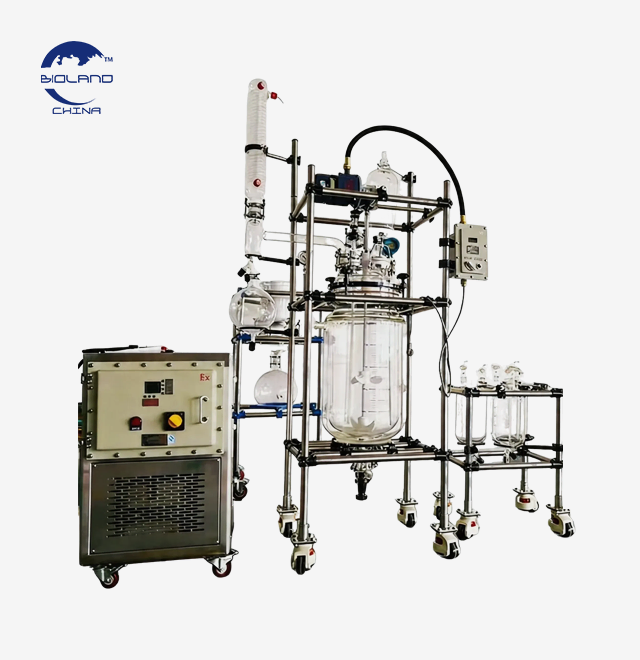
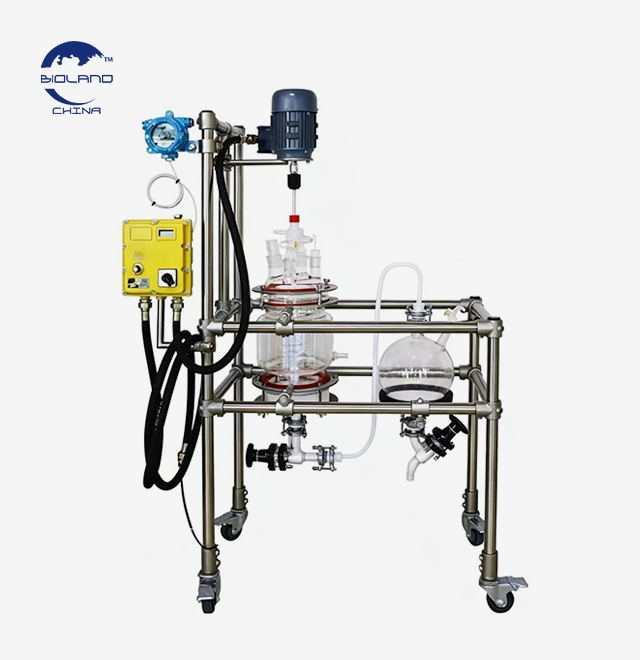
To use a reflux extraction apparatus safely, you must first understand how it works and what risks it poses. This specialized equipment uses constant vapor-liquid cycling to achieve better mass transfer efficiency. This makes it an essential tool for making medicinal APIs, extracting herbal compounds, and testing for environmental contaminants. To keep operators safe and avoid expensive downtime, strict rules must be followed, including checks before operations start and repair schedules. When procurement teams and R&D engineers choose equipment based on safety features, they protect workers, keep rules in line, and improve long-term operating efficiency for both pilot and production-scale uses.
Understanding the Risks Associated with Reflux Extraction Equipment
To operate extraction systems, you have to be aware of a number of different types of dangers that can affect both worker safety and the ability to keep production going. When organic solvents and high-temperature heating mantles come together, they pose a big risk of fire and explosion, especially when temperature control systems or pressure release methods don't work right. Automated PLC control modules and heater elements can be electrically dangerous, especially in places where solvent vapors may build up. Failures of the machinery, like broken condenser tubes, worn-out seals, or broken pumps, can cause dangerous fluid leaks or pressure buildups that can't be managed.
According to research from workplace safety studies, about 40% of reflux extraction apparatus accidents are caused by not controlling the temperature properly, and 30% are caused by operators not knowing how to shut down the equipment in an emergency. Another major issue is that some solvents don't work well with certain system materials. Harsh chemicals can damage gaskets and seals, making leak paths. Vacuum-sealed reflux systems that work at low pressure are more complicated because quick changes in pressure can cause solvents to boil violently or glasses to explode.
Facilities can put in place the right engineering controls when they do thorough risk assessments before starting up new lines. For places that work with low-flashpoint liquids like hexane or ethanol, they need electricity systems that won't blow up and blankets of inert gas. Using multiple monitors to keep an eye on temperatures is necessary for tasks that involve heat-sensitive chemicals. Knowing these risk profiles helps procurement managers choose tools with the right safety features, making sure it works with the safety infrastructure that is already in place and meets legal standards.
Key Safety Precautions for Safe Operation
Pre-Operational Inspection Protocols
Every operating cycle must start with a full check of all the tools. Operators should check all glassware parts for thermal stress cracks, make sure that the ground glass joints are solid, and make sure that the condenser units are lined up correctly. Electrical specs must be checked against the connections on the heating mantle, and the temperature probe must be calibrated to make sure that results are correct throughout the extraction cycle. To keep materials from breaking down, you need to look at solvent compatibility charts. For example, chlorinated liquids need PTFE covers instead of regular rubber gaskets.
Modern reflux extraction apparatus units with GMP-compliant designs have test ports and eye check points that make pre-use verification quick and easy. Systems made with touch areas made of 316 stainless steel are more resistant to corrosion across a wide range of solvents. This means that parts will last longer and there is less chance of contamination. This choice of material is especially useful when working with acidic plant extracts or switching between different extraction methods without having to do long cleaning processes.
Temperature and Pressure Management
The most common operating risks can be avoided by keeping the temperature steady. Each solvent has a safe working range and boiling point. For example, ethanol extraction works best between 60°C and 78°C when the temperature is room temperature. Vacuum-assisted systems, on the other hand, can lower the temperature to 40°C to 60°C to protect chemicals that break down easily at higher temperatures. Automated temperature controls using proportional-integral-derivative (PID) methods keep setpoints within ±2°C, stopping dangerous temperature changes.
In closed-loop systems, controlling the pressure is very important. High-efficiency dual-condenser setups not only increase recovery rates by 50–100% compared to standard designs, but they also keep the pressure steady by managing air better. Safety features, such as release valves with springs that are set to specific pressure levels, keep catastrophic breakdowns from happening. Explosion-proof systems that meet ATEX standards have pressure interlocks that stop heating immediately if the working conditions go outside of safe limits.
Facilities that use ultrasonic-assisted extraction can benefit from tracking devices that connect the level of cavitation with thermal profiles. This real-time feedback helps workers get the most out of the extraction process while still keeping safety margins. This is especially helpful when going from lab batches of 2 liters to production amounts of 500 liters or more.
Solvent Handling and Personal Protective Equipment
Proper solvent management includes more than just the extraction tank. It also includes how to store, move, and deal with trash. To keep flammable materials from igniting, they need to be stored in containers that are grounded and moved using explosion-proof pumps. Closed-loop solvent recovery systems keep operators from being too exposed while collecting 85–95% of volatile organic compounds. This lowers the risk of accidents and the cost of doing business.
Choosing the right personal safety equipment (PPE) depends on the chemicals that could be harmful. Chemical-resistant aprons and gloves that are approved for organic liquids are the main defenses. During sampling, safety glasses with side covers keep the eyes from getting splashed. When working with volatile aromatics or organic solvent extraction (OSE) methods, it is important to wear breathing protection in places that don't have enough air flow. Facilities that meet FDA and GMP standards keep records of the PPE that is needed for certain tasks that are linked to standard operating procedures.
Maintenance and Cleaning Protocols to Prevent Safety Issues
Routine Inspection and Component Replacement
Schedules for preventative repair are the basis of safe and effective reflux extraction apparatus operations. Every week, you should check the stability of the seals, make sure the pumps are working properly, and test the efficiency of the condenser. When gaskets are exposed to strong solvents, they need to be replaced every three to six months, based on how often they are exposed. On the other hand, mechanical seals in circulation pumps need to be checked every month for signs of wear that they are about to fail.
Calibration of the heating elements makes sure that they give the right warmth for the whole time they are working. Deviation of more than ±5°C from measured setpoints means that the device is worn out and needs to be replaced. Modern PLC-controlled systems keep diagnostic logs that keep track of parameter change. This lets repair plans plan ahead and avoid unplanned downtime. This proactive method works especially well for facilities that run 24-hour extraction cycles where unplanned outages can throw off tight production plans.
Chemically compatible greases are used to lubricate mechanical parts like stirrer bearings, pump seals, and valve stems according to the manufacturer's instructions. Every day, filter systems should be checked in places that work with plant materials because particulate buildup limits flow and raises system pressure above safe levels.
Cleaning Procedures and Cross-Contamination Prevention
Following strict cleaning procedures helps keep both the cleanliness of the product and the safety of operations. After extraction runs are done, systems need to be rinsed three times with fresh liquid and the right cleaning agents. Moving equipment from one plant source to another, like from extracting capsaicin to processing stevia, needs to be cleaned in a way that leaves behind no chemicals that are detectable.
Clean-in-place (CIP) systems do this important job automatically by moving cleaning solutions over all surfaces that come into touch with the product while checking for cleanliness by measuring conductivity or turbidity. This machinery keeps things the same between cleaning processes while reducing the amount of solvent that workers are exposed to. For hand cleaning, disassembly must follow lockout-tagout rules, and electrical connections must be checked before getting to internal parts.
Ultrasonic cleaning baths are a good way to get rid of tough leftovers on sintered filters and complicated glassware shapes. By not using mechanical tools, this method keeps fine parts from getting damaged and cleans better than scrubbing by hand. If you dry things properly after cleaning them, water won't get into the solvent-based extractions that come after.
Comparing Safety Features Among Different Reflux Extraction Apparatus Types
Traditional reflux extraction apparatus units like Soxhlet extractors work well for scientific tasks, but they don't have the safety features needed for large-scale operations. Adjusting the temperature by hand, not watching the pressure, and running in an open atmosphere all create unacceptable risk profiles for production settings that handle hundreds of kilograms of goods every day.
Modern systems for extraction have many safety features that older systems didn't have. Automated temperature controls stop thermal runaway situations before they happen, and emergency cooling systems with pressure monitors react within seconds to any problems. Interlock systems keep operators from getting to hot surfaces and liquid vapors while the process is going on. Touch-screen human-machine interfaces show parameter changes in real time, which lets workers spot problems before they get worse.
Modular safety setups let you change them to fit the needs of your business. Facilities that work in Class I Division 1 dangerous areas are protected by electricity systems that are explosion-proof and approved to international standards. Solvent recycling systems not only make things cheaper, but they also cut down on pollution and worker safety. Ultrasonic-assisted extraction (UAE), hot reflux, and aromatic oil distillation are just a few of the advanced extraction methods that advanced units can support. These methods give operators more options while still meeting the same safety standards across all protocols.
Procurement teams should check all kinds of certificates, like CE, ISO, UL, and SGS approvals, when they are looking at different providers. Manufacturers with 15 years or more of experience in the field usually include safety features that have been tested in the field and improved through a lot of operational feedback. The fact that the warranty covers safety-critical parts like pressure tanks, temperature controls, and emergency shutdown systems shows that the maker is sure the system will work well. Because OEM tailoring is possible, safety needs specific to each client can be met, such as using special materials like 316 stainless steel or adding additional sensor arrays for important uses.
Training and Operational Guidelines to Enhance Safety Culture
Comprehensive Operator Training Programs
Safety management that works starts with giving operators a full education that includes both theory and practice for the reflux extraction apparatus. Thermodynamic principles that govern reflux extraction should be taught in training so that workers can understand why certain factors are important. Giving clear instructions on how to use controls for specific pieces of equipment, like how to navigate a PLC interface or do a manual reset, boosts trust in operations and stops mistakes from happening in both normal and emergency situations.
Training in how to handle emergencies needs extra attention. People are trained to act quickly and correctly in situations like chemical spills, electricity problems, and pressure changes that are simulated. Drills every three months help people remember how to do important things like emergency shutdown routines and evacuation plans. This practice is very helpful in real life, when worry can make it hard to make decisions.
Specialized extraction methods, like supercritical CO2 systems or cold ethanol extraction, need advanced training that covers their own risks. When working at low temperatures, there are risks of cold burn and material weakness, and when working with supercritical fluids, you need to know how the phases behave under pressure.
Standard Operating Procedures and Continuous Improvement
Written SOPs turn teaching into regular daily behavior. For each operating phase, well-structured processes spell out the parameter ranges, inspection checkpoints, and paperwork that needs to be done. Visual tools, like equipment diagrams that show important parts, that are included in SOPs speed up job completion and lower the number of mistakes that happen.
Cross-functional teams do regular safety checks that find ways to make things better before accidents happen. These tests check for physical safety, following procedures, and how well training works. The results of audits are used to keep improving safety systems by making changes to the way they work, updating procedures, or giving more training.
Setting up ways for frontline workers to give feedback motivates them to report near-misses and make suggestions for safety changes. This method involves everyone and uses operational knowledge while encouraging people to take responsibility for safety results. Facilities that use suggestion tools often find improvements that can be made for less money that tech teams might miss.
Conclusion
Forreflux extraction apparatus operations to be safe, they need to choose the right equipment, keep it in good shape, train their workers well, and keep making improvements. Because dealing with flammable solvents at high temperatures and pressures comes with risks, technical controls, office processes, and personal safety measures must all work together. Choosing to buy tools with built-in safety features like automated controls, explosion-proof construction, and advanced tracking systems sets the stage for safe operations. When companies use the right technology and have a strong safety culture, they achieve organizational excellence, which means they are highly productive, follow the rules, and keep their employees safe.
FAQ
Q1: What solvents present the greatest safety challenges in reflux extraction?
A: Because they are volatile and can catch fire at a wide range of temperatures, low-flash-point solvents like diethyl ether, hexane, and acetone make the reflux extraction apparatus most dangerous. For these materials, you need tools that can't explode, strict vapor control, and a layer of inert gas. Even though chlorinated liquids are less likely to catch fire, they need special covering materials that can stand up to chemicals. Ethanol is a popular choice for botanical uses because it is a moderate-risk option that balances the effectiveness of extraction with reasonable safety standards.
Q2: How frequently should extraction equipment undergo maintenance inspections?
A: How often maintenance is done relies on how busy the business is and what the process needs. Visual checks every day should make sure the seal is intact, there are no leaks, and the gauges are reading correctly. Every week, the heater element, the accuracy of the temperature probe, and the pump's performance are all checked. As part of monthly thorough checks, important seals are taken apart, mechanical parts are oiled, and safety interlocks are tested. Every year, the whole system is re-calibrated and put under pressure to make sure it keeps working safely. Equipment that works with toxic materials or that runs all the time may need to be tended to more often.
Q3: Does automation genuinely improve extraction safety?
A: Automation greatly improves safety by getting rid of human error and letting people respond quickly to odd situations. PLC-controlled systems keep temperature and pressure levels that are too exact to be reached by hand, so they don't go off in the unpredictable ways that most accidents happen. Automated tracking finds problems like a condenser losing its efficiency or a heater element breaking down before they become dangerous. In contrast to the seconds or minutes needed for human action, emergency shutdown processes work in milliseconds.
Partner with BIOLAND for Your Safe Extraction Solution
Our company BIOLAND INSTRUMENT, has been making advanced reflux extraction apparatus devices for chemical, pharmaceutical, and plant uses for more than 15 years. Our supplier options have many safety features, such as construction that can't explode, automatic PLC controls, and designs that are GMP-compliant and approved to CE, ISO, UL, and SGS standards. Our expert team provides complete turnkey solutions that are tailored to your exact process needs, whether you need standard setups or fully customized OEM systems. This includes everything from planning the workshop to installation, commissioning, and training the operators.
Our extraction systems are 50–100% more efficient than traditional ways while still meeting strict safety standards. Optional features like dual-condenser solvent recovery, CIP cleaning systems, and building from 316 stainless steel meet a wide range of operating needs, from small-scale development in the lab to large-scale production lines. Our track record of success with extracting stevia, propolis, curcumin, and capsaicin shows that we can handle difficult plant mixtures. Get in touch with our team at info@biolandequip.com to talk about how our unique extraction solutions can make your facility safer and more productive, and how you can get full support after the sale.
References
1. Smith, J.R., & Chen, L. (2021). Industrial Extraction Safety: Engineering Controls for Pharmaceutical Manufacturing. American Chemical Society Publications.
2. European Committee for Standardization. (2020). Safety Requirements for Process Equipment in Explosive Atmospheres: ATEX Directive Implementation Guide. CEN Technical Report 156.
3. Patel, M.K. (2022). "Risk Assessment Methodologies for Solvent-Based Extraction Processes," Journal of Chemical Process Safety, 45(3), 178-195.
4. International Society of Pharmaceutical Engineering. (2019). Good Practice Guide: Extraction Equipment Qualification and Maintenance. ISPE Baseline Guide Volume 7.
5. Williams, D.H., & Torres, R.A. (2023). Modern Extraction Technologies: Safety, Efficiency and Regulatory Compliance. Wiley-VCH Industrial Chemistry Series.
6. National Fire Protection Association. (2021). NFPA 654: Standard for the Prevention of Fire and Dust Explosions from the Manufacturing, Processing, and Handling of Combustible Particulate Solids. NFPA Publications.
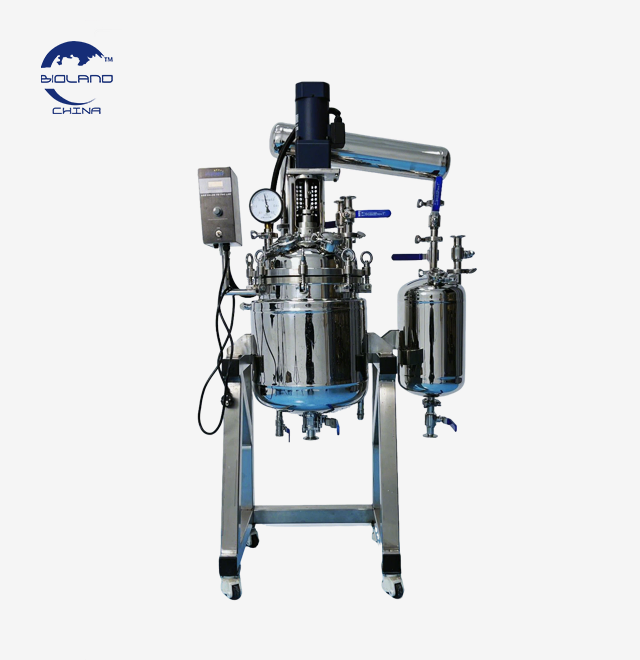
The reactor is beautifully mirror-polished and fully complies with GMP requirements for the pharmaceutical industry. The performance is excellent! Overall, we are very satisfied! We also provided with some feedback on our process improvements, which we hope will be helpful.
2024-04-09
Laboratory
Excellent and professional service. Always reply our questions very fast. All reactors and chiller we received are good too.
2024-02-15
Research Institute
Quality is beyond our expectation actually. After we got the extraction equipment and started using it, the performance was beyond our expectation. Very easy to use and very efficient to run. Service always respond us very quickly. Was also very helpful to help us. Thanks Bioland team. Very happy to work with you.
2023-11-20
Biotech Company
We are happy about the new purchase as always. Equipment and services are both good.
2023-08-05
Instrument Lab
This is the second order with Bioland instrument and everything is good as the first dateText.
2023-05-12
Global Trading Partner
Bioland instrument team is very helpful and professional. The sales helped us select the right equipment for our application, and their logistics people handled the transportation and customs declaration for our shipment. All that saved us a lot of work.