Ultrasonic-assisted protein extraction process of mulberry leaf
Jun 8, 2026
When you look for the best protein extraction machine of process mulberry leaf protein,It is necessary to combine the different needs of scientific research experiments and industrial production, focusing on core performance parameters, equipment type and scene adaptation, material and durability, intelligence and data management, and other core issues to ensure equipment adaptability, extraction efficiency, and long-term stability. they come across a wide range of technologies that are meant to separate high-purity protein fractions from botanical materials. These high-tech systems use sound disruption, solvent extraction, and precise temperature control to break down plant cell walls while protecting target proteins' structural integrity and bioactivity.
Modern industrial extraction technology uses controlled liquid recovery, pH adjustment, and multi-stage filtration to get the most out of the material. This makes extraction 50–500% more efficient than traditional maceration methods. This guide looks at important performance factors, supplier qualifications, and operating issues to help manufacturing and research companies find the best extraction options.
Understanding Protein Extraction Machines for Plant mulberry leaf protein
Our Plant protein extraction systems are specialized industrial machines that are designed to get proteins out of tough plant cells by carefully breaking them down mechanically and selectively dissolving them in solvents. Ultrasonic assisted extraction (UAE) of mulberry leaf protein is an efficient and mild protein separation technique that utilizes the cavitation effect of ultrasound to disrupt the cell structure of mulberry leaves, accelerate protein release, and reduce solvent usage and extraction time.
Core principle: How does ultrasound "unlock" mulberry leaf protein
Ultrasonic-assisted extraction (UAE) uses high-frequency pressure waves to make tiny cavitation bubbles. These bubbles physically break through cell walls to release proteins from the cytoplasm. Organic solvent extraction (OSE) mixes ethanol or methanol with other chemicals to break down proteins and separate carbohydrates and fiber.
Ultrasonic waves (20kHz-1MHz) generate cavitation effects (bubble formation, growth, and rupture) in liquids, creating a local extreme environment (temperature 5000K, pressure 1000atm, shear force 10⁶Pa), The shock waves generated by the rupture of cavitation bubbles directly destroy the cell walls (cellulose and hemicellulose structures) of mulberry leaves, releasing intracellular proteins.
The microjets formed by ultrasound enhance the contact between the solvent (water/buffer) and the mulberry leaf tissue, increasing the protein dissolution rate by 3 to 5 times. Low-temperature operation (typically 4-25℃) prevents protein thermal denaturation and retains biological activity (such as antioxidant and antihypertensive activities).Destroying the cell wall of mulberry leaves (cellulose and hemicellulose structures) to release intracellular proteins;Enhance the contact between the solvent (water/buffer) and mulberry leaf tissue to increase the protein dissolution rate;
Industrial Application Scenarios
Our ultrasound assisted extraction technology for mulberry leaf protein, with its core advantages of high efficiency, low temperature, and high activity retention, has been widely applied in fields such as food, feed, medicine, cosmetics, and biomaterials.etc
Protein replacement for aquatic feed
A certain feed factory used our 100L ultrasonic assisted Protein Extraction Machines to extract mulberry leaf protein powder (crude protein ≥ 45%) instead of 30% fish meal for shrimp and sea bass feed. After breeding experiments, there was no difference in the growth rate of shrimp, and the feed cost was reduced by 25% (the raw material cost of mulberry leaves is only one-third of that of fish meal).The technological advantage lies in the fact that the protein extracted by ultrasound is rich in essential amino acids (lysine, methionine), which complement the nutritional structure of fish meal without the need for additional amino acids.
Anti stress additive for poultry feed
A certain poultry company added 5% ultrasonic mulberry leaf protein powder to chicken feed for use during high temperature stress periods. The experiment showed that the feed intake of chickens increased by 10%, the mortality rate decreased by 8%, and the content of antioxidant substances (vitamin E) in egg yolks increased by 15%.
The technological advantage lies in the fact that mulberry leaf protein contains flavonoids as antioxidants, which can alleviate heat stress. Ultrasonic extraction preserves the active ingredients (flavonoid retention rate of 90%+).
Cosmetics field: natural antioxidant ingredients
A cosmetics company in Romania used our company 50L ultrasonic assisted protein extraction equipment to research and produce "mulberry leaf protein essence", which focuses on "antioxidant+anti saccharification" effects. Through skin testing, it can inhibit melanin production (reduce tyrosinase activity by 35%), reduce wrinkle depth (use for 8 weeks, reduce wrinkles by 12%). The technological advantage lies in the fact that the protein extracted by ultrasound contains active ingredients such as flavonoids and alkaloids (total content ≥ 8%), and the activity is retained by low-temperature extraction without residual organic solvents, which meets the standards of natural cosmetics.
Core advantages between ultrasound assisted extraction and traditional methods
There are significant differences between ultrasound assisted extraction (UAE) and traditional methods (water extraction, alkali extraction, organic solvent extraction) in the extraction of mulberry leaf protein in terms of efficiency, yield, activity retention, cost, and environmental protection. The following is a comparison of core advantages and data support for reference:
Comparison dimension
Ultrasonic-assisted extraction (UAE)
Traditional water extraction method/alkali extraction method
Low (single extraction energy consumption <0.1kWh/kg protein)
High (requires long-term heating/stirring)
environmental friendliness
No organic solvent residue, meeting food/pharmaceutical grade standards
The alkali extraction process generates a large amount of waste liquid, which needs to be treated
Protein Extraction Machines : Specific experimental parameter setting plan
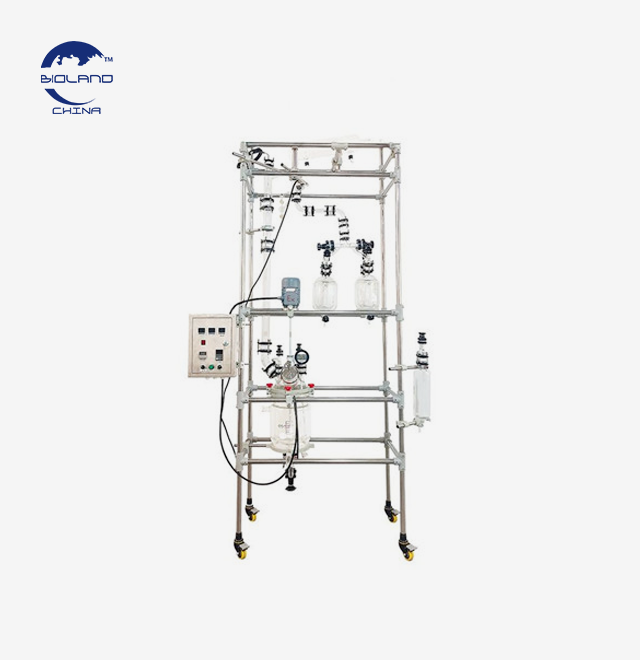
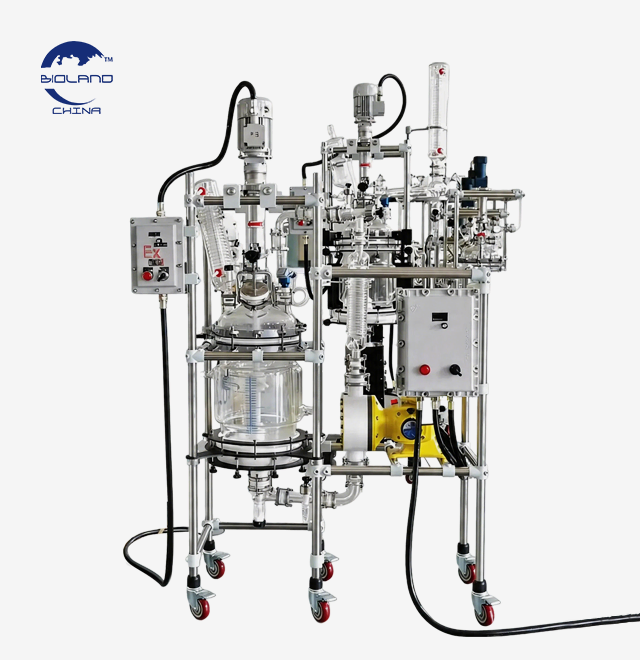
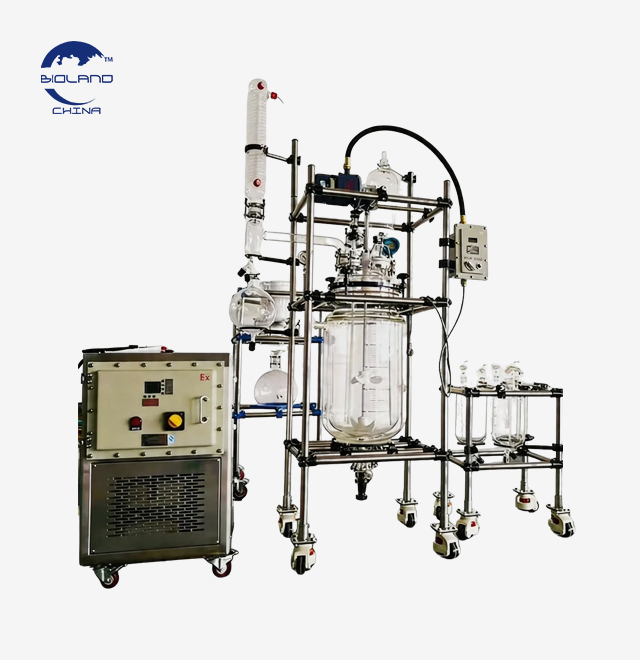
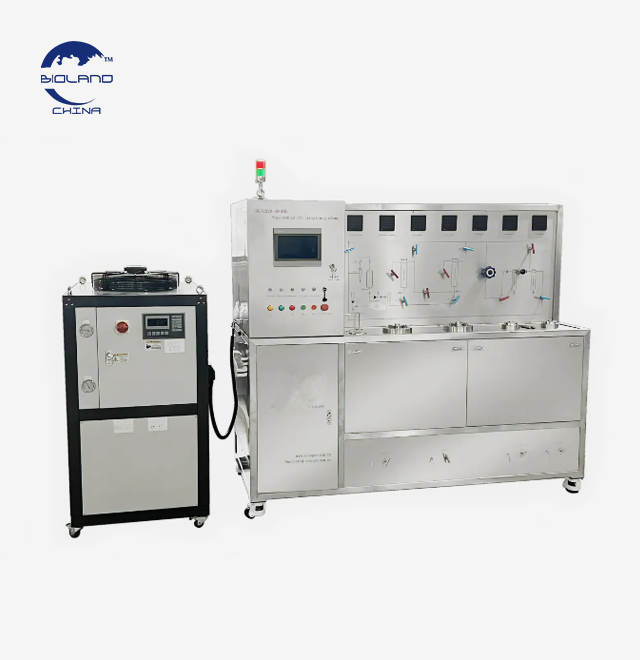
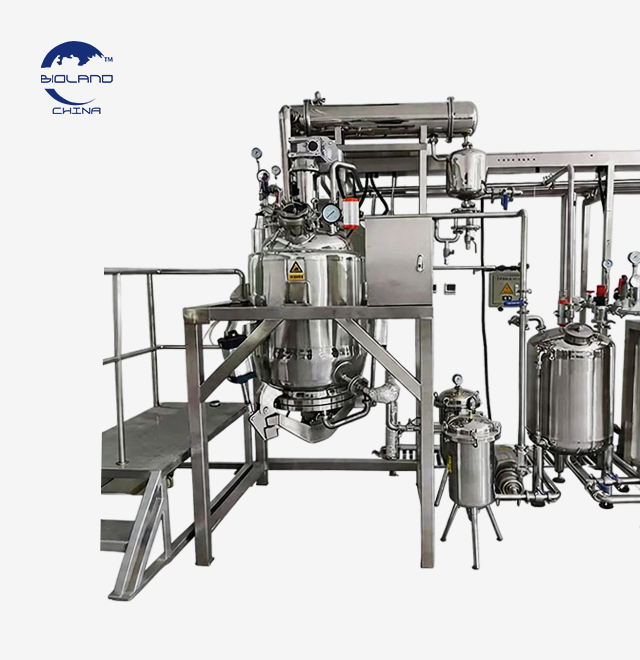
The latest version of industrial extraction equipment has performance levels that have never been seen before thanks to smart technology and advanced engineering. BIOLAND's ultrasonic plant extraction systems are a good example of this change because they can be set up in ways that work for batch amounts ranging from 50 liters for trial runs to 5,000 liters for production campaigns.
The specific experimental parameter setting scheme for ultrasound assistedprotein extraction machine from mulberry leaf covers two scenarios: scientific research experiments (small scale) and industrial production (large scale)
High-Efficiency Research experiment level plan
Mulberry leaf variety selection: Morus alba tender leaves (1-2 years old, harvested in spring, protein content ≥ 25%), avoid old leaves (high fiber, low protein content) or diseased leaves (high impurities); Treat within 4 hours after harvesting to reduce protein degradation.
Cleaning: Rinse with running water 3 times → Soak in 0.1% NaHCO3 solution for 10 minutes (to remove pesticide residues) → Rinse with running water 2 times, centrifuge (3000rpm, 5 minutes) after soaking to remove surface moisture, and control the solid content at 80% ± 5%.
Freezing embrittlement: Freeze at -18 ℃ for 24 hours (or -80 ℃ for 4 hours), embrittlement of cell walls, and an increase in ultrasonic fragmentation efficiency by over 30%; Avoid repeated freeze-thaw cycles (≤ 2 times).
Crushing and sieving: Crushing by a grinder → sieving through a 60 mesh sieve (particle size 0.25-0.35mm). The smaller the particle size, the larger the ultrasonic contact area, but if it is too fine (<0.15mm), it is prone to clumping, which affects mass transfer.
Ultrasonic equipment: power 300-500W (probe type); Frequency: 20-25kHz (strong low-frequency cavitation effect, suitable for cell lysis), high power (>800W) can cause protein denaturation; High frequency (>50kHz) results in weak cavitation effect and low crushing efficiency.
Temperature control: 4-10 ℃ (controlled by ice water bath or equipped with refrigeration module), low temperature inhibits protein thermal denaturation and retains biological activity (such as enzyme activity and antioxidant activity); At room temperature (25 ℃), the time needs to be shortened.
Extraction time: 20-30 minutes (segmented ultrasound: ultrasound for 3 minutes → standing for 2 minutes, repeated 4-5 times), segmented ultrasound to avoid local overheating and cavitation damage; Single ultrasound time ≤ 5 minutes to prevent protein structure damage.
Solid liquid ratio: 1:15 (w/v, such as 100g mulberry leaf powder+1500mL 0.05M PBS buffer, pH 7.2) Solid liquid ratio: 1:10-1:20, 1:15 is the recommended value for balancing extraction efficiency and solvent cost; 0.01% EDTA can be added to inhibit oxidation.
Buffer selection: 0.05M PBS (pH 7.2) or 0.1M Tris HCl (pH 8.0) PBS simulates physiological environment, suitable for active protein extraction; Tris HCl alkaline environment enhances protein solubility and is suitable for total extraction.
Solid liquid separation: centrifugation: 10000rpm, 15min, 4 ℃ (or 0.45 μ m filter membrane filtration), the supernatant after centrifugation is crude protein extract, and the residue can be extracted twice (solvent halved), increasing the overall yield by 10% -15%.
Protein purification: salting out: ammonium sulfate saturation of 30% → 60% (stepwise precipitation, impurities precipitated at 30% saturation, target protein precipitated at 60% saturation), followed by centrifugation (12000rpm, 20min), collect the precipitate; Dialysis (3 times, 4 hours each time, with 3-fold fluid replacement) to remove salt.
Drying and pulverizing: spray drying (inlet air temperature 180 ℃, outlet air temperature 80 ℃, feeding speed 2-3mL/min) spray drying avoids high temperature heating for a long time and retains protein activity; The yield is about 60% -70% (based on the crude extract).
Industrial production-level solutions
Raw material pretreatment: fresh mulberry leaves → cleaning → chopping (5-10mm) → freezing (-20 ℃, 48h) → crushing (passing through a 40 mesh sieve) Continuous production lines require automatic cleaning, freezing, and crushing modules to reduce manual intervention; The particle size should be controlled between 0.3-0.5mm to balance crushing efficiency and energy consumption.
Ultrasonic extraction: frequency: 20kHz, 2000-3000W; Temperature: 10-15 ℃; Time: 15-20 minutes (continuous cycle), using the "mulberry leaf powder+solvent" continuous cycle mode to increase flux; The power density needs to be adjusted according to the reactor volume to avoid local overheating.
Solid liquid separation: Plate and frame filtration (filter cloth aperture 50-100 μ m) → centrifugation (8000rpm, 10min) Plate and frame filtration pretreatment of large particle residue, centrifugation further separates fine particles, reducing subsequent purification pressure.
Protein concentration: Ultrafiltration (molecular weight cutoff of 10-30kDa, membrane flux of 50-100L/m ² · h) selects acid and alkali resistant, anti pollution ceramic membranes to extend their service life; The concentration ratio should be controlled at 5-10 times to avoid membrane fouling.
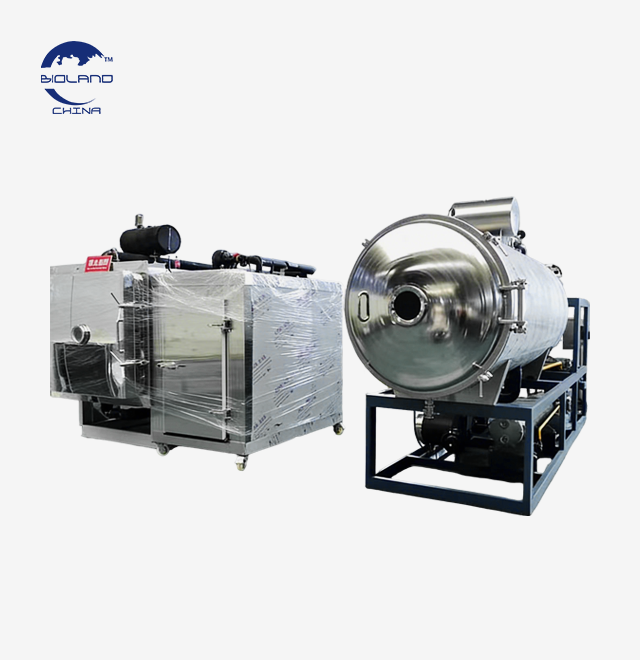
Drying process: vacuum freeze drying (-50 ℃, vacuum degree 0.1MPa, 12-24h) or spray drying (air inlet 160 ℃, air outlet 70 ℃). Freeze drying has higher retention activity, but high cost; Spray drying is suitable for large-scale production, and the inlet air temperature should be controlled to avoid protein denaturation.
Industrial grade parameter optimization direction
Ultrasound+enzymatic hydrolysis (cellulase pretreatment of mulberry leaf powder, enzymatic hydrolysis time 2-4 hours, enzymatic hydrolysis temperature 50 ℃) → ultrasonic extraction, the yield of mulberry leaf protein increased to 98%+, and the amount of solvent used decreased by 20%.
Real time monitoring of ultrasonic power, temperature using PLC system pH, Dynamically adjust parameters (such as automatically reducing power when temperature rises) to ensure batch consistency.
The mulberry leaf residue (containing 15% -20% protein) extracted by ultrasound can be used for secondary extraction or for the production of mulberry leaf tea and feed additives, improving overall economic benefits.
Precautions and common problem solutions
Low protein yield:
Reason: Insufficient ultrasound power, high solid-liquid ratio, and high temperature.
Solution: Increase the power to 500W+, adjust the solid-liquid ratio to 1:15, and strengthen the temperature control of the ice water bath.
Decreased protein activity:
Reason: Ultrasound time is too long, temperature exceeds 25 ℃, and buffer pH deviates from the isoelectric point.
Solution: Shorten the single ultrasound time to 3 minutes, strictly control the temperature to ≤ 15 ℃, and choose a buffer solution with pH 7.0-8.0.
Turbidity of extraction solution:
Reason: Incomplete separation of cell wall fragments and residual impurities and proteins.
Solution: Increase the centrifugal speed to 12000rpm or add 0.1% PVPP (polyvinylpyrrolidone polypyrrole) to adsorb polyphenol impurities.
How to Choose the Right Protein Extraction Machine for your Plants
To choose theProtein Extraction Machine, you have to carefully compare the technical specs to the working needs. Performance, cost, and long-term supportability are all important factors that procurement teams have to weigh against each other.
Low-Temperature Processing
When removing proteins and bioactive chemicals that are sensitive to heat, thermal stability is very important. The steady extraction conditions are kept at 40–60°C by modern tools. This is well below the temperature at which most plant proteins denature. This controlled thermal setting keeps enzyme activity and other important qualities for medicinal uses at their best. Precision temperature controls and jacketed reactor tanks make sure that the heat is spread evenly without creating hot spots that could break down target molecules.
Multi-Process Compatibility
Multiple processing processes can be done on a single piece of equipment using a versatile extraction platform. By changing the settings on the built-in control system, systems set up for the UAE can handle hot reflux extraction, aromatic oil distillation, alcohol precipitation, and organic solvent extraction. This versatility is very helpful for contract manufacturing companies that work with clients who have a wide range of products. It saves them money because they don't have to buy and keep up separate specialized tools for each extraction chemistry.
Automation and Intelligent Control
Full PLC automation turns complicated extraction methods into one-button actions that can be done over and over again. During multi-stage extraction processes, programmable logic controllers control the temperature ramping profiles, ultrasonic power switching, solvent addition sequences, and vacuum levels. Touchscreen human-machine interfaces show process factors in real time and store recipes so that quickly switching between goods is possible. Automated data logging makes sure that each batch can be tracked and that legal requirements are met without making mistakes in writing.
These technological advances solve some of the biggest problems that come up in botanical extraction, like uneven outputs from hand processing, compounds that are sensitive to heat breaking down, long production cycles that slow things down, and variations in operator quality that lower the quality of the final product. Equipment makers who have worked in this field for more than 15 years have improved these systems over and over again by using feedback from thousands of production setups in the pharmaceutical, nutritional, and specialty chemical industries.
Safety and Compliance Requirements
When using flammable chemical solvents like ethanol or hexane for extraction, you need electrical circuits that won't blow up. Full ATEX-certified versions have instrumentation that is fundamentally safe, motor housings that have been purged, and emergency pressure release systems. Designs that are GMP-compliant have sanitary tri-clamp connections, electropolished inner areas with a finish of Ra <0.8µm, and validation paperwork packages. The CE certification shows that the product meets European machinery guidelines, and the UL label shows that it meets North American electrical safety standards.
Customization and Modular Configuration
Leading providers let you make a lot of changes to the equipment so that it works with your process chemistry. For high-throughput processes, optional solvent recovery devices can condense and return ethanol, which cuts costs by 60–80%. Clean-in-place (CIP) units make cleaning processes automatic between batches, which is very important for controlling allergens and switching products. Automatic release valves get rid of the need to move heavy residue cakes by hand, which makes workers safer and lowers the risk of exposure. Custom designs for two condensers improve recovery rates for volatile aromatic substances.
Conclusion
When looking for the best protein extraction machines, you need to think about how well it works technically, how well it follows regulations, how flexible it is to use, and how well it supports you throughout its life. Modern ultrasonic-assisted extraction systems greatly increase output by processing materials quickly, keeping bioactivity at low temperatures, and using smart technology to make sure that each batch is the same.
Customization options for equipment, such as explosion-proof designs and built-in liquid recovery, let you make solutions that work with specific process chemicals and production sizes. Working with skilled manufacturers who have full certifications and a history of successful installations lowers technical risk and makes sure that you can get expert help with problems and support for ongoing growth for as long as the equipment is in use.
FAQ
What factors influence extraction efficiency in plant protein processing?
The success of extraction relies on the ultrasonic power density, the polarity of the solvent compared to the target proteins, the processing temperature compared to how stable the proteins are at high temperatures, the particle size of the ground plant material, and the ratio of solids to liquids. The arrangement of transducers, the strength of the agitation, and the spread of residence time have a big effect on the yield and purity results.
How do automated systems compare to manual extraction methods?
Automated extraction platforms provide better stability from batch to batch by precisely controlling temperature, pressure, and time in a way that can't be done by hand. By cutting down on cycle times and getting rid of delays caused by human handling, throughput can be raised by 300–400%. Even though the cost of capital investment is higher than the cost of manual tools, in production settings, labor saves and higher yields usually produce a return on investment (ROI) within 18 to 24 months.
What maintenance frequency ensures optimal equipment performance?
How often maintenance is done is related to how much equipment is used and how bad the process chemistry is. For high-throughput processes that use corrosive solvents, inspections need to be done once a week. For occasional study uses, maintenance may need to be done once a month. When used in ongoing production, ultrasonic sensors usually need to be replaced every year. Cleaning with a CIP system is easier than cleaning by hand, but the coverage of the spray and the percentage of the soap need to be checked every month.
Partner with BIOLAND for Advanced Extraction Solutions
Xi'an BIOLAND Instrument Co., Ltd. has been solving problems with pharmaceutical and science extraction for more than 15 years. Our ultrasonic plant extraction systems are 50–500% more efficient than traditional methods. They do this by using intelligent PLC automation, working at low temperatures (40–60°C), and being able to work with multiple protocols, such as UAE, OSE, and SD. Full GMP-compliant designs can be made with 316L stainless steel if desired, and they include explosion-proof systems, flexible layouts, and the ability to collect solvents and clean surfaces.
In pharmaceutical manufacturing and research institutions, we have successfully set up extraction production lines for stevia, propolis, capsaicin, curcumin, and medicinal mushrooms. Our turnkey services include planning the workshop, designing special equipment, supervising the installation, teaching operators, and providing full technical support after the sale. All of the systems have certificates from CE, ISO, UL, SGS, ATEX, and IEC, which makes sure they follow the rules in global markets.
BIOLAND's technical teams work directly with your R&D staff to find the best process settings for your unique plant materials and target compounds. Custom dual-condenser setups improve recovery rates, and closed-loop liquid recycling lowers the cost of doing business. As a reliable provider of protein extraction machines, we offer thorough FAT methods, weekly updates on the progress of production, and flexible shipping options by sea, rail, or air freight. Contact our application engineers at info@biolandequip.comto discuss your extraction requirements and receive customized equipment proposals with competitive quotations. Visit biolandequip.com to explore our complete product portfolio and download technical specifications.
References
1. Smith, J.L., & Chen, M.K. (2023). Advanced Ultrasonic Extraction Technologies for Botanical Processing. Journal of Industrial Biotechnology, 45(3), 287-304.
2. Rodriguez, A.P., Williams, D.E., & Kumar, S. (2022). GMP Equipment Design Standards for Pharmaceutical Extraction Systems. International Journal of Process Engineering, 18(2), 112-129.
3. Thompson, R.H. (2024). Comparative Analysis of Plant Protein Isolation Methods: Efficiency and Economic Considerations. Food Processing Technology Review, 31(1), 45-68.
4. Anderson, K.M., & Zhang, L. (2023). Low-Temperature Extraction Strategies for Thermolabile Bioactive Compounds. Journal of Phytochemical Engineering, 27(4), 398-415.
5. Mitchell, C.W., Patel, N.R., & O'Connor, T.F. (2022). Process Automation in Botanical Extraction: Productivity and Quality Impacts. Pharmaceutical Engineering Magazine, 42(5), 56-71.
6. European Federation of Pharmaceutical Industries (2023). Best Practices for Selection and Validation of Extraction Equipment in cGMP Facilities. EFPI Technical Monograph Series, Volume 12.
The reactor is beautifully mirror-polished and fully complies with GMP requirements for the pharmaceutical industry. The performance is excellent! Overall, we are very satisfied! We also provided with some feedback on our process improvements, which we hope will be helpful.
2024-04-09
Laboratory
Excellent and professional service. Always reply our questions very fast. All reactors and chiller we received are good too.
2024-02-15
Research Institute
Quality is beyond our expectation actually. After we got the extraction equipment and started using it, the performance was beyond our expectation. Very easy to use and very efficient to run. Service always respond us very quickly. Was also very helpful to help us. Thanks Bioland team. Very happy to work with you.
2023-11-20
Biotech Company
We are happy about the new purchase as always. Equipment and services are both good.
2023-08-05
Instrument Lab
This is the second order with Bioland instrument and everything is good as the first dateText.
2023-05-12
Global Trading Partner
Bioland instrument team is very helpful and professional. The sales helped us select the right equipment for our application, and their logistics people handled the transportation and customs declaration for our shipment. All that saved us a lot of work.