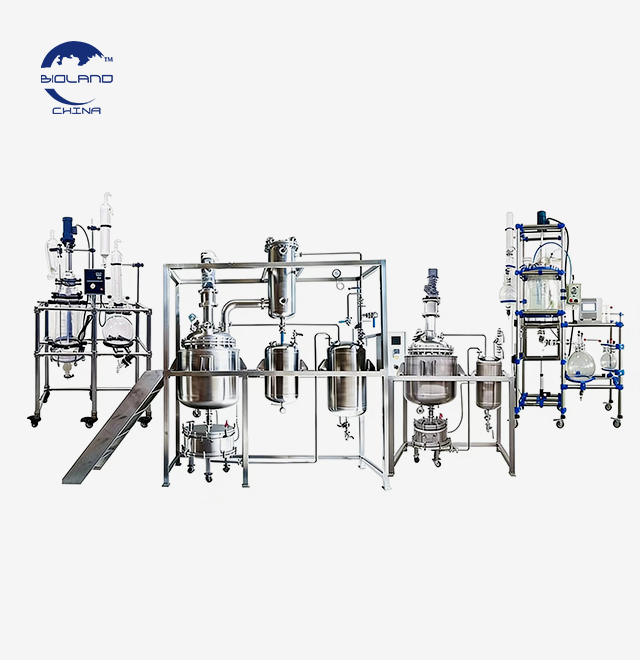
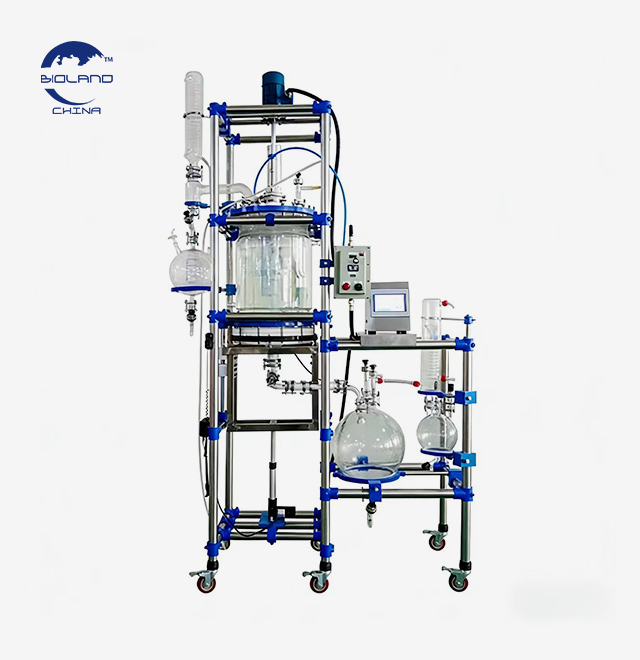
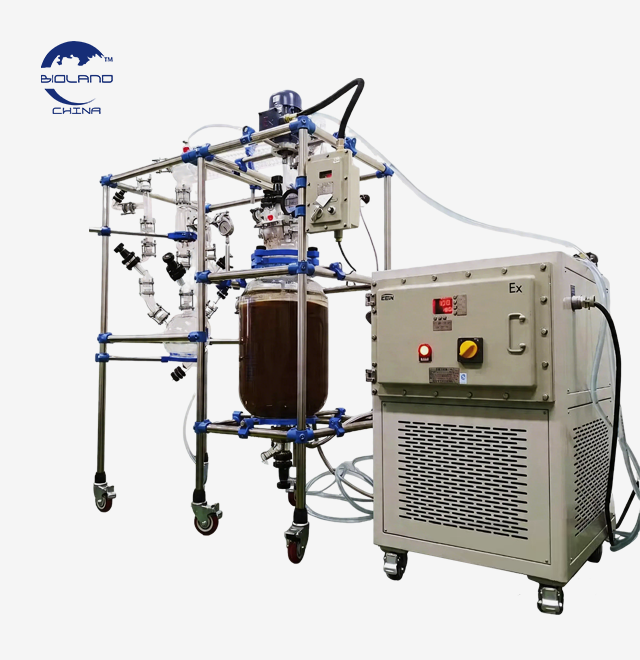
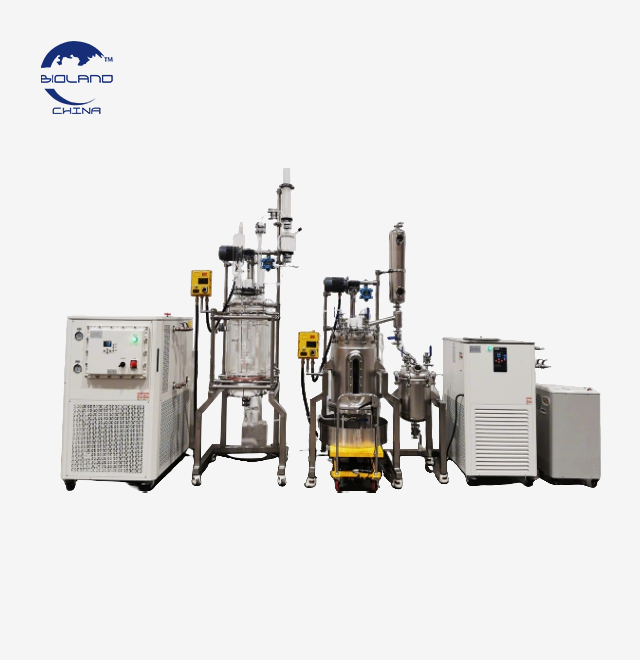
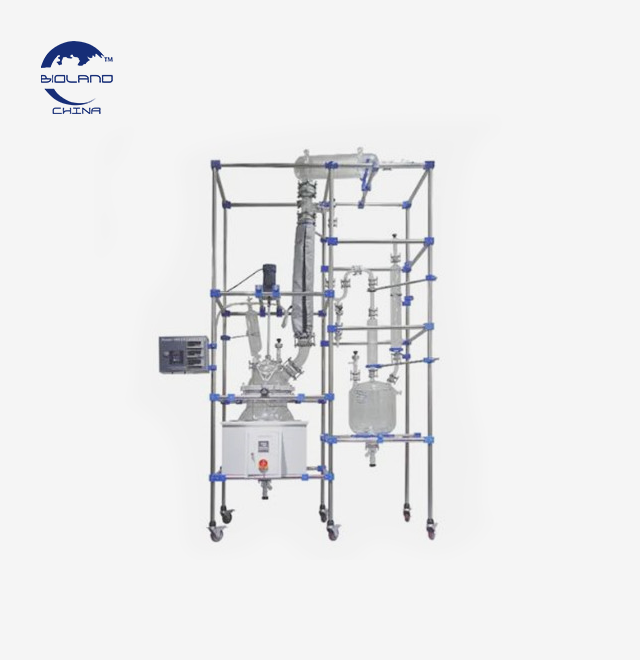
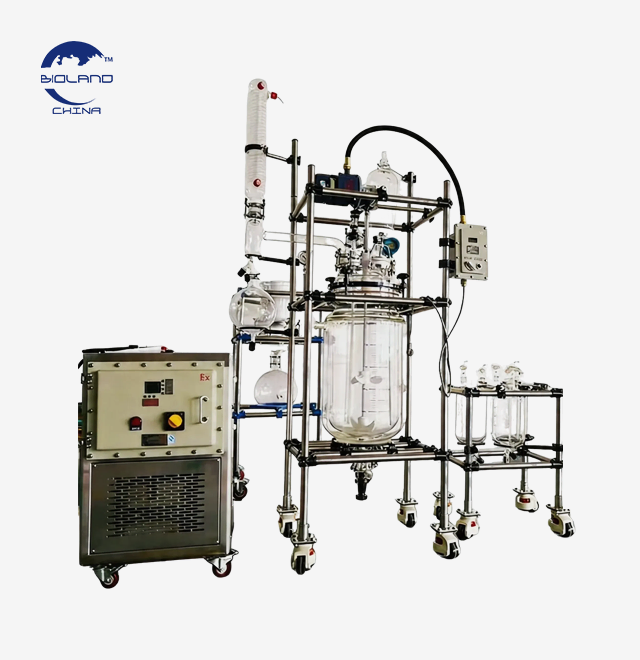
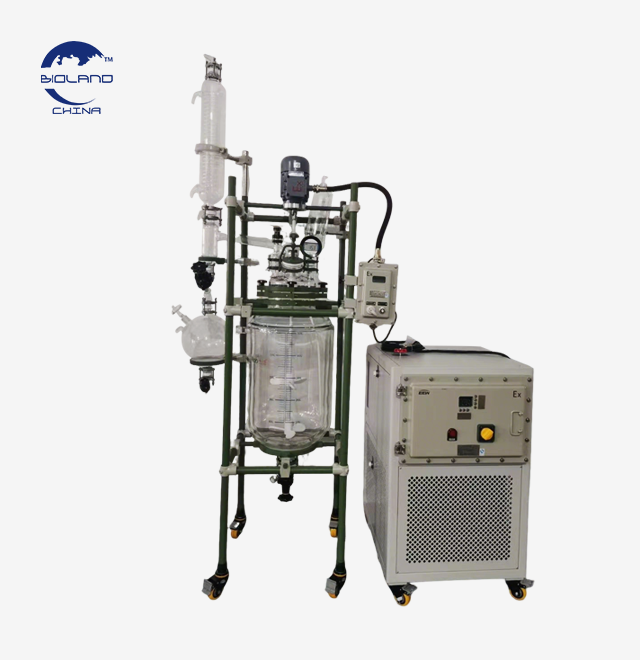
High-intensity sound waves with frequencies between 20 kHz and 100 kHz are used in ultrasound assisted solvent extraction, which is the main idea behind UT (Ultrasonic Technology) in extraction processes. These waves cause acoustic cavitation, which is the quick formation, growth, and sudden collapse of very small bubbles in the liquid. When these bubbles pop, they create strong shear forces, micro-jets, and shock waves that break down plant cell walls and biological matrices mechanically. This greatly improves the rate of solvent penetration and mass transfer while protecting heat-sensitive bioactive compounds.
Comprehending the Basic Principle of Ultrasound Assisted Solvent Extraction
Using electricity to make mechanical movements is what ultrasonic extraction technology is based on. Ultrasonic transducers send sound waves through a liquid that has plant matter or living samples in it. The high-pressure and low-pressure cycles make millions of tiny cavitation bubbles. This event changes the way solvents interact with solid structures in a basic way.
The Role of Acoustic Cavitation in Extraction
Ultrasonic extraction works so well because of a process called acoustic cavitation. Gases that have been dissolved make tiny bubbles during the rarefaction part of the ultrasonic wave. Over several acoustic cycles, these bubbles get bigger until they hit an unsafe size. During the compression phase, they burst into a million pieces. Localized temperatures above 5,000°C and pressures above 1,000 atmospheres are caused by the collapse, but only for a very short time. Extreme temperatures and pressures cause strong mechanical effects that break down cell walls without heating up chemicals that are sensitive to heat, such as flavonoids, alkaloids, or essential oils.
Key Factors Affecting the Performance of Extraction
The results of ultrasound assisted solvent extraction depend on a number of important factors. For commercial use, ultrasonic frequencies are usually between 20 and 50 kHz. Lower frequencies make cavitation bubbles bigger and mechanical effects stronger. The amount of cavitation is directly related to the amount of power, which is measured in watts per square centimeter. Controlling the temperature is still important because too much heat can break down target chemicals.
To choose the right solvent, you have to make sure that its polarity matches the chemicals you want to extract. The extraction process usually only takes 24 to 40 minutes, compared to hours or days with other methods. The way these factors affect each other lets workers get the best extraction results for certain materials and compounds. When procurement teams understand this relationship, they can correctly list the tools they need, and process engineers can make sure that all of the production batches produce the same high-quality results.
How Ultrasound Assisted Solvent Extraction Works: Mechanism and Process Steps
The retrieval process uses both physical damage and better mass transfer. As ultrasonic waves move through the mixture of liquid and material, they make zones of alternating compression and expansion that move the cavitation process along.
Cavitation Bubble Dynamics and Mass Transfer Enhancement
A cavitation bubble has a life cycle that lasts for milliseconds. Nucleation starts in tiny areas of gas or impurities in the liquid. The internal gas pressure rises as the bubble gets bigger until the bubble can't hold its shape any longer. The next implosion causes uneven failure near solid surfaces, making high-speed micro-jets that cut cell walls like tiny needles. This mechanical action lets the solvent directly reach the contents inside the cells, getting rid of the hurdles that stop diffusion in other extraction methods.
Acoustic streaming does more than just damage the machinery directly; it also causes turbulent microcurrents that move through the extraction tube. These currents keep the solvent from getting too saturated at the material contact and keep the liquid boundary layer fresh. This keeps the concentration differences at their highest level, which speeds up the diffusion of solutes.
Step-by-Step Process Flow
Usually, the first step in an industrial extraction cycle is to prepare the material by grinding or sizing plant matter so that the particles are the right size, which is usually between 2 and 10 mm. The chosen solvent is added to the material in the extraction tank at a set ratio, which is usually between 1:5 and 1:15 by weight of material to solvent. Setting the volume and frequency of ultrasonic waves is the first step in the production process. Monitoring the temperature keeps the ideal temperature range, which is usually 40°C to 60°C for plant products. Filtration or centrifugation are used to separate the solids from the liquids after the extraction time is over. The extracted substance goes on to be concentrated and cleaned, and the used liquid is often able to be retrieved and used again.
Advantages Over Traditional Extraction Methods: Why Choose UASE?
Pharmaceutical, food, and biotechnology companies today are under more and more pressure to be more efficient while also having less of an effect on the earth. Ultrasound assisted solvent extraction technology solves these problems directly, offering many useful functions.
Enhanced Efficiency and Reduced Processing Time
The main things that traditional extraction processes depend on to get good results are heat and time. Soxhlet extraction can take anywhere from 6 to 48 hours per batch, which uses a lot of energy and limits the capacity of the equipment. Ultrasonic extraction gets the same or better results in 24 to 40 minutes, which is more than 200 to 300 times less time than traditional extraction. These huge improvements directly lead to higher production capacity without having to spend money on extra ships or buildings.
The gains in efficiency go beyond speed. Studies show that this method regularly increases yields by 50–100% compared to traditional methods. This is especially true for high-value chemicals like cannabinoids, artemisinin, and curcumin. These gains come from better solvent penetration into complex materials and more full cell disruption.
Economic and Environmental Benefits
The amount of solvent used is a big cost and environmental issue in extraction processes. Most of the time, acoustic methods cut the amount of liquid used by 30 to 50 percent while still getting better extraction results. This cut reduces the cost of both raw materials and getting rid of waste. When working times are cut down, energy use goes down proportionally, especially when compared to the long heating times needed by older methods.
The technology helps green chemistry efforts because it works with fluids that are good for the earth, like ethanol, glycerol, and sometimes even water. Lower working temperatures protect thermolabile compounds while lowering energy use. This makes production more sustainable, which meets government standards and company environmental goals.
Comparative Performance Against Emerging Technologies
When compared to other modern extraction methods, ultrasound technology has clear benefits. Supercritical fluid extraction gets great results, but it costs a lot of money and needs complicated pressure tanks that can handle harsh circumstances. Microwave-assisted extraction heats things up quickly, but in large-scale processes, it can cause damage from the heat and make the energy spread uneven. It is possible for a wider range of makers to use ultrasonic devices because they have similar performance but much lower initial and ongoing costs.
Selecting Ultrasound Assisted Solvent Extraction Equipment for Industrial Use
To pick the right tools, you need to carefully look at the technical specs, the needs for growth, and the supplier's abilities. If you choose the right method, it will be a benefit to your production for a long time and give you a good return on your investment.
Critical Equipment Specifications
The main feature is the power level, which usually ranges from 500W for lab units to 3000W or more for industrial production systems. More power lets you process bigger amounts of material while keeping the cavitation strength right throughout the vessel. Choosing the right frequency relies on the job. Lower frequencies (20–25 kHz) have stronger mechanical effects that work well with tough plant materials, while higher frequencies (40–50 kHz) are better for treating delicate chemicals with more care.
Choosing between batch and continuous flow processing modes has a big effect on how work gets done. Batch systems can handle a variety of goods and smaller amounts, while continuous systems are best for dedicated production lines that work with regular materials and need to get the most work done.
Material building quality has a direct effect on how long a product lasts and how safe it is. When working with acidic solvents or aggressive chemicals, contact parts made of 316 stainless steel prevent rust better than other materials. Pharmaceutical and food-grade uses must meet strict regulatory standards, and GMP-compliant building makes sure of that. When working with dangerous organic solvents, you need to use explosion-proof setups that meet ATEX or similar standards.
Evaluating Supplier Capabilities and Support
In addition to the specifications of ultrasound assisted solvent extraction equipment, the choice of supplier has a huge impact on long-term business success. Manufacturers with 15+ years experience bring deep application knowledge and problem-solving expertise. Comprehensive after-sales support—installation verification, operator training, and rapid technical assistance—minimizes downtime and ensures optimal equipment performance.
Customization options are worth giving serious thought to. Standardized tools might not perfectly fit the needs of a specific process. When a supplier offers OEM/ODM services, they can design solutions with dual condenser configurations for better recovery, combined PLC automation for smooth operation, or flexible additions like CIP cleaning systems and automatic discharge mechanisms. Companies like BIOLAND show this all-around approach by offering turnkey services that include planning the workshop, choosing the right tools, helping with the start-up process, and providing ongoing expert support.
Return on Investment Considerations
The cost of buying equipment is only one part of the total cost of ownership. Long-term economics are affected by operating costs like the amount of energy used, the solvents used, the need for upkeep, and the number of hours worked. High-efficiency extraction methods lower the cost of each batch by working them faster, using less solvent, and getting better results. If a system can increase yields by 50–100% compared to traditional methods, the initial investment can be recovered within months just by saving money on raw materials. This is especially true when preparing high-value botanical chemicals.
Case studies of production show how ROI works in real life. Plants that get stevia, propolis, curcumin, and other nutrients say that current ultrasonic systems pay for themselves in 12 to 24 months when they replace old extraction batteries. This is a strong economic case that makes buying managers and financial controllers happy because it leads to higher throughput, lower running costs, and better product quality.
Safety and Environmental Considerations in Ultrasound Assisted Solvent Extraction
When using modern extraction technology, it's important to keep workers safe and take care of the environment. Following the right procedures will keep employees safe, make sure that regulations are followed, and help companies keep their environmental promises.
Operational Safety Protocols
No matter what extraction technology is used—includingultrasound assisted solvent extraction—handling solvents requires extensive safety precautions. Ultrasonic systems add extra things to think about when operating tools. Operators need to learn the right way to set the amplitude, sensor plunge depth, and emergency stop methods. When working with flammable solvents, you have to use equipment that is explosion-proof and rated for the right dangerous area ratings. Full explosion-proof designs, such as sealed motors, fundamentally safe controls, and grounded vessels, keep spark sources out of environments that could explode.
Personal protected equipment that is right for the liquid, like chemical-resistant gloves, safety glasses, and enough air flow, is still very important. Modern PLC-controlled systems reduce the need for direct human input during processing, which lowers exposure risks and improves process accuracy.
Environmental Impact Reduction
The mining business is getting more and more attention for its impact on the environment. There are several ways that acoustic extraction technology helps reach environmental goals. Using a lot less solvents directly leads to less harmful trash being made. Less energy is used when working times are cut down and operation temperatures are lowered. When ultrasonic extraction lines are combined with solvent recovery systems that work well, 90 to 95% of the process solvents can be reused. This cuts down on the cost of raw materials and the amount of waste that needs to be thrown away.
Compliance with environmental laws, such as EPA standards in the US and similar rules in other countries, becomes easier to achieve. Equipment made to GMP/FDA standards has features like closed-loop processes, designs with minimal emissions, and the ability to keep detailed records that are needed for regulatory checks. Companies that use these methods show they care about the environment, which boosts their brand's image and meets customers' growing demands for sustainable sources.
Conclusion
The use ofultrasound assisted solvent extraction technology has completely changed how manufacturers obtain valuable chemicals from plants and biological materials. Acoustic cavitation works by controlled bubble implosion to create strong mechanical forces that are much better at extraction than standard ways. The pharmaceutical, nutraceutical, food, and skincare industries all find it very valuable because it cuts down on processing time, lowers the amount of solvent used, improves results, and protects the purity of the chemical.
To choose the right tools, you need to look at technical specs, the knowledge of the supplier, and the long-term costs of running the business. Modern systems that are GMP-compliant, can be automated, can be customized, and come with full support give solid results that make the investment worthwhile through a measured return on investment (ROI) and quality and efficiency benefits over competitors.
FAQ
What solvents work best with ultrasound assisted solvent extraction?
The choice of solvent depends on the polarity of the target chemical and the properties of the material. Ethanol is still the best solvent for plant extracts because it can successfully remove both polar and moderately nonpolar compounds while still being safe for food use. Water works well with highly polar chemicals and doesn't cost as much as organic solvents. When it comes to lipophilic substances, hexane or ethyl acetate work well.
Can ultrasonic systems scale from laboratory to full production?
One big benefit of sound extraction is that it can be scaled up or down. Lab tools that handle 500mL to 2L make sure that the extraction settings are correct and that the conditions are ideal. For process development, pilot units can handle amounts of 10 to 50 liters. Industrial machinery can handle hundreds of liters of fluid per batch or can work in constant flow mode to get the most work done.
How does ultrasonic extraction compare with supercritical CO2 systems?
Both methods produce high-quality extracts, but they are very different in how much they cost and what kinds of things they can be used for. Supercritical CO2 systems need a lot of money ($200,000 to $2,000,000 or more) and complicated high-pressure tanks. Ultrasonic systems are much cheaper ($15,000 to $150,000, based on size) and easier to use and keep up. CO2 extraction works best for goods that don't need any solvents at all, while ultrasonic methods let you choose the liquid and the type of material more easily.
Partner with BIOLAND for Advanced Extraction Solutions
BIOLAND INSTRUMENT has more than 15 years of specialized experience as a trusted ultrasound assisted solvent extractionsupplier, providing custom extraction systems that meet the complex needs of pharmaceutical, nutraceutical, and botanical processes. The ultrasonic extraction tools we use is 50–100% more efficient than old-fashioned ways, and it only takes 24–40 minutes per batch to process. There are many certificates for each system, such as CE, ISO, UL, SGS, ATEX, and IEC. These make sure that the systems meet the highest quality and safety standards around the world.
Our engineering team can do both OEM and ODM work, which means they can create extraction systems that are perfect for your process. We offer turnkey installations that include planning the workshop, setting up the equipment, training the operators, and ongoing technical support. Whether you need dual condenser configurations for maximum solvent recovery, explosion-proof systems for processing organic solvents, or integrated PLC automation for consistent production, we can do it all. Successful systems that process stevia, propolis, curcumin, and many other valuable chemicals show that we are skilled at using our practical knowledge in a wide range of situations. Get in touch with us at info@biolandequip.com to talk about how our unique extraction methods can help you make more products and make them better.
References
1. Chemat, F., Rombaut, N., Meullemiestre, A., et al. (2017). "Ultrasound Assisted Extraction of Food and Natural Products: Mechanisms, Techniques, Combinations, Protocols and Applications." Ultrasonics Sonochemistry, 34, 540-560.
2. Vilkhu, K., Mawson, R., Simons, L., & Bates, D. (2008). "Applications and Opportunities for Ultrasound Assisted Extraction in the Food Industry—A Review." Innovative Food Science & Emerging Technologies, 9(2), 161-169.
3. Tiwari, B. K. (2015). "Ultrasound: A Clean, Green Extraction Technology for Nutraceuticals and Functional Foods." Functional Foods: Principles and Technology, Cambridge: Woodhead Publishing, 357-375.
4. Paniwnyk, L. (2017). "Applications of Ultrasound in Processing of Liquid Foods: A Review." Ultrasonics Sonochemistry, 38, 794-806.
5. Esclapez, M. D., García-Pérez, J. V., Mulet, A., & Cárcel, J. A. (2011). "Ultrasound-Assisted Extraction of Natural Products." Food Engineering Reviews, 3(2), 108-120.
6. Mason, T. J., Paniwnyk, L., & Lorimer, J. P. (1996). "The Uses of Ultrasound in Food Technology." Ultrasonics Sonochemistry, 3(3), S253-S260.
The reactor is beautifully mirror-polished and fully complies with GMP requirements for the pharmaceutical industry. The performance is excellent! Overall, we are very satisfied! We also provided with some feedback on our process improvements, which we hope will be helpful.
2024-04-09
Laboratory
Excellent and professional service. Always reply our questions very fast. All reactors and chiller we received are good too.
2024-02-15
Research Institute
Quality is beyond our expectation actually. After we got the extraction equipment and started using it, the performance was beyond our expectation. Very easy to use and very efficient to run. Service always respond us very quickly. Was also very helpful to help us. Thanks Bioland team. Very happy to work with you.
2023-11-20
Biotech Company
We are happy about the new purchase as always. Equipment and services are both good.
2023-08-05
Instrument Lab
This is the second order with Bioland instrument and everything is good as the first dateText.
2023-05-12
Global Trading Partner
Bioland instrument team is very helpful and professional. The sales helped us select the right equipment for our application, and their logistics people handled the transportation and customs declaration for our shipment. All that saved us a lot of work.