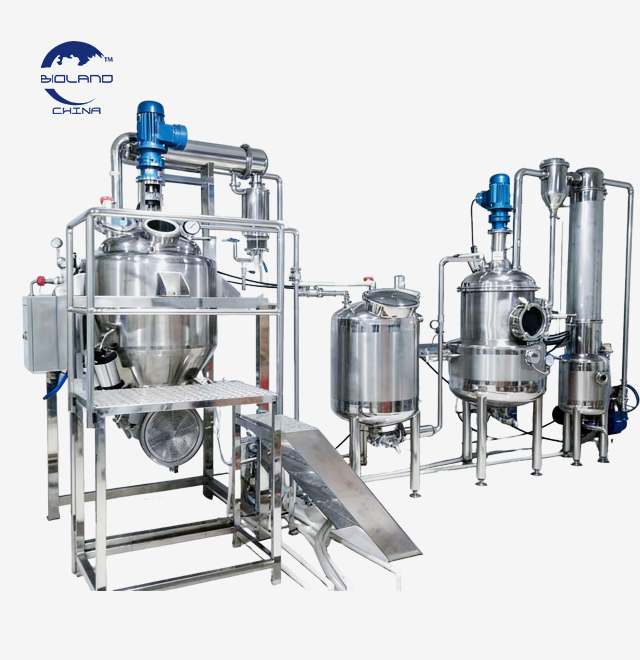
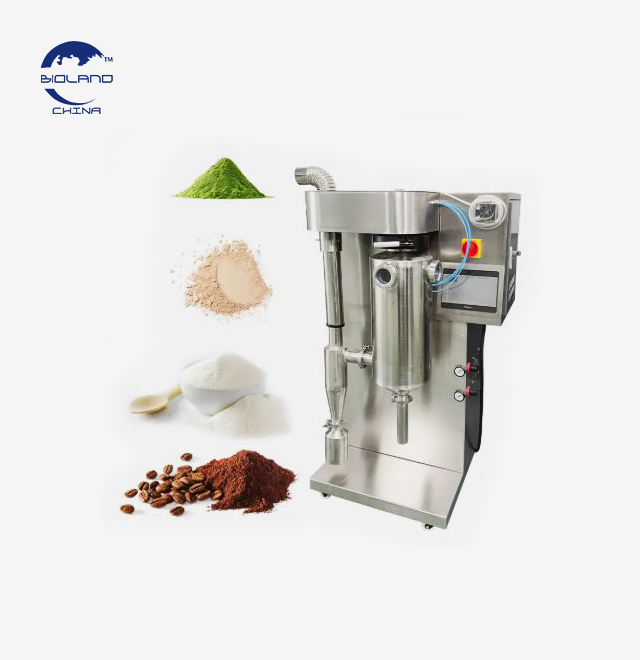
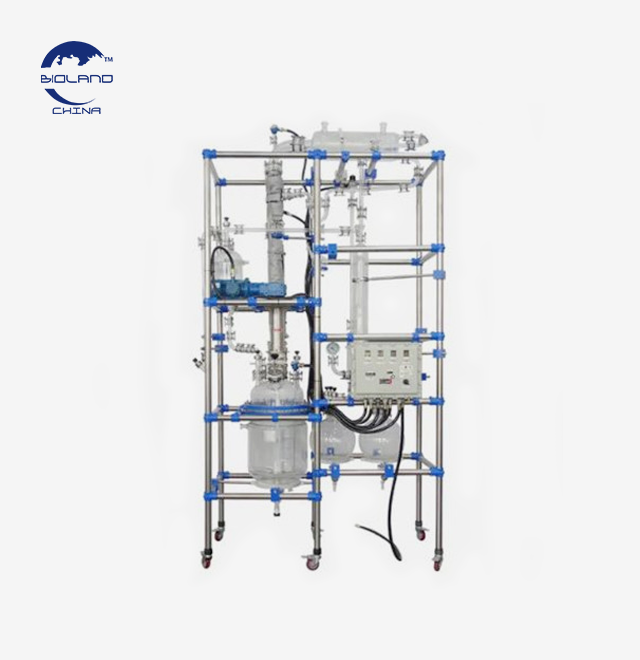
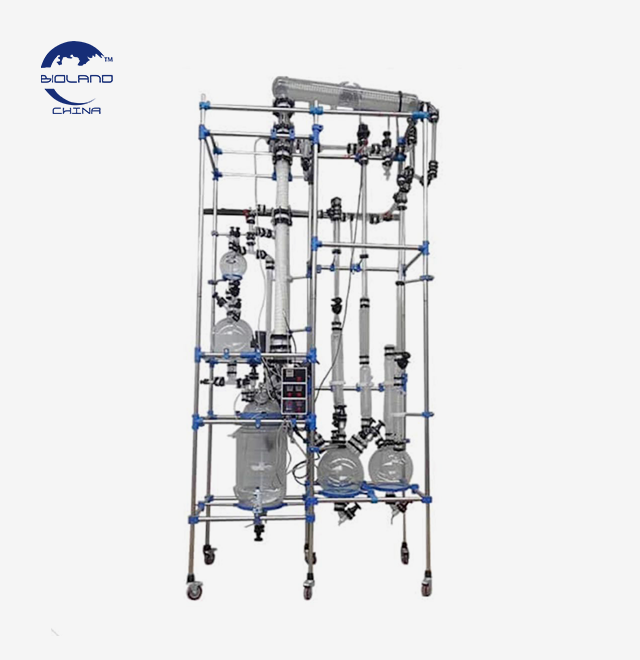
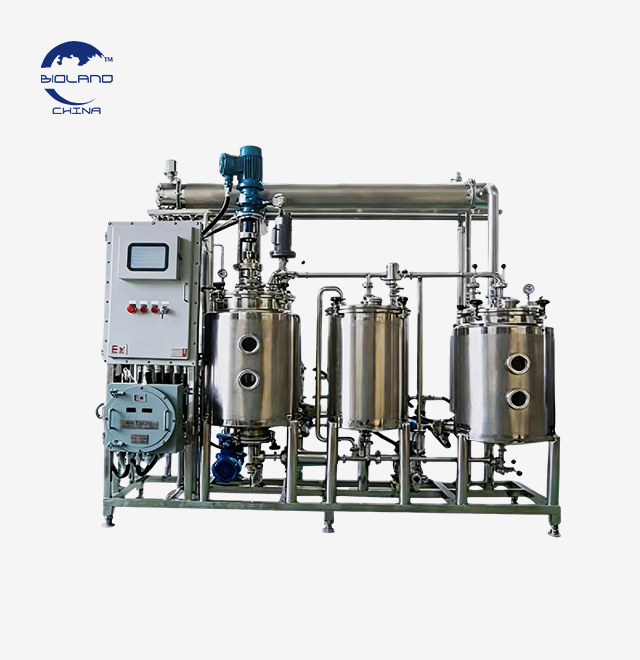
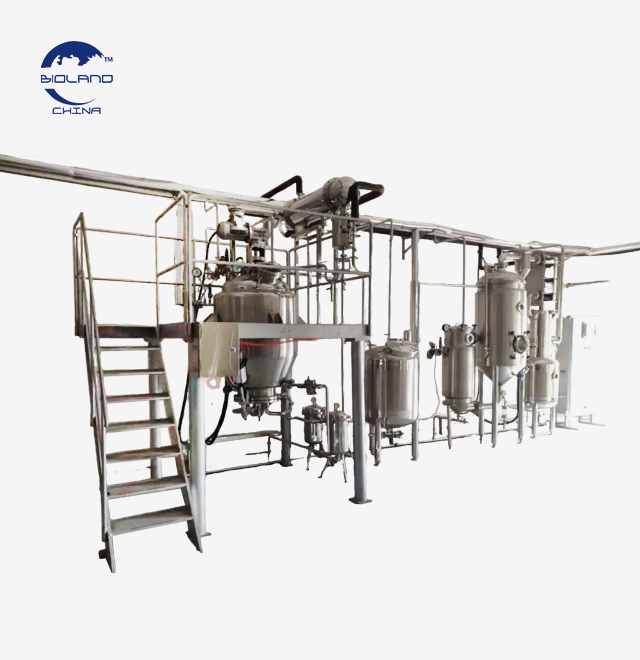
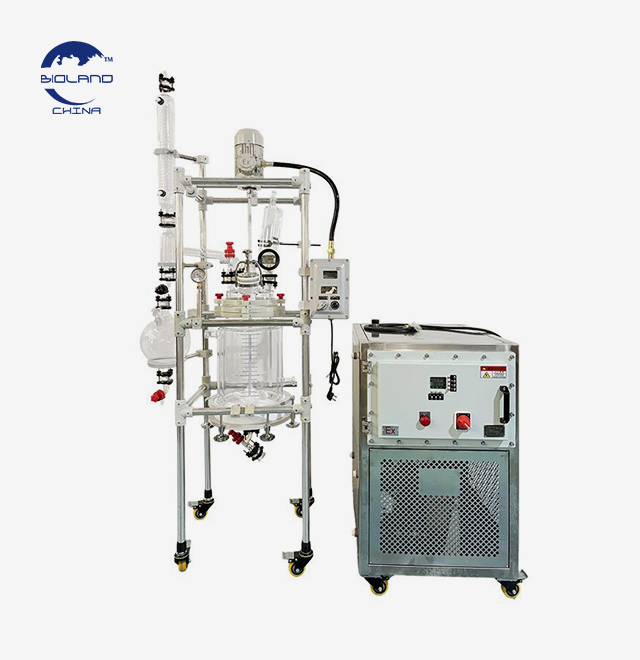
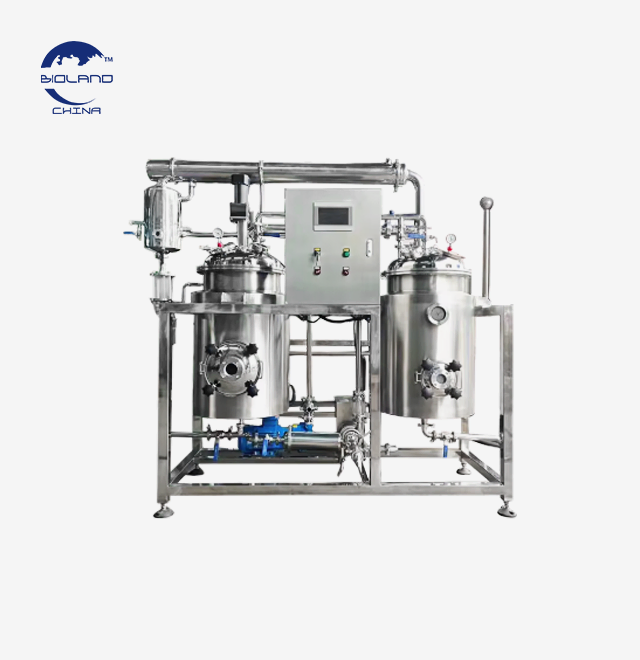
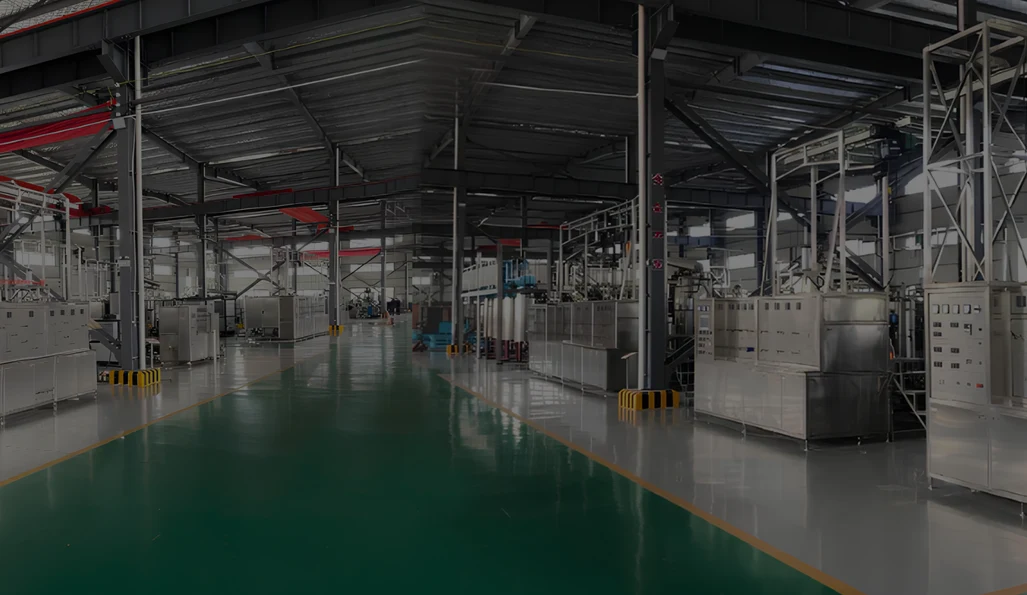
People who need to make decisions about the best portabletea extraction equipmentfor events should look for systems that offer ultrasonic-assisted extraction technology, automated control interfaces, and modular scalability. Modern event-specific tea extraction equipment is 50–500% more efficient than traditional methods and can keep the temperature stable between 40°C and 60°C, which is the best way to keep bioactive chemicals like EGCG and flavor profiles. Full extraction processes take 24 to 40 minutes on these systems, which makes them perfect for high-throughput events that need uniform beverage quality.
Understanding Portable Tea Extraction Equipment for Events
Portable tea extraction equipment represents a big change from the way brewing has been done in the past. These special tools take beneficial compounds out of tea leaves using carefully controlled thermodynamic processes. They do this by extracting the compounds with water or a solvent under controlled temperature and pressure. Professional extraction systems, unlike simple brewing pots, control the flow of fluids and the transfer of heat to get the most compounds back while keeping taste molecules that are still fragile.
What Makes Modern Extraction Systems Different
The technology solves some of the most important problems that come up when serving for big events. Traditional steeping methods have problems with extraction rates that aren't always accurate, polyphenols that are sensitive to heat breaking down, and oxidation that causes unwanted sediment to form. Modern ultrasonic tea extraction equipment gets around these problems with cavitation effects that improve mass transfer. This lets the equipment work at lower temperatures without lowering the yield. This keeps chemicals that are sensitive to temperature, like L-theanine, safe while also making the end drink clearer.
Core Functional Components
Professional systems use a lot of different technologies together. Through PID algorithms and heat exchanges, temperature control units keep the accuracy to within ±1°C. Ultrasonic sensors with a frequency range of 20 to 40 kHz create acoustic cavitation, which breaks down cell walls and releases chemicals inside cells more effectively than thermal energy alone. Automated PLC (Programmable Logic Controller) systems control different factors, like the amount of liquid to feed, the speed of the churning, and the stay time, using pre-programmed recipes. HMI (Human-Machine Interface) touchscreens let you see the progress of the extraction in real time, as well as the temperature profiles and group logs that help you track the quality of the product.
Key Types of Portable Tea Extraction Equipment Suitable for Events
Criteria for selection rely on the size of the event, the amount of drinks needed, and the limitations of the operation. Knowing the types of tea extraction equipment that are available helps procurement teams match up expert skills with specific needs.
Manual and Semi-Automatic Extractors
Smaller parties with 50 to 200 guests can use manual portable tea extraction equipment. These units have simpler settings that let you change the temperature analogically and run on a timer. Operators put in tea leaves and liquid by hand and use sight glasses to watch the process. Even though these systems are cheap and don't need much power, the results are very dependent on how skilled the person is.
Programmable temperature ranges and automatic agitation systems are added to semi-automatic types. These units can handle batches of 10 to 50 liters, which makes them good for trade shows and medium-sized business events. They require less work from the user while still being adaptable to different types of tea. Built-in pumps make it easier to move and empty solvents, which speeds up work when multiple batches are being done at once.
Fully Automatic Extraction Systems
Fully automatic extraction lines are helpful for events with more than 500 people. These systems can do full extraction processes with little help from a person. They have automated feeding of materials, multiple stages of extraction with counter-current flow, built-in filtration, and automated CIP (Clean-in-Place) routines. PLC automation gets rid of mistakes made by hand by following pre-programmed recipes for green, black, or oolong tea and changing factors to fit the properties of the materials. Depending on the setup, the throughput can be anywhere from 100 to 500 liters per hour.
Advanced units can use more than one extraction method on the same base. Ultrasonic-Assisted Extraction (UAE) uses sound waves to speed up the release of compounds. For strong black tea grounds, hot reflux extraction gives the best output. Aromatic oil recovery units take out volatile chemicals that are normally lost during thermal processing and add them back in after extraction to improve the quality of the smell and taste. OSE (Organic Solvent Extraction) setups allow the production of strong extracts that can be used to re-mix drinks at service points.
Specialty Compact Units for Pop-Up Events
Mobile food businesses and pop-up tea bars need small, light tea extraction equipment that puts portability over maximum output. These specialized units are less than 50 kg, have wheels or carrying handles built in, and work with normal 110V–220V power sources. Even though they can only hold 5 to 20 liters per batch, they still do the basics well, like keeping the temperature just right and setting up automatic extraction processes. For event plans that take place in more than one place, quick-connect fittings make setup and takedown very quick.
How to Choose the Best Portable Tea Extraction Equipment for Your Event
To make choices about purchases, you need to carefully look at a lot of different technical and practical factors. From working with event planners and beverage makers all over North America, we've learned a few important things that make a difference in the decision process regarding tea extraction equipment.
Defining Precise Event Requirements
When figuring out volume capacity, you should use peak service times instead of normal demand. If each guest drinks 300–400ml of tea, a business meeting with 1,000 people lasting six hours might need 300–400 liters of tea. This needs an extraction capacity of 60 to 80 liters per hour, taking into account the time it takes to extract and the need to keep the temperature stable. During the RFQ process, procurement teams should be clear about how much output they need so that sellers can suggest equipment that is the right size.
Considerations for portability go beyond weight. The size of the equipment's footprint affects the room available for setup in temporary venues, and the height of the equipment needs to be able to fit through normal doors and service lifts. Separating extraction tanks from control units in modular designs makes them easier to move and gives you more options for where to put them in event areas. Units with leveling feet and caster wheels make it easier to place and stabilize them on surfaces that aren't flat, like those found outside.
Comparative Analysis of Leading Technologies
When looking at the specs of a piece of equipment, extraction efficiency numbers give you a way to measure how well it works. Systems that give 50–500% more return than standard steeping lower the cost of raw materials by the same amount. When extraction processes are finished in 24 to 40 minutes, there is higher batch turnover during busy service times. The level of service and running costs are directly affected by these skills.
Bioactives that are damaged by heat can be extracted at low temperatures. Keeping equipment running at stable temperatures between 40°C and 60°C shields catechins from thermal breakdown and makes them very easy to dissolve. This temperature range keeps the bitter notes that come from tannins that are cooked too much at bay, giving better taste profiles than ways that use boiling water.
Energy Efficiency and Safety Compliance
Both operating prices and environmental sustainability goals are affected by how much energy is used. When compared to traditional heating methods, ultrasonic-assisted extraction cuts processing time by two-thirds, which means less energy is used per liter of extract. Insulated tank walls keep heat in and variable-frequency drives on pumps and agitators keep extra power use to a minimum when the system is not working.
Safety approval makes sure that rules about electricity, pressure vessels, and food touch are followed. If something has a CE mark on it, it means it meets European safety standards that apply to all goods shipped around the world. UL approval shows that the product meets U.S. safety standards for electrical equipment. Explosion-proof designs that meet ATEX or NEC Class 1 Division 1 standards must be used in places that process flammable solvents like ethanol. These designs must include naturally safe instruments and purged enclosures.
Pressure tanks that are certified by ASME Section VIII are guaranteed to be structurally sound while they are in use, saving people from the dangers of rupture. Good Manufacturing Practice (GMP) design principles require clean building, material traceability, and validation support. This is very important for beverage companies that want to sell to health-conscious customers or go into store distribution.
Maintenance and Operational Tips for Portable Tea Extraction Equipment
Follow regular repair procedures to make sure that tea extraction equipment lasts as long as possible and that the quality of the drinks stays the same from one event to the next. Our expert service data from installations in the food and pharmaceutical businesses shows how things usually go wrong and how to stop them.
Routine Cleaning and Troubleshooting
Cleaning after an event gets rid of the tea polyphenol crystals that form on the walls of vessels and the surfaces that carry heat. If you don't get rid of these leftovers right away, they will lower the thermal performance and allow microbes to grow. This process is done automatically by CIP devices, which use a series of caustic wash cycles (usually 1.5% sodium hydroxide at 75°C), acid neutralization, and clean water rinses. Automatic spray balls make sure that the whole surface is covered, so you don't have to scrub it by hand.
Equipment that doesn't have built-in CIP has to be taken apart by hand in order to be cleaned. Using non-abrasive brushes and approved food-grade detergents, operators should take off the seals and check the closing surfaces for tea stains. To keep the piezoelectric crystals from breaking, ultrasonic transducers need to be cleaned carefully. Never use metal scrapers on the sides of transducers.
Compliance and Safety Protocols
Before an event, the pressure release valve, electrical ground connection, and emergency stop button should all be checked to make sure they work. Operators need to be taught about the risks of heat burns from hot surfaces and how to handle extraction solutions properly. When using ethanol-based extraction, you need to make sure there is enough air flow and that the electrical systems are safe from explosions so that static electricity or electrical arcing doesn't start a fire.
As part of the documentation standards, batch records must log extraction parameters, cleaning must be confirmed using ATP bioluminescence tests, and preventive maintenance schedules must track when parts need to be replaced. These records show that the rules were followed and make it possible to find out what went wrong if there are quality problems.
Leveraging Automation for Consistency
PLC-controlled systems get rid of the chance for human error in important process factors. When you handle recipes, you can save the best settings for each type of tea. For example, black tea needs 90–95°C for 40 minutes, while green tea needs 70–80°C for 30 minutes. The operators only need to choose the right recipe, and the controller will follow the set of instructions.
Predictive maintenance is possible with smart tracking through linked sensors. Vibration study of pump bearings finds early signs of wear before they break completely. With temperature trends, you can find fouling on heat exchangers before they lose a lot of performance. These features cut down on unplanned downtime during times of important events.
Future Trends and Innovations in Portable Tea Extraction Equipment
Digitalization and efforts to be more environmentally friendly are continuing to change the tea extraction equipmentindustry. Forward-thinking methods for buying things should take these new skills into account when choosing things that will last 10 to 15 years.
IoT Integration and Smart Automation
The next wave of extractors have Internet of Things (IoT) connectivity, which lets you watch and control them from afar. Cloud-based tools let event managers keep an eye on the progress of extraction from their phones, and they get alerts when batches finish or something goes wrong. Predictive analytics look at current batch factors and compare them to past data. If there are any differences, they flag them as problems that could lower the quality before the users can notice them.
Integration with tools for managing events makes planning the service of drinks easier. Automatic batch finish messages are sent to service staff by extraction systems. This improves the flow of work between the production and serving areas. Inventory management tools keep track of how much tea is used and predict when it needs to be reordered based on when events are happening.
Eco-Friendly Materials and Energy Efficiency
Pressures to be more environmentally friendly push people to use tools that reduce trash and integrate renewable energy. Newer models have heat recovery systems that use the heat from the cooling processes to warm up the solvent that is going in. This cuts the total amount of energy used by 20–30%. Solar panel compatibility allows off-grid operation for outdoor events, eliminating generator noise and emissions.
Solvent recovery units take in ethanol or other organic solvents that are used in extraction processes and reuse them. Distillation columns separate solvents from molecules that have been separated, which lets them be used more than 95% of the time. This cuts down on the cost of getting rid of waste and the damage it does to the earth while also lowering the cost of running each batch.
Workflow Integration and Scalability
Scalable extraction tools help catering businesses that are in charge of multiple events at the same time. Parallel processing designs let you switch from single-vessel systems to groups with multiple vessels without having to change the control infrastructure. Multiple extraction units are managed by centralized PLC processors at the same time, which improves throughput across the whole fleet.
Full solutions are made possible by combining automatic delivery systems and beverage formulation units. The amounts of extract concentration, the addition of sweeteners, and the formulas for ice dilution all change automatically based on pre-programmed recipes. This makes sure that the quality of each cup is the same, whether you're making coffee for the first guest or the thousandth.
Conclusion
When choosing the right tea extraction equipmentfor events, you have to weigh the technical performance against the needs of the event and your budget. Systems with automatic PLC control, ultrasonic-assisted extraction, and modular process options improve yield efficiency, processing speed, and the uniformity of product quality.
Equipment made from food-grade 316L stainless steel, approved to safety standards, and backed by large technical service networks should be at the top of the list for procurement teams. As event beverage services move toward more premium and health-conscious options, companies that invest in cutting-edge extraction technology will be able to meet growing quality standards while also improving their overall business efficiency and environmental performance across all of their events.
FAQ
What is the expected lifespan of portable tea extraction equipment?
With regular care, industrial-grade tea extraction equipment made of stainless steel should last between 10 and 15 years. How long something lasts relies on how often it is used, how well it is cleaned, and how often wear parts like seals and pumps are replaced. In business production settings, equipment that is used every day may need to be refurbished every 7–10 years. On the other hand, event-specific units that are only used sometimes often can often go over 15 years before they need major repairs.
Can one system handle multiple tea varieties effectively?
Modern tools for extracting tea can handle different kinds of tea thanks to programmable recipe management. For the best results, green, black, oolong, and herbal teas all need different temperatures, extraction times, and liquid ratios. PLC-controlled systems can save many recipes, so workers can choose the right program to make different kinds of tea. The fact that the material is compatible with both water and ethanol solutions makes it even more useful for making specific extracts.
What financing options exist for bulk equipment purchases?
Many makers and wholesalers let B2B customers who meet certain requirements choose how they want to pay. Options usually include lease agreements that spread costs over 36 to 60 months, payment plans that let you put down a deposit when you place your order and pay the rest when the equipment arrives, and savings for buying in bulk. Export financing and trade credit insurance make it easier for buyers from other countries to do business with each other, and they lower the risk of not getting paid for both parties.
Partner with BIOLAND for Advanced Tea Extraction Solutions
Xi'an BIOLAND INSTRUMENT is an expert at designing and building complex tea extraction equipment that is perfect for event food and beverage production. When compared to old-fashioned ways, our ultrasonic tea extraction equipment gives 50–500% higher yields and finishes processing rounds in just 24–40 minutes. By keeping the temperature between 40°C and 60°C, our methods protect the delicate catechins and aromatic chemicals that make high-quality tea what it is.
Each unit has full PLC automation, which gets rid of the need for human process variation and makes sure that results are the same across multiple runs. Our flexible designs let you use a single base for UAE, reflux extraction, aromatic oil recovery, and organic solvent processing. All of the equipment is certified by CE and ISO and meets GMP/FDA standards. For ethanol-based extraction, explosion-proof setups are available as an option. The building is made of premium 316L stainless steel, which will last for decades and meet strict food safety standards.
As a well-known company that has been making tea extraction equipment for over 15 years, we offer full support, from planning the initial setup to installation, operator training, and upkeep services for life. Our engineering team creates solutions that are tailored to your exact process needs, room limitations, and output needs. We give you thorough picture and video updates every week on the progress of the production, and we do factory acceptance testing before shipping to make sure you're happy with everything. Email our technical experts at info@biolandequip.com to talk about your event's drinking needs and get a full quote that fits your business's needs.
References
1. Chen, F., & Zhang, Q. (2019). Ultrasonic-Assisted Extraction Technology in Food Processing: Mechanism and Application. Journal of Food Process Engineering, 42(5), e13089.
2. Kumar, K., Srivastav, S., & Sharanagat, V. S. (2021). Ultrasound Assisted Extraction of Bioactive Compounds from Tea: Mechanism and Process Optimization. Ultrasonics Sonochemistry, 71, 105428.
3. Perino-Issartier, S., Zill-e-Huma, & Chemat, F. (2011). Solvent Free Microwave-Assisted Extraction of Antioxidants from Citrus and Tea: Innovation and Safety. Food and Bioprocess Technology, 4(6), 1007–1013.
4. Roselló-Soto, E., et al. (2015). Clean Recovery of Antioxidant Compounds from Plant Foods Using Non-Conventional Extraction Technologies. Trends in Food Science & Technology, 42(2), 119–135.
5. Vilkhu, K., Mawson, R., Simons, L., & Bates, D. (2008). Applications and Opportunities for Ultrasound Assisted Extraction in the Food Industry. Innovative Food Science & Emerging Technologies, 9(2), 161–169.
6. Wang, L., & Weller, C. L. (2006). Recent Advances in Extraction of Nutraceuticals from Plants. Trends in Food Science & Technology, 17(6), 300–312.
The reactor is beautifully mirror-polished and fully complies with GMP requirements for the pharmaceutical industry. The performance is excellent! Overall, we are very satisfied! We also provided with some feedback on our process improvements, which we hope will be helpful.
2024-04-09
Laboratory
Excellent and professional service. Always reply our questions very fast. All reactors and chiller we received are good too.
2024-02-15
Research Institute
Quality is beyond our expectation actually. After we got the extraction equipment and started using it, the performance was beyond our expectation. Very easy to use and very efficient to run. Service always respond us very quickly. Was also very helpful to help us. Thanks Bioland team. Very happy to work with you.
2023-11-20
Biotech Company
We are happy about the new purchase as always. Equipment and services are both good.
2023-08-05
Instrument Lab
This is the second order with Bioland instrument and everything is good as the first dateText.
2023-05-12
Global Trading Partner
Bioland instrument team is very helpful and professional. The sales helped us select the right equipment for our application, and their logistics people handled the transportation and customs declaration for our shipment. All that saved us a lot of work.