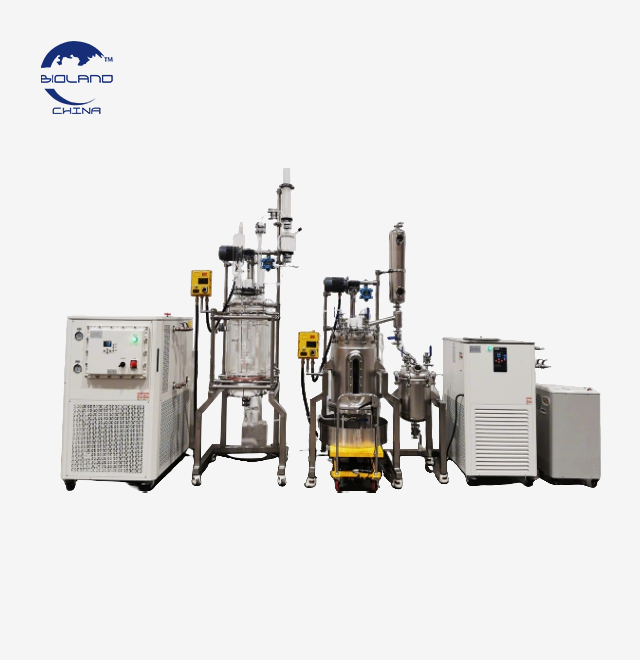
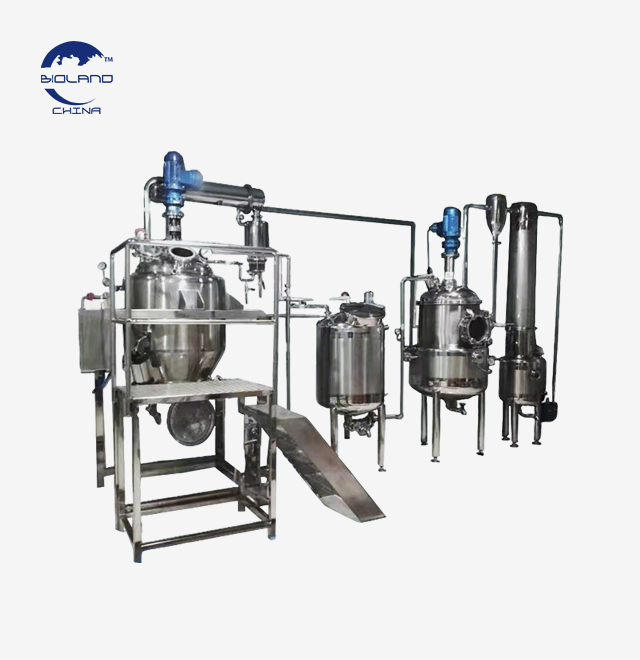
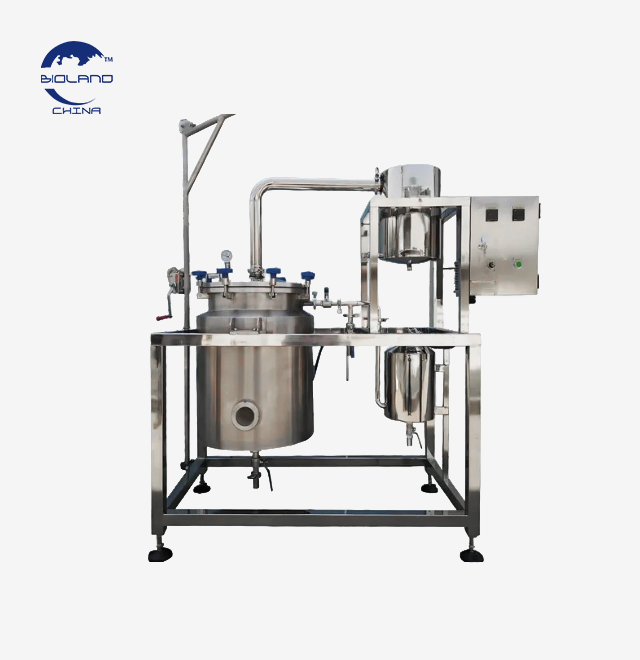
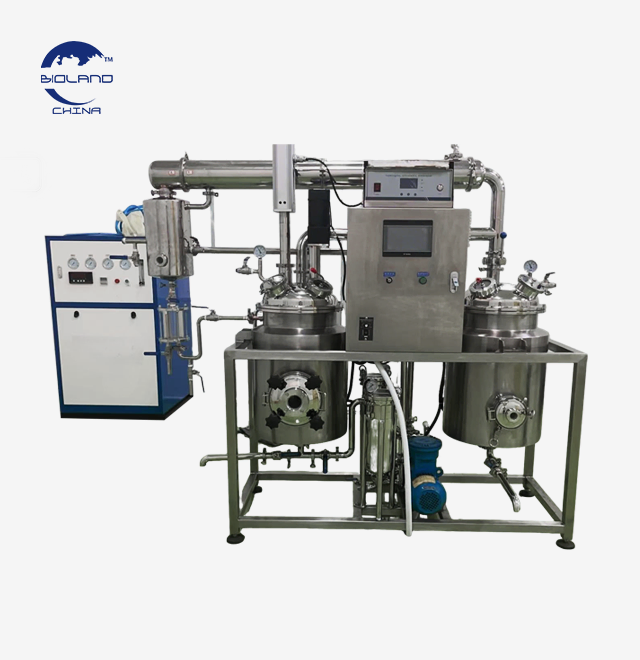
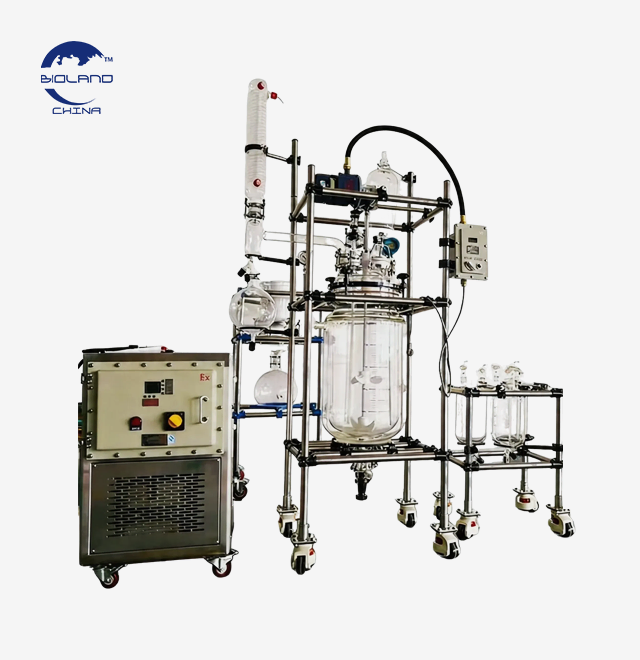
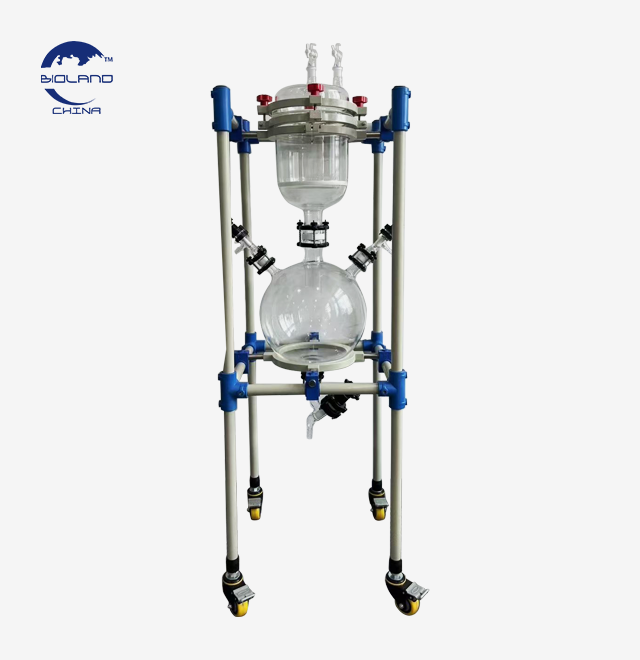
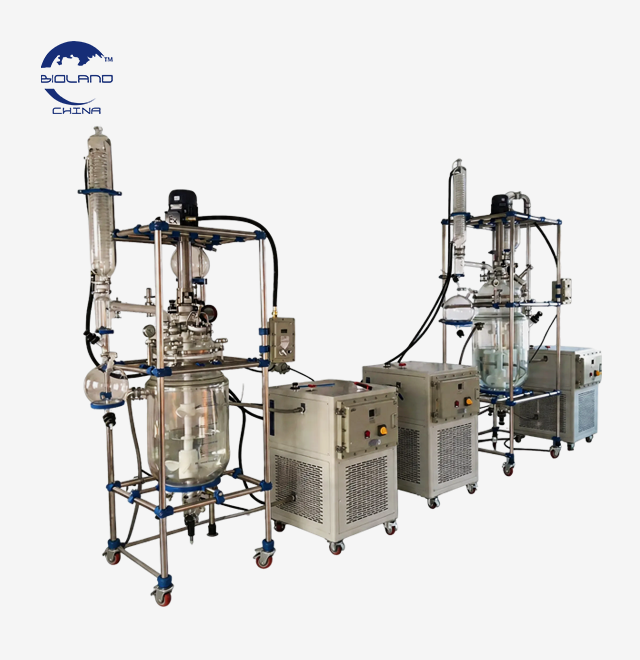
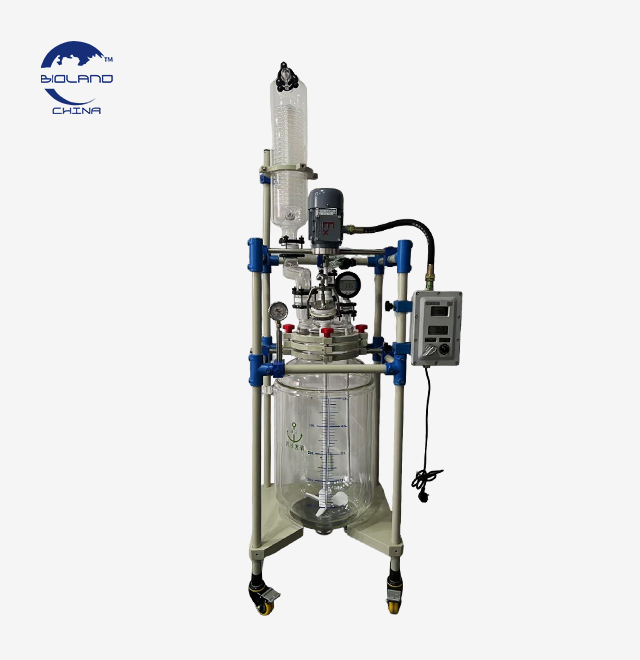
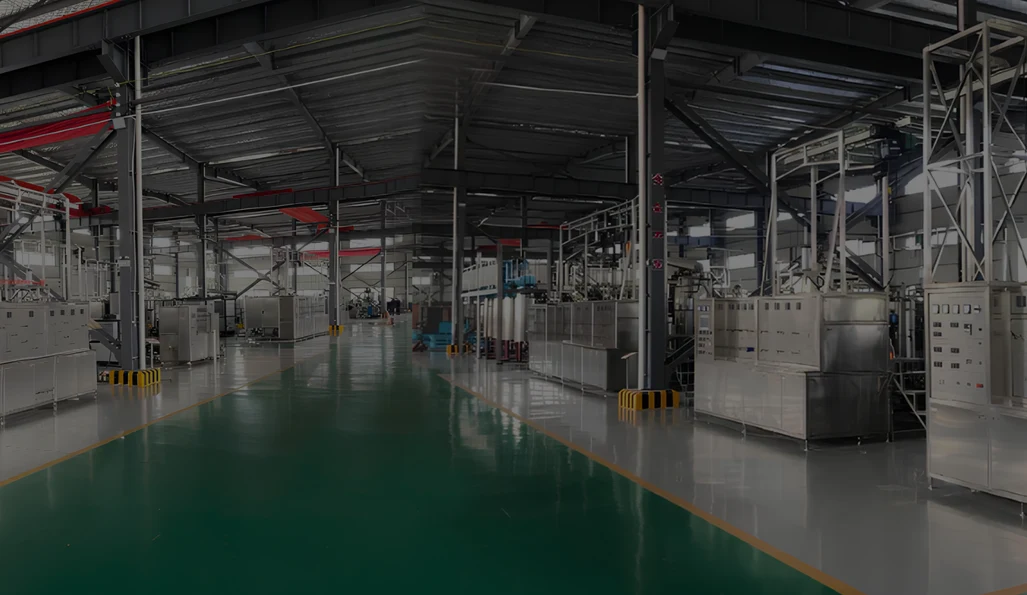
A vacuum concentrator works by making an area with lower pressure, which lowers the boiling point of solvents by a large amount. This lets them evaporate at temperatures much lower than normal air circumstances. This thermodynamic concept is used by thelow temperature vacuum concentrator to carefully remove solvents from heat-sensitive molecules without breaking them down. By keeping temperatures between 20°C and 40°C and pressure levels between 10 and 100 mbar, these systems protect valuable active ingredients while concentrating them efficiently. This makes them essential for use in science, pharmaceuticals, and food processing.
Understanding the Low Temperature Vacuum Concentrator Principle
The idea behind vacuum concentration is based on the fact that pressure and boiling point are related in the opposite way. When we lower the pressure of the air inside a sealed room, liquids evaporate at much lower temperatures than they would normally. Modern concentration technology is based on this concept, which comes from the Clausius–Clapeyron relationship.
The Core Working Mechanism
At the heart of every vacuum compressor is a system of carefully coordinated parts that work together. High-performance vacuum pumps remove air from the evaporation room, which makes the low-pressure condition that is needed. Once a vacuum is created, controlled heating elements, which are usually PID-controlled heating jackets or integrated heat pump systems, keep the temperature just right for evaporation to happen without going over safe limits for delicate materials.
Key Technologies Enabling Precision
Modern vacuum concentrators are different from basic evaporation tools because they use a number of important technologies. Temperature control methods keep the temperature accurate to within ±1°C, stopping even small changes that could damage the quality of the product. Vacuum pumps, like diaphragm, rotary vane, and scroll types, work consistently over long periods of time. For acidic uses, acid-resistant models are also available.
The shape of the condenser is just as important. Advanced designs make the best use of heat transfer, quickly turning gas back into liquids while using as little energy as possible. Some systems have heat pump technology built in that takes latent heat from condensation and sends it to the evaporation side. This makes the coefficient of performance numbers higher than 4.0, which is a very high standard for efficiency.
Working at lower temperatures has more benefits than just keeping heat damage from happening. Lower temps stop chemical processes that aren't wanted, like oxidation, polymerization, or molecular rearrangement, which could change the way a product works. During the concentration process, pharmaceutical chemicals, plant extracts, and biological samples keep their bioactivity and molecular integrity. This makes sure that the quality that end users expect is maintained.
Comparison: Low Temperature Vacuum Concentrator vs Traditional Concentration Methods
Traditional ways of concentrating have been used in many fields for many years, but they have some problems that can be fixed with current vacuum technology. When procurement workers know about these differences, they can choose equipment that meets both present wants and long-term output goals.
Limitations of Conventional Evaporation
For standard air evaporators to work, liquids need to be heated to their boiling points, which for water solutions are usually 100°C or higher. This heat stress breaks down heat-sensitive chemicals, which can denature proteins, stop enzymes from working, or break down medicine active ingredients. Energy use stays high because keeping temps high requires constant heat input, and heat loss to the outside world makes things even less efficient.
The problems with traditional drying ways are the same. Spray dryers and drum dryers heat things up to more than 150°C, which means they can't be used with thermolabile materials. Freeze drying keeps heat-sensitive materials safe, but it takes a very long time to do (sometimes 24 to 48 hours) and costs a lot of money for both equipment and running the business.
Innovations Through Vacuum Technology
With low temperature vacuum concentrators, these problems can be turned into economic benefits. By working at temperatures between 20°C and 40°C, they protect materials that would break down otherwise, making sure that the finished goods meet strict quality standards. When compared to freeze drying, processing times are much shorter, and concentration processes can be finished in hours instead of days. Compared to atmospheric evaporation, energy use drops by up to 60%. This directly leads to lower electricity costs and better sustainability measures.
Vacuum systems can be used for everything from small-scale study in the lab to full-scale production in factories. Different vessel sizes and shapes can fit on a single platform, which makes scale-up easy as projects move from research to market production. This freedom is very helpful for businesses that have a lot of different products or that need to change their processes often.
Comparative Overview Across Technologies
Rotary evaporators can concentrate things on a lab scale and are easy to handle, but they don't have the volume that is needed in a production setting. Because they are mostly operated by hand and don't have much automation, they require a lot of work and aren't good for continual handling. Freeze dryers are great at keeping fragile structures safe, but they take up a lot of floor room, need special upkeep, and are very expensive, which can make project economics difficult.
Low temperature vacuum concentrators are the best of both worlds. They have the output needed for production and can be automated to reduce the amount of work that needs to be done by hand while still keeping the gentle processing conditions needed for sensitive materials. Their small size compared to freeze dryers saves important facility room, and their modular design lets them be changed to fit the needs of any process.
Applications and Benefits for Global B2B Procurement Clients
Vacuum concentration technology is used in many fields where meeting quality standards, streamlining processes, and following rules all come together. Seeing how this equipment is used in the real world helps buying teams understand how it solves real production problems.
Pharmaceutical and Biotechnology Sectors
When biologics are processed further down the line in the pharmaceutical industry, low temperature vacuum concentratorsare very important. To concentrate monoclonal antibodies, transgenic proteins, or nucleic acids, you have to get rid of the buffer solutions and liquids that keep these valuable molecules from changing shape. Bioactivity would be lost during traditional cooking, making goods useless. Vacuum concentration keeps molecule structures intact while quickly reaching concentration goals.
Making APIs usually takes more than one step, with reactions creating different solutions that need to be concentrated in between steps. Vacuum systems are safe ways to work with organic solvents like methanol, ethanol, dichloromethane, and DMSO because they don't explode and follow safety rules set by the industry. More than 95% of the solvent is recovered, which saves money right away on expensive chemicals and supports green science efforts.
Food and Beverage Processing
Vacuum concentration is used by companies that make natural products to make fruit juice concentrates, plant extracts, and flavor ingredients. The Maillard reaction, which happens when sugars and amino acids react under heat and turn brown and lose their taste, can't happen when the food is processed at low temperatures. Terpenes and esters, which give smells their uniqueness, stay in the concentrate, making sure it keeps the real taste of fresh vegetables.
Vacuum evaporation is used by dairy makers to make condensed milk or lower the amount of milk products before spray drying. The soft processing keeps the nutritional value and usefulness of the protein while using less energy than regular multi-effect evaporators. 316L stainless steel equipment with sanitary fittings meets strict hygiene standards and makes it easier to follow CIP (Clean-in-Place) procedures, which are necessary for food-grade activities.
Chemical Manufacturing and Environmental Applications
Using vacuum technology, companies that make specialty chemicals compress reaction products, get back valuable solvents, and clean up intermediates. Handling corrosive materials safely by choosing the right materials, like Hastelloy, titanium, or glass-lined tanks, keeps tools safe and the process reliable. Multi-process compatibility lets you use different extraction methods, like ultrasonic-assisted extraction, acid extraction, and isolating aromatic compounds.
Environmental uses solve problems with treating pollution from factories. For instance, metal polishing shops make cutting fluid emulsions and streams that are stained with heavy metals. Vacuum concentration cuts the amount of wastewater by 90%, which allows for zero liquid discharge (ZLD) and the recovery of water for reuse. Concentrated trash streams take up less room and cost less to get rid of, which is good for the earth and the bottom line.
Here are the measurable benefits that drive return on investment:
Enhanced Product Quality: Keeping the bioactivity, organoleptic properties, and chemical purity of goods makes sure they meet requirements and sell for a high price.
Energy Efficiency: Cutting energy use by 40–60% compared to traditional ways cuts costs by a lot, which is especially helpful now that energy prices are going up.
Increased Throughput: Faster processing processes let current facilities make more without having to spend more money on new ones.
Solvent Recovery: Getting rid of 95% or more of solvents saves money and helps the environment without the need for extra cleaning systems.
Process Flexibility: Using a single platform to handle different materials and fluids cuts down on the number of pieces of tools needed and makes operations easier.
These advantages create compelling business cases stronger in a wide range of fields. When purchasing managers look at different types of concentration equipment, they should figure out how much money they could save by cutting down on energy use, recovering solvents, and making the quality better. Vacuum systems often justify their higher original cost through faster payback times and ongoing operational benefits because they work better.
Operational Guidelines and Maintenance Tips
To get the most out of your equipment's performance and lifespan, you need to know both the best ways to use it and how to keep it in good shape. Systematic repair programs and workers who have been trained well keep machines running smoothly and avoid costly downtime.
Standard Operating Workflow
Setting up correctly is the first step to successful focus. Operators make sure that all the links, such as the vacuum lines, the water flow, and the condensate collection, are safe and don't leak. To make sure the system is solid, it is put through a leak test that usually achieves a final vacuum below 2 mbar. When adding samples, make sure to follow the manufacturer's instructions for the maximum fill amount, which is usually between 50 and 70% of the vessel's capacity to leave enough headroom for vapor to escape.
Temperature setpoints are set based on the qualities of the liquid and how sensitive it is to heat. The vacuum pump starts working, lowering the pressure in the room to the desired amount. Once the temperature is stable, it starts to rise slowly, which lets the evaporation happen slowly and without bumps or foaming. Operators keep an eye on the rates at which condensate is collected and change settings as needed to keep the mass transfer working at its best.
During processing, modern equipment uses PLC technology to keep things fixed without needing constant human input, and a low temperature vacuum concentratoroperates under these same principles. Alarms let workers know when setpoints aren't being met, vacuum leaks happen, or equipment stops working. When the concentration hits the limit that was set by volume, density, or time, the heating stops, the vacuum slowly releases, and the concentrated product is released according to standard processes.
Preventive Maintenance Essentials
Daily care makes things last longer and stops them from breaking down when you least expect it. Vacuum pumps need to be fixed the most often. Every 3,000 hours of use, diaphragm pumps need to have their diaphragms inspected and replaced. Every 500 to 1,000 hours, based on the solvent, rotary vane pumps need to have their oil changed. For strong chemicals, this needs to be done more often. Using the oils and filters that the maker suggests stops wear from happening too soon.
Cleaning the condenser keeps the heat movement working well. Surfaces become less able to cool when scale from hard water or dust from collected materials builds up. When you do regular acid cleaning or mechanical cleaning, you get rid of deposits before they have a big effect on performance. During regular maintenance, gaskets and seals are looked at visually and replaced as soon as they start to wear out to stop vacuum leaks.
To keep their accuracy, temperature monitors and pressure detectors need to be calibrated on a regular basis. Calibration against approved standards once a year makes sure that process factors stay within the limits. Control system software patches fix bugs and add new features, making sure that automation tools keep up with changes in technology.
Troubleshooting Common Issues
During vacuum reduction processes, a number of problems are likely to come up. When evaporation rates are slow, it's usually because pressure levels aren't high enough because of pump wear or system leaks. If performance starts to drop, operators should check the ultimate vacuum capability and do helium leak tests. On the other hand, evaporation may be slowed down by not enough warmth or dirty heat transfer surfaces, which need to be checked for accuracy and cleaned.
Adding foam during concentration stops the process and increases the chance of losing product. Modern systems use anti-foaming technology that works in a number of different ways, such as mechanical bumping prevention through tank shape, chemical defoamers added to solutions, or centrifugal force in certain designs. Changing the temperature or the rate of the vacuum ramp often stops foaming without adding chemicals.
Solvent fumes reaching the vacuum pump are a sign of incomplete condensation, which means that the cooling system isn't working well enough or there are too many evaporation rates. Most condensation problems can be fixed by checking the coolant's temperature and flow rate. The condenser can handle vapor loads well by gradually lowering the temperature or raising the pressure to slow down evaporation.
Safety and Compliance Protocols
Following set rules is necessary to use vacuum tools safely. Pressure tanks are regularly checked according to ASME or similar standards, and they are subjected to recorded hydrostatic tests at regular times. Every year, emergency pressure release systems are checked to make sure they work properly. Electrical systems meet the needs of the area classification, and explosion-proof parts are put in places where flammable solvents cause dangerous environments.
For pharmaceutical uses, GMP compliance requires a lot of paperwork. Three types of equipment qualification—Installation Qualification (IQ), Operational Qualification (OQ), and Performance Qualification (PQ)—make sure that systems work the way they're supposed to. All process factors are written down in batch records, which shows that validated methods were followed. Material traceability makes sure that areas that come into touch with things meet standards for cleanliness and resistance to corrosion.
The products being processed determine what kind of personal safety equipment is needed. When working with harmful or corrosive chemicals, you need to wear chemical-resistant gloves, safety glasses, and the right breathing gear. Standard operating procedures make it clear what PPE is needed, what to do in an emergency, and how to safely handle all items and tools.
How to Choose the Right Low Temperature Vacuum Concentrator
When choosing focus tools, you have to think about how well it works, how much it costs, and what technical features it has. Systematic evaluation systems that match equipment specs with real production needs are helpful for procurement pros.
Critical Technical Specifications
The main parameter is capacity, which is set by the batch size and daily flow needs. Laboratory devices, including a low temperature vacuum concentrator, can handle amounts ranging from a few milliliters to several liters, making them useful for study and developing new methods. Pilot-scale units can hold 5 to 50 liters, which is in between lab and production. Industrial concentrators can handle hundreds to thousands of liters of water at a time, which is enough for industrial manufacturing.
The temperature range you can use must match the heat limits of your products. Standard systems work in temperatures ranging from room temperature to 80°C, which is fine for many uses. Specialized units can go as low as 5°C for chemicals that are very sensitive to heat or as high as 120°C for liquids that boil at high temperatures. Accurate temperature control (usually ±1°C or better) makes sure that processes can be repeated no matter what the outside conditions are.
How well a vacuum works has a direct effect on how efficiently it works and what temperatures it can reach. Evaporation can happen at the coldest temperatures imaginable because it can reach ultimate pressures below 2 mbar. This is very important for chemicals that break down at normal temperatures. The vacuum pump needs to be able to move enough fluid to handle the vapor load that is created during peak evaporation while keeping the goal pressure.
The parts of automation that change the amount of work needed and the uniformity of the process are huge. Basic manual systems need constant attention from the user, which slows things down and raises the cost of labor. PLC-controlled automation keeps preset settings in place without any help from the operator and records all process data for future reference. Advanced systems include recipe management, which lets workers quickly remember tested parameters for various goods, cutting down on setup time and mistakes.
Material Construction Considerations
The choice of material for wet components is based on how well it reacts with chemicals. Standard 304 stainless steel is good for alcohols and water solutions that are safe. Because it contains molybdenum, 316L stainless steel is better at resisting rust in harsh acids, chlorine solvents, or high-temperature settings. Extremely corrosive conditions may need rare metals like Hastelloy or titanium, which are much more expensive.
Glass-lined jars are very resistant to chemicals and are great for sites that process a lot of different solvents. The neutral glass surface keeps things from getting dirty and makes cleaning between items easier. But glass linings are fragile and can be broken by thermal shock or mechanical damage, so they need to be handled carefully and only used at certain temperature ramp rates.
In medicine and food uses, the quality of the surface finish is very important. Electropolished surfaces with Ra values below 0.4 micrometers make it easier to clean and stop microbes from sticking to them. Tri-clamp connections, which are sanitary fittings instead of threaded connections, get rid of cracks where leftovers can gather, supporting strong CIP procedures and regulatory compliance.
Evaluating Suppliers and Total Cost of Ownership
Long-term satisfaction is greatly affected by the knowledge and image of the supplier. Companies that have been focusing on a technology for 15 years or more have a lot of experience that goes into designing tools and helping customers. They know how to deal with problems that are unique to your business and can suggest setups that will work best for your needs. Referrals from current customers in related fields are a great way to learn about performance and service quality in the real world.
Support after the sale should be carefully looked at. Full services like installation, commissioning, user training, and expert support speed up the start-up process and improve efficiency. Respondent repair help cuts down on downtime when problems happen. If a supplier offers Factory Acceptance Testing, it can be checked that the equipment meets the requirements before it is shipped, which lowers the risks of starting up.
The total cost of ownership is more than just the price of the car. Ongoing costs that build up over the life of an item include energy use, liquid recovery rates, and upkeep needs. A system that costs less at first but uses a lot of energy may end up costing more in the long run than a high-end unit that saves a lot of money on operations. Figuring out payback times and lifecycle costs helps people make the best buying choices.
Customization features let tools be made to fit the needs of a specific process. OEM/ODM suppliers can change standard designs, add their own technologies, or build whole systems that are ready to use that exactly match your needs. This versatility comes in very handy when normal catalog equipment can't handle certain vessel designs, material compatibility needs, or automation needs.
Conclusion
When procurement teams and engineers understand the concept of vacuum concentration, they can choose equipment that really meets working needs. These systems protect valuable chemicals while using less energy and faster processing than traditional methods. They do this by using lower pressure to make solvent removal soft and effective at low temperatures.
Alow temperature vacuum concentrator exemplifies this approach by enabling gentle, energy-efficient solvent evaporation under reduced pressure. The fact that the technology is used in medicines, food processing, and chemical production shows how flexible it is and how valuable it is. With the help of a total cost of ownership analysis, careful consideration of technical specifications, the building of materials, and the capabilities of suppliers leads to investment choices that improve both short-term and long-term operating success.
FAQ
What advantages do vacuum concentrators offer over standard evaporation?
At much lower temperatures than air evaporators, low temperature vacuum concentrators keep heat-sensitive substances like APIs, proteins, and natural products from breaking down. They use 40 to 60 percent less energy because they don't need as much warmth and often have heat return systems built in. Processing times get a lot faster, and liquid recovery rates above 95% cut costs and damage to the environment. The closed-loop design stops the risks of rust and pollution that come with open evaporation.
How does equipment compatibility with existing production lines get assessed?
When thinking about integration, you should think about things like the size of the area, the needs for utilities like electricity, cooling water, and compressed air, and the abilities of the automation interface. Systems that accept standard communication protocols like Modbus, Profibus, and OPC can easily connect to current supervisory control systems. Material compatibility makes sure that the concentrator can handle the acids and chemicals that are used in your processes without breaking down or getting dirty. Suppliers usually give out full specification sheets and can do site visits to make sure everything works together before the buy.
What maintenance routines sustain optimal functionality?
Regular service of vacuum pumps, such as checking the diaphragm or changing the oil, keeps the suction working well. Cleaning the condenser stops scale growth that makes cooling less effective. Checking the gaskets and seals for wear finds problems before they become leaks. Temperature monitors and pressure detectors should be calibrated once a year to make sure that measurements are accurate. Preventive maintenance plans usually call for checks every three months and replacement of parts at times set by the maker. All of this is backed up by thorough service records that show what was done.
Partner with BIOLAND for Your Vacuum Concentration Needs
BIOLAND INSTRUMENT has been making reliable low temperature vacuum concentrators for the pharmaceutical, biotechnology, food processing, and chemical businesses around the world for more than 15 years. Our engineering team creates unique solutions that are made to fit your process needs. These solutions can be anything from small study units for the lab to full industrial production lines. Each system is made of high-quality 316L stainless steel, is controlled by a PLC for stable operation, is safe from explosions, and is designed to meet the toughest regulatory standards.
We offer complete turnkey solutions that include designing and building the equipment, installing it, launching it, giving full training to operators, and providing expert support for life. Our reliable performance is guaranteed by our ISO-certified quality management and CE compliance. Also, our helpful service team checks on production progress once a week and takes thorough photos and videos to show how things are going.
BIOLAND offers affordable options that come with great pre-sales support and after-sales maintenance, whether you need a low temperature vacuum concentrator that works on its own or a system that combines extraction, concentration, and drying.Our technical experts can be reached at info@biolandequip.com to talk about your unique focus problems, get more information, or set up a Factory Acceptance Test at our facility.
The reactor is beautifully mirror-polished and fully complies with GMP requirements for the pharmaceutical industry. The performance is excellent! Overall, we are very satisfied! We also provided with some feedback on our process improvements, which we hope will be helpful.
2024-04-09
Laboratory
Excellent and professional service. Always reply our questions very fast. All reactors and chiller we received are good too.
2024-02-15
Research Institute
Quality is beyond our expectation actually. After we got the extraction equipment and started using it, the performance was beyond our expectation. Very easy to use and very efficient to run. Service always respond us very quickly. Was also very helpful to help us. Thanks Bioland team. Very happy to work with you.
2023-11-20
Biotech Company
We are happy about the new purchase as always. Equipment and services are both good.
2023-08-05
Instrument Lab
This is the second order with Bioland instrument and everything is good as the first dateText.
2023-05-12
Global Trading Partner
Bioland instrument team is very helpful and professional. The sales helped us select the right equipment for our application, and their logistics people handled the transportation and customs declaration for our shipment. All that saved us a lot of work.