Best ultrasonic flavonoid extraction equipment for small-scale labs
Jun 3, 2026
When researchers and purchasing managers look for the best ultrasonic flavonoid extraction equipment for small labs, they need systems that are accurate, quick, and reliable. Modern ultrasonic extraction uses sound cavitation to break down plant cell walls and release flavonoids. This method has 50–100% higher rates than older methods. For labs doing pilot-scale research in developing pharmaceuticals, nutraceuticals, or plant extracts, the most important thing is to choose equipment that has been tested and proven to work well, follows good manufacturing practices, and comes with strong expert support.
Ultrasound-assisted extraction uses low-frequency sound waves with a high intensity—usually between 20kHz and 24kHz—that cause quick changes in the pressure of liquid solvents. These changes in pressure cause tiny vacuum bubbles to form that grow and then violently pop off the surfaces of plants. Localized shockwaves and high-speed micro-jets that can go through tough cell structures are made by the detonation. This mechanical action breaks down cell walls much better than passive soaking, so flavonoids inside the cells can be exposed to the extraction solution in minutes instead of hours.
The mass transfer bottleneck that plagues standard maceration methods is immediately fixed by the cavitation phenomenon. Ultrasound keeps concentration differences high, which moves flavonoid molecules from the solid phase into solution. It does this by constantly breaking up the border layers around plant particles. This method is still very useful when working with fibrous materials like orange peels or woody plant roots that can't be fully mixed with water using regular stirring.
Advantages Over Traditional Extraction Methods
When you compare ultrasonic technology to other well-known options, you can see that it has clear practical benefits. Flavonoids that are sensitive to heat, like quercetin, break down a lot during the six to eight hours of constant boiling that is needed for traditional Soxhlet extraction. Microwave-assisted extraction speeds up the process, but it can damage bioactive substances unevenly by creating temperature spikes. Supercritical CO2 extraction has great selectivity, but pilot-scale systems cost more than $500,000, which is too expensive for many study projects.
Ultrasonic extraction works best at fixed temperatures between 40°C and 60°C, which keeps heat-labile chemicals safe and completes cycles in 24 to 40 minutes. This saves more than two-thirds of the time needed by traditional means. The amount of solvent used goes down by the same amount because better mass transfer allows for filling with smaller amounts of liquid. For labs that follow green chemistry principles, the smaller impact on the earth and lower costs from buying and getting rid of solvents are both benefits.
Critical Parameters for Optimization
Getting the most out of the extraction process requires carefully calibrating a number of factors that are all linked. The cavitation strength is based on the ultrasonic power level, which is determined in watts per milliliter of treatment volume. Not enough power doesn't break down cell walls, and too much energy makes heat that cancels out the benefits of low temperatures. Choosing the right frequency affects how the bubble moves. Lower frequencies create bigger, more powerful cavitations that work well with tough grids, while higher frequencies are better for soft tissues.
Controlling the temperature is still very important because the polarity of the liquid and the solubility of flavonoids change with temperature. Ethanol-water mixes are often used to remove flavonoids. They work best when heated to 50–55°C, which balances faster diffusion rates with the risk of thermal degradation. Extraction time goes down as the number of compounds extracted increases. The first few minutes are best for getting the most compounds, but longer sonication can change the chemicals. Labs can set up methods that get the best yield and purity from certain botanical sources by trying them in a planned way across a range of parameters.
Comparing Ultrasonic Flavonoid Extraction Equipment for Small-Scale Labs
Equipment Configuration Options
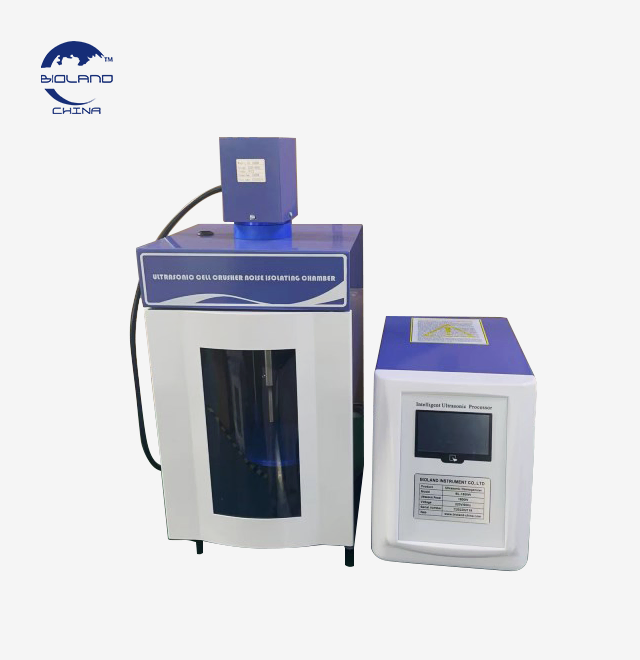
In small lab settings, three main ultrasound system designs are usually tested for ultrasonic flavonoid extraction equipment. Probe-type processors have titanium sonotrodes that are immersed in liquid and send focused sound waves into sample tubes. These units are great for batch processing because they can handle amounts ranging from 50mL beakers to 20-liter reactors by changing the size of the probes. Bench-top ultrasonic baths use indirect sonication through the tank walls, so you can work on multiple samples at once without having to touch them. However, they are not as strong as direct probes.
Flow-through ultrasonic reactors are the most flexible choice. They work by pumping botanical slurries through tanks that were specially built to hold fixed transducer arrays. This setup allows for ongoing operation, which is important for pilot-scale tests that are meant to mimic production conditions. When buying tools, procurement teams have to weigh the needs for current research against the needs for future scale-up. For example, a probe system that works well in the lab may need to be completely redesigned when it comes to manufacturing volumes.
Evaluation Criteria for Equipment Selection
The main technical difference is the power output, and lab-scale units can have capacities running from 500W to 3000W standard. Changing the amplitude makes it possible to optimize the process for different types of samples. Equipment that can modulate power by 20 to 100% gives better experimental control than models with set outputs. During long runs, transducer cooling systems are very important. For irregular operation, forced air cooling is enough, but for continuous processing, liquid cooling circuits are needed to keep temperatures from drifting and changing the consistency of the extraction.
Material suitability needs to be looked at very carefully when working with organic solvents. Over thousands of hours of use, contact areas must not rust when mixed with ethanol, methanol, or acetone. Titanium metal sonotrodes last a very long time, but some makers use lower-quality materials that break down quickly when they are put under cavitation stress. For wetted parts, procurement requirements should make it clear that they need Ti6Al4V or a similar alloy. The size and power needs of the equipment affect how easily it can be installed. Smaller tabletop units can be easily added to existing lab spaces, but larger systems may need their own extraction rooms with better air flow.
Performance Comparison with Alternative Technologies
To figure out how cost-effective something is, you have to look at both the capital costs and the operating costs. Ultrasonic flavonoid extraction equipment in the middle range that are good for small labs can cost anywhere from $15,000 to $50,000, based on how much power they have and what control features they have. Comparable microwave extractors cost about the same, but they use a lot more electricity per batch. The equipment needed for supercritical fluids costs around $200,000, which means that many study funds can't afford it. Ultrasonics has lower operating costs because it uses less solvent and has faster run times that make the most of the equipment.
Using normal botanical grids to compare extraction yields shows that ultrasonic is better for most flavonoid classes. Researchers who took hesperidin from orange peel found that the finished extracts had 30–40% higher healing rates than regular reflux extractions, but they still had higher antioxidant levels. Some substances have similar results when using microwave methods, but there is more variation between batches because the heating isn't even. Ultrasonics is the best technology for working with naturally unstable substances because it can remove them at room temperature or slightly hot.
Selecting the Best Ultrasonic Flavonoid Extraction Equipment for Your Lab
Assessing Laboratory-Specific Requirements
The first step in the selection process is to clearly state the study goals and group traits. Labs that are looking at a lot of different plant species can benefit from probe-type systems because they can switch from one sample to another quickly and don't need much cleaning. Ultrasonic baths that process multiple jars at once improve efficiency in places that analyze the same materials over and over again. Capacity requirements are based on how many samples are expected. For example, processing 50–100 grams per batch needs different tools than handling 5–10 kilogram lots during pilot scale-up studies.
Flavonoid target profiles affect the factors of extraction and the abilities of the tools. Using aqueous ethanol at mild temperatures to effectively extract polar glycosides like rutin is possible with simple temperature-controlled devices. Lipophilic aglycones might need methods that use a mix of solvents and careful control of temperature. When possible, procurement teams should ask to see ultrasonic flavonoid extraction equipment in action using real sample grids, since published specs don't always show how something works in real life. Suppliers who are ready to do basic tests using materials given by the client show that they have faith in their technology and help people make smart decisions.
Key Supplier Evaluation Factors
There is a strong link between the manufacturer's knowledge with botanical extraction tools and the quality of the product's reliability and application support. Companies that make process tools for the pharmaceutical and food industries know the rules and standards for paperwork that are needed to run a GMP-compliant business. Check to see if any possible sources have the right quality certifications, such as ISO 9001 for manufacturing methods and CE marking for safety tools. When working with flammable liquids, you need to have ATEX or IECEx approval, which means that the electrical parts you use are explosion-proof and don't pose a fire risk.
Warranty coverage and service plans after the sale are what set elite equipment dealers apart from commodity equipment sellers. Full warranties that last 12 to 24 months and quick expert help lower the risk of downtime during important research stages. Ask about the availability of extra parts and how long it takes to get them. Ultrasonic sensors are wear parts that need to be replaced every so often, and long delays in getting them can stop lab work. Suppliers with service centers and parts warehouses in North America have a lot of benefits over those with support systems only in other countries.
Companies that have been in business for 15 years or more show that they are stable and have a lot of tech knowledge. BIOLAND has been making specialized extraction and separation equipment for a long time. They have installed equipment in the pharmaceutical, food processing, and biotechnology industries, which shows that they have this kind of experience. They have successfully set up extraction lines for stevia, propolis, capsaicin, and curcumin in the past. The variety of applications shows that they are good at designing tools and knowing how processes work. These well-known providers can help you choose the right tools and suggest the best configurations based on what other customers have done.
Integration and Scalability Considerations
Small lab tools should be designed to be able to be scaled up to test or production levels in the future. Choosing systems from makers that make compatible larger-capacity models makes technology transfer easier by keeping the extraction processes the same at all scales. Flow-through reactor designs are especially useful in this case because scaling up just means raising the chamber volume and transducer count while keeping the residence time and power density factors that were tested in the lab. To make sure that original purchases are in line with long-term growth plans, procurement specifications should make future expansion plans clear.
Integrating equipment with supporting systems makes the whole process more efficient. More and more modern ultrasonic extractors have automatic control interfaces that work with lab information management systems to record data and keep track of the process. Optional sections that come with solvent recycling systems, clean-in-place features, and automatic release mechanisms cut down on the amount of work that needs to be done by hand while also making things safer and more consistent. Even though these features cost more at first, they usually pay for themselves in 18 to 24 months of regular use thanks to better operations and lower labor costs.
Optimizing Ultrasonic Flavonoid Extraction Performance in Lab Settings
Parameter Tuning for Maximum Yield
To get the best extraction results, you need to carefully adjust the parameters so that they work best with your specific plant mixtures. Power strength is the most important factor. For the first few tests, starting at 40–60% amplitude lets you see how extraction works without worrying about damaging the sample. Keeping an eye on the temperature rise during sonication helps determine how much cooling is needed. Keeping temperatures steady within ±2°C of goal setpoints keeps thermal effects from getting in the way of the benefits of mechanical cavitation. In systems that don't have active cooling, pulse mode operation that alternates between sonication and rest times helps get rid of heat.
When choosing a solvent, it's important to think about how well the flavonoids will dissolve along with things like cost, safety, and the environment. Using a combination of 60–80% ethanol and water to remove flavonoids from most plants gives the widest range of benefits. Changing the polarity of the liquid so that it has more water helps the recovery of glycosides, while increasing the amount of ethanol helps the recovery of aglycones. Sample particle size has a big effect on how fast extraction happens. Grinding plant materials to particles between 0.5 and 2 mm makes the most of the surface area without making fines that make sifting harder. Solid-to-liquid ratios are usually between 1:10 and 1:20.00. Higher dilutions improve mass transfer but raise the cost of concentration and fluid use forultrasonic flavonoid extraction equipment.
Maintenance Protocols and Troubleshooting
Regular repair keeps technology working well and stops expensive unexpected downtime. Every 50 to 100 hours of use, ultrasonic sensors need to be checked for signs of damage or detuning. Titanium sonotrodes get surface cracking after being used at a high level for a long time. Damage that goes deeper than 0.5 mm makes vibration less effective. Retuning on a regular basis by trained experts keeps the resonance frequency aligned and ensures a consistent sound output. As part of maintaining a cooling system, you should check the fluid levels, clean the heat exchanger surfaces, and make sure the pump works to stop performance shift caused by temperature.
Cleaning methods are used between sample runs to protect equipment surfaces and stop cross-contamination. After a neutral soap wash and a thorough water rinse, rinsing with fresh extraction liquid gets rid of any remaining plant matter. Ultrasonic cleaning with a 1-2% citric acid fluid can get rid of tough deposits. When O-rings, seals, and sealing surfaces are cleaned, they are checked for wear before leaks happen. Keeping thorough maintenance logs that record working hours, cleaning processes, and any strange performance issues helps predictive maintenance strategies that keep equipment running as long as possible.
Some common problems that need to be fixed are extraction efficiency going down, too much heat, or strange noises being made. When returns go down even though factors stay the same, it's usually because the transducer is detuning or wearing down, which needs professional service. A quick rise in temperature could mean that the cooling system isn't working right or that the power settings for the sample amount are off. Strange acoustic noise patterns could mean that sensor units are mechanically loosening up or that cavitation is happening in places you wouldn't expect it to. Equipment guides have diagnostic flowcharts, but for more complicated problems, it's best to talk to the manufacturer's expert help to avoid making the wrong diagnosis and taking the wrong steps to fix it.
Real-World Performance Data
Case studies that have been properly documented show that performance standards can be met in a wide range of situations. Using improved ultrasonic settings, a pharmaceutical research facility that was extracting Ginkgo flavone glycosides got a 42% higher yield than with traditional reflux methods. They also cut the time it took to extract the chemicals from 4 hours to 32 minutes. The extract that was made had 18% more antioxidant power in DPPH tests, which was because it was processed with less heat. The process economics showed that 35% less liquid was used and 60% less energy was used per kilogram of treated biomass.
Nutraceutical research labs that work with bioflavonoids found in citrus fruits report the same benefits. Hesperidin extraction from orange peel waste reached 85 mg/g dry weight when ultrasonics were used at 55°C, compared to 58 mg/g when soaking was used in the usual way. The ultrasonic process took only 28 minutes, while the old way took 6 hours. These changes directly affected the ability to make the product. Shorter cycle times allowed for processing larger batch amounts within the limits of the facility, and higher returns made better use of raw materials and lower the cost of getting rid of trash. When selecting tools for new uses with similar needs, having such documented findings gives you peace of mind.
Procurement Guidance and Purchase Considerations
Supplier Verification and Selection
When looking for reliable ultrasonic flavonoid extraction equipment providers, you need to look into more than just marketing materials. Ask for customer reference lists that include contact information for projects that were done in similar areas of application. By talking to current users, you can learn about how reliable the equipment is, how responsive the seller is, and any hidden costs that weren't obvious during the initial purchase. When you visit a manufacturing site, you can get an idea of how they handle quality control and how much they can make. For example, well-known manufacturers have designated assembly areas with written testing methods for finished equipment.
The certification paperwork needs to be carefully looked over to make sure that the claimed compliance meets the real standards. The CE mark should include specific instructions that apply to ultrasonic equipment, such as rules for machinery safety and electromagnetic compatibility. Although ISO 9001 certification shows organized quality management, reading audit reports is a better way to learn than just looking at certificates. For uses with flammable solvents, make sure that ATEX approval covers whole systems, not just parts. This includes control boxes and transducer units. BIOLAND has many certifications, such as CE, ISO, UL, SGS, ATEX, and IECEx approvals, which show that they are dedicated to meeting the different legal needs of foreign markets.
Understanding Total Cost of Ownership
The price of buying equipment is only one part of the total costs of owning it over its useful life. Different types of devices use very different amounts of energy. To figure out how much it costs to run, you have to multiply the power level by the local electricity rate and the number of hours it runs each year. High-efficiency sensor systems may cost more up front, but they pay for themselves in three to five years by saving you money on energy costs. Consumable costs include things like new probes, seals, and upkeep supplies. Asking for specific prices on how much you usually use in a year helps you make accurate budget predictions.
Technical training and help with apps can affect how well equipment is set up and how much it is used. Suppliers who offer full installation commissioning, user training, and ongoing advice can help labs reach their performance goals faster than suppliers who only deliver equipment. The OEM and ODM skills come in handy when normal setups need to be changed to fit specific needs. BIOLAND offers complete services that include planning the workshop, choosing the right tools, completing the installation, and technical training. This makes it easier for customers to integrate their systems. This all-inclusive support plan lowers the risks that come with buying tools and speeds up the time it takes for new installations to become productive.
Delivery logistics and lead times have a big effect on project timelines. Standard equipment setups usually ship within 5 to 7 business days from well-known companies that keep stock. Custom changes that add more features or change the size to fit a facility's needs usually need 30 days for planning, manufacturing, and testing. Coordinating international shipments requires freight handling. Suppliers who know how to send goods take care of the paperwork and set up shipping by sea, rail, or air, depending on the need for speed and budget. Making these dates clear during the buying process keeps schedules from clashing and lets you plan for when the tools will arrive and be set up.
Leveraging Advanced Equipment Features
Modern ultrasonic extraction systems have more and more automation and process control features that make them more efficient than simple mechanical extraction systems. Fully automatic PLC control systems let you set up exact timing, temperature ramps, and power modulation for extraction processes that don't need any help from a person. This technology makes it easier to repeat from batch to batch and frees up workers to do more important tasks. Data logging records important process factors, which helps with quality assurance and makes it easier to figure out what went wrong when results don't match expectations.
The modular system design lets researchers gradually add more features as their needs change. It is possible to add solvent recovery systems to equipment that was originally set up for basic extraction. These systems catch and clean ethanol so that it can be used again, which cuts running costs by 40–60%. Clean-in-place systems automatically clean between runs, which is especially helpful when working with different types of plants that could cross-contaminate allergens. In high-throughput situations, automatic release devices speed up the movement of materials. When looking at equipment platforms that offer these expansion choices, it's easier to stick to initial budgets and keep upgrade paths that make equipment useful as study needs change.
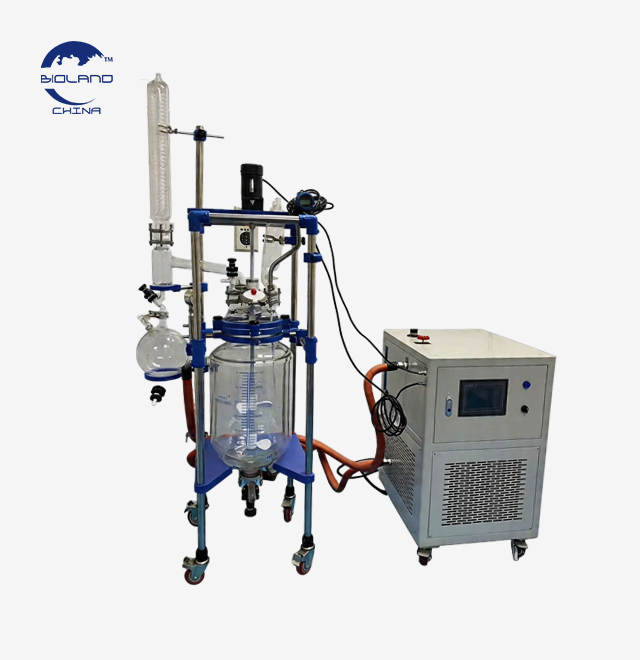
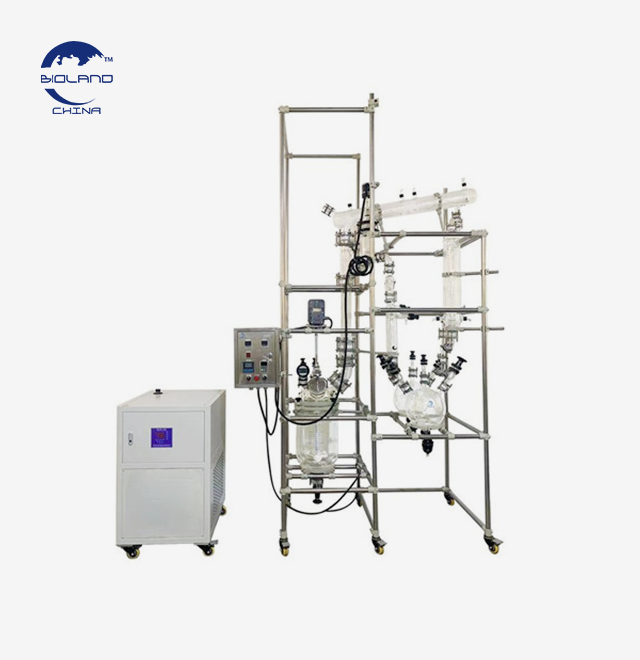
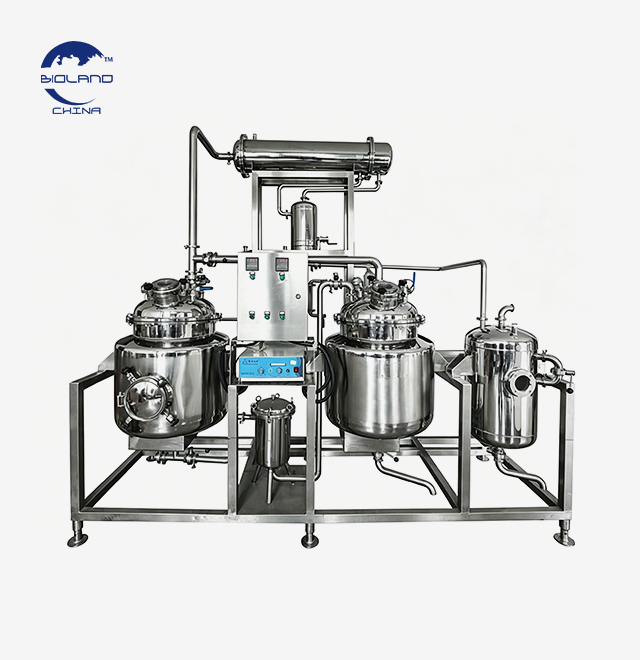
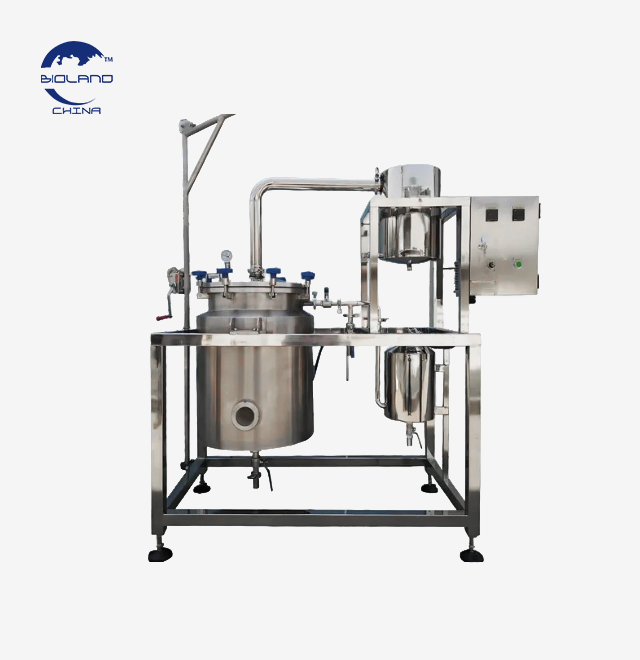
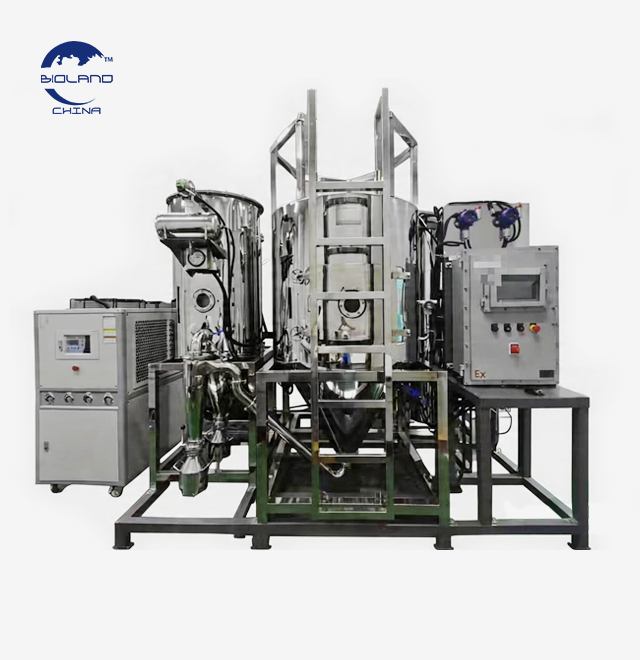
This flexible approach is shown by BIOLAND equipment, which has optional dual-ultrasonic setups that improve both the rate of dissolution and the efficiency of production. Supporting various extraction methods, such as ultrasonic-assisted extraction, hot reflux extraction, and organic liquid extraction, on a single platform lets researchers do a lot of different kinds of experiments without having to buy a lot of different tools. Contact surfaces made of high-quality materials like 316 stainless steel can handle corrosive solvents and meet strict medicinal cleaning standards. These setup options let you precisely match the tools to the needs of the application without having to pay extra for features that aren't needed, while still making sure that all of the important needs are met.
Conclusion
When small labs choose the best ultrasonic flavonoid extraction equipment, they have to think about technical performance, operational freedom, and long-term support. The technology has been shown to have benefits like higher yields (50–100%), much shorter working times, and better protection of heat-sensitive bioactive chemicals compared to traditional methods. To buy equipment successfully, you need to carefully consider the needs of your lab, do a full review of the suppliers focusing on their experience and certifications, and do a reasonable total-cost-of-ownership analysis. Putting money into well-known companies that offer full support services, GMP-compliant designs, and flexible growth options sets up research programs for instant success as well as future expansion to pilot and production levels.
FAQ
Q1: What makes ultrasonic extraction more effective than traditional methods for flavonoid recovery?
A: Ultrasonic cavitation breaks down cells mechanically by causing bubbles to fall quickly. This causes shockwaves that break plant cell walls much more effectively than passive soaking or heating alone. This method completes the extraction process in 24 to 40 minutes, compared to 4 to 8 hours with traditional methods. It also works at controlled low temperatures (40 to 60°C), which keep sensitive flavonoid structures from breaking down due to heat. Better mass transfer cuts down on the need for solvents by 30–50%, while also increasing output and keeping more bioactivity.
Q2: How frequently do ultrasonic systems require maintenance and component replacement?
A: As part of routine maintenance, the machine is checked every 50 to 100 hours of use and cleaned between sample runs to stop pollution. Titanium alloy sonotrodes usually work for 1,500 to 3,000 hours before they need to be replaced because of erosion. This depends on the strength levels and how rough the sample is. Transducer retuning and cooling system checks should be part of the yearly service. If you follow the right maintenance steps, your tools will last longer than 10 years of normal lab use.
Q3: Can small-scale ultrasonic equipment support eventual scale-up to production volumes?
A: Scaling up is easy when you use ultrasonic flavonoid extraction equipment from manufacturers offering compatible larger-capacity models. This is because the extraction methods stay the same. Flow-through reactor designs work especially well for large-scale use because validated lab parameters transfer directly to production systems through proportional increases in chamber volume and transducer count. Documenting power density, residence time, and temperature profiles during small-scale optimization ensures reproducible results when transitioning to pilot and manufacturing scales.
Partner with BIOLAND for Advanced Ultrasonic Extraction Solutions
Xi'an BIOLAND INSTRUMENT has been making specialized tools for plant extraction for more than 15 years. They offer ultrasonic flavonoid extraction equipment that meet the strict needs of biotechnology, nutraceutical development, and pharmaceutical research. Our full line of products all have designs that are GMP-compliant and fully ATEX explosion-proof, so they can be used safely with toxic solvents. As an alternative, each system comes with PLC automation, solvent recovery integration, and two ultrasonic setups that are designed to get the best results and use the least amount of energy.
As a reliable company that makes extraction equipment, we offer full turnkey services, from the initial meeting to installation, testing, and ongoing technical support. Our tech team is ready to make solutions that are exactly what you need for your lab and your goals for scaling up. Contact our experts at info@biolandequip.com to discuss your extraction problems and receive detailed technical proposals demonstrating how BIOLAND equipment delivers measurable performance advantages for your research program.
References
1. Chemat, F., Rombaut, N., Sicaire, A. G., et al. (2017). "Ultrasound Assisted Extraction of Food and Natural Products: Mechanisms, Techniques, Combinations, Protocols and Applications." Ultrasonics Sonochemistry, 34, 540-560.
2. Tiwari, B. K. (2015). "Ultrasound: A Clean, Green Extraction Technology for Nutraceuticals." Trends in Food Science & Technology, 41(2), 185-197.
3. Vilkhu, K., Mawson, R., Simons, L., et al. (2008). "Applications and Opportunities for Ultrasound Assisted Extraction in the Food Industry." Innovative Food Science & Emerging Technologies, 9(2), 161-169.
4. Rostagno, M. A., Palma, M., & Barroso, C. G. (2003). "Ultrasound-Assisted Extraction of Isoflavones from Soy Beverages Blended with Fruit Juices." Analytica Chimica Acta, 522(2), 169-177.
5. Altemimi, A., Lakhssassi, N., Baharlouei, A., et al. (2017). "Phytochemicals: Extraction, Isolation, and Identification of Bioactive Compounds from Plant Extracts." Plants, 6(4), 42.
6. Wang, L., & Weller, C. L. (2006). "Recent Advances in Extraction of Nutraceuticals from Plants." Trends in Food Science & Technology, 17(6), 300-312.
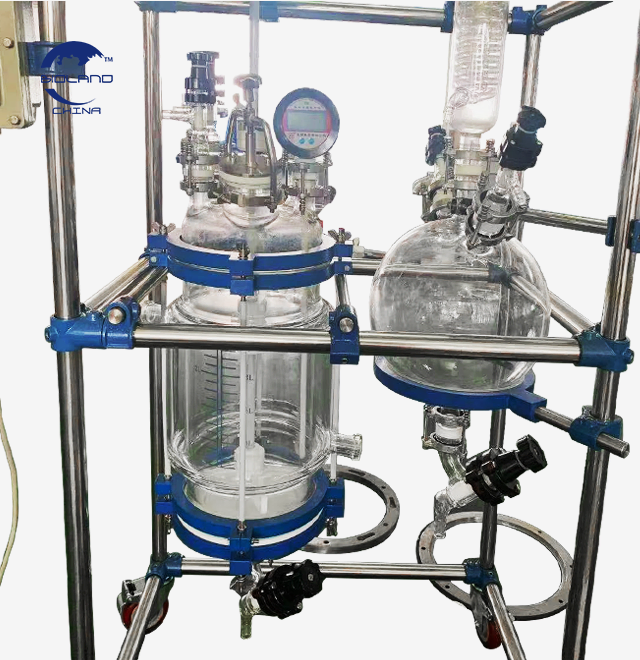
The reactor is beautifully mirror-polished and fully complies with GMP requirements for the pharmaceutical industry. The performance is excellent! Overall, we are very satisfied! We also provided with some feedback on our process improvements, which we hope will be helpful.
2024-04-09
Laboratory
Excellent and professional service. Always reply our questions very fast. All reactors and chiller we received are good too.
2024-02-15
Research Institute
Quality is beyond our expectation actually. After we got the extraction equipment and started using it, the performance was beyond our expectation. Very easy to use and very efficient to run. Service always respond us very quickly. Was also very helpful to help us. Thanks Bioland team. Very happy to work with you.
2023-11-20
Biotech Company
We are happy about the new purchase as always. Equipment and services are both good.
2023-08-05
Instrument Lab
This is the second order with Bioland instrument and everything is good as the first dateText.
2023-05-12
Global Trading Partner
Bioland instrument team is very helpful and professional. The sales helped us select the right equipment for our application, and their logistics people handled the transportation and customs declaration for our shipment. All that saved us a lot of work.