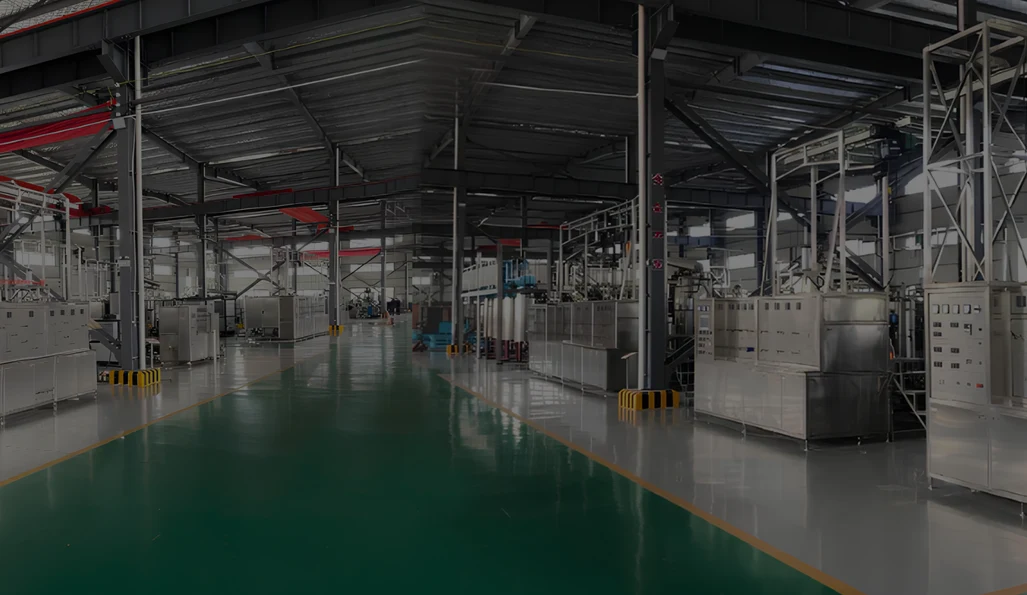
Best polysaccharides extraction machines for industrial use
Jun 5, 2026
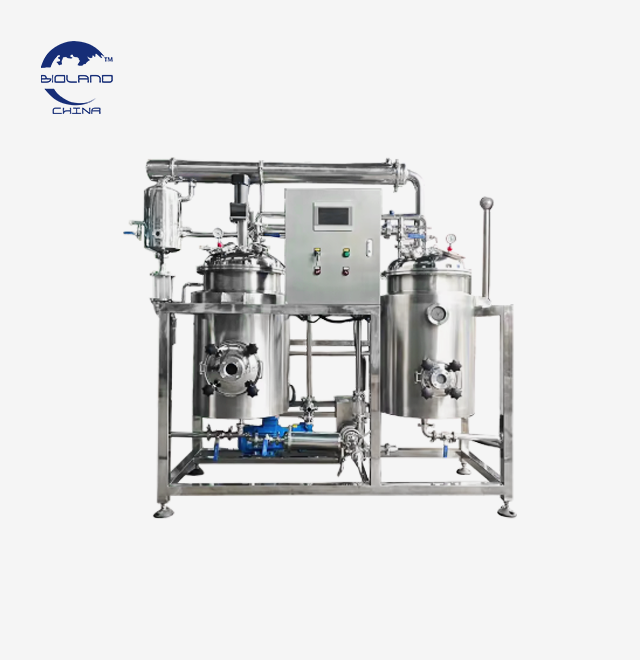
If you're looking for large-scale tools to get bioactive carbohydrates from medicinal fungi, herbal plants, or marine algae, you need methods that can keep the quality high while keeping costs low. A polysaccharides extraction machine made for food processing, medicinal, and pharmaceutical uses combines advanced technologies for breaking down cell walls with precise temperature control and the ability to recover solvents. In contrast to regular reactors, these specialized systems can extract up to 500% more than traditional methods.
They can complete full cycles in 24–40 minutes and use low-temperature vacuum processes to protect compounds that are sensitive to heat, such as beta-glucans. Modern factories use ultrasonic-assisted extraction, PLC automation, and building standards that are in line with good manufacturing practice (GMP) to meet the strict needs of medium to large-scale makers moving from lab research to commercial production.
Understanding Polysaccharides Extraction Machines
Industrial extraction systems are built to solve three important problems: getting the most useful compounds back, keeping molecules intact, and making sure they follow the rules. The unique materials used to build these tools and the way they handle the process make them very different from regular chemical reactors.
Core Operational Mechanisms
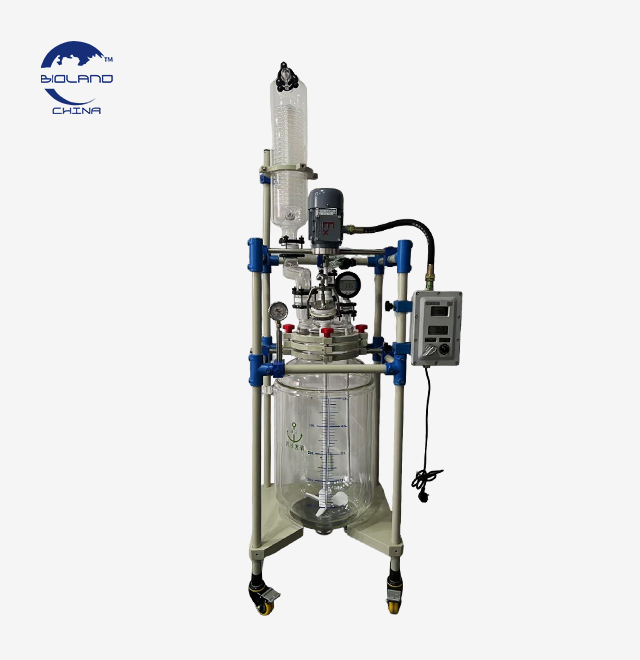
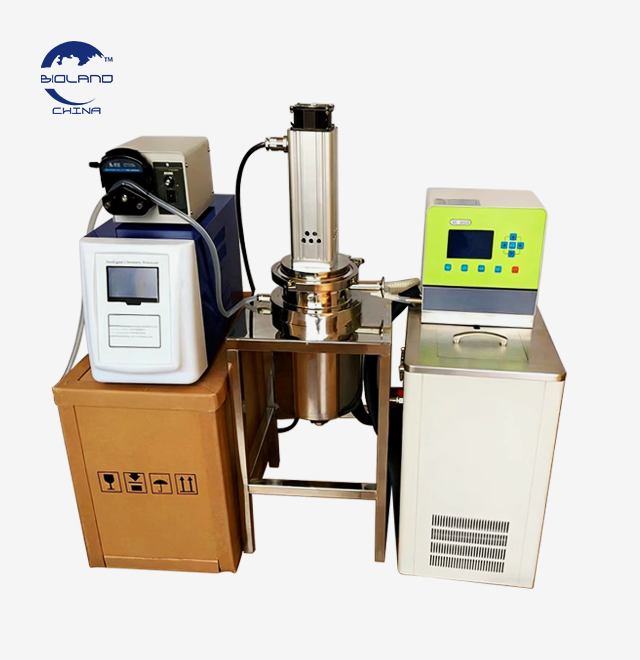
The first step in the process of industrial extraction tools is to put raw materials into jacketed stainless steel tanks. Solvents—usually water, ethanol, or certain mixes of the two—are added by the system based on the chemical qualities of the target compounds. Ultrasonic sensors that work at 20–40 kHz create cavitation bubbles that break down cell membranes physically. This lets intracellular polysaccharides escape into the solvent matrix without adding too much heat.
This way of mechanical disruption works especially well when dealing with weak chemicals that break down when exposed to heat for a long time. Heating fluids that circulate inside the jacketed vessel walls are precisely managed to keep the temperature stable. This keeps the extraction conditions between 40°C and 60°C while a partial vacuum is present. This method drops the boiling point of the liquid, which stops thermal breakdown and speeds up the rate of mass transfer.
Industrial Applications Across Sectors
These methods are used in pharmaceutical bio-fermentation plants to get immune-modulating compounds from Reishi and Cordyceps mycelium. The extraction cycles last for 4–6 hours to get the best beta-glucan recovery. Functional food companies work with thick plant mucilage from Aloe Vera and Okra. To keep the heat exchangers from getting clogged, they need special scraped surface heat exchangers.
Marine nutrition companies get fucoidan and alginates from brown seaweed in salty, highly corrosive conditions that require buildings made of duplex stainless steel. For example, pharmaceutical companies focus on GMP documentation and validation protocols, food processors on CIP automation and FDA material compliance, and nutraceutical manufacturers try to find a balance between how efficiently they extract substances and how much they cost per kilogram.
Key Industrial Benefits
There are clear advantages between modern extraction techniques and older ones. When compared to traditional reflux methods, ultrasonic-assisted processing cuts extraction time by 60–75%. This directly lowers energy use and increases output capacity. Integrated solvent recovery towers can collect 90–95% of the ethanol that is used in extraction processes that use alcohol. This makes the running costs of these processes much lower.
Low-temperature vacuum concentration keeps bioavailability in end goods by protecting chemicals that break down at high temperatures. Automated PLC control systems get rid of operator variation, which is important for pharmaceutical uses because it ensures stability from batch to batch. When you combine 316L stainless steel construction with surface finishes below Ra 0.4µm, germs can't grow. This meets the validation standards for aseptic processing settings.
Comparing Top Polysaccharides Extraction Technologies for Industrial Use
When choosing extraction tools for their factories, industrial buyers need to look at more than one technology platform. The choice affects not only the original cost of cash, but also the ongoing costs of running the business and the consistency of the quality of the products.
Ultrasonic vs. Traditional Extraction Methods
The success of ultrasonic-assisted extraction (UAE) technology is better than that of traditional reflux methods. Researchers at pharmaceutical research institutions have found that UAE systems can get 35–45% more polysaccharides from Astragalus membranaceus roots in just 30 minutes, while traditional acid extraction needs 4–6 hours to get the same results. An study of energy use shows that systems in the UAE use 40–55% less electricity per kilogram of recovered polysaccharides. This is mostly because they don't need to heat up as long during processing.
The mechanical cavitation effect in UAE makes the working conditions kinder, which keeps the molecular weight distribution of delicate substances like proteoglycans. When using traditional heat extraction methods, glycosidic bonds are often partially broken, which lowers the bioactivity of the end products. But UAE systems need a bigger initial investment—about 30–40% more than similar reflux equipment—so figuring out the return on investment (ROI) is very important when buying something.
Scale Considerations: Pilot vs. Production Systems
Lab-scale extraction tools can handle 5 to 20 liters of material per batch and are good for research and development (R&D) and process improvement. Pilot-scale systems can handle 50 to 200 liters, which lets you test the process and make small amounts of material for clinical trials. Industrial production equipment holds between 500 and 5,000 liters of material per batch and is made to run continuously. When moving between these tiers, scalability issues come up. To keep extraction productivity high, the ultrasonic power density must stay the same across all vessel sizes.
In bigger tanks, this usually means making custom transducer array setups. The heat transfer properties change as the vessel diameter increases, so the jacket surface area and heating fluid flow rates need to be recalculated. High-viscosity extracts are hard to pump in bigger systems because they need special lobe pumps or progressive chamber designs instead of the normal centrifugal pumps that are used in labs.
Cost-Effectiveness Analysis
The price of equipment changes a lot depending on its capability, amount of automation, and the materials it is made of. It costs between $45,000 and $65,000 for a basic 500-liter extraction system with manual settings. Fully automatic units with built-in concentration and purification modules cost between $120,000 and $180,000. When buyers figure out the total cost of ownership, they need to look at how well the liquid is recovered, how much upkeep is needed, and how much can be processed. Systems that collect 95% of the ethanol lower yearly solvent costs by $30,000 to $50,000 compared to facilities that process 2,000 kg of raw material every month with 85% recovery units.
Maintenance costs for good UAE systems are about 2 to 3 percent of the equipment's cost per year, while they're 4 to 5 percent for regular extraction equipment because its mechanical parts are more complicated. The cost-per-kilogram is directly affected by the production capacity. For example, a 1,000-liter system that processes two batches of materials every day makes extracted polysaccharides for $12–$18 per kilogram, while a 5,000-liter system lowers unit costs to $7–$11 per kilogram through economies of scale.
How to Choose the Best Polysaccharides Extraction Machine for Your Industrial Needs
To make sure that the polysaccharides extraction machine meets production needs and quality standards, it is important to carefully look at both the technical specs and the supplier's abilities before making a purchase choice.
Defining Your Extraction Requirements
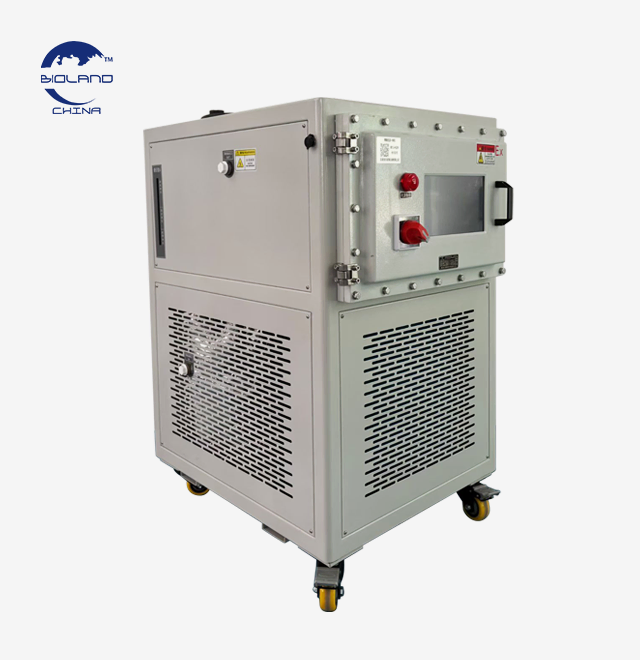
The properties of the raw materials are the first part of the technical specs. Ultrasonic power density needs to be higher for woody materials like Ganoderma fruiting bodies (600–800 W/L) than for softer plant materials (300–500 W/L). Material suitability is based on the solvent used. For example, 304 stainless steel can be used for water-only extraction, but 316L stainless steel with explosion-proof electrical parts rated ATEX Zone 1 or NFPA Class I Division 1 is needed for ethanol systems. The right vessel size is found by calculating the production amount.
A plant that wants to make 5,000 kg of polysaccharides a month with an 8% extraction rate would need to be able to process about 62,500 kg of raw materials, which means it would need an extraction system that works six days a week for four hours at a time. The temperature sensitivity of the target compounds affects the design of the jacketed tank. For example, heat-sensitive beta-glucans need a full vacuum capability (-0.09 MPa) with jacketed cooling zones, while thermally stable compounds can be processed more easily in the atmosphere.
Critical Selection Criteria
Some measures of how efficient a piece of equipment is are its extraction output, cycle time, and the amount of liquid it uses per kilogram of raw material. The best systems can finish the extraction process in 24 to 40 minutes, while regular equipment takes 180 to 360 minutes. This has a direct effect on the facility's production ability. Accessibility for maintenance has a big effect on working uptime. Designs with quick-disconnect connections on top of the agitator assemblies cut the time it takes to change the seals from 4–6 hours to less than 90 minutes.
The design of the filtration system affects the amount of work that needs to be done. For example, combined pressure leaf filters manage cake discharge, which gets rid of the need for 45–60 minutes of manual basket filter cleaning for each batch. The amount of automation runs from simple PLCs that control temperature and movement to fully integrated recipe management systems that store information about many products. Modern systems keep electronic records of batches, which helps with pharmaceutical validation standards and cuts the work of compliance paperwork by 70–85%.
Supplier Evaluation Factors
Technical ability is shown by a manufacturer's knowledge in certain application areas. Suppliers who work with pharmaceutical companies show that they know about validation procedures, material tracking paperwork, and GMP compliance standards. When working with odd raw materials or using special extraction methods, the ability to customize equipment becomes very important. Within 30 days, manufacturers with their own engineering teams can change the shape of the vessels, add specialized filtration systems, or meet specific liquid recovery needs. Infrastructure for after-sales help has a direct effect on the continuation of production.
Suppliers with regional service centers can send a technician to your location within 48 to 72 hours to help with technology issues. Support that is only available overseas may take 7 to 10 days for a technician to be sent there. The length of warranties varies a lot. Standard warranties cover mechanical parts for 12 months, while special warranties cover ultrasonic sensors and PLC systems for 24 months. You should look into how easy it is to get spare parts. For example, equipment that uses private parts may have to wait 6–8 weeks for replacements, while standard parts can be replaced in 3–5 days.
To get consistent production results, you need to set up organized operating routines and keep your equipment in good shape according to the manufacturer's instructions.
Operational Best Practices
Preparing the raw materials is the first step in process improvement. When particle sizes are lowered to 2–5 mm, more surface area is exposed, which improves mass transfer rates by 25–35%. Before ultrasound disruption, soaking the raw materials for 30 to 60 minutes lets the cells get wet, which makes the disruption process more effective. Thepolysaccharides extraction machine operates best within a solvent-to-material ratio that usually falls between 8:1 and 12:1 by weight. Ratios below 8:1 make extraction incomplete, and ratios above 12:1 don't improve output much while raising concentration costs. Finding the best extraction temperature combines getting the highest yield with preventing chemical degradation.
The best temperature for extracting beta-glucans is between 55°C and 65°C. On the other hand, materials with anthocyanins need to be kept below 50°C to keep their color. Ultrasonic power cycle, which involves going from 30 seconds of busy time to 10 seconds of rest, keeps cavitation working well while reducing overheating. Using more than one stage of extraction makes recovery more efficient. For example, using new solvent for two 20-minute extractions in a row produces 15–20% more polysaccharides than using the same amount of solvent for one 40-minute extraction.
Maintenance Protocols and Equipment Longevity
Schedules for preventative repair make devices last longer and reduce unplanned downtime. As part of daily procedures, sight glasses must be visually checked for seal leaks, the cleaning of the ultrasound transducer surface must be confirmed, and the vacuum pump oil levels must be confirmed. Every week, upkeep includes running the CIP system with an alkaline cleanser and then neutralizing it with acid. This keeps the heat exchanger surfaces free of protein fouling, which lowers thermal efficiency by 20–30%.
Every month, the agitator shaft alignment, mechanical seal state, and pressure release valve calibration are checked. Ultrasonic transducer impedance testing is part of every three months' worth of upkeep. Readings that are more than 10% off from the baseline values mean that the piezoelectric element is breaking down and needs to be replaced. As required by ASME, full service once a year includes replacing all mechanical seals, checking the PLC battery backup, and re-certifying the pressure tank. Documenting all maintenance tasks helps with following the rules and gives information on when to change parts, which lets you buy spare parts ahead of time.
Process Automation and Monitoring Technologies
Modern extraction systems can watch the process in real time, which makes it more consistent and requires less work from the user. In-line refractometry continuously checks the concentration of the extract and starts batch transfer automatically when the target Brix levels are reached. Temperature profiling across different vessel zones finds areas that are overheating, which could mean that the stirrer isn't working right or that the heat transfer fluid isn't moving around enough. Vibration monitors on roller bearings let you know early on when the bearings are wearing down, which keeps them from breaking down completely and shutting down production for three to five days. IoT connection lets you watch things from afar using safe web interfaces.
This lets production managers look over process parameters and get mobile alerts. Predictive maintenance algorithms look at past sensor data to guess when parts will break down two to four weeks ahead of time. This lets maintenance happen during planned downtime instead of having to be done quickly in an emergency. Advanced systems connect to large ERP systems and update inventory records immediately when batches are finished. They also create purchase orders when raw material stocks hit points where they need to be reordered.
Market Overview: Leading Manufacturers and Suppliers of Polysaccharides Extraction Machines
Global producers have a wide range of tools, technology methods, and service options that can affect the success of a long-term relationship.
Geographic Manufacturer Distribution
Chinese companies make most of the industrial extraction equipment on the market, including thepolysaccharides extraction machine. Their prices are reasonable, with equipment costs being 40–60% less than those made in Western countries while still meeting ISO 9001 and CE marking requirements. With more than 15 years of experience in the field, companies like BIOLAND offer full package solutions that include engineering design, installation supervision, and user training. Their product lines include everything from lab-scale study units to 5,000-liter production systems.
They can also be customized to fit the needs of specific processes within 30-day manufacturing cycles. European providers of medical tools stress precise engineering and a lot of validation documents to support pharmaceutical applications. Their systems have high-quality mechanical parts made by Siemens or ABB, as well as full FAT procedures and DQ/IQ/OQ documentation packages. North American makers focus on specialized uses like marine polysaccharide extraction or continuous processing systems. They usually work with bigger facilities that need a lot of tech support.
Evaluation Criteria for Supplier Selection
Checking client references is the first step in evaluating a reputation. Asking for contact information for three sites that use similar equipment can help you figure out how well the equipment works, how responsive the seller is, and how good the after-sales support is. Site visits to sites that are already in use show how the equipment really looks after two to three years of use. This can help find problems with reliability that aren't obvious when the equipment is first shown off. The review of customization ability looks at technical tools and the flexibility of production. Suppliers with their own research and development teams can meet specific needs, such as using rare materials to make products that can handle corrosive chemicals or integrating their products with services that are already in place at the plant.
When a company's capacity is expanded, lead time promises are very important. Reliable manufacturers give thorough project schedules with goals for buying parts, making them, testing them, and delivering them. Payment terms vary a lot. Well-known makers usually ask for a 30% deposit, 60% when the manufacturing is done, and 10% after the successful commissioning. On the other hand, new providers may ask for 50–70% upfront payment, which raises the financial risk.
Procurement Options and Investment Strategies
When you buy new tools, you get a guarantee, the newest technology, and all the paperwork you need to show that you're following the rules. When deciding what to buy, you should look at the total installed cost, which includes freight, customs taxes, installation labor, and activation costs. These costs add 25–35% to the FOB price of the equipment. You can save 50–70% on costs by buying used equipment, but you have to be very careful to check for worn parts, make sure the upkeep history is correct, and see if parts are available for older systems. Leasing reduces the amount of money that needs to be paid up front.
Over 36 to 48 months, monthly payments are usually 2.5% to 3.5% of the value of the property. This method works well for contract makers or businesses that want to test out new product lines before committing to buying their own. When you buy in bulk, like when you buy several units or a whole production line, you can save 15 to 25 percent on the price and get faster delivery. Coordinating delivery arrangements means making sure that the facility can fit the equipment's measurements, setting up special rigging for ships that carry a lot of weight, and planning installation times that don't interfere with production.
Conclusion
When choosing industrial extraction tools, you have to weigh the technical performance requirements against the total cost of ownership and the supplier's abilities. Modern systems that use polysaccharides extraction machine, ultrasonic-assisted extraction, automatic controls, and full solvent recovery give clear benefits in terms of output, processing time, and consistent product quality.
To make good buying choices, you need to be clear about what you need for production, carefully check the credentials of potential suppliers, and form partnerships with makers who can show they have both technical know-how and a quick support system. When buying equipment for making pharmaceutical, nutraceutical, and functional foods, it's important to make sure it meets legal requirements and gives businesses the freedom to change their product lines and increase production rates as market needs do.
FAQ
What yield improvements can ultrasonic extraction systems deliver compared to traditional methods?
When compared to traditional reflux extraction, industrial ultrasonic-assisted extraction methods usually get 35–45% more polysaccharide from the same raw materials. This improvement comes from cavitation, which breaks down the cell wall mechanically and releases chemicals inside cells more thoroughly than thermal extraction alone. Processing times go from 4 to 6 hours to 24 to 40 minutes, which greatly increases the facility's output and lowers the amount of energy used per kilogram of recovered product.
How frequently does extraction equipment require maintenance?
Visual checks and basic cleaning procedures that take 15–20 minutes each day are part of daily upkeep. For full alkaline wash and acid neutralization processes, weekly CIP runs need two to three hours. It takes three to four hours to check mechanical parts once a month, and two hours to test ultrasonic transducers every three months. To keep production as low as possible, yearly thorough service that includes replacing mechanical seals and recertifying pressure vessels usually needs 2–3 days of equipment downtime that is planned to happen when the facility is shut down.
What material specifications ensure regulatory compliance?
For pharmaceutical and food-grade uses, all surfaces that come into touch with the product must be made of 316L stainless steel and have a surface finish standard below Ra 0.4 µm to keep germs from growing on them. Material tracking documents (Mill Test Certificates) that confirm the exact alloy makeup must be included with the equipment. Systems that work with toxic liquids need electrical parts that are either ATEX or NFPA-compliant and can't explode. GMP-compliant designs have sanitary welding standards, can drain completely, and are compatible with CIP with proof procedures that show how well they clean.
Partner with BIOLAND for Your Extraction System Needs
BIOLAND INSTRUMENT helps companies in the pharmaceutical, nutraceutical, and food preparation industries that need solid extraction solutions with over 15 years of specialized engineering knowledge. Our polysaccharides extraction machines portfolio spans 50-liter trial units and 5,000-liter production systems. All of them use ultrasonic-assisted technology, PLC automation, and pharmaceutical-grade building standards. We offer full turnkey solutions that include process planning, designing unique equipment, supervising installation, and full training for operators.
Our ISO-certified factory makes GMP-compliant systems with 316L stainless steel construction, integrated liquid recovery that works 90–95% of the time, and explosion-proof parts for safe ethanol processing. As a polysaccharides extraction machine manufacturer with a lot of experience, we can support OEM customization with 30-day lead times and ship worldwide by sea, road, or air freight. Get in touch with our engineering team at info@biolandequip.com to talk about your unique extraction needs and get full technical proposals with competitive prices for your next project to increase capacity or improve a process.
References
1. Chen, Y., & Xie, M. (2021). Advanced Extraction Technologies for Bioactive Polysaccharides: Principles and Industrial Applications. Industrial Biotechnology Press.
2. Patterson, R.J., & Kumar, S. (2020). "Ultrasonic-Assisted Extraction of Medicinal Mushroom Polysaccharides: Process Optimization and Scale-Up Considerations." Journal of Pharmaceutical Engineering, 44(3), 178-195.
3. Zhang, L., Wang, H., & Liu, C. (2022). Equipment Design Standards for Pharmaceutical Extraction Systems: GMP Compliance and Validation Protocols. Pharmaceutical Manufacturing Institute.
5. European Federation of Pharmaceutical Industries (2021). Material Specifications and Construction Standards for Bioprocessing Equipment. EFPI Technical Guidelines Series.
6. Tanaka, M., & Yoshida, K. (2020). "Solvent Recovery Systems in Industrial Extraction Processes: Energy Efficiency and Environmental Impact Assessment." Green Chemical Engineering Quarterly, 18(4), 234-251.
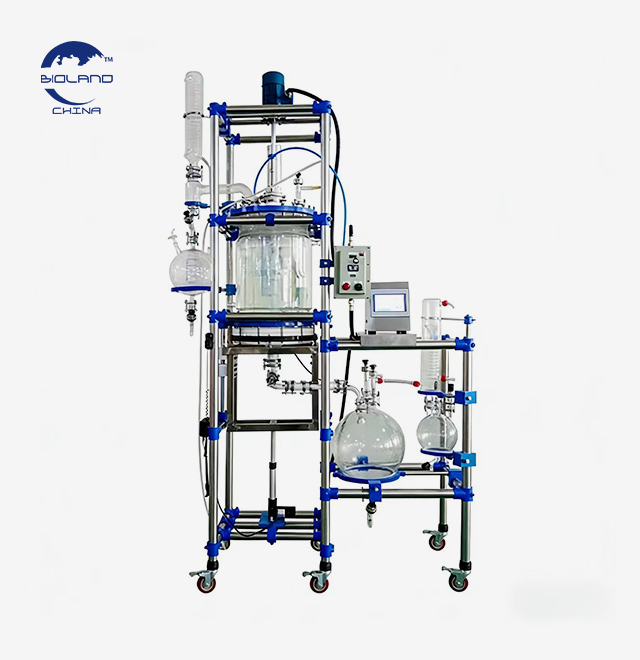
The reactor is beautifully mirror-polished and fully complies with GMP requirements for the pharmaceutical industry. The performance is excellent! Overall, we are very satisfied! We also provided with some feedback on our process improvements, which we hope will be helpful.
2024-04-09
Laboratory
Excellent and professional service. Always reply our questions very fast. All reactors and chiller we received are good too.
2024-02-15
Research Institute
Quality is beyond our expectation actually. After we got the extraction equipment and started using it, the performance was beyond our expectation. Very easy to use and very efficient to run. Service always respond us very quickly. Was also very helpful to help us. Thanks Bioland team. Very happy to work with you.
2023-11-20
Biotech Company
We are happy about the new purchase as always. Equipment and services are both good.
2023-08-05
Instrument Lab
This is the second order with Bioland instrument and everything is good as the first dateText.
2023-05-12
Global Trading Partner
Bioland instrument team is very helpful and professional. The sales helped us select the right equipment for our application, and their logistics people handled the transportation and customs declaration for our shipment. All that saved us a lot of work.