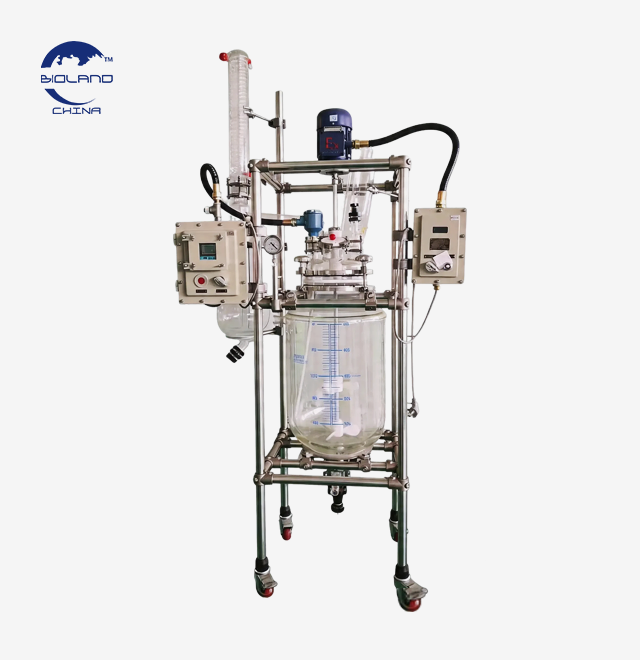
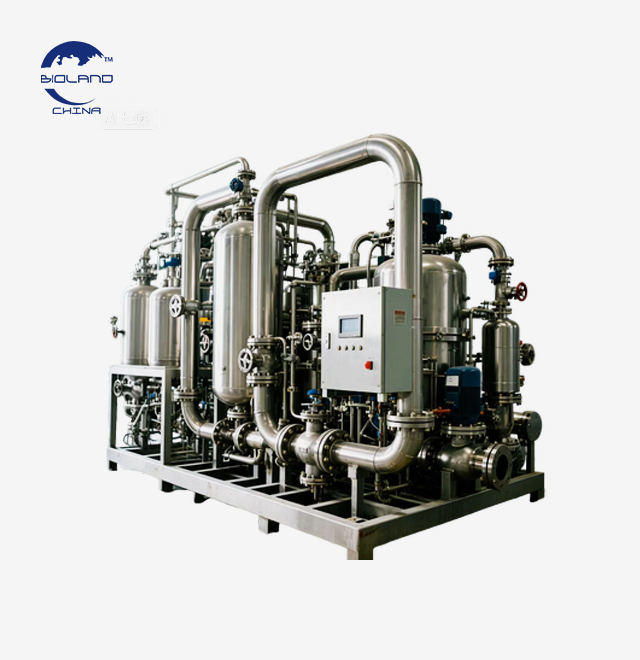
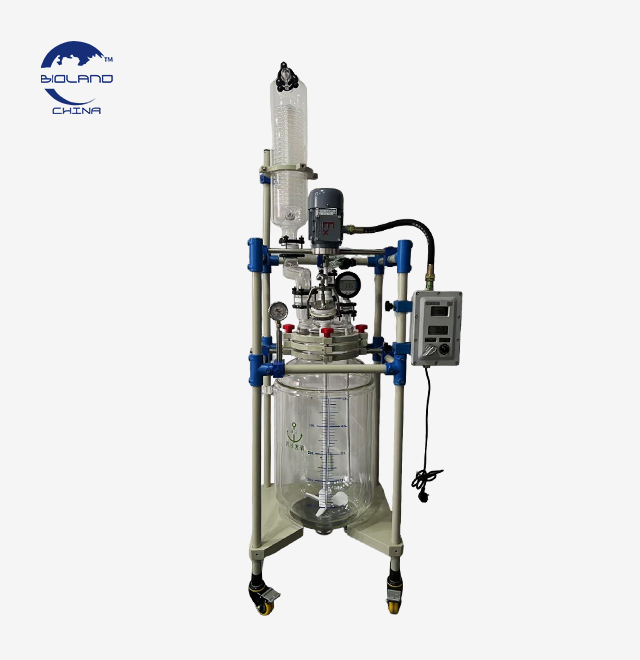
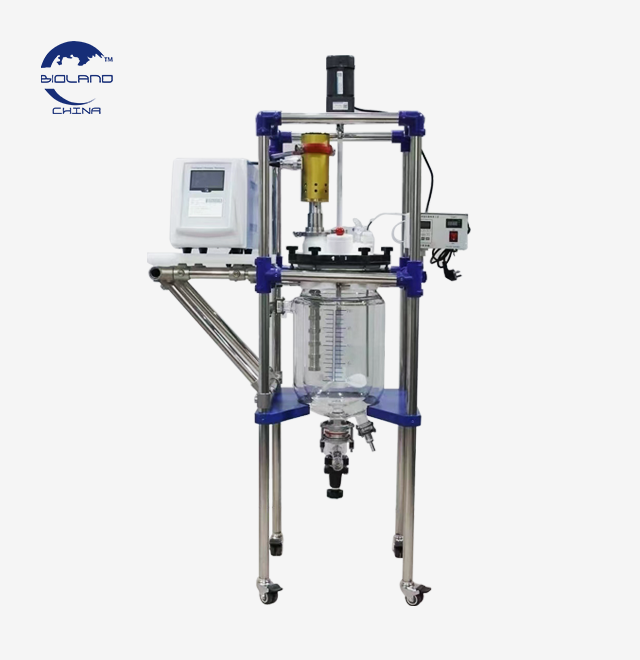
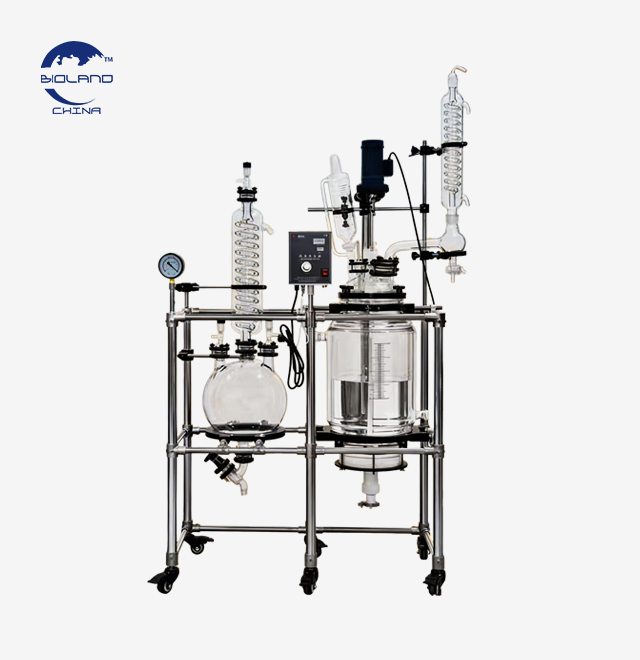
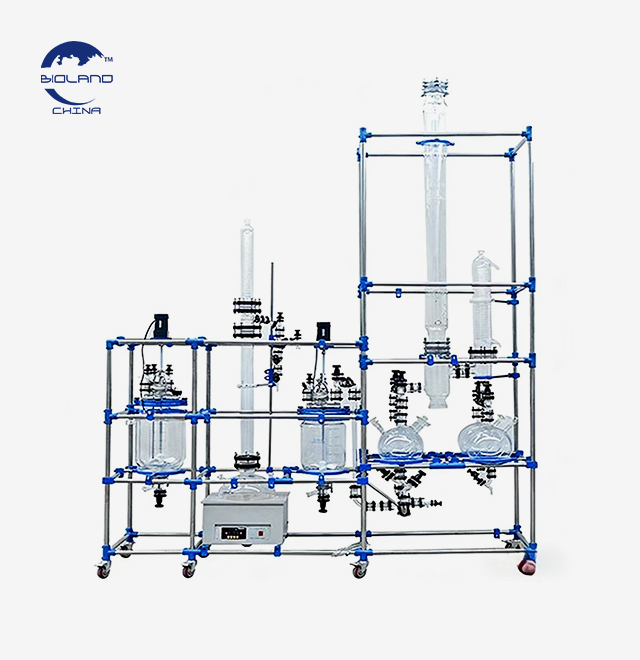
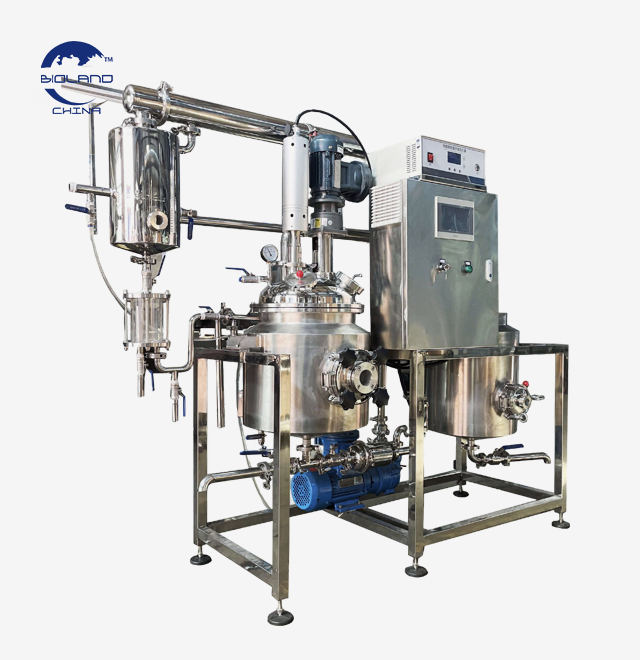
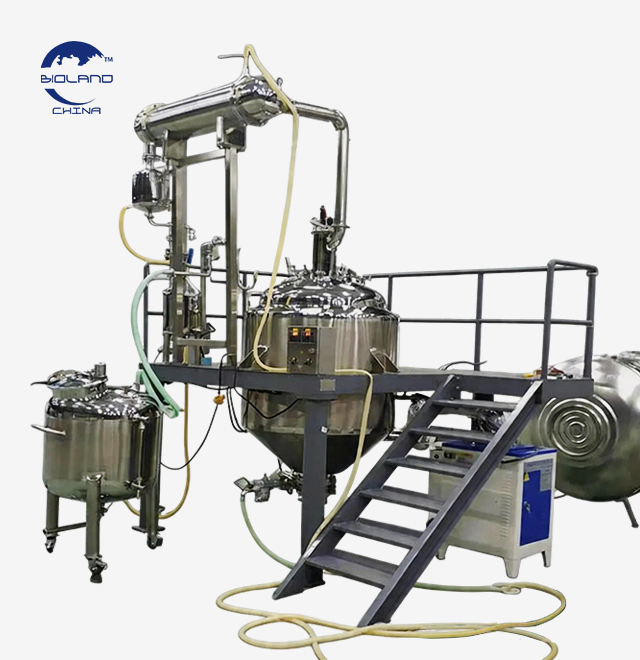
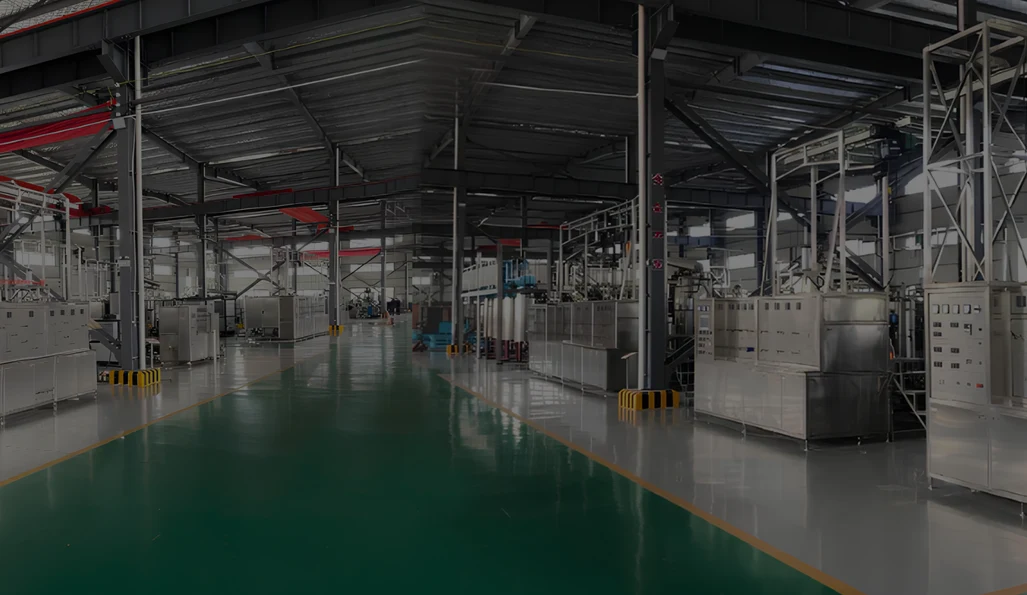
Intelligent robotics, technologies that focus on sustainability, and precise engineering are changing the future of botanical extraction by changing how businesses separate bioactive compounds from plant materials. Ultrasonic-assisted methods, closed-loop liquid recovery, and botanical extraction machinesnow integrate PLC automation to deliver extraction efficiencies 50–500% higher than traditional techniques while operating at low temperatures (40–60°C) that preserve heat-sensitive phytochemicals. These new developments solve long-standing problems with scale, energy use, and legal compliance. They make extraction technology a key part of making pharmaceutical active ingredients, nutraceuticals, and specialty ingredients for markets around the world.
Understanding Modern Botanical Extraction Technologies
The change from simple maceration methods to complex extraction systems is due to decades of progress in engineering and the need for uniform, high-purity botanical products in the market. Modern technology for extraction uses a number of different methods that are adapted to different types of compounds and output levels.
Solvent-Based Versus Solvent-Free Extraction Methods
Solvent-based methods use ethanol, hydrocarbons, or supercritical CO2 to remove specific molecules from plant materials. Because it is GRAS and works well at separating polyphenols, alkaloids, and cannabinoids, ethanol extraction is still used a lot in the medicinal and nutraceutical industries. These systems have two condensers that work together to get more than 98% of the fluid back. This cuts down on costs and damage to the environment by a huge amount. When supercritical CO2 extraction is done at temperatures close to 31°C and pressures above 1,070 psi, it is possible to change the selection so that only certain terpene fractions are separated without any heat degradation.
Solvent-free options, like mechanical pressing and steam distillation, are better when worries about residual solvents are more important than speed. The equipment used for making essential oils from fragrant plants like peppermint or lavender works at air pressure, but the yield rates are usually much lower than those achieved with solvent-assisted methods.
Ultrasonic-Assisted Extraction Technology
Ultrasonic cavitation at frequencies between 20 and 40 kHz creates tiny bubbles that burst rapidly near plant cell walls, breaking up cell structures and letting chemicals inside cells escape into the solvent used for extraction. With this mechanical disruption, the extraction process takes only 24–40 minutes, compared to 4–6 hours with standard reflux methods. Dual-ultrasonic designs improve both the rate of dissolution and the rate of production. This means that they can be used to make large amounts, from small batches in the lab to test and production numbers. Curcumin extraction tests using abotanical extraction machine with ultrasound assistance show 87% higher yields than conventional percolation while using 63% less energy per kilogram of finished extract.
Process Integration and Equipment Components
Complete extraction systems include many separate parts, such as pre-treatment tanks for cleaning the biomass, extraction reactors with heating and cooling jackets, filtration assemblies (such as bag filters and Nutsche filters), evaporators for getting rid of the solvent, and extra vacuum pumps and chillers. Building things out of SS316L stainless steel with electropolished surfaces (Ra ≤0.4µm) meets GMP hygiene design standards. This keeps microbes from getting on them and makes CIP (clean-in-place) processes easier to follow. Electrical parts that are explosion-proof and approved for Class 1 Division 1 hazardous areas make sure that operations are safe when volatile liquids are being processed.
Regular repair plans, such as checking the gaskets, certifying the pressure vessels, and calibrating the temperature monitors, have a direct effect on how long equipment lasts and how reliable the process is. When manufacturers offer full installation, commissioning, and technical training services, workers can stay in line with regulations while also finding the best extraction settings for maximum yield and purity.
Emerging Trends and Future Paradigms in Botanical Extraction
Traditional ways of extracting resources have built-in problems that make them less productive and long-lasting in current industrial settings. Inefficient batch processes, using too much energy from long heating cycles, and not fully recovering solvents all cause problems that hurt both profits and the environment.
Automation and Industry 4.0 Integration
Using programmable logic controllers (PLC) and human-machine interfaces (HMI) together lets you keep an eye on important process factors like temperature, pressure, flow rates, and solvent makeup in real time. Automated recipe management makes sure that stability from batch to batch, which is required by law for making medicinal APIs where analytical variation must stay within strict limits. Sensors that are linked to the cloud send operational data to centralized screens. This makes it easier to plan predictive maintenance, which cuts down on unnecessary downtime by finding patterns of component wear before they break down completely.
AI algorithms look at old extraction data to suggest the best parameter sets for new plant feedstocks. This cuts the time it takes to create a process from months to weeks. Spectroscopic data is used to train machine learning models that can connect the conditions of extraction to the purity of the end product. This lets adaptive control methods take into account natural differences in the composition of the raw materials.
Green Chemistry and Solvent Innovation
Bio-based solvents and aqueous extraction methods are becoming more popular because of regulations and customer tastes. Subcritical water extraction works at temperatures between 100°C and 374°C while under pressure. It uses the changed polarity of water to dissolve chemicals that usually need organic solvents. This method completely gets rid of worries about solvent residues while making recyclable waste streams that can be composted.
Natural deep eutectic solvents (NADES) are mixes of basic metabolites like choline, organic acids, and sugars. They are very good at selectively extracting glycosides and saponins without being as harmful as other solvents. Early business use of these alternatives inbotanical extraction machines shows that they may change extraction economics as production volumes rise and costs fall.
Continuous Processing and Modular Design
By switching from batch to continuous extraction setups, the throughput problems that come with standard vessel-based systems can be fixed. With counter-current extraction columns, biomass is processed constantly, reducing residence time by 70% while keeping the same or higher extraction rate. Modular skid-mounted designs let capacity grow quickly by deploying multiple units at the same time. This gives makers the freedom to match the investment in equipment to the growth of market demand.
When purchasing tools, procurement workers should give more weight to suppliers that can show they can adapt to new technologies and do strong research and development. The speed at which extraction technology is changing means that companies need to work together with those that are dedicated to always getting better and adapting to changing legal environments.
Choosing the Right Botanical Extraction Machine for Your Operations
To choose the right extraction tools, you need to carefully consider your production goals, target compounds, throughput needs, and funds. When equipment skills don't match up with working needs, capital assets aren't used to their full potential or production gets stuck, which slows down business growth.
Defining Production Scale and Throughput Requirements
For research and development, lab-scale equipment (1–20 liters) is used to help with process development and formulation improvement before investing in production facilities. Pilot-scale systems (50–200 liters) are the link between bench-top study and industrial production. They give important information about how scaling works and how much the process costs. Large-scale production is possible with industrial units that hold more than 500 liters. Some sites process several tons of biomass every day.
By matching the capacity of equipment to its real output needs, you can avoid spending too much on extra capacity and still leave room for your business to grow. Modular designs that let you add small amounts of capacity by deploying units in parallel give you more options than single-piece systems.
Evaluating Technical Performance Metrics
The percentage of target compound collected from the total available content is called extraction yield. It has a direct effect on the cost of raw materials and the economics of the output. When equipment regularly delivers high returns (>90% recovery of available actives), it can justify higher prices because it uses less input. Energy efficiency metrics, which are given in kilowatt-hours per kilogram of extract, measure the costs of running the equipment that add up over time.
Ease of operation includes how easy it is to use the control system and how hard it is to clean and fix. Fully automatic systems with touchscreen HMI interfaces require less training for operators and lower the risk of mistakes than equipment that has to be supervised all the time when it is handled by hand.
Comparing Equipment Options and Total Cost of Ownership
Solvent-based systems need extra infrastructure like places to store the solvent, tools for recovering it, and electricity connections that can't explode. These add to the capital costs above and beyond the extraction vessel itself. Ethanol extraction systems are well-liked by regulators and can dissolve a wide range of compounds, which lowers the cost of infrastructure by making them more useful in different situations.
Because they need high-pressure parts, supercritical CO2 devices are more expensive, but they don't leave behind any solvent residue, which is important for pharmaceutical uses. Operating levels above 5,000 psi require strict safety rules and specialized repair knowledge.
There are cost-performance factors when choosing between manual and automated tools. Manual systems require less money to set up, but they require more work and there is a chance that batches won't be consistent. PLC-automated systems are better at accuracy and require less work per batch, which means they give a faster return on investment in medium- to high-volume production situations.
Tailored Recommendations for Buyer Personas
Directors of R&D put a high value on being able to change things quickly and accurately so that they can test different extraction settings with different plant materials. Modular systems that allow for quick changes to parameters and full data logging make process development more efficient.
Purchasing managers look for suppliers of botanical extraction machines that they can trust, whose prices are clear, and whose payment terms are good. When compared to new providers, established manufacturers with 15+ years of industry experience and detailed installation portfolios lower procurement risk.
For factories to run smoothly, managers need strong machines that work consistently with little upkeep. Systems made of materials that don't rust, with repair spots that are easy to get to and predictable replacement plans for consumables, keep output interruptions to a minimum.
Procurement and Supplier Landscape: Finding Trusted Partners for Botanical Extraction Machinery
To find the right foreign provider, you need to carefully consider the manufacturer's skills, check their credentials, and negotiate good business terms. Buying equipment is a big purchase that will have effects on operations for a long time.
Assessing Manufacturer Credentials and Certifications
Reliable makers keep certificates that prove their quality management systems and design standards. When something has the CE marking, it means it meets European safety standards, and when it has the ISO 9001 approval, it means it follows structured quality management practices. ATEX and IECEx approvals make sure that equipment can work in explosive environments, which is very important when working with fluids that can catch fire. GMP compliance is a must for pharmaceutical uses where equipment needs to support quality control and regulatory checks. This includes design, materials, and documentation practices.
Evaluating Technical Support and After-Sales Service
Because the equipment is so complicated, it needs a strong support system that includes installation, setup, operator training, and ongoing expert help. Manufacturers who offer "turnkey project execution," which includes designing the plan of the workshop, laying out the utilities, and making sure the work is done correctly, lower the risk of capital projects by putting all the responsibility on one provider.
The warranty usually lasts for 12 months after the product is put to use, but the coverage varies a lot. Comprehensive warranties cover both parts and work to fix problems, while limited warranties might not cover wearable parts or require the customer to pay for the technician's trip costs. Making the guarantee terms clear during the buying process keeps expensive shocks from happening during the equipment's service life.
Optimizing Procurement Value Through Customization
Standard stock equipment works well for most tasks, but it might not be up to the task when a specific process is needed. Custom engineering services that change extraction systems to work with specific feedstocks, output volumes, or building limitations give better results than standard products. OEM/ODM features that allow for client-specified changes, such as adding new materials to SS316L contact surfaces, integrating unique filter stages, or customizing the control system, help branded ingredient makers stand out in the market.
People who buy in bulk or place orders for more than one unit can often get big savings and better payment terms. Setting up framework deals with suppliers to build long-term relationships protects key output schedules and stable prices even when the cost of commodities changes.
Verifying Supplier Legitimacy and Avoiding Counterfeit Equipment
Doing your research lowers the risks of dealing with dishonest sellers and fake goods. Verifying the supplier's business license, asking for client references, and inspecting the building are all ways to make sure they are real. Video walks of factories that show how they make things and check the quality of their work can give people trust when they can't visit in person.
Payment arrangements that use milestone-based installments—deposit when the order is placed, progress payment during fabrication, and balance payment upon delivery or commissioning—balance the buyer's need for risk reduction with the supplier's need for working capital. International deals are safer when they go through escrow plans through well-known financial institutions.
Conclusion
Botanical extraction machine technology is moving toward more automated systems, use less energy, and are better for the environment. These systems will work better in a wider range of situations. The latest technology combines ultrasonic improvement, closed-loop solvent recovery, and intelligent process control. New developments in artificial intelligence, green solvents, and continuous processing show hope for even more progress.
When making purchases today, people should think about how flexible the equipment is, how good the supplier partnership is, and the total cost of ownership, which is more than just the original cash outlay. By engaging in up-to-date extraction infrastructure, businesses can take advantage of the growing need for plant ingredients in the pharmaceutical, nutraceutical, and specialty chemical markets, while also meeting stricter environmental and legal standards.
FAQ
What distinguishes botanical extraction from traditional distillation?
Botanical extraction uses solvents or mechanical ways to separate medicinal chemicals like alkaloids, flavonoids, and terpenoids from plant materials. Distillation, on the other hand, separates parts based on differences in instability through vaporization and condensation. Extraction is used to get rid of chemicals that don't evaporate or are sensitive to heat and would break down at distillation temperatures.
How do I determine appropriate extraction equipment capacity?
The capacity of the equipment should match the amount of work that needs to be done. Usually, equipment is made for 6- to 8-hour batch runs to get the most out of the workers. Pilot systems (50–200 liters) are best for new goods whose demand isn't known yet, while industrial systems (500 liters and up) are better for established markets whose volume needs are known ahead of time. Leave 20–30% of space empty so that the business can grow.
What maintenance practices maximize equipment longevity?
As required by ASME, clean the pressure vessel every day to keep waste from building up, check the seals and gaskets every three months, and certify the pressure vessel every year. To set up predictive maintenance plans and pass regulatory checks, keep thorough maintenance logs that record all service activities, calibration results, and part replacements.
Partner with BIOLAND for Advanced Botanical Extraction Solutions
BIOLAND INSTRUMENT offers complete extraction systems that are designed to meet the strict needs of companies that make medicines, supplements, and unique chemicals. Our ultrasonic-assisted botanical extraction machines have two condensers, are automated by a PLC, and are made of GMP-compliant SS316L. They are 50–500% more efficient than traditional methods and can work at temperatures between 40°C and 60°C, which protect the compounds. Our equipment meets safety and quality standards around the world thanks to licenses from CE, ISO, UL, SGS, ATEX, and IEC.
We offer full turnkey services that include planning the workshop, designing a unique process, installing and setting the equipment, teaching the operators, and providing technical support for life. In our more than 15 years in the business, we've successfully set up sites around the world that harvest stevia, propolis, capsaicin, curcumin, and mushrooms. Get in touch with our technical team at info@biolandequip.com to talk about your specific needs with a dedicated botanical extraction machine provider who is committed to improving your production capabilities and giving you a clear ROI through better equipment performance.
References
1. Smith, R.L. & Watkins, T.M. (2021). From the lab to the factory floor, advanced techniques in botanical extraction. Publishing by Academic Press.
2. We are Chen, L., Zhou, Y., and Martinez, J. (2022). The Journal of Food Engineering (Vol. 298, No. 110–125) has an article called "Ultrasonic-Assisted Extraction of Bioactive Compounds: Process Optimization and Industrial Applications."
3. The European Medicines Agency (2020). Guidelines for Good Manufacturing Practice for Active Pharmaceutical Ingredients Derived from Plant Sources. Publications from EMA.
4. Thompson, David K. & Richards, P.A. (2023). "Sustainability in Industrial Extraction Processes: Energy Efficiency and Solvent Recovery Innovations." Green Chemistry and Chemical Engineering, 15(3), 445–467.
5. It is called the International Society for Pharmaceutical Engineering. Baseline Guide: Qualifying Extraction Equipment Based on Risk. Technical Reports from ISPE.
6. A. Wallace, S. Kumar, and K.T. O'Brien. (2021). In Pharmaceutical Technology, 45(9), 32–41, it says, "Process Analytical Technology in Botanical Manufacturing: Real-Time Monitoring Strategies."
The reactor is beautifully mirror-polished and fully complies with GMP requirements for the pharmaceutical industry. The performance is excellent! Overall, we are very satisfied! We also provided with some feedback on our process improvements, which we hope will be helpful.
2024-04-09
Laboratory
Excellent and professional service. Always reply our questions very fast. All reactors and chiller we received are good too.
2024-02-15
Research Institute
Quality is beyond our expectation actually. After we got the extraction equipment and started using it, the performance was beyond our expectation. Very easy to use and very efficient to run. Service always respond us very quickly. Was also very helpful to help us. Thanks Bioland team. Very happy to work with you.
2023-11-20
Biotech Company
We are happy about the new purchase as always. Equipment and services are both good.
2023-08-05
Instrument Lab
This is the second order with Bioland instrument and everything is good as the first dateText.
2023-05-12
Global Trading Partner
Bioland instrument team is very helpful and professional. The sales helped us select the right equipment for our application, and their logistics people handled the transportation and customs declaration for our shipment. All that saved us a lot of work.