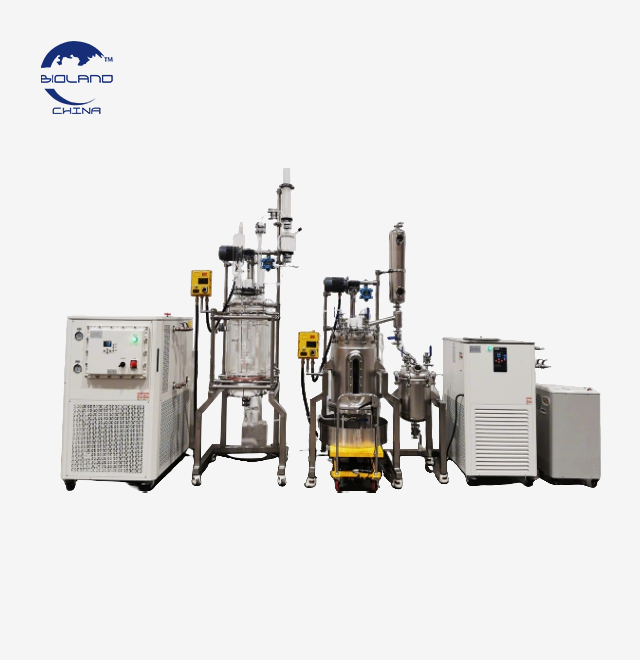
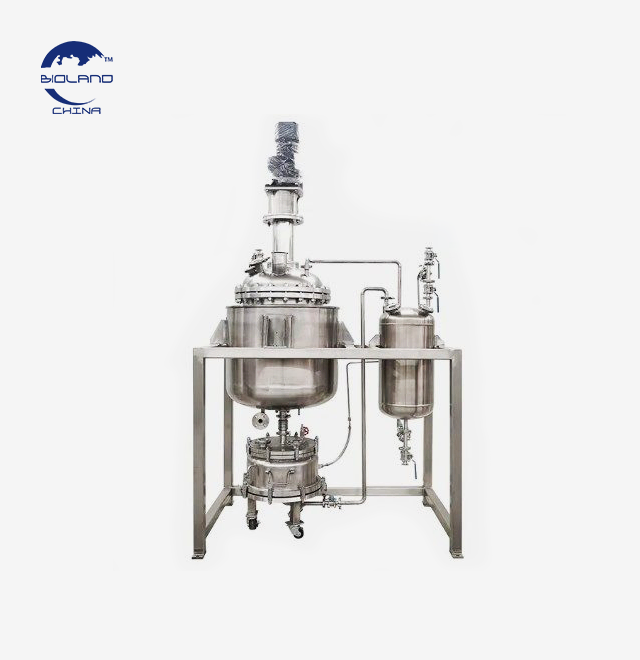
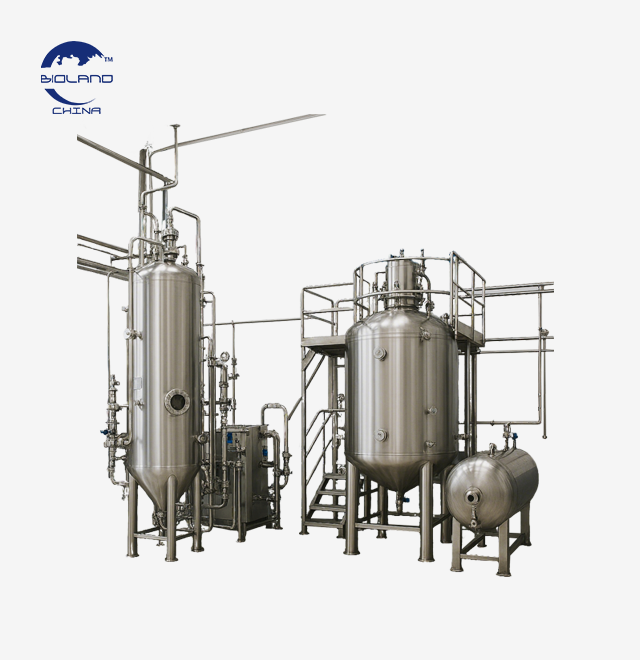
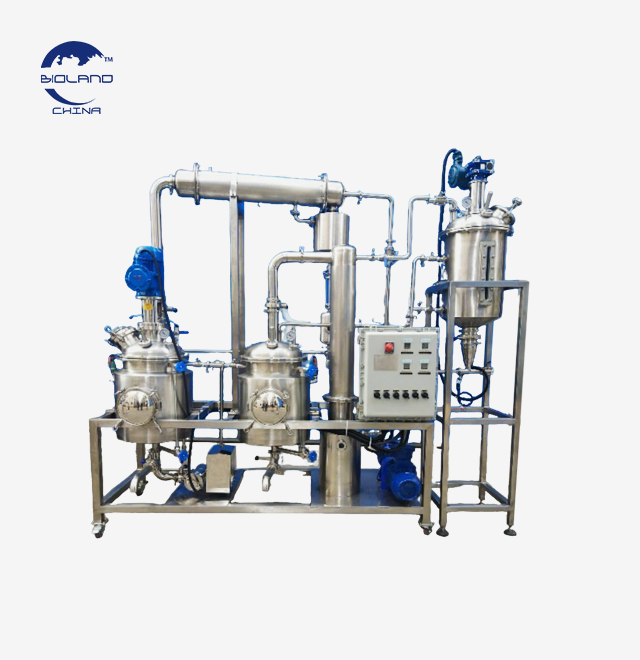
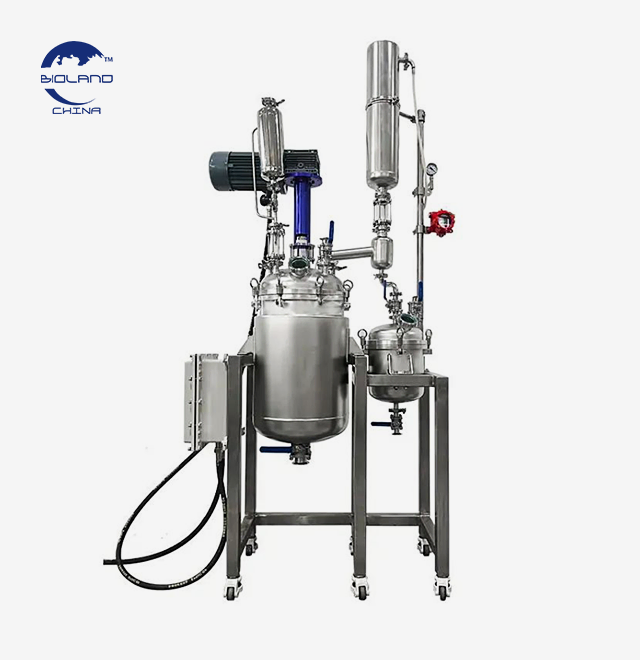
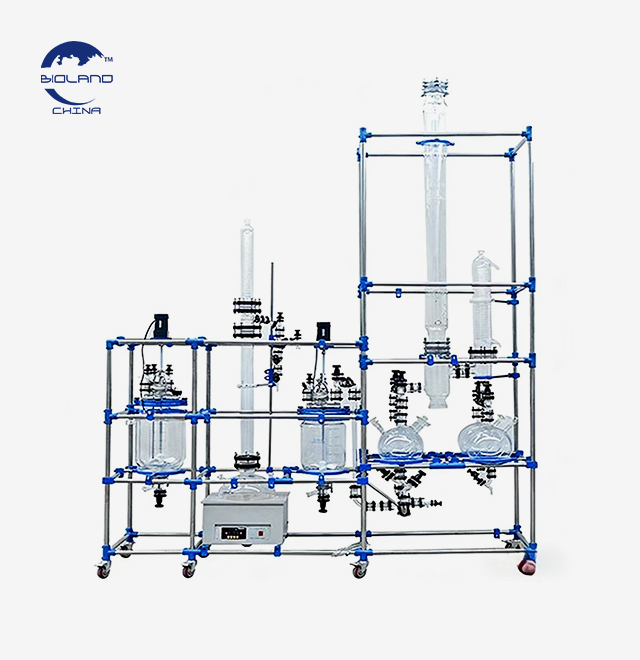
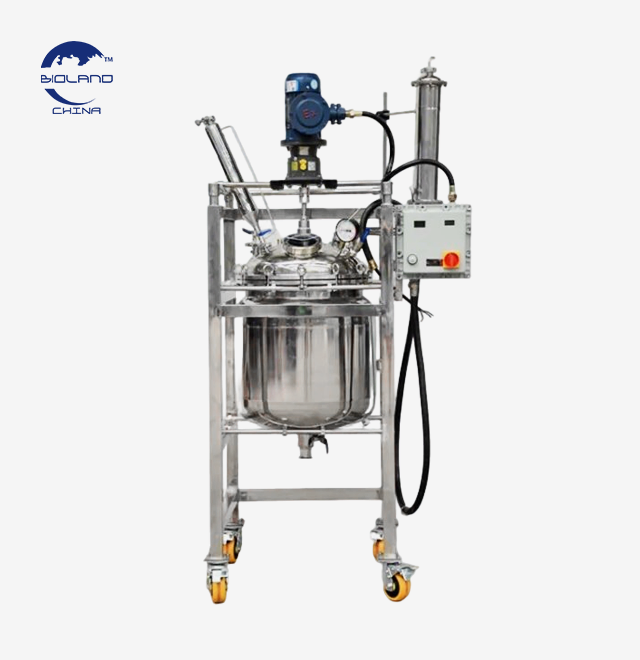
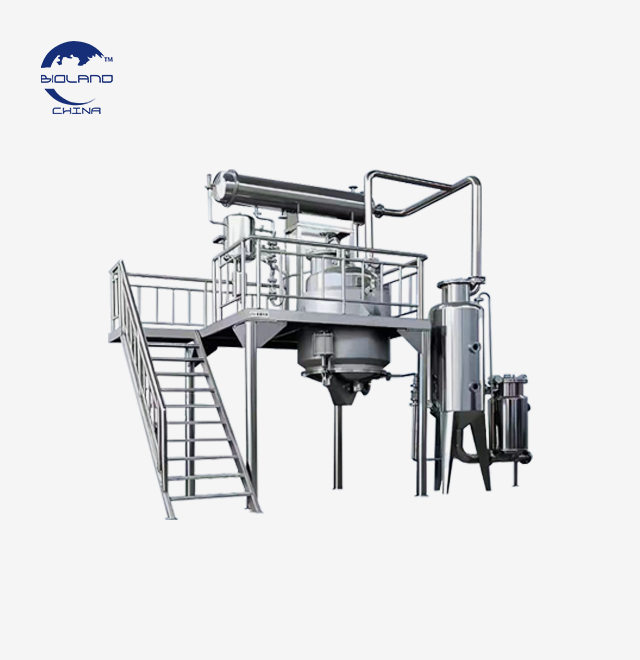
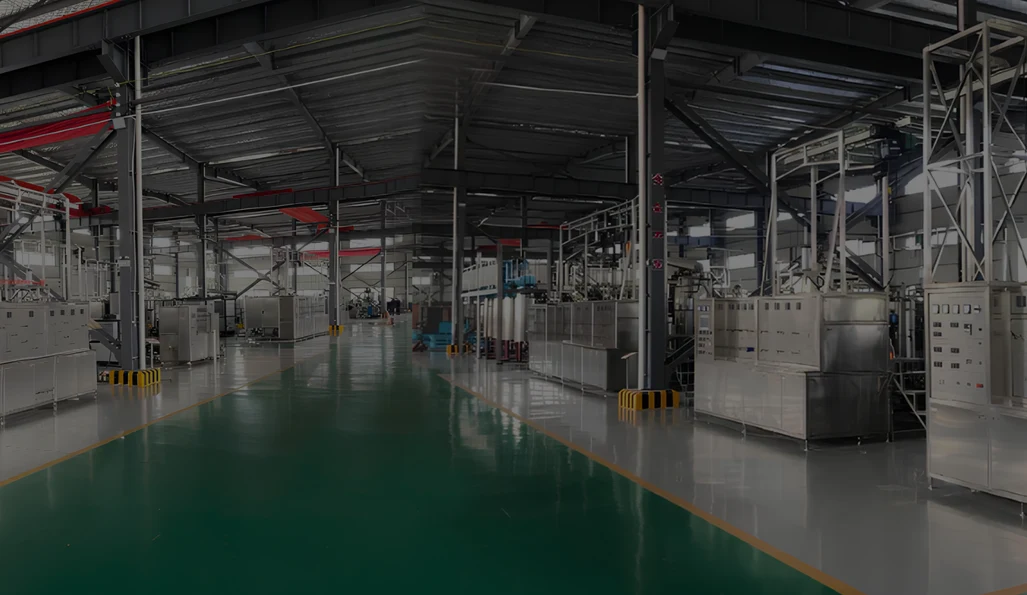
An ultrasonic or solvent-based technology is used in apropolis extraction machine to remove bioactive chemicals, mostly flavonoids and phenolic acids, from raw bee propolis. The process starts with getting the raw materials ready. Next comes solvent extraction (usually with ethanol), ultrasonic cavitation to break down cell walls, filter to get rid of waxes and other impurities, and finally low-temperature vacuum concentration to keep the active ingredients that are sensitive to heat. These steps are now computerized in modern factories, which makes sure uniform yields, lower labor costs, and GMP-compliant outputs that can be used in cosmetics, nutraceuticals, and pharmaceuticals.
Understanding Propolis Extraction Machines: Core Principles and Processes
Businesses that want to move from lab study to pilot and full-scale production need to have propolis extraction tools. In contrast to manual maceration methods that need weeks of hard work soaking, these tools finish extraction rounds in 24 to 40 minutes while still keeping the integrity of the product. The basic process has several steps that work together to deal with the unique problems that come up because propolis is sticky and resinous.
Raw Material Preparation and Solvent Selection
Raw propolis is cleaned and shrunk in size before it is extracted. Pieces of wood and bee parts that are harmful are taken out, and the material is often frozen and ground to make it more porous. The choice of solvent is very important for both yield and quality. The norm in the business is still ethanol because it dissolves flavonoids well, is safe for food, and can be recycled. Some businesses use supercritical CO2 to make alcohol-free extracts, but this takes a lot more money to start up. The amount of solvent to material is usually between 5:1 and 10:1, but it can be different based on the concentration you want and the specs of your equipment.
Extraction Techniques: Ultrasonic-Assisted and Reflux Methods
Modern extraction systems use more than one way to get the best return. Ultrasonic-assisted extraction (UAE) uses sound waves with a high frequency (20–40 kHz) to make cavitation bubbles that break up the structures of propolis cells. This cavitation effect speeds up the movement of mass and makes it possible for active chemicals to dissolve faster in the solvent. Our tools can handle this technology as well as hot reflux extraction, organic solvent extraction (OSE), and aromatic oil distillation, so it can be used with a range of materials and for a range of output goals.
Low-temperature extraction, which can work at 40 to 60°C, keeps temperature-sensitive molecules like artepillin C and caffeic acid phenethyl ester (CAPE) from breaking down. The controlled temperature setting keeps the healing qualities as much as possible while speeding up the extraction process compared to cold maceration. Jacketed tanks with precise temperature control systems are used in industrial units to keep the temperature stable during the batch cycle.
Filtration, Dewaxing, and Collection
A lot of wax is in propolis—often 30% or more—and needs to be taken out so that finished goods don't get cloudy. The winterization module cools the crude extract to between -10°C and -20°C, which solidifies the waxes and lipids. Plate-and-frame filters or spinning separators that can get clear water down to 0.45 micrometers are then used in multistage filtering to get rid of these particles. For pharmaceutical-grade extracts, where quality standards are very high, this step of dewaxing is very important.
Once the extract has been filtered, it is sent to vacuum concentrate units, which evaporate any extra fluid at lower temperatures and pressures. Through built-in condenser systems, this gentle concentration method keeps the bioactivity while getting back 90 to 95% of the ethanol. The recovered liquid is recycled back into the extraction tank. This cuts down on costs and damage to the environment by a huge amount. Depending on what it will be used for, the final pure extract can be turned into powders, tinctures, or regular solutions.
Machine Classification: Matching Equipment to Production Scale
There are different types of industrial extraction tools, each made for a particular job.Propolis extraction machine use immersion probes or piezoelectric sensors that are built directly into the walls of the tank. They work best in labs and test facilities that process 20 to 200 liters of material per batch. Automatic systems have PLC-based control panels that handle extraction parameters, temperature profiles, and solvent recovery processes with little help from the user. These systems are good for production settings that handle 500 liters or more of solvents continuously.
Semi-automatic units are a good compromise between cost and usefulness. They need to be loaded and unloaded by hand, but the core extraction and concentration processes are done automatically. Small-scale specialty manufacturers or facilities with limited space can use compact models. Industrial-scale configurations, on the other hand, have multiple extraction vessels working at the same time to meet the throughput needs of pharmaceutical contract manufacturers or large nutraceutical producers. We've made unique systems for clients in the biotechnology and food processing industries that range from 50-liter R&D units to 2,000-liter production lines.
From Traditional to Modern Extraction: Evolution and Innovation
In the past, propolis was extracted by macerating it for a long time in ethanol. This process usually took three to four weeks to get good results. Different soaking times made this method hard to use because it required a lot of workers to keep an eye on things and move things around, there was a chance of contamination from being exposed to air for a long time, and there was a lot of solvent waste that couldn't be recycled. Standardization was hard because results varied, which led to batch-to-batch differences that made formulation work harder later on.
How Mechanized Systems Resolve Historical Pain Points
These problems are fixed in modern extraction technology by adding new technical ideas that make it more efficient and improve the quality of the product. Passive diffusion is replaced by ultrasonic cavitation, which cuts the time needed for extraction by more than two-thirds and boosts flavonoid recovery rates by 50 to 500% compared to traditional maceration. Overheating can break down materials that are easily damaged by heat, but automated temperature control keeps things from getting too hot. Closed-loop liquid recovery systems turn ethanol from a waste product into an asset that can be used again.
When working with flammable solvents, it is safer to use electrical parts that won't explode and tanks that can handle high pressure. Equipment that meets the standards for pharmaceutical production has sanitary welds, internally polished surfaces that are as smooth as a mirror (Ra ≤ 0.4μm), and clean-in-place (CIP) systems with 360-degree rotating spray balls. All of these features get rid of the risk of contamination and make validation processes easier for controlled production settings.
Choosing the right tools isn't the only thing that affects how well propolis extraction works. Depending on the polarity of the solvent, different types of compounds dissolve at different rates. For example, flavonoids dissolve most easily when the ethanol content is between 70% and 95%. The temperature of extraction affects both rates and selection. Higher temperatures speed up mass transfer but may damage components that are sensitive to heat. Through digital control interfaces, our equipment lets workers fine-tune these factors so that protocols work best with certain types of raw materials.
The amount of surface area that a solvent can touch depends on the particle size of the ground propolis. In general, smaller grinding increases yields until it becomes too hard to handle. The length of an extraction must strike a balance between completeness and speed. Our systems get the best results in 24 to 40 minutes thanks to ultrasonic improvement, while passive methods take hours or days. Long-term performance is affected by regular upkeep. For example, ultrasonic sensors need to be calibrated on a regular basis, filter elements need to be replaced based on throughput, and seals need to be checked to keep the vacuum integrity. Because of these things, we have thorough after-sales support programs with specialized technology experts who give ongoing optimization advice.
Selecting Equipment Aligned with Business Scale and Objectives
Choosing the right extraction technology depends on a number of things that buying teams have to look at. The amount of production decides how big a vessel can hold and whether working in batches or continuously is more cost-effective. When a company moves from the lab to the pilot size, flexible systems that can grow in stages can help them avoid over-capitalization while keeping upgrade paths open. Even though it costs more up front, businesses that are trying to reach high-end customers may choose supercritical CO2 capability for alcohol-free marketing claims.
Due to limited funds, the full cost of ownership must be taken into account, which includes solvent use, energy needs, and work sharing. Automatic systems cost more up front, but they lower production costs per unit when running at high volumes. Semi-automatic systems, on the other hand, work better for specialty makers who need to switch between different products often. The accessible floor area, utility capabilities, and ventilation systems in a building determine the propolis extraction machine footprint and other needs. BIOLAND carefully examines our clients' needs in order to suggest setups that work best with their current operations and planned growth. This way, we can be sure that investments have clear benefits.
Comparing Propolis Extraction Machines: Making the Right Choice
When procurement professionals look at extraction equipment, they can compare it in a structured way across key performance factors that have a direct effect on business success and financial returns.
Extraction Yield and Energy Efficiency
Different methods have very different extraction yields, which are measured by the amount of bioactive chemicals that are extracted from a given amount of raw material. Ultrasonic-assisted systems usually get 15 to 30 percent higher yields than regular reflux extractors because they make it easier for solvents to get into resinous matrices. This change directly leads to lower costs for raw materials and more money made per batch. When it comes to energy efficiency, both heat needs and electrical use are taken into account. Our dual-condenser designs cut the amount of cooling water needed by 40% while keeping solvent recovery rates high, which significantly lowers electricity costs over the life of the equipment.
Material Construction Standards and Their Implications
Contact parts made of SUS316L stainless steel are better at resisting corrosion from ethanol and acidic propolis compounds than normal SUS304. This means they last longer in harsh production settings. The investment in high-quality materials pays off by lowering the regularity of upkeep and keeping the area clean. SUS304 is often used for cost-effective outer jackets and structural parts that don't sacrifice heat performance or environmental compliance. Surface finish quality—mirror polishing to Ra ≤ 0.4μm—keeps resin from building up in cracks and makes cleaning easier, both of which are important for pharmaceutical and nutritional uses that are inspected by regulators.
Automation Levels: Balancing Control and Labor Requirements
Fully automatic systems with PLC processors run the whole production process, from adding the materials to releasing the extract. Touchscreen interfaces let operators enter recipe parameters, and the machine then follows pre-programmed steps such as adding solvents, heating profiles, ultrasonic pulses, filtration cycles, and concentration phases. This technology cuts down on labor costs and gets rid of human mistake, which is especially helpful in controlled fields where batch reproducibility needs to be recorded. Semi-automatic setups need human help for loading, unloading, and process changes, but they automate core extraction tasks, making them a good choice for businesses with skilled workers and average production rates.
The trade-off is between spending money up front on cash and saving money in the long run on operations. Automatic units usually cost 40 to 60% more than semi-automatic models that do the same job, but they can cut labor costs by 70% per batch, which changes the cost-benefit analysis based on output. We help our customers find the best amount of automation for their needs by using ROI modeling that takes into account things like labor rates, production schedules, and quality assurance needs.
Capacity Considerations and Facility Constraints
Small extraction systems can handle amounts from 20 to 100 liters and take up less than 10 square meters of space. They are good for R&D labs, small-scale specialty makers, and contract manufacturers that serve niche markets. For industrial setups, there must be specific production floors with enough space above for vertical vessels up to 3 meters tall and areas bigger than 50 square meters for extra equipment like solvent storage tanks and waste treatment systems. These big propolis extraction machines can handle batches of 500 to 2,000 liters, which means they can work 24 hours a day and distribute a lot of product.
The electricity service capacity, HVAC systems for controlling temperature and humidity, and explosion-proof zones for handling flammable solvents are all parts of the building that need to match the equipment specs. During the pre-sales phase, our engineering team does site studies to find holes in the infrastructure and suggest cost-effective fixes, such as improving ventilation or changing the plan of buildings to make room for new equipment.
Maintenance, Safety, and Operational Best Practices
To keep propolis extraction equipment working at its best, it needs to be maintained in a controlled way and safety rules must be followed to protect workers and keep product quality high.
Scheduled Maintenance and Component Lifecycle Management
The first step in routine upkeep is to look at seals, gaskets, and sight glasses every day for signs of wear or leaks. The integrated CIP system is used for weekly cleaning routines. It circulates alkaline detergents and solvent rinses to get rid of resin buildup that forms on the walls of vessels and ultrasonic sensors. Temperature monitors, pressure gauges, and flow meters are calibrated once a month to make sure they stay accurate within certain limits. This stops drift that could affect the regularity of the extraction process.
When to change parts depends on how often they are used. Depending on how much material is being processed and how clean it is, filter elements usually need to be replaced every 200 to 500 hours of operation. Ultrasonic sensors work at their best for 3,000 to 5,000 hours before they need to be fixed up or replaced by a professional. Solvent contact and temperature cycle wear down pump seals and valve seats, so they should be inspected every six months and replaced if necessary to keep metal leaching from contaminating the fluid. We give our customers complete maintenance kits and train their technical teams during installation commissioning so that they can do simple jobs on their own and save more complicated fixes for factory service visits.
Safety Protocols for Solvent Handling and Explosion Prevention
Getting ethanol from plants comes with some risks that can be reduced with good propolis extraction machine design and good operating control. Electrical parts that are explosion-proof and meet ATEX or Ex standards get rid of sources of fire in classified dangerous areas. Automated ventilation devices keep the amount of liquid fumes in the air below the lower explosive limits (LEL), which for ethanol in air is usually 3.3%. Pressure release valves and burst disks keep vessels from getting too pressurized when they are heated or when solvents evaporate.
In operator training, the right safety gear, like chemical-resistant gloves and safety glasses, is stressed, along with what to do in case of an emergency like a spill or a problem with the equipment. There are fire control systems and spill containment berms in the solvent storage rooms. In the extraction areas, there are eyewash stations and safety showers within 10 meters of the workstations. In the US, following OSHA rules makes sure that safety programs in the workplace meet government requirements and protect both workers and the business.
Optimizing Operational Parameters for Maximum Yield
To get consistent, high-quality extracts, operators need to pay attention to process factors that they can change within the limits of the tools. Ultrasonic power levels affect how strong the cavitation is; too much power creates heat that can break down flavonoids that are sensitive to heat, while not enough power leaves extraction unfinished. Our technical support team helps clients come up with tested methods that control both strength and temperature for certain propolis sources.
Choosing the right solvent is only the beginning of solvent management. Recovery efficiency and refill techniques are also important. Testing the cleanliness of ethanol on a regular basis makes sure that recycling solvents keep working well for extraction without picking up impurities that could hurt the quality of the product. Distillation columns built into recovery systems can return solvents to almost-virgin conditions, allowing them to be used over and over again with only minor makeup changes. This closed-loop method, which comes standard with our full setups, lowers running costs by 60% compared to using a single-use solvent. It also helps meet sustainability goals, which are becoming more important to companies when they buy things.
Procuring Your Propolis Extraction Machine: Insights and Recommendations
To get the best deal on industrial extraction tools, it helps to know how to evaluate suppliers, how to negotiate, and how to look at the map of suppliers.
Evaluating Manufacturers and Certification Standards
Manufacturers with a good reputation show their skills by getting badges like ISO 9001 for quality management systems, CE marking for European safety compliance, and industry-specific credentials like ATEX for equipment that can't explode. These approvals give third parties proof that the equipment meets well-known engineering standards and best practices for production. BIOLAND makes sure that all of our products are ISO certified and CE compliant, and we make this information easy to find during pre-qualification studies.
Manufacturing knowledge is a useful way to show how skilled someone is. Suppliers who have worked in extraction technology for more than 15 years have seen the industry go through several cycles, made designs better based on feedback from users, and learned how to fix problems that comes in handy during launching and operating support. References from current clients in related fields, such as specialty food makers, pharmaceutical contract manufacturers, or nutrition formulators, can tell you a lot about a product's performance, dependability, and customer service after the sale that marketing materials alone can't.
Purchasing Channels and Logistics Considerations
When buying capital goods, dealing directly with the maker is usually more cost-effective than going through a distributor. Direct engagement allows for discussions about technical customization, easier contact during the engineering stages, and reasonable price without markups from middlemen. Online platforms make it easier to do preliminary research and compare specifications, but they aren't a good replacement for in-depth meetings that explain specific production needs and facility limitations.
Logistics preparation includes many things that affect how long a job takes. Due to its size and weight, ocean freight is the most common way to move equipment between countries. It takes an average of 25 to 35 days for goods to get from factories to U.S. ports. For customs processing, you need to show proof of HS code classification and compliance. Commercial invoices, packing lists, and certificates of origin from experienced makers can speed up this process. For big ships to get to their final installation places on land, they need special rigging equipment. This adds to the costs and difficulties of planning the trip.
Warranty Terms and After-Sales Support Infrastructure
The standard guarantee covers production flaws and early component failures for 12 months from the date of commissioning or 18 months from the date of shipment, whichever comes first. The warranty should clearly state what is covered, what isn't covered (like refills and wear parts), and how long it will take to respond to service requests. BIOLAND offers lifetime maintenance support, even after the insurance period is over. Technical experts are available by email and video chat to answer operating questions and improve process parameters.
After-sales help quality has a direct effect on how well production runs and how happy customers are in the long term. Manufacturers with U.S.-based service teams or partnerships with local expert service providers can respond faster to complicated problems that need to be fixed by hand. The length of downtime when repairs are needed depends on how many spare parts are available. This includes both regular maintenance items and important components. We keep a smart stock of long-lead parts and offer fast shipping choices to keep production running as smoothly as possible, because we know that every hour of downtime costs our clients money.
Customization and OEM Services for Unique Applications
Standard stock equipment can handle most extraction needs, but for more specialized uses, the ability to customize designs to fit specific process flows is helpful. Adding automatic sampling ports for quality control during the process, connecting downstream processing modules like alcohol precipitation systems for polysaccharide removal, or changing the size of the vessels to fit the propolis extraction machine production line's needs are some examples. BIOLAND's engineering team works with clients from the initial planning stages to the final completion phase, providing complete solutions that include planning the layout of the workshop, laying out the necessary utilities, and overseeing the installation process.
OEM and ODM services go beyond just selling tools; they also include building whole production lines for companies that want to start extracting propolis or growing into related plant categories. Our list of projects includes setups for processing medicinal mushrooms, stevia glycoside extraction, capsaicin concentration, and curcumin purification. These show that we are flexible when it comes to different types of materials and production sizes. This wide range of experience helps them make useful suggestions that help people avoid common problems and speed up the successful finishing of projects, which is usually within 30 business days for custom equipment after engineering approval.
Conclusion
Procurement workers can make choices that are in line with strategic production goals when they understand how propolis extraction machine equipment works and how to choose the right equipment. Old methods of extraction that required a lot of work and weren't always accurate are being replaced by automatic, highly effective methods that produce higher yields, more stable quality, and strong returns on investment.
The change from simple maceration to complex ultrasonic-assisted systems is a reflection of larger industry trends toward accuracy, compliance, and sustainability, which are what give pharmaceutical, nutritional, and specialty food markets their competitive edge. When you carefully look at extraction yields, automation levels, material specs, and supplier capabilities, you can be sure that the money you spend on equipment will meet both short-term working needs and long-term business growth in global markets that are always changing.
FAQ
How does winterization work in propolis extraction machines?
A jacketed cooling device is used during winterization to cool down the crude propolis extract to temperatures between -10°C and -20°C. Natural waxes, oils, and high-molecular-weight substances crystallize and settle out of solution because of this controlled cooling. The hardened materials are then taken out using built-in plate-and-frame filters or centrifuge separators. This leaves an extract that is clearer and has a lot less wax in it. This step of dewaxing is necessary for pharmaceutical and beauty uses where the clarity and safety of the product are very important.
Can I produce water-soluble propolis using these machines?
Standard ethanol extraction makes chemicals that dissolve in alcohol. To make propolis that dissolves in water, extra steps need to be taken, such as emulsification or packing with propylene glycol or maltodextrin. Some high-tech systems have spray drying units that turn concentrated extracts into powders that can be mixed with water.
On the other hand, supercritical CO2 extraction can make extracts that don't contain glue and are easier to mix with water. During the consultation phase, we suggest that you talk about your individual end-product needs in order to find the best equipment setup and downstream processing units for water-soluble formulations.
What is the typical solvent recovery rate, and how does it impact costs?
Because they use two efficient condensers, high-quality extraction systems get liquid recovery rates of 90% to 95%. Thus, for every 100 liters of ethanol used in extraction, 90 to 95 liters are recycled and used again, leaving only 5 to 10 liters that need to be replaced because of product retention and evaporation. Over the course of a production year, this recovery rate saves about 90,000 liters of ethanol compared to single-use systems—translating to cost savings exceeding $50,000 annually at current ethanol prices, dramatically improving operational economics and environmental sustainability.
How long does installation and commissioning typically take?
How long it takes to install relies on how complicated the equipment is and how ready the building is. It takes three to five days to mechanically install standard extraction systems that already have their utility connections set up. These connections include electricity, process water, and air. During commissioning, the system is tested, operators are trained, and confirmation runs with client materials take an extra two to three days.
Two to three weeks may be needed for complex turnkey setups with many handling steps. During the engineering process, BIOLAND gives clients specific pre-installation checklists that help them get their sites ready ahead of time and cut down on the time they have to spend on-site. If process improvement needs more time than usual, our experienced commissioning engineers are still available for extra support.
Ready to Transform Your Propolis Production? Partner with BIOLAND Today
BIOLAND INSTRUMENT is ready to help you reach your goals for extracting propolis with equipment that is designed to work well, be reliable, and follow all the rules. As a well-known company that has been making propolis extraction machines for more than 15 years, we offer unique solutions that range from small 50-liter R&D units to large 2,000-liter production systems.
Our SUS316L stainless steel construction, PLC automation, and built-in solvent collection systems make sure that we follow GMP guidelines and cut down on running costs by up to 60%. Every job gets dedicated engineering help, which includes planning the workshop, commissioning the installation, and getting full technical training. Our professional team checks on the progress of the production once a week and sends you thorough picture and video updates.
This way, you'll always know what's going on during the 30-day delivery cycle. Get in touch with our technical experts atinfo@biolandequip.com to talk about your unique needs and get a detailed proposal that fits your production size, price, and expected delivery date. Find out why some of the biggest names in pharmaceuticals and nutraceuticals trust BIOLAND to provide them with the right extraction equipment.
References
1. Bankova, V., Popova, M., & Trusheva, B. (2021). Propolis volatile compounds: chemical diversity and biological activity. Chemistry Central Journal, 15(1), 1-16.
2. Catchpole, O., Grey, J., & Mitchell, K. (2018). Supercritical fluid extraction of propolis: Process optimization and scale-up considerations. Journal of Supercritical Fluids, 134, 182-191.
3. Huang, S., Carr, C., Wang, K., Li, G. Q., & Hu, F. (2014). Recent advances in the chemical composition of propolis and extraction technologies. Nutrition & Dietetics, 71(4), 233-238.
4. Medeiros, K., Figueiredo, C., Figueredo, T., Freire, K., Santos, F., Alcantara-Neves, N., & da Silva, T. (2019). Anti-allergic effect of bee pollen phenolic extract and myricetin in ovalbumin-sensitized mice. Journal of Ethnopharmacology, 232, 99-108.
5. Pasupuleti, V., Sammugam, L., Ramesh, N., & Gan, S. (2017). Honey, propolis, and royal jelly: A comprehensive review of their biological actions and health benefits. Oxidative Medicine and Cellular Longevity, 2017, Article ID 1259510.
6. Viuda-Martos, M., Ruiz-Navajas, Y., Fernández-López, J., & Pérez-Álvarez, J. (2020). Functional properties of honey, propolis, and royal jelly for food preservation and health promotion. Journal of Food Science, 73(9), R117-R124.
The reactor is beautifully mirror-polished and fully complies with GMP requirements for the pharmaceutical industry. The performance is excellent! Overall, we are very satisfied! We also provided with some feedback on our process improvements, which we hope will be helpful.
2024-04-09
Laboratory
Excellent and professional service. Always reply our questions very fast. All reactors and chiller we received are good too.
2024-02-15
Research Institute
Quality is beyond our expectation actually. After we got the extraction equipment and started using it, the performance was beyond our expectation. Very easy to use and very efficient to run. Service always respond us very quickly. Was also very helpful to help us. Thanks Bioland team. Very happy to work with you.
2023-11-20
Biotech Company
We are happy about the new purchase as always. Equipment and services are both good.
2023-08-05
Instrument Lab
This is the second order with Bioland instrument and everything is good as the first dateText.
2023-05-12
Global Trading Partner
Bioland instrument team is very helpful and professional. The sales helped us select the right equipment for our application, and their logistics people handled the transportation and customs declaration for our shipment. All that saved us a lot of work.