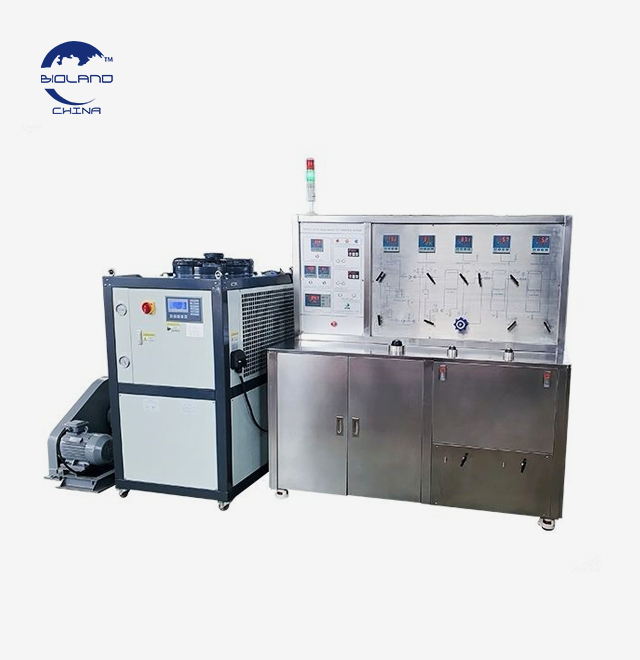
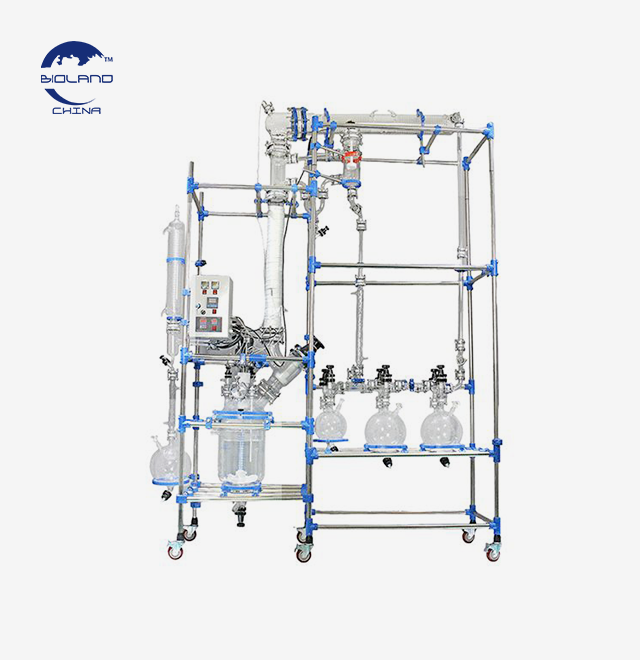
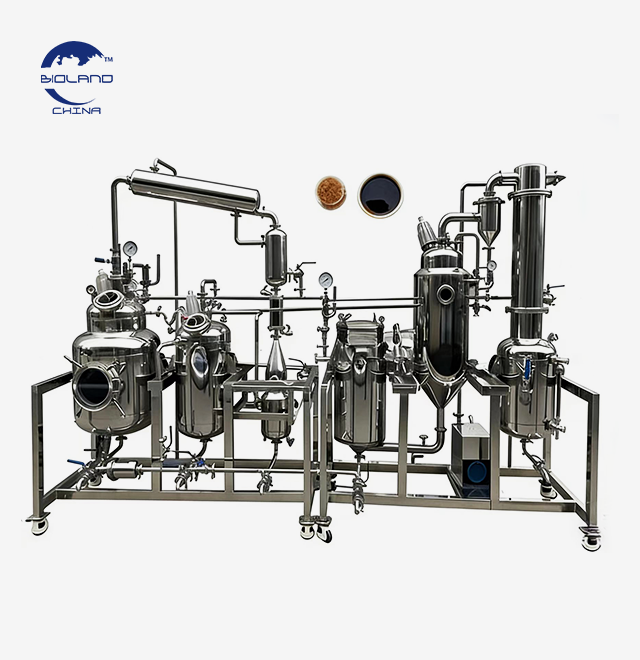
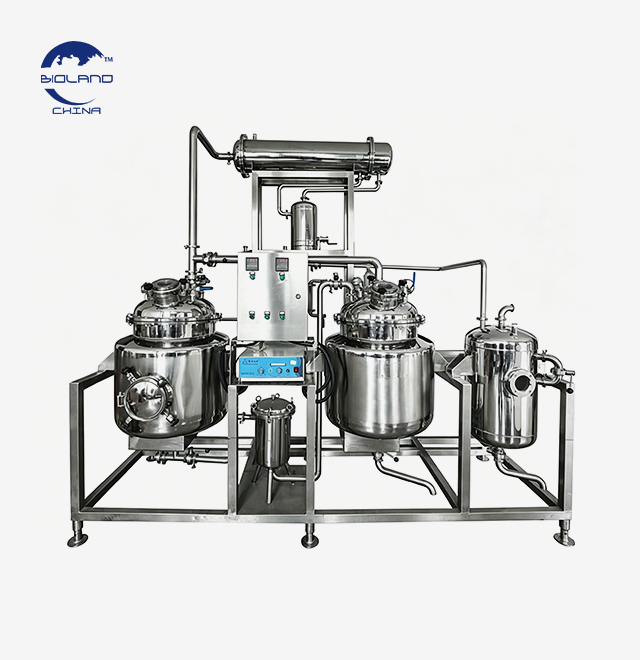
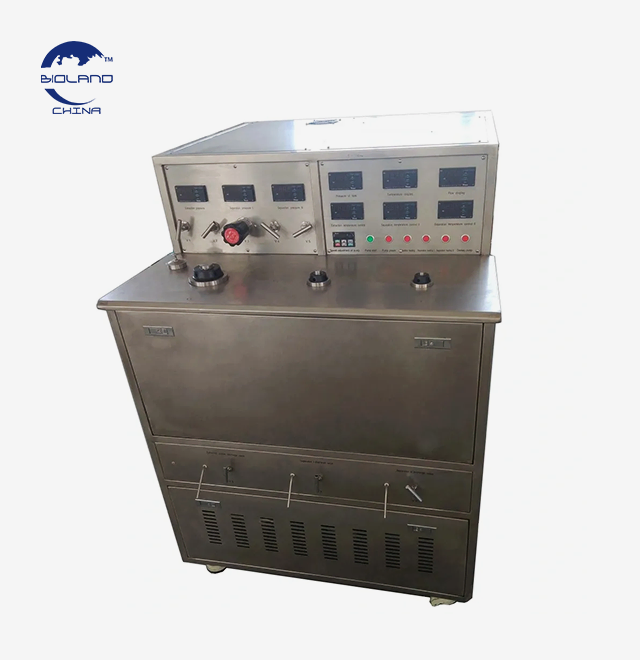
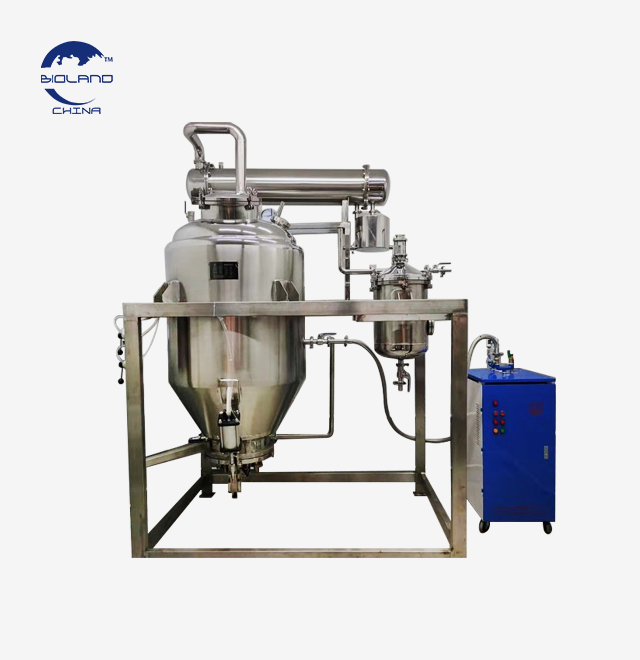
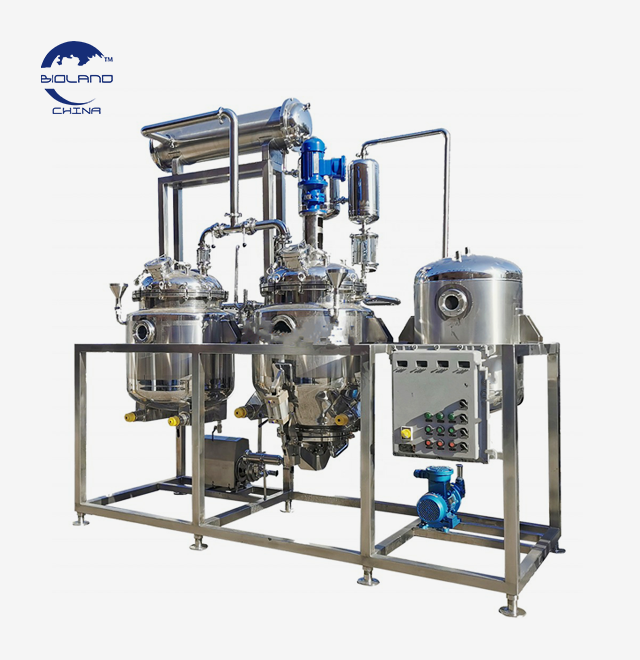
Picking the right extraction technology is very important when an industry moves from lab study to pilot-scale or full production. At its core, solvent extraction equipment is the main tool used in extraction processes in the biotechnology, fine chemicals, pharmaceutical, and food processing industries. This machine makes it easier to separate and clean useful chemicals by using the principle of selective dissolution, in which liquids interact with target substances to separate them into phases. Businesses can make better purchasing choices that meet their output goals and quality standards when they know about the basics of operations, the different types of equipment, and how to choose the right one.
Understanding the Fundamentals of Extraction Technology
The idea behind extraction technology is called selective dissolution. This is when a liquid removes certain chemicals from a complex mixture more easily than others. In factories, liquid-liquid extraction (LLE) devices sort molecules based on how well they dissolve in two different phases that don't mix, which are usually water and an organic solvent. This process is very different from easy ways like distillation or filtration.
The first step in the normal extraction process is to mix the feed material with the right liquid for a long enough time for mass transfer to happen. The target molecules move from the first phase to the solvent phase during this step. After that, the two phases separate because of their different densities. This lets the richer extract be collected, while the raffinate (the reduced phase) is taken away or reused.
Extraction devices are used in industries like pharmaceutical production to separate active pharmaceutical ingredients (APIs) without them breaking down at high temperatures. These methods are used in hydrometallurgy to get important metals like copper, lithium, and rare earth elements out of low-grade ores. Extraction columns are used in oil processing to separate aromatics and clean up lubricants. Each use calls for a unique set of tools that is based on the process chemistry, output needs, and purity standards.
Operational Principles and Phase Separation
For extraction to work, mass must be able to move easily between phases while phase lines stay clear. The design of the equipment affects the spread of droplet sizes, the interfacial surface area, and the dwell time. These are all important factors that affect how well the extraction works. Modern systems use agitation, column internals, or rotational forces to make it easier for the stages to interact with each other without making stable emulsions that make separation harder.
Different densities and good contact control are needed for phase separation to work. Advanced systems use guided wave radar or automatic level control loops with differential pressure sensors to keep the interfaces steady and stop the contamination of the extract and raffinate streams. Choice of materials is also very important, especially when working with acidic substances or organic acids that can break down common building materials.
Types and Features of Modern Extraction Systems
There are different types of extraction tools on the market, and each one is best for a certain process and size of business. Knowing these differences helps procurement teams match the skills of tools with their professional needs and the money they have available.
Mixer-Settlers are the most well-known type of technology. They have different mixing rooms where the phases interact strongly, followed by settling tanks where the phases separate naturally. These units work great in situations where they need to stay for a long time and where a big impact is okay. Because they are so simple, they can be used continuously in chemical processes and metal recovery.
Centrifugal Extractors use fast rotations to speed up phase separation. This makes them perfect for sites with limited room and fast reactions. Centrifugal forces of up to 2000g break up emulsions that gravity settlers can't get rid of, making these small units good at emulsifying systems. Processes that use expensive or dangerous solvents benefit from their smaller solvent supplies and lower holdup amounts.
Column extractors, such as pulsed columns and spinning disc contactors, can work continuously against the flow of fluid and have multiple steps in a single vertical vessel. They work well in situations where high separation efficiency and modest throughput are needed, and they can be easily scaled up from test to market levels.
Automation and Scale Considerations
Manual systems cost less to set up, but they need skilled workers to work consistently. PLC control is used in automated systems to precisely control flow rates, churning speeds, and interface levels. Full automation cuts down on the need for operators, speeds up production, and improves stability from batch to batch. These are all important factors for pharmaceutical and food preparation operations that must follow GMP guidelines.
The choice of scale relies on how much can be made. Laboratory-scale units (1–10 liters) help with research and development (R&D) and process development. Pilot-scale systems (10–200 liters) test the parameters for scaling up before committing to industrial sites. Commercial-scale equipment can handle hundreds to thousands of liters per hour. It is built to last and uses advanced process control to make sure it works continuously.
It's becoming more and more important to use energy efficiently as environmental laws and costs rise. Modern designs use less energy for pumping by using better hydraulic profiles and less energy for heating and cooling by integrating heat more effectively. Solvent extraction equipment in some modern systems automatically collects and recycles solvents, which cuts down on material costs and damage to the environment by a large amount.
Evaluating Performance Advantages and Efficiency Drivers
High-performance extraction systems have many practical perks that have a direct effect on the quality and cost of production. Because of these benefits, they are essential for fields that need to separate and clean things precisely.
Purity and Selectivity stand out as main benefits. When systems are set up correctly, they can recover more than 99% of the compound through multi-stage counter-current operation with as little co-extraction of useless compounds as possible. This selection cuts down on the need for purification further down the line, which lowers the total cost of processing. For pharmaceutical uses, getting high purity during the extraction stage makes the next steps of crystallization or filtration easier. This speeds up the time it takes for new goods to reach the market.
Thermal stability preservation is very important for heat-sensitive substances. While distillation uses high temperatures, solvent-based extraction works at lower temperatures, usually between 40°C and 60°C, so bioactive chemicals, tastes, and APIs stay intact. In plant extraction, this feature is very important because heat can kill useful parts like curcumin, propolis, or stevia glycosides.
Scalability and throughput make it easy to move from developing something in the lab to making it for sale. Equipment made using hydraulic modeling principles makes scaling up predictable, which lowers technical risk and speeds up project timelines. Through continuous operating and improved mass transfer, production efficiency can be raised by 50 to 500% compared to standard batch methods.
A lot of things affect how well extraction works, so it's important to be careful when choosing tools and using it. The chemistry of the process must match the design factors of the equipment, such as the efficiency of the stages, the time that the phases touch, and the strength of the mixing. Quality of the solvent affects selection and recovery rates; impurities or old solvents make them less effective and damage the goods they're used on. Regular checks, seal repairs, and cleaning schedules that stop buildup and corrosion are all part of maintenance routines that keep equipment working well.
When working with burning solvents or dangerous products, you must follow all safety rules. Explosion-proof designs that meet the standards of ATEX Zone 1/2 keep people and buildings safe in dangerous places. For extra safety, make sure there is enough air flow, devices that look for leaks, and emergency stop interlocks. Meeting foreign standards, such as ASME VIII for pressure tanks and GMP requirements for making medicines, makes sure that the production process is accepted by regulators and works well.
Material suitability is something that should be given extra thought. Surfaces that come into contact with acidic leachates, chloride solutions, or strong organic solvents must not rust. Standard stainless steel 304/316 is fine for many uses, but places with a lot of rust need better materials like 316L, Hastelloy C-276, titanium, or fluoropolymer linings to keep equipment from stress corrosion cracking and make it last longer.
Strategic Selection Guide for Procurement Professionals
To pick the right extraction tools, you need to carefully consider technical needs, working priorities, and business goals. This strategic method helps buying teams get equipment that works well right away and is worth money in the long run.
The decision-making process starts with a thorough description of the process, including the feed makeup, the qualities of the goal compound, the throughput needs, and the purity standards. By comparing extraction to other methods of separation, such as distillation, crystallization, or membrane filtration, it becomes clear if solvent-based methods are better for the job in terms of technology or cost.
Technical Compatibility Assessment checks to see if the potential tools can work well with the process conditions. With the chosen liquid pair, can the system keep running smoothly? Does it allow for the needed stay time for full mass transfer? It can handle solids that are floating or mixtures that tend to emulsify. By answering these questions, you can avoid expensive problems where tools skills don't match up with process needs.
Operational Capacity and Flexibility make sure that the tools can meet the production needs of now while also being able to grow in the future. As production needs change, modular designs that can be added to add solvent recovery, CIP cleaning systems, or explosion-proof setups make it possible to adjust. Supporting multiple processes, such as ultrasonic-assisted extraction (UAE), hot reflux, or organic solvent extraction (OSE), gives facilities that handle more than one product line more options.
When evaluating the solvent extraction equipment, the Total Cost of Ownership (TCO) includes more than just the purchase price. It also includes the difficulty of installation, the cost of setup, the amount of energy used, the cost of upkeep, and the cost of replacement parts over the equipment's useful life. When it comes to economics, it's usually better to spend more up front on automated systems that use less energy than on cheaper manual systems that need a lot of user time and cost more in electricity costs.
The criteria for evaluating suppliers should put a lot of weight on their proven experience in the field, especially experience of 15 years or more, which shows that they can stick around through multiple business cycles. Check to see if the seller can provide professional support, such as help with installation, training for operators, and quick service after the sale. Check case studies and customer examples to make sure that similar applications have been successfully implemented in the past. Getting certifications like CE, ISO, UL, SGS, ATEX, and IEC shows that you care about quality and safety.
When standard equipment configurations don't exactly match process needs, OEM and ODM options are important. Custom design services, complete project delivery, and workshop planning help from suppliers make it easier to carry out projects and lower technical risk. Delivery times affect project plans. Knowing the wait times for standard and customized equipment helps make sure that buying equipment fits in with building goals.
Maintenance Excellence and Safety Compliance
To keep equipment working at its best, it needs to be regularly serviced and strictly followed when it comes to safety. These practices keep capital investments safe and make sure that production keeps going smoothly.
Regular inspection plans should include checks for mechanical seals, which usually need to be done every 3,000 to 5,000 hours of operation, based on the conditions of the process. Cartridge-type double mechanical seals with barrier fluid systems make replacing easier when shutdowns are planned. Solvent extraction equipment unexpected breakdowns that stop output can be avoided by checking the state of the impeller, the wear on the bearings, and the alignment of the drive system.
When handling solvents, they must be stored, moved, and thrown away according to set rules. Proper ventilation systems keep the air safe, and leak detection equipment lets you know right away when there are problems with control. The operators need to be fully trained on how to handle emergencies, including how to shut down the machine and limit a spill.
Cleaning equipment between campaigns for different products keeps it from getting contaminated and keeps the quality of the products high. Clean-in-place (CIP) systems use approved cleaning materials and written instructions that follow government rules to automate this process for food and medicine use. Cleaning on a regular basis also gets rid of leftovers that could cause rust or get in the way of mass transfer.
Material compatibility tracking checks the quality of the liquid and finds degradation products that hurt equipment or make extraction less effective. Analysis of process fluids on a regular basis finds contamination early, so problems can be fixed before they hurt the quality of the product or damage the equipment.
Following international safety standards saves both workers and the company's image. GMP-compliant designs include the ability to track down materials, clean building, and proof of approval. Explosion-proof systems that are ATEX-certified meet strict standards for use in dangerous environments. Regular safety checks make sure that rules are still being followed and look for ways to make things better.
Documentation methods help with fixing problems, government checks, and sharing knowledge. Keeping working logs, repair records, and process parameter histories allows for trend analysis, which can find problems with tools before they happen. This information also backs up efforts to keep making things better so that they work better and cost less.
Conclusion
It is important to carefully consider technical skills, practical needs, and supplier partnerships when choosing the basic tool for extraction, whether for new production lines, capacity growth, or process changes. Modern solvent extraction equipmentis very flexible and can be used for a wide range of tasks, from cleaning up pharmaceutical APIs to recovering metals and processing plants. When matched correctly to process needs, the technology's benefits of high purity, temperature stability, and scalability make it worth the investment.
Understanding the different types of tools, looking at what makes them efficient, and working with seasoned providers who can customize, offer full support, and have a history of success in similar projects are all important for successful procurement. When companies put technical compatibility, total cost of ownership, and long-term supply relationships at the top of their list of priorities, they set themselves up for reliable, cost-effective extraction processes that help their businesses grow and give them a competitive edge.
FAQ
What advantages do automated extraction systems offer over manual operation?
Consistent performance is provided by automated systems with PLC control that exactly control process factors such as flow rates, temperatures, and agitation speeds. This technology makes operators less important, cuts down on mistakes made by people, and speeds up production cycles. Automated systems help with GMP compliance and quality assurance standards, which is especially helpful for pharmaceutical and food preparation facilities that need consistency from batch to batch. Even though the original investment is higher, the saves in labor and higher yield usually pay off within 18 to 24 months.
How does extraction compare with distillation for heat-sensitive compounds?
When compared to distillation, extraction works at much lower temperatures (usually 40–60°C), which keeps sensitive molecules from breaking down due to heat. This benefit is very important for botanical actives, APIs, and flavor ingredients because heat removes important qualities. Extraction is also better at handling complex mixes and uses less energy than distillation, which needs a lot of heat. The choice relies on the feed, the purity level you want, and the cost. Extraction is usually chosen when worries about thermal stability are greater than the age and knowledge of distillation.
What material specifications are needed for corrosive solvent applications?
In places where corrosion is a big problem, you need better building materials than just stainless steel. Titanium Grade 2 or fluoropolymer linings (PVDF/PFA) stop stress corrosion cracks in acidic chloride solutions. Hastelloy C-276 or 904L stainless steel may be needed for organic solvents. Suppliers with a good reputation will help you choose the right material by giving you advice based on specific solvent mixtures and working conditions. They will also back this up with mill test records that show the material meets ASTM standards. This care for material suitability keeps the process running smoothly and stops tools from breaking down too soon.
Partner with BIOLAND for Custom Extraction Solutions
Over 15 years of specialized engineering knowledge have helped Xi'an BIOLAND INSTRUMENT develop and build high-performance extraction systems for use in biotechnology, pharmaceuticals, and fine chemicals. Advanced features in our ultrasonic plant extraction machines and organic solvent extraction equipment include dual-condenser setups, PLC automation, explosion-proof designs, and GMP-compliant construction with 316 stainless steel contact materials. We've successfully delivered extraction lines for making stevia, propolis, curcumin, and capsaicin, which are 50–500% more efficient than the old ways of doing things.
BIOLAND is a reliable company that sells solvent extraction equipment. They offer full OEM/ODM services, starting with process analysis and workshop planning and continuing with equipment manufacturing, installation, commissioning, and ongoing technical support. Our dedication to quality and safety is shown by our CE, ISO, UL, and ATEX certificates. Email our engineering team at info@biolandequip.com to talk about your unique extraction needs and get personalized suggestions based on real-world experience.
References
1. Rydberg, J., Cox, M., Musikas, C., & Choppin, G. R. (2004). Solvent Extraction Principles and Practice (2nd ed.). Marcel Dekker.
2. Thornton, J. D. (1992). Science and Practice of Liquid-Liquid Extraction (Vol. 1-2). Oxford University Press.
3. Logsdail, D. H., & Slater, M. J. (1993). Solvent Extraction in the Process Industries. Elsevier Applied Science.
4. Raghavan, S., & Scheidegger, H. (1988). Handbook of Solvent Extraction in Hydrometallurgy. John Wiley & Sons.
5. Mulder, M. (1996). Basic Principles of Membrane Technology (2nd ed.). Kluwer Academic Publishers.
6. Seader, J. D., Henley, E. J., & Roper, D. K. (2010). Separation Process Principles (3rd ed.). John Wiley & Sons.
The reactor is beautifully mirror-polished and fully complies with GMP requirements for the pharmaceutical industry. The performance is excellent! Overall, we are very satisfied! We also provided with some feedback on our process improvements, which we hope will be helpful.
2024-04-09
Laboratory
Excellent and professional service. Always reply our questions very fast. All reactors and chiller we received are good too.
2024-02-15
Research Institute
Quality is beyond our expectation actually. After we got the extraction equipment and started using it, the performance was beyond our expectation. Very easy to use and very efficient to run. Service always respond us very quickly. Was also very helpful to help us. Thanks Bioland team. Very happy to work with you.
2023-11-20
Biotech Company
We are happy about the new purchase as always. Equipment and services are both good.
2023-08-05
Instrument Lab
This is the second order with Bioland instrument and everything is good as the first dateText.
2023-05-12
Global Trading Partner
Bioland instrument team is very helpful and professional. The sales helped us select the right equipment for our application, and their logistics people handled the transportation and customs declaration for our shipment. All that saved us a lot of work.