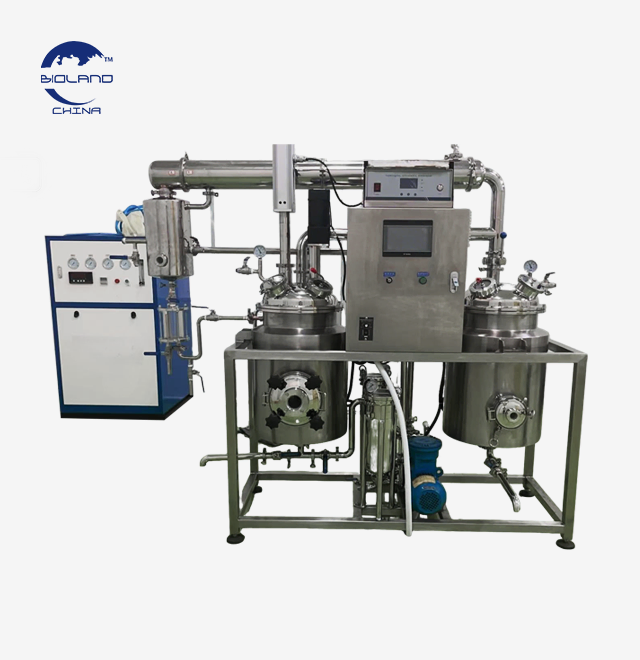
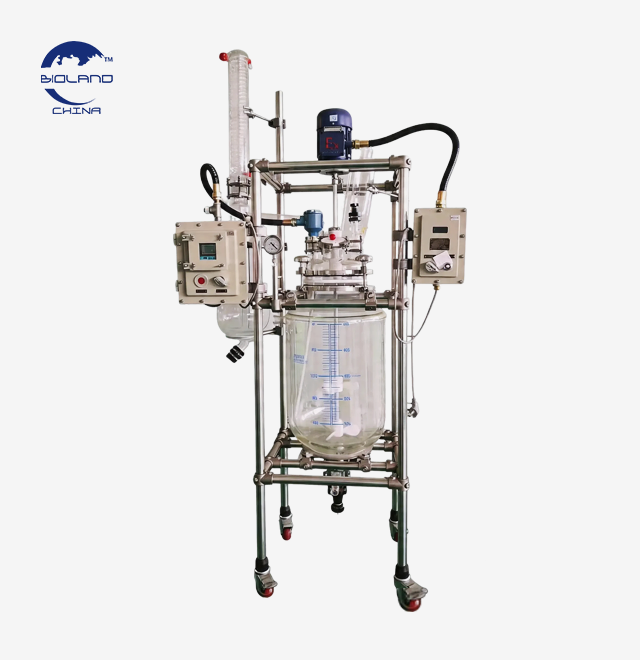
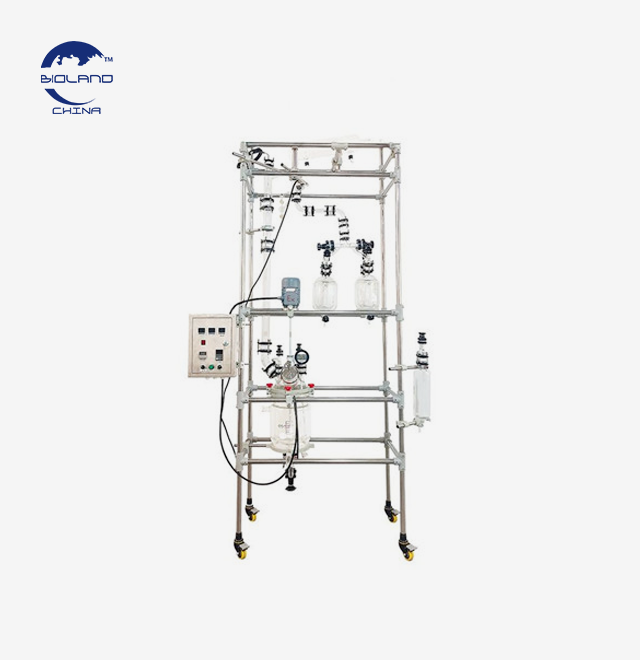
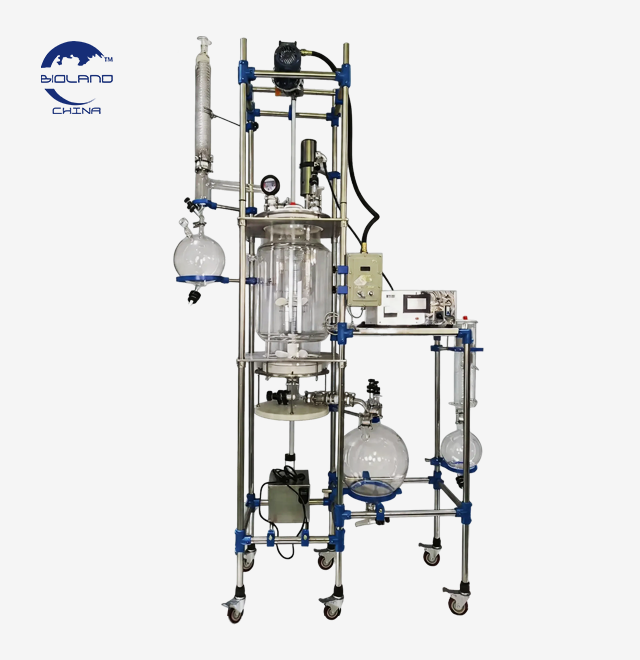
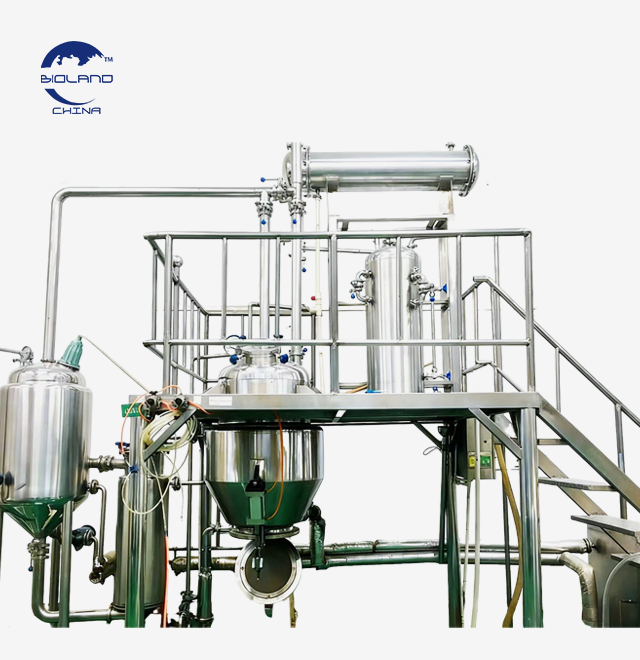
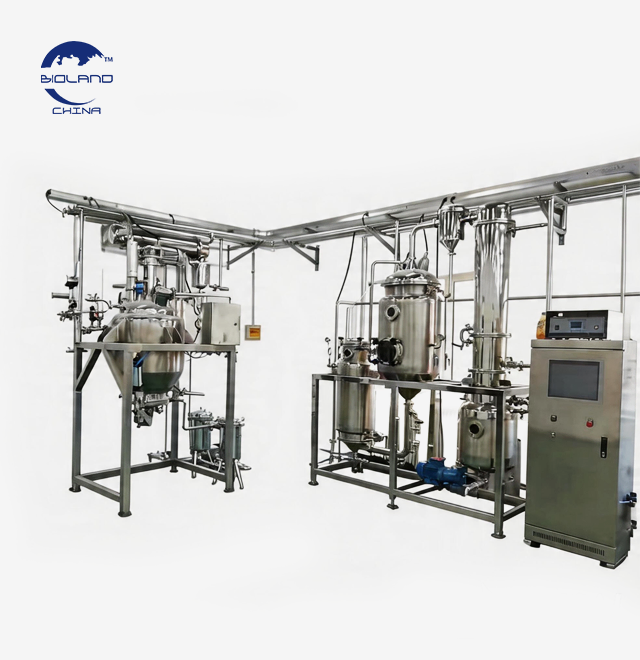
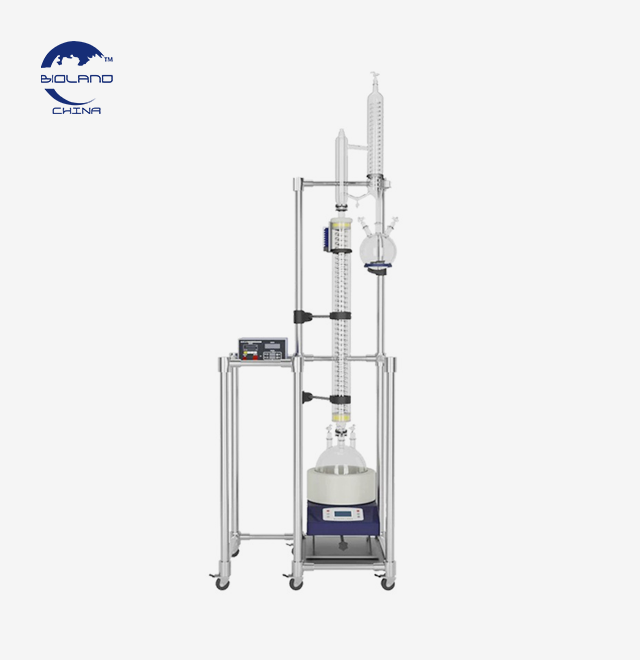
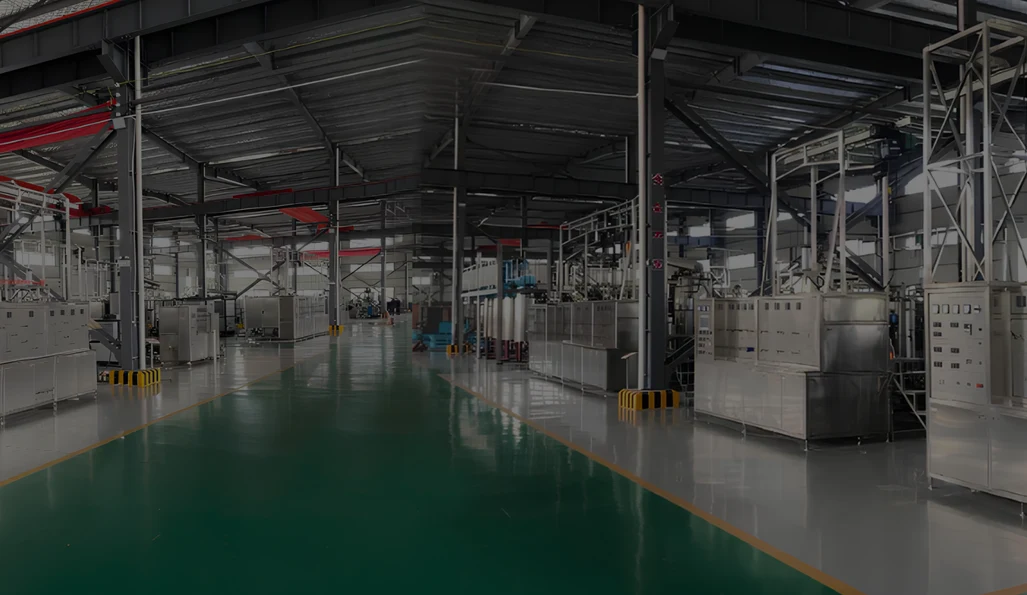
When you ask what traits are most important in a high-throughput protein extraction device, the answers are speed, accuracy, and dependability. A professional protein extraction machine needs to be able to separate proteins 50–500% more efficiently than traditional methods and keep working at low temperatures (40–60°C) to protect beneficial compounds. Important features include the ability to work with multiple processes, such as ultrasonic-assisted extraction (UAE), organic solvent extraction (OSE), and computer control through PLC systems. These are all meant to speed up pharmaceutical and biotechnology tasks without affecting the integrity of the proteins.
Understanding High-Throughput Protein Extraction Devices
The ultrasonic protein extraction Devices utilizes the cavitation effect of ultrasonic waves (localized high temperature and pressure generated by bubble collapse in liquids) to disrupt cellular structures, accelerate solvent penetration, and achieve efficient protein extraction and concentration. It serves as a high-throughput core device for laboratory research and industrial production scenarios.It can continuously process ton level raw materials such as soybeans, whey, and fish scales, with a single line production capacity of 1-10 tons/day. High power ultrasonic generator (5-50kW), suitable for high viscosity protein liquids such as collagen and fish gelatin. Circular extraction design, solvent can be reused, reducing production costs by more than 30%. Integrated membrane separation and spray drying modules to realize the automation of the whole process of "extraction separation concentration drying". Typical applications include the production of food grade protein powder (soy protein isolate, whey protein) and the purification of pharmaceutical grade collagen protein.
Core Extraction Technologies
Modern tools for extraction use a number of different disruption methods that are designed to work with different protein sources and solubility profiles. Ultrasonic-assisted extraction (UAE) uses sound waves with a high frequency (20–100 kHz) to make cavitation bubbles that break down cell walls and release proteins inside cells without making too much heat. This is especially helpful for molecules that are sensitive to heat, like enzymes or antibodies, which become permanently denatured at temperatures above 60°C. Organic solvent extraction (OSE) uses changes in the polarity of the solvent to break down specific proteins while leaving behind carbs and fibers. This is important for extracting curcumin, capsaicin, or stevia glycosides from plants.
Automation and Process Control
Industrial-grade systems are different from study tools in how much they are automated. Programmable Logic Controllers (PLCs) manage the whole extraction process by changing temperature, pressure, agitation speed, and liquid flow rates automatically based on recipes that are saved in the control interface. This gets rid of the need for different operators between shifts and lets the machine run 24 hours a day, even during overnight runs. Touch-screen Human-Machine Interfaces (HMI) let you keep an eye on important process parameters in real time. If values go out of acceptable ranges, the HMI will instantly sound a warning and log all batch data for regulatory compliance documentation.
Device Categories and Scale Considerations
Choosing the right equipment relies on the size of the work and the needs of the application. Laboratory-scale extraction units (10–50L working volume) help R&D teams make new formulas or find the best extraction settings before going big. Pilot-scale systems (100–500L) are used to test processes and make sure they are stable between study and industrial production. Industrial production lines use extraction tanks that can hold more than 1,000L. These are usually set up as multi-stage systems where extraction, filtration, concentration, and liquid recovery all happen at the same time in units that are linked to each other.
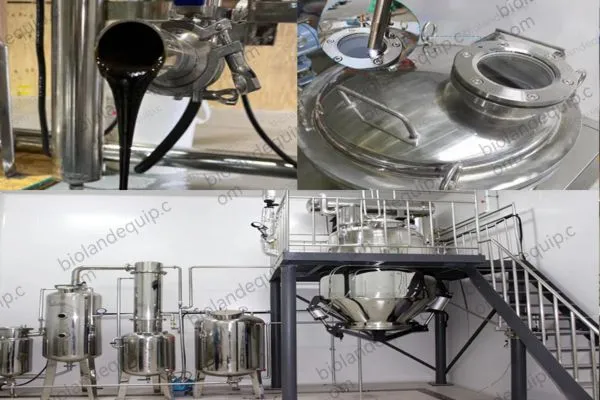

Essential Features to Maximize Efficiency and Reliability
To choose the right extraction tools, you have to weigh a lot of technical details against budget and operating needs. These features have a direct effect on production rates, product quality, running costs, and equipment lifespan, all of which are important things for buying managers to think about when they are making long-term investments.
Superior Extraction Efficiency and Speed
Through improved mass transfer mechanisms, high-performance protein extraction machine are 50–500% more efficient than traditional ways. Dual-ultrasonic setups, in which sensors work at different frequencies, make overlapping cavitation zones that break up cells evenly throughout the extraction vessel, not just near the probe surfaces. This means that extraction processes can be finished in 24–40 minutes instead of the 2–3 hours needed by standard maceration or percolation methods. This directly increases the facility's daily throughput capacity without making it bigger.
The effect on the economy goes beyond saving time. Higher extraction rates mean that more product can be made from the same amount of raw materials. This lowers the cost of production per kilogram and raises the profit margin. When handling expensive plants like propolis or rare medicinal mushrooms, where the cost of raw materials drives production numbers, it's especially important to use materials efficiently.
Low-Temperature Processing Capabilities
Keeping extraction temperatures between 40°C and 60°C is a key skill for protecting bioactive chemicals that are sensitive to heat. Many proteins, polyphenols, and volatile aromatic chemicals that come from plants break down quickly at high temperatures. This means that they are less effective as medicines or have different taste and smell qualities. During high-intensity ultrasonic processing, which makes a lot of heat, jacketed extraction tanks with built-in cooling systems keep the temperature just right by circulating chilled water or glycol.
Temperature control extends to downstream operations. Vacuum concentration systems that work at low pressure can get rid of solvents at temperatures 20–30°C below their regular boiling points. This stops thermal breakdown during the purification process. This integrated temperature control from extraction to concentration makes sure that as many of the original protein structures and biological functions as possible are kept.
Multi-Process Versatility and Customization
Professional extraction platforms let you use different extraction methods with just one set of tools, so you don't have to buy separate systems for each one. Compounds that need higher temperatures to dissolve best are best handled by hot reflux extraction. Aromatic oil distillation, on the other hand, uses steam distillation to catch volatile terpenes and essential oils as part of the extraction cycle. The alcohol precipitation function lets you directly clean proteins by changing the concentration of ethanol to crash-out only the target parts and leave the impurities in solution.
This modular method is very helpful for contract makers who work with many clients or businesses that sell a wide range of products. One week, stevia glycoside extraction is done on a single extraction line with replaceable process modules. The next week, curcumin isolation is done on the same line, which maximizes machine utilization rates and return on capital investment. Customization extends to materials of construction—contact parts made of 316 stainless steel instead of the usual 304 grade are more resistant to rusting when working with acidic plant extracts or organic solvents.
Automation, Intelligence, and Operational Simplicity
Full PLC automation turns complicated extraction processes with many steps into one-touch operations where workers only need to choose the recipe they want to use and start the sequence. The control system handles heating, adding the liquid, activating the ultrasonic waves, holding the extraction for a certain amount of time, cooling, and discharge automatically, while constantly changing parameters to keep conditions at their best. This cuts down on the time it takes to train operators and cuts down on mistakes that happen when valves are operated by hand or when timing is off.
Advanced systems incorporate recipe management databases storing hundreds of validated extraction protocols, each with documented processing parameters and quality control checkpoints. When regulatory audits require batch record review, the system generates comprehensive reports showing temperature profiles, pressure curves, and any changes made by the operator during the production run, ensuring GMP compliance for pharmaceutical applications.
Robust Construction and Simplified Maintenance
For machines to be used in factories all the time, they need to be built with tough parts that can handle years of changing temperatures, chemicals, and mechanical stress. Heavy-duty extraction tanks have a reinforced shell and stress-relieved welds that are checked with dye penetrant tests to make sure that fatigue cracks don't spread. Ultrasonic sensors are attached using special connections that keep vibrations from reaching the vessel walls, extending the life of the equipment beyond 10 years of daily use.
Accessibility for maintenance has a direct effect on the uptime of operations. Quick-opening clamp seals on vessel heads make it easy to clean and check the inside of the vessel quickly, which cuts down on the time it takes to switch between batches. Clean-in-Place (CIP) systems with built-in spray balls clean vessels automatically by circulating hot cleaning solutions that remove residues and get rid of the need for human scrubbing—particularly important for GMP facilities where approved cleaning processes keep products from getting contaminated with each other.
Safety Features and Regulatory Compliance
When working with explosive organic solvents like acetone, hexane, or ethanol, you need to make sure that the whole system is explosion-proof, including the electrical systems, instruments, and mechanical parts. ATEX-certified equipment has wiring that is naturally safe, motor housings that are sealed, and automatic inert gas blanketing that keeps oxygen levels below the levels needed for combustion during the extraction cycle. Pressure relief valves, rupture disks, and emergency venting systems provide multiple safeguards against over-pressurization scenarios.
GMP compliance includes more than just basic safety. It also includes design factors that make it easier to make medicines. Sanitary tri-clamp connections get rid of threaded joints where dirt and grime can build up, and self-draining pipe designs keep liquids from building up, which could allow microbes to grow. Facilities that make injectable biologics or oral pharmaceutical ingredients must have material approvals, proof of surface finish, and cleaning processes that have been tested and proven to work.
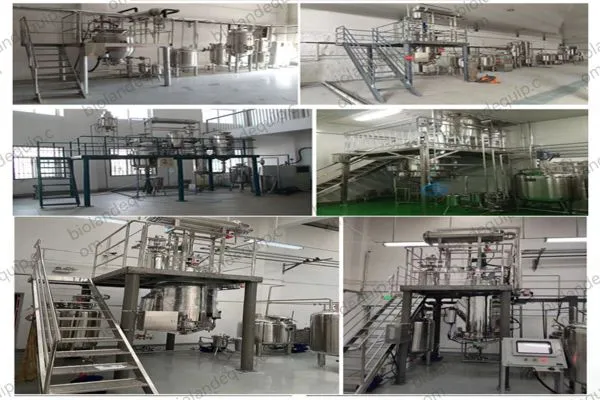
Comparing High-Throughput Machines: Features, Brands, and Price Points
Instead of just comparing buy prices, choosing equipment means weighing technical skills against budget constraints and the total cost of ownership. When procurement teams know how different makers place their products, they can find solutions that meet operational needs and long-term strategy goals.
Technology Differentiation Among Suppliers
Well-known companies that make tools for processing drugs, including the protein extraction machine, stress on designs that have been tested and come with a lot of regulatory paperwork to back up IQ/OQ/PQ qualification procedures. Their systems usually have their own control methods that improve the speed of extraction based on years of process development data from hundreds of different uses. These manufacturers provide comprehensive Factory Acceptance Testing (FAT) where clients witness full-scale equipment runs using their actual raw materials before shipment approval, minimizing commissioning risks.
New sellers that focus on plant-based protein and herbal extraction often stress the ability to quickly and easily change the way their products are set up. Their engineering teams work closely with clients to create combined process lines that include extraction, filter, concentration, and drying—essentially turnkey solutions where all equipment arrives pre-tested and pre-wired for simplified installation. This approach proves attractive for companies establishing new facilities or entering unfamiliar product categories where comprehensive technical support accelerates time-to-production.
Investment Considerations and Cost Analysis
The cost of capital equipment varies a lot depending on its size, amount of technology, and the materials used to build it. Laboratory-scale extraction units for R&D start at about $5,000 to $20,000. Pilot-scale systems with basic automation cost between $20,000 and $100,000, based on the size of the tank and the features that come with it. Industrial production lines with multiple extraction vessels, automated material handling, Integrating the whole process of "ultrasonic extraction - membrane separation - spray drying", processing 5-20 tons of raw materials per day, suitable for food grade protein powder and feed protein production,The core advantage lies in a 23% -45% increase in extraction efficiency, a 30% reduction in energy consumption, and a 50% reduction in solvent usage, directly driving profitability improvement.
Maintenance and Troubleshooting Best Practices for High-Throughput Devices
To keep equipment running at its best after years of heavy use, you need to be able to do proactive maintenance and quickly fix problems. Maintenance plans that are well thought out keep equipment from breaking down when it's least expected, which can throw off production schedules. They also protect capital investments and extend the life of equipment.
Preventive Maintenance Protocols
Instead of random calendar dates, scheduled maintenance intervals are based on what the maker says should happen based on working hours or batch counts. Ultrasonic sensors need to have their electrical connections and acoustic coupling surfaces checked on a regular basis. If the couplings get damaged, power transfer efficiency goes down, which makes extraction times longer and batch consistency worse. Mechanical seals on agitators and pumps should be checked every three months and replaced before visible leakage occurs to prevent product contamination and costly emergency repairs.
Promptly clean up the residue of the material solution, use a soft cloth dipped in neutral cleaning agent to wipe the material solution tank and pipeline interface, to avoid protein residue blockage or bacterial growth (food/pharmaceutical scenes must comply with GMP cleaning standards). Check the sealing rings of the transducer, probe, and pipeline. If there are any signs of leakage, immediately stop the machine and replace the seals. Confirm that the ultrasonic generator has no abnormal noise or vibration, and that the temperature control system displays a deviation of ≤ ± 1 ℃ from the set value.
Common Issues and Resolution Strategies
Losses in extraction efficiency are often caused by proteins that get stuck on heat transfer surfaces, insulating jacket walls and making it harder to control temperature. Using hot, caustic wash cycles followed by acid rinses gets rid of these deposits and gets the heat performance back to normal. Different extraction rates between batches could mean that the ultrasonic transducers are worn out and only putting out a small amount of power. Checking the real acoustic power transfer through calorimetric testing finds failing components before complete failure occurs.
Software changes or sensor movement can sometimes cause problems with control systems. Keeping detailed equipment logbooks that record changes to parameters and effects that are seen can help you figure out why problems happen sometimes that you might not notice at first glance. Establishing relationships with equipment suppliers who provide remote diagnostic services allows factory technicians to access control systems via secure internet connections, diagnosing problems often without on-site visits that delay resolution.
Technical Support and Training Programs
Comprehensive operator training during equipment setup builds operating competence and lowers the number of mistakes caused by users. Effective training programs combine academic classroom lessons with a lot of hands-on practice while being supervised until workers can show they are proficient in both normal operations and common problem-solving situations. Advanced training for repair staff includes learning about electrical systems, mechanical assemblies, and computer logic—enabling in-house problem resolution rather than dependence on external service providers.
Warranty coverage that includes prompt factory support is very helpful during the important first year of operation, when questions arise because of how the equipment acts in ways that aren't familiar. Suppliers who offer yearly maintenance contracts with planned preventive service calls, priority parts availability, and included labor give businesses peace of mind, which more than makes up for the higher service costs through less downtime and longer equipment reliability.
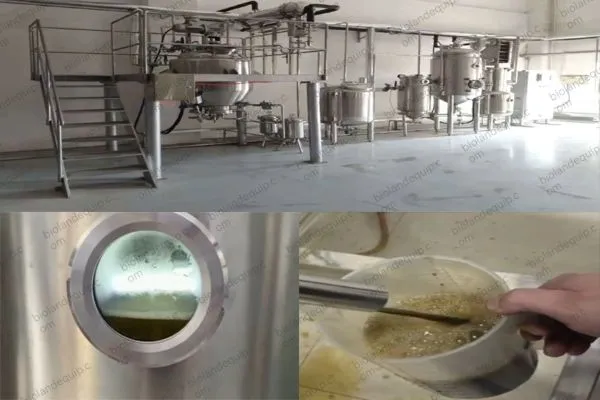
Procurement Considerations for Clients
Strategic equipment procurement includes more than just comparing technical specs. It also includes evaluating suppliers, figuring out how much the whole job will cost, and looking for ways to work together in the long run. Structured review methods are used by successful procurement teams to make sure that the equipment they choose meets practical goals and stays within the budget.
Defining Requirements and Specifications
When you clearly define your needs, you can avoid buying expensive equipment that doesn't meet your real operating needs. Specification documents should list all the raw materials that need to be processed (with representative samples for testing), describe the quality attributes of the extracted products, and list environmental constraints such as available floor space, utility capacities, and ambient conditions. For instance, if you require a protein extraction machine, detailed specifications allow suppliers to propose appropriately sized equipment and identify potential limitations early in the selection process.
The budget must include all of the project's costs, such as the price of buying the equipment, the cost of shipping and import taxes, the cost of installation and commissioning, the cost of teaching operators, and keeping spare parts on hand. When you make a realistic budget, you don't run into funding problems in the middle of a project that force you to cut back on important features. Phased implementation strategies allow spreading capital expenditures across multiple budget cycles while achieving incremental capacity increases aligned with demand growth.
Supplier Evaluation Criteria
The procurement of such equipment requires a balance between performance, cost, compliance, and service. Considering the differences between laboratory research and industrial production scenarios, the core points that customers need to focus on are selecting 20-40kHz for laboratory small-scale testing (adapted to multiple sample parallel) and 50-100kHz for industrial production (to improve extraction efficiency); The power needs to match the processing capacity (laboratory 1-5kW, industrial 5-50kW).Thermally sensitive proteins (such as enzyme proteins and active peptides) require equipment with a temperature control accuracy of ± 1 ℃ to avoid protein denaturation; Conventional proteins can be selected with an accuracy of ± 2 ℃. Support the integrated process of "extraction concentration drying" to reduce intermediate transfer pollution; Modular design, which can be adapted to new products by replacing modules in the future (such as switching from soy protein to collagen extraction). Laboratory equipment needs to support customized solutions (such as extraction procedures adapted to special samples), and industrial equipment needs to have GMP certification qualifications. Provide 24-hour remote technical support and on-site response within 48 hours (for industrial projects, it is recommended to sign on-site service agreements);
Negotiation Strategies and Service Agreements
During talks for purchases, more than just unit price should be taken into account. Payment terms affect the project's cash flow; the usual terms of 30-50% deposit, 50-70% before shipment. Delivery plans need to work with the dates for building the facility and starting up production. If a delivery is late, the buyer's interests should be protected by contractual fines.
There are different types of service agreements, ranging from basic equipment warranties that cover problems for a year to full maintenance plans that include preventative maintenance and priority access to parts. When comparing these choices, you need to think about how much operational risk you are willing to take and how much internal maintenance you can do. Facilities that don't have skilled technicians can benefit from all-inclusive service packages, even though they cost more up front.
Conclusion
When choosing high-throughput protein extraction machine, you need to think about its technical skills, operational needs, and cost in order to find long-term solutions that are worth the money. Important features include extraction efficiencies that are much higher than traditional methods, low-temperature processing that protects bioactive compounds, the ability to handle a wide range of processes, full automation that reduces the need for labor, and a sturdy design that ensures years of reliable use.
Careful review of suppliers based on experience in the industry, technical support skills, and knowledge of regulatory compliance protects procurement investments while accelerating successful implementation. The equipment decision ultimately shapes production economics, product quality, and competitive positioning—making thorough evaluation essential for pharmaceutical and biotechnology organizations pursuing operational excellence.
FAQ
How much can high-throughput tools help boost productivity?
When compared to traditional batch methods, high-throughput extraction equipment usually cuts the time needed for processing by 60–75%. The systems finish extraction processes in 24–40 minutes instead of the 2–4 hours needed by traditional maceration. This directly increases the daily batch capacity. When automated material handling gets rid of the delays that come with loading and lifting by hand, facilities can often get 3–5 times more done every day in the same amount of room. This makes the best use of capital and lowers the cost of making each unit.
What kinds of care keep extraction tools working well?
A good maintenance plan checks mechanical seals and ultrasonic transducers once a week, does cleaning validation samples every month to make sure the cleanliness is working, and calibrates temperature sensors and pressure emitters every three months. Every year, full checks are done on the tank welds, agitator bearings, and control system parts. Keeping thorough maintenance logs that record all service activities, noticed conditions, and corrective actions provides a useful history of the equipment that can be used to fix and show compliance with regulations.
Which extraction techniques work best for sensitive proteins?
Ultrasonic-assisted extraction at low temperatures (40–50°C) works best for proteins and enzymes that are sensitive to heat and can become denatured. The cavitation process breaks up cells effectively without using high temperatures, and jacketed cooling keeps the temperature fixed during long extraction cycles. When you combine low-pressure concentration with gentle ultrasonic processing, you can keep the original protein structures and biological activities that are important for pharmaceutical and nutraceutical uses that need the most therapeutic effectiveness.
Partner with BIOLAND for Advanced Protein Extraction Solutions
At BIOLAND INSTRUMENT, we've been developing and building large-scale protein extraction machines for use in biotechnology, pharmaceuticals, and botanical processing for more than 15 years. Our ultrasonic extraction devices improve performance by 50–500% while working at low temperatures (40–60°C) that protect important bioactive compounds. Each system comes with a wide range of safety standards, such as CE, ISO, ATEX, and IEC, and can be automated with a PLC if desired. The construction is GMP-compliant, and all of the touch parts are made of 316 stainless steel.
We offer full turnkey solutions that include choosing the right tools, designing a unique process, overseeing the installation, and providing ongoing technical support—all backed by proven success across stevia, propolis, capsaicin, and curcumin production lines. Contact our engineering team at info@biolandequip.com to discuss your specific requirements and discover why leading protein extraction machine manufacturers choose BIOLAND for reliable, high-performance extraction technology.
References
1. Smith, J.R., and Williams, T.K. (2022). Industrial Protein Extraction Technologies: Process Design and Equipment Selection for Pharmaceutical Applications. Boston: Biotechnology Press.
2. Chen, L., Rodriguez, M., and Patel, S. (2021). "Comparative Analysis of Ultrasonic-Assisted Extraction Versus Conventional Methods for Botanical Protein Isolation," Journal of Industrial Biotechnology, 48(3), 234–251.
3. European Federation of Pharmaceutical Industries (2023). GMP Guidelines for Protein Extraction Equipment: Design, Validation, and Regulatory Compliance. Brussels: EFPI Publications.
4. Anderson, K.M. (2020). "Economic Evaluation of High-Throughput Extraction Systems in Contract Manufacturing Organizations," Pharmaceutical Engineering, 40(5), 67–79.
5. International Society for Pharmaceutical Engineering (2022). Baseline Guide: Process Equipment for Biopharmaceutical Manufacturing. Tampa: ISPE Technical Documents.
6. Zhang, W., Thompson, R.A., and O'Brien, C. (2023). "Optimization of Multi-Stage Extraction Processes for Plant-Based Protein Isolates: Equipment Configuration and Process Control Strategies," Food and Bioprocess Technology, 16(2), 412–429.