How Ethanol Extraction Maximizes Yield and Minimizes Costs
Jun 15, 2026
Utilizing ethanol extraction is a key technology for businesses that want to get better compounds from plant materials while keeping costs low. An ethanol extraction systemgives these two benefits by controlling the solvent's behavior and temperature precisely. This lets processors in the pharmaceutical, nutraceutical, and herbal industries get bioactive chemicals out of plants 50–500% more efficiently than with traditional methods. This detailed guide gives procurement professionals, R&D directors, and facility managers the technical knowledge and economic analysis they need to choose equipment that improves both extraction rates and long-term cost-effectiveness in both pilot-scale and production settings.
Understanding the Ethanol Extraction System: Core Principles and Components
How Ethanol Extraction Works
As a neutral fluid, ethanol can dissolve a wide range of phytochemicals, such as alkaloids, flavonoids, cannabinoids, and essential oils. When chilled ethanol comes into touch with plant matter in sealed containers, it creates a concentration gradient that pushes target chemicals into solution and starts the extraction process. Controlling the temperature is very important—operations that happen between 40°C and 60°C protect heat-sensitive parts while keeping liquid selection. These days' equipment has closed-loop liquid paths that stop vapor loss and contamination.
Essential System Components
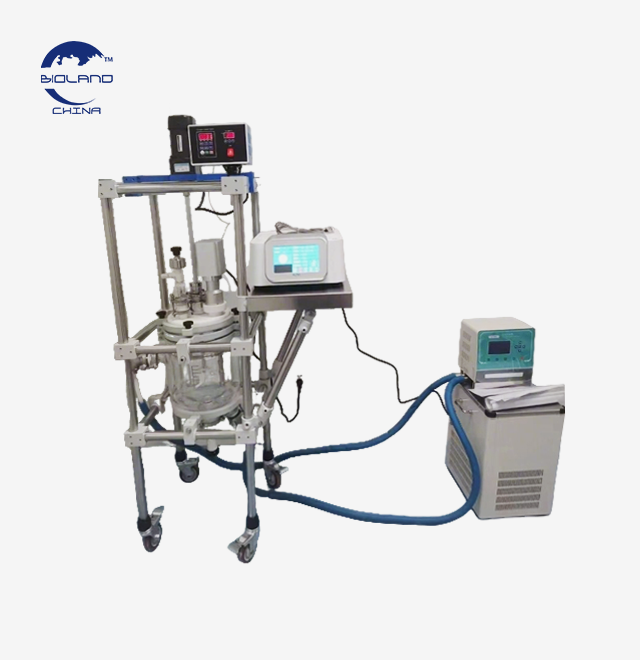
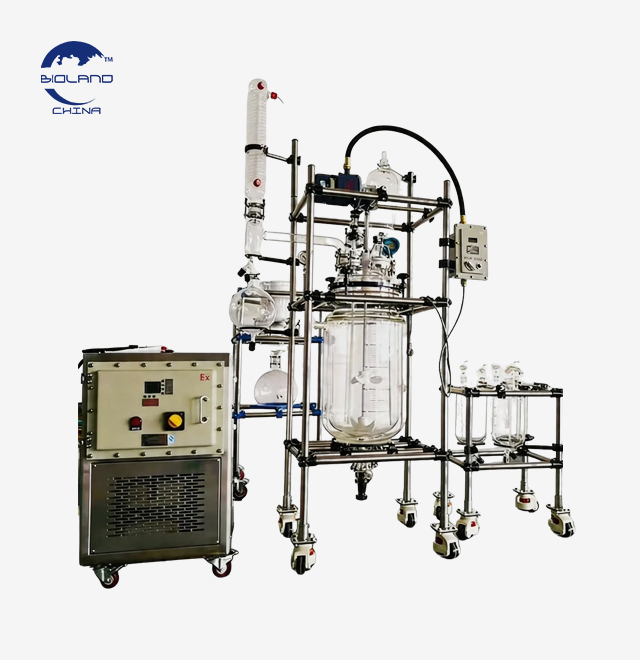
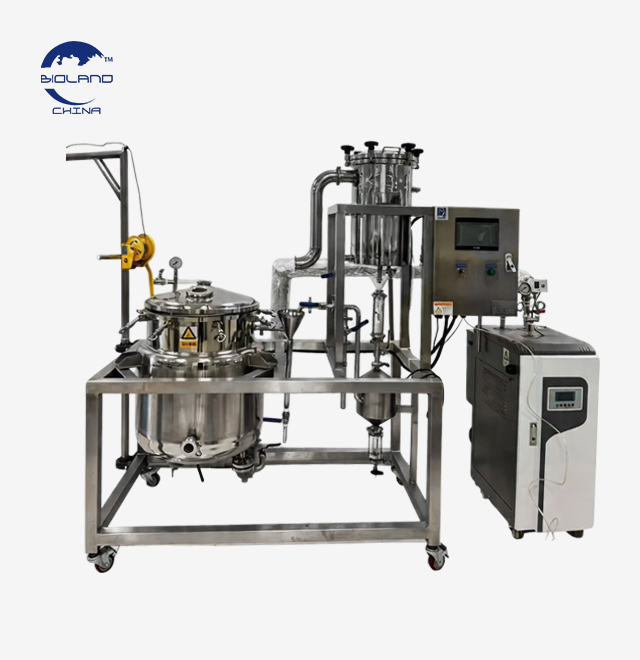
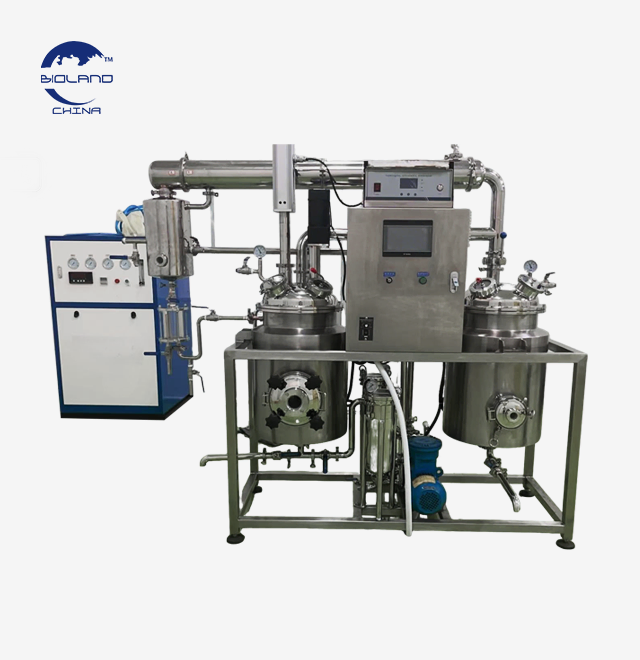
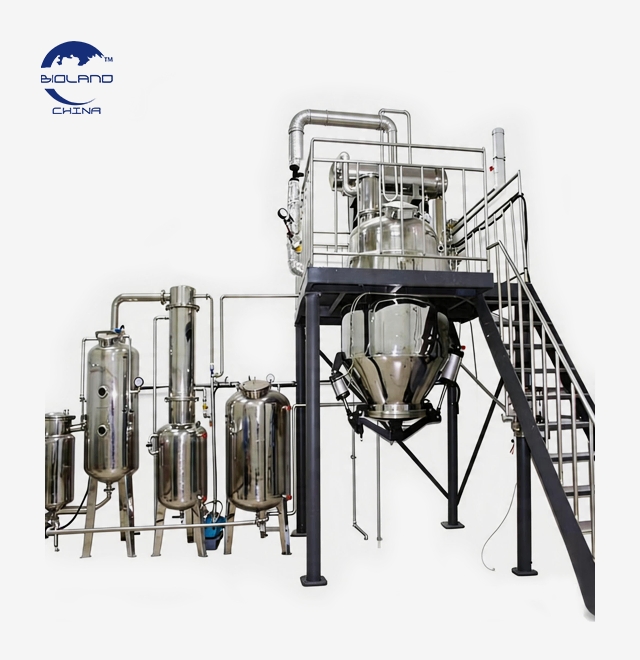
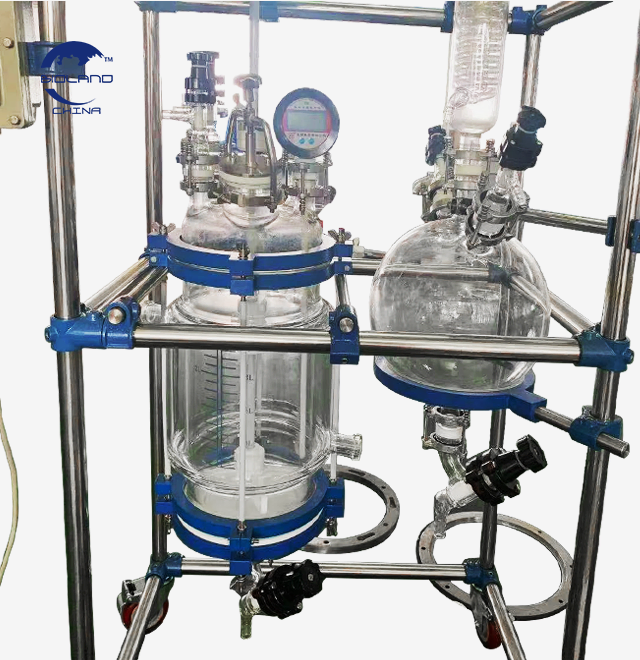
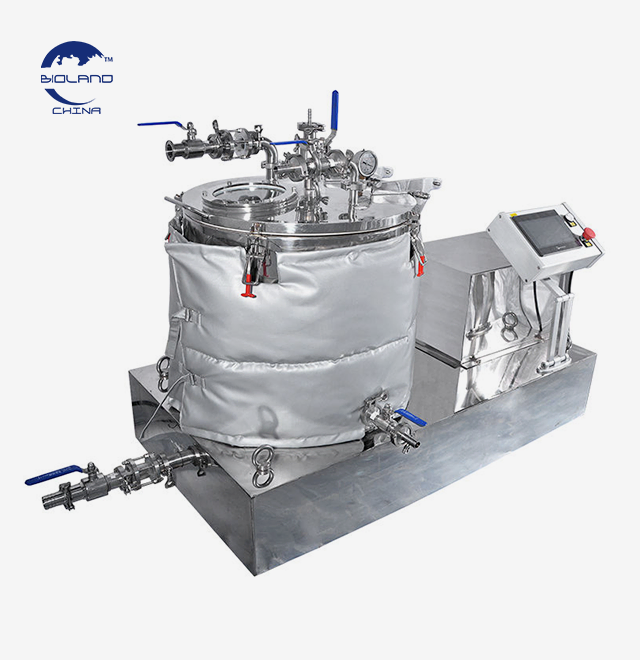
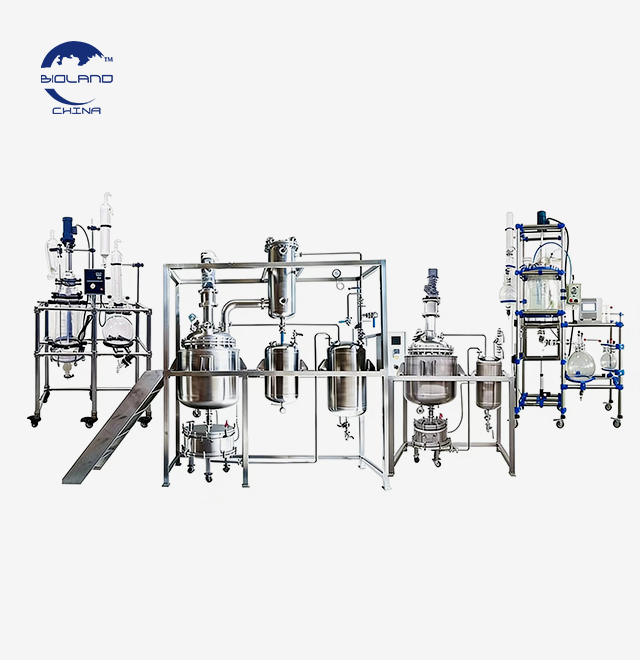
Professional extraction equipment is made up of several parts that are all built together and work together. The biomass and liquid interact in extraction tanks made of SS304 or SS316L stainless steel, and jacketed vessels keep the exact temperature by heating or cooling from the outside. Filtration systems separate used material from liquid that has been enriched, Solvent recovery is the most important part for the economy. Falling film evaporators can collect more than 97% of the ethanol they use, which has a direct effect on the prices of running the business. Advanced systems have two condensers, which improves the speed of recovery and allows for ongoing operation. Automation through PLC control systems lets workers set settings for extraction, watch real-time process data, and make sure that batches are consistent without having to do anything by hand.
Safety and Regulatory Considerations
Because ethanol is flammable, it needs electrical parts that are explosion-proof and meet ATEX or C1D1/C1D2 standards. Manufacturers of equipment that follow GMP guidelines make sure that their products are designed to be clean and have clear material tracking and validation procedures. CE and ISO licenses show that a product meets foreign safety standards, and UL and IEC approvals show that the electrical system works properly. Facilities using ethanol extraction need to make sure they have good air, LEL tracking, and emergency stop plans built into their safety management systems.
Maximizing Yield: Process Optimization and System Efficiency
Critical Variables Affecting Extraction Yield
Finding the best balance between solvent-to-feed ratios, contact time, temperature ranges, and agitation strength is key to getting the most compounds recovered. Lower extraction temps, between 40°C and 60°C, keep volatile terpenes and molecules that change shape at high temperatures from breaking down. This keeps the yield amount and product quality the same. Depending on the properties of the source, solvent-to-material ratios are usually between 3:1 and 10:1. Higher ratios improve mass transfer but increase the need for further concentration. When compared to traditional maceration methods, extraction processes that last 24 to 40 minutes cut processing time by more than two-thirds, directly increasing output capacity.
Advanced Technologies Driving Efficiency
Ultrasonic-assisted extraction uses acoustic cavitation to break down cell walls physically, letting out more chemicals inside cells than passive diffusion alone could. Premium equipment has two ultrasonic setups that increase the rate of breakdown from the lab to the factory. Adding this technology can greatly improve the recovery of active ingredients while cutting down on cycle times. When exact filtration modules and low-temperature concentration under vacuum conditions are used together, these systems create closed-loop processes that remove more target compounds while leaving cleaner residual biomass. This shows that the materials are being used more effectively and cost-effectively.
Maintenance Practices for Sustained Performance
Regular inspections of seals, gaskets, and valve assemblies stop wear and tear that could risk the security of the ethanol extraction system. Sanitary welds need to be looked at under a microscope on a regular basis to find any pitting or buildup of waste that could house contamination. Clean-in-Place (CIP) devices clean the inside of machines automatically between production runs. This keeps things clean without having to take the machines apart. Minimizing downtime can be done by building partnerships with equipment providers that offer full technical support, genuine replacement parts, and quick service networks. Manufacturers help operators by offering online diagnostics, on-site setup, and ongoing training programs that help them become more knowledgeable.
Minimizing Costs: Economic and Operational Strategies
Operational Cost Analysis
The total cost of ownership includes more than just the initial capital cost. It also includes the amount of energy used, the solvents that need to be replaced, the work needed, and the upkeep that needs to be done. The costs of ethanol extraction are better than those of supercritical CO2 systems, which need specialized high-pressure tools and a lot of electricity to compress. Hydrocarbon-based extraction comes with extra rules and costs for safety structures that ethanol extraction systems don't have to deal with because they are designed to be compliant. Liquid recovery efficiency directly affects ongoing costs; systems that collect 98% of the ethanol they use cut the amount of liquid they need to buy every year by orders of magnitude compared to open-loop or inefficient closed-loop configurations.
Strategic Procurement Approaches
To find the right balance between customized and standard solutions, you need to look at production size, product portfolio variety, and plans for future growth. Custom-built systems can handle different process flows and can support different extraction modes, such as organic solvent extraction (OSE), ultrasonic-assisted extraction (UAE), and hot reflux. Modular designs let you add capability in stages without having to replace the whole system. When judging a supplier's skills, you should look at their list of certifications (CE, ISO, UL, SGS, ATEX, IEC), read through case studies from different uses (like food ingredients, pharmaceutical intermediates, and botanical supplements), and make sure they have the right support systems in place after the installation. When OEMs and ODMs work together, they can do full implementations that include designing the plan of the workshop, speccing the equipment, supervising the installation, teaching the operators, and setting up lifecycle support agreements.
Long-Term Financial Benefits
Reliable providers who offer one-year guarantees and lifetime support promises protect capital investments and keep operations running smoothly. Having access to technical experts who keep an eye on production goals through written progress reports boosts trust in the project's execution. When equipment is built with extra 316 stainless steel touch surfaces, it lasts longer in corrosive conditions and needs to be replaced less often. Comprehensive after-sales networks that can quickly get parts and help in an emergency keep output from stopping, which costs a lot of money. All of these things work together in an ethanol extraction system to get the best total cost of ownership over multiple years of decline.
Comparative Insights: Ethanol Extraction vs Other Extraction Systems
Technology Performance Benchmarking
When comparing extraction methods, you have to look at things like yield efficiency, energy usage, safety factors, capital needs, and environmental effect. Selectivity benefits come from supercritical CO2 extraction, but it requires a lot of infrastructure investment and is hard to run. Hydrocarbon systems that use butane or propane get very pure, but they also pose a risk of explosion, so they need a lot of safety systems. Ethanol extraction is a good compromise because it provides broad-spectrum extraction that works for full-spectrum products while still meeting doable safety standards and using only a modest amount of energy. Cryogenic ethanol operation reduces the amount of chlorophyll and wax that are extracted together, which often means that separate winterization steps and the processing time they require are not needed.
Regulatory and Sustainability Alignment
The fact that ethanol is GRAS (Generally Recognized As Safe) under food laws and standard pharmacopeial monographs makes the process of getting a product approved easier than testing for hydrocarbon residues. Because it breaks down naturally and doesn't contribute to global warming as much as some other refrigerants used in CO2 systems, ethanol is better for the environment. Facilities that want to get organic approval or a "clean label" find that ethanol extraction system fits with what customers want and the rules that guide natural goods.
How to Choose the Right Ethanol Extraction System for Your Business
Evaluation Criteria for Equipment Selection
Before making a purchase decision, the production scale must be evaluated. Laboratory systems that handle a few kilograms per batch are used for research and development, pilot-scale units that handle tens to hundreds of kilograms help confirm the process, and industrial equipment that handles metric tons every day is used for commercial production. The requirements for product quality tell us what kind of downstream processing integration is needed. For example, making crude oil doesn't need as much complex separation as making pharmaceutical-grade isolates, which need chromatographic polishing. In addition to the price of the technology itself, the budget should include costs for installation, connecting utilities, training, and proof of compliance.
How much automation there is has a big effect on how much operating work is needed and how consistent batches are. Fully automated PLC-controlled systems follow pre-programmed extraction routines, change parameters based on sensor feedback, and electronically create compliance paperwork. These features make it easier to repeat results with less help from an operator, which is very important for GMP settings and production teams that focus on speed.
Partnering with Experienced Manufacturers
Evaluation of suppliers includes more than just product specs. It also looks at how long they've been in business, their professional skills, and their service infrastructure. Companies that have specialized in extraction tools for 15 years or more have a lot of process knowledge that can be used to fix problems and make things run more smoothly. Technical ability is proven by documented success in relevant uses like processing stevia, extracting capsaicin from propolis, recovering curcumin, and concentrating beneficial compounds in mushrooms. Approvals from CE, ISO, UL, SGS, ATEX, and IEC are just a few of the certifications that prove quality control systems and safety compliance. Comprehensive solution providers are different from component sellers because they offer custom engineering services to help with workshop planning, equipment sizing, and full setup.
Conclusion
A smart investment in a properly designed ethanol extraction system leads to measured gains in both yield performance and cost management. Low-temperature operation, ultrasonic help, efficient solvent recovery, and smart automation can make extraction 50–500% more efficient than standard methods, and rounds can be finished in 24–40 minutes. These technical benefits directly lead to better productivity, less waste, and lower costs of doing business. By choosing suppliers with a lot of certifications, case studies that have been written up, and a lot of support infrastructure, you can be sure that the purchases you make will help you reach your business goals and meet legal requirements.
FAQ
What prevents ethanol from extracting unwanted compounds like chlorophyll?
Chlorophyll, waxes, and oils can't dissolve in ethanol unless you work at controlled temperatures between 40°C and 60°C or use cold conditions. This temperature control lets you selectively remove bioactives you want while reducing the need for post-processing. Some modern ethanol extraction systems get rid of the need for different winterization steps by using better thermal profiles during the first extraction step.
How does solvent recovery impact overall cost-effectiveness?
The cost of doing business is directly related to how well the solvent is recovered. Advanced evaporation technology allows systems to recover 97–99% of the ethanol, which greatly reduces the yearly cost of buying solvents. Over multiple years of operation, this rebound performance is one of the most important factors affecting the total cost of ownership. This is often why the higher initial equipment investment is worth it because of the saves that are made over time.
Can ethanol extraction systems accommodate different production scales?
Scalability is supported by modern equipment designs, from lab study to industrial production. Adding parallel extraction trains or making vessels bigger is one way that modular designs let you increase output without having to replace the whole system. Suppliers who offer customizable solutions can set up equipment to meet particular throughput needs while keeping the process consistent as the scale changes.
Partner with BIOLAND for Superior Extraction Solutions
BIOLAND INSTRUEMNT has been creating and making plant extraction equipment that meets the exact needs of pharmaceutical, nutraceutical, and botanical processing centers for more than 15 years. Our ethanol extraction systems come with explosion-proof designs, two condenser modules, possible ultrasonic enhancement, and full PLC automation. They are all made from GMP-compliant materials, and the touch surfaces can be made of 316 stainless steel. We are committed to quality and safety standards, as shown by our CE, ISO, UL, SGS, ATEX, and IEC certificates.
Whether you're going from lab proof to pilot production or increasing commercial capacity, our expert team can help with everything. They will plan the process, customize the equipment, oversee the installation, train operators, and do regular maintenance. Our track record shows that we can successfully apply solutions for stevia, propolis, capsaicin, curcumin, and mushroom extraction. As a well-known company that sells ethanol extraction systems, we can usually get unique solutions to you within 30 business days. Our solutions come with full warranties and free technical support for life. Contact our engineering experts at info@biolandequip.com to talk about your unique extraction needs and get full technical specs that are tailored to your operational goals.
2. Anderson, M.P., Chen, W., & Rodriguez, S. (2020). Optimizing Botanical Extraction: Temperature Effects on Phytochemical Recovery. Journal of Natural Product Processing, 15(2), 89-104.
3. Williams, D.A. (2022). Economic Evaluation of Ethanol Recovery Systems in Commercial Extraction Operations. Chemical Engineering Economics Quarterly, 34(1), 56-73.
4. European Industrial Hemp Association. (2021). Best Practices for Solvent-Based Extraction: Safety and Efficiency Guidelines. Brussels: EIHA Technical Publications.
6. National Institute of Standards and Technology. (2022). Comparative Assessment of Botanical Extraction Methods: Yield, Purity, and Sustainability Metrics. NIST Special Publication 1800-28.
The reactor is beautifully mirror-polished and fully complies with GMP requirements for the pharmaceutical industry. The performance is excellent! Overall, we are very satisfied! We also provided with some feedback on our process improvements, which we hope will be helpful.
2024-04-09
Laboratory
Excellent and professional service. Always reply our questions very fast. All reactors and chiller we received are good too.
2024-02-15
Research Institute
Quality is beyond our expectation actually. After we got the extraction equipment and started using it, the performance was beyond our expectation. Very easy to use and very efficient to run. Service always respond us very quickly. Was also very helpful to help us. Thanks Bioland team. Very happy to work with you.
2023-11-20
Biotech Company
We are happy about the new purchase as always. Equipment and services are both good.
2023-08-05
Instrument Lab
This is the second order with Bioland instrument and everything is good as the first dateText.
2023-05-12
Global Trading Partner
Bioland instrument team is very helpful and professional. The sales helped us select the right equipment for our application, and their logistics people handled the transportation and customs declaration for our shipment. All that saved us a lot of work.