Best medicinal plant extraction machines for small businesses
May 28, 2026
If you choose the right medicinal plant extraction machine, it can completely change your small business by giving you higher returns, faster production processes, and consistent product quality. Modern small-scale extraction equipment uses advanced ultrasonic technology, solvent-based systems, and automatic processes to separate bioactive compounds from plant raw materials. These compounds include alkaloids, flavonoids, and essential oils. These tools solve important problems like low extraction rate, heat-related breakdown of heat-sensitive compounds, and differences between batches. Small businesses can compete well while meeting the high quality standards needed by the cosmetics, pharmaceuticals, and nutritional industries by buying the right-sized equipment that is both fast and affordable.
Introduction
A basic step in making therapeutic-grade herbal extracts, essential oils, and standardized botanical products is medicinal plant extraction. It can be hard for small businesses to get started in this competitive market because they don't have a lot of money to buy new tools and have to make sure their products are always of high quality and meet GMP standards. When you choose the right extraction technology, it has a direct effect on how well your products work, how much they cost, and how unique they are.
Big companies that make tools now make smaller versions of industrial systems that are designed to work with 50 to 500 tons of raw materials every day. These solutions have features that were only available in large-scale facilities before, like automated solvent recovery, PLC-controlled extraction settings, and the ability to do more than one process at once. They come in a package that is ideal for smaller production lines. When you have the right medicinal plant extraction machine, everything goes more smoothly, from adding the raw materials to collecting the end concentrate. This means that less work needs to be done by hand, and less solvent is wasted.
Understanding Medicinal Plant Extraction Machines & Their Benefits
What Makes Modern Extraction Equipment Different?
A medicinal plant extraction machine carefully uses solvents, temperature, pressure, and often ultrasound energy to separate the phytochemicals that are wanted. In contrast to older maceration tanks that only depend on time and gentle warmth, modern systems improve mass transfer by carefully controlling thermodynamic conditions. Ultrasonic-assisted extraction (UAE) creates cavitation bubbles that break down plant cell walls physically, releasing chemicals inside the cells in minutes instead of hours. Solvent extraction systems use ethanol, water, or organic solvents at controlled temperatures to break down only the molecules they want to and leave behind the ones they don't want.
Quantifiable Advantages for Small Operations
These tools make changes that can be measured and have a direct effect on your bottom line. When you compare this method to traditional ones, the rate of extraction goes up by 50% to 500%. This means that you get a lot more active ingredients from the same amount of raw material. Processing processes shorten from several hours to just 24 to 40 minutes, which lets you do more batches per shift and greatly increases output without having to add more space to your production floor. Low-temperature extraction at 40–60°C protects compounds that break down easily at normal temperatures, so your end goods keep their medicinal value and potency.
Ultrasonic extraction tools are especially helpful for small businesses because they can work with a wide range of plant materials without having to make big changes to the way they do things. Capsaicin from chili peppers or bioactive polysaccharides from medicinal mushrooms can be easily extracted using the same machinery that gets curcumin from turmeric roots. Solvent-based systems have many benefits. They are very selective when going after certain types of compounds, and they can handle both polar and non-polar extraction needs by simply switching the solvent.
Key Criteria for Choosing the Best Extraction Machine for Small Businesses
Defining Your Production Requirements
Before you choose tools, you should be honest about how much you are currently and how much you want to produce. Find out how much raw material you need to process each month, what concentration of extract you want, and how much end product you need to make. Think about whether your business model needs to be able to handle a lot of different plant species or if it only needs to be able to collect specific compounds from a few plant species. It's very important to know what your products will be used for in the end. For example, plant vitamins need different levels of purity than cosmetic ingredients, and medicinal uses need the highest quality standards and full paperwork.
Manual Versus Automated Systems
Small businesses that are trying to save money often think about getting manual extraction tools, but there are secret costs that come with this choice. Manual systems need constant attention from the user, introduce variation due to human factors, and make it harder to increase output. Programmable logic controllers (PLCs) run semi-automated and fully automated tools that make sure that the exact extraction settings are used in every batch. This makes sure that results can be repeated and supports brand consistency. Automated systems also make electronic batch records that are needed for GMP compliance. This makes regulatory paperwork and quality control easier.
Critical Technical Specifications
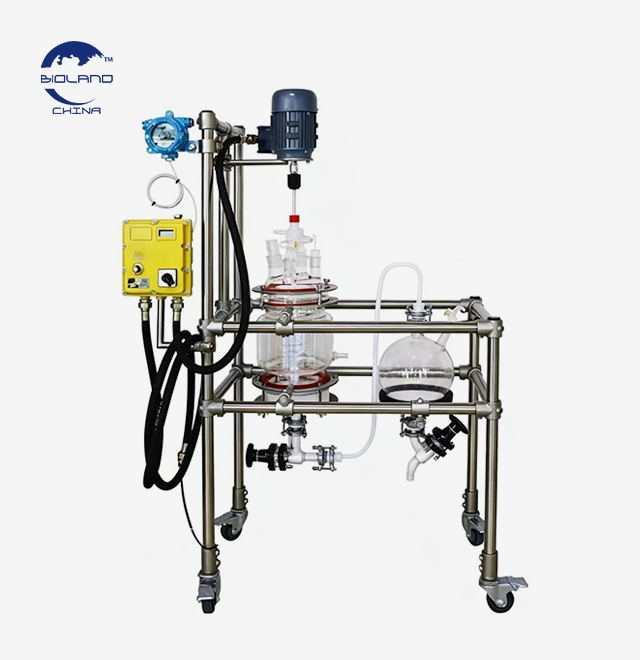
The main performance measure is extraction rate, which shows how well your equipment returns target chemicals. When you have equipment that is 50–100% better than the old ways of doing things, you save money on raw materials and make money from higher returns. Solvent compatibility gives you more options for how to do things. Machines made with 316 stainless steel touch surfaces don't rust when exposed to harsh chemicals, and they also follow strict cleaning rules. When using flammable solvents like ethanol, you have to have safety features like electricity systems that won't blow up. This protects your building and workers and meets insurance requirements.
Accessibility for maintenance has a big effect on your business uptime. When regular maintenance needs to be done, equipment with tool-free access panels, quick-disconnect connections, and easy-to-follow instructions for replacing parts will have less downtime. Choosing systems with cleaning-in-place (CIP) features cuts down on the amount of work that needs to be done and makes sure that all the plant materials are thoroughly cleaned, which stops cross-contamination that could damage the quality of the product.
Top Medicinal Plant Extraction Machines for Small Businesses in 2026
Ultrasonic Extraction Technology
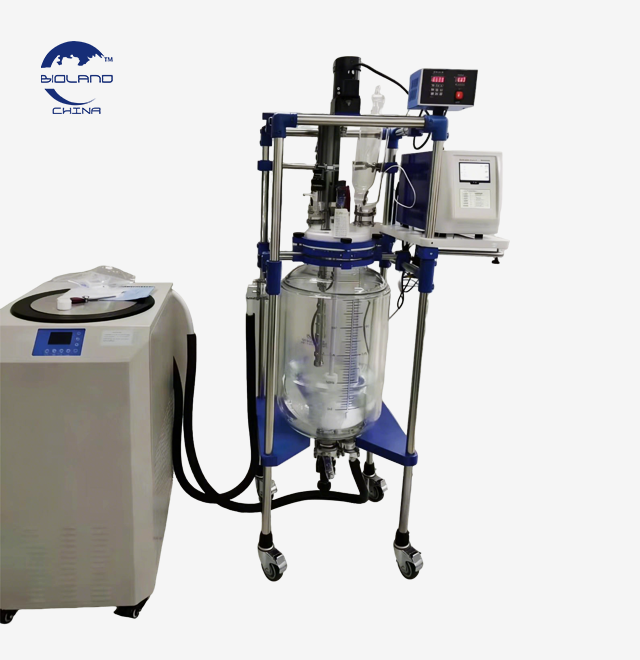
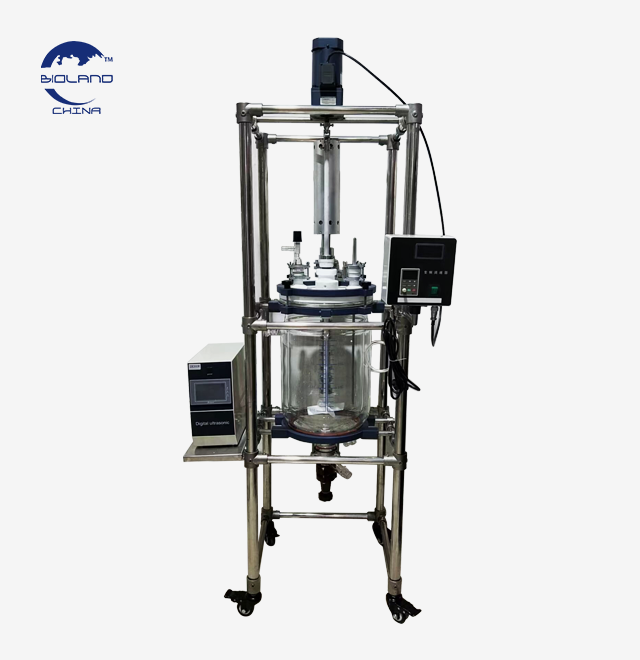
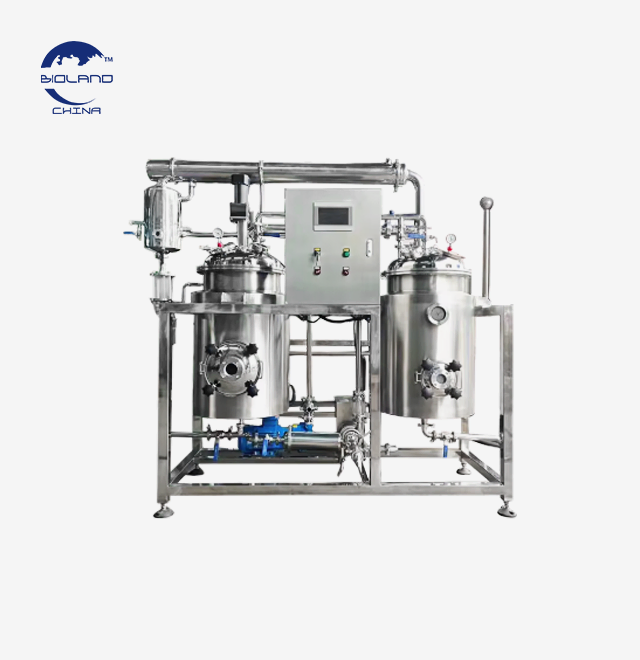
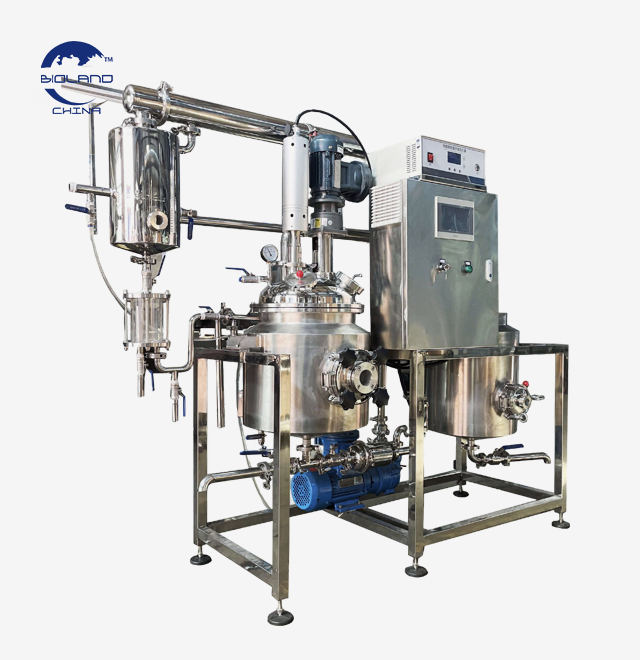
The latest version of ultrasonic extraction equipment is great for small businesses that work with a wide range of plant materials. These systems use UAE technology and built-in filtering to do both extraction and initial clarification in one tank. BIOLAND's ultrasonic medicinal plant extraction machinehas two transducers, which makes the process of dissolving active ingredients faster and more efficient overall. The machine has several extraction options, such as hot reflux extraction, aromatic oil recovery, and alcohol precipitation, so it can be used in a way that meets the needs of different products.
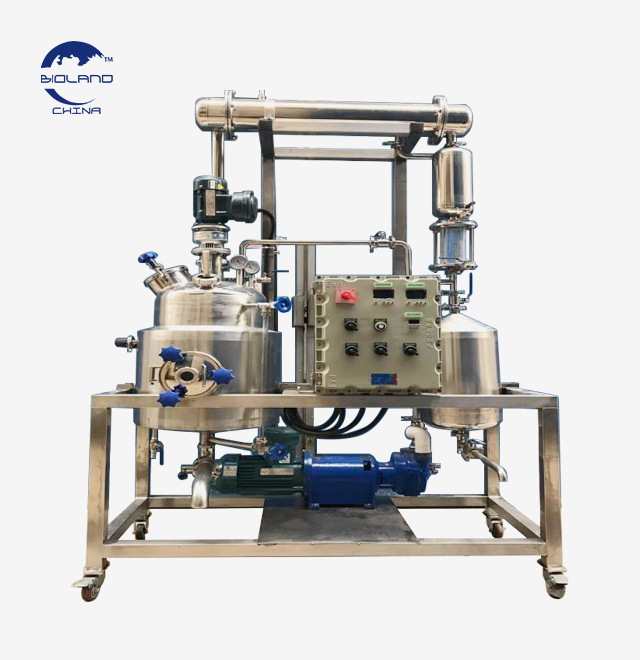
Technical details show why these methods work so well for small tasks. Compared to traditional ways, processing processes take only 24 to 40 minutes, which cuts the time needed for extraction by more than two-thirds. When tools can do more than one process, it means that it can handle ultrasonic-assisted extraction, reflux processes, aromatic oil collection, and organic solvent extraction. This means that it doesn't need different vessels for each task. If you're worried about safety when using volatile solvents, you can choose explosion-proof setups. Full PLC automation gets rid of the learning curve and user variability that come with manual systems.
Integrated Extraction and Concentration Units
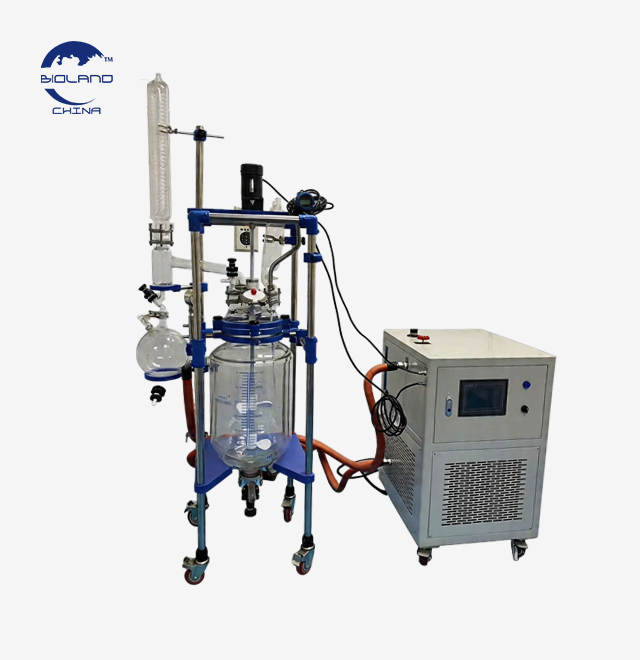
Systems that mix extraction with downstream processing are very helpful for small businesses. Ultrasonic-assisted extraction, accurate filtration, low-temperature concentration, and liquid recovery are all built into integrated units that work in a closed loop. This design gets more active ingredients out of the mixture, leaves behind purer leftovers, and uses raw materials more efficiently than equipment that only does one thing. The closed-loop design also reduces the amount of solvent used and gets rid of any emissions into the air. This lowers running costs and helps the environment.
Performance statistics from production lines for stevia, propolis, capsaicin, and curcumin in the real world shows the benefits. Companies say that special dual-condenser systems that keep solvents for reuse and stop the loss of volatile substances improve extraction and recovery ratios. Low amounts of impurities in the extracted liquor make further purification easier, which lowers the cost of separation processes and boosts the total economic returns.
Material Quality and GMP Compliance
The design of equipment has a direct effect on the quality of the result and on following the rules. All areas that come into touch with products in machines that are built according to GMP guidelines are made of pharmaceutical-grade 316 stainless steel. This keeps reactive materials from contaminating the machines. Electropolished finishing with a surface roughness of less than 0.4 micrometers stop bacteria from building up and make it easier to prove that the cleaning was complete. Sanitary design features like tri-clamp connections for tool-free disassembly, sloped tanks for full drainage, and recorded material certifications meet the requirements of quality checks and regulatory inspections.
Compliance risks are greatly reduced when you choose equipment that is approved to foreign standards. The CE mark shows that the product meets European safety standards, and the ISO mark shows that the quality management system works. ATEX and IECEx standards prove that explosion-proof parts can be used in dangerous places, and UL or SGS testing confirms the safety and performance of electrical parts in a third-party way.
Maintenance and Safety Guidelines for Optimal Machine Performance
Establishing Preventive Maintenance Protocols
The life of your equipment rests on how well you take care of it from the very beginning of your first production run. Every day, you should check the seals and gaskets visually, make sure the temperature and pressure numbers are right, and make sure the safety interlocks work properly. As part of weekly tasks, product-contact surfaces need to be cleaned thoroughly, ultrasonic transducers need to be checked for damage or fouling, and automatic control routines need to be tested. As part of the monthly maintenance, mechanical parts are oiled, sensors and instruments' accuracy is checked, and liquid recovery systems are checked for leaks or wear.
Keeping detailed repair logs is useful for more than just taking care of tools. These records show that proper care was taken during regulatory checks, help find recurring problems before they lead to failures, and give information for setting the best repair times based on real working conditions instead of general schedules. Many new extraction machines have digital monitoring systems that keep track of working hours, cycle counts, and alarm conditions. These systems automate a lot of the paperwork that needs to be done and let workers know when problems start to arise.
Safety Protocols and Training
When using solvents for extraction, there are risks that need to be carefully managed and operators need to be properly trained. To properly handle a liquid, you must first understand its qualities, such as its flammability limits, vapor pressures, and health risks. When storing flammable liquids, you must use approved safety boxes, ground containers during move operations, and make sure there is enough air flow to keep an explosive atmosphere from forming. Fire extinguishers that can put out solvent fires should be easy to get to, there should be eye wash stations and safety showers close to extraction equipment, and emergency stop steps should be clearly marked.
The training for operators should include standard working methods, how to spot problems, what to do in an emergency, and basic troubleshooting. Before operating on your own, you should get hands-on experience while being supervised. This will boost your confidence and skills. Regular repeat training goes over new procedures, lessons learned from accidents or close calls, and ways to stay safe that may become less strong over time.
Leveraging Warranty and Support Services
Full help after the sale has a big effect on your total cost of ownership and how well your business runs. Reputable makers give your team detailed technical paperwork like working instructions, upkeep methods, lists of extra parts, and debugging guides that lets them fix common problems on their own. You can get direct expert help by phone, email, or video chat for complicated technical questions and odd working circumstances. A lot of providers offer installation and commissioning services. These are done by factory-trained experts who make sure the equipment is set up correctly, make sure it meets performance standards, and teach your operators how to use the equipment correctly.
A warranty should cover more than just replacing broken parts. It should also cover technical help during the warranty time. Some makers offer flexible financing options or lease programs that spread the costs of equipment out over time. This makes it easier for growing businesses to handle their cash flow. You can get a better idea of the total value of an investment by looking at these value-added services along with the specs of the tools.
Procurement Tips: How and Where to Buy the Best Medicinal Plant Extraction Machine
Evaluating Supplier Credentials and Experience
When you buy amedicinal plant extraction machine, choosing the right provider has effects that last for years after the purchase. Give more weight to manufacturers that have a track record of success in your specific application area. These are companies that have provided similar businesses handling similar botanical materials. Ask current customers for examples and then follow up to find out how the equipment has been working over time, how responsive the seller has been, and whether the powers that were promised have been realized in real production settings. Suppliers with 15 years or more of experience in the field have institutional knowledge that is very helpful when dealing with odd extraction problems or finding the best process settings for new botanicals.
Portfolios of certifications show how committed a company is to safety and quality. ISO 9001 certification shows that you have created quality management systems, and ISO 14001 certification shows that you know how to handle the environment. Industry-specific licenses in areas like food safety or making medicines show that you know what the rules are for those controlled fields. International certifications like CE, UL, and ATEX show that a product is made to meet more than one set of rules. This makes it easier to follow the rules if your business sells or works in places with strict equipment standards.
Customization Capabilities and Turnkey Solutions
Small businesses can get a lot out of providers who offer engineering customization instead of just off-the-shelf tools. Customizable solutions can be changed to fit your exact extraction needs, building limitations, and process routines. By letting you choose specifics like vessel size, heating/cooling configurations, automation levels, and combined downstream processing, you can make systems that are perfect for your needs instead of pushing your process to work with equipment that doesn't work well with it. OEM and ODM service providers offer complete solutions that include planning the workshop, choosing the right equipment, installing and operating it, providing technical training, and ongoing support. These solutions make the project completion easier and speed up the time it takes to make the product.
BIOLAND is a good example of this all-around method because they offer unique process solutions backed by an in-house R&D team with many years of engineering experience. Their turnkey services include everything from the initial meeting to operating qualification. Dedicated project experts keep clients updated on progress through pictures and videos that show what's happening. This level of openness builds trust and lets problems be found quickly, before the equipment moves.
Cost Versus Value Analysis
The purchase price is only one part of the total cost of owning. A full value review looks at the initial investment along with working efficiency gains, maintenance needs, consumable costs, and the expected service life. A piece of equipment that boosts performance by 50 to 500% can quickly pay for itself by saving raw materials, and it might even pay for itself within a few months of use. Automated systems cost more than human ones, but they save money on labor costs, make things more consistent, and let them run 24 hours a day, seven days a week. Utility costs go down with energy-efficient designs, and compared to single-pass systems, combined liquid recovery systems have much lower costs for consumables.
Structures of financing change how cash flow and return on investment are calculated. During times of growth, suppliers that offer payment plans, leasing options, or delayed payment schedules can help you keep track of your working capital. Some makers offer performance warranties that protect your investment by making sure that the equipment meets certain standards for quality, production, or efficiency before the final payment is due.
Conclusion
By choosing the right medicinal plant extraction machine, small businesses can compete in the markets for botanical processing by getting higher returns, more uniform quality, and more cost-effective operations. Ultrasonic help, automated controls, and combined downstream processes are some of the advanced technologies that modern medicinal plant extraction machines use. These technologies were once only found in large-scale industrial facilities. You can choose equipment that fits your current needs and your plans for growth by carefully looking at your production needs, technical specs, seller credentials, and total ownership costs. Putting an emphasis on GMP compliance, safety standards, and full after-sales support will protect your investment and set up your business for long-term success in this competitive and quality-driven field.
FAQ
Q1: What distinguishes extraction from distillation methods?
A: Solvents are used in extraction to selectively dissolve target chemicals from plant matter, separating them based on how well they dissolve. By heating and cooling, distillation sorts substances based on their different boiling points. Extraction usually keeps heat-sensitive compounds better and is better at picking out certain phytochemicals. Today, ultrasonic-assisted extraction can be finished in 24 to 40 minutes at 40 to 60°C. Distillation, on the other hand, often takes hours at high temperatures that can break down chemicals that are easily damaged by heat.
Q2: Which solvents provide the safest and most effective extraction?
A: The best solvent for most plant extractions is still ethanol, which is generally recognized as safe (GRAS) and dissolves a wide range of compounds well. It is also safer than some other chemical solvents. Polar substances, such as carbohydrates and some glycosides, work well with water. The best solvent relies on the chemicals you want to use, the safety infrastructure that is available, and the rules that apply to the end products. When necessary, strong chemicals can be used on equipment with 316 stainless steel contact surfaces, which also makes it easier to clean between runs.
Q3: How can I maximize equipment longevity and avoid breakdowns?
A: Set up preventative maintenance plans that include checking the machine every day, cleaning it once a week, and checking the balance every month. Thoroughly teach workers the right way to do their jobs and how to spot problems early on. To avoid fouling or rust, use solvents and herbs within the quality limits that have been set. Keep detailed repair logs that can help you find trends and figure out the best times to do maintenance. Work with sources that offer quick technical help, and make sure you have enough spare parts on hand for parts that will wear out.
Partner With BIOLAND for Advanced Extraction Solutions
BIOLAND INSTRUMENT is a reliable company that has been providing medicinal plant extraction machine to the pharmaceutical, nutraceutical, and botanical processing businesses for over 15 years. Our ultrasonic extraction systems have been shown to improve performance by 50–100%. They can process samples in 24–40 minutes and can handle multiple processes, such as UAE, reflux, aromatic oil, and organic solvent extraction.
Each system comes with full PLC automation, GMP-compliant design, quality 316 stainless steel construction, and explosion-proof designs that can be added as needed. Our OEM/ODM services include process planning, customizing equipment, installation, commissioning, and expert support for life. Our services are backed by CE, ISO, and ATEX certifications. Get in touch with our team atinfo@biolandequip.com to talk about your unique extraction needs and get full technical specs and competitive quotes for systems that can be scaled to fit your production needs.
References
1. Smith, J.A. & Chen, L. (2023). "Ultrasonic-Assisted Extraction Technologies for Botanical Processing: Efficiency Metrics and Industrial Applications." Journal of Natural Products Engineering, 18(4), 312-328.
2. Rodriguez, M.P. (2024). "Small-Scale Pharmaceutical Manufacturing: Equipment Selection and GMP Compliance Strategies." International Pharmaceutical Technology Review, 29(1), 45-61.
3. Kumar, R. & Washington, D.E. (2023). "Comparative Analysis of Extraction Methods for Bioactive Phytochemicals: Yield, Quality, and Economic Considerations." Food and Bioprocess Technology, 16(8), 1834-1849.
4. European Industrial Equipment Standards Consortium (2024). "Safety and Performance Requirements for Solvent-Based Extraction Systems in Regulated Industries." Brussels: EIESC Technical Publications.
5. Thompson, K.L., Park, S.Y., & Okonkwo, C. (2023). "Automation in Botanical Processing: ROI Analysis for Small to Medium Enterprises." Process Industry Equipment Journal, 41(2), 89-104.
6. National Institute for Herbal Medicine Manufacturing (2024). "Best Practices Guide for Medicinal Plant Extraction: Equipment Selection, Validation, and Quality Assurance." Washington, D.C.: NIHMM Press.
The reactor is beautifully mirror-polished and fully complies with GMP requirements for the pharmaceutical industry. The performance is excellent! Overall, we are very satisfied! We also provided with some feedback on our process improvements, which we hope will be helpful.
2024-04-09
Laboratory
Excellent and professional service. Always reply our questions very fast. All reactors and chiller we received are good too.
2024-02-15
Research Institute
Quality is beyond our expectation actually. After we got the extraction equipment and started using it, the performance was beyond our expectation. Very easy to use and very efficient to run. Service always respond us very quickly. Was also very helpful to help us. Thanks Bioland team. Very happy to work with you.
2023-11-20
Biotech Company
We are happy about the new purchase as always. Equipment and services are both good.
2023-08-05
Instrument Lab
This is the second order with Bioland instrument and everything is good as the first dateText.
2023-05-12
Global Trading Partner
Bioland instrument team is very helpful and professional. The sales helped us select the right equipment for our application, and their logistics people handled the transportation and customs declaration for our shipment. All that saved us a lot of work.