What is the purpose of a reflux extraction apparatus?
May 27, 2026
A reflux extraction apparatus' main job is to make it easy to get valuable chemicals out of solid materials continuously and efficiently by using a solvent that evaporates, condenses, and returns to the extraction vessel over and over again. This repeated process keeps the concentration gradient at its best, which lets the most target compounds—like medicinal ingredients, essential oils, or pharmaceutical intermediates—enter the solvent while using the least amount of solvent. These systems get higher returns, keep heat-sensitive parts safe, and cut down on extraction times compared to static soaking methods by using controlled warmth and condensation. Modern industrial units have advanced features like vacuum operation, automated controls, and solvent recovery systems. These features make them essential for producing pharmaceuticals, botanicals, and fine chemicals in settings where efficiency, purity, and cost-effectiveness are important.
Comprehending the Fundamentals of Reflux Extraction Apparatus
Core Operating Principles and System Architecture
The constant circulation process is at the heart of reflux technology. It's how extraction equipment turns raw materials into concentrated active compounds. The reflux extraction apparatus works by heating a solvent until it turns into gas, which moves dissolved chemicals up through the system. When vapor hits a cool condenser, it turns back into a liquid and drips back onto the material bed. This creates a washing action that removes target molecules one by one.
This closed-loop system is better than batch soaking in many ways. The solvent keeps being able to remove things throughout the process because the vapor-condensation cycle keeps the liquid phase that touches the raw material new. Since the system stays shut while it works, it's easier to keep the temperature under control and the risk of rusting goes down a lot.
Key Components and Their Functional Roles
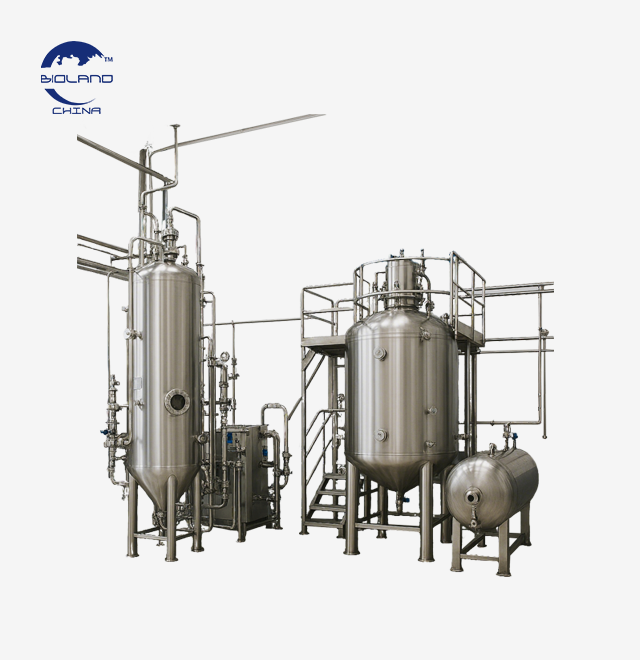
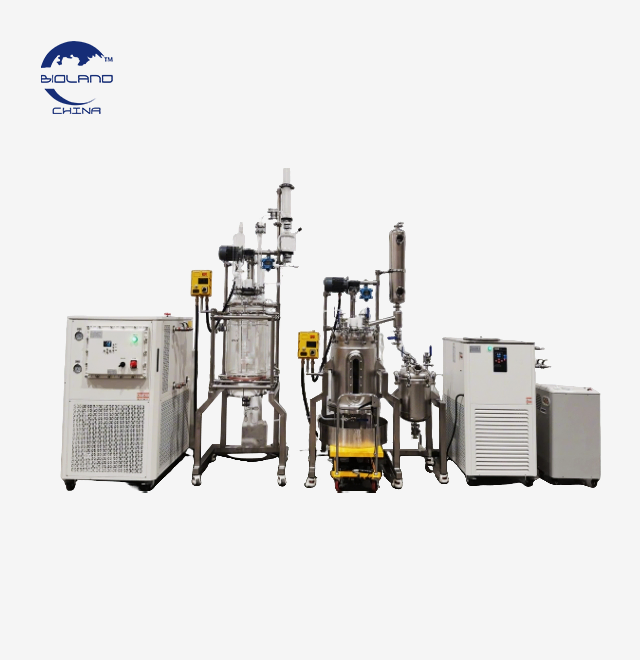
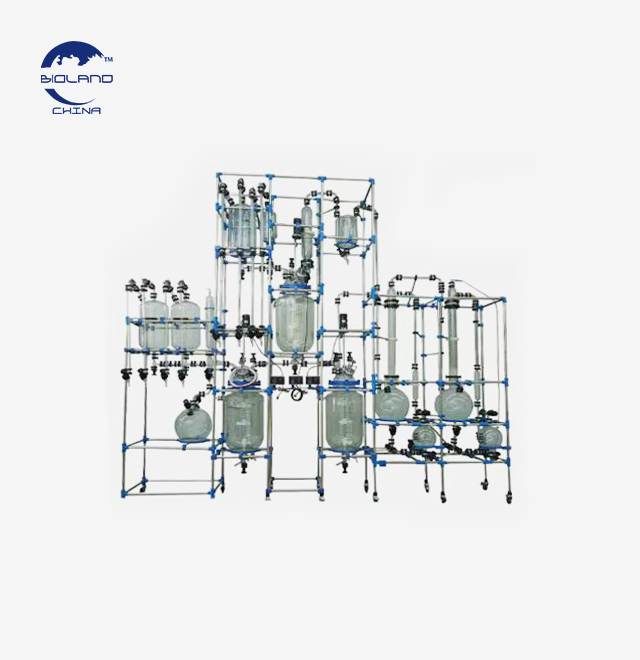
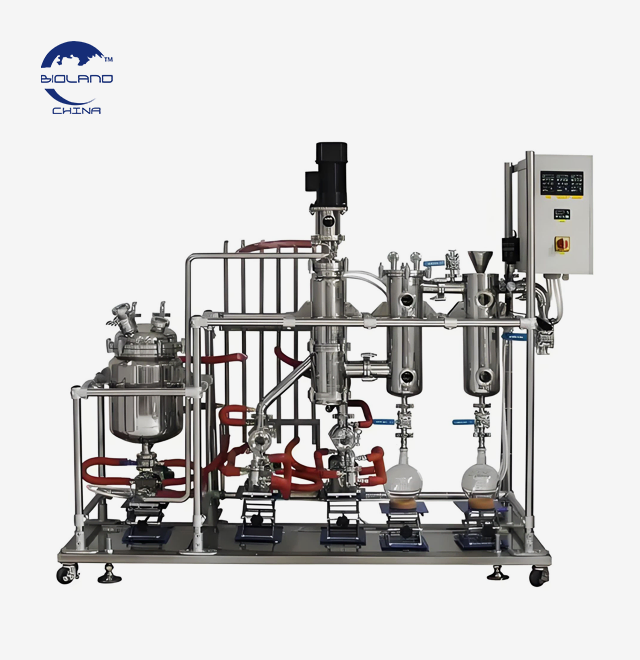
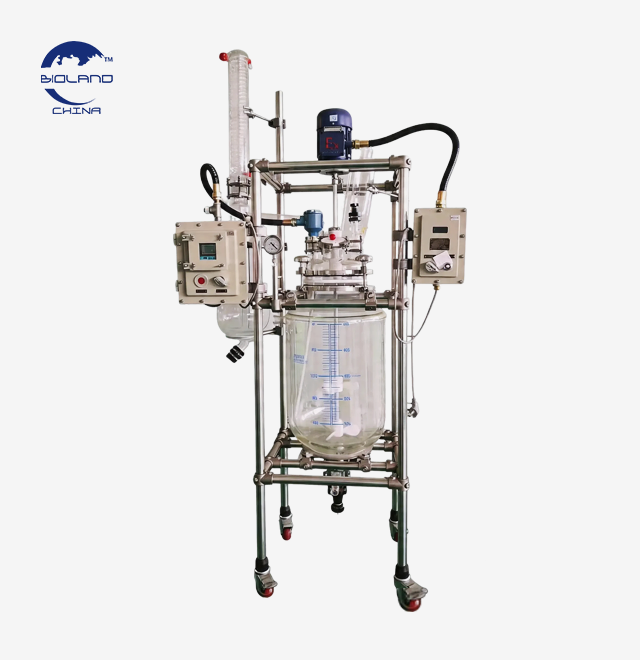
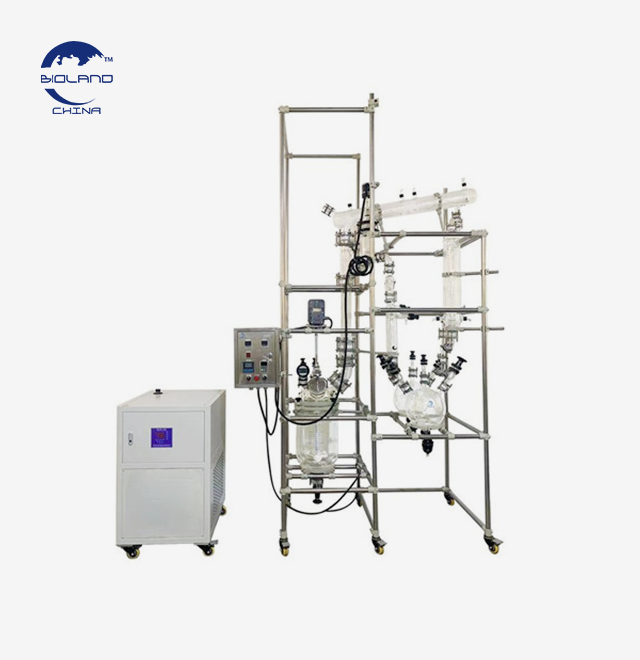
The extraction vessel usually has a jacketed form that lets precise temperature control through heating means outside the vessel. High-quality units made of 316 stainless steel don't rust when exposed to strong chemical solvents, and they also meet the GMP safety standards needed to make medicines. Whether the condenser is set up in a Graham, Liebig, or circular pattern influences how well it cools and, in the end, how fast the solvent recovers.
Modern systems have complex control screens with PLC technology that let workers set temperature ramps, check pressure levels, and change flow rates without having to do it by hand. This automation cuts down on mistakes made by people and makes sure that each batch is the same, which is very important when moving from lab study to test production. Some safety features are pressure release valves, electrical parts that won't explode when working with flammable solvents, and emergency stop procedures. These features are in line with ATEX and IEC norms, which protects people and makes sure that foreign markets follow the rules.
Applications and Benefits of Reflux Extraction Apparatus
Industry-Specific Deployment Scenarios
Reflux extraction apparatus are very important in pharmaceutical and herbal extraction operations because they separate alkaloids, flavonoids, and terpenes from plant materials. The equipment can work at fixed temperatures between 40°C and 60°C, which is helpful for production lines that use turmeric to make curcumin or chili peppers to make capsaicin. This ability to work at low temperatures keeps sensitive bioactive chemicals from breaking down at high temperatures, so they keep their medicinal value and marketability.
In places where food is processed, these methods are used to get essential oils, natural colorants, and flavor chemicals. Different types of extraction can be done with this technology, such as hot reflux extraction, ultrasonic-assisted extraction (UAE), and organic solvent extraction (OSE). Multiple process protocols can be used with a single unit, giving medium-sized businesses that manage a wide range of products the operating flexibility that supports the investment of capital.
When environmental labs do contaminant analysis, they use reflux extraction for exhaustive recovery of semi-volatile organic chemicals from soil and sand samples. The reflux extraction apparatus makes sure that the results can be repeated and meet the standards of EPA Method 3540C. This is important for regulatory testing and keeping records of compliance.
Comparative Performance Analysis
Reflux extraction cuts processing time by more than two-thirds compared to standard maceration. Cycles can be finished in 24–40 minutes instead of hours or days. Depending on the properties of the material and how well the process is optimized, extraction rates can go up by 50–500%. The solvent reuse process uses a lot less energy because it only needs enough heat to keep the mist moving instead of heating up new batches of solvent all the time.
Ultrasonic extraction works quickly, but it's not as thorough as reflux methods for materials that are fibrous or hard. The Soxhlet extraction method completely recovers the material, but it needs more liquid and runs for longer periods of time. Steam distillation is good for volatile oils but not so good for many medicinal chemicals that have higher boiling points.
When production sites use both dual-ultrasonic setups andreflux extraction apparatustogether, they report higher dissolution rates and higher throughput. These combined methods get more of the active ingredients out of the material while leaving behind cleaner waste. This makes better use of the raw materials and lowers the cost of removal. Success stories from production lines that remove stevia, propolis, and mushrooms show that the money spent pays off within 18 to 24 months of starting up the equipment.
How to Choose the Right Reflux Extraction Apparatus for Your Needs?
Critical Specification Parameters
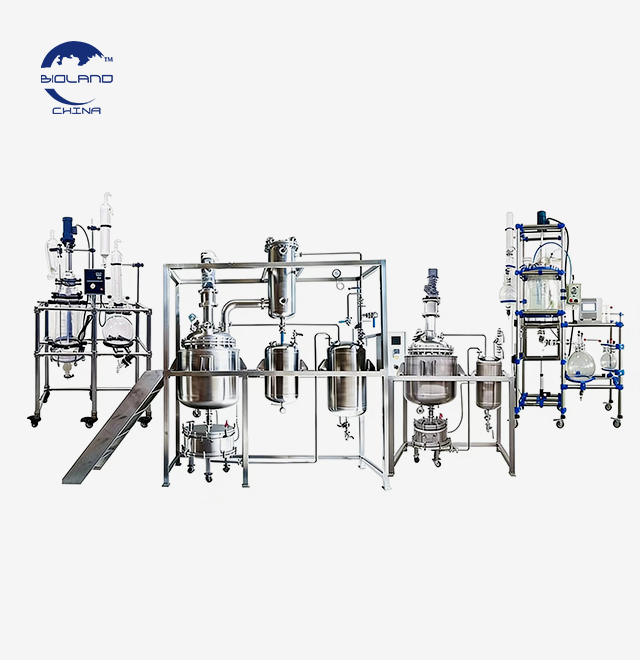
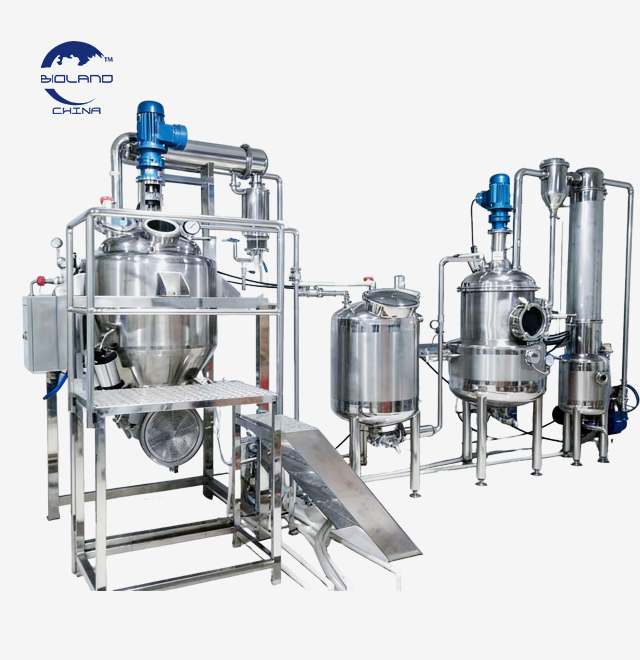
Initial equipment selection is based on capacity needs. For research and development, lab-scale units that can handle batches of 5 to 20 liters are used. Pilot-scale systems that can handle batches of 50 to 200 liters are used until commercial production can start. To reach their output goals, industrial facilities often use several 500- to 2000-liter tanks that work together. Scalability is important when moving from research to full production, which is why flexible designs are appealing to businesses that are growing.
Material suitability needs to be looked at carefully. Standard stainless steel is fine for extractions using ethanol and water, but 316-grade metals are needed for processes that use chlorine solvents or strong acids. Customizable touch areas let makers choose the right materials based on how they react with solvents and how easily they corrode.
Evaluating Supplier Credentials and Support Infrastructure
How long equipment lasts depends a lot on how well it was made and how well it is taken care of after purchase. Suppliers with CE, ISO, UL, and SGS licenses show that they follow foreign quality standards. Companies that have been in the extraction equipment business for 15 years or more have a lot of technical knowledge that shows in their strong designs and reliable performance.
When normal configurations don't meet the needs of a process, OEM and ODM options are important. Custom engineering services, such as planning the layout of a workshop, helping choose the right equipment, and complete installation, speed up the project process and cut down on delays during completion. Technical training programs make sure that operators are skilled, and quick response after-sales teams keep downtime to a minimum when problems need to be fixed.
Cost-effectiveness is more than just the price of the item. Total cost of ownership is affected by operational costs like energy use, solvent loss, repair times, and the supply of spare parts. Explosion-proof systems cost more up front, but they remove the worst-case scenario risk in places that work with flammable liquids. Optional solvent recovery units raise the initial investment, but they save a lot of money in the long run by cutting down on the costs of materials and garbage removal.
Warranty terms and service turnaround promises show how confident the maker is. Capital investments are safe when they come with one-year complete warranties that include care for life. Suppliers who give weekly reports on production along with photos show that they are open and responsible throughout the whole manufacturing process.
Maintenance, Safety, and Troubleshooting Best Practices
Routine Maintenance Protocols
Setting up preventive repair plans is necessary to keep extraction productivity high. Every day, tasks like looking for cracks in glass or metal joints, making sure gaskets are solid, and keeping an eye on the flow rates of condenser cooling water are all done. As part of weekly tasks, the insides of vessels need to be cleaned of residue using the right chemicals or CIP (clean-in-place) systems that are put in more advanced units.
Unexpected breakdowns can be avoided by replacing parts on a regular basis. Seals and seals wear out over time from being exposed to solvents and changing temperatures. Depending on how often they are used, they usually need to be replaced every 6 to 12 months. To keep the temperature accurate, heating elements and thermocouples need to be calibrated and checked every three months. Filter tubes need to be replaced based on readings of the pressure difference instead of at set times. This improves both performance and cost.
Documentation techniques help with both following GMPs and fixing problems. Maintaining records of cleaning processes, part replacements, and calibration results in maintenance logs makes people responsible and finds trends that can help predict problems. Continuous growth efforts are made possible by keeping records of production batches that link yield data to the state of the equipment.
Safety Protocols and Hazard Mitigation
To use reflux extraction apparatus safely, you need to know how the solvents work. Flammable liquids need electrical parts that won't explode, good air flow, and means to stop static electricity. Personal protection equipment, like lab coats, chemical-resistant gloves, and safety glasses, is the first line of defense against spills and vapor contact.
For example, Class B extinguishers are needed for solvent fires, instant shutdown and venting steps are needed for pressure buildup, and fast temperature reduction is needed to avoid solvent overheating when the cooling system fails. Staff members must do regular drills to make sure they can automatically respond to real-life situations.
Regulatory compliance includes a lot of different systems. Safety rules in the workplace are set by OSHA, while EPA rules control the release of chemicals and the removal of waste, and FDA rules apply to places where drugs are made. GMP-designed equipment makes it easier to meet these standards by having sanitary parts, cleaning methods that have been proven to work, and full material tracking.
Common Operational Challenges and Solutions
When the efficiency of extraction goes down, it's often because material is moving inside the tank. Making sure that all the particles are the same size by grinding them properly and keeping the packing density the same stops the liquid from getting around material zones. There are mechanical motion choices in reactor-style units that keep the suspension and get rid of all channeling.
When solvent recovery rates are lower than expected, it usually means that the condenser isn't working right or that the system is leaking. Making sure that the temperatures of the cooling fluids stay 20°C below the boiling points of the solvents guarantees good condensation. Checking ground glass joints for vacuum grease integrity or PTFE sleeve wear finds leak sources that need to be fixed right away.
Solvents with a high viscosity can sometimes stop natural flow, which slows down circulation. Changes like adding bigger bore valves, hot transfer lines, or mechanical agitation pumps can get the flow back to how it should be. Talking to experienced providers during the planning stages will keep you from running into these problems after the equipment is installed.
Joint seizing during high-temperature operations is frustrating for workers and increases the chance that glass will break during dismantling. This problem goes away when you switch from regular vacuum grease to high-temperature silicone versions or PTFE joint covers, especially when working with strong solvents for a long time.
Conclusion
Choosing the right extraction technology has a direct effect on how well products are made, how profitable the business is, and how efficient production is. Reflux extraction apparatus works better because it can handle low temperatures, continuously circulates solvents, and can be used for multiple processes. Pharmaceutical, botanical, and chemical companies can meet their main business goals by getting high extraction rates, cutting down on working times, and using as little liquid as possible. When choosing equipment, it's best to give priority to providers with a lot of knowledge in the field, a wide range of certifications, and a strong support system. Modern systems with automation, customization, and built-in liquid recovery make it possible for businesses that are growing to increase output while still meeting quality standards and legal requirements.
FAQ
Q1: What extraction yield improvement can we realistically expect?
A: Yield increases depend on the properties of the raw materials and the way they were used before. Facilities that switch from maceration usually see increases of 50–200%, while facilities that switch from older reflux designs see increases of 20–80% thanks to better control over the process and more efficient condensers. When it comes to hard-to-extract compounds, dual-ultrasonic setups push gains toward the 200–500% range.
Q2: How quickly can custom systems be delivered for new production lines?
A: Standard setup units are sent out 5–7 business days after the sale is confirmed. It takes about 30 business days from the time engineering approves a custom design to the time it is delivered. This includes designs with specific vessel sizes, material requirements, or combined modules. Prioritized manufacturing allocation helps meet urgent needs for capacity growth through accelerated production plans.
Q3: Does the apparatus handle both aqueous and organic solvent systems?
Water, ethanol, methanol, hexane, and chemical solvents are just a few of the solvents that can be used in modern designs. Chemical compatibility is based on the choice of material for wet parts. By specifying 316 stainless steel and the right seal materials when you buy them, you can be sure that all of your solvents will work safely.
Partner with BIOLAND for Advanced Reflux Extraction Solutions
As a reliable maker of reflux extraction apparatus for the pharmaceutical, botanical, and fine chemical industries, BIOLAND INSTRUMENT has more than 15 years of specialized experience. For your unique process needs, our engineering team creates custom systems with features like explosion-proof constructions, integrated solvent recovery, and CIP cleaning units that can be controlled by a PLC. Each unit has CE and ISO certificates, which show that it meets international quality standards and GMP production guidelines.
We offer full package services that include planning the workshop, choosing the right equipment, supervising the installation, teaching the operators, and providing technical support for life. Get in touch with our team atinfo@biolandequip.com to talk about your extraction problems and get thorough technical proposals that include information on capacity, level of automation, and budget for your next project to improve a production line or expand a facility.
References
1. McNair, H.M. & Miller, J.M. (2009). Basic Gas Chromatography: Techniques in Analytical Chemistry. Hoboken: John Wiley & Sons.
2. Raghavarao, K.S., Ranganathan, T.V. & Karanth, N.G. (2003). Some Engineering Aspects of Solid-Liquid Extraction. Critical Reviews in Biotechnology, 23(4), 321-345.
3. Luque de Castro, M.D. & García-Ayuso, L.E. (1998). Soxhlet Extraction of Solid Materials: An Outdated Technique with a Promising Innovative Future. Analytica Chimica Acta, 369(1-2), 1-10.
4. Wang, L. & Weller, C.L. (2006). Recent Advances in Extraction of Nutraceuticals from Plants. Trends in Food Science & Technology, 17(6), 300-312.
5. Azmir, J., Zaidul, I.S., Rahman, M.M., et al. (2013). Techniques for Extraction of Bioactive Compounds from Plant Materials: A Review. Journal of Food Engineering, 117(4), 426-436.
6. Stahl, E., Quirin, K.W. & Gerard, D. (1988). Dense Gases for Extraction and Refining. Berlin: Springer-Verlag.
The reactor is beautifully mirror-polished and fully complies with GMP requirements for the pharmaceutical industry. The performance is excellent! Overall, we are very satisfied! We also provided with some feedback on our process improvements, which we hope will be helpful.
2024-04-09
Laboratory
Excellent and professional service. Always reply our questions very fast. All reactors and chiller we received are good too.
2024-02-15
Research Institute
Quality is beyond our expectation actually. After we got the extraction equipment and started using it, the performance was beyond our expectation. Very easy to use and very efficient to run. Service always respond us very quickly. Was also very helpful to help us. Thanks Bioland team. Very happy to work with you.
2023-11-20
Biotech Company
We are happy about the new purchase as always. Equipment and services are both good.
2023-08-05
Instrument Lab
This is the second order with Bioland instrument and everything is good as the first dateText.
2023-05-12
Global Trading Partner
Bioland instrument team is very helpful and professional. The sales helped us select the right equipment for our application, and their logistics people handled the transportation and customs declaration for our shipment. All that saved us a lot of work.