Why is ultrasonic extraction equipment so popular with users?
May 26, 2026
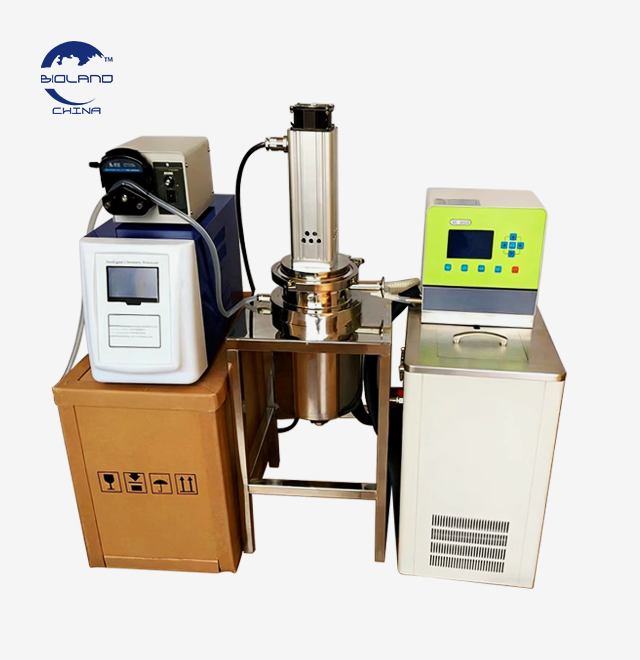
Ultrasonic extraction equipment has become very popular in the biotechnology, nutraceutical, and pharmaceutical industries because it can produce much higher results while requiring much less time and liquid. In particular, ultrasonic flavonoid extraction equipment solves long-standing problems in getting bioactive chemicals out of plant materials, problems that are hard to solve with standard maceration and Soxhlet methods. This technology uses acoustic cavitation to effectively break up cellular structures. This lets makers carefully remove valuable flavonoids such as quercetin, rutin, and hesperidin. The equipment can work at controlled low temperatures, which protects compounds that are sensitive to heat. This keeps the purity of the product and meets strict GMP and legal standards that are important for today's competitive markets.
High-intensity sound cavitation is what ultrasonic extraction works on, and frequencies usually range from 20kHz to 24kHz. This technology is different from mechanical agitation or silent soaking because it uses piezoelectric sensors to turn electrical energy into mechanical movements. These movements cause the solvent medium's pressure to change quickly, which creates tiny vacuum bubbles that burst rapidly near the walls of plant cells. The shockwaves that are created then create strong localized forces that physically break down cell walls. This makes it much easier for solvents to get inside cells and for mass to move between cells.
How Cavitation Enhances Extraction Performance?
When cavitation bubbles pop near plant matrices, they create micro-jets and shear forces that are strong enough to break down flavonoid-filled hard cell structures. This mechanical damage, achieved through ultrasonic flavonoid extraction equipment, speeds up the release of bioactive chemicals into the solvent around them without having to be heated for a long time. The process successfully gets around the problems with mass transfer that come with traditional extraction. For example, thick cell walls make it hard for solvents to get to the cells, which makes the working time hours or even days longer.
Comparative Advantages Over Traditional Methods
Traditional methods of extraction, like maceration, reflux cooking, and Soxhlet extraction, depend on heat and time to help compounds come out. Temperatures above 80°C and processing times between 4 and 24 hours are common for these methods. This can damage heat-sensitive flavonoids and use more energy. With ultrasonic technology, extraction processes can be done in 24 to 40 minutes, which is more than two-thirds less time than with traditional methods.
In addition to saving time, the tools can increase output by 50 to 100 percent, based on the plant material and compound being targeted. A lot less solvent is also used, which makes extraction methods more in line with green chemistry ideas and lowers running costs. Studies on stevia, propolis, and curcumin extraction always show that ultrasonic methods are better at maintaining purity and antioxidant levels when compared to older methods.
Key Factors Driving Popularity Among Users
Ultrasonic extraction systems are widely used because they have many practical and economic benefits that directly affect the purchasing goals of medium- to large pharmaceutical, biotech, and food processing companies.
Exceptional Yield Enhancement and Process Efficiency
Extraction efficiency is always better when the equipment is designed with precise parameter control, such as intensity, frequency modulation, and temperature management. By keeping the temperature steady between 40°C and 60°C, these devices protect the structure of the compound while maximizing flavonoid recovery. The managed cavitation strength makes sure that cells are broken up just right without making too much heat, which protects molecular structures that are needed for bioactivity. Users report return increases of 50% to as much as 500% compared to standard ways. This directly leads to better use of raw materials and higher profit margins.
Scalability from Laboratory to Industrial Production
Ultrasonic extraction technology has great predictability during scale-up, which is very important for R&D teams moving from pilot studies to full-scale production using ultrasonic flavonoid extraction equipment. It is possible to successfully repeat laboratory validations done with tabletop units in industrial flow-through reactors by keeping the residence times and power-to-volume ratios the same. This smooth scaling lowers the risk of development and speeds up the time it takes for new goods to reach the market. Manufacturers who offer dual-ultrasonic setups give you more options, so you can use their machines for anything from exploratory study to high-volume production lines that process tons of materials every hour.
Cost-Effectiveness and Energy Efficiency
The costs of operations strongly support sonar technology. Cutting down on the length of extraction rounds saves money on energy, labor, and building use. Less liquid means less money spent on materials and less need for solvent collection further down the line. The automated features of the equipment, especially the full PLC control systems, cut down on human error, lower the need for physical labor, and shorten production processes overall. When procurement pros look at the total cost of ownership, they know that even though the original capital investment may be higher than for traditional extractors, the return on investment (ROI) is quickly realized through long-term cost savings and increased productivity.
Compliance with Stringent Regulatory Standards
Modern ultrasonic extraction equipment made by well-known companies meets all certification standards, such as those set by CE, ISO, UL, SGS, ATEX, and IEC. GMP-compliant design makes sure that all the materials, building methods, and instructions for use meet the standards for pharmaceutical output. Optional contact areas made of 316 stainless steel prevent rust better and are easier to clean. Safety issues are addressed by explosion-proof designs when working with flammable solvents like ethanol. These protect people and property while still following the rules. These licenses give quality managers and buying teams the peace of mind they need to make sure that suppliers can do what they say they can do.
Choosing the Right Ultrasonic Flavonoid Extraction Equipment
To choose the right extraction technology, you need to carefully look at the technical details, the reliability of the provider, and their ability to provide long-term assistance. When procurement managers work with R&D directors, they have to find a mix between performance needs and price limits, all while making sure that the new system will work with the old process infrastructure.
Technical Specifications and Functional Requirements
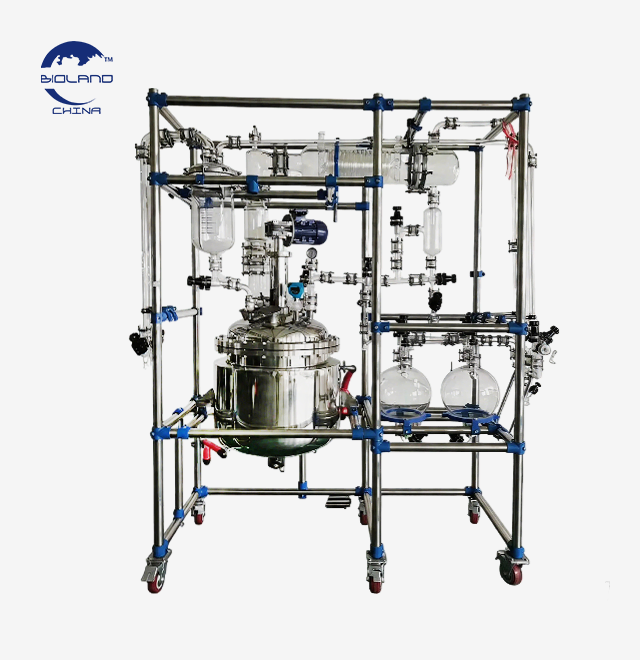
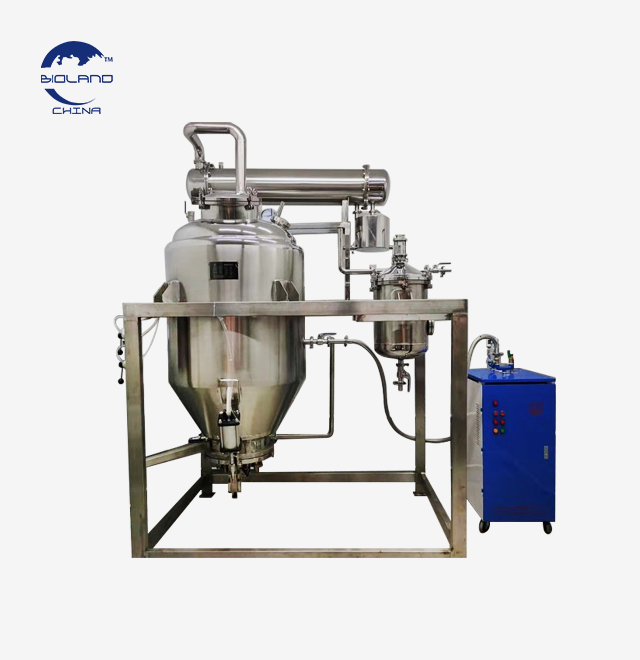
Some important factors for ultrasonic flavonoid extraction equipment are the transducer's power output, its amplitude adjustability, the reactor's volume capacity, and the materials used to build it. Industrial-grade units should have titanium alloy sonotrodes that don't wear down easily from cavitation, built-in cooling systems to keep the temperature stable, and modular designs that let you add things like solvent recovery systems, CIP cleaning modules, and automatic discharge mechanisms if you want to. Ultrasonic-assisted extraction (UAE), hot reflux extraction, aromatic oil recovery, and organic solvent extraction (OSE) can all be done on the same platform. This gives facilities that work with a variety of plant materials useful operating freedom.
Evaluating Supplier Experience and Service Capabilities
A supplier's track record is a big part of how purchases are made. Manufacturers with 15 years or more of experience in the field have shown that they are good at engineering and that the market is stable. Full OEM/ODM capabilities show a desire to change equipment designs to fit specific process needs, from planning the layout of the workshop to installing it, starting it up, and teaching operators.
People who want to buy should ask for specific case studies that show how the product has been used successfully in similar situations, like extracting polysaccharides from mushrooms, isolating capsaicin, or recovering flavone glycosides from ginkgo. This will help them believe that the performance claims made. Having quick access to helpful technical support teams ensures quick help with problems and reduces production downtime throughout the duration of the equipment.
Cost-Benefit Analysis and Warranty Considerations
A complete financial model should take into account the costs of buying the equipment, installing it, the predicted increases in yield, the savings from solvents, the shorter working time, and the need for upkeep. When it comes to lowering risk, equipment with full one-year guarantees that cover repair for life is the best choice. Delivery times are also important. Reliable providers will usually fill unique orders within 30 business days and have standard setups ready for delivery in 5 to 7 days. Clear price structures and a desire to give thorough quotes make it easier to plan a budget that works. When you deal directly with makers, you can often get better terms than when you go through middlemen. You can also build relationships that will help your long-term partnership grow.
Best Practices and Operational Tips
Paying attention to process optimization, operating discipline, and regular maintenance routines is necessary to get the most out of ultrasonic extraction.
Parameter Optimization Strategies
To get the best yield and quality when using ultrasonic flavonoid extraction equipment, you need to carefully adjust the variables that affect extraction. The solvent you choose should fit the polarity profile of the flavonoids you want to work with. For example, water-ethanol mixes work well for most glycosylated flavonoids, while pure ethanol or methanol works best for aglycones. Setting the temperature between 40°C and 60°C is a good way to combine the speed of extraction with the risk of thermal damage.
Different plant materials can be worked with by changing the ultrasonic amplitude and pulse length. For example, fibrous materials do better with higher amplitudes, while delicate tissues need softer settings. By doing small-scale design-of-experiments studies, you can find the best pairings of parameters before putting them into full-scale use. This saves you a lot of money on costly trial-and-error at production scale.
Maintenance Protocols to Ensure Longevity
Regular inspections keep equipment reliable and increase its useful life. Checks that are done regularly include keeping an eye on the transducer's temperature, looking for wear on the sonotrode's surfaces, making sure the seals are intact, and making sure the cooling system works properly. Titanium sonotrodes that are used in heavy-duty, ongoing uses usually need to have their surfaces polished every three to six months to keep working well. Taking care of cavitation problems right away keeps performance from going down and product quality problems from happening. Complete maintenance logs make it easier to file guarantee claims and help with fixing when things go wrong.
Leveraging Successful Case Studies
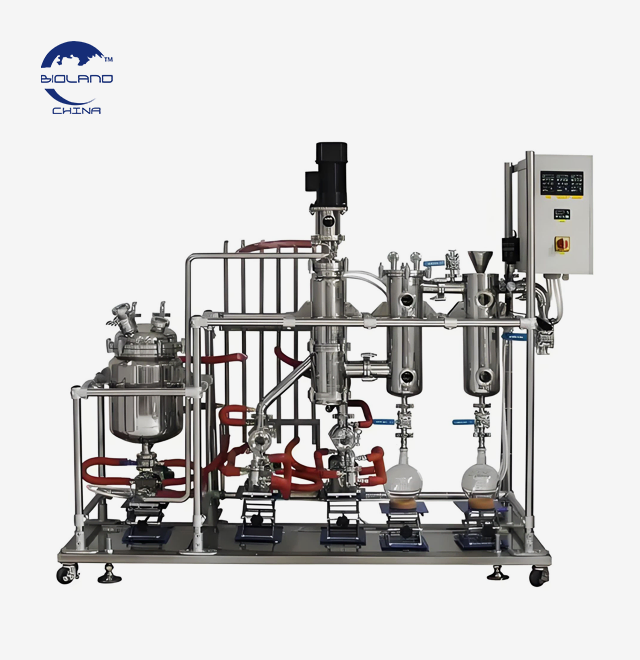
Implementations in the real world are great ways to learn. Creating extraction lines for flavonoids in propolis, stevia glycosides, and mushroom polysaccharides shows how flexible ultrasonic technology is when used with different plant materials. These projects show closed-loop systems that use ultrasonic waves to help with extraction, accurate filtration, low-temperature concentration, and solvent recovery. These "turnkey" methods give measurably higher returns, cleaner residues, and better use of materials than separate processing steps. When production teams use written best practices, they can make sure that the same things are made in every batch, meeting strict quality standards while keeping operations running smoothly.
Future Trends and Developments in Ultrasonic Flavonoid Extraction
Advanced Automation and Process Integration
Next-generation systems have advanced PLC controls that let you change parameters in real time, set up automatic tracking, and log data to help with regulatory compliance paperwork. Integration with equipment used for preparation upstream and cleaning trains used downstream creates smooth production processes that lower the risk of contamination and human handling. Cloud-based connectivity lets you watch and schedule repairs from afar, which cuts down on unplanned downtime.
Sustainable Solvent Technologies
More people are becoming concerned about the environment, which speeds up the development of green extraction liquids that can replace organic substances. Deep eutectic solvents, supercritical fluids, and bio-based options are safer and better for the environment, but they still work well for extraction. When equipment makers change their designs to work with these new solvents, they put their users at the forefront of environmentally friendly production.
Customization and Collaborative Partnerships
Equipment providers and end users can work together more closely when OEM capabilities grow. Through co-development projects, very specific extraction systems are made that work best with secret formulas and methods. Through exclusive access to technology and security of intellectual property, these kinds of agreements give businesses a competitive edge. Strategies for buying things that focus on long-term connections with suppliers instead of one-time purchases can lead to new ideas that are good for everyone.
Conclusion
Popular ultrasonic extraction equipment has been shown to work better, be more flexible in how it is used, and save money while meeting key industry needs. This technology is very useful for manufacturers who want to increase extraction rates, lower handling costs, and stay in line with regulations. To be successful, you need to carefully choose the tools you use, work with experienced suppliers who can provide strong support, and be dedicated to operating excellence. When looking at ultrasonic flavonoid extraction equipment, businesses should focus on certified makers with a history of success, the ability to make any changes needed, and a commitment to customer satisfaction.
FAQ
Q1: Can ultrasonic equipment handle scale-up without efficiency loss?
A: Of course. The power-per-volume method is used for scaling. When dwell time and amplitude intensity stay the same, parameters that were tuned in lab beakers can be directly applied to industrial flow-through reactors. This makes sure that the extraction profiles are the same at any production scale.
Q2: Does ultrasound damage sensitive flavonoid structures?
A: Not often, no. Cavitation makes short-lived hotspots that last only a few microseconds, but mass temperature control with cooling layers stops thermal degradation. According to research, ultrasonic ways often keep more of the antioxidant activity than thermal maceration because they use less heat for a shorter amount of time.
Q3: What certifications matter most for solvent-based extraction?
A: When working with dangerous solvents like ethanol, you need to be certified as ATEX or IECEx explosion-proof. For safety reasons and to follow the rules, equipment must have fundamentally safe transducer casings or work in purged settings that keep solvent vapors from igniting.
Q4: How does ultrasonic extraction compare economically to supercritical CO2?
A: When it comes to non-polar substances, supercritical CO2 works great, but it costs a lot to buy and run. Ultrasonic extraction is a much more cost-effective way to get polar and semi-polar flavonoids from water-ethanol solutions, giving the same or higher amounts for a lot less money.
Partner with BIOLAND for Advanced Ultrasonic Extraction Solutions
The Xi'an Bioland Instrument Co., Ltd. has been making ultrasonic flavonoid extraction equipment and full process systems for more than 15 years. Our CE, ISO, UL, SGS, ATEX, and IEC-certified equipment increases yields by 50 to 500% and works with multiple processes, such as UAE, OSE, and hot reflux extraction. We offer GMP-compliant solutions that can be fully customized. These solutions can be made of 316 stainless steel, have explosion-proof designs, full PLC automation, and built-in liquid recovery systems. As a producer with a lot of experience in making ultrasonic flavonoid extraction equipment, we offer full OEM/ODM services, such as workshop planning, installation, testing, and technical support for life. Get in touch with our team at info@biolandequip.com to talk about your unique extraction needs and get suggestions that fit your budget and practical needs.
References
1. Chemat, F., Rombaut, N., Sicaire, A. G., Meullemiestre, A., Fabiano-Tixier, A. S., & Abert-Vian, M. (2017). Ultrasound assisted extraction of food and natural products: Mechanisms, techniques, combinations, protocols and applications. Ultrasonics Sonochemistry, 34, 540-560.
2. Vilkhu, K., Mawson, R., Simons, L., & Bates, D. (2008). Applications and opportunities for ultrasound assisted extraction in the food industry: A review. Innovative Food Science & Emerging Technologies, 9(2), 161-169.
3. Rostagno, M. A., & Prado, J. M. (2013). Natural Product Extraction: Principles and Applications. Royal Society of Chemistry.
4. Mason, T. J., & Lorimer, J. P. (2002). Applied Sonochemistry: Uses of Power Ultrasound in Chemistry and Processing. Wiley-VCH.
5. Tiwari, B. K. (2015). Ultrasound: A clean, green extraction technology. TrAC Trends in Analytical Chemistry, 71, 100-109.
6. Wang, L., & Weller, C. L. (2006). Recent advances in extraction of nutraceuticals from plants. Trends in Food Science & Technology, 17(6), 300-312.
The reactor is beautifully mirror-polished and fully complies with GMP requirements for the pharmaceutical industry. The performance is excellent! Overall, we are very satisfied! We also provided with some feedback on our process improvements, which we hope will be helpful.
2024-04-09
Laboratory
Excellent and professional service. Always reply our questions very fast. All reactors and chiller we received are good too.
2024-02-15
Research Institute
Quality is beyond our expectation actually. After we got the extraction equipment and started using it, the performance was beyond our expectation. Very easy to use and very efficient to run. Service always respond us very quickly. Was also very helpful to help us. Thanks Bioland team. Very happy to work with you.
2023-11-20
Biotech Company
We are happy about the new purchase as always. Equipment and services are both good.
2023-08-05
Instrument Lab
This is the second order with Bioland instrument and everything is good as the first dateText.
2023-05-12
Global Trading Partner
Bioland instrument team is very helpful and professional. The sales helped us select the right equipment for our application, and their logistics people handled the transportation and customs declaration for our shipment. All that saved us a lot of work.