What are the different types of extraction equipment?
May 18, 2026
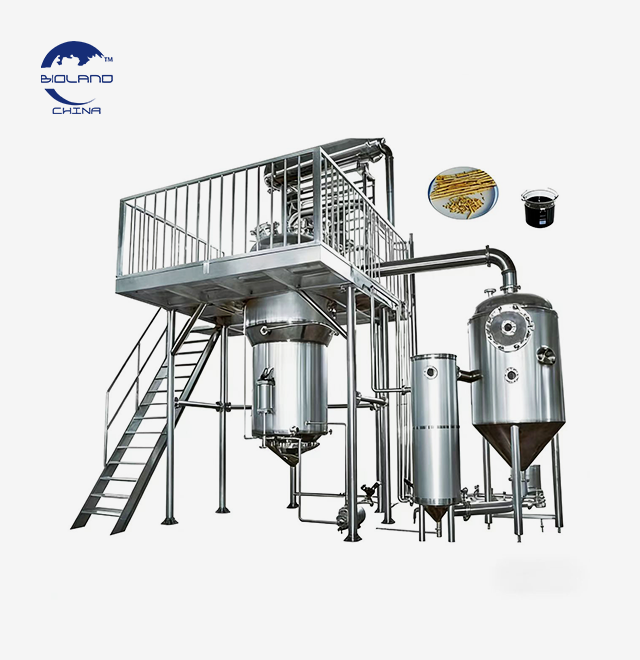
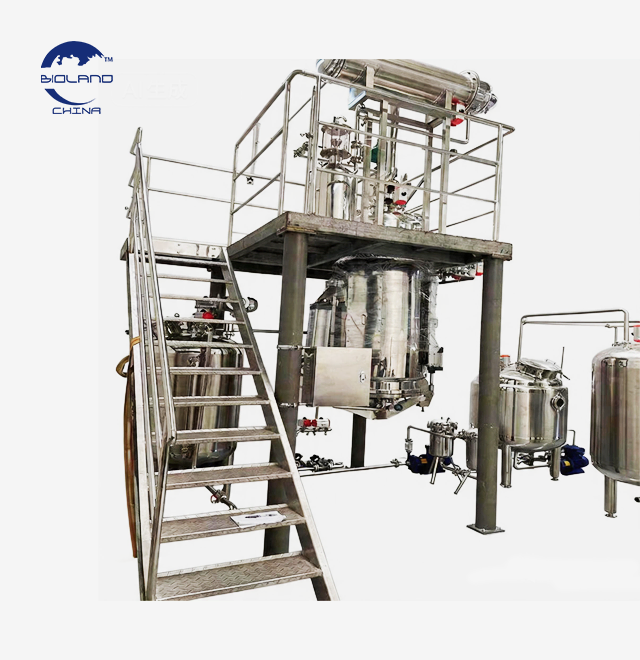
There is a wide range of industrial devices called extraction tools that are used to separate bioactive chemicals from botanical raw materials. Ultrasonic-assisted extraction (UAE), ethanol-based systems, and supercritical CO2 platforms are just a few of the advanced technologies that are used by a botanical extraction machine to separate molecules like alkaloids, terpenes, and essential oils from plant material. These tools are very important in many fields, such as food preparation, pharmaceuticals, nutraceuticals, and cosmetics. They do this by maintaining quality, increasing yield, and following tight rules like GMP and FDA compliance.
Overview of Botanical Extraction Equipment
If you need to find industrial-grade options for your production line or pilot-scale operations, you need to know how botanical extraction machinery works. These systems do more than just process plant matter; they have a direct effect on the quality of the product, the speed of operations, and, in the end, your bottom line.
What Defines a Botanical Extraction Machine?
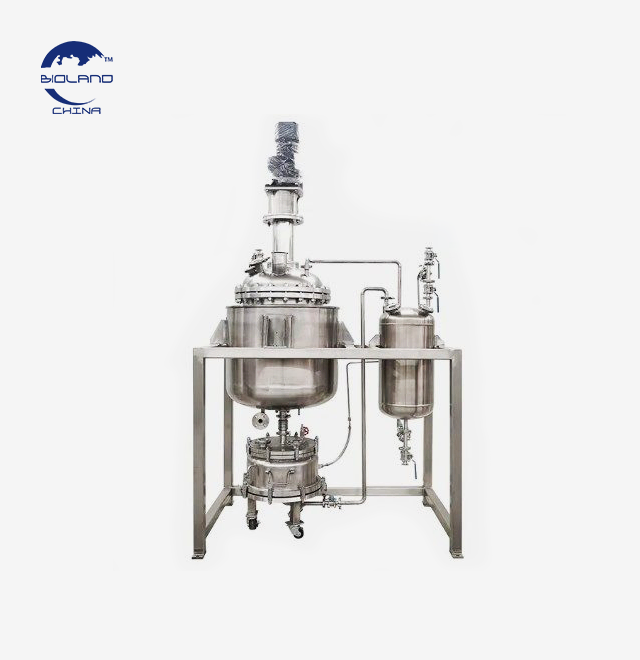
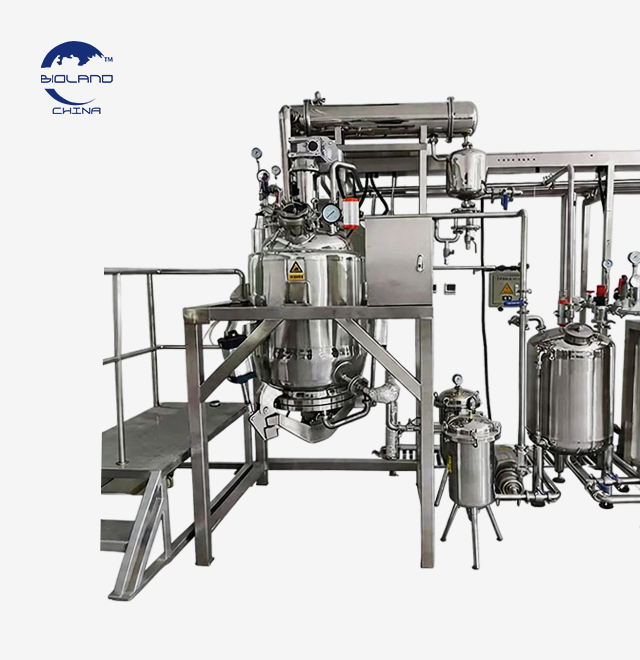
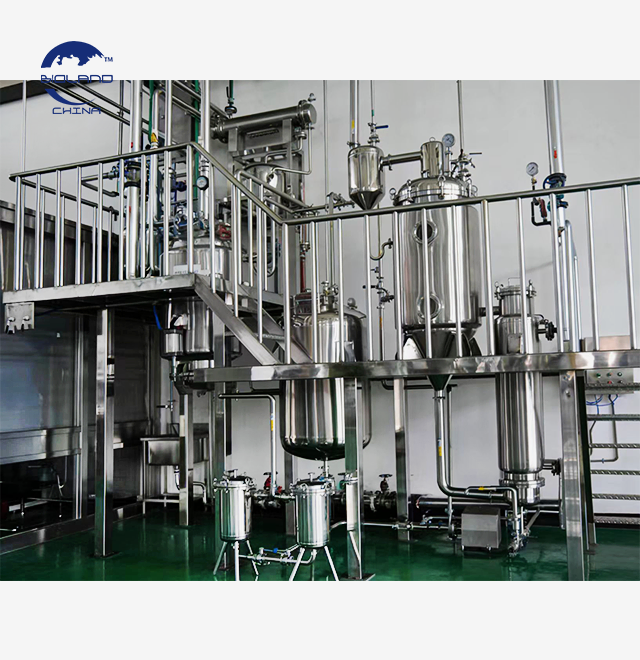
You can separate active chemicals from plant matter using controlled solvent-based or mechanical processes in a botanical extraction machine. Modern maceration equipment controls important factors like temperature, pressure, and flow rate to make sure that the process is repeatable and follows the rules. The equipment usually has pressure tanks made of SS316L stainless steel, which is a sanitary-grade stainless steel, and closed-loop solvent recovery systems that reuse ethanol, hydrocarbons, or CO2. This cuts down on trash and operating costs.
Core Components and Operational Principles
A lot of extraction methods have a few basic parts that they all use. In controlled conditions, the plant material comes into touch with the solvent in the extraction tank, which is the main chamber. Heating and cooling jackets keep the temperature under tight control, which is very important when dealing with chemicals that don't like heat, like terpenes or cannabinoids. Solvent recovery units clean and refill solvents, and they are able to get recovery rates of over 95%. Particulates are removed by filtration stages, and data logging and batch tracking are made possible by automation screens with PLC controls. By knowing about these parts, you can figure out if a machine meets your process needs and quality standards.
Types of Botanical Extraction Equipment
The right extraction method for you relies on how much you want to make, the compounds you want to separate, and the rules that apply to your business. There are many different options on the market, and each one works in a different way and has its own benefits.
Ultrasonic Extraction Systems
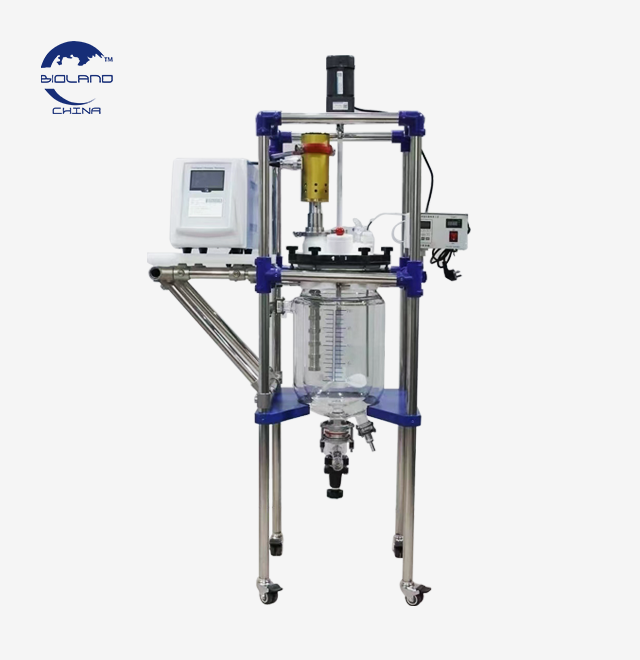
Ultrasonic extraction uses high-frequency sound waves to break down plant cell walls. This makes it easier for solvents to get inside the plant and speeds up the movement of mass. Low temperatures (usually between 40°C and 60°C) are used in this method to keep chemicals that are sensitive to heat, like essential oils and flavonoids, intact. Ultrasonic systems of today can remove things in as little as 24 to 40 minutes, which is more than two-thirds faster than standard hot reflux methods. When it comes to nutraceuticals and cosmetics, where ingredient purity is important, these tools are very useful.
Our machines can be set up in alternative dual-ultrasonic setups, which improves both the rate of dissolution and the economy of production. Ultrasonic extraction gives constant results with less energy use and solvent use, whether you're going from lab tests to pilot production or running ongoing commercial batches.
Ethanol Extraction Equipment
Ethanol-based systems are still very useful in the food and drug businesses because they can be scaled up, are accepted by regulators, and can be used in a variety of ways. Ethanol can successfully remove a wide range of polar and semi-polar compounds. This makes it useful for making full-spectrum oils, plant extracts, and active pharmaceutical ingredients (APIs). When cryogenic ethanol extraction is done at temperatures below zero, it reduces the amount of chlorophyll co-extraction and lipid contamination. This results in better crude extracts that need less processing further down the line.
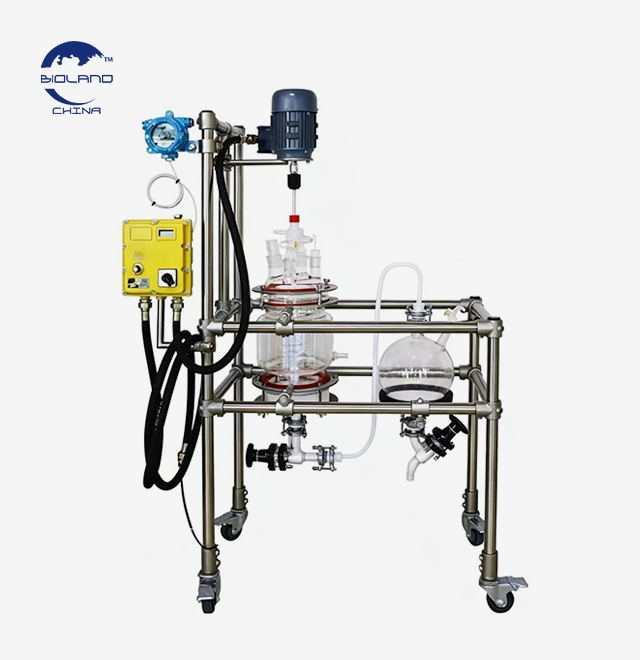
Modern ethanol extraction tools have closed-loop solvent recovery methods that get more than 98% of the solvent back. This feature greatly lowers running costs and improves environmental compliance. Our ethanol extraction equipment is built to meet ATEX and IEC standards for safety, so it can be used in dangerous places without worrying about explosions. With flexible designs that include CIP (Clean-in-Place) systems and automatic disposal devices, these machines make switching between batches easier and keep up with the cleanliness standards needed for GMP compliance.
Supercritical CO2 Extraction Systems
Supercritical CO2 extraction is the most advanced technology for industrial plants. By changing the temperature and pressure, CO2 can go into a supercritical state where it behaves like both a liquid and a gas. This makes it possible to selectively remove certain types of compounds. This selectivity can be changed, which lets operators separate essential oils, separate pure cannabinoids, or remove delicate tastes without damaging them with heat.
Although they require a big initial investment, CO2 systems produce very high-quality products and completely remove any liquid leftovers, which are very important for pharmaceutical and medical-grade uses. The technology works in pressure tanks that are approved by ASME and can handle pressures of more than 5,000 psi. It costs more and requires more work to keep up, but the ability to make solvent-free extracts with exact molecular targeting makes it worth it when product purity gets high prices.
Rotary Evaporators and Concentration Units
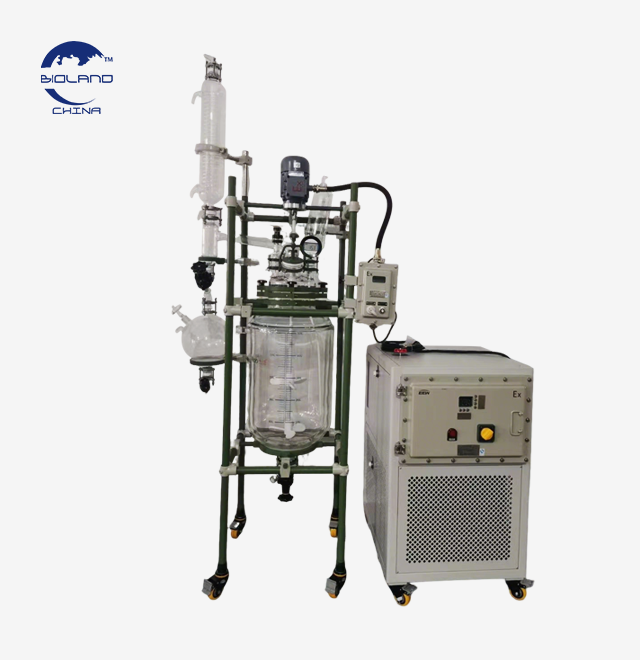
In the process of extraction, rotary evaporators do two things: they help remove solvents gently under pressure, and they also let solvents keep coming back during medium-scale activities. These units lower boiling points by turning the evaporation flask and applying less pressure. This keeps heat-sensitive chemicals from breaking down. For environmentally friendly activities, integrated condensers collect evaporated liquids so they can be used again.
When used with ultrasonic extractors or ethanol systems,botanical extraction machine and rotating evaporators finish the extraction-concentration cycle. They turn crude extracts into concentrated products that can be further purified or made into new medicines. With their exact vacuum control and dual-condenser designs, our concentration units get the best recovery rates while keeping the integrity of the product throughout the process.
Automated vs. Manual Systems
Whether to use an automatic or a manual extraction method depends on how much you need to produce, how consistent you need to be, and how much it costs to hire workers. For R&D labs working on process development, manual methods are a good choice because they require less initial investment and give you more freedom for small-batch experiments. But they depend a lot on how skilled the user is, which means that each batch is different.
Automated systems with PLC controls get rid of human mistake, make sure that parameters are always the same, and create electronic group records that are needed to follow regulations. Full automation cuts down on the time it takes to make things, the cost of labor, and the difficulty of moving from test production to full production. Fully automatic PLC control is a choice for our equipment. This lets you choose the amount of automation that best fits your needs right now while still leaving room for growth as your business does.
Key Factors to Consider When Choosing Extraction Equipment
When choosing extraction tools, it's important to think about the technical specs, the cost of operation, and the long-term support system. The choice will affect not only your facility's ability to make things right now, but also its ability to adapt to changes in the way things are done in the future.
Extraction Capacity and Production Scale
The best return on investment comes from matching the capacity of your tools to your output needs. When you undersize, you can't keep up with production and miss deadlines for deliveries. When you oversize, you waste money on capital and run up your running costs. Figure out how much flow you need now and how much it will grow in three years so that you can buy the right tools. From lab-scale systems that can handle a few kilograms at a time to industrial platforms that can handle hundreds of kilograms, we have extraction systems that can be set up in a way that works for businesses at every stage of their growth.
Energy Efficiency and Environmental Compliance
The amount of energy used has a direct effect on both running prices and the environment. To use as little energy as possible, modern extraction equipment has heat recovery systems, efficient condensers, and vacuum pumps that are designed to work best. More than 95% of solvents can be recovered, which lowers both material costs and pollution. This helps companies meet their sustainable goals and follow the rules that are getting stricter.
Our machines are very good at using heat efficiently, and because they can remove at low temperatures (40–60°C), they use less energy than standard high-temperature methods. These features save money and are in line with environmental standards around the world, such as ISO 14001 and EPA rules.
Maintenance Requirements and Safety Protocols
Your working efficiency and total cost of ownership depend on how reliable your equipment is and how easy it is to get it fixed. Sanitary design principles, such as tri-clamp connections and smooth interior welds (Ra < 0.5µm), make it easy to take parts apart quickly for cleaning and inspection. Maintenance on seals, pumps, and safety valves on a regular basis keeps them working well and saves money on costly downtime.
When working with flammable liquids or under high pressure with a botanical extraction machine, safety is the most important thing to think about. People and things are kept safe with UL/CSA electrical systems that are fully explosion-proof and listed for Class 1 Division 1/2 dangerous areas. There are many ways to keep things safe, such as pressure release valves, interlocked entry panels, and emergency stop systems. Our products are safe to use because they meet ATEX, IEC, and NFPA standards. This is in line with international rules.
Cost Analysis and Total Ownership
Planning a budget includes more than just the price of the buy. It also includes installation, training, consumables, upkeep, and eventually shutting down. Ask for thorough quotes that break down the cost of the tools, shipping, installation, and commissioning. Think about long-term costs like replacing solvents, buying seal kits, and paying for testing services. Warranty terms vary a lot; compare how long the service lasts, how long it takes to respond, and how easy it is to get parts.
Our pricing is based on clear value, and we offer reasonable prices for both custom-engineered solutions and setups that are ready to go. We offer flexible shipping choices by sea, train, or air freight, and our guarantees cover everything for one year, with upkeep support for life. This promise makes sure that your investment keeps working well for as long as it's in use.
Market Comparison and Procurement Insights
To get around in the market for extraction tools, you need to know what each maker can do, how certification works, and how to get help after you buy something. Choosing a provider with knowledge lowers risk and sets up your business for long-term success.
Leading Manufacturers and Certifications
Reputable makers set themselves apart by having certifications, professional know-how, and a history of success. Check that the companies you're considering have CE and ISO certifications. These show that they follow European safety and quality standards. Other approvals, like UL, SGS, ATEX, and IEC, make sure that the electricity safety, material quality, and explosion-proof design are all met. These certificates aren't just legal must-haves; they show that a company cares about technical quality and customer safety.
BIOLAND has more than 15 years of experience in making tools for chemical processing and extracting plants. Our internal research and development team is made up of top engineers who know a lot about ultrasonic extraction, ethanol recovery, and CO2 systems. We have a lot of different approvals, such as CE, ISO, UL, SGS, ATEX, and IEC, which means that every machine we make meets foreign standards. We have successfully installed systems that process stevia, propolis, capsaicin, curcumin, and mushroom extracts, showing that we are flexible when working with different types of plants.
Purchasing Options and Customization
How you buy equipment depends on how quickly you need it, how much money you have, and how specific your process is. New equipment has the newest technology, comes with a full protection, and comes with help from the maker. However, it takes longer to get and costs more. Used equipment is cheaper and easier to get, but buyers take on more risk when it comes to wear, remaining useful life, and support. Customized solutions make sure that everything fits perfectly with the specific needs of the process, but they also make the engineering and production times longer.
As experts in OEM/ODM services, we can create extraction systems that are exactly what you need. Our engineering team works with you from the initial idea to the final installation, whether you need special materials (like 316 stainless steel contact parts), built-in CIP systems, or explosion-proof designs. Standard setups ship in 5–7 days, while customized projects usually take 30 business days. This strikes a balance between customization and speed.
Warranty, Shipping, and After-Sales Support
How well your newbotanical extraction machinefits into your business and how quickly problems are fixed depend on the help you get after you buy it. During the important ramp-up phase, your investment will be protected by guarantees that cover both parts and work for at least one year. Shipping procedures, such as the quality of the packaging, the types of freight available, and the paperwork needed for customs, affect delivery times and the state of the equipment when it arrives. After-sales services like overseeing the installation, teaching operators, and fixing problems remotely speed up the time it takes to reach full production.
Our after-sales service includes professional installation and commissioning by skilled techs, hands-on training for operators, and continued technical help by phone, email, and video. We give each project its own specialized project manager, who keeps an eye on the progress of the fabrication by sending weekly picture and video updates. When the job is done, you'll get specific instructions for Factory Acceptance Testing (FAT), and the shipment won't happen until you give your approval. This organized method cuts down on shocks and boosts your trust in your equipment purchase.
Applications and Future Trends in Botanical Extraction
Botanical extraction methods are used in many different fields, and each one needs certain performance characteristics and standards to be met. Your buying strategy will stay competitive as long as you understand application settings and new trends.
Pharmaceutical and Nutraceutical Manufacturing
Pharmaceutical uses have the tightest quality standards, so equipment that can make products that meet FDA and EU-GMP standards is needed. To extract active pharmaceutical ingredients (APIs) like artemisinin, taxol, or morphine, you need to make sure there is no waste, keep full records (IQ/OQ/PQ), and work in an ISO 7 cleanroom. Making nutraceuticals, like CBD oils, botanical supplements, and functional ingredients, needs to be very pure, have uniform strength, and be able to be tracked from the raw material to the finished product.
Our GMP-compliant extraction systems are designed to be clean and have automated CIP capabilities. They also come with paperwork packages that can be used for regulatory applications. Low-temperature operation keeps biological components in the mixture longer, and closed-loop solvent recovery keeps any leftover liquids below the limits allowed by pharmaceutical standards. These features help drug companies keep the quality of their products high while also making production more cost-effective.
Cosmetics and Essential Oil Production
The fragrance and cosmetics industries put a high value on soft extraction to protect delicate aromatic profiles and avoid heat decay that creates off-notes. The subcritical water extraction and low-temperature ethanol methods are great at catching the flammable terpenes and esters that give smells their uniqueness. Essential oil distillation systems work with extraction systems to make it possible to handle everything from raw plants to finished flavor ingredients.
Adding ultrasound technology improves the efficiency of extraction while working at temperatures below 60°C, which stops the "burnt" notes that lower the quality of fragrances. Dual-ultrasonic setups make dissolution rates even better, cutting down on cycle times and increasing output. These are important factors when handling expensive botanicals, since material prices determine how much the production costs.
Food and Beverage Industry Applications
Food makers use botanical extraction to make natural flavors, colors, and useful ingredients that meet the needs of consumers who want products with clean labels. For this industry, extraction tools must follow rules about food contact, use food-safe liquids like ethanol, water, and CO2, and be easy to clean so that contamination doesn't spread from one product run to the next. Hop extraction for beer, making vanilla concentrate, and isolating natural sweeteners like stevia glycosides are just a few of the uses.
Our multi-process extraction tools can handle a wide range of raw materials and target chemicals through steam distillation (SD), ultrasonic-assisted extraction (UAE), and organic solvent extraction (OSE). Being able to switch between processes on the same platform cuts down on the amount of tools needed and the amount of money needed to buy it.
Automation, IoT, and Emerging Technologies
More automation, data connections, and process analysis technology (PAT) integration are all things that the industry is moving toward. IoT devices are now built into modern extraction systems. These sensors check the temperature, pressure, flow rates, and solvent levels in real time and send the information to central tracking platforms. Predictive maintenance algorithms look at monitor trends to plan service before a part breaks. This increases efficiency and lowers the cost of emergency repairs. Material handling can also be automated with systems that feed and release materials automatically. This reduces the need for human work and increases worker safety.
New methods that don't use solvents, like microwave-assisted extraction and enzyme-assisted processes, look like they will make things even more sustainable. While these technologies are still mostly in the research stages, procurement workers who are looking to the future should keep an eye on when they reach maturity and start being used in pilot projects. Our research and development team keeps an eye on new developments in the industry. This lets us add next-generation features as soon as they're ready for use in the real world.
Conclusion
When picking the right extraction equipment, including abotanical extraction machine, you need to think about how well it works technically, how well it meets regulations, how much it costs, and how reliable the seller is. Understanding the differences between ultrasonic, ethanol, CO2, and evaporator-based systems is important when making decisions, whether you're setting up a new production line, updating old equipment, or moving from a lab to a business scale.
To protect your investment and ensure long-term business success, give priority to providers with full certifications, proven track records, and strong after-sales support. As technology and environmental concerns push industries to change, choosing platforms that are flexible and have upgrade paths will help your facility safely meet both current needs and future challenges.
FAQ
How Does Ultrasonic Extraction Technology Work?
High-frequency sound waves (usually 20–100 kHz) are used in ultrasonic extraction to make cavitation bubbles in the solvent. When these bubbles pop close to plant cell walls, they cause localized pressure and temperature spikes that damage cell structures, making it easier for solvents to get inside and compound release to happen faster.
What Safety Measures Are Required for Ethanol Extraction Systems?
Because ethanol is flammable, strict safety rules are needed. Electrical parts on equipment must be explosion-proof and rated for Class 1 Division 1 or 2 dangerous areas (C1D1/C1D2). Facilities must have enough air flow, lights that won't blow up, and follow the NFPA 30 flammable liquid storage rules. In case of an emergency, operators need to be taught what to do, and the equipment should have interlocked access panels, pressure release valves, and automatic fire control built in.
Can Extraction Equipment Be Customized for Specific Processes?
Of course. Modern makers offer a lot of customization options to meet the specific needs of each process. For corrosive chemicals, the material contact areas can be changed to 316 stainless steel. The amount of heating and cooling that can be done depends on how much is being done. Some modular improvements are dual condensers for better solvent recovery, ultrasonic probes for better extraction, CIP systems for uses that need to be clean, and explosion-proof designs for dangerous materials.
Partner with BIOLAND for Your Botanical Extraction Needs
BIOLAND INSTRUMENT can help you with your needs for plant extraction tools by providing custom solutions based on 15 years of experience in the field. As a reliable company that makes botanical extraction machine solutions, we offer complete, GMP-compliant systems that are fully automated with PLCs, built to prevent explosions, and able to handle multiple processes (UAE, SD, OSE). Our equipment is 50–500% more effective at extraction than traditional methods, and it works at gentle, low temperatures that keep the active ingredients safe.
We offer full OEM/ODM services, such as planning the workshop, choosing the right equipment, installing it, starting it up, and training the operators. With CE, ISO, UL, SGS, ATEX, and IEC certifications, each system goes through strict quality control. Each system also comes with a one-year warranty and lifetime help for upkeep. Please Contact us via email our technical team at info@biolandequip.com to talk about your unique process needs and to see examples of how our stevia, propolis, and curcumin production lines have worked well in the past. You will also get a personalized estimate that takes into account your production goals and budget.
References
1. Smith, J. and Williams, R. (2022). Industrial Botanical Extraction: Technologies and Applications. CRC Press.
2. European Medicines Agency. (2021). Guideline on Good Manufacturing Practice for Herbal Medicinal Products. EMA Publication.
3. Zhang, L., Chen, H., and Liu, Y. (2023). Advances in Ultrasonic-Assisted Extraction of Bioactive Compounds. Journal of Food Processing and Preservation, 47(3), 245-268.
4. American Society of Mechanical Engineers. (2020). Bioprocessing Equipment Standards: ASME BPE-2019. ASME Press.
5. National Fire Protection Association. (2021). NFPA 30: Flammable and Combustible Liquids Code. NFPA Standards.
6. Kumar, A., Singh, P., and Sharma, V. (2023). Comparative Analysis of Extraction Technologies for Pharmaceutical Applications. Pharmaceutical Engineering Journal, 41(2), 112-134.
The reactor is beautifully mirror-polished and fully complies with GMP requirements for the pharmaceutical industry. The performance is excellent! Overall, we are very satisfied! We also provided with some feedback on our process improvements, which we hope will be helpful.
2024-04-09
Laboratory
Excellent and professional service. Always reply our questions very fast. All reactors and chiller we received are good too.
2024-02-15
Research Institute
Quality is beyond our expectation actually. After we got the extraction equipment and started using it, the performance was beyond our expectation. Very easy to use and very efficient to run. Service always respond us very quickly. Was also very helpful to help us. Thanks Bioland team. Very happy to work with you.
2023-11-20
Biotech Company
We are happy about the new purchase as always. Equipment and services are both good.
2023-08-05
Instrument Lab
This is the second order with Bioland instrument and everything is good as the first dateText.
2023-05-12
Global Trading Partner
Bioland instrument team is very helpful and professional. The sales helped us select the right equipment for our application, and their logistics people handled the transportation and customs declaration for our shipment. All that saved us a lot of work.