Best Guide To Knowing the Working of Soxhlet Extractor
Jun 12, 2026
It is very important for R&D directors, buying managers, and plant leaders who want to move from lab production to industrial production to understand how Soxhlet extractors work. Modern soxhlet extraction equipmentuses automation, explosion-proof designs, and GMP-compliant materials along with tried-and-true solvent cycle principles to get 50–500% higher returns than older maceration methods. This guide explains how things work, how to choose the right tools, and how to use it in the real world. This will help you make smart choices that will help you get the most out of your extraction while also meeting strict safety and legal requirements.
Understanding the Soxhlet Extraction Principle and Process
The Core Working Mechanism
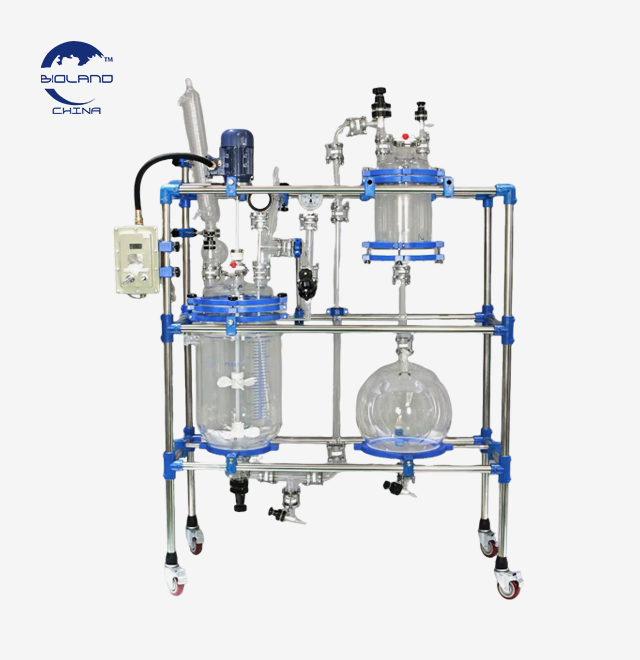
Soxhlet extraction uses a constant solvent reaction cycle that gets rid of the need to change the solvent by hand over and over again. When the liquid in the boiling flask turns into steam, it rises through a side arm and condenses in a water-cooled condenser. This starts the process. Solvent that has condensed drips into the extraction chamber, which has your sample material in a hollow cap. As the chamber fills up, the liquid moves through the sample and dissolves the target chemicals. When the liquid gets to the top of the siphon tube, it drains back into the boiling flask on its own, taking the removed substances with it. This cycle happens dozens of times over the course of several hours, making sure that all the material is extracted with the least amount of liquid.
Selectivity and speed of extraction are controlled by temperature. For heat-sensitive chemicals, solvents like petroleum ether (boiling point 35–60°C) work best. For strong materials, ethanol (78°C) or chloroform (61°C) work best. Modern extraction systems have precise digital temperature controls that keep the temperature within ±1°C. This keeps bioactive ingredients that are commonly used in pharmaceutical and botanical uses from breaking down when heated.
Key Components and Their Functions
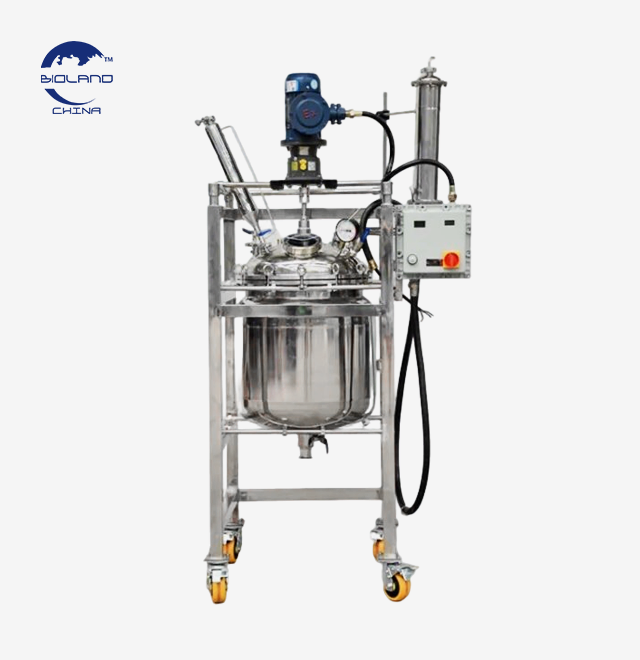
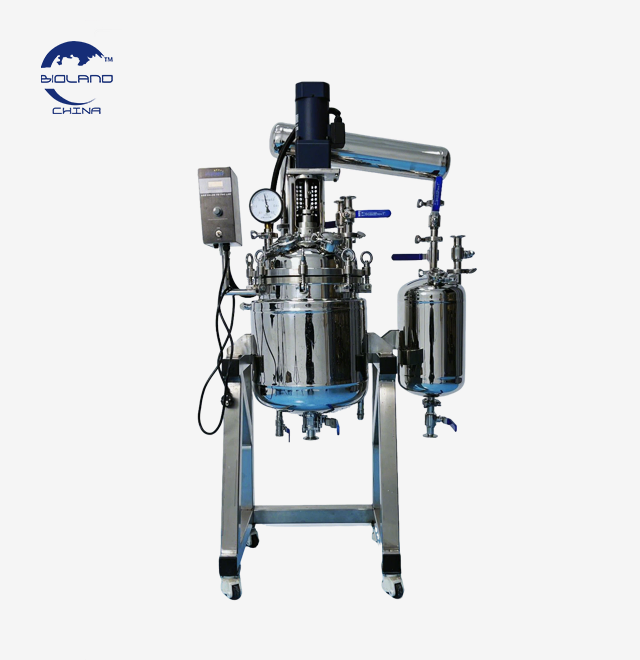
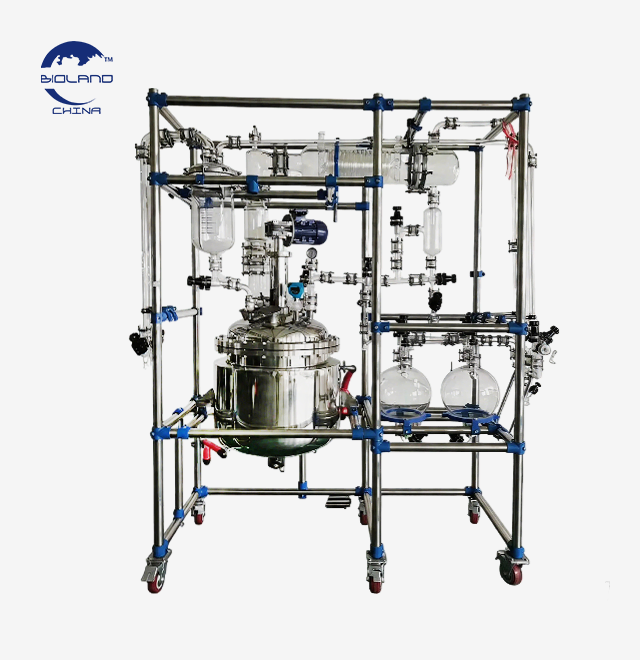
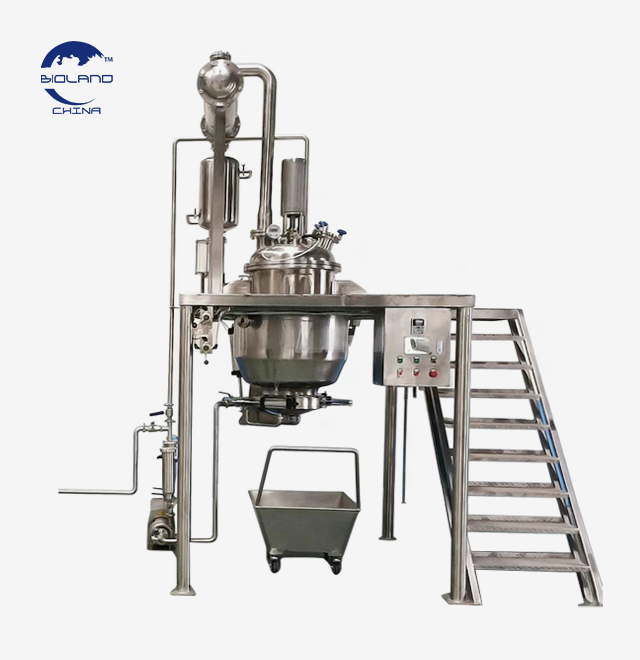
The complete set of Soxhlet extraction equipment is a professional device integrating Soxhlet extraction with concentration and recovery functions. It is widely used in fields such as natural product extraction, food testing, traditional Chinese medicine research and development, and environmental analysis. The core function is to extract target components through solvent circulation, achieving efficient concentration and solvent recovery, thereby significantly improving extraction efficiency and resource utilization. Taking our company's BL-TN-100L series Soxhlet dynamic extraction concentration unit as an example, it integrates Soxhlet extraction, dynamic circulation extraction, vacuum concentration, and solvent recovery, including modules such as solvent tank, extraction tank, concentration evaporator, condenser, and vacuum pump. It supports multi-mode operation under atmospheric pressure, negative pressure, and positive pressure, and is compatible with various processes such as water extraction and alcohol extraction
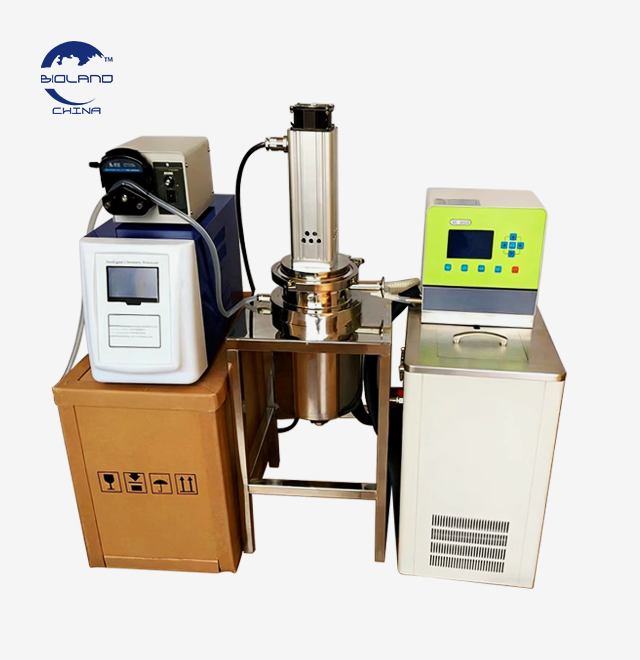
This equipment optimizes the product structure based on the original dynamic heat reflux extraction unit by integrating a focused ultrasonic generator and a solvent recovery device into this equipment, enabling the production processes of ultrasonic dynamic ultra-low temperature extraction, low-temperature extraction, filtration, solvent recovery, essential oil condensation, etc. to be completed in one step, greatly saving raw materials and working time, and improving work efficiency by 60% to 80% compared to general multifunctional extraction equipment.
This device utilizes the physical and cavitation effects of ultrasound to promote the breaking or deformation of plant cell tissues. The vibration, acceleration impact, and sound pressure shear equivalent stress between solute particles are strengthened, resulting in the formation of local high-temperature and high-pressure points in the material, which promotes the precipitation of effective ingredients in traditional Chinese medicine and increases the extraction rate by up to 45% compared to traditional processes. Effectively reduce the loss of thermosensitive components. At the same time, our BL-TN series ultrasonic extraction and membrane concentration unit adopts a titanium alloy focused ultrasonic generator and pneumatic stirring (or mechanical stirring), which allows large volumes of Chinese medicinal materials to fully contact the ultrasonic probe and accelerate the uniform precipitation of active ingredients in the raw materials.
Why Soxhlet Extraction Remains Relevant
Soxhlet methods are still used even though new technologies like supercritical CO2 and microwave-assisted extraction are coming out. This is because they are easy to use, reliable, and follow the same rules for all regulations. Soxhlet extraction is not stagnant, but continues to evolve through intelligent and modular upgrades The modern Soxhlet extractor integrates a PLC control system, which can achieve the full process automation of "feeding extraction concentration discharging", support remote monitoring and data tracing, and comply with the compliance requirements of pharmaceutical GMP and food HACCP.
Modern technology combines microwave heating (shortening extraction time), ultrasound assistance (improving permeation efficiency), and vacuum concentration (low-temperature rapid dehydration) to form a "Soxhlet+X" composite technology that balances efficiency and ingredient activity.Using supercritical CO ₂ as a substitute for organic solvents such as ethanol and petroleum ether to achieve "zero solvent residue" and meet the stringent environmental requirements of the EU REACH regulation.
Cost-effectiveness is especially important for medium-sized businesses and study institutions that are rising. A six-position manual machine is a lot cheaper than automated rapid solvent extractors, but it works just as well in many situations. Solvent recovery systems make running costs much lower because the cleaned solvent can be recycled over and over, which cuts down on the amount of waste that needs to be thrown away and the amount of reagents that need to be bought.
Comparing Soxhlet Extraction Equipment with Alternative Extraction Technologies
Soxhlet vs. Ultrasonic Extraction
Ultrasonic-assisted extraction (UAE) breaks down cell walls with high-frequency sound waves, which speeds up the movement of mass. UAE cuts the time it takes to retrieve data from 4 to 8 hours to 30 to 60 minutes, but the amplitude, frequency, and duty cycles for each matrix need to be carefully optimized. The cost of the equipment goes up, and there is a chance that the tool will get contaminated during constant operation.
Integration tactics use both of these ways more and more. Before Soxhlet extraction, short ultrasonic waves can be used to treat samples. This can increase results by 15–40% for tough materials like seeds and roots. This mixed method works well for drug companies that are moving botanical products from the lab bench to the pilot scale, where consistency between runs is very important.
Manual vs. Automated Systems
Traditional glass equipment requires careful attention from the user, who has to physically control the heating rate, check the solvent level, and time the extraction period. PLC control systems handle all factors digitally in automated soxhlet extraction equipment. Programmable extraction processes, heating that turns off automatically when the job is done, and built-in solvent gas monitors make safety better and cut down on work costs by a large amount.
When purchasing managers look at technology, they should figure out how much output they need. Labs that process less than 20 samples per week usually don't need automated systems, but work settings that process 50 or more samples per day get a faster return on investment with automated units. Automation also lets machines run overnight without being watched, which makes the best use of equipment without spending extra money on overtime labor.
Flexibly replace the role of rotary evaporators
Target chemicals are separated from solid materials by soxhlet extraction equipment, but concentrated liquid extracts still have too much solvent. Rotary evaporators take away solvents in a vacuum at controlled temperatures. This makes pure extracts or rough concentrates that can be used in other steps in the process.Represented by the BL-TN series Soxhlet dynamic extraction concentration unit, it integrates Soxhlet extraction, dynamic circulation extraction, vacuum concentration, and solvent recovery, including modules such as solvent tank, extraction tank, concentration evaporator, condenser, and vacuum pump. It supports multi-mode operation under normal pressure/negative pressure/positive pressure, adapts to various processes such as water extraction and alcohol extraction, and realizes the integration of "extraction- concentration -recovery"
Industrial grade Soxhlet extraction equipment (such as our BL-TN series) can directly scale up laboratory processes to ton level production without the need to re optimize parameters. For example, in traditional Chinese medicine extraction, the material conversion rate of Soxhlet extraction is 1.5 times higher than that of traditional decoction method, and the solvent recovery rate can reach over 95%, which meets the environmental protection requirements of "green manufacturing" in the pharmaceutical industry.
How to Choose the Best Soxhlet Extraction Equipment for Your Business Needs
Critical Technical Specifications
Throughput is based on the extraction amount ability. Lab units can usually handle 2 to 5 g samples in 30 mL thimbles, which is good for developing methods and doing small-batch research. The 50–500 g samples that can fit in pilot-scale systems help bridge the gap between research and development and production. It is possible for industrial extractors to handle kilos per cycle, but when used at this level, other continuous extraction technologies are usually more cost-effective.
Industrial grade Soxhlet extraction units (such as the BL-TN series) can directly scale up laboratory processes to ton level production without the need to re optimize parameters. Maintain absolute advantages in stability, cost, and compliance For example, in traditional Chinese medicine extraction, the material conversion rate of Soxhlet extraction is 1.5 times higher than that of traditional decoction method, and the solvent recovery rate can reach over 95%, which meets the environmental protection requirements of "green manufacturing" in the pharmaceutical industry.
The core value of Soxhlet extraction lies in using the simplest physical cycle logic to solve the essential problems of "solid-liquid extraction" - continuously maintaining high concentration gradients, maximizing solvent utilization, and adapting to a wide range of samples. In today's era of constantly emerging new technologies, it has not been overturned, but continues to serve as a "standardized, low-cost, and highly compliant" extraction solution through intelligent and green upgrades, occupying the core ecological niche of scientific research, testing, and industry.
Material Durability and Compliance
GMP-compliant equipment meets the standards for making medicines. It has a clean design, can track materials, and offers proof support. In food and medicine uses, contact surfaces must not rust, keep contaminants from leaching, and be easy to clean thoroughly. When used in tough settings, stainless steel 316L is worth the extra cost because it is more resistant to chlorides and acids than 304 versions.
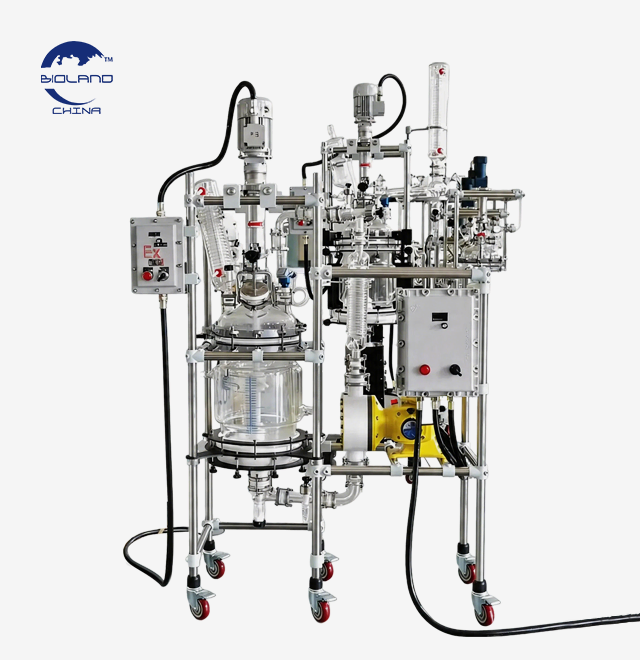
When working with explosive solvents like hexane or diethyl ether, designs that don't explode are needed. Complete explosion-proof systems have electronics that are naturally safe, electrical housings that are sealed and rated for dangerous locations (ATEX or IECEx approved), and automatic solvent vapor detectors that turn off the heating if the concentration goes over safe limits. When evaluating suppliers, people in charge of buying things in the chemistry and pharmaceutical industries should check these certifications.
Supplier Reliability and Support Infrastructure
Maintenance, the availability of spare parts, and how quickly expert help responds all affect how long equipment lasts. Suppliers with more than 15 years of experience in extraction technology usually keep a large stock of spare parts and can help with fixing remotely. Warranty terms are very different. Basic covering might include one year on parts, while better providers offer longer warranties on important parts like heating blocks and sensors.
Ask clients in the same field as the provider for references as you look at them. A seller who knows how to extract botanicals might not know how to test polymer extractables. Case studies that show successful applications, like stevia purification lines, propolis extraction systems, or curcumin isolation methods, show that the researcher knows what they're talking about. Companies that need custom extraction chamber sizes, special thimble materials, or combined downstream processing units need to be able to do OEM and ODM.
Procurement Strategies for Optimal Value
When you buy in bulk, you can negotiate better prices and more convenient arrival times. Getting various extraction units, rotary evaporators, and filter systems at the same time can help you get better deals when you're trying to increase your production capacity. Traditional Soxhlet extraction equipment only achieves a single function of "extraction", while modern equipment integrates the entire process of "extraction concentration drying detection" through modular design, forming a "one-stop" solution."Extraction+concentration+drying" three in one unit, taking BL-TN series Soxhlet dynamic extraction and concentration unit as an example, integrates three modules of Soxhlet extraction tank, vacuum concentration evaporator and spray drying tower, which can realize the automation of the whole process of "feeding → extraction → concentration → drying → discharging". Only one equipment is needed to complete all production from raw materials to finished products (such as Chinese medicine extracts, food essence), saving 50% of the site and labor costs.
Customization usually adds 30–40% to the base price, but it has big benefits for operations. For extracting traditional Chinese medicines, dual ultrasonic setups speed up the dissolution process. Integrated fluid recovery systems lower ongoing costs by 60–70%. Turnkey solutions that include workshop planning, utility sizing, machine installation, and operator training make project management easier and cut down on time for new construction or major growth.
Maintenance, Troubleshooting, and Best Practices
Routine Care Protocols
Cleaning regularly stops cross-contamination and makes parts last longer. Disassemble the soxhlet extraction equipmentand Empty the residual materials and solvents in the extraction tank and concentrator, rinse the inner wall with anhydrous ethanol or deionized water to avoid the growth of bacteria or corrosion of metals caused by organic residue. Check the outlet of the condenser, remove blocked impurities (such as plant debris and scale), and ensure smooth flow of condensed water.
Pipeline sealing inspection, visually inspect all connecting pipelines (especially vacuum pipelines and solvent circulation pipelines), and confirm that there are no signs of looseness or leakage; Apply soapy water to the interface, observe for bubbles, and check for minor leaks.Clean the pipeline filter (usually located at the solvent inlet/outlet), use a soft brush to remove particles on the surface of the filter screen, and avoid clogging that affects solvent circulation.Reset the control system, turn off the device power, restart the PLC control system, and clear temporary fault codes; Check whether the temperature and pressure parameters displayed on the touch screen are consistent with the set values, and ensure that the sensor has no drift.
Common Issues and Solutions
The core reasons for low extraction efficiency (long time, low recovery rate) are solvent circulation blockage, temperature deviation, improper sample pretreatment, and solvent mismatch. The solution steps are to clean the condenser/pipeline filter, calibrate the temperature control system, grind the sample to 20-40 mesh (filling amount ≤ 60% of tank capacity), and match the solvent polarity (polar component selected as ethanol/methanol, non-polar component selected as petroleum ether/n-hexane).
When solvent leakage occurs in equipment (interface leakage, diffuse odor), the core reasons are aging seals, loose pipelines, overpressure operation, and solvent corrosion. When solving the problem, replace the fluororubber O-ring/PTFE flange gasket, tighten the pipeline joint (wrap the raw material tape ≥ 3 layers), repair the overpressure of the vacuum system, and replace the corroded parts with PTFE/Hastelloy material.
When the temperature control is abnormal (inaccurate display, heating out of control), the core cause is sensor drift, heating tube damage, PLC failure, and cooling system failure. The solution steps are to calibrate/replace the PT100 sensor, repair or replace the heating tube, restart/repair the PLC system, increase the cooling water flow rate (≥ rated 120%) or replace the low-temperature cooling water (≤ 20 ℃).
If there is insufficient vacuum degree (slow concentration, difficult solvent vaporization), the core reasons are vacuum pump failure, pipeline leakage, unopened vacuum valve, and residual air in the system. The solution steps are to replace the vacuum pump oil (50 hours/time), check the leakage point with soapy water and repair it, fully open the vacuum valve (the manual valve handle is parallel to the pipeline), and pre vacuum for 5-10 minutes to exhaust the air before starting up.
When the concentration effect is poor (low concentration, high residue), the core reasons are high concentration temperature, insufficient vacuum degree, insufficient time, and condensation failure. When solving the problem, set the concentration temperature to ≤ 45 ℃, repair the vacuum system to ensure a vacuum degree of ≥ -0.095MPa, extend the concentration time to the target multiple (such as 1L → 50mL requires 20 times concentration for ≥ 2 hours), clean the condenser scale and increase the cooling water flow rate.
Safety Recommendations
Volatile chemical liquids can catch fire and are bad for your health. All extractions should be done in ventilated fume hoods with face speeds of at least 100 feet per minute. To get rid of electric charges that could start a fire, ground all of your tools. Operators should wear lab coats, nitrile gloves, and safety glasses. They should also wear breathing protection when working with particularly dangerous solvents like benzene or carbon tetrachloride, though these days cleaner options are preferred.
When the equipment exceeds the temperature/pressure and generates electrical sparks, the core causes are safety valve failure, temperature control loss of control, aging of electrical components, and solvent vapor leakage. The solution is to verify the safety valve annually, repair the temperature control system and switch to natural cooling, replace ablated electrical components, repair leakage points and install explosion-proof components.
Solvent spills and broken equipment must be covered in emergency plans. Keep fire extinguishers (Class B for flammable liquids) and the right spill tools close at hand. The safety interlocks in automated systems, which include cooling water flow monitors, over-temperature alarms, and smoke detectors, need to be functionally tested every month to make sure they work properly.The core logic is to prioritize troubleshooting the "circulation system, sealing components, temperature control/vacuum core modules", and most faults can be quickly resolved through cleaning, calibration, and replacement of vulnerable parts; For complex faults (such as damage to PLC and vacuum pump core components), it is recommended to contact the manufacturer's technical support.
Case Studies and Real-World Applications of Soxhlet Extraction Equipment
Pharmaceutical R&D Success
A medium-sized drug business that makes plant medicines had trouble getting consistent yields when they tried to separate curcumin from turmeric rhizomes using the old-fashioned percolation method. Using an automated six-position soxhlet extraction equipment system with PLC controls and dual-condenser solvent recovery made the yield more consistent across runs, within ±3% RSD. This met FDA standards for active pharmaceutical ingredient (API) specs. The extraction time went from 12 hours to 4 hours, and 65% less solvent was used because it was recycled over and over again. The money was earned back in 18 months by cutting down on waste and wage costs.
Food Safety and Nutritional Analysis
To meet AOAC 991.36 standards, a certified food testing lab had to find a safe way to measure the amount of crude fat in animal feed. Manual Soxhlet units made operators tired during overnight extractions, which led to mixed results during rounds of skill testing. When they upgraded to automated equipment with timed heating processes, solvent draining, and digital tracking, they got rid of the need for people to make mistakes. The lab now processes 30 samples every day instead of 12 daily, which means it can provide more services without hiring more people. The automation software makes it easier to keep track of ISO 17025 compliance paperwork by creating audit logs.
Environmental Monitoring Applications
EPA Method 3540C, which calls for Soxhlet extraction, is used by environmental consulting firms to look for PCBs and PAHs in contaminated soil. After a close call with hexane fumes, a regional lab that works with industry clients bought equipment that can't explode and can watch solvent vapors. Better safety features let the machine work 24 hours a day, seven days a week, and doubled the sample output during busy times for cleanup projects. Clients liked faster response times, which made the lab more competitive for contract wins.
Emerging Trends and Future-Proofing
IoT-enabled extraction systems send real-time data to centralized laboratory information management systems (LIMS), such as temperature profiles, siphon cycle rates, and the length of time an extraction took. This connectivity lets you watch from afar, plan repairs ahead of time, and keep full audit trails without having to log everything by hand. Green solvents like ethyl lactate and bio-based oils are becoming more popular as concerns about the environment grow. Manufacturers of equipment now offer solvent compatibility records and conversion kits. This lets current assets adapt to changing laws that favor solvents that are safer for the environment.
Conclusion
Choosing the right soxhlet extraction equipmentstrikes a balance between the need for trust in the past and the need for automation, safety, and speed in the present. Whether you're setting up environmental testing services, growing pharmaceutical production lines, or improving the capabilities of an analytical lab, it's important to understand operating principles, technical specs, and provider credentials. Explosion-proof designs, GMP-compliant materials, built-in liquid recovery, and full after-sales support are all things that will protect your investment and make sure you meet legal requirements. As extraction technologies progress toward cleaner solvents and digital integration, your business will be set up for long-term success if you work with experienced makers who can offer customization and turnkey solutions.
FAQ
How does automated equipment improve safety over manual setups?
Multiple levels of safety are built into automated systems that aren't present in human equipment. Electrical housings that are explosion-proof keep spark sources away from chemical fumes. If the movement in the condenser stops, the automatic cooling water flow monitors turn off the heater. This keeps the vapor from escaping. Solvent vapor monitors constantly check the air around them and set off alarms and emergency shutoffs if the amounts get too high. Compared to open flame or simple surface heating, these factors make the risk of fire much lower.
Can these systems handle high-moisture samples?
Moisture gets in the way of organic solvent extraction by blocking the target molecules and diluting them. Samples need to be dried first, usually in vacuum ovens at 40–60°C or freeze-dryers for materials that can't handle high temperatures. The best extraction results happen when the residual moisture level is below 5%. Some more modern systems have hydrolysis pre-treatment units built in for tough materials like meat, where bound lipids need to be broken down by acid before solvent extraction can happen.
Why choose industrial-scale extractors over laboratory units?
When going from the lab to the production line, you need tools that can handle 50–500 times more samples while still extracting them efficiently and making sure the product is pure. Industrial units are built to last, can run continuously, and can be connected to concentration and cleaning devices further down the line. They support GMP paperwork, batch tracking, and validation procedures that are necessary for making medicines and food. Pilot-scale equipment fills in this gap, letting the process be improved before committing to full production.
Partner with BIOLAND for Advanced Soxhlet Extraction Equipment Solutions
At XI'AN BIOLAND INSTRUMENT, we've been designing extraction methods that turn R&D breakthroughs into mass-production realities for more than 15 years. Our line of soxhlet extraction equipment uses tried-and-true solvent cycling principles along with cutting-edge automation to get 50–500% higher yields than traditional methods. Each system has been certified by CE, ISO, UL, SGS, ATEX, and IEC, which means it is safe to use in all places around the world. We can make solutions that fit your exact process needs, from GMP-compliant designs and 316 stainless steel construction to customizable PLC automation, explosion-proof setups, and built-in CIP cleaning modules.
Our expert team offers full support, including planning the workshop, choosing the right equipment, installing and commissioning it, teaching operators, and helping with maintenance for life. BIOLAND offers readymade systems that have been successfully used in the extraction of stevia, propolis, curcumin, and mushrooms. These systems can be used to set up a new plant extraction line, increase the number of environmental tests that can be done, or make more pharmaceutical ingredients. Get in touch with our experts at info@biolandequip.com to talk about your project needs with a reliable soxhlet extraction equipment manufacturer who cares about your business' success.
References
1. Dean, J.R. (2009). Extraction Methods for Environmental Analysis. Chichester: John Wiley & Sons.
2. Luque de Castro, M.D. & Priego-Capote, F. (2010). Soxhlet extraction: Past and present panacea. Journal of Chromatography A, 1217(16), 2383-2389.
3. Smith, R.M. (2003). Before the injection—modern methods of sample preparation for separation techniques. Journal of Chromatography A, 1000(1-2), 3-27.
4. Azmir, J., Zaidul, I.S.M., Rahman, M.M., Sharif, K.M., Mohamed, A., Sahena, F., Jahurul, M.H.A., Ghafoor, K., Norulaini, N.A.N., & Omar, A.K.M. (2013). Techniques for extraction of bioactive compounds from plant materials: A review. Journal of Food Engineering, 117(4), 426-436.
5. Camel, V. (2000). Microwave-assisted solvent extraction of environmental samples. TrAC Trends in Analytical Chemistry, 19(4), 229-248.
6. Richter, B.E., Jones, B.A., Ezzell, J.L., Porter, N.L., Avdalovic, N., & Pohl, C. (1996). Accelerated solvent extraction: A technique for sample preparation. Analytical Chemistry, 68(6), 1033-1039.
The reactor is beautifully mirror-polished and fully complies with GMP requirements for the pharmaceutical industry. The performance is excellent! Overall, we are very satisfied! We also provided with some feedback on our process improvements, which we hope will be helpful.
2024-04-09
Laboratory
Excellent and professional service. Always reply our questions very fast. All reactors and chiller we received are good too.
2024-02-15
Research Institute
Quality is beyond our expectation actually. After we got the extraction equipment and started using it, the performance was beyond our expectation. Very easy to use and very efficient to run. Service always respond us very quickly. Was also very helpful to help us. Thanks Bioland team. Very happy to work with you.
2023-11-20
Biotech Company
We are happy about the new purchase as always. Equipment and services are both good.
2023-08-05
Instrument Lab
This is the second order with Bioland instrument and everything is good as the first dateText.
2023-05-12
Global Trading Partner
Bioland instrument team is very helpful and professional. The sales helped us select the right equipment for our application, and their logistics people handled the transportation and customs declaration for our shipment. All that saved us a lot of work.