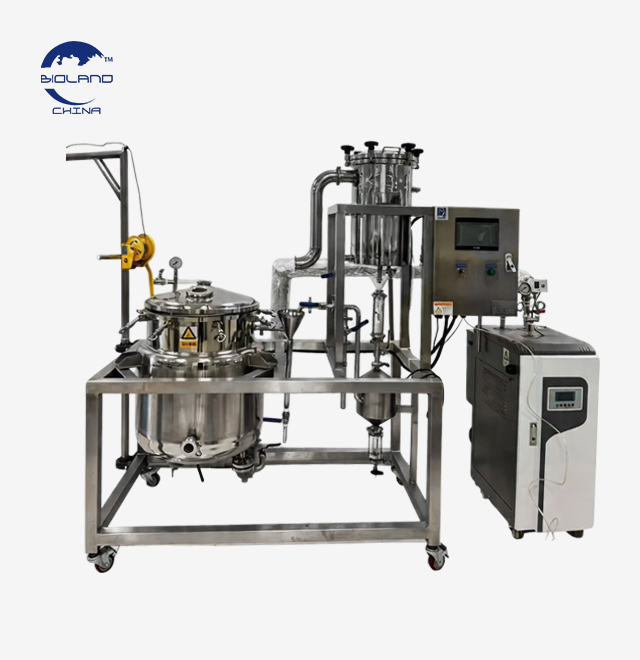
Ultrasonic Homogenizer Sonicator | 250W–4000W Lab & Industrial Processor with PLC Control
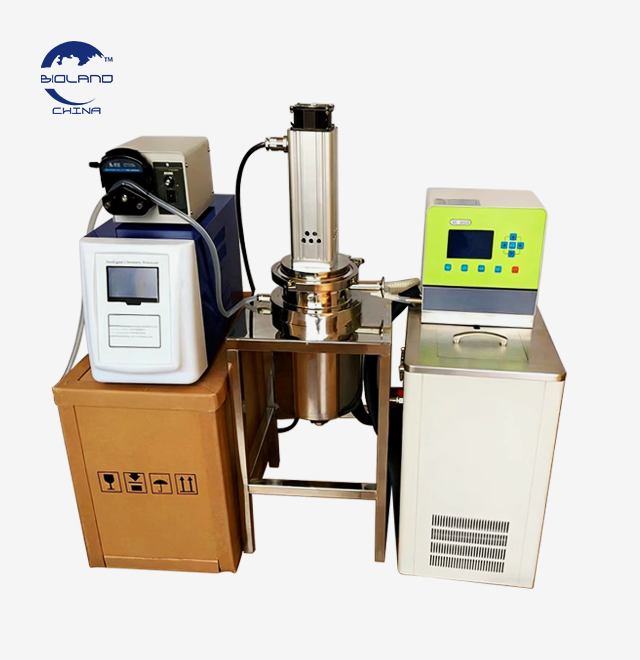
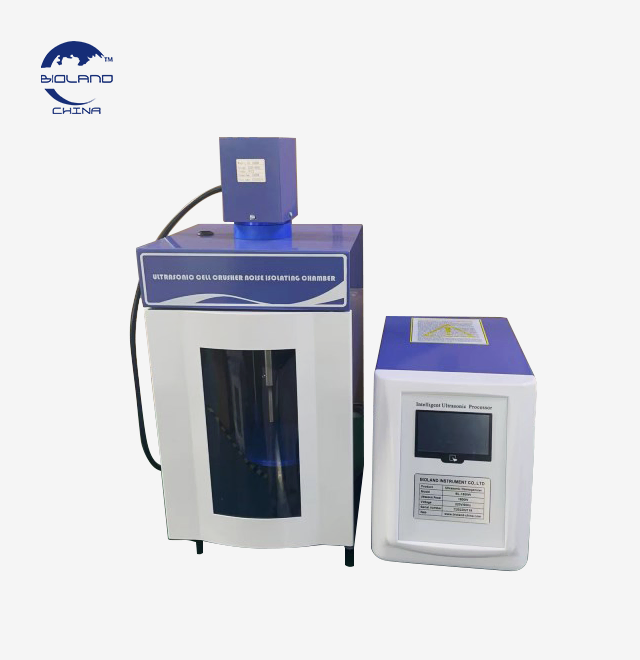
Bioland's ultrasonic homogenizer sonicator delivers 20 kHz cavitation energy directly into your sample — breaking cells, dispersing nanoparticles, and producing stable nano-emulsions with PDI below 0.2. With power from 250 W to 4000 W, PLC touch screen control, and CE/ISO/UL/SGS certifications, it scales from R&D bench to pilot production. Custom probe sizes and flow cell configurations available. Standard lead time: 5–7 days.
Why Customers Choose This Processor?
Consistent results across every run.
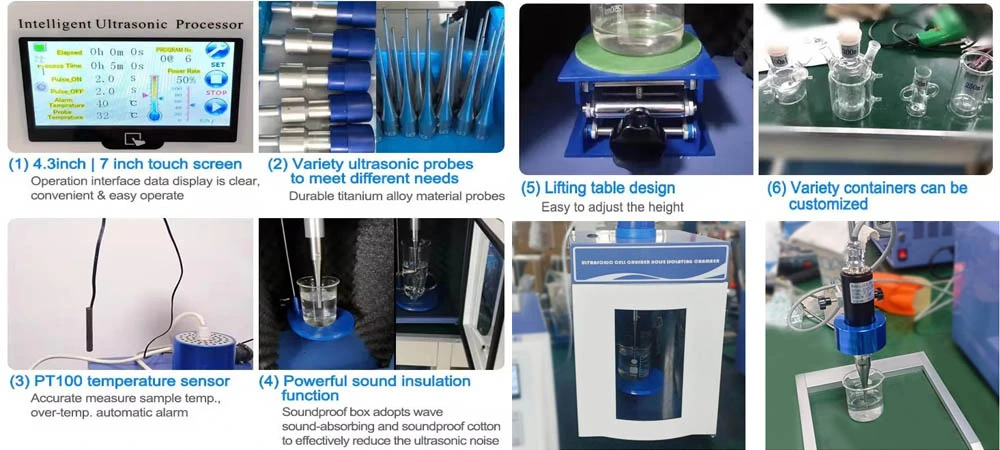
Automatic frequency tuning tracks the probe's resonant point within ±10 Hz as sample viscosity changes — so your 50th batch matches your first.
Pulse mode protects heat-sensitive samples.
Set on/off intervals (e.g., 3 s on / 5 s off) to prevent thermal degradation of enzymes, proteins, or nucleic acids. Pair with an optional low-temperature flow cell for full thermal control.
Built-in protection reduces operator risk.
Real-time monitoring flags overload and over-temperature conditions instantly. The self-diagnostic system corrects program errors automatically — no manual reset needed mid-run.
Scales with your process.
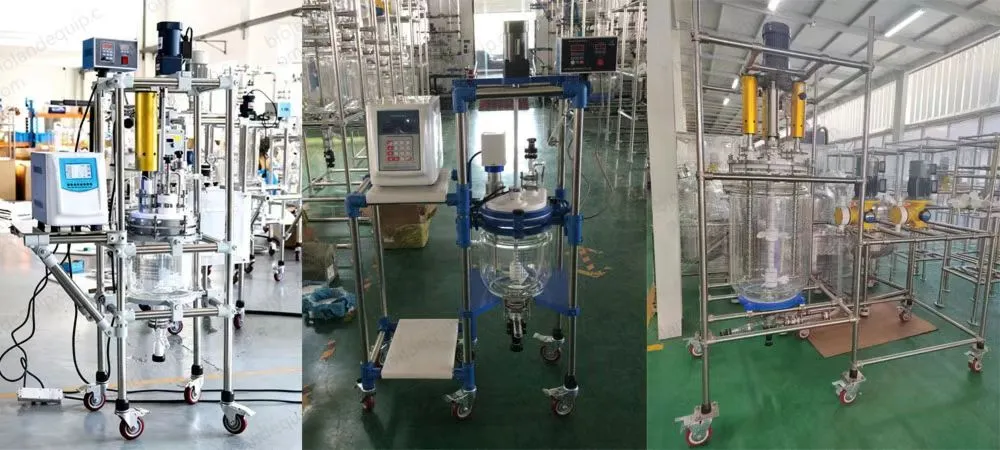
The same control architecture runs from 250 W benchtop units to 4000 W continuous flow reactors. When you scale up, your process parameters transfer directly.
How Acoustic Cavitation Works
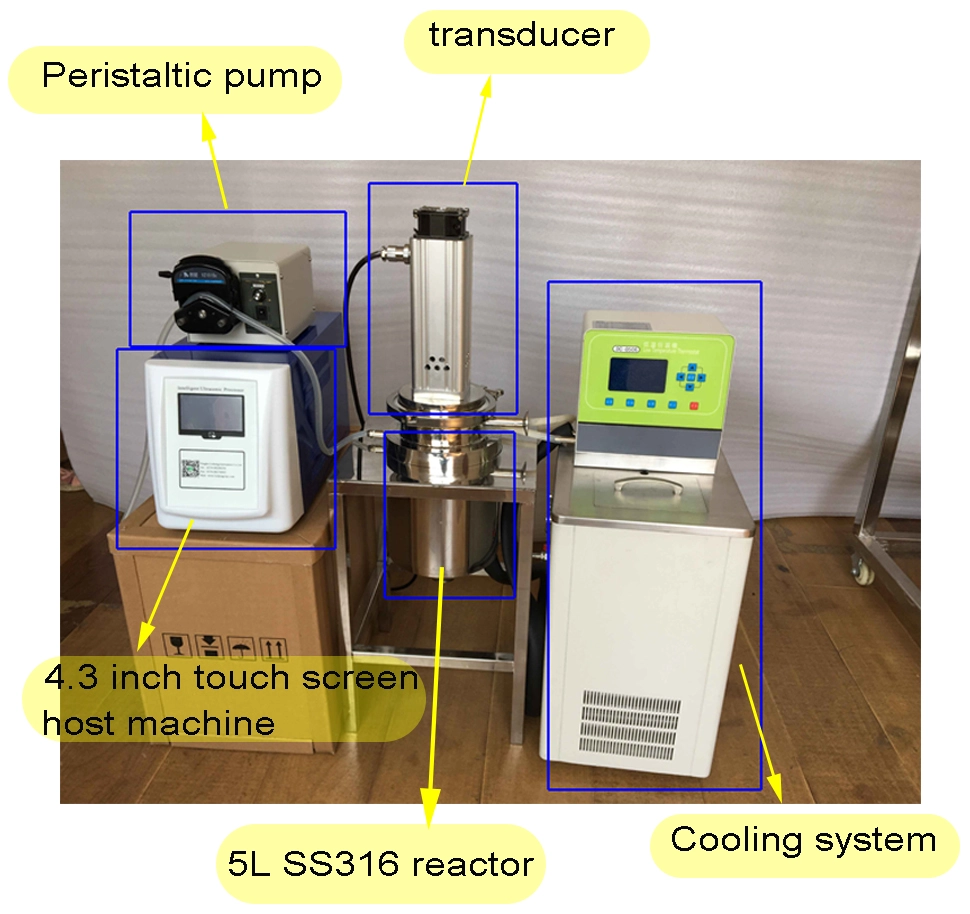
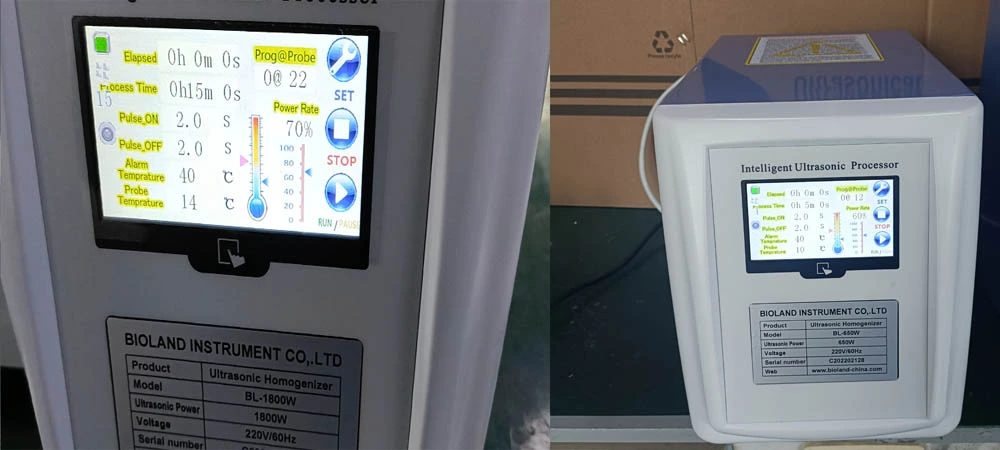
The generator converts AC power into 20 kHz electrical signals. A piezoelectric transducer turns those signals into mechanical vibrations, which propagate down the titanium probe into the liquid sample.
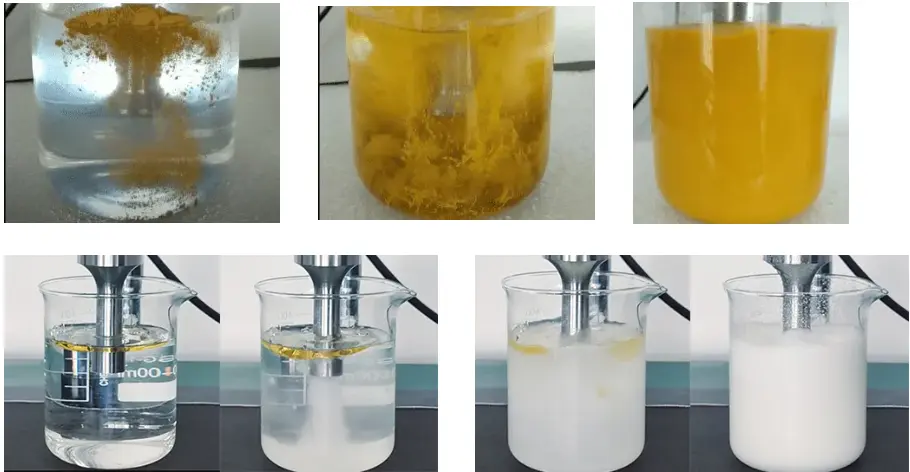
Rapid pressure cycles cause microscopic bubbles to form and collapse violently — this is acoustic cavitation. Each implosion generates intense localized shear forces (reaching pressures up to 2000 atm and transient temperatures up to 5000 K at the bubble wall, per published cavitation physics literature). These forces break cell walls, disaggregate nanoparticles, and reduce emulsion droplets to below 100 nm.
For pharmaceutical nano-emulsions, this process routinely achieves a Polydispersity Index (PDI) below 0.2 — indicating tight particle size distribution and improved shelf stability.
Probe & Generator Construction
The titanium probe (sonotrode) is machined from Grade 5 Ti-6Al-4V alloy — the same material standard used in aerospace and medical implants. Compared to standard stainless steel probes, Ti-6Al-4V offers:
- Higher fatigue resistance under continuous cavitation cycling
- Lower risk of metallic contamination in pharmaceutical or food samples
- Extended service life even at high amplitude settings
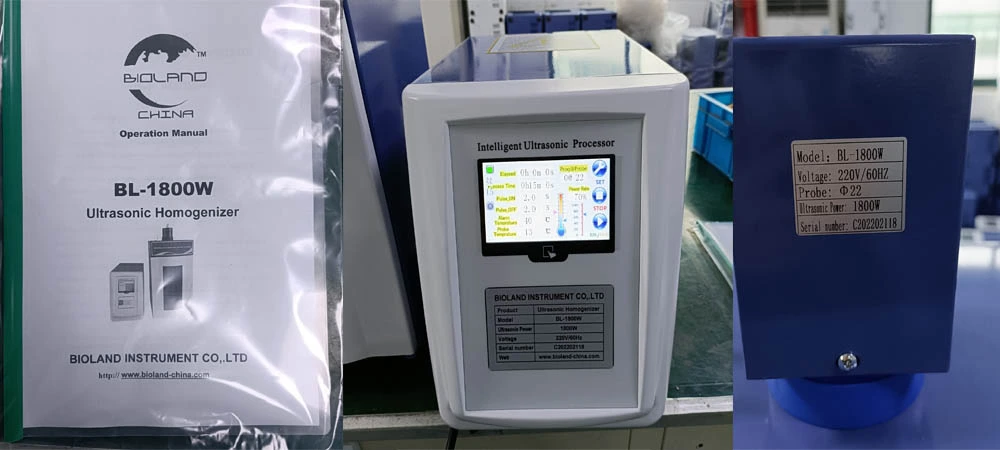
Each generator undergoes a 72-hour continuous run test at 80% rated load before shipment. Amplitude linearity is verified against calibration standards to confirm probe tip displacement matches the digital setpoint — a requirement for validated pharmaceutical or GMP environments.
Services & After-Sales Support
- Pre-sales: Application review and probe configuration recommendation
- Custom design: Probe diameter, length, tip geometry, and flow cell configurations
- Production transparency: Weekly photo/video updates throughout manufacturing
- Pre-shipment inspection: Customer approval required before dispatch
- Warranty: 1 year covering parts and workmanship defects
- Long-term support: Lifetime maintenance and titanium probe replacement supply
- Remote support: Engineering team available for troubleshooting and process optimization
Technical Parameters
|
MODEL
|
BL-250W
|
BL-650W
|
BL-1000W
|
BL-1800W
|
BL-3000W
|
|
Frequency
|
20-25 KHz
|
20-25 KHz
|
20-25 KHz
|
19.5-20.5KHz
|
19.5-20.5KHz
|
|
Power
|
6.5-250W
|
6.5-650W
|
10-1000W
|
20-1800W
|
300-3000W
|
|
Tranducer (Φ)
|
ф6mm
|
ф6mm
|
Ф12mm
|
ф22mm
|
Φ50
|
|
Optional Horn (Φ)
|
Ф2、3、
|
Φ2、3、8、10、12
|
Φ2、3、8、10、12、15
|
Φ10、15、20、25
|
Φ15、20、25、35、40、50
|
|
Processing Volume
|
0.2-200 ml
|
0.2-500 ml
|
0.2-700 ml
|
10-1500 ml
|
100-5000 ml
|
|
Duty Ratio (%)
|
1-99 %
|
1-99 %
|
1-99 %
|
1-99 %
|
0.1-99.9%
|
|
Time alarm
|
Yes
|
Yes
|
Yes
|
Yes
|
Yes
|
|
Overload alarm
|
Yes
|
Yes
|
Yes
|
Yes
|
Yes
|
|
Display
|
LCD
|
LCD
|
LCD
|
LCD
|
LCD
|
|
Supply
|
220/110V 50Hz/60Hz
|
220/110V 50Hz/60Hz
|
220/110V 50Hz/60Hz
|
220/110V 50Hz/60Hz
|
220/110V 50Hz/60Hz
|
About Xi'an Bioland Instrument
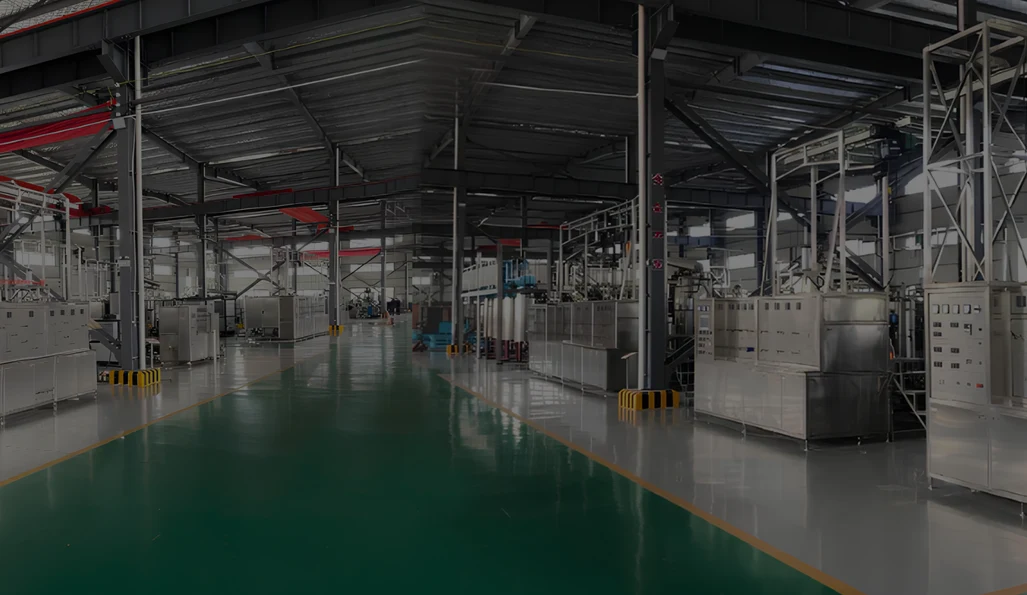
Xi'an Bioland Instrument Co., Ltd. has manufactured laboratory and industrial processing equipment, including ultrasonic homogenizer sonicator equipment, for over 15 years, supplying customers in pharmaceutical, chemical, food, and materials research sectors across Europe, Southeast Asia, and North America.
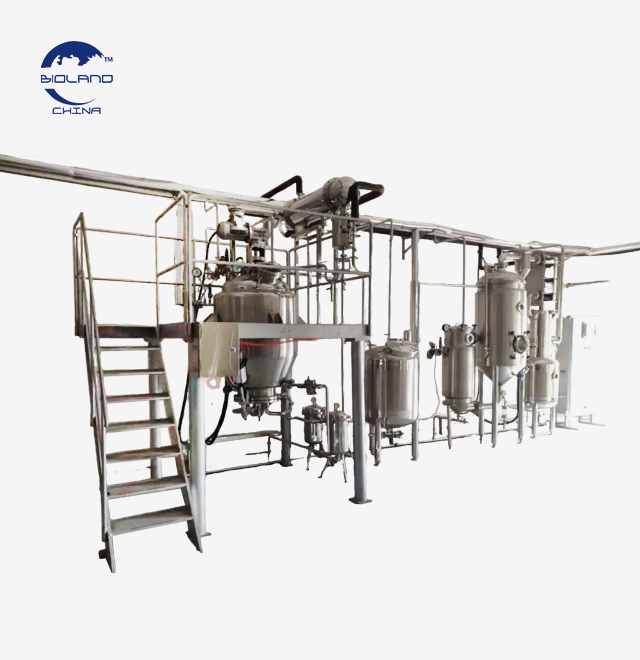
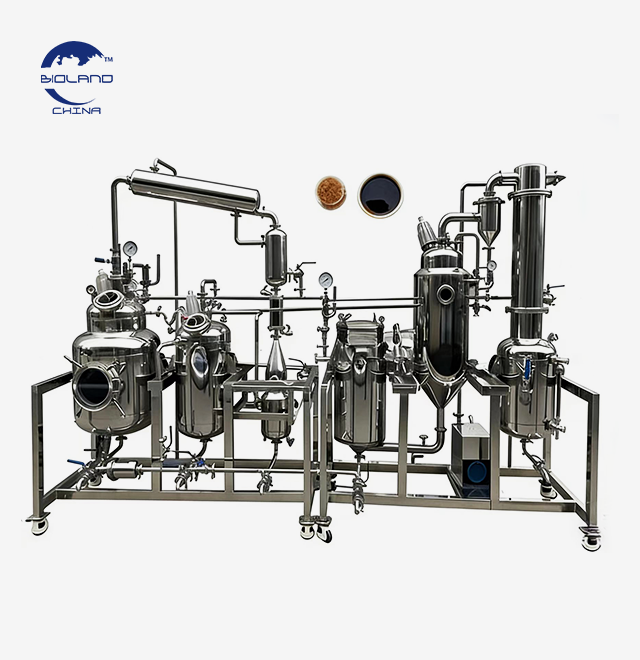
Our in-house engineering team handles standard configurations and fully custom production lines, including OEM and ODM projects.
- Standard units: 5–7 business days
- Custom configurations: 30 business days
- Shipping: sea, rail, or air freight — worldwide
Every order includes weekly production updates (photos or video), a pre-shipment inspection, and dedicated after-sales support.
Application Fields
|
Application
|
Typical Outcome
|
|
Pharmaceutical Nano-Emulsions & Liposomes
|
PDI < 0.2; stable API encapsulation
|
|
Nanomaterial Dispersion (graphene, CNT)
|
Uniform mono-dispersion in conductive inks and battery electrodes
|
|
Biological Cell Lysis (yeast, E. coli, algae)
|
High-yield protein, DNA, and organelle extraction
|
|
Food & Beverage Emulsification
|
Stable emulsions for beverages, sauces, functional ingredients
|
|
Cosmetic Formulations
|
Fine dispersions for serums and active ingredient delivery
|
|
New Materials R&D
|
Nanoparticle deagglomeration without high-pressure homogenizer clogging
|
Certifications & Compliance
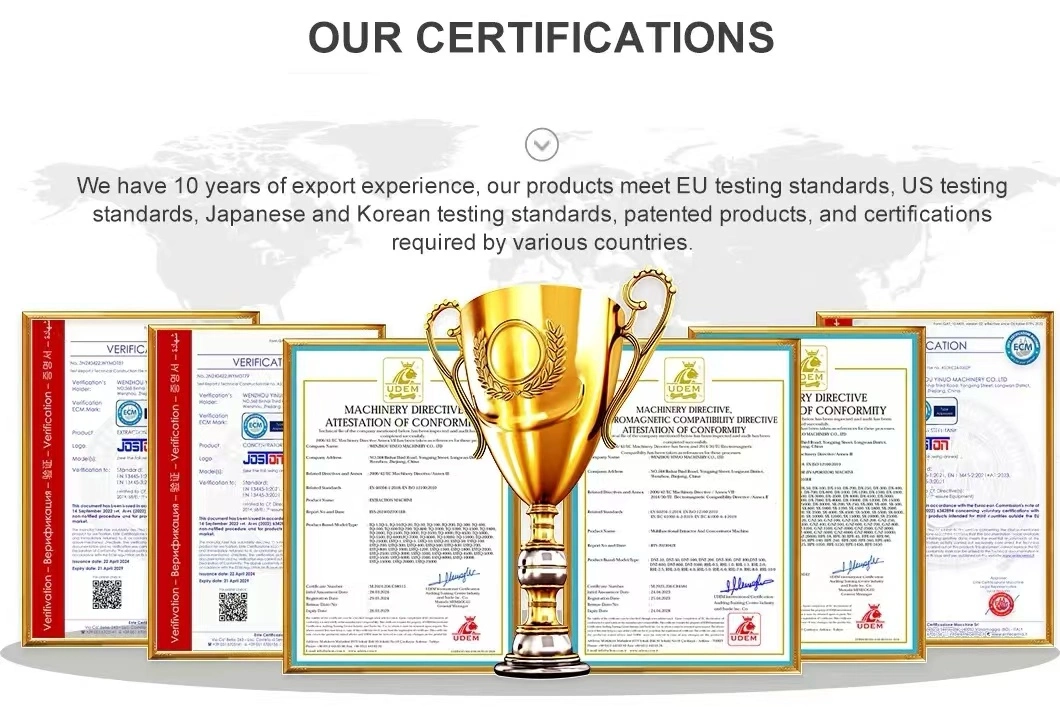
All units carry CE, ISO 9001, UL, and SGS certifications. Products meet applicable GMP and FDA documentation requirements for regulated manufacturing environments.
Factory Acceptance Testing (FAT) reports are available on request, documenting power output validation against water load standards. On-site FAT at our Xi'an facility can be scheduled prior to shipment.
FAQ
Q: How is this different from an ultrasonic cleaning bath?
A: A probe sonicator delivers focused energy directly into the sample at up to 100× higher power density than a bath. Cleaning baths are designed for surface rinsing — not cell disruption or particle dispersion.
Q: How do I prevent sample overheating?
A: Use pulse mode (e.g., 3–5 s on / 5 s off) with your vessel in an ice bath, or specify the low-temperature flow cell option. The built-in over-temperature alert provides an additional safety layer.
Q: How long does the titanium probe last?
A: Lifespan depends on amplitude setting and fluid abrasiveness. Replace the probe when you observe deep surface pitting or a measurable drop in processing efficiency. Replacement probes are available from us at any time.
Q: Can it handle high-viscosity liquids?
A: Yes, up to approximately 4000 cPs, when combined with mechanical stirring or recirculation to maintain sample flow across the probe tip. Non-flowable thick pastes are outside the effective range.
Q: How do I scale from lab to production?
A: Scale-up means matching specific energy input (Ws/mL) and residence time — not simply increasing wattage. We can help you design a continuous flow configuration that replicates your lab results at higher throughput.
Q: Can I get a custom probe for my vessel?
A: Yes. Provide your sample volume, vessel dimensions, and application, and our team will recommend probe diameter, length, and tip geometry.
Contact Us
📧 info@biolandequip.com — replies within 24 hours. Share your ultrasonic homogenizer sonicator application and we'll recommend the right configuration.