Ultrasonic Cell Disrupter — High-Efficiency Cell Lysis for Lab & Industrial Scale
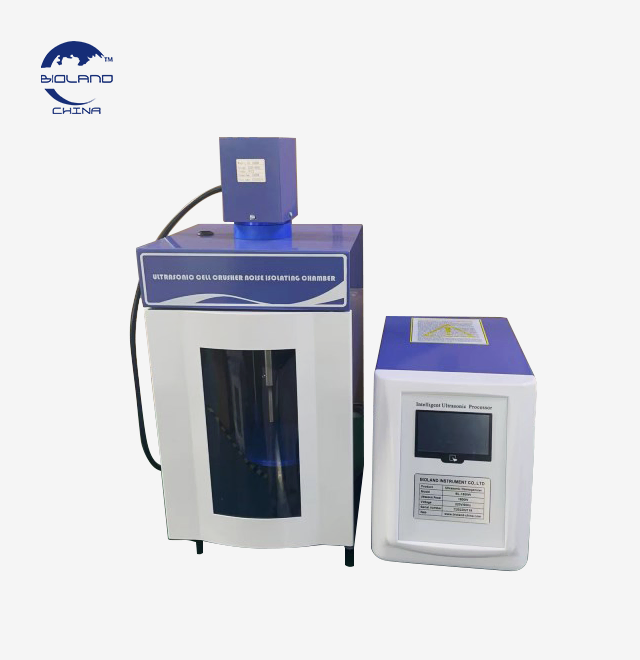
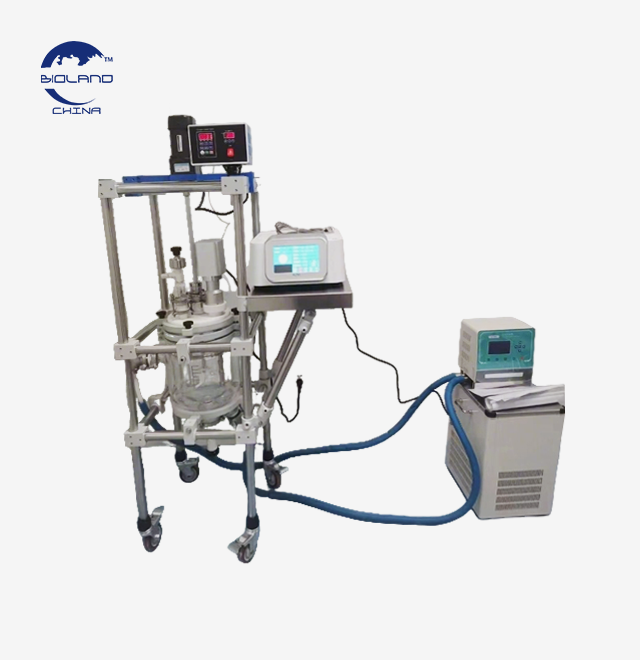
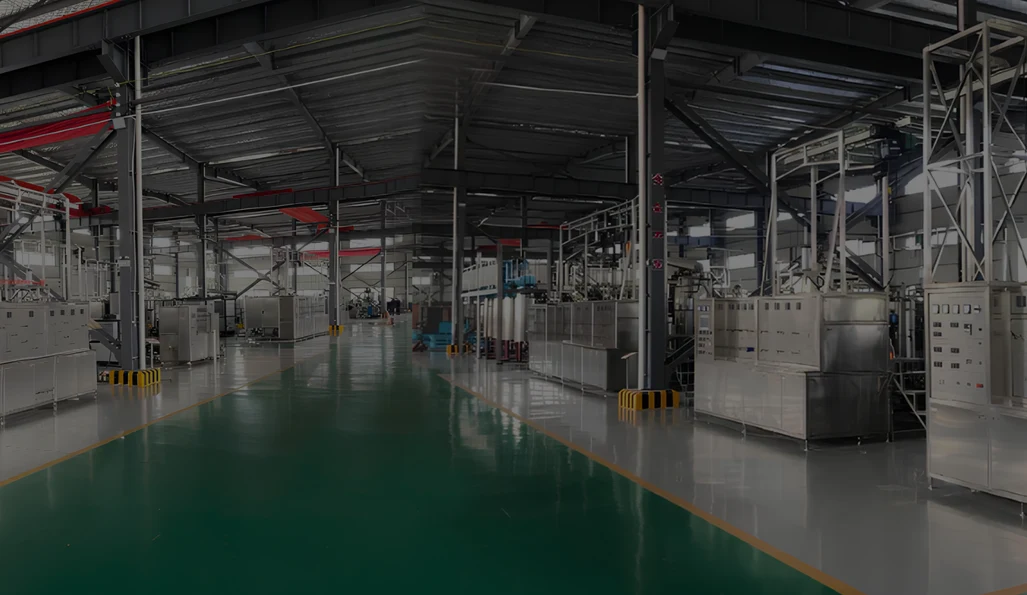
Xi'an Bioland Instrument Co., Ltd. manufactures professional ultrasonic cell disrupters for laboratories, biopharmaceutical production, and industrial processing. Powered by Grade 5 titanium alloy (Ti-6Al-4V) probes and a piezoelectric transducer at 20 kHz, the system generates precise acoustic cavitation to disrupt cell walls and release intracellular targets. Power ranges from 250W to 4000W, with PLC touch screen control, pulse/continuous modes, and customizable probe sizes for volumes from microliters to continuous flow.
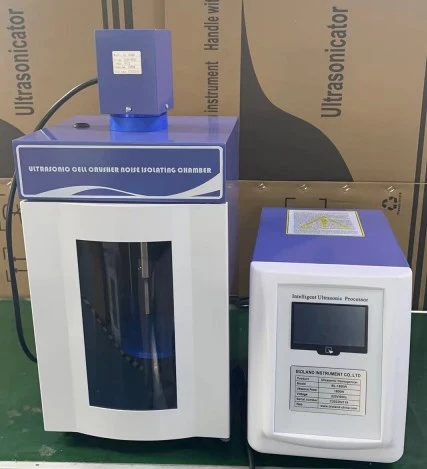
Key Features & Benefits
Precise Amplitude Control (1%–100%)
Match the energy output precisely to your sample. Low amplitude prevents damage to fragile mammalian cells; larger values allow power to be delivered to tough bacterial spores or yeast. No guess work. No over processing.
Auto-Frequency Tracking (Phase Locked Loop, PLL)
It's constantly adjusting itself to maintain ideal resonance, whether sample viscosity varies or probe temperature moves – ensuring energy efficiency and batch-to-batch consistency without manual recalibration.
Pulse Mode Programmable
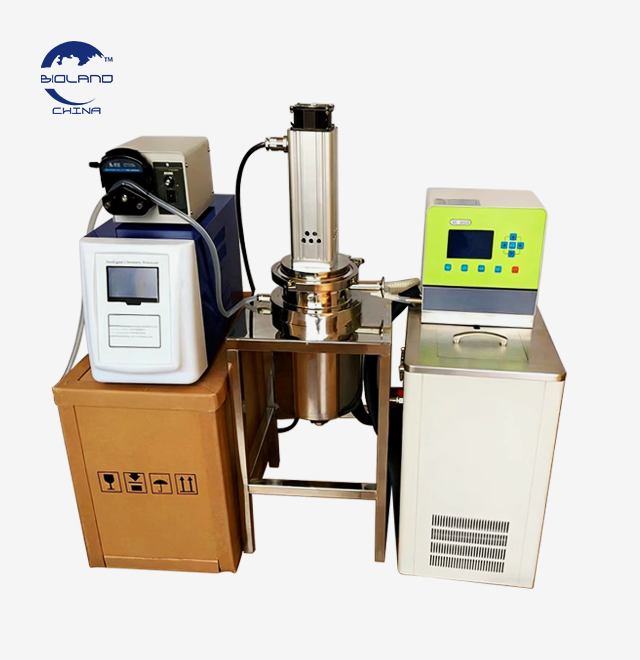
Set custom on/off duty cycles to avoid heat build-up between sonication bursts. When combined with an ice bath or jacketed vessel and chiller, your enzymes and proteins are active for the duration of the lysis.
Low-Contamination Titanium Probe Design
The Ti-6Al-4V probe surface is carefully machined to prevent pitting. Less surface erosion means fewer metal micro-particles in your sample – essential for downstream mass spectrometry, western blot or clinical assay workflows.
Technical Parameters
|
MODEL
|
BL-250W
|
BL-650W
|
BL-1000W
|
BL-1800W
|
BL-3000W
|
|
Frequency
|
20-25 KHz
|
20-25 KHz
|
20-25 KHz
|
19.5-20.5KHz
|
19.5-20.5KHz
|
|
Power
|
6.5-250W
|
6.5-650W
|
10-1000W
|
20-1800W
|
300-3000W
|
|
Tranducer (Φ)
|
ф6mm
|
ф6mm
|
Ф12mm
|
ф22mm
|
Φ50
|
|
Optional Horn (Φ)
|
Ф2、3、
|
Φ2、3、8、10、12
|
Φ2、3、8、10、12、15
|
Φ10、15、20、25
|
Φ15、20、25、35、40、50
|
|
Processing Volume
|
0.2-200 ml
|
0.2-500 ml
|
0.2-700 ml
|
10-1500 ml
|
100-5000 ml
|
|
Duty Ratio (%)
|
1-99 %
|
1-99 %
|
1-99 %
|
1-99 %
|
0.1-99.9%
|
|
Time alarm
|
Yes
|
Yes
|
Yes
|
Yes
|
Yes
|
|
Overload alarm
|
Yes
|
Yes
|
Yes
|
Yes
|
Yes
|
|
Display
|
LCD
|
LCD
|
LCD
|
LCD
|
LCD
|
|
Supply
|
220/110V 50Hz/60Hz
|
220/110V 50Hz/60Hz
|
220/110V 50Hz/60Hz
|
220/110V 50Hz/60Hz
|
220/110V 50Hz/60Hz
|
How It Works?
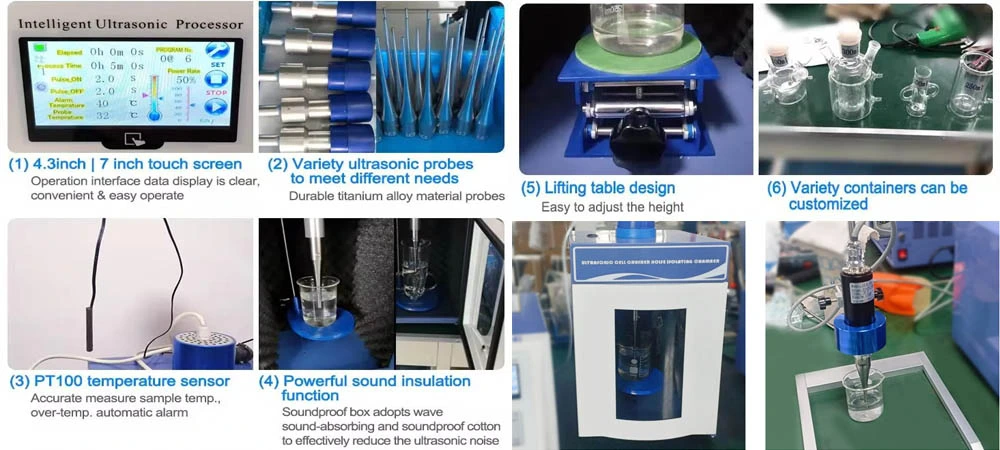
Electrical energy in the ultrasonic cell disrupter is converted into 20 kHz mechanical vibrations through a piezoelectric transducer stack. Vibrations travel through the titanium probe into your liquid sample, creating rapid pressure fluctuations that generate microscopic vacuum bubbles.
When these bubbles implode, localized shear forces disrupt cell walls and membranes — releasing organelles, proteins, DNA, and other intracellular content. This process is acoustic cavitation.
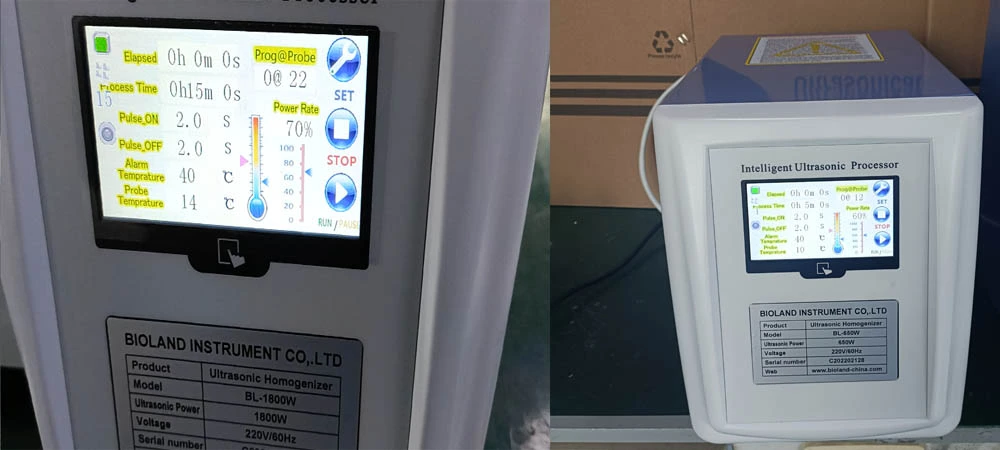
The PLC touch screen lets you define power level, pulse duration, total run time, and temperature thresholds before each run. Parameters are stored and recalled for full reproducibility across operators and shifts.
Services & After-Sales Support
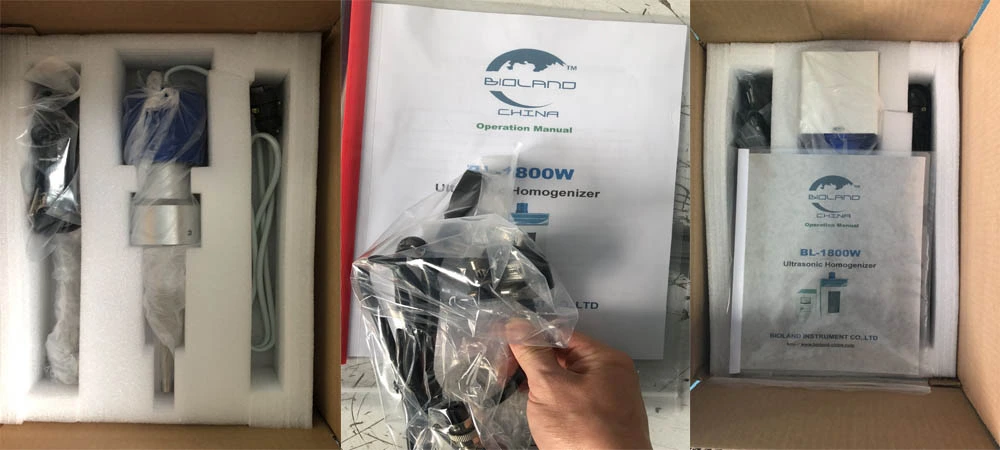
· Pre-shipment inspection photos and videos for your review before dispatch
· Factory Acceptance Test (FAT) available at our Xi'an facility
· Dedicated technical support from order through post-delivery commissioning
· Custom probe sizes, power ratings, and flow cell configurations on request
Why Choose Bioland?
- 15+ years supplying ultrasonic process equipment to biopharmaceutical, chemical, and food industry clients
- Dedicated production tracking: a specialist documents your build progress weekly via photos or video updates
- 30-day lead time for custom configurations; standard units ship in 5–7 business days
- Sea, rail, and air freight supported to 60+ countries
- 1-year quality warranty with ongoing maintenance support
- OEM and ODM configurations available
Application Fields
|
Industry
|
Typical Use Case
|
|
Genomics & NGS
|
DNA/chromatin shearing to 200–500 bp for ChIP-seq library preparation
|
|
Biopharmaceutical R&D
|
E. coli and mammalian cell lysis; recombinant protein extraction with preserved enzyme activity
|
|
Nanomaterial Processing
|
Dispersion of carbon nanotubes, graphene, and nano-liposome formation for drug delivery
|
|
Food & Cosmetics
|
Sub-micron emulsification not achievable with conventional overhead mixers
|
|
Chemical Synthesis
|
Solvent degassing, reaction acceleration, and homogenous suspension preparation at pilot scale
|
Quality Certifications & Compliance
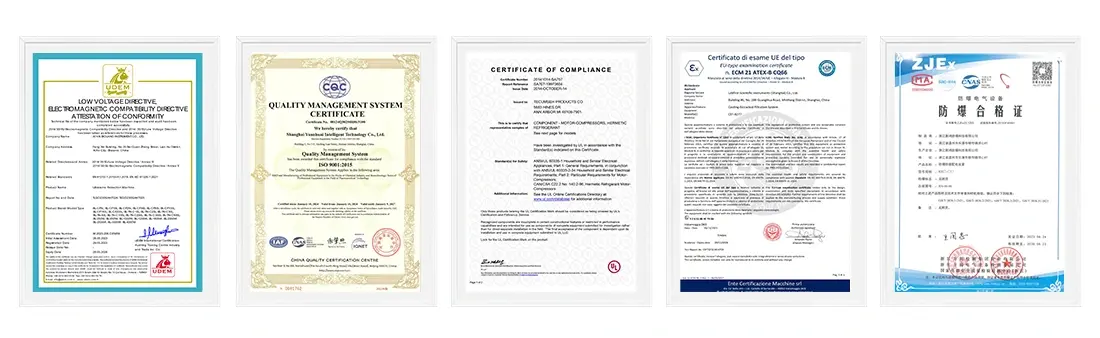
Certified to CE, ISO, UL, and SGS standards. All units are manufactured under GMP-aligned processes, supporting use in regulated pharmaceutical and food processing environments.
Each unit passes the following quality checks before shipment:
- Amplitude stability test under variable sample loads
- Probe surface inspection for pitting tolerance
- Transducer piezoelectric efficiency verification
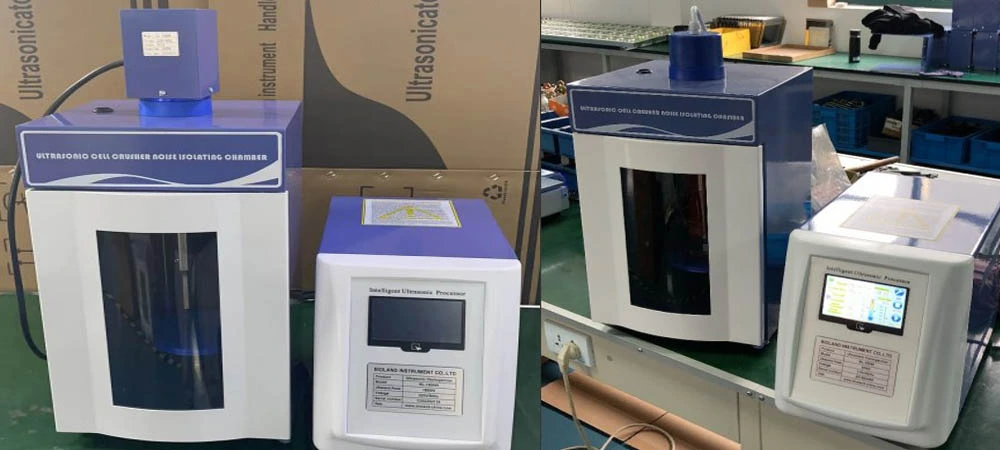
- Acoustic enclosure compatibility check (OSHA / ISO noise safety)
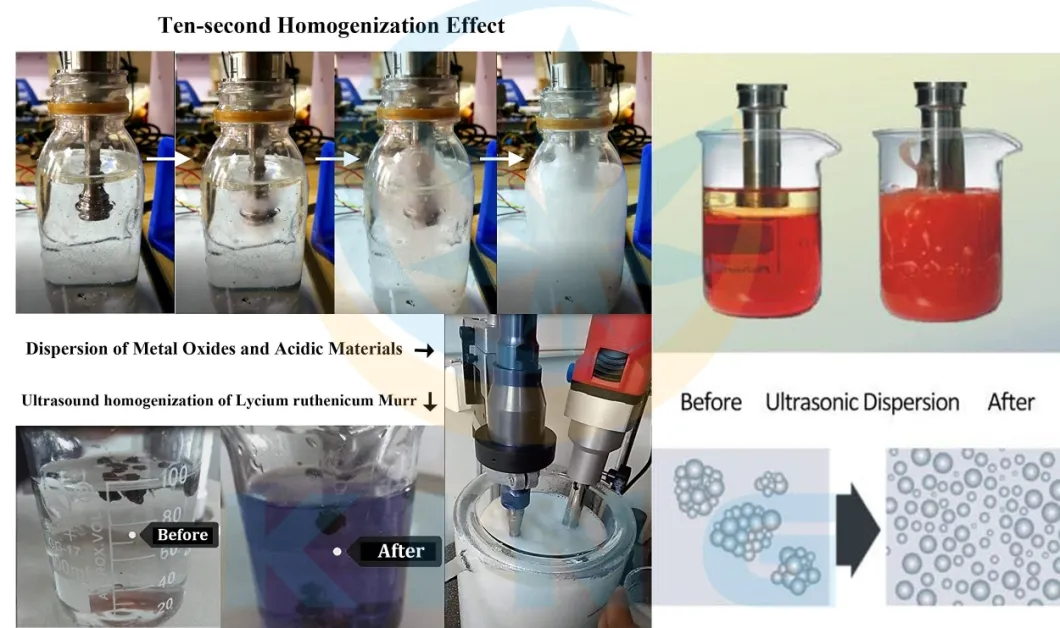
FAQ
Q: How do I prevent protein denaturation during sonication?
A: Use pulse mode to allow heat dissipation between bursts. Keep your sample in an ice-water bath, or use a jacketed vessel with an external chiller for strict temperature control.
Q: When should I replace or service the probe?
A: Replace or resurface the probe when you notice excessive noise, visible pitting on the tip, or when the system cannot tune to frequency — typically a sign of probe mass loss from erosion.
Q: Can I process multiple samples simultaneously?
A: Yes. A cup horn or multi-tip attachment enables simultaneous processing. Cup horns provide contactless indirect sonication, eliminating cross-contamination between sample tubes.
Q: What is the difference between pulse and continuous mode?
A: Continuous mode delivers uninterrupted energy — suited for solvent degassing or robust chemical reactions. Pulse mode cycles energy on and off, protecting heat-sensitive biological samples during lysis.
Q: Why is there audible noise during operation?
A: The 20 kHz operating frequency is above human hearing, but sub-harmonic cavitation frequencies are audible. A sudden pitch change may indicate a loose probe or cracked converter — stop operation and inspect before continuing.
Q: Can this unit scale to industrial production?
A: Yes. Configurations from 250W to 4000W cover lab to pilot scale. Flow cell attachments enable continuous processing for high-volume applications. Contact us to specify capacity and probe requirements.
Contact Us
Need a quote or technical consultation for the ultrasonic cell disrupter? Email us at info@biolandequip.com — we'll respond within 1 business day.