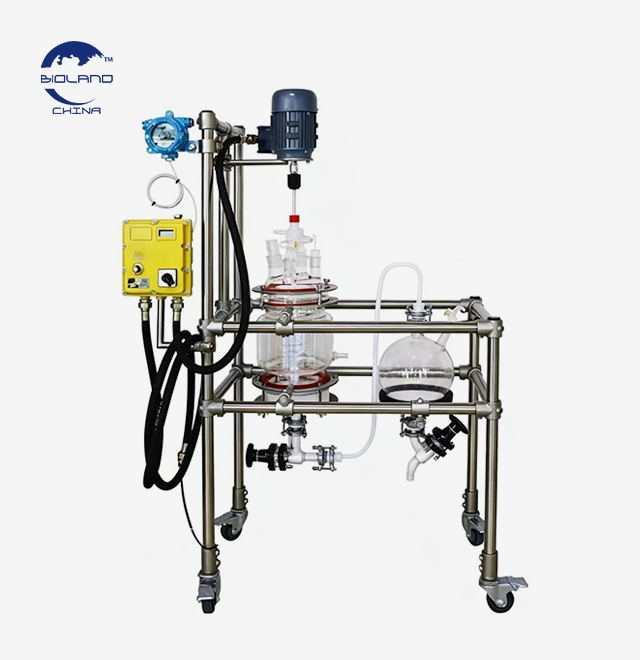
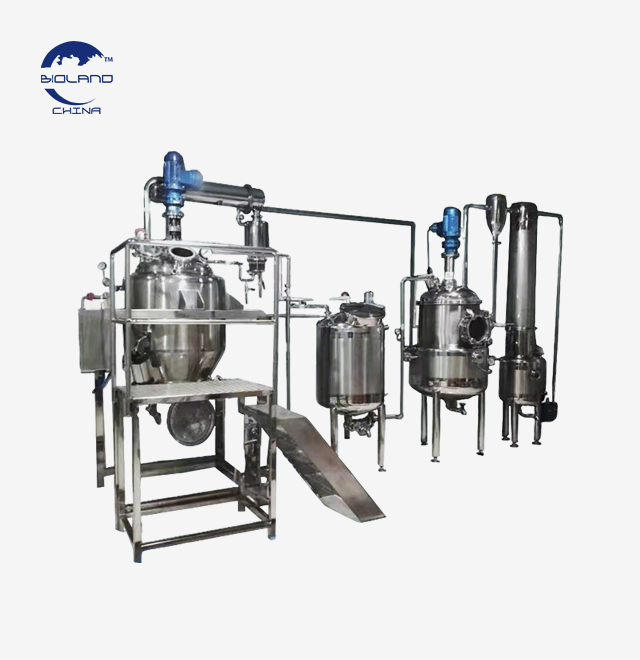
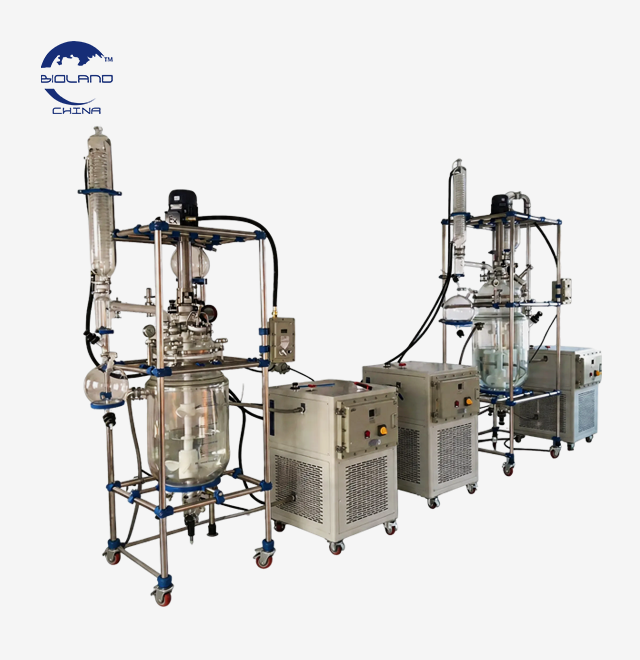
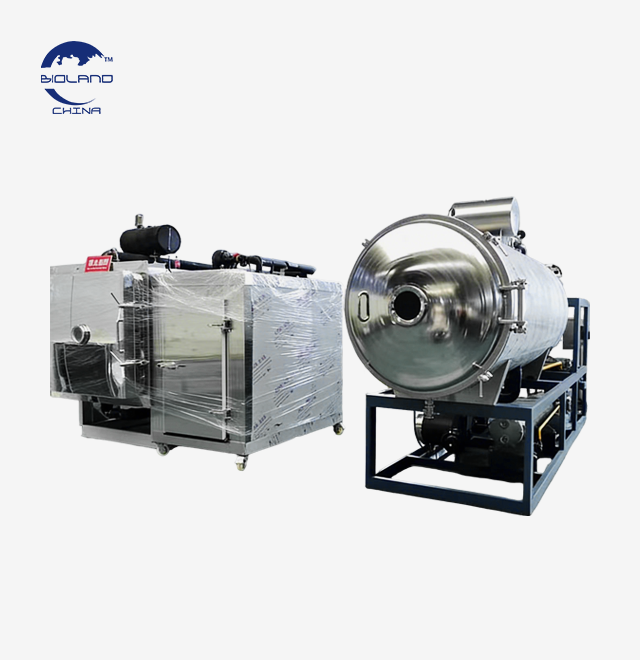
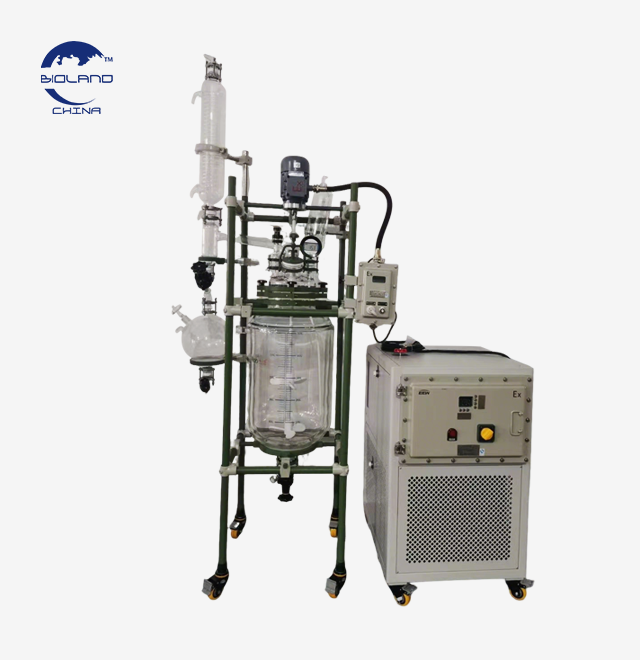
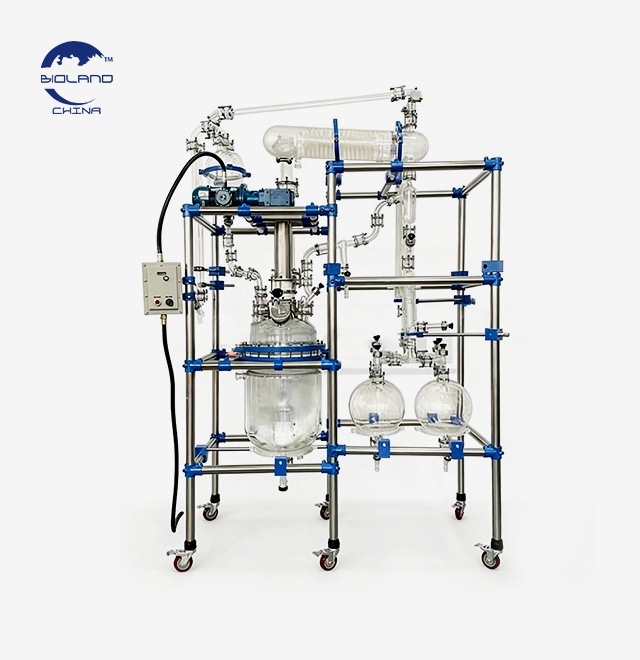
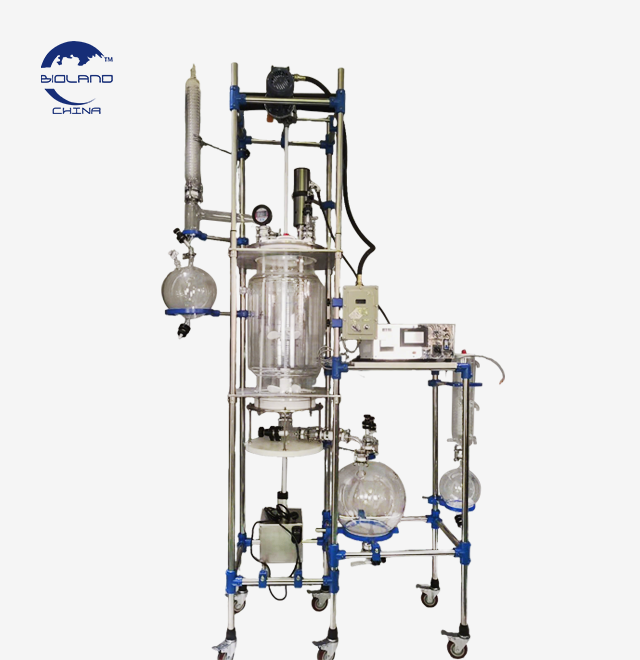
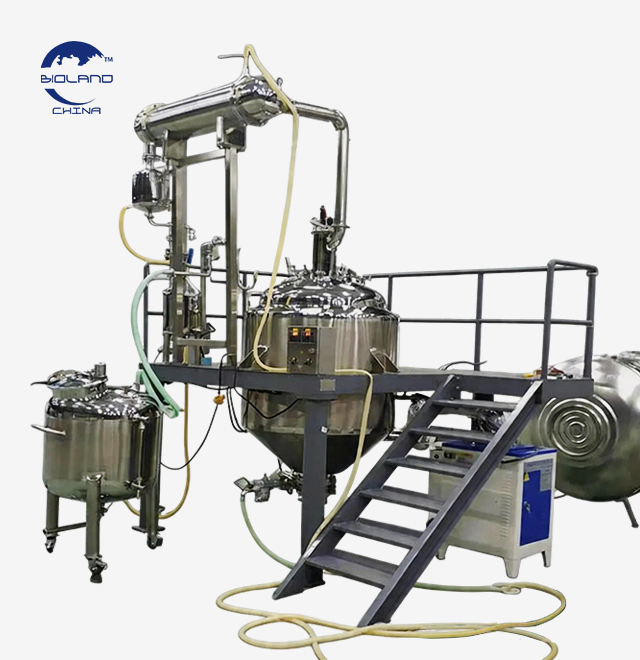
A Soxhlet extraction setup works by continuously refluxing solvents, which gets target chemicals out of solid samples very well. A boiling flask is used to heat a solvent. The solvent evaporates and rises into a condenser, where it cools and drips onto a sample that is held in a porous thimble. As the solvent fills the extraction chamber, it siphons back to the heating flask with the dissolved chemicals. This cycle repeats itself automatically for several hours, making sure that all the liquid is used while still getting a good extraction. These days,soxhlet extraction equipmenthas temperature controls, automatic siphoning sensors, and solvent recovery systems that make it safer and more efficient in environmental, food testing, and pharmaceutical labs.
Understanding the Principle and Process of Soxhlet Extraction
The Soxhlet extraction method has been used for a long time to separate lipid-soluble and semi-volatile chemicals from complex mixtures. At its heart, the method involves washing the sample material over and over with fresh condensed solvent. This slowly concentrates the extracted substances in the boiling flask while leaving behind unwanted substances in the extraction thimble.
Core Components and Configurations
A typical Soxhlet setup is made up of four glass parts that are all linked to each other: a round-bottom boiling flask, an extraction chamber with a siphon arm, a reflux condenser, and a thimble made of porous cellulose that holds the sample. Industrial versions made of 316 stainless steel last longer and are better for high-throughput processes in fine chemical and pharmaceutical plants. The boiling flask is placed on a heating mantle that keeps the temperature exact, usually between 40°C and 150°C, based on the boiling point of the liquid. The flowing water cools the condenser, which makes sure that all the vapor condenses. This stops the solvent from escaping and keeps the working conditions safe.
The Continuous Reflux Process
The solvent evaporates from the hot tank and rises through the vapor tube into the condenser while the machine is running. Target chemicals are broken down when cooled liquid drips onto the sample in the thimble. As the extraction room slowly fills up, buoyancy lifts a siphon device that, when a certain level is reached, automatically draws the enriched liquid back into the boiling flask. This cycle controls itself, so there's no need for constant supervision. It also makes sure that all sample parts are extracted in the same way.
Operating Parameters and Optimization
Controlling the temperature is very important for getting the most out of the crop without breaking down heat-sensitive chemicals. Hexane and petroleum ether work well for extracting lipids at lower temperatures. Ethanol and methanol, on the other hand, are good at working with polar substances. There is a clear link between cycle frequency and extraction completion. Shorter siphoning intervals increase efficiency but may shorten the contact time per cycle. Modern computerized systems can do 6-10 cycles per hour, which is a lot more than the 4-6 cycles per hour that human sets can do.
Advantages and Limitations
Compared to simple maceration, Soxhlet extraction's main benefit is that it can achieve almost full recovery with relatively small amounts of fluid. Automation has the ability to greatly lower the amount of work that needs to be done, which makes it a cost-effective choice for regular analytical testing. However, the method requires long working times—often 4 to 24 hours for full extraction—which can slow down labs that do a lot of work. Even though they can be recycled, a lot of solvents are still used, and thermolabile chemicals may break down in heat unless low-temperature versions are used.
Comparing Soxhlet Extraction Equipment Options for Procurement Decisions
When procurement teams look at different extraction technologies, they have to compare how well they work with business needs and spending limits. Knowing the differences between the choices makes it possible to make smart investments that help reach long-term output goals.
Soxhlet Versus Alternative Extraction Methods
In many situations, traditional soxhlet extraction equipment is up against ultrasonic-assisted extraction (UAE) and hot reflux. UAE uses high-frequency sound waves to break down cell walls. This speeds up mass transfer and cuts the time it takes to remove something from cells from several hours to 24-40 minutes. This cuts processing time by more than two-thirds while getting 50-500% better yields in plant extractions. Hot reflux methods are easy to use, but they don't have the regular solvent refill that makes Soxhlet methods more complete. Soxhlet extraction is still the most reliable method for tasks that need to follow strict rules, like finding crude fat according to AOAC 991.36 or EPA Method 3540C for semi-volatile organics.
Material Selection: Glass versus Stainless Steel
Borosilicate 3.3 glass systems are great for developing methods on a small scale in the lab because they are resistant to chemicals and can be watched visually. Because they are clear, operators can see how siphoning works and spot any possible channeling effects early. But glass can still be broken by mechanical or thermal shock, which makes it less useful in industry settings where longevity is important enough to justify a higher capital investment. Extractors made of 316-grade stainless steel can handle harsh liquids like chloroform and dichloromethane, as well as rough handling in a factory setting. These units support manufacturing that follows good manufacturing practices (GMP). The surfaces are clean enough to meet pharmaceutical standards and won't rust after decades of use.
Manual Operations Versus Automated Systems
Manual Soxhlet setups need constant control to keep the temperature stable and keep an eye on the flow of water, which takes skilled workers away from regular tasks. Automatic extraction equipment has PLC control systems that keep the temperature within ±1°C of the set point, use visual sensors to find when the siphon is full, and run pre-programmed extraction routines without any help from a person. This intelligence cuts production cycles by a huge amount and makes it easier to repeat data across batches. When you switch from manual to automatic operation, labor costs usually drop by 35 to 50 percent. At the same time, the workplace becomes safer thanks to explosion-proof shelters that keep workers away from dangerous solvent vapors.
Equipment Features and Market Standards
Modular designs from top manufacturers now meet a wide range of practical needs. Solvent recovery systems accomplish more than 92% recycling efficiency, which lowers both the cost of acquisition and the duty to release pollutants into the environment. Clean-in-place (CIP) units clean automatically between production runs, preventing cross-contamination, which is very important for medicinal uses. Automatic discharge devices get rid of the need to handle hot, solvent-soaked samples by hand, which lowers the risk of burns and exposure. It's no longer a competitive difference to meet CE, ISO, UL, SGS, ATEX, and IEC approval standards. This is because the industry has matured and regulators are paying more attention.
Practical Considerations for Operating Soxhlet Extraction Equipment Safely and Efficiently
Safe operation includes more than just following the rules. It also includes following realistic steps that keep people safe and make the most of machine uptime. Paying careful attention to regular steps can make both safety measures and extraction performance better.
Critical Safety Protocols
Handling solvents requires strict attention to practices that reduce risks, especially when operatingsoxhlet extraction equipment. Flammable organic solvents must be kept in approved cabinets, away from sources of burning, and only in sufficient amounts to meet daily operating needs. Extraction equipment should be kept in well-ventilated areas or in fume hoods that can handle the amount of smoke that is made when the equipment is heated. Explosion-proof electrical parts stop spark ignition in secret environments where levels of volatile organic compounds can reach levels that can start a fire. Before each use, operators must check the seals on glassware or pressure vessels and throw away any parts that have cracks, chips, or old gaskets that could cause a catastrophic failure under heat stress. Emergency eyewash stations and safety baths that are within 10 seconds of the chemical exposure event are very important for responding quickly.
Maintenance and Troubleshooting
Schedules for preventive repair keep technology reliable and increase its useful life. Minerals from the cooling water build up on the condenser coils, which makes heat transfer less effective and extends the time between extraction processes. Descaling once a month with a weak citric acid solution gets things back to working at their best without hurting the glass. PTFE or Viton O-rings need to be replaced every 6 to 12 months, based on how aggressive the fluid is and how hot the machine is running. Calibration of temperature sensors with approved reference thermometers keeps the accuracy within the limits set by the manufacturer. This keeps sensitive analytes from breaking down at high temperatures. When extraction rates are lower than usual, sample channeling is usually to blame. This happens when the sample is not ground properly or mixed with neutral dispersants like Celite enough, creating preferred flow paths that skip over parts of the sample matrix. This common problem can be fixed by making sure that particles are all the same size and choosing the right thimble.
Efficiency Optimization Strategies
Systematic optimization of many factors is needed to get the highest extraction rate while saving processing time. It is important to choose a solvent that has the right amount of dissolving power, boiling point, and safety factors. Solvents with lower boiling points cycle more quickly, but they may also release thermolabile chemicals. Sample preparation has a big effect on how fast the extraction happens. For example, freeze-drying plant materials before grinding them breaks down the cell structures, which makes it easier for the liquid to get into the sample than if it had been dried in the air. Pre-extraction hydrolysis methods free bound lipids from protein structures in meat and dairy products, which makes recovering crude fat a lot easier. Raising the temperature speeds up the transfer of mass but also increases the chance of thermal degradation. Low-temperature extraction methods that work at 40-60°C protect heat-sensitive phytochemicals while allowing longer processing times, which is a trade-off that can be accepted in natural product uses.
Procurement Guide: How to Source Soxhlet Extraction Equipment for Your Business?
When making strategic sourcing choices, people weigh the need for quick cash with the costs of ownership over a product's whole life, the freedom of operations, and how well the product fits with changing regulatory environments. Smart buying teams look at all of a supplier's services before choosing one based only on the initial purchase price.
Evaluating Supplier Credentials
Before choosing a supplier, you should check that they have quality management certifications like ISO 9001 and industry-specific standards like GMP compliance for medicinal tools. Manufacturing experience of 15 years or more shows technical development and financial security, which are important when the service life of an item could be more than 20 years. Ask for proof of previous setups in similar situations; good uses in extracting stevia, propolis, capsaicin, and curcumin show versatility across difficult botanicals. After-sales support infrastructure should be carefully looked at. Suppliers with specialized expert teams for installation commissioning, operator training, and ongoing troubleshooting offer value that goes far beyond differences in purchase price. The warranty should cover both parts and work for at least one year, and there should be clear promises about how long it will take to fix major problems that stop production.
Cost-Benefit Analysis Across Equipment Categories
The least amount of money is needed to buy a manual extraction system, such as basicsoxhlet extraction equipment for routine laboratory use. Lab-scale units that can handle 6 to 12 samples at once usually cost between $3,000 and $8,000. These work well for study institutions that need to do tests from time to time but don't have enough workers or money to buy the right tools. Semi-automated systems with temperature controls and safety interlocks cost between $15,000 and $35,000. They make things more consistent without needing a full PLC interface. Industrial extractors that are fully automated, can recover solvents, are built to not explode, and come with modular extras cost between $60,000 and $250,000, based on the material and processing capacity. To find out what the real economic worth of something is, you have to figure out its total cost of ownership, which includes how much solvent it uses, the difference in price between new and used solvent, and how much work it takes to run over its whole life.
Customization and Volume Purchasing Advantages
Off-the-shelf machine combinations don't always work perfectly with the unique processing needs. Reliable makers offer OEM and ODM services that change standard platforms to fit specific operational needs, such as custom extraction chamber sizes, special metalworking for corrosive liquids, or connecting to existing automation systems. Turnkey solutions that include planning the layout of the workshop, choosing the right equipment, supervising the installation, and teaching the operators make capacity growth projects go more smoothly and lower the risk of problems during integration. When you buy a lot of something, like multiple units or a whole production line, you can usually get 10-25% off the price and faster delivery times. Using a single provider makes it easier to keep track of spare parts and train technicians, which leads to practical savings that add up over the life of the facility.
Why Trust BIOLAND's Soxhlet Extraction Solutions?
Xi'an Bioland Instrument Co., Ltd. has been in the world extraction equipment market for over 15 years and has a lot of experience in specialized engineering. They serve the pharmaceutical, biotechnology, and fine chemistry industries in North America, Europe, and Southeast Asia. Our wide range of products includes ultrasonic plant extraction systems, ethanol recovery units, supercritical CO₂ equipment, and modern Soxhlet extraction platforms that are made to make the transition from the lab to production as smooth as possible.
In a market with a lot of competition, BIOLAND stands out because we focus on custom process solutions instead of general product listings. We've successfully built extraction lines for stevia sweeteners, propolis nutraceuticals, capsaicin oleoresins, curcumin concentrates, and medicinal mushroom extracts. For each project, we made sure the lines were tuned to the specifics of the material and the purity levels that were needed. Our equipment achieves 50-500% higher extraction efficiencies than traditional methods by combining exact filtration, low-temperature concentration, ultrasonic-assisted extraction, and closed-loop solvent recovery. This increases the yield of active constituents while minimizing waste.
Every system that leaves our building has CE and ISO certifications and meets UL, SGS, ATEX, and IEC standards. This makes sure that the system is safe to use and that it meets legal requirements. Our production methods follow GMP guidelines and use 316 stainless steel for all surfaces that come into touch with the product. This eliminates the risk of contamination in pharmaceutical settings. Optional dual-ultrasonic setups improve the rate of dissolution for extracting traditional Chinese medicines. They also keep the ability to be scaled up or down, from lab tabletop units to full industrial production lines.
BIOLAND's modular design philosophy lets different operations meet their needs with customizable explosion-proof systems, organic solvent recovery modules, automated CIP cleaning, and automatic release systems. PLC-based control interfaces make operations easier and record process data for proof documents needed by FDA and other foreign regulatory bodies. Our expert team offers full support throughout the whole lifetime of the equipment, from the initial process review and workshop planning to installation commissioning, operator training, and quick after-sales maintenance that keeps unplanned downtime to a minimum.
Our clients see real benefits like extraction times cut down from hours to 24-40 minutes, impurity levels lowered by 40 to 60 percent to make purification steps easier, and overall processing costs lowered by 30 to 45 percent through solvent recovery and better automation. These changes that can be measured directly help our partners become more competitive and make more money.
Conclusion
When buying teams know how soxhlet extraction equipment works, they can make decisions that balance technical performance, safety compliance, and economic value. For complete compound recovery, the continuous reflux method still works fine, but robotics and materials science have fixed problems with processing speed and worker safety that existed in the past. When looking for equipment, it's important to think about more than just the initial cost. You should also think about the costs over the whole life of the item, the professional support that the provider offers, and how flexible the customization options are in line with changing production needs. BIOLAND has been providing GMP-compliant, high-efficiency extraction systems for 15 years. This makes us a valuable partner for companies that want to grow from study to market production in pharmaceutical, nutraceutical, and specialty chemical fields.
FAQ
Q1; What solvents work best for specific extraction applications?
A: The polarity and temperature stability of the target molecule affect the choice of solvent. Polar alkaloids and phenolics need ethanol or methanol at slightly higher temperatures, while nonpolar lipids can be extracted well with hexane or petroleum ether at 60-80°C. Even though it takes longer to process, low-temperature methods using ethanol at 40 to 60°C are better for heat-sensitive plant actives.
Q2: How much productivity gain do automated systems deliver?
A: When compared to human control, automated Soxhlet extraction equipment cuts the amount of work that needs to be done by 50-70% while also making it easier to repeat results from batch to batch. Optical leak detection and integrated PLC controls make sure that the cycle always ends on time. Temperature settings are kept accurate to within ±1°C. This means that high-volume testing labs will be able to get 30-40% more done.
Q3: Can Soxhlet methods scale to industrial production volumes?
A: Modern extractors made of stainless steel that are meant to work continuously successfully apply Soxhlet principles to large amounts of work. Units that can handle batches of 50 to 500 kg have solvent recovery systems that can get back more than 92% of the organic solvents. This means that they can be used for both industrial plant extraction and pilot-scale production of pharmaceutical intermediates.
Partner with a Trusted Soxhlet Extraction Equipment Manufacturer
A good place to start improving your extraction skills is to find a provider who knows both the scientific details of the Soxhlet method and how pharmaceuticals are made, plants are processed, and tests are done. BIOLAND INSTRUMENT offers complete packages that include state-of-the-art automation, GMP-compliant building, and adaptable customization, all backed by quality systems that are ISO-certified. Our engineering team is ready to look at your unique needs, whether you're moving from lab-scale development to pilot production, replacing old equipment to boost safety and yield, or creating brand-new extraction facilities.
Get in touch with us to talk about how our dual-condenser systems, explosion-proof designs, and built-in solvent recovery can help you get more out of your extraction while cutting down on costs. Our technical experts can be reached at info@biolandequip.com to set up a meeting, ask for more information, or set up a factory acceptance test at our production site. We're happy to work with OEMs and offer bulk discounts for deployments of multiple units. BIOLAND has a lot of experience with stevia, curcumin, and capsaicin extraction production lines. They can help you get your product to market faster with reliable, compliant equipment that is built to last for decades.
References
1. Luque de Castro, M.D., & García-Ayuso, L.E. (1998). Soxhlet Extraction of Solid Materials: An Outdated Technique with a Promising Innovative Future. Analytica Chimica Acta, 369(1-2), 1-10.
3. Smith, R.M. (2003). Before the Injection—Modern Methods of Sample Preparation for Separation Techniques. Journal of Chromatography A, 1000(1-2), 3-27.
4. Kaufmann, B., & Christen, P. (2002). Recent Extraction Techniques for Natural Products: Microwave-Assisted Extraction and Pressurised Solvent Extraction. Phytochemical Analysis, 13(2), 105-113.
5. Richter, B.E., et al. (1996). Accelerated Solvent Extraction: A Technique for Sample Preparation. Analytical Chemistry, 68(6), 1033-1039.
6. Dean, J.R. (2009). Extraction Techniques in Analytical Sciences. Analytical Techniques in the Sciences Series, Wiley & Sons, Chapter 3: Soxhlet Extraction, 87-112.
The reactor is beautifully mirror-polished and fully complies with GMP requirements for the pharmaceutical industry. The performance is excellent! Overall, we are very satisfied! We also provided with some feedback on our process improvements, which we hope will be helpful.
2024-04-09
Laboratory
Excellent and professional service. Always reply our questions very fast. All reactors and chiller we received are good too.
2024-02-15
Research Institute
Quality is beyond our expectation actually. After we got the extraction equipment and started using it, the performance was beyond our expectation. Very easy to use and very efficient to run. Service always respond us very quickly. Was also very helpful to help us. Thanks Bioland team. Very happy to work with you.
2023-11-20
Biotech Company
We are happy about the new purchase as always. Equipment and services are both good.
2023-08-05
Instrument Lab
This is the second order with Bioland instrument and everything is good as the first dateText.
2023-05-12
Global Trading Partner
Bioland instrument team is very helpful and professional. The sales helped us select the right equipment for our application, and their logistics people handled the transportation and customs declaration for our shipment. All that saved us a lot of work.